Bautzen
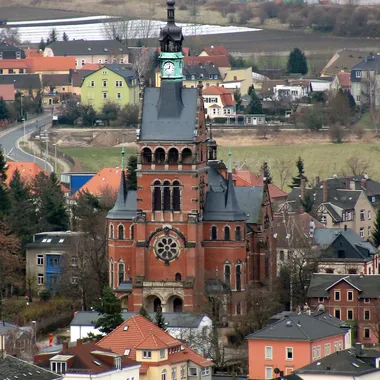
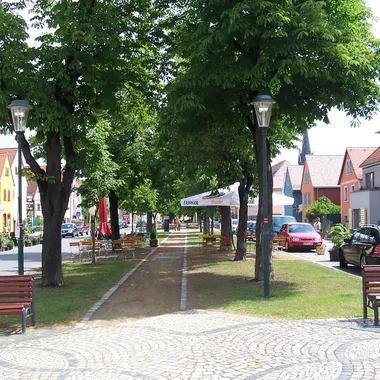
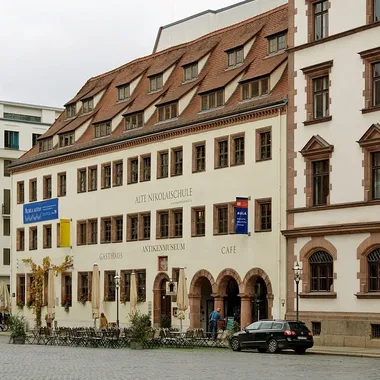
Bautzen, the "city of towers", impresses with its well-preserved old town, medieval towers and Sorbian culture.
Saxony inspires with its rich history, impressive cities and breathtaking landscapes. From the cultural metropolis of Dresden to the historical treasures of Leipzig and the picturesque Ore Mountains, the Free State offers something for everyone
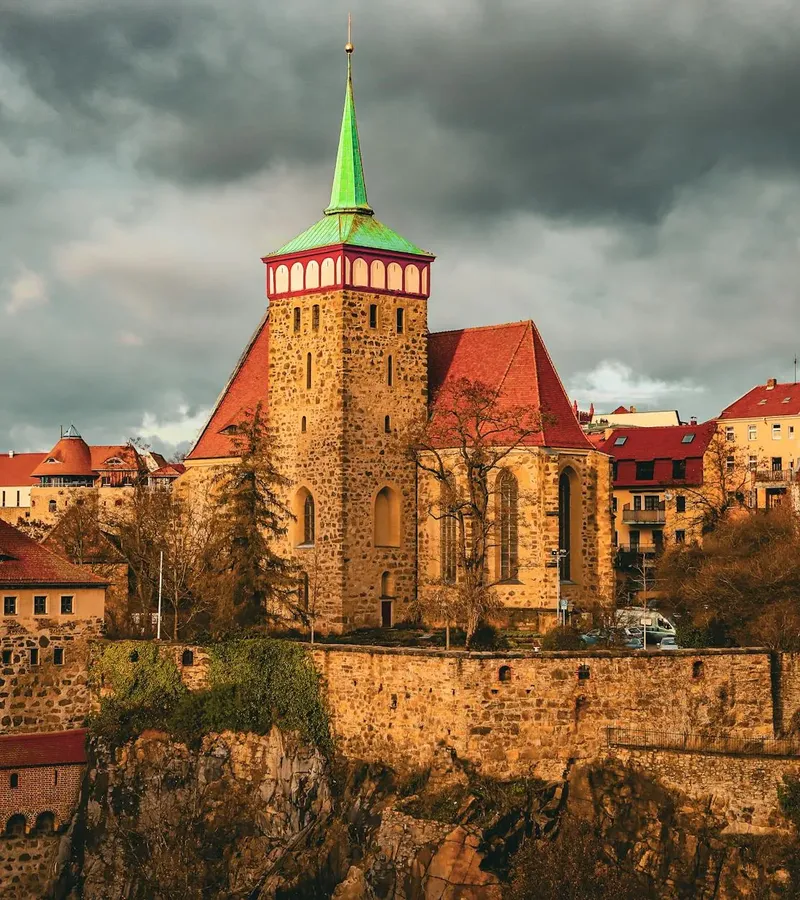
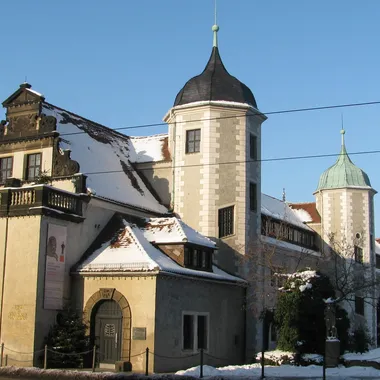
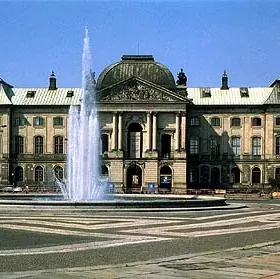
Bautzen, the "city of towers", impresses with its well-preserved old town, medieval towers and Sorbian culture.
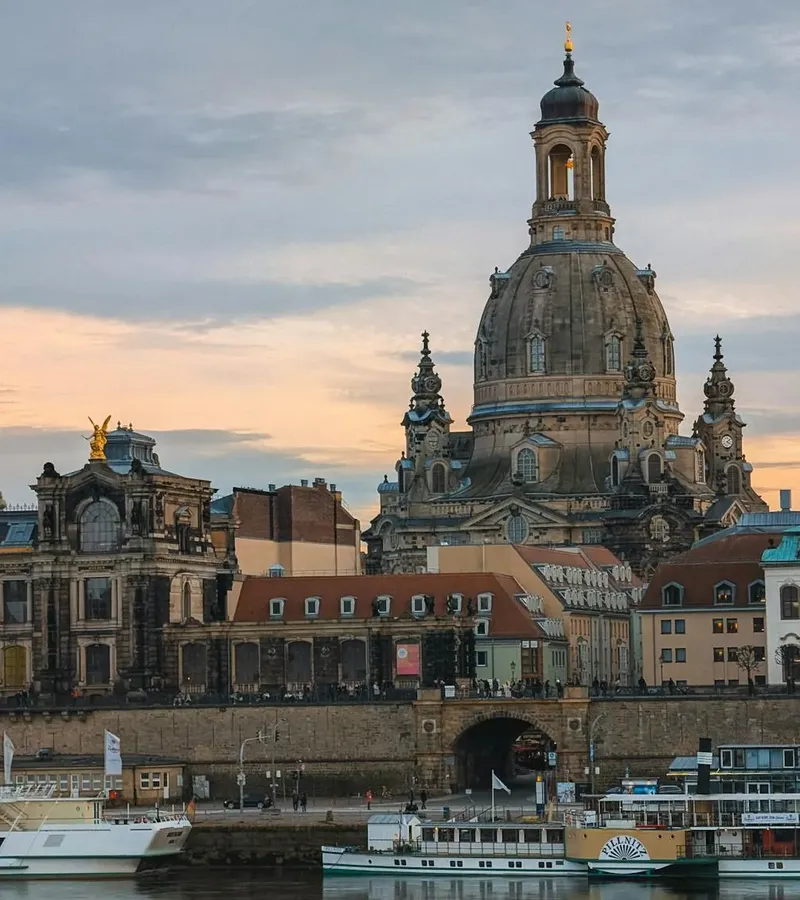
The city is known for its baroque architecture, the Semper Opera House and the Frauenkirche. Dresden's proximity to Saxon Switzerland also makes it a great vacation destination.
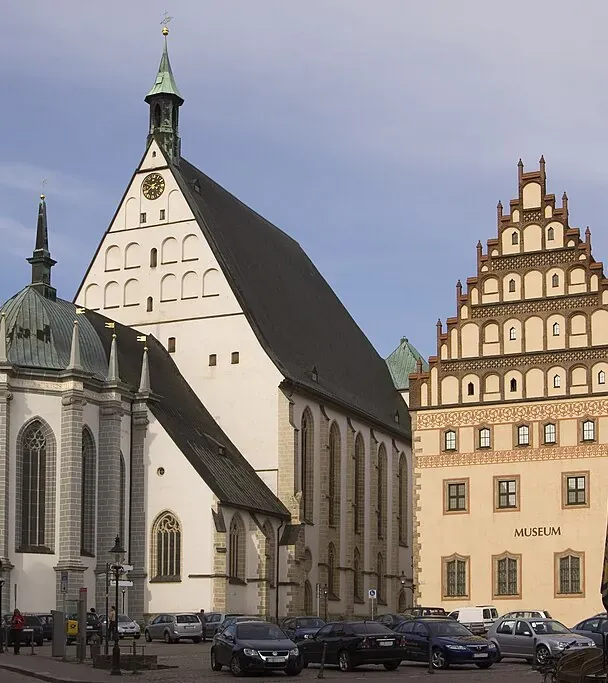
In addition to the old town, the "Reiche Zeche" silver mine and the terra mineralia mineral museum are well worth a visit.
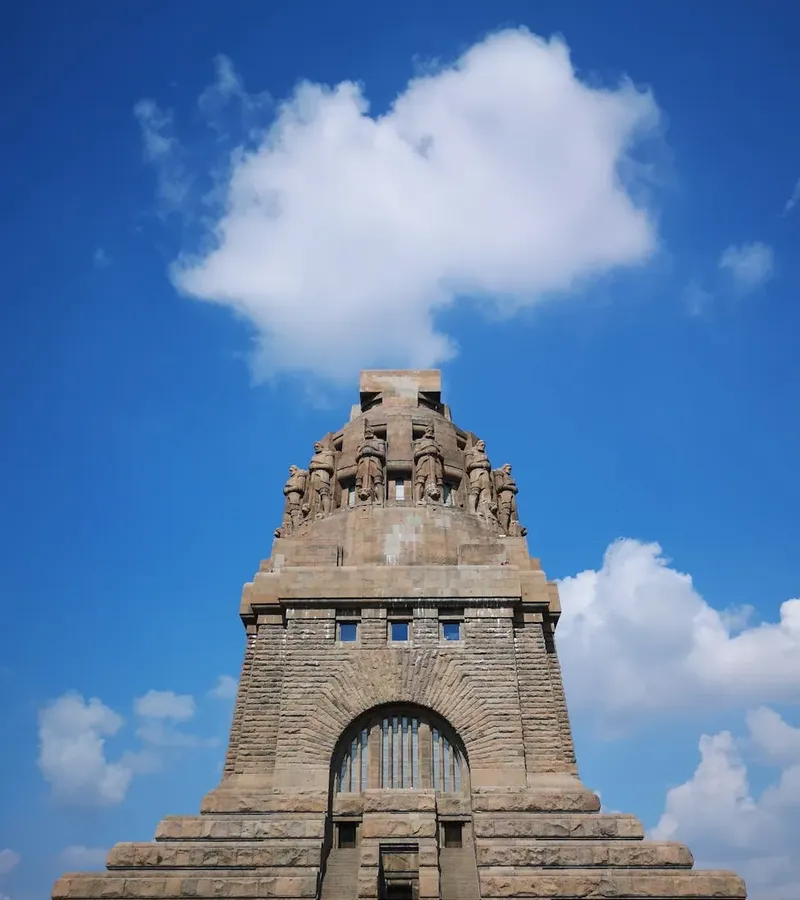
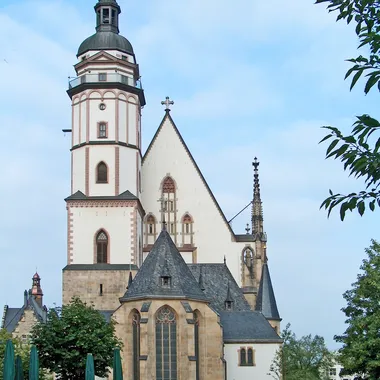
Sights include St. Thomas Church, the Monument to the Battle of the Nations and the modern art scene.
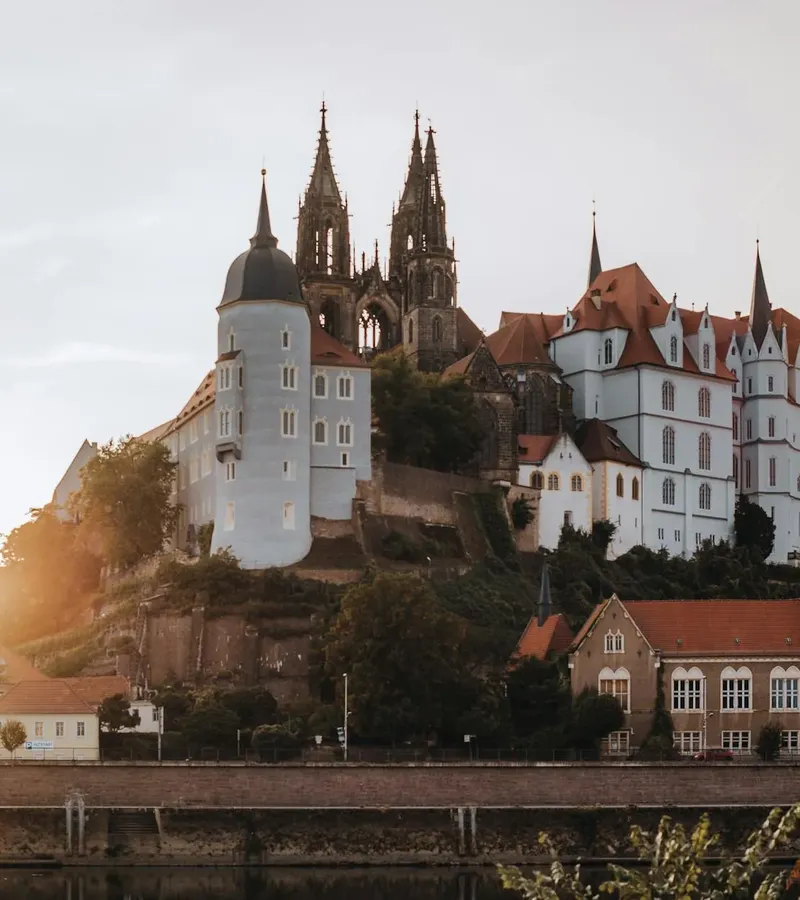
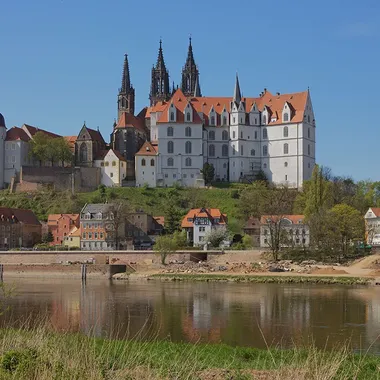
Meissen is a historic town in Saxony, known for its imposing Albrechtsburg castle and the world-famous Meissen porcelain.
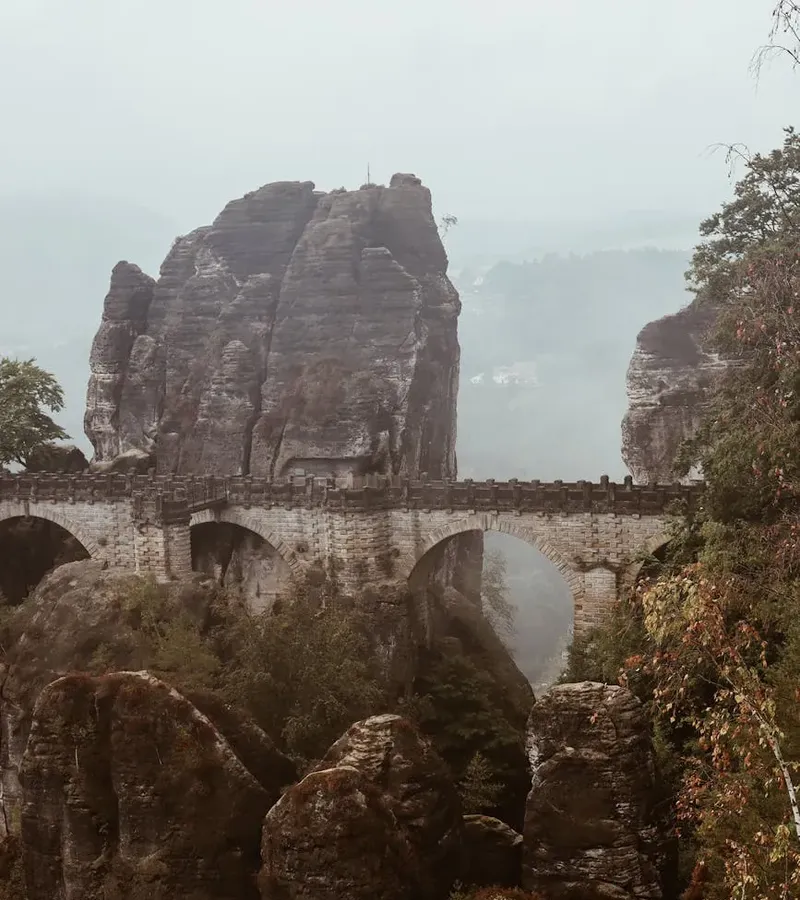
This region is a true paradise for hiking and climbing fans.
Bautzen, the "city of towers", impresses with its well-preserved old town, medieval towers and Sorbian culture.
The city is known for its baroque architecture, the Semper Opera House and the Frauenkirche. Dresden's proximity to Saxon Switzerland also makes it a great vacation destination.
In addition to the old town, the "Reiche Zeche" silver mine and the terra mineralia mineral museum are well worth a visit.
Sights include St. Thomas Church, the Monument to the Battle of the Nations and the modern art scene.
Meissen is a historic town in Saxony, known for its imposing Albrechtsburg castle and the world-famous Meissen porcelain.
This region is a true paradise for hiking and climbing fans.
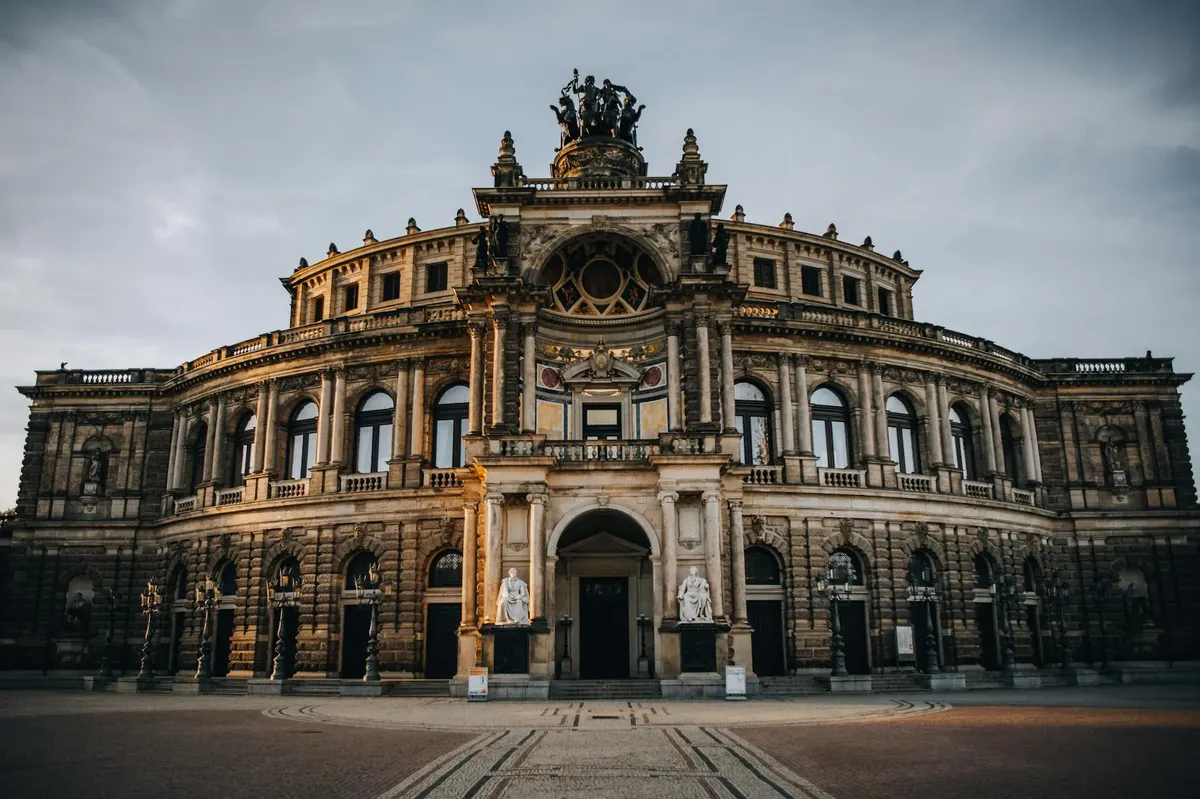
Dresden, the state capital of Saxony, is a city of exceptional beauty, known as the "Florence on the Elbe" due to its historical significance and impressive architecture
The city is picturesquely situated on the banks of the Elbe River and is particularly known for its ornate Old Town, which has been restored to its original splendor despite the destruction it suffered during World War II.
Among the most famous landmarks are the Frauenkirche, the Zwinger, the Royal Palace, and the Semper Opera House, which is one of the most important opera houses in the world.
There is beautiful nature to discover in and around Dresden. The surrounding area is characterized by rolling hills and forests, and the Elbe River, with its picturesque riverbanks, invites visitors to take boat tours and go for walks.
The Dresden area is also known for its wine-growing regions, and you can take the tram directly to Bad Schandau to go climbing or hiking.
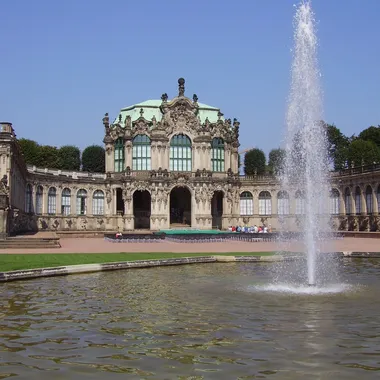
The Dresden Zwinger is a baroque building complex with an extensive inner courtyard and impressive galleries. It was built in the early 18th century by Elector Augustus the Strong as a festival area and orangery. Today, the Zwinger is home to several renowned museums, including the Old Masters Picture Gallery, which exhibits famous works such as Raphael's "Sistine Madonna". The porcelain collection and the Mathematical-Physical Salon, which presents historical instruments, are also part of the Zwinger. The garden with its elegant water features invites visitors to linger.
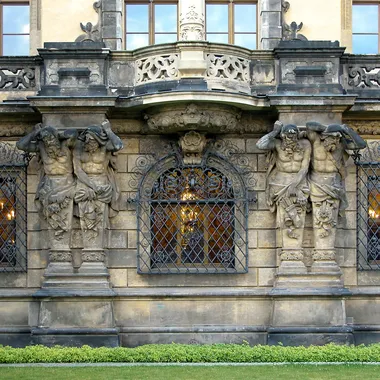
The Nymphenbad is a hidden gem in the Dresden Zwinger. The delicately designed fountain complex with mythological figures and water features is considered one of the most beautiful examples of Baroque garden art in Dresden. It offers a quiet retreat away from the crowds of tourists.
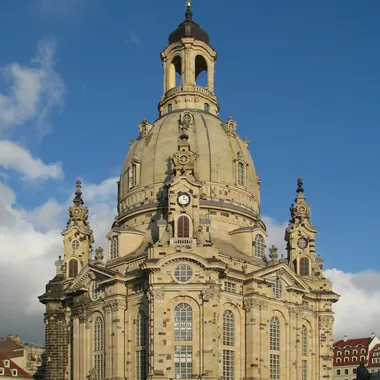
The Frauenkirche is one of Dresden's most famous landmarks and a masterpiece of Baroque architecture. After its destruction in the Second World War, the ruins stood for decades as a memorial in the center of the city. The church was rebuilt between 1994 and 2005 in a complex reconstruction process, using as many original stones as possible. Today, the Frauenkirche impresses with its magnificent dome and light-flooded interior. Concerts and church services are held regularly, highlighting the impressive acoustics of the building.
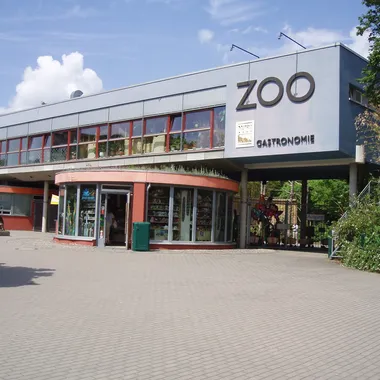
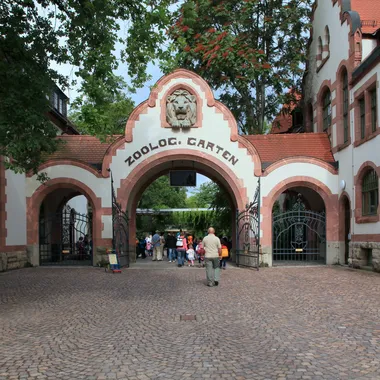
Dresden Zoo is one of the oldest zoos in Germany and offers habitats for over 250 animal species. Special highlights include the Africa House, the Tropical Adventure World and the penguin pool. The zoo is also heavily involved in species conservation projects.
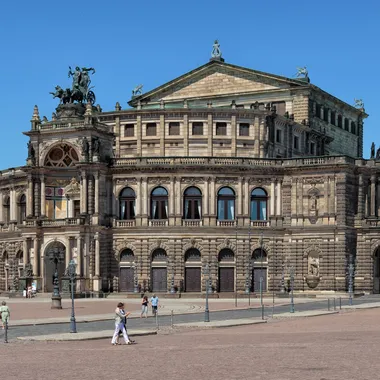
The Semperoper, an architectural jewel in the style of the Italian High Renaissance, is considered one of the most beautiful opera houses in the world. It was designed by Gottfried Semper and rebuilt after a fire in 1869. Today, the Semperoper is home to the Saxon State Orchestra Dresden and offers world-class operas, ballets and concerts. A tour gives you a glimpse of the magnificent interior, which is decorated with marble, gilded ornaments and an impressive ceiling painting.
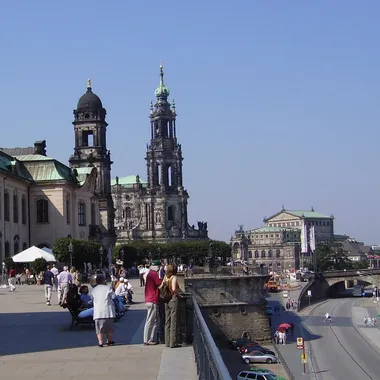
Brühl's Terrace, also known as the "Balcony of Europe", is a promenade along the Elbe. It offers a magnificent view of the river and the surrounding historic buildings. Originally part of the fortifications, the terrace is now a popular place for walks. It is also home to sights such as the Academy of Fine Arts and the Sekundogenitur, a striking building with magnificent reliefs.
Pillnitz Palace, a former summer residence of the Saxon kings, is picturesquely situated on the Elbe. The ensemble of the Wasserpalais, Bergpalais and Neuer Palais is surrounded by an extensive park that combines both Baroque and English garden art. The 250-year-old camellia and the orangery are particularly worth seeing. The palace park invites you to stroll and linger.
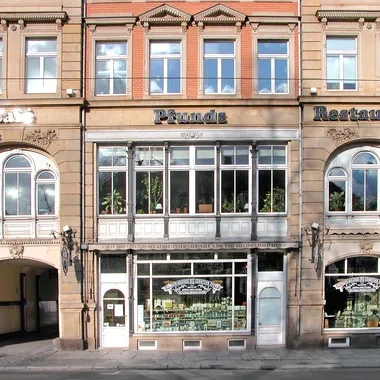
The Pfund Brothers Dairy is considered the "most beautiful dairy store in the world" and is decorated with magnificent hand-painted tiles. In addition to the impressive interior architecture, the dairy offers delicious dairy products and specialties that visitors can sample on site or take home as souvenirs.
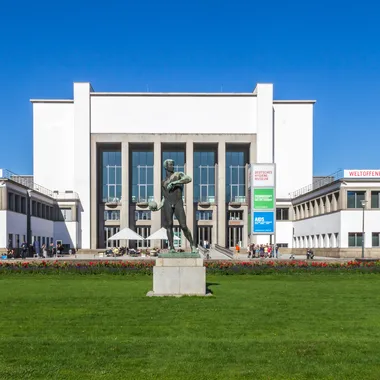
The Deutsches Hygiene-Museum is one of the most exciting science museums in Germany. The permanent exhibition "Human Adventure" deals with topics such as the human body, health and science in an interactive way. One highlight is the glass model of a human being, which offers a unique insight into anatomy.
The Residential Palace was the seat of the Saxon electors and kings for centuries. It is an impressive example of Renaissance architecture and is now home to several museums. The Historic Green Vault is a particular highlight: this treasure chamber displays precious works of art and jewels, including the famous "Dresden Green Diamond". Unfortunately, the Green Vault was the target of a spectacular art theft in 2019. Unknown perpetrators stole jewels and art treasures of inestimable value. Some of the loot was recovered in 2023, but many of the stolen pieces have disappeared to this day. This incident caused a worldwide sensation and considerably tightened the museum's security measures.
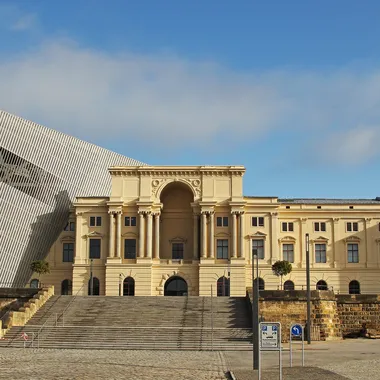
The Military History Museum in Dresden is one of the most important of its kind in Europe. It shows the history of the military and its impact on society, culture and politics. The spectacular extension by Daniel Libeskind complements the historic Arsenal building and provides a modern setting for the exhibition, which sheds light on controversial topics such as war and peace.
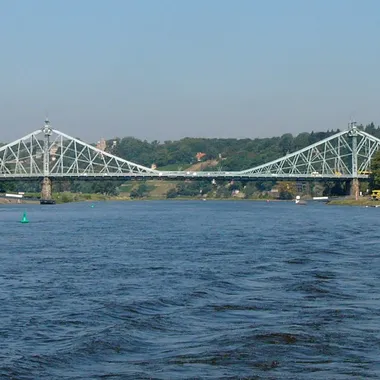
The Blue Wonder, one of the most famous bridges in Dresden, connects the districts of Blasewitz and Loschwitz. Completed in 1893, the steel bridge impresses with its elegant design and was a technical masterpiece at the time of its construction. It owes its name to its original blue color and the fact that it survived the bombings of the Second World War almost unscathed.
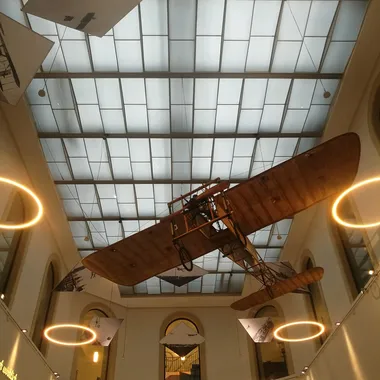
The transport museum in the Johanneum offers a fascinating collection on the history of mobility. It displays historic locomotives, vintage cars, airplanes and ships that document the development of transportation. The museum is an exciting excursion destination, especially for families with children.
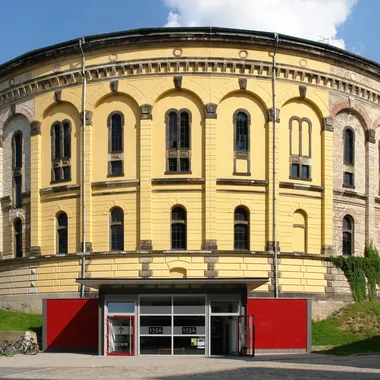
The Panometer Dresden is a unique attraction that presents historical scenes in 360-degree panoramas. The artist Yadegar Asisi creates detailed depictions of what Dresden looked like before the bombing in 1945 or in the Baroque era.
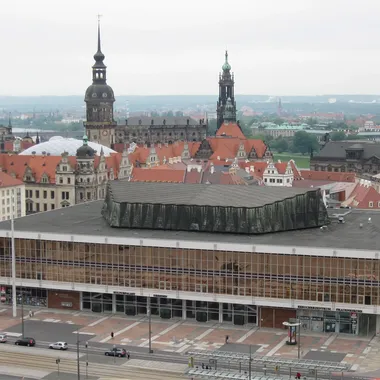
The Kulturpalast, an architectural landmark in Dresden, combines modern and classical culture under one roof. In addition to the impressive concert hall, which is known for its excellent acoustics, the Kulturpalast offers space for events, readings and exhibitions. The municipal library is also located here.
The Boulevardtheater offers an entertaining program of comedies, musicals and cabaret. The productions are light, humorous and often regional in character. With its cozy atmosphere, the theater is a popular place for a relaxed evening.
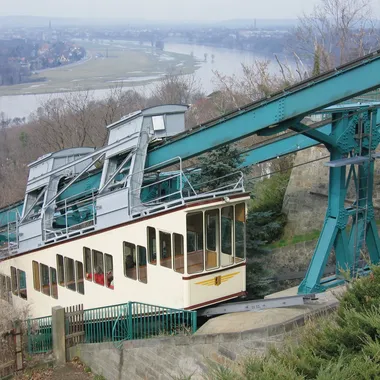
The Dresden suspension railroad is a technical masterpiece and the oldest mountain suspension railroad in the world. It connects the residential district of Loschwitz with the district of Oberloschwitz and offers a fantastic view of the Elbe and Dresden's Elbe Valley during the ride. A small museum at the top station explains how the cable car works.
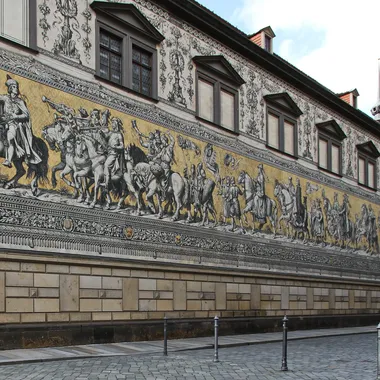
The Procession of Princes is the largest porcelain painting in the world and a masterpiece of the Meissen porcelain manufactory. Over 100 meters long, it shows a procession of the Wettin princes and kings, representing over 800 years of Saxon history. The work of art consists of around 23,000 tiles and was installed on the outer wall of the Stallhof in 1907.
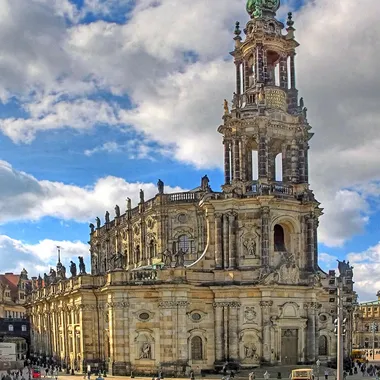
The Hofkirche, now the Cathedral of St. Trinitatis, is the largest church building in Saxony. It was built in the Baroque style and forms an impressive ensemble with the neighboring Semper Opera House. The crypt houses the tombs of the Saxon electors and kings as well as a reliquary with the heart of Augustus the Strong.
The Fortress Xperience is a multimedia exhibition that brings the history of Dresden's fortifications to life. Under Brühl's Terrace, visitors are guided through the underground vaults that once served as protection against attacks. Light and sound installations provide an impressive insight into life in the fortress.
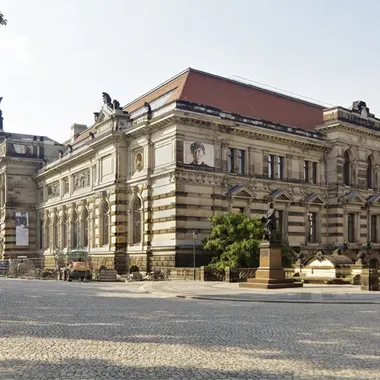
The Albertinum is a renowned art museum that exhibits works from the 19th and 20th centuries. It houses the New Masters Gallery and the sculpture collection. The works by Caspar David Friedrich, Gerhard Richter and Auguste Rodin are particularly impressive and reflect the diversity of the museum.
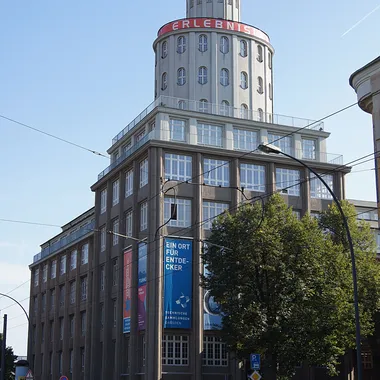
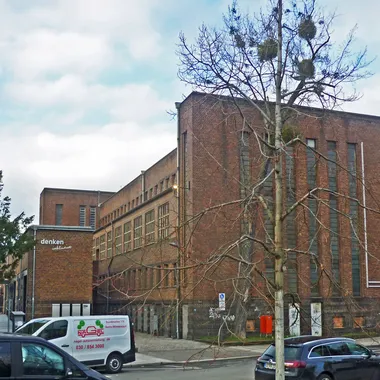
The Technical Collections are located in a former camera factory and present interactive exhibitions on topics such as photography, film and information technology. A highlight is the historic town hall tower, which is part of the exhibition and offers a view.
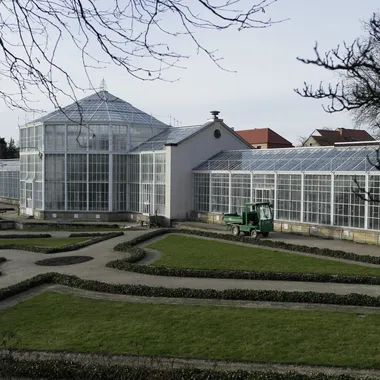
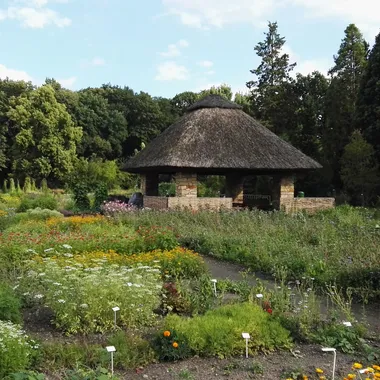
The Botanical Garden is located near the Great Garden and displays over 10,000 plant species from all over the world. It is not only used for research and teaching, but is also a place of recreation and inspiration. Tropical greenhouses, alpine plants and a medicinal plant garden are among the highlights.
The Staatsoperette Dresden is the only independent operetta theater in Germany and delights audiences with a mixture of operetta, musicals and feature operas. Since 2016, it has been housed in the Kraftwerk Mitte, a modern cultural center. The performances range from classic operettas such as "Die Fledermaus" to modern musicals and attract a diverse audience.
This unusual minigolf course combines sport and art. In themed rooms, participants play in a colorful 3D world brought to life by black light. It is an entertaining experience for young and old.
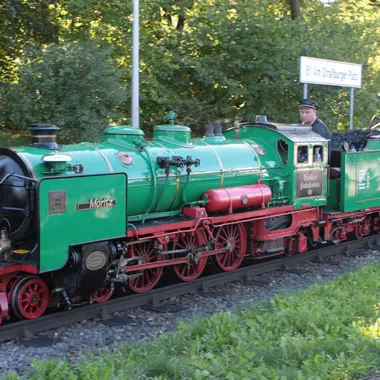
The Dresden Park Railway is a nostalgic narrow-gauge railroad that runs through the Great Garden. Children and young people operate the train under supervision, making it a special attraction. The route has several stops from which visitors can explore the highlights of the park.
This memorial documents the time of the GDR dictatorship and shows the former remand prison of the State Security. Visitors can view original cells and learn about life under surveillance and repression.
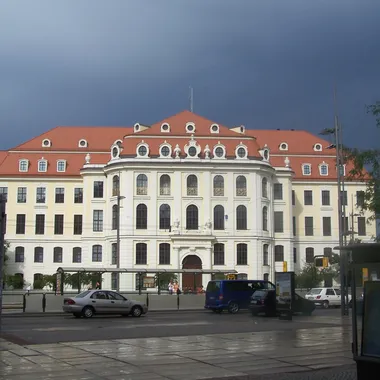
The Stadtmuseum im Landhaus Dresden is dedicated to the history of the city from its beginnings to the present day. Exciting exhibits, models and historical objects trace the development of Dresden as a metropolis of art, culture and science.
The Ice Worlds Dresden is a spectacular exhibition of ice sculptures, which is designed around a new theme every year. Artists from all over the world create impressive works of art, which are highlighted by light effects.
The Dresden funicular is another historic railroad that connects Loschwitz with the higher-lying Weißer Hirsch district. During the ride, you can admire the steep slopes and villas of Dresden's Elbe hillside. Like the suspension railroad, it is a technical monument with nostalgic charm.
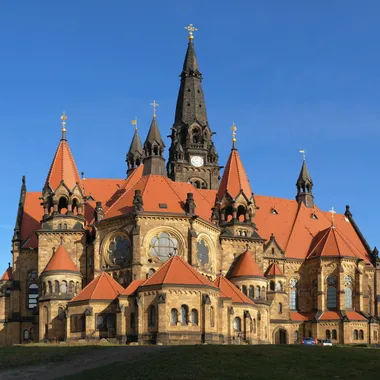
The Garrison Church of St. Martin is a neo-Gothic church that was originally built for Dresden's military community. Today it is used by the Protestant military chaplaincy. Its imposing exterior and simple interior make it an impressive building that is a reminder of the city's military history.
The Zwinger Xperience offers a fascinating journey through the history of the Dresden Zwinger. State-of-the-art projection technology and interactive elements bring the construction and use of this baroque masterpiece to life. Visitors can retrace its original use as an orangery and festival area and experience its destruction and reconstruction over the centuries.
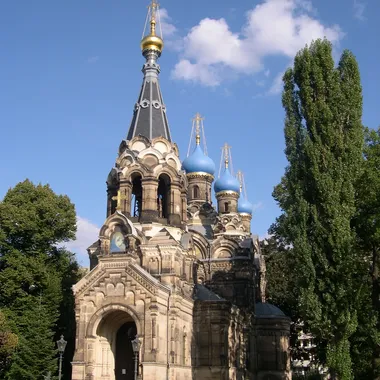
This church is an impressive example of Russian Orthodox architecture in Dresden. It was built at the end of the 19th century for the city's Russian community. The golden dome and the artistically designed iconostasis inside are particularly worth seeing.
The SLUB is one of the largest and most important libraries in Germany. It combines historical collections, including the Dresden Mayan manuscript, with modern architecture and digital services. The library is a cultural and scientific hub in Saxony.
Winemaker Lutz Müller is an insider tip for wine lovers in Dresden. He grows high-quality Saxon wines in his vineyards, which can be tasted on site. The picturesque location and family atmosphere make a visit to this winegrower a special experience.
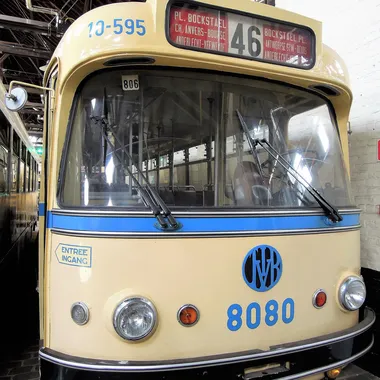
The streetcar museum shows the history of public transportation in Dresden. Numerous streetcars from different eras are exhibited in a historic carriage hall. Visitors can learn more about the development of the transport system and the technology.
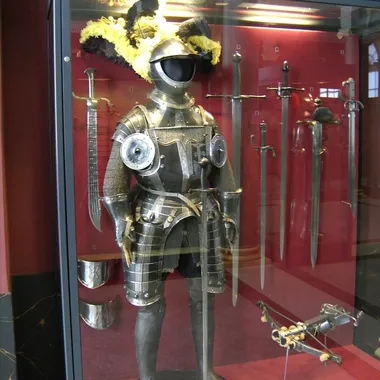
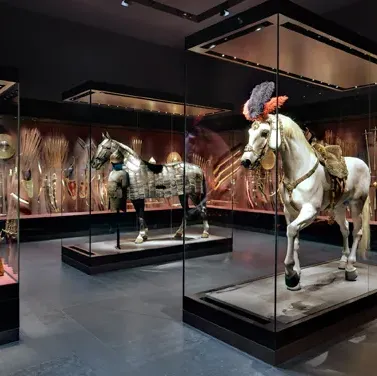
The armory in Dresden Royal Palace houses one of the most impressive collections of armor and weapons in the world. Visitors can admire magnificently decorated tournament armor, swords and firearms that bear witness to courtly power and artistry. The collection is particularly famous for its Baroque showpieces.
The Turkish Chamber in Dresden Residential Palace displays a unique collection of Ottoman art and culture. It includes richly decorated weapons, ceremonial tents and robes that illustrate the diplomatic and cultural connections between the Saxon court and the Ottoman Empire. A magnificently embroidered tent from the 17th century is particularly impressive.
This unique museum in the Jägerhof presents Saxon handicrafts and folk art. The puppet theater collection, which shows historical and modern figures from different eras, is particularly worth seeing. It is a place that combines tradition and fantasy in a lively way.
The Museum of Ethnology Dresden presents impressive collections of art and everyday objects from all over the world. It offers an insight into the cultural diversity and traditions of different peoples, from Asia to Africa and Oceania. Regular special exhibitions complement the collection.
The three Elbe castles - Albrechtsberg Castle, Eckberg Castle and Lingnerschloss - are magnificent villas on the banks of the Elbe. They were built in the 19th century as prestigious country residences and today offer various events, exhibitions and restaurants. The surrounding area is ideal for walks and offers wonderful views of Dresden and the Elbe valley.
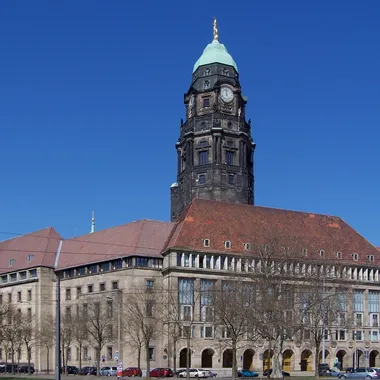
The town hall tower offers an impressive panoramic view over Dresden. With a height of 100 meters and a statue of the "Golden Man" at the top, it is a striking landmark of the city. Visitors can climb the tower via an elevator or stairs and enjoy the view.
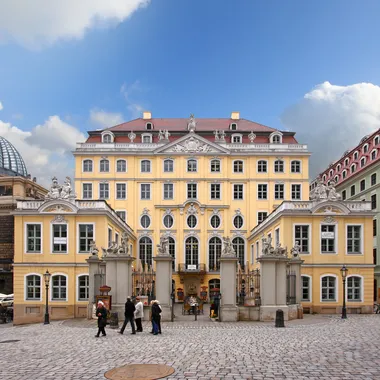
The Coselpalais is an impressive baroque building located right next to the Frauenkirche. Originally built in the 18th century for Imperial Count August Christoph von Wackerbarth, it now houses a stylish café and restaurant. The historic architecture and elegant interior make it a popular destination for visitors.
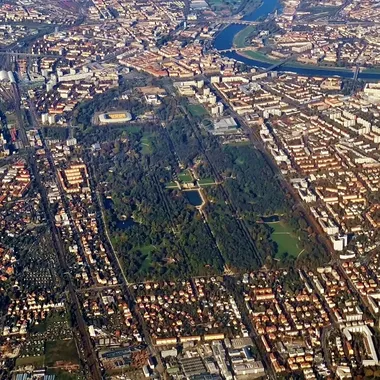
The Großer Garten is the green lung of Dresden and a perfect place to relax or for sporting activities. The baroque park is home to the Palais im Großen Garten, a popular venue for events, as well as a park railroad, which is particularly popular with families. Events such as the International Dixieland Festival make the park a lively meeting place.
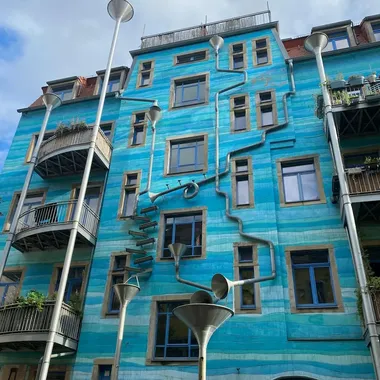
Neustadt is the young and creative district of Dresden, which forms an exciting contrast to the historic old town with its graffiti, alternative art projects and trendy cafés. The Kunsthofviertel in particular attracts visitors with its unique façade designs and small galleries. You can also find unusual stores and restaurants here.
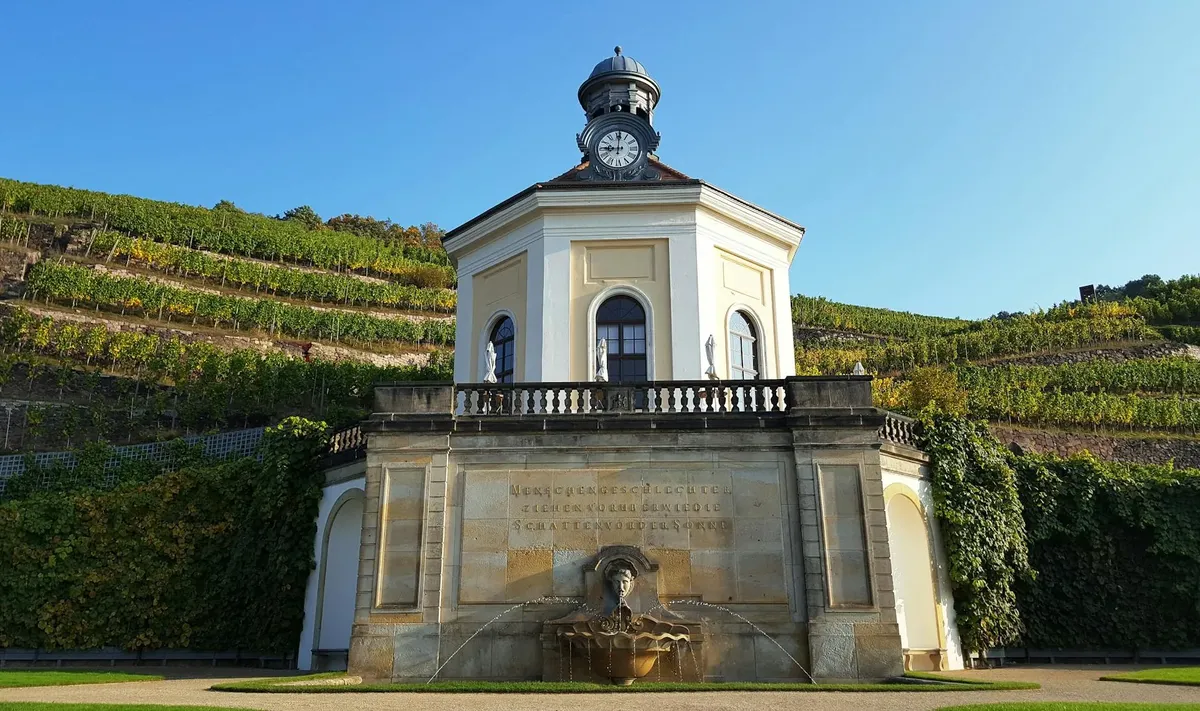
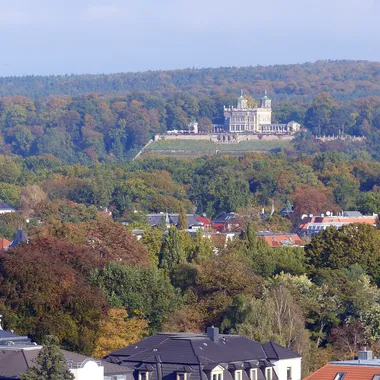
Radebeul, the "Saxon Riviera", is located just outside Dresden and is known for its idyllic location on the Elbe river and its wine-growing history
The town is characterized by its numerous wineries and historic villas and attracts visitors with its tranquility and beauty.
Particularly worth seeing are the many historic wineries, which invite visitors to taste the wines and marvel at the surroundings, as well as the architecture, which is often reminiscent of southern Italy.
Radebeul is also known for its wine festivals. The annual “Radebeul Wine Festival” draws many visitors who want to sample the local wines and enjoy the town’s relaxed atmosphere.
Radebeul is also the home of the famous German writer Karl May. The Karl May Museum is dedicated to his life and work and offers an interesting collection of original exhibits, including memorabilia from May's travels and his famous western novels. The museum is a popular destination for literature lovers.
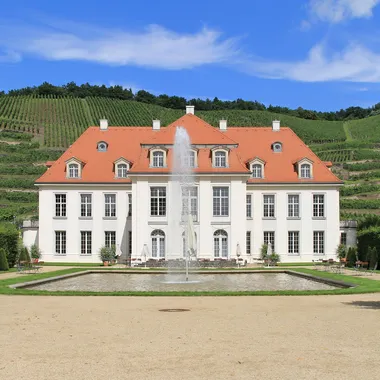
Schloss Wackerbarth is an impressive baroque castle built in 1727 and now serves as a winery and event venue. Visitors can tour the castle and the extensive vineyards and learn about the tradition of Saxon viticulture. A highlight of the castle is the opportunity to taste fine wines and sparkling wines from the region that are produced here.
The historic Lößnitzgrundbahn, also known as the "Radebeul steam locomotive", runs through the picturesque Lößnitzgrund valley and connects Radebeul with Moritzburg. The ride on the steam locomotive is a nostalgic journey through beautiful natural scenery and is particularly popular with families.
The Adolph Diesterweg Observatory in Radebeul offers an exciting opportunity to observe the starry sky and learn more about astronomy. The observatory was named after the famous German educator Adolph Diesterweg and offers regular public tours where visitors can learn more about the stars, planets and the universe. The monthly "starry evenings" are particularly exciting, where visitors can observe the celestial bodies through telescopes on a clear, dark night.
The Hoflößnitz winery is one of the oldest and best-known wineries in Saxony. Visitors can not only taste wine here, but also learn more about viticulture in the region. The winery is located in a beautifully restored villa and offers a spectacular view of the surrounding vineyards.
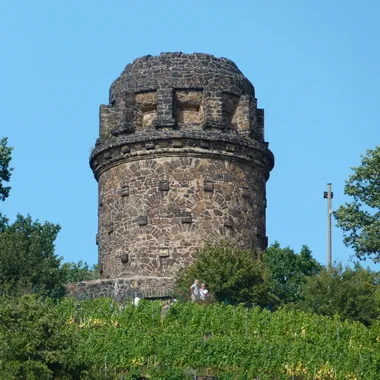
The Bismarck Tower on the Spitzhaus offers a magnificent view of Radebeul and the Elbe Valley. The tower was built in 1903 and is a popular destination for hikers, who can enjoy a great view of the surrounding area from here.
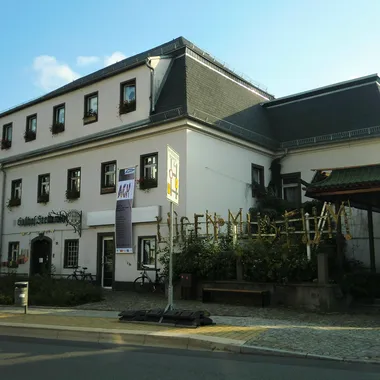
The Museum of Lies in Radebeul is an unusual and humorous museum that focuses on the art of lying and the history of falsehoods and myths. The exhibition shows in an entertaining way how lies and stories have played a role in different cultures and eras. Particularly interesting for the whole family, the museum offers a mixture of jokes and knowledge.
Villa Sorgenfrei is one of the most famous buildings in Radebeul and was built in the 17th century. Today, the villa houses a restaurant where visitors can enjoy regional specialties, as well as a small museum that sheds light on the history of the house and the winery.
The Luther Church in Radebeul is a magnificent neo-Gothic style church that was consecrated in 1885. It stands as one of the most striking buildings in the town and is known for its impressive architecture, which, combined with its beautiful location, is well worth a visit. The church is not only a place of prayer, but is also open for concerts and cultural events.
Altkötzschenbroda is a charming, listed district with old, lovingly restored houses that are now home to small stores, cafés and galleries. It is a perfect place to take a relaxing stroll and immerse yourself in the history of the region.
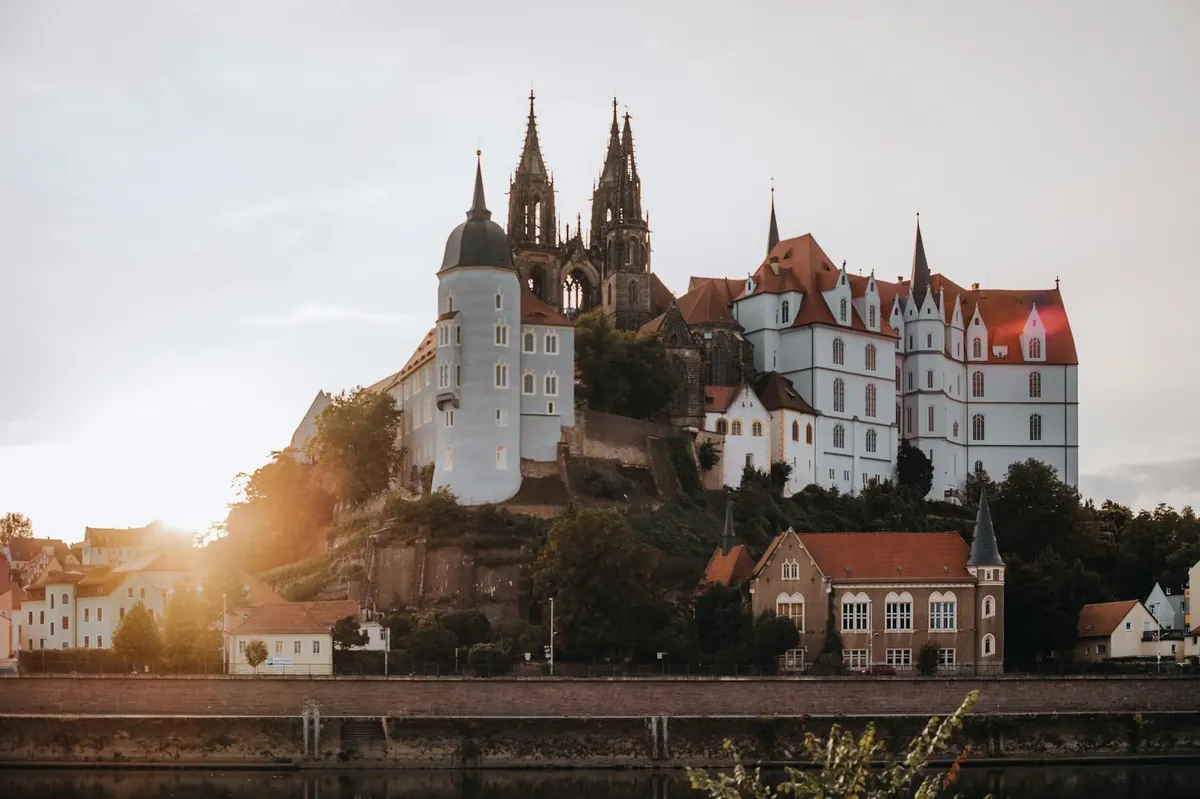
Meissen, the "cradle of Saxony", is a picturesque town located on the banks of the Elbe in Upper Lusatia.
It has a long history and is best known as the birthplace of the world-famous Meissen porcelain. The city was founded in the 13th century and has played a significant role in Saxon history ever since.
Today, Meissen attracts visitors not only for its historical significance but also for its beautiful location and charming old town. Meissen’s old town, with its charming medieval streetscape and the striking Meissen Cathedral, is considered the city’s landmark.
The imposing Albrechtsburg Castle and the Meissen Porcelain Manufactory are other outstanding attractions that offer a glimpse into the city’s cultural and artisanal history.
In addition, the area surrounding Meissen is characterized by a picturesque wine region that stretches along the Elbe Valley, and numerous hiking and biking trails invite visitors to explore nature.
Meissen Castle, also known as Albrechtsburg, is another historical highlight of the city. The castle, which was originally built in the 15th century, served as the residence of the Saxon rulers. The Gothic architectural style and the ornately decorated rooms are particularly worth seeing. Today, the castle houses the Meissen Porcelain Museum, which exhibits the history and development of the famous Meissen porcelain. Albrechtsburg Castle also has its own history, which is closely linked to the development of the porcelain manufactory.
Meissen Cathedral is one of the city's most striking sights and an impressive example of Gothic architecture. The church was built in the 13th century and sits majestically on the castle hill above the city. Particularly impressive is the high tower, from which you can enjoy a fantastic view of Meissen and the Elbe valley. The cathedral is home to many artistic details, including colorful stained glass windows and ornate stone carvings.
Meissen is known worldwide for its porcelain, which was produced in the first European porcelain manufactory in 1710. The Meissen porcelain manufactory is one of the oldest in the world and a fascinating destination for art and craft enthusiasts. Visitors can tour the workshops where the handmade porcelain objects are produced using traditional techniques. In the Meissen Porcelain Museum, visitors can marvel at the valuable collection, which ranges from the first porcelain pieces to modern designs.
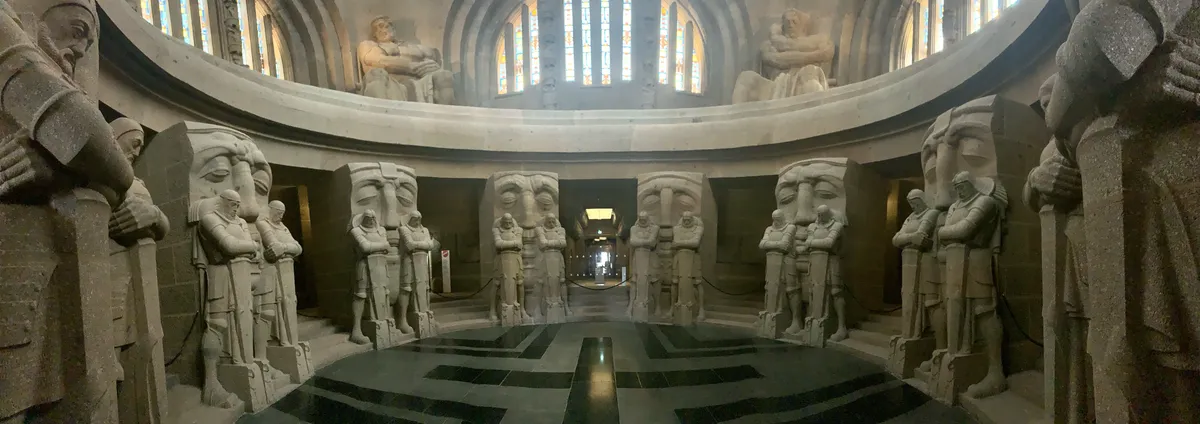
Leipzig is not only known for its impressive sights such as the Monument to the Battle of the Nations, St. Thomas Church and Leipzig Zoo, but also for its lively art and music scene
Leipzig is currently considered one of Germany’s youngest cities. With its numerous Wilhelminian-style buildings, world-class museums such as the Grassi Museum, and exciting venues like the Spinnerei—a center for contemporary art—Leipzig clearly stands out from other cities.
What makes Leipzig special is its creative spirit and cosmopolitan atmosphere. The city was a central hub of the Peaceful Revolution, during which the Monday demonstrations played a decisive role in bringing about the end of the GDR and the fall of the Berlin Wall. Today, it attracts young people and creative minds who enrich this historic commercial and university city with new ideas. However, due to the strong influx of new residents, the cost of living has also risen significantly, a trend that is becoming increasingly noticeable.
Leipzig also boasts a rich musical tradition: composers such as Johann Sebastian Bach, Felix Mendelssohn Bartholdy, and Richard Wagner were active here. The famous Gewandhaus Orchestra remains one of the world’s most renowned orchestras and shapes the city’s cultural life.
For a hassle-free stay, the Leipzig Card is well worth it, as it combines use of public transportation with discounts at many attractions.
Leipzig Zoo is one of the most modern and species-rich zoos in Europe. Particularly impressive is the Gondwanaland tropical adventure world, a huge hall that recreates a tropical rainforest with exotic plants and animals. Visitors can explore the fascinating flora and fauna on a jungle trail or by boat.
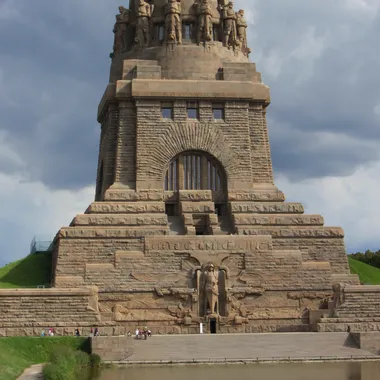
The Monument to the Battle of the Nations is one of Leipzig's most famous landmarks and an impressive monument of enormous proportions. It was erected in 1913 to commemorate the 100th anniversary of the Battle of Leipzig, one of the greatest battles in European history. From October 16 to 19, 1813, the troops of the anti-Napoleonic coalition - consisting of Russia, Prussia, Austria and Sweden - fought against Napoleon Bonaparte's army. With over 600,000 soldiers, this battle was a turning point in the Napoleonic Wars.
The monument is 91 meters high and symbolizes the victory over Napoleon and the liberation of Europe from his rule. It features monumental statues depicting virtues such as bravery, faith and sacrifice. You should definitely visit the monument from the inside. Inside are the "Hall of Fame" and a crypt dedicated to the fallen soldiers. Visitors can climb 364 steps to enjoy a spectacular view over Leipzig and the surrounding area from the viewing platform.
Concerts are also performed in the memorial. Music is played briefly over the loudspeakers in the afternoon to give an impression of the special acoustics.
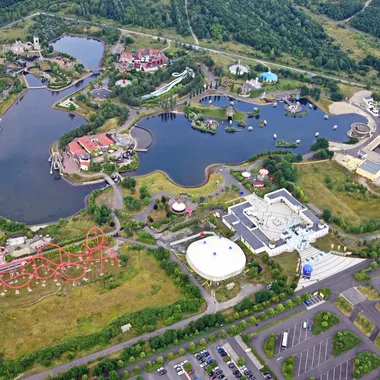
The BELANTIS amusement park just outside Leipzig offers fun and adventure for the whole family. With roller coasters, water rides and themed worlds such as Egypt or the Middle Ages, there is something for every age group to discover. Ideal for a day trip with lots of action.
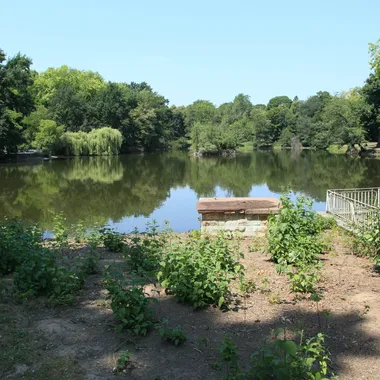
Clara Zetkin Park is Leipzig's green lung and a popular place for recreation and leisure. The extensive park facilities offer space for walking, jogging or relaxing by the water. Cultural events and concerts are also regularly held here.
The Panometer shows impressive 360° panoramas by artist Yadegar Asisi. The changing exhibitions allow visitors to immerse themselves in historical and fantastic worlds, such as the Titanic, the ancient city of Rome or a tropical rainforest scenario.
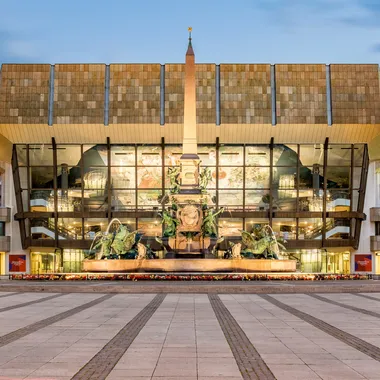
The Gewandhaus zu Leipzig is an internationally renowned concert hall and home to the Gewandhaus Orchestra. With its excellent acoustics and a diverse program ranging from classical music to modern pieces, it is a must for music fans.
The Nikolaikirche was a central location of the peaceful revolution of 1989, when the Monday demonstrations began here. Its history dates back to the 12th century and its mixture of Romanesque, Gothic and Baroque architectural styles is impressive. The bright, pastel-colored columns and elegant interior are particularly worth seeing.
St. Thomas' Church is world-famous as the place where Johann Sebastian Bach worked as cantor of St. Thomas' Church and created his incomparable musical works. Today, the church is a place of pilgrimage for Bach fans from all over the world. The interior of the church impresses with its Gothic architecture and an impressive altar. Nearby is the Bach Museum, which provides a comprehensive insight into the life and work of the composer.
Leipzig Wildlife Park is a popular excursion destination for families. Covering around 46 hectares, it is home to over 25 native animal species, including wild boar, deer and eagle owls. With its well-maintained paths and large playground, it is perfect for walks and nature experiences.
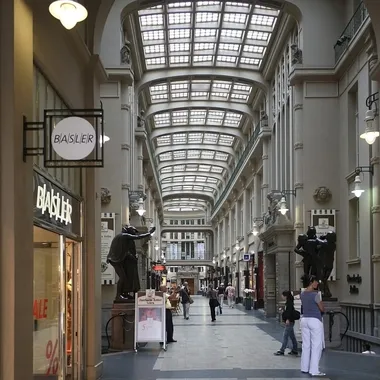
The historic Mädlerpassage is one of Leipzig's most elegant shopping arcades. It was built in 1914 and impresses with its Art Nouveau architecture and a variety of high-quality boutiques, restaurants and cafés. It is also home to the famous Auerbachs Keller, a traditional restaurant that Johann Wolfgang von Goethe mentioned in "Faust".
The Kunstkraftwerk is a former thermal power station that now offers a platform for digital art, multimedia exhibitions and events. Special highlights are the immersive projections that allow visitors to immerse themselves in colorful worlds. The industrial charm of the building lends the exhibitions a special atmosphere.
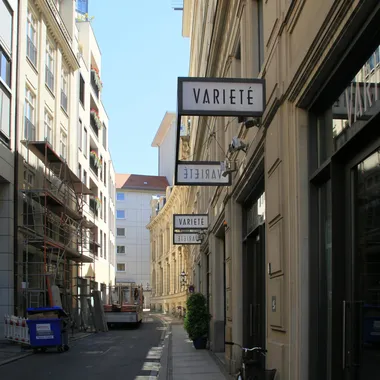
The Krystallpalast Varieté Leipzig stands for first-class entertainment. The program ranges from acrobatics and comedy to dance and music. In a stylish atmosphere, the Varieté offers shows that combine art and humor, accompanied by culinary delights.
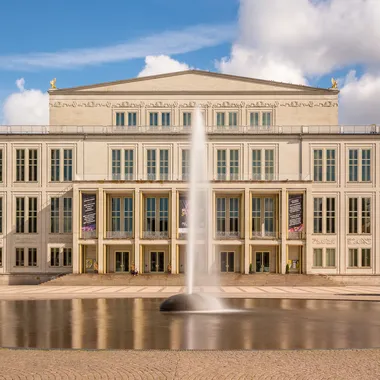
The Leipzig Opera House, one of the oldest music theaters in Germany, impresses with its elegant architecture and excellent performances. It is home to the Leipzig Opera, the ballet and the Gewandhaus Orchestra. In addition to classical operas, modern productions are also shown.
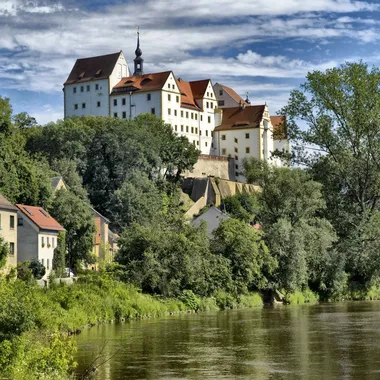
Colditz Castle is one of the most famous castles in Germany and looks back on an eventful history. Originally built as a medieval castle complex, over the centuries the castle has served as a hunting lodge, poorhouse and psychiatric institution, among other things. Colditz Castle gained international fame during the Second World War as a prisoner of war camp for Allied officers. Today, an exhibition provides information about the spectacular escape attempts and everyday life of the prisoners. The impressive location above the Mulde river and the historic walls make the castle a special excursion destination.
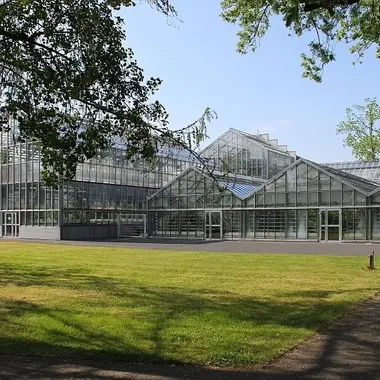
The Leipzig Botanical Garden, the oldest of its kind in Germany, is a place of tranquillity and diversity. Founded in 1542, it is home to an impressive collection of plants from all over the world. The tropical and desert houses and the themed gardens, which offer insights into different ecosystems, are particularly worthwhile.
The Grassimuseum is home to three important collections: the Museum of Applied Arts, the Museum of Ethnology and the Musical Instrument Museum. The exhibitions cover a wide range from historical musical instruments to masterpieces of craftsmanship and exhibits from all over the world and offer a deep insight into art and culture.
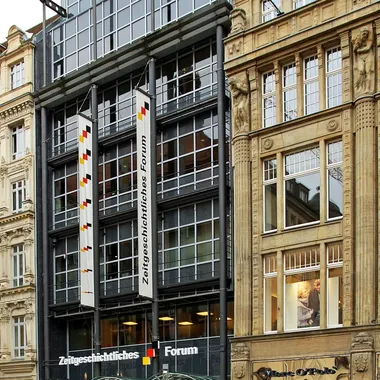
The Zeitgeschichtliches Forum is one of the most important exhibitions on Germany's post-war history and focuses primarily on the period of division and the peaceful revolution of 1989. Visitors are given in-depth insights into life in the GDR, political repression and the peaceful resistance of the citizens' movement. The exhibition is designed to be interactive and offers an impressive collection of original objects, films and photographs.
Agra Park is an extensive green space in the south of Leipzig that combines both historical and modern elements. In addition to walking paths and a pond, historic buildings such as the gatehouse are worth seeing. The park is also the venue for the Agra trade fair and is ideal for family outings.
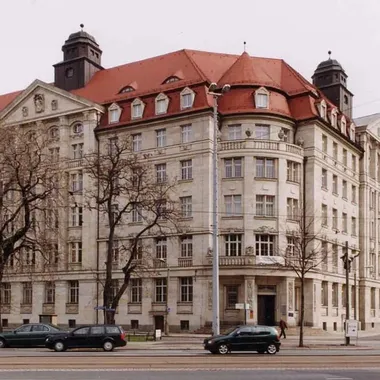
The Museum in der Runden Ecke is housed in the former Stasi building and documents the methods used by the State Security in the GDR. Visitors can see original equipment, listening devices and surveillance plans and gain an oppressive insight into life under constant surveillance.
The Museum of Fine Arts, housed in a modern, light-flooded building, is home to an impressive collection of paintings, sculptures and prints. Particularly worth seeing are works by the Leipzig School and paintings by artists such as Caspar David Friedrich and Max Beckmann.
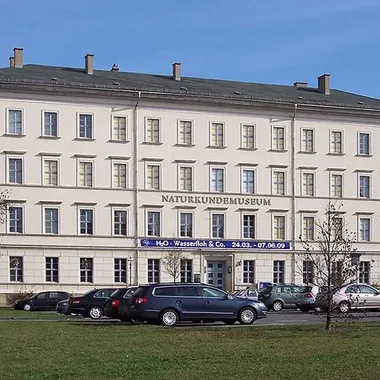
The Leipzig Natural History Museum is an exciting place for those interested in nature and science. The exhibitions range from native animals and plants to fossils and geological finds. The dioramas, which provide insights into different habitats, and the extensive collection of rare minerals are particularly popular.
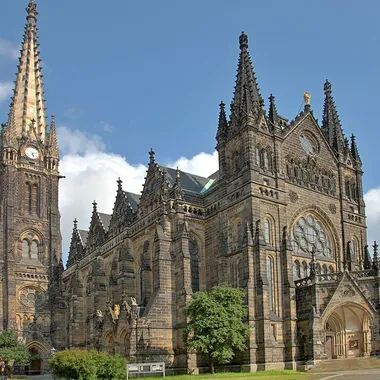
St. Peter's Church is a neo-Gothic masterpiece characterized by its filigree forms and high tower. The church, built in the late 19th century, is a place of worship and cultural events. It is particularly worth taking a look at the detailed stained glass windows and the acoustics during concerts.
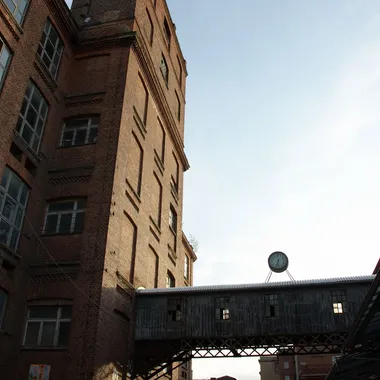
The former cotton mill is now a center for contemporary art and culture. The extensive industrial site is home to studios, galleries and exhibitions by renowned artists. The spinning mill is a must-see for art lovers and an example of the creative revival of historic industrial buildings.
The Leipzig observation tower in Rosental is a popular place for a panoramic view of the city. The tower, also known as the Rosental Tower, offers a view of Leipzig's city center, the surrounding parks and forests as well as the rivers. The climb is particularly worthwhile on a clear day.
The small Egyptian Museum Leipzig is part of Leipzig University and displays one of the most important collections of ancient Egyptian art and culture in Germany. Highlights include mummies, sculptures and papyrus scrolls. The exhibition provides fascinating insights into the life and religious world of ancient Egypt.
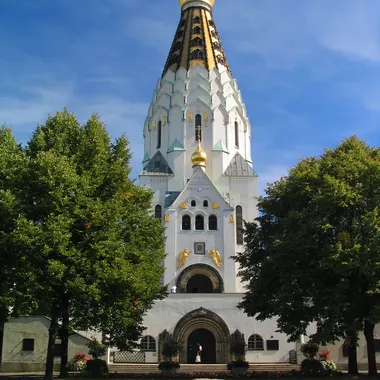
The Russian Memorial Church, also known as the Alexander Nevsky Memorial Church, was built in 1913 to commemorate the Russian soldiers who died in the Battle of the Nations in 1813. Its striking, shimmering golden onion dome is an eye-catcher. Inside, the church impresses with its Byzantine frescoes and mystical atmosphere.
The Bach Museum is a must for music fans. It is located opposite St. Thomas Church and displays a large number of original manuscripts, instruments and personal items belonging to Johann Sebastian Bach. Interactive stations bring the composer's life and work to life. One highlight is the sound room, where visitors can experience Bach's music in a unique acoustic setting.
ArkaZien is a themed adventure area designed especially for children. Imaginative backdrops, play stations and interactive elements create a fairy-tale environment in which visitors can playfully embark on a journey of discovery. The place combines movement, creativity and an immersive design that is reminiscent of small adventure worlds.
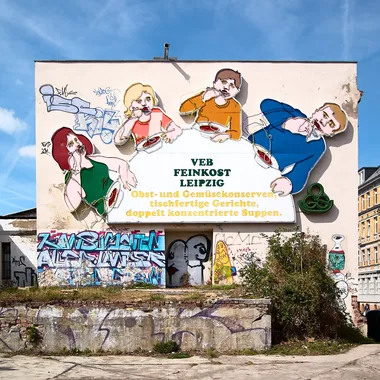
The "Löffelfamilie" is an iconic work of light art in Leipzig and a landmark of the GDR era. The animated neon sign shows a family eating soup together and symbolizes cohesion and everyday life in those days. Today, it stands for Leipzig nostalgia and modern art history.
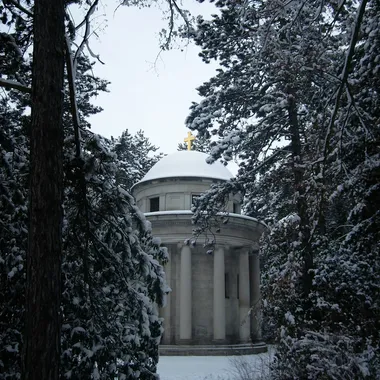
Südfriedhof is one of the largest and most beautiful park cemeteries in Germany. Magnificent tombs and chapels can be found between the extensive avenues and groups of old trees. The cemetery is not only a place of rest, but also a reflection of Leipzig's history. The monumental cemetery chapel in neo-Romanesque style is particularly worth seeing.
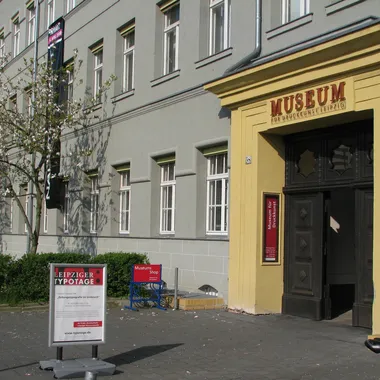
This unique museum is dedicated to the history and technology of printing. In a historic print shop, visitors can marvel at over 100 functioning machines, including historic presses and typesetting machines. Workshops and demonstrations make the visit an interactive experience.
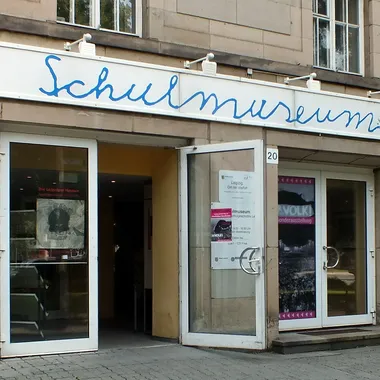
The Leipzig School Museum is a journey through the history of education. From historic classrooms to old teaching materials, it tells the story of the development of schools from the imperial era to the GDR. The interactive exhibitions and guided tours are particularly interesting.
Located just outside Leipzig, the museum in the Stasi bunker offers an insight into the secret emergency plans of the GDR state security. The bunker was intended as a place of retreat in the event of an attack and has been preserved almost in its original state. Guided tours provide a vivid picture of the political and military strategies of the time.
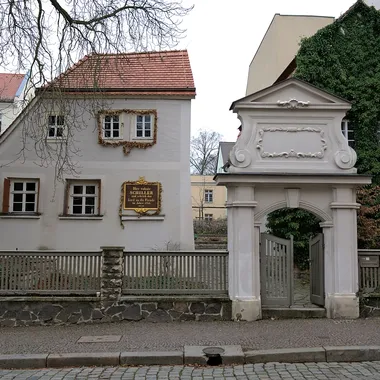
The Schiller House is the oldest surviving farmhouse in Leipzig and a historical monument. Friedrich Schiller lived here in 1785 while working on his "Ode to Joy". The small museum provides an insight into Schiller's life and work as well as the way of life in the 18th century.
There are several former quarries in the area around Leipzig that are now used as climbing areas, including the Ostbruch quarry in Brandis, which is well secured. Most areas offer sport climbing routes between around 10 and 30 meters high, occasionally a little higher.
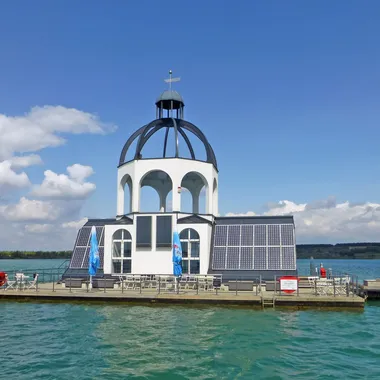
The VINETA is a floating art and cultural monument and is considered Europe's largest floating event church. It is reminiscent of the villages flooded by open-cast mining and is an impressive venue for concerts, weddings and exhibitions in the middle of Lake Störmthal.
This unique museum is dedicated to the history of psychiatry in Saxony. It sheds light on the treatment methods and living conditions of mentally ill people over the centuries. The exhibition displays numerous historical objects, documents and photographs and encourages visitors to reflect on the development of medicine and ethics.
This historic cemetery in the east of Leipzig is a tranquil gem that looks back on over 700 years of history. It is home to artistically designed gravestones and monuments to important Leipzig personalities. The cemetery is a place of contemplation and a testimony to bygone eras.
The German Museum of Books and Writing is the oldest of its kind in the world and is located in the German National Library. It documents the history of book printing, writing and reading. In addition to historical manuscripts and printing presses, digital media are also part of the collection.
The Karl Heine Canal is an idyllic waterway system that runs through the west of Leipzig. Visitors can canoe, kayak or boat here and enjoy the impressive architecture of the surrounding industrial buildings and the green landscape. The canal is a prime example of the revitalization of historic districts.
The Museum of Antiquities at Leipzig University displays an impressive collection of ancient works of art from Greece, Rome and the Middle East. Statues, vases and everyday objects tell stories from antiquity and offer exciting insights into the life and culture of past eras.
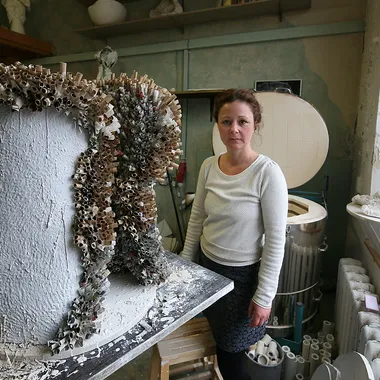
The porcelain studio Claudia Biehne in Leipzig shows artistic and modern porcelain works. Unique works of art and objects are created here using innovative techniques. Visitors can experience the creative process up close and purchase exceptional pieces.
The Panorama Tower, also known as the "City Tower", offers a breathtaking view over Leipzig from its viewing platform at a height of over 120 meters. The view is particularly impressive at sunset, when the city skyline is bathed in golden light. The building also houses a restaurant offering food with a view.
The University Church of St. Pauli, located in the heart of the Leipzig University campus, is an architectural symbol of change. The modern building by architect Erick van Egeraat is reminiscent of the former Paulinerkirche, which was blown up by the GDR government in 1968. Today it serves as an assembly hall and place of worship and is a meeting place for history, education and religion.
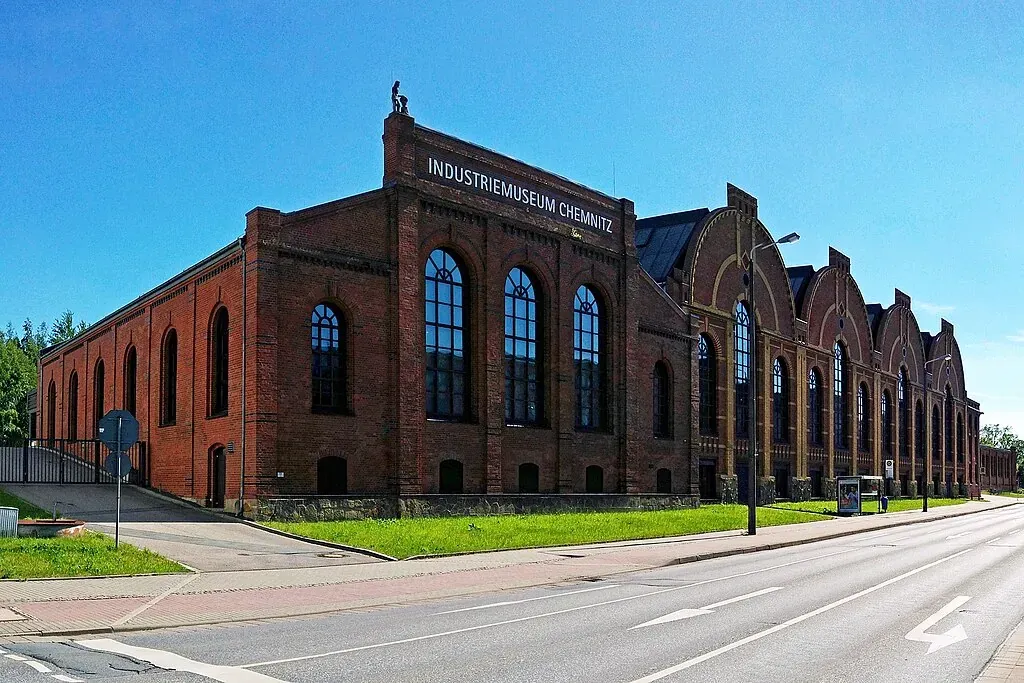
Chemnitz is one of the largest cities in eastern Germany and was formerly known as "Karl-Marx-Stadt"
The industrial city of Chemnitz once played a key role in the development of the textile and mechanical engineering industries and was known as the “Manchester of Saxony.”
Today, the city has a diverse economic structure with a strong focus on technology, mechanical engineering, and the automotive industry, as well as a growing service sector.
Chemnitz was recently named the European Capital of Culture, but it is one of the cities with the highest vacancy rates in Germany.
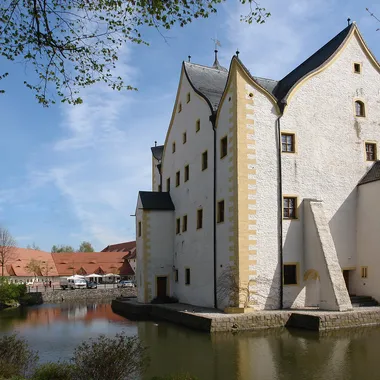
Klaffenbach moated castle is a picturesque Renaissance building, idyllically situated on the banks of the Klaffenbach river. Today, the castle houses a restaurant, a hotel and a museum. It offers an ideal starting point for exploring the surrounding area and is also a historical relic of Saxon architecture. The castle park with its ponds and green areas is a wonderful place for walks.
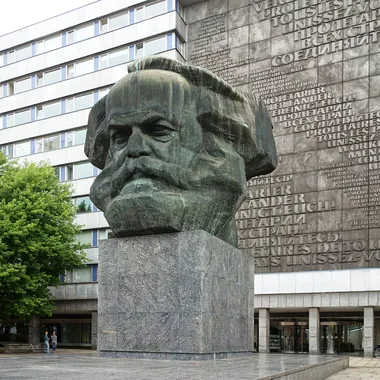
The Karl Marx Monument is one of the most famous sights in Chemnitz and the largest portrait monument to the communist in the world. It was inaugurated in 1953 to mark the 100th anniversary of Karl Marx's birth and is a striking symbol of the city's socialist past. The monument stands in a small park and is regarded by many visitors as a landmark of the city. Nearby is the Karl Marx Museum, which documents the history of the philosopher and the role of Chemnitz during the GDR.
The Saxon Industrial Museum provides a deep insight into the industrial past of Chemnitz and the entire region of Saxony. It shows how the textile industry, mechanical engineering and other sectors shaped the development of the city and the region. The exhibition on the textile industry is particularly impressive, with historical machines on display that illustrate the work processes of the past.
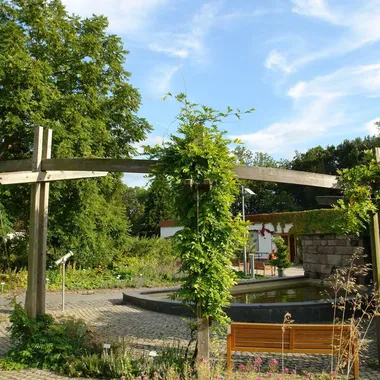
The Chemnitz Botanical Garden is a green oasis in the middle of the city and invites you to take a relaxing stroll. The garden is home to a variety of plants from different climate zones and offers a beautiful place to relax and marvel. Especially in spring and summer, the flower beds bloom in a variety of colors and shapes.
The State Museum of Archaeology Chemnitz is an important archaeological museum that presents an impressive collection of artifacts from the region. It covers a long period of time, from prehistoric finds to medieval relics. The museum offers a deep insight into the history of the region and depicts the development of Saxon culture and society.
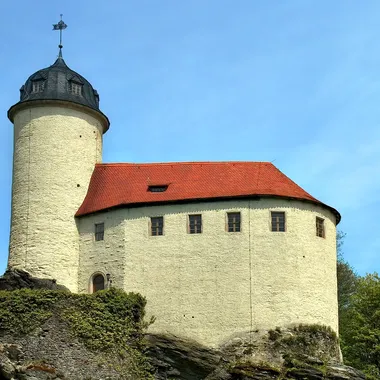
Rabenstein Castle is a medieval hilltop castle that offers great views of the surrounding area. It was built in the 12th century and is now a popular destination for visitors who want to learn more about the history of the region. The well-preserved tower ruins, which also serve as a backdrop for various events, are particularly worth seeing.
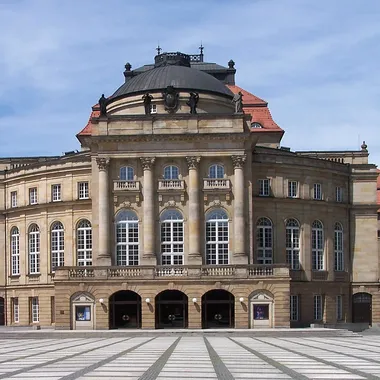
The Chemnitz Opera House is an architectural masterpiece and a cultural center of the city. It offers a wide range of performances, including operas, ballets and concerts, and is known for its top-class productions. The opera house has a long history and contributes to Chemnitz's cultural diversity.
The Red Tower is one of Chemnitz's landmarks. The tower is a medieval watchtower that was originally part of the city's fortifications. Today, it offers a great view of the city and is open to visitors. The Red Tower also houses a small museum on the history of the city.
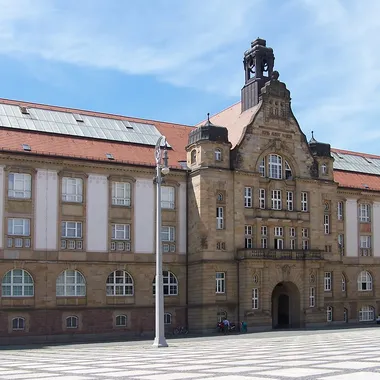
Chemnitz Palace is a historic building in the city center and was once the seat of the Saxon electors. Today it houses the Chemnitz Art Collections, one of the most important art collections in Saxony. The adjoining castle park invites you to stroll and relax and offers a beautiful view of the old town.
The Museum of Saxon Vehicles offers an impressive collection of historic vehicles documenting the development of the Saxon automotive industry. It includes cars, motorcycles, trucks and many other vehicles that represent an important part of the region's history.
The Chemnitz Art Collections are an important center for art and culture in the region. The collections include a large number of works of art from the 19th and 20th centuries, including paintings, sculptures and graphic art. The museum not only exhibits works by Saxon artists, but also internationally significant works of art.
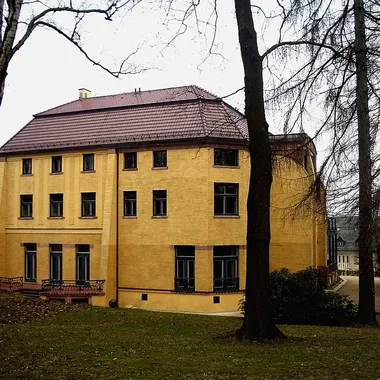
Villa Esche is a masterpiece of architecture designed by the famous architect Henry van de Velde. It was built in the Art Nouveau style and is now a museum that exhibits both the architecture and art of the turn of the century. The villa impresses with its intricate details and the harmonious combination of art and architecture.
The Felsendome visitor mine is an impressive underground world that allows visitors to learn more about mining and the geological treasures of the region. The guided tour takes guests through the former mine and shows how the rock was extracted. The mine is a fascinating destination for anyone interested in history and geology.
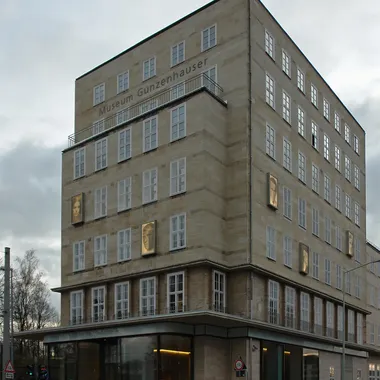
The Gunzenhauser Museum is home to one of the most important collections of 20th century art in Saxony. The collection includes works by artists such as Ernst Ludwig Kirchner, Max Beckmann and Otto Dix. Particularly noteworthy is the collection of expressionist art, which is of outstanding importance in the region.
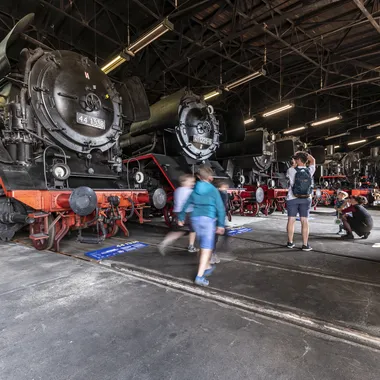
The Schauplatz Eisenbahn in Chemnitz is an experience for railroad enthusiasts and families. The museum displays a collection of historic locomotives and railroad carriages and documents the development of the railroads in Saxony. Particularly popular are the rides on historic trains, which give visitors a nostalgic feeling for the golden era of the railroad.
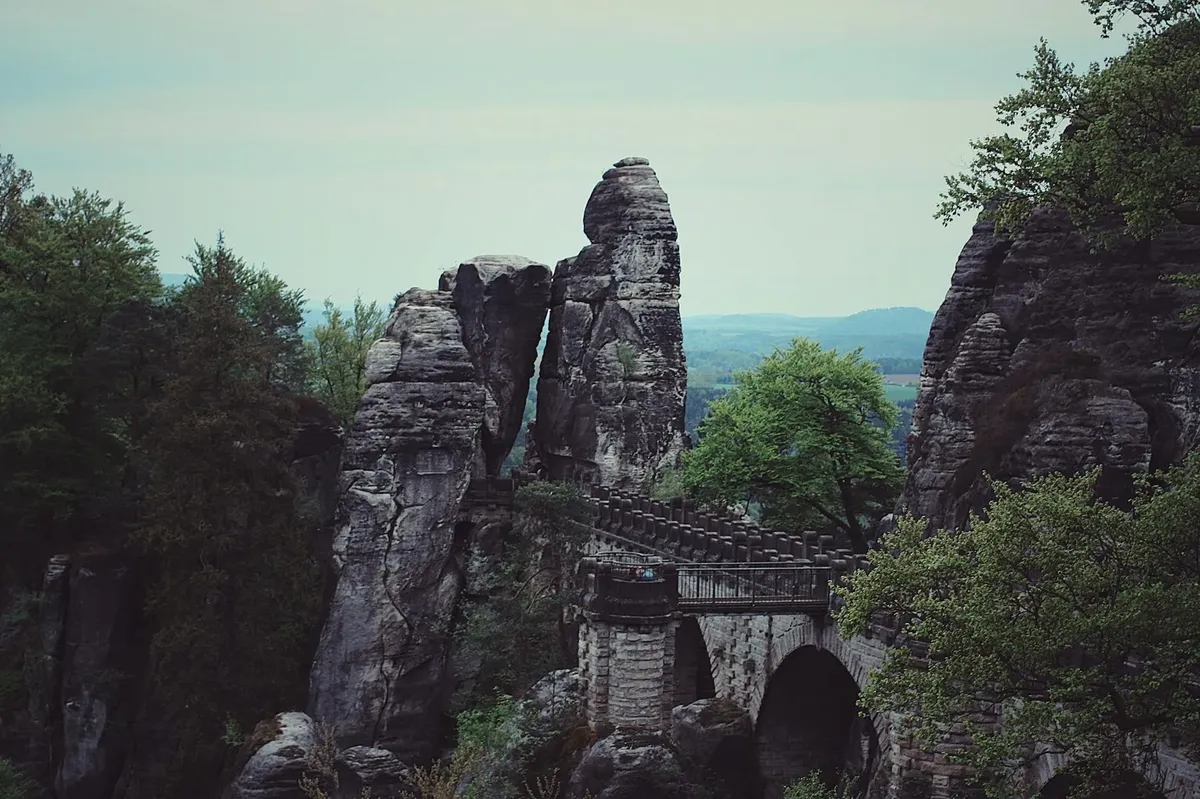
Saxon Switzerland is one of the most fascinating natural regions in Germany and a paradise for hikers, climbers and nature lovers
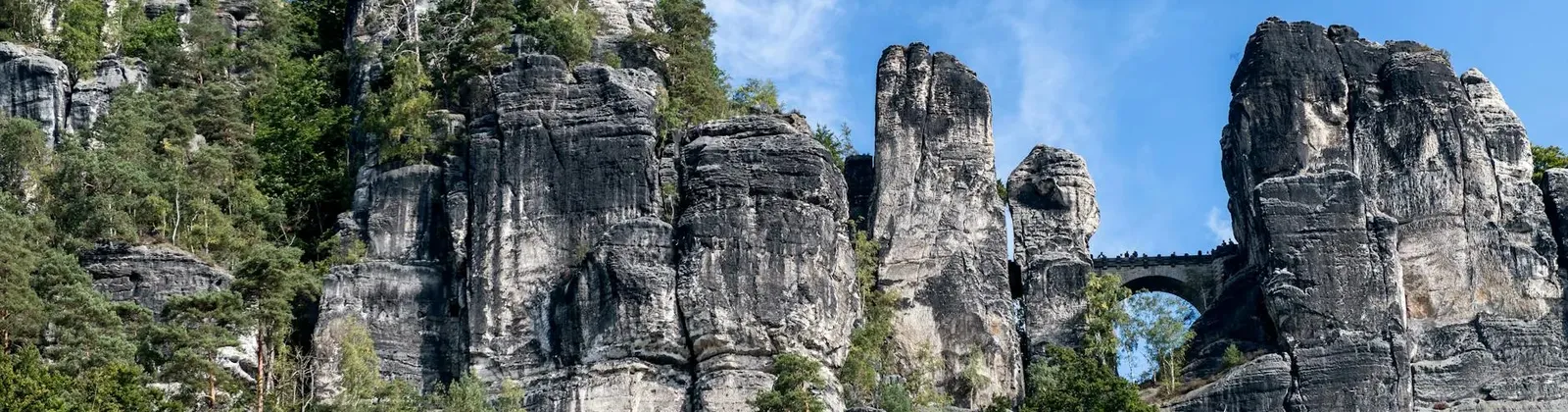
The striking sandstone formations, deep valleys, and picturesque bends of the Elbe River create a unique landscape.
Highlights include the Bastei Bridge, Königstein Fortress, and the Malerweg, a famous hiking trail that winds through the most beautiful parts of the national park.
Adventure seekers will find numerous climbing routes and via ferratas, while nature lovers can enjoy the picturesque views.
From Dresden, you can easily take the S-Bahn to Bad Schandau and then continue on the Kirnitzschtalbahn directly to various hiking trailheads.
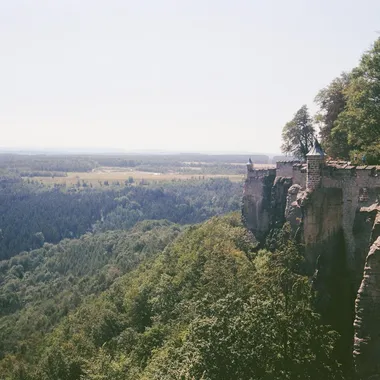
Königstein Fortress is one of the largest mountain fortresses in Europe and rises spectacularly above the Elbe valley in Saxon Switzerland. For centuries, the mighty complex served as an impregnable fortress, retreat and state prison. Today, historic buildings, exhibitions and viewing points offer impressive insights into military history and the landscape at the same time.