Böttcherstrasse
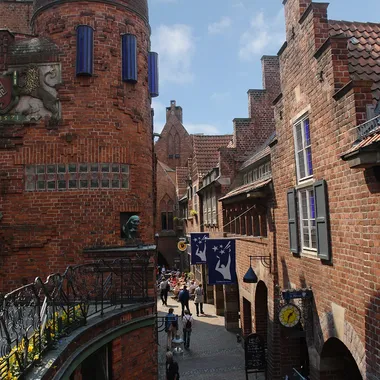
This artistically designed street is a total work of art with historic buildings, museums and small craft stores.
The federal state of Bremen, consisting of the cities of Bremen and Bremerhaven, is the smallest federal state in Germany with around 680,000 inhabitants - small in area, but big on cultural and maritime highlights.
The two cities are located about 60 kilometers apart and are closely linked by the Weser River and their shared history.
Bremen, the state capital, captivates visitors with its Hanseatic charm. The city is home to about 570,000 people and blends history and modernity with charming neighborhoods such as the Schnoor and the Ostertor district.
Bremerhaven, as the name suggests, the port of Bremen, is a port city with around 110,000 residents. Here, maritime tradition and innovation come together, for example at the German Emigration Center, which tells the stories of millions of Europeans who set out from here for the New World, or at the Klimahaus, which offers a fascinating journey along the eighth meridian.
This artistically designed street is a total work of art with historic buildings, museums and small craft stores.
The museum shows the history of migrants on their way from Europe to the USA since the 17th century.
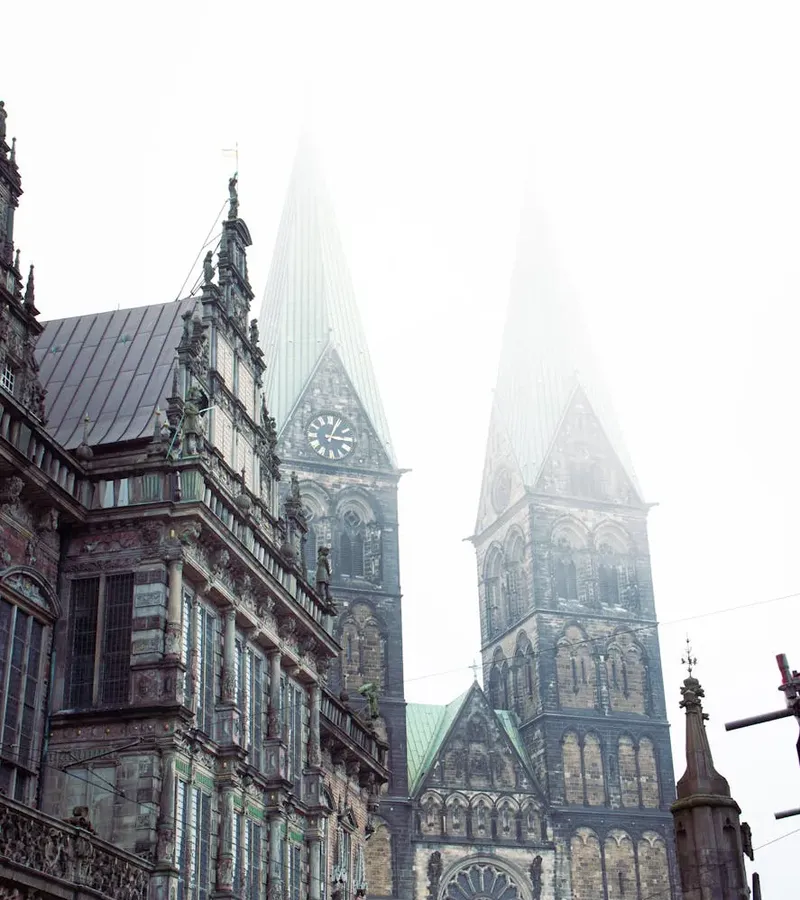
The old town boasts UNESCO World Heritage Sites such as the town hall.
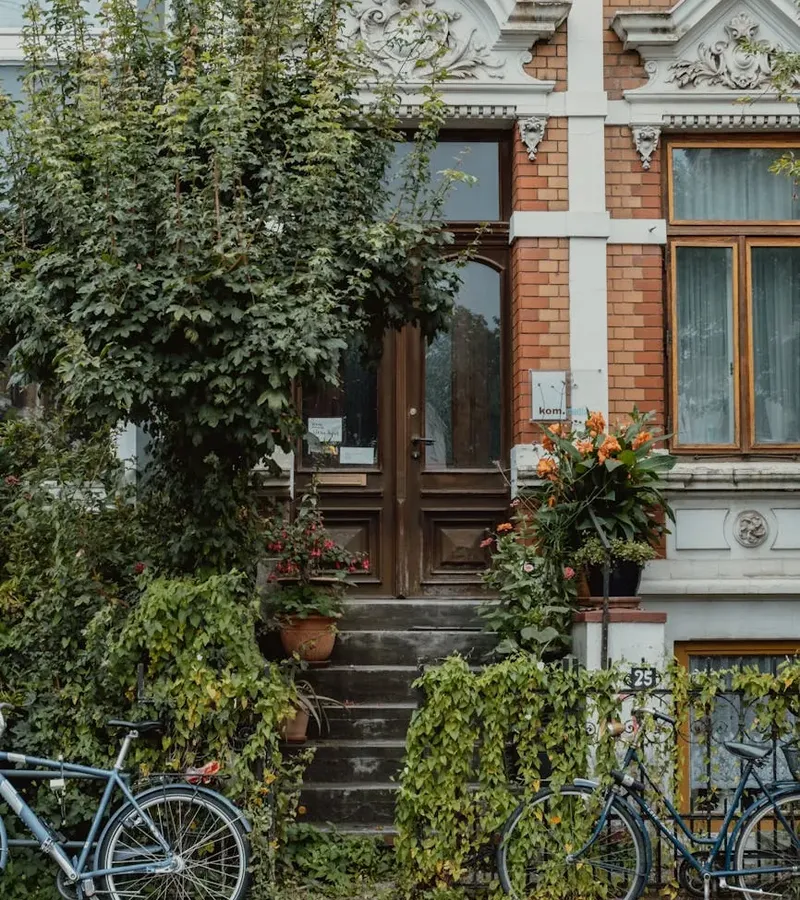
The "Viertel" is a lively, trendy district with historic old buildings, creative stores, cozy cafés and a wide range of cultural activities.
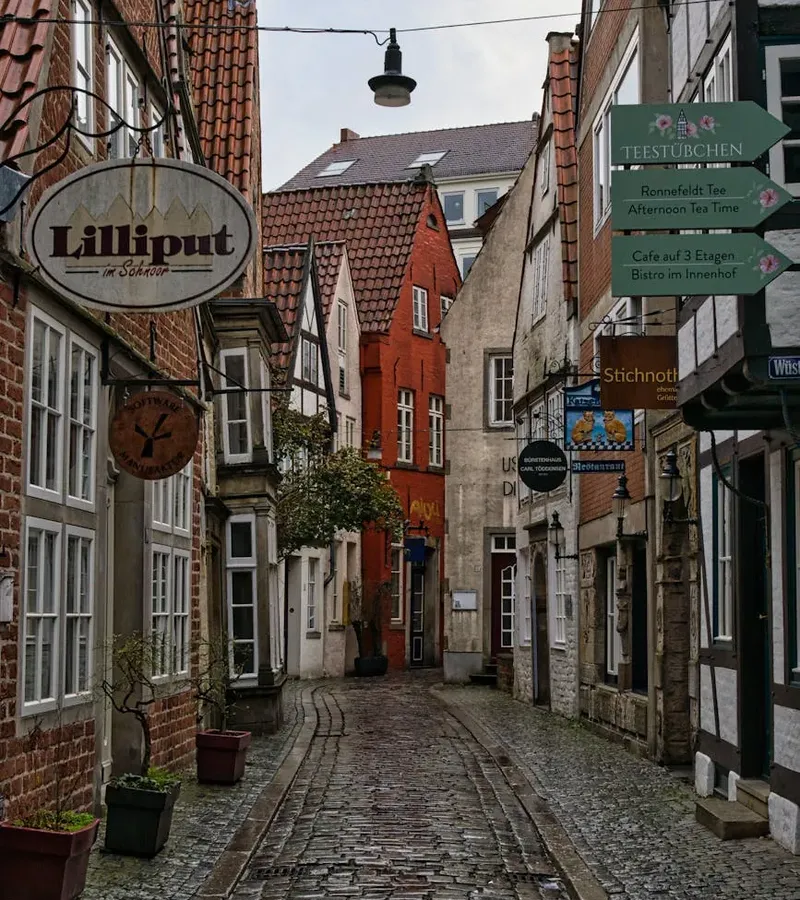
In the charming Schnoor district, Bremen's Story House brings the city's historical figures and events to life.
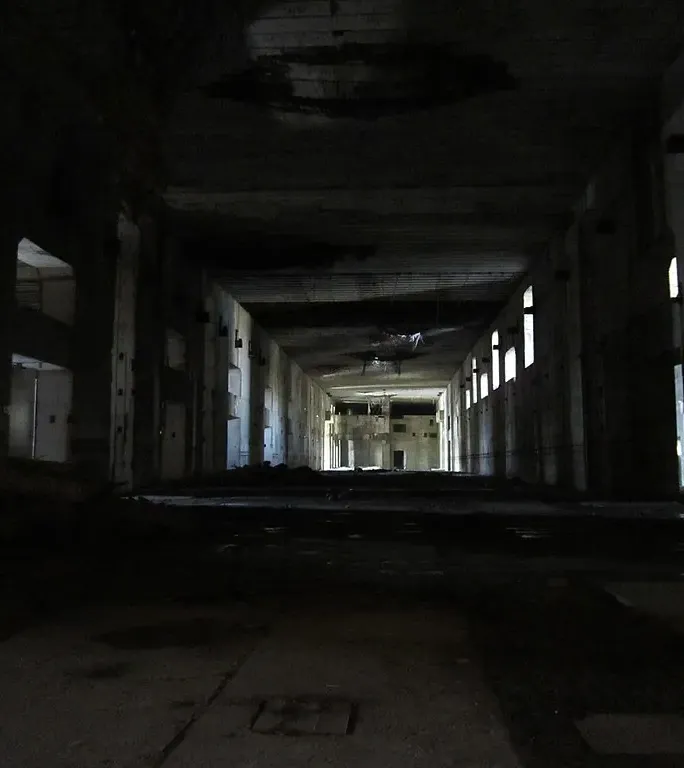
This former submarine bunker from the Second World War is now a memorial and memorial site with insights into its eventful history.
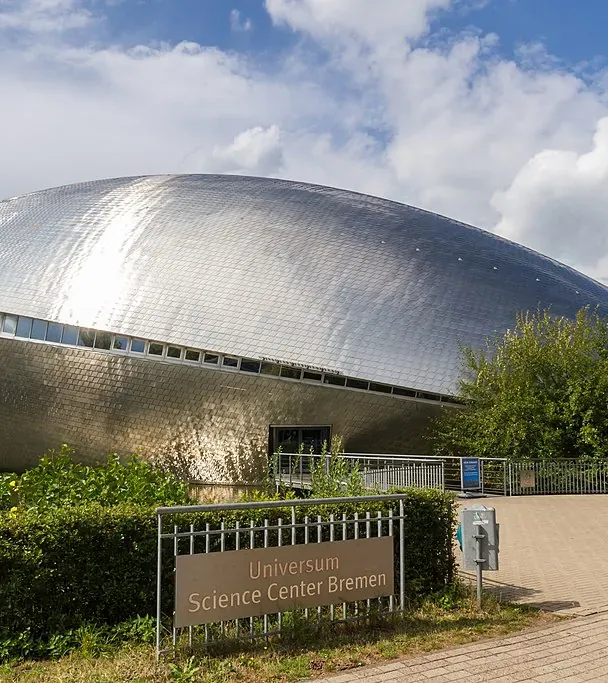
An interactive science center that brings science to life with fascinating experiments and themed worlds for all age groups.
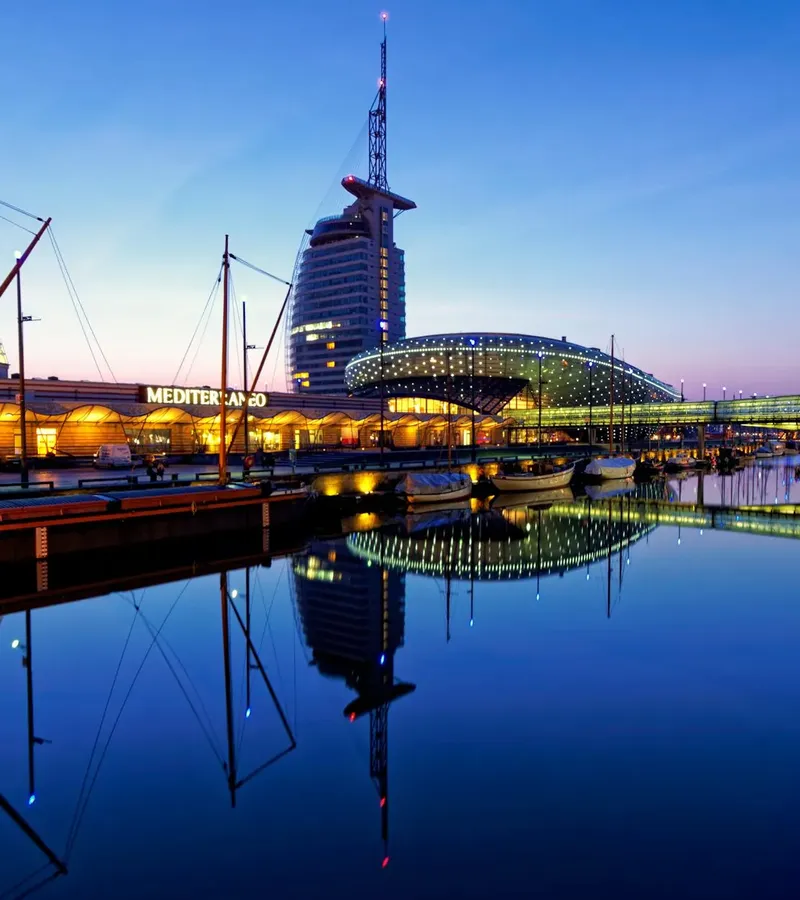
Here you embark on a journey along the 8th degree of longitude - from the icy Antarctic to the tropical heat of Africa. You can feel at first hand how …
This artistically designed street is a total work of art with historic buildings, museums and small craft stores.
The museum shows the history of migrants on their way from Europe to the USA since the 17th century.
The old town boasts UNESCO World Heritage Sites such as the town hall.
The "Viertel" is a lively, trendy district with historic old buildings, creative stores, cozy cafés and a wide range of cultural activities.
In the charming Schnoor district, Bremen's Story House brings the city's historical figures and events to life.
This former submarine bunker from the Second World War is now a memorial and memorial site with insights into its eventful history.
An interactive science center that brings science to life with fascinating experiments and themed worlds for all age groups.
Here you embark on a journey along the 8th degree of longitude - from the icy Antarctic to the tropical heat of Africa. You can feel at first hand how …
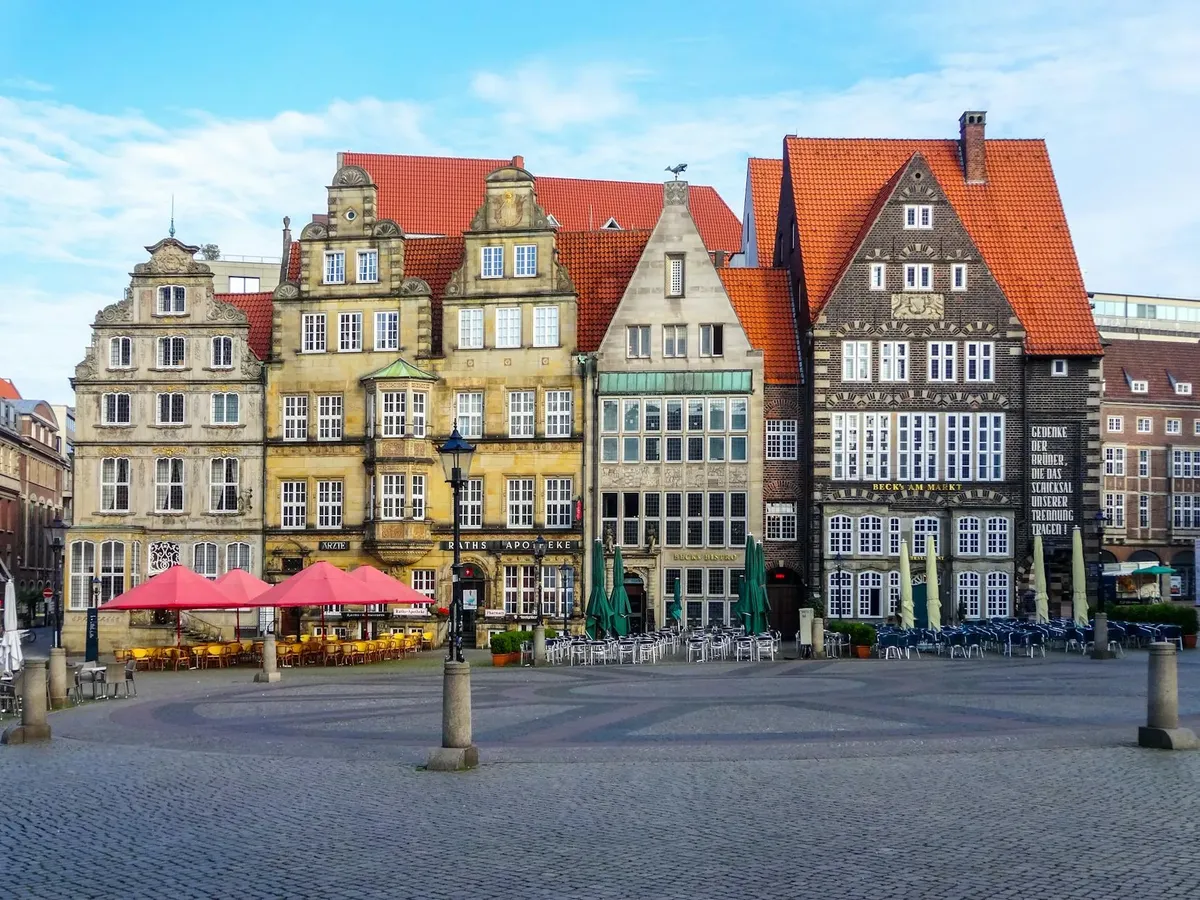
The old town is the historical and cultural center of Bremen
It is situated in an oval-shaped area surrounded by ramparts built on the site of the city’s former fortifications. Cobblestone streets, medieval buildings, and inviting squares create a charming, historic atmosphere.
Highlights include the market square with the UNESCO World Heritage Site Bremen City Hall and the Roland statue, St. Peter’s Cathedral, and the famous Bremen Town Musicians.
The Schnoor district with its narrow alleys and half-timbered houses, Böttcherstraße with its ornate facades, and the Schlachte, the riverside promenade along the Weser, are also worth seeing.
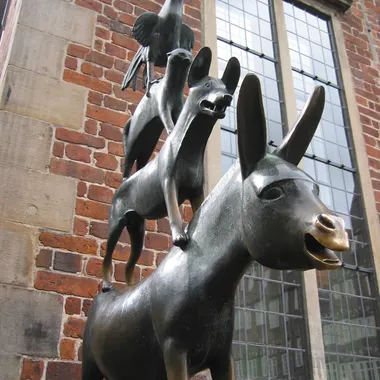
The bronze statue is located right next to Bremen's town hall and depicts the animals from the famous fairy tale by the Brothers Grimm: donkey, dog, cat and rooster. It is considered good luck to touch the donkey's front legs - which is why they are particularly shiny.
The fairy tale tells how the animals were rejected by their owners due to their age or weakness. They decide to move to Bremen to start a new life as town musicians.
On their way, they meet each other and join forces. When they stop for a rest in a forest in the evening, they discover a robber's house. To drive the robbers away, the animals stand on top of each other - the donkey at the bottom, then the dog, the cat and the cockerel at the top - and make loud music together. The robbers flee in panic and the animals take over the house. In the end, they decide to stay there, as they like it better than the journey to Bremen.
The fairy tale symbolizes courage, cooperation and the belief in a new beginning, even in difficult life situations.
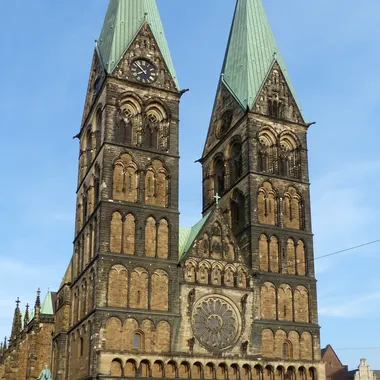
St. Peter's Cathedral, a Gothic masterpiece, has a history stretching back over 1200 years. Two 98 meter high towers dominate the skyline of Bremen. Inside, ornate stained glass windows and a magnificently decorated high altar are impressive. Those who climb the 265 steps of the south tower are rewarded with a magnificent view over the city. The lead cellar exhibition with mummified corpses and the idyllic Bible garden are also interesting. In the free cathedral museum, you can learn more about the history of the church in Bremen and admire sacred art.
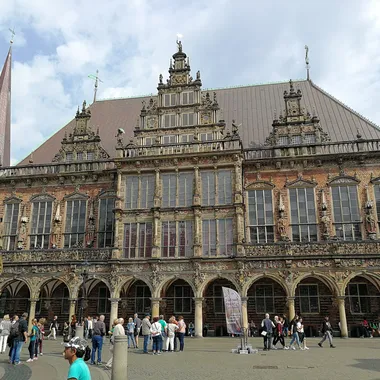
Bremen's town hall from the 15th century is one of the most beautiful Gothic and Weser Renaissance buildings in Europe. The ornate façade is particularly impressive. Inside there are magnificent halls, including the Upper Town Hall. Directly in front of it stands the Roland statue, which is over five meters high and has been a symbol of justice and freedom in Bremen since 1404. Together they are a UNESCO World Heritage Site.
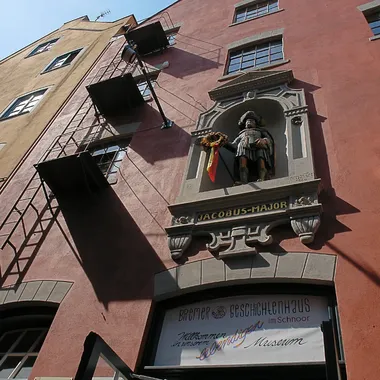
The Bremer Geschichtenhaus is a living museum in the heart of the Schnoor district. Here, historical figures and events from Bremen's history are re-enacted by actors in historical costumes. Visitors can meet the pepper sacks, fishermen and merchants or experience the story of the Bremen Town Musicians and the time of the plague. The interactive productions make the visit particularly exciting for families and school classes, as they offer an entertaining insight into past centuries.
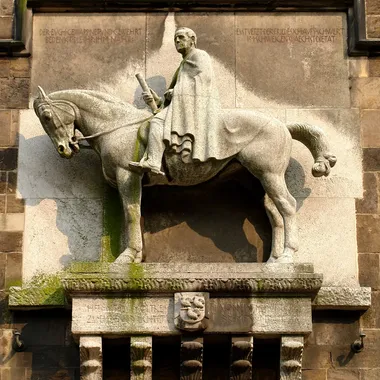
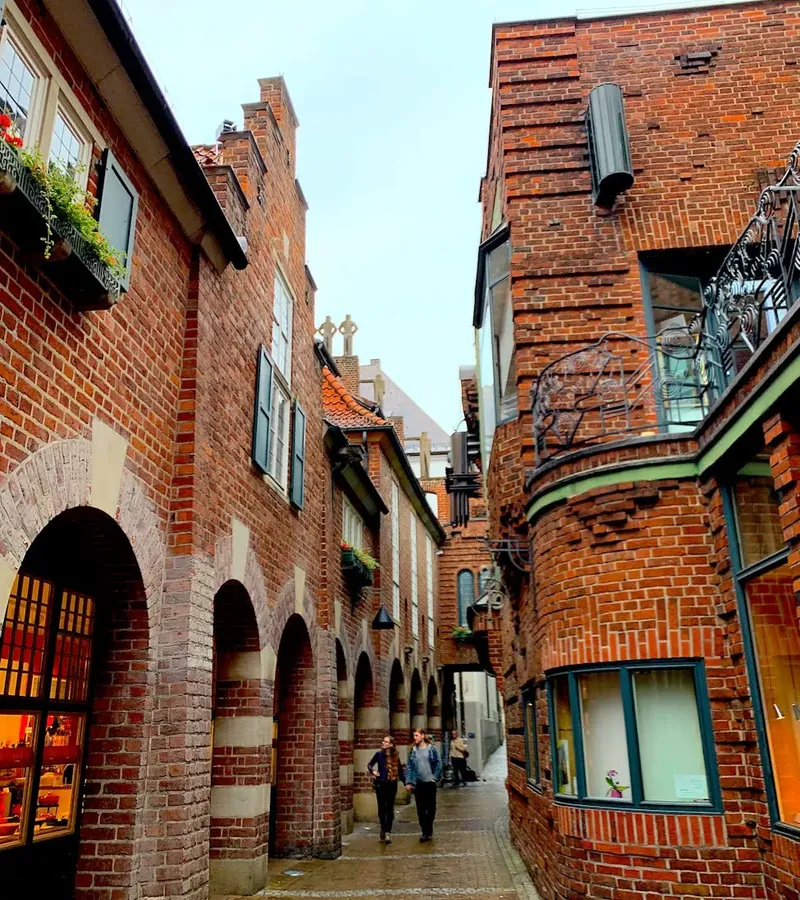
Böttcherstraße is an architectural highlight and art project. Built with red bricks, it connects the old town with the Weser. The golden "Lichtbringer" relief at the entrance is particularly striking. The street is home to the Paula Modersohn-Becker Museum, which is dedicated to the work of the famous painter, the Roselius House Museum and a sweet shop. The carillon made of Meissen porcelain also chimes several times a day and is a special experience.
The Church of Our Lady is the oldest parish church in Bremen and is centrally located in the old town, not far from the market square. Its origins date back to the 11th century and it was initially built as a Romanesque basilica. Over the centuries, the church has been rebuilt several times and today features mainly Gothic elements.
The light-flooded interior, which is characterized by the high windows with partially preserved medieval stained glass, is particularly impressive. In the 20th century, modern windows by the artist Alfred Manessier were added, which impress with their abstract, colorful depictions.
The Mühle am Wall is a historic windmill that now houses a charming restaurant. The mill was originally built in the 17th century and is a Bremen landmark. The surrounding park invites you to take a relaxing stroll while enjoying the mill as a photo opportunity.
The Schlachte is a historic riverside promenade along the Weser. Originally an important trading center, it is now a lively meeting place with restaurants, bars and beer gardens. Especially in summer, the outdoor terraces invite you to linger while traditional sailing ships anchor in the water. In winter, the maritime Schlachte Christmas market takes place here.
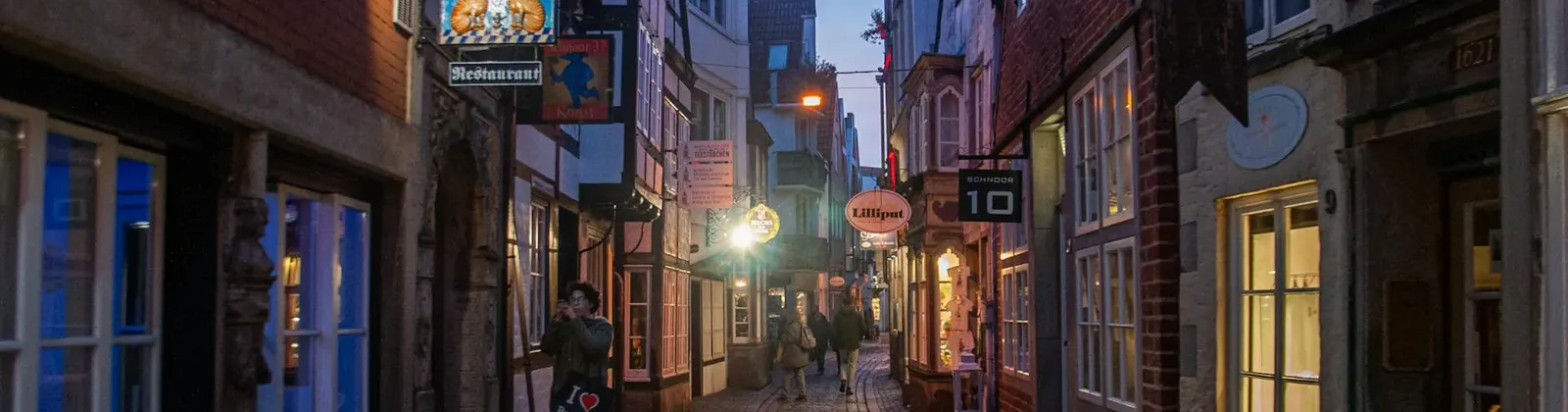
The Schnoor district, named after the old ship's rope stores ("Schnoor" = rope), is Bremen's oldest preserved district. The narrow alleyways are lined with medieval half-timbered houses, some of which are over 500 years old. Numerous craft stores, cafés and small museums can be found here. A stroll here feels like a journey back in time to the 16th century.
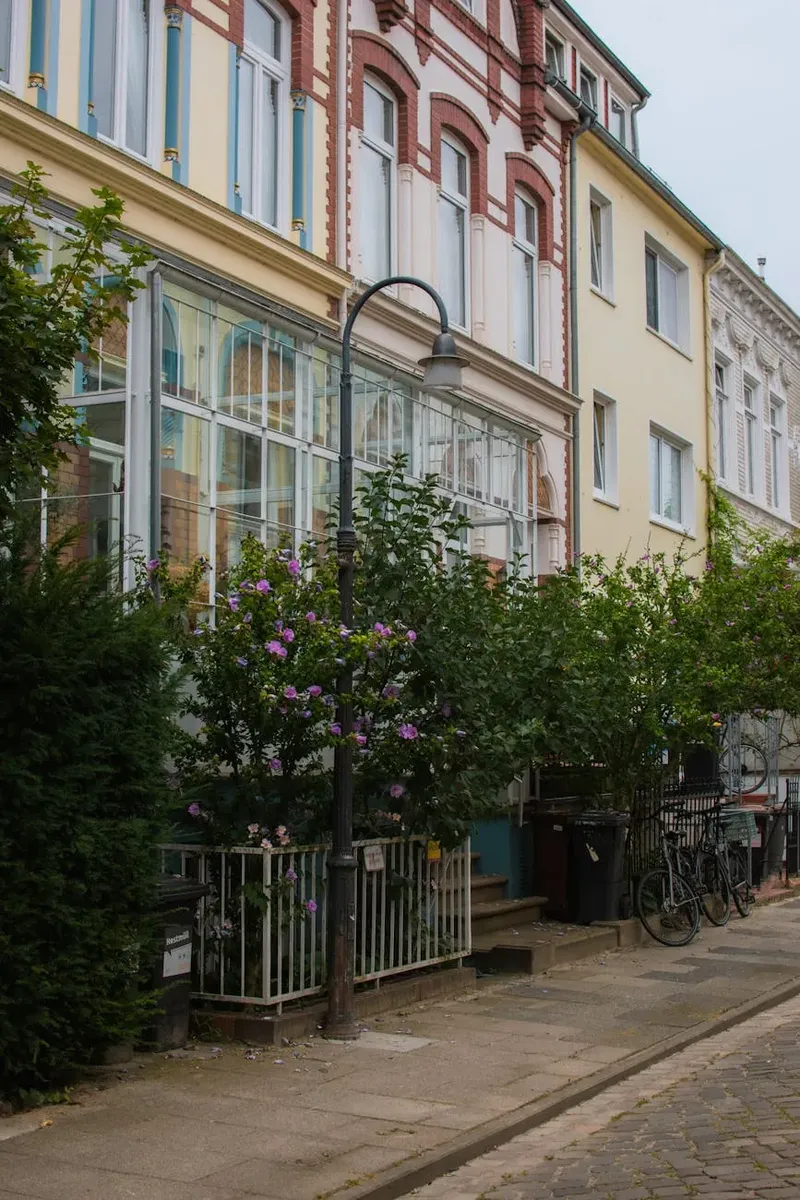
The Ostertor district is also known as the "Viertel" and is known for its alternative, creative scene
The neighborhood is located east of the Old Town and combines culture, art, and an urban lifestyle. In addition to the art gallery, the neighborhood is particularly known for its restaurants and boutiques.
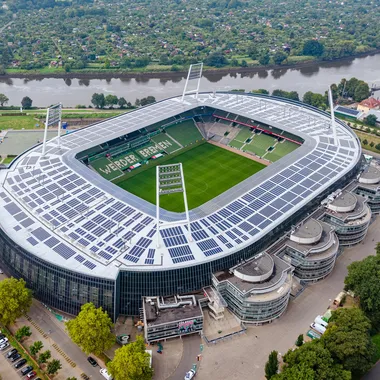
The Weserstadion is the home ground of Werder Bremen and a landmark of the city. It is idyllically situated directly on the Weser. Visitors can explore the stadium on guided tours, during which they can see the players' areas, the changing rooms and the press area, among other things. On match days, the atmosphere here is incomparable.
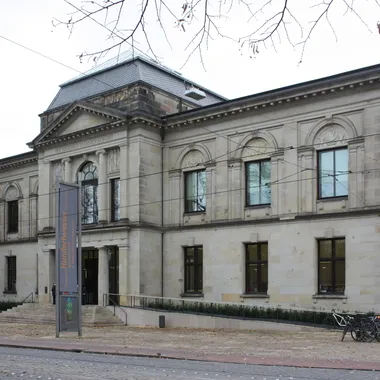
The Kunsthalle Bremen is one of the most important art museums in Germany. It offers an impressive collection that includes works from the Middle Ages to the present day. Particularly noteworthy are the paintings of the French Impressionists, including works by Monet, Cézanne and Renoir, as well as German art of the 19th and 20th centuries, for example by Caspar David Friedrich and Max Liebermann. Regular special exhibitions shed light on exciting topics in art history.
A small but lovingly designed museum that presents the history of carpentry. With original tools and machines from different eras.
The north of Bremen combines quiet residential areas, science and lots of greenery to create a particularly liveable part of the city
In Schwachhausen, elegant historic buildings, wide boulevards, and parks like the Bürgerpark define the landscape and lend the neighborhood a dignified, relaxed atmosphere.
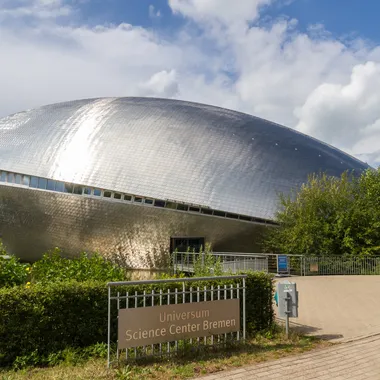
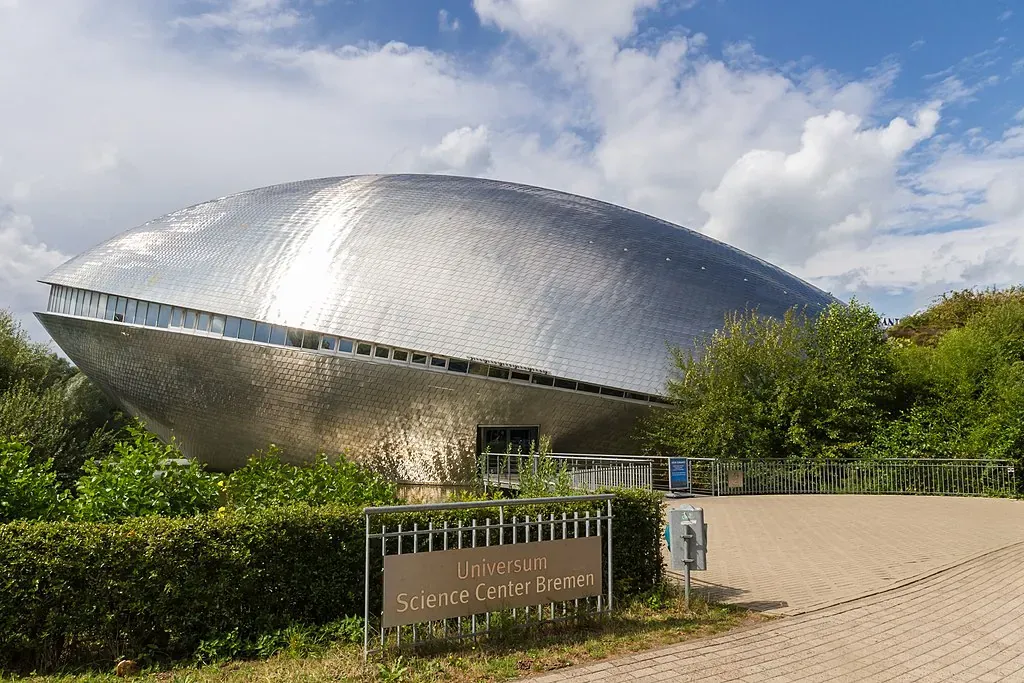
With the Universum Bremen, the neighborhood also offers a modern science museum that brings nature, technology, and humanity to life in an interactive way and is a particular highlight for families.
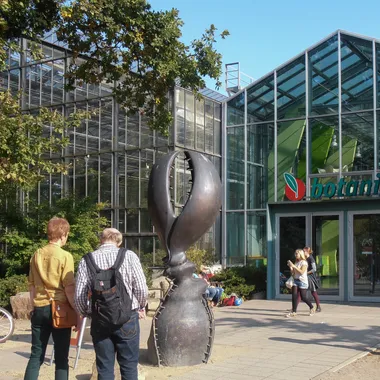
Right next door, the Botanika, with its Asian plant worlds and themed gardens, invites visitors on a journey through different climate zones. The Focke Museum vividly presents the history of Bremen.
The Botanika is an interactive adventure park that guides visitors through exotic plant worlds. In the greenhouses, you can admire the rainforest, Asian gardens and colorful orchids, among other things. A highlight is the butterfly house, where tropical butterflies fly around freely. There are also interactive stations and a café with a view of the greenery. The Rhododenron Park is accessible free of charge, while Botanika requires an entrance fee.
The Universum is a futuristically shaped building that looks like a gigantic whale or a shell. Inside, visitors can look forward to an interactive exhibition on the topics of man, nature and technology. Over 300 stations invite visitors to experiment, learn and marvel. Outside, there is a discovery park with other exciting installations.
The Überseemuseum is a fascinating place that combines natural history, ethnology and economic history. Visitors can explore exhibits from Africa, Asia, Oceania and America - including real ship models and artifacts from indigenous cultures. The detailed dioramas with real plants and animals are particularly impressive.
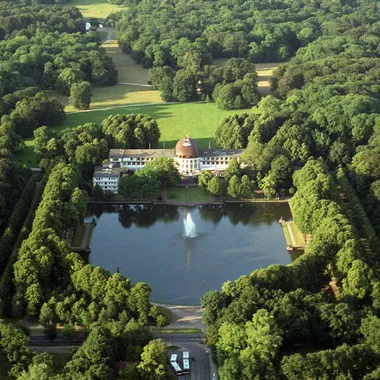
Bürgerpark is one of the largest parks in Bremen. It offers extensive walking paths, small lakes and numerous leisure activities such as rowing boats and mini golf. A highlight is the animal enclosure, where you can feed fallow deer and goats. The park is ideal for a break from city life.
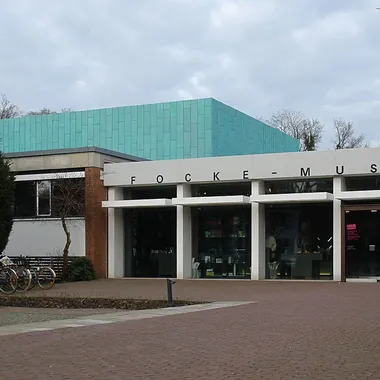
The Focke Museum is Bremen's state museum for art and cultural history. It shows the development of the city from its beginnings to the present day. Of particular interest are exhibits from the Hanseatic period, historical furniture, arts and crafts and a collection of models of Bremen buildings. The extensive museum park invites you to take a stroll.
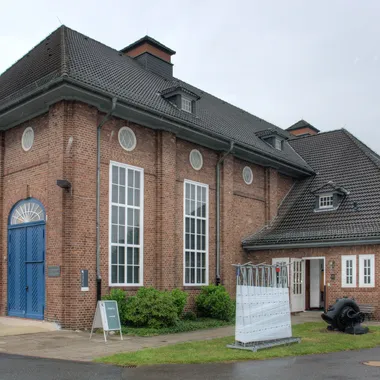
A historic sewage pumping station in the north of Bremen (Findorff), which is now used as a museum. Here you can learn more about the history of wastewater disposal and the history of technology. Guided tours show the pumps and machines from the early days that are still in working order.
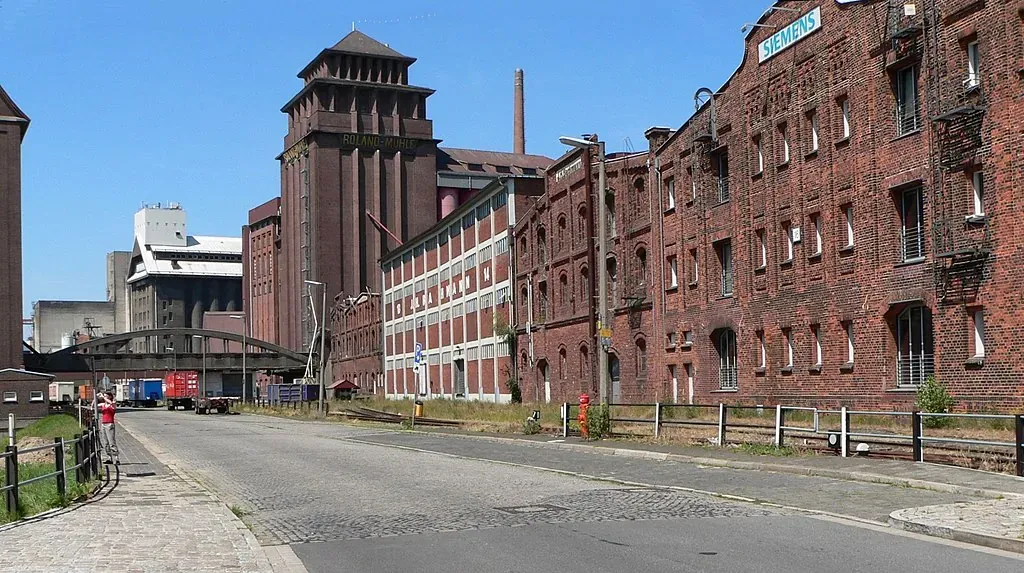
Überseestadt is a former port area that has been transformed into a modern, vibrant district in recent years
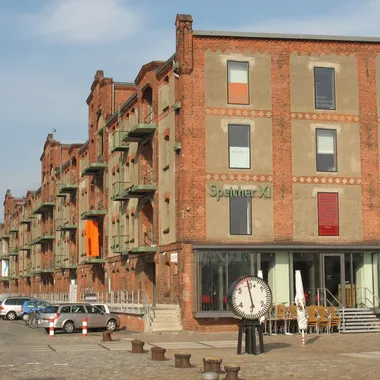
The Speicher XI Maritime Museum tells the story of Bremen’s ports, while Schuppen Eins delights classic car enthusiasts. The Weserburg, the Museum of Contemporary Art, displays works by international artists.
Further west lies the Bürgerweide, where Bremen’s Freimarkt takes place—Germany’s oldest folk festival.
Schuppen Eins is a paradise for car enthusiasts. Vintage and classic cars are exhibited in the historic harbor hall, and there are workshops, stores and restaurants. Regular events such as classic car meetings and trade fairs make this place a lively meeting place for all those who love mobility.
A minigolf course in Neustadt where the fairways are illuminated in black light. The imaginative themed worlds make the game an experience. Ideal for families and groups, especially on rainy days.
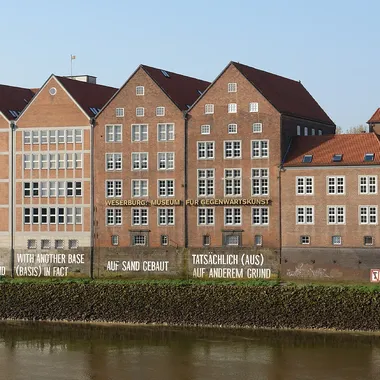
The Weserburg is a museum of modern art that exhibits works by internationally renowned artists. Various aspects of contemporary art are highlighted in changing exhibitions. The building itself, a former coffee and tobacco factory, provides an exciting backdrop.
The port museum in Speicher XI shows the development of Bremen's port and its trading history. Exhibits such as historic ships, models and old harbor cranes bring Bremen's importance as a trading city to life. Particularly interesting are the insights into the everyday life of the port workers.
Away from the well-known sights of Bremen, a surprisingly diverse side of the city opens up
Whether it’s insights into modern space technology, striking reminders of the Nazi era, time-honored brewing traditions, or tranquil parkland—these lesser-known attractions complement the classic city tour and reveal Bremen from unusual yet particularly fascinating perspectives.
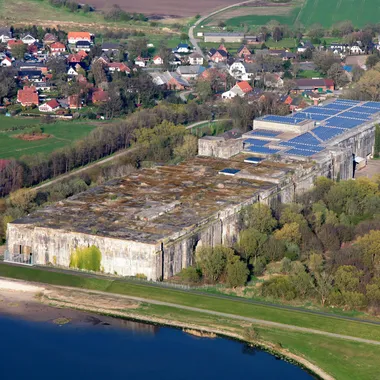
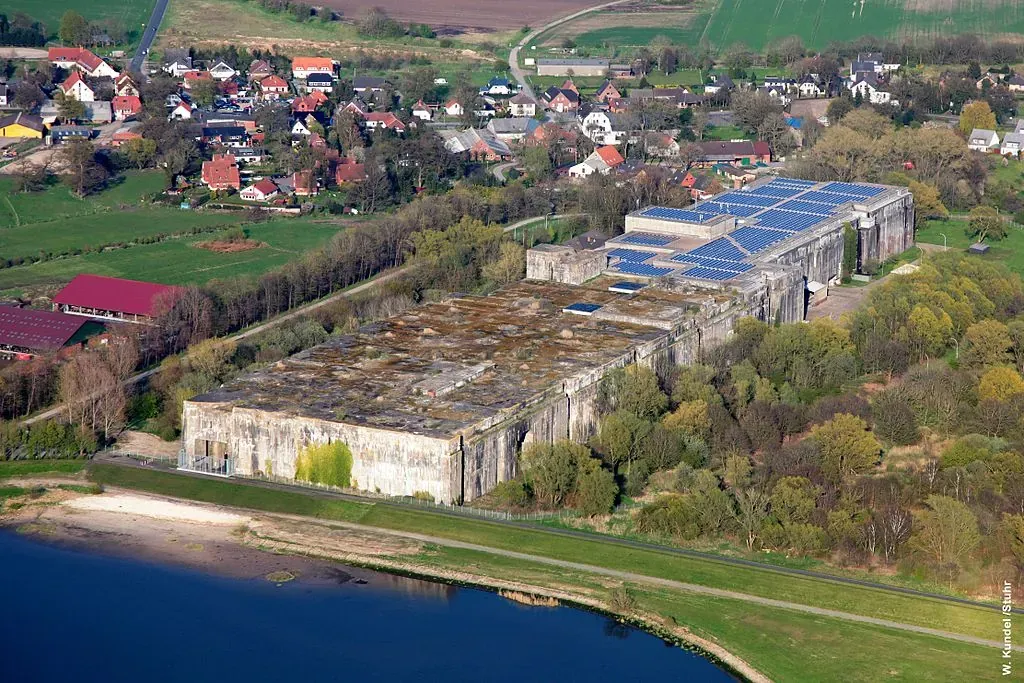
The Valentin submarine bunker is a memorial to history and the largest free-standing bunker in Germany. It was built by forced laborers during the Second World War and was intended to become a production facility for submarines. Today it is a memorial and a place of remembrance for the victims. Guided tours through the huge building offer fascinating insights into the bunker's turbulent past. The bunker is located on the western edge of Bremen.
During this two-hour factory tour, you will learn more about space technology and the life of astronauts in space. Parts of the ISS were developed here. Guided tours must be booked in advance and a pass must be carried for security reasons.
The famous Bremen brewery Beck's is located south of the Weser and opens its doors to visitors. During the tour, visitors learn exciting facts about the art of brewing and the history of the company. One of the highlights is the tasting session, where you can try different types of beer, including international varieties that are rarely available in Germany. The tour ends in the store, where you can buy souvenirs.
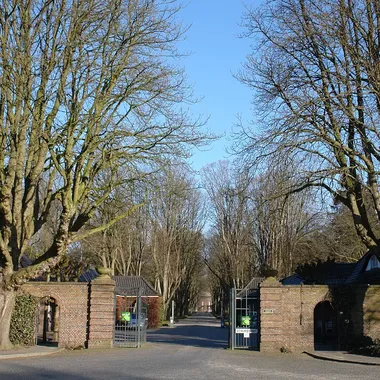
This extensive cemetery in the west of Bremen is one of the largest in Germany and impresses with its magnificent graves and peaceful atmosphere.
An exciting experience for anyone who wants to experience the feeling of flying. Under professional guidance, you can learn to fly in a realistic cockpit at Bremen Airport. Book online in advance.
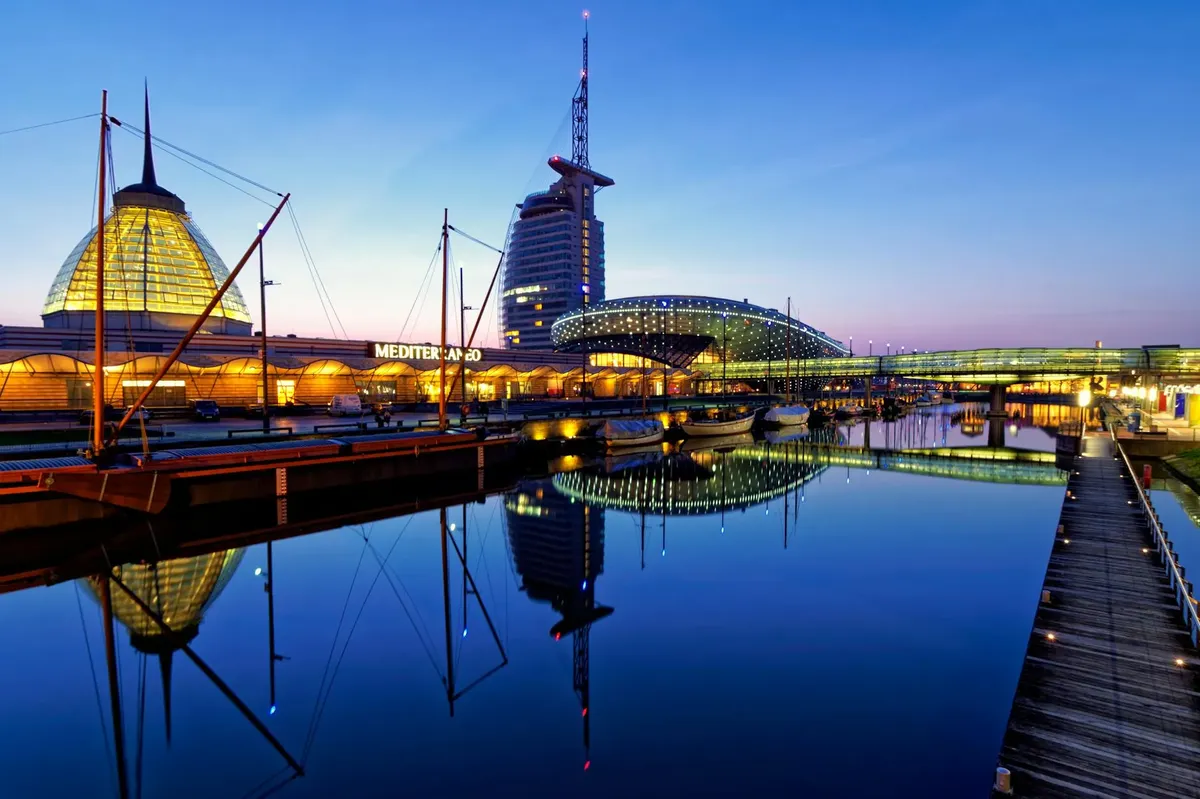
Bremerhaven is an important center for shipping, fishing and offshore wind energy
The city offers numerous maritime attractions, such as the German Emigration Center, the Klimahaus, and the fishing port.
With its modern research and educational institutions, Bremerhaven has become a major hub for science and innovation.
Bremerhaven was founded in 1827 by Bremen as a port city to secure direct access to the North Sea. In the decades that followed, it developed into one of Germany’s most important ports of emigration—millions of people left Europe from here bound for America.
During World War II, the city was heavily damaged, but was subsequently rebuilt as an important port and industrial center.
An extraordinary journey along the longitude 8° East, depicting the different climate zones of the earth. Visitors cross the dry heat of the Sahel, the icy cold of the Antarctic and the tropical humidity of the rainforest. The Climate House raises awareness of climate change and environmental protection and combines scientific findings with sensory impressions such as realistic temperatures, sounds and smells.
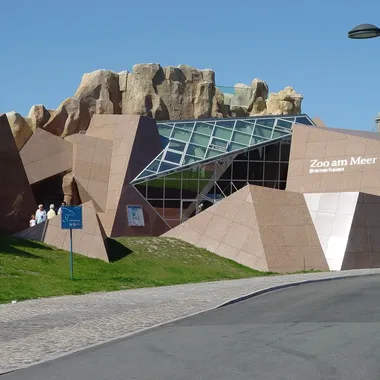
A small but unique zoo specializing in animals from polar and coastal regions. Visitors can admire polar bears, penguins, seals and harbor seals in natural enclosures that border directly on the North Sea. The zoo attaches great importance to educational work and provides information about the protection of endangered species. The location by the sea makes the visit particularly picturesque.
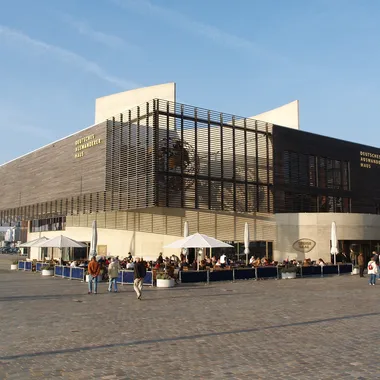
The award-winning museum tells the story of millions of Europeans who used Bremerhaven as a starting point for their emigration to the New World in the 19th and 20th centuries. Visitors experience the emigrants' journey at first hand - from registration in the port to accommodation on the ship and arrival in America. The exhibition is designed to be interactive, with personal stories, re-enacted scenes and multimedia elements. There is also a look back at migration to Germany.
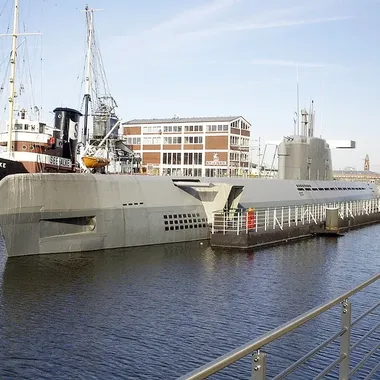
The submarine moored in the harbor is part of the German Maritime Museum. It was originally built during the Second World War and later converted. Visitors can experience the narrow corridors, engine rooms and life on board up close. An impressive testimony to the history of maritime technology.
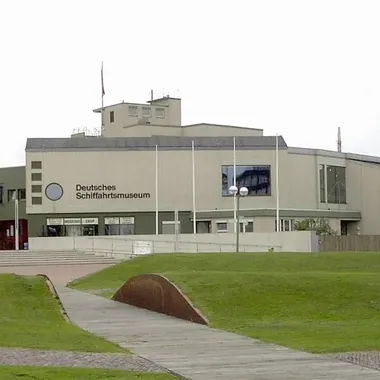
This national museum is dedicated to the history and importance of shipping. It houses numerous exhibits, including ship models, nautical instruments and historical maps. A highlight is the open-air museum with original ships, such as the whaler Rau IX and the Hanseatic cog replica. The museum combines technology, culture and economic history relating to seafaring.
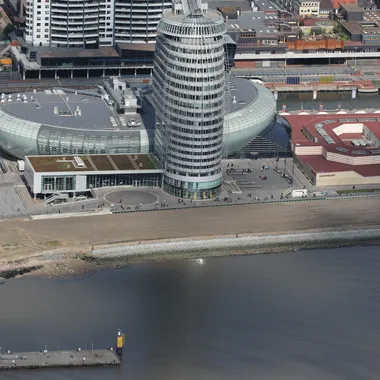
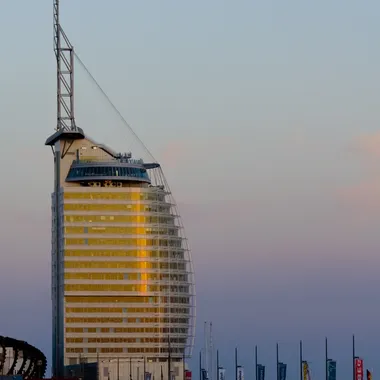
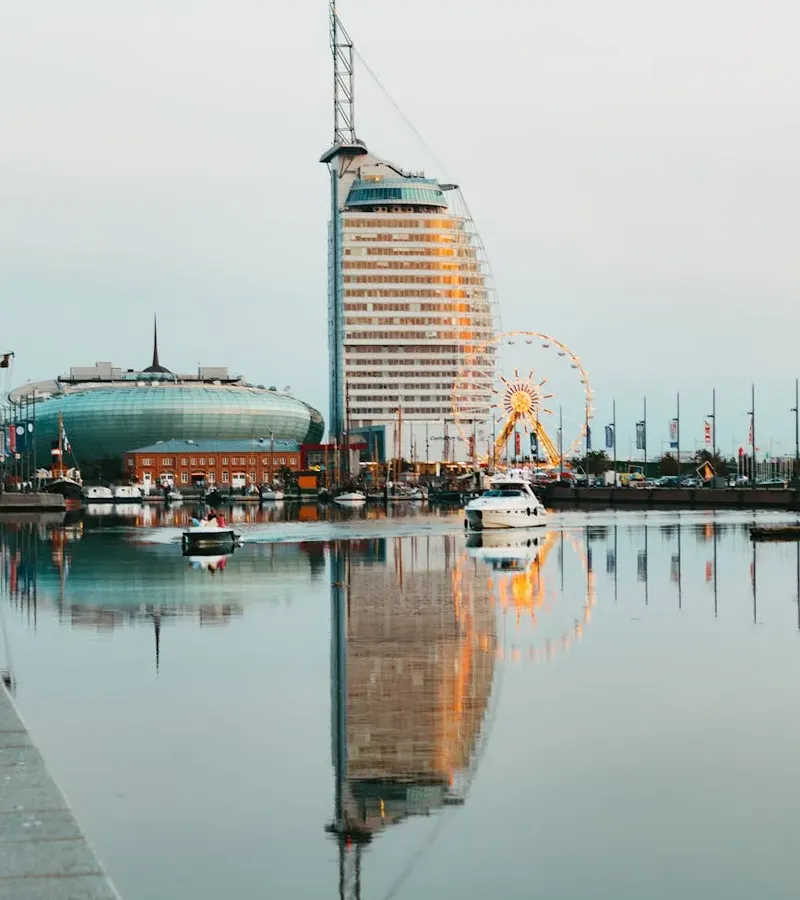
The striking Sail City Hotel is a landmark with a viewing platform at a height of 86 meters, offering a breathtaking view of the Weser estuary and the city.
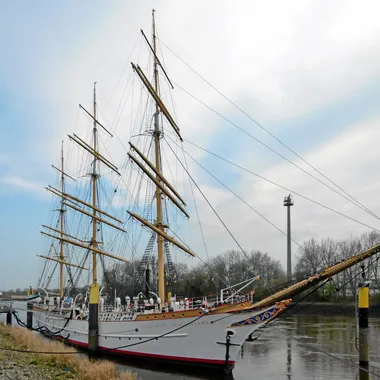
The ship can be visited or used as overnight accommodation. Sometimes weddings also take place on it.
In this museum, children and adults learn about science in a playful way.
Start your stay with a stroll through the Old Town. Visit the historic market square with its UNESCO-listed town hall and the Roland statue, and of course, pay a visit to the Bremen Town Musicians. Then head to the Schnoor district, Bremen’s oldest neighborhood, with its narrow alleys, small shops, and cafés. To wrap up your day, take a detour to Böttcherstraße, where Expressionist brick architecture meets arts and crafts and museums.
The second day is all about art, culture, and learning. At the Übersee-Museum, you can embark on a journey across different continents—from Asia to Africa. Art lovers should visit the Kunsthalle Bremen, which features works ranging from the Romantic period to the modern era. Alternatively, or as a complement to this, the Universum Bremen offers exciting interactive exhibits on technology, humanity, and nature—particularly popular with curious explorers.
On the third day, a trip to the surrounding area is a great option. Head to Bremerhaven and visit the German Emigration Center or the Klimahaus, both of which are among Germany’s most fascinating museums. Alternatively, you can explore the artists’ village of Worpswede in the Teufelsmoor—perfect for walks, gallery visits, and relaxing in the idyllic countryside. This is a great way to end your trip to Bremen—diverse and relaxing.
The area around Bremen offers many wonderful options for day trips or weekend getaways. From idyllic natural scenery to historic towns and unique attractions—there’s something for everyone here:
Knoops Park
Knoops Park, a public park, is located on the northern outskirts of Bremen. The spacious park is perfect for long walks.
Worpswede – An Artists' Village in the Teufelsmoor
Worpswede is a 30-minute drive from Bremen and is known for its artists’ colony, which was established in the late 19th century. Today, you can explore museums, galleries, and the picturesque landscape of the Teufelsmoor. Visit the Haus im Schluh or the Große Kunstschau and enjoy a peat boat ride through the moor.
Wildeshauser Geest
Located about 30–45 minutes by car from Bremen is Lower Saxony’s largest nature park. Here you can hike, bike, or explore Stone Age megalithic tombs such as the “Visbeker Braut.” Canoe trips on the Hunte River or a picnic by idyllic lakes are also great options.
Oldenburg
This charming university town is located about 30 minutes by train from Bremen. Oldenburg captivates visitors with its blend of historic charm and modern culture. The pedestrian zone is perfect for strolling, and the Castle Museum offers insights into the city’s history. The botanical garden is particularly beautiful, and walks along the harbor are a delight.
Walsrode Bird Park
About an hour’s drive from Bremen lies one of the largest bird parks in the world. With over 4,000 birds in a sprawling park setting, it’s a perfect place for families and bird lovers. There are flight shows, exotic bird species, and beautiful themed gardens.
Serengeti Park Hodenhagen
Just a stone's throw from Walsrode, you can go on wildlife safaris. Among other things, you can see real lions, tigers, giraffes, and rhinos.
Verden – City of Horses
About 40 minutes by car or train from Bremen lies this small town, which is known for its horse breeding. The old town, with St. Mary and Cecilia Cathedral, is also worth seeing. Visit the German Horse Museum or enjoy a boat ride on the Aller River.
Syke
Syke is located about 30 minutes by car from Bremen, surrounded by beautiful nature. The Syke District Museum resembles an open-air museum.
Etelsen Castle
About a 30-minute drive from Bremen, the magnificent Etelsen Castle is situated in the municipality of Langwedel, surrounded by a beautiful park. The park is ideal for a relaxing stroll.
Hamburg
Like Bremen, Hamburg was also a Hanseatic city and gained influence and wealth through its port. It takes about an hour to get to Hamburg by train or car.
In the past, people in this North German city by the water ate a lot of fish, and typical dishes like Labskaus (beets, mashed potatoes, fish or meat, and a fried egg) and Bremer Schellfisch (fish with potatoes and mustard sauce) were hallmarks of Bremen’s cuisine.
In traditional restaurants, you can order Bremer Knipp (Grützwurt, also known as “Pinkel”), kale stew, or red fruit compote.
But for those who prefer something less rustic, Bremen also offers a wide variety of delicatessens and international restaurants. Rollos (flatbreads, usually filled with meat, vegetables, and cheese, which are rolled up and baked) are particularly popular. Those with a sweet tooth can try Bremer Kluten, a peppermint fondant coated in dark chocolate.

Bremen is home to Beck's Beer, one of Germany's best-known beers. But smaller breweries like "Hopfenfänger" also offer excellent craft beers.
In addition to ships in bottles and textiles featuring anchors, here are a few more ideas for souvenirs to bring back from Bremen:
Made in BremenThis regional department store in the Old Town offers exclusively products from local manufacturers, ranging from food and handicrafts to design objects. It’s the perfect place to buy authentic souvenirs.
BeerBremen is home to Beck's Beer, one of Germany's best-known beers. But smaller breweries like the 'Bremer Braumanufaktur' also offer excellent craft beers.
CoffeeBremen was once a hub of the coffee trade, and this is evident in the local coffee culture. Brands like Jacobs and Lloyd have their roots here. In many of Bremen’s cafés, you can sample specialty roasts that carry on the Hanseatic tradition.
Bremer KlutenThis sweet made from spiced peppermint fondant is a popular souvenir from Bremen that is especially in high demand during the Christmas season.
Schnoor OneThis small interior design shop in the Schnoor district resembles a museum or a cabinet of curiosities. In this shop, designed with great attention to detail, you can find gifts to suit every budget.
You can find current events, exhibitions, and cultural highlights on the following platforms:
The Little Magic Theater offers magical entertainment in an intimate setting. Performers from all over the world showcase their tricks and illusions here. The close connection with the audience makes every performance special.
GOP Varieté combines acrobatics, comedy, and live music in a variety of shows. International performers and a stylish atmosphere make for a truly special experience.
The Bremen Philharmonic is one of Germany's oldest orchestras and performs regularly at the Glocke, one of Europe's finest concert halls. The Musikfest Bremen is an international festival featuring top-tier artists and takes place annually in late summer.
The best way to find out what's going on in Bremen in the evenings and at night is to check out the following websites:
In addition to the annual Christopher Street Day (CSD), there are several bars and venues in Bremen that host queer events. The best place to find current events and community activities is at Rat & Tat Bremen.
A popular gathering spot for the lesbian and queer community is the FRIENDS Bar in the Ostertorviertel neighborhood, which regularly hosts events and theme nights. Information on current events can be found on websites such as Gay-Party.de and Gay-Location.de.
SV Werder Bremen is one of Germany's most historic soccer clubs. The Weserstadion is located right on the Weser River and is known for its unique atmosphere. Stadium tours and guided tours offer exciting behind-the-scenes insights.
Sports are an integral part of Bremen’s cityscape—especially along the Weser River. The riverside promenade and the Osterdeich are popular gathering spots for joggers, cyclists, and walkers. Thanks to its flat terrain, the city is ideal for exploring by bike.
Canoeing, stand-up paddleboarding, and rowing offer visitors active ways to explore Bremen from the water. In Bremerhaven, sailing trips and maritime events take center stage—in keeping with the city’s long seafaring tradition.
The following events are usually held annually in Bremen:
Bremen is generally a safe city, but as in many large cities, the area around the main train station is known as a hotspot for pickpockets and drug users. Bicycle theft is also particularly common in Bremen. If you’re walking, you should also watch out for marked bike lanes.
Although geographically separate, Bremen and Bremerhaven together form Germany’s smallest federal state—the Free Hanseatic City of Bremen. This is due to their historical ties, economic cooperation, and political autonomy.
Bremen was first mentioned as a bishopric as early as 787, when Charlemagne introduced Christianity to the region. As a member of the Hanseatic League, the city served as a hub for trade in Northern Europe, which earned it the status of a free imperial city and allowed it to levy its own customs duties and enact its own laws.
The area that is now Bremerhaven was purchased by Bremen in 1827, and Bremerhaven was founded. Bremen sought to secure access to the North Sea after the Weser River silted up and became too shallow for large ships. The city quickly became an important port for overseas trade and a departure point for millions of emigrants who traveled from here to the New World—particularly to what is now the United States. With the founding of the German Empire in 1871, Bremen remained an independent federal state as a “Free Hanseatic City.” The city maintained its focus on trade and shipping, making it one of the most important seaports in Germany.
During the Nazi era, Bremen was a major hub for the arms industry. Companies such as the Bremer Vulkan shipyard and Focke-Wulf produced military equipment, and forced laborers were employed on a large scale. The city was also the target of heavy bombing raids that destroyed large parts of the old town. Bremerhaven, then known as Wesermünde, served as a naval base. After the war, both cities, along with northern Baden-Württemberg, Bavaria, and Hesse, became part of the American occupation zone, as the U.S. sought access to the sea.
Bremen and Bremerhaven are politically unique as a two-city state. Bremen’s status as a federal state is rooted in history, as the city retained its rights as a free imperial city even after the founding of the German Empire in 1871. Bremerhaven later became part of this federal state because it was closely intertwined with Bremen economically and logistically. Both cities complement each other economically and culturally and have remained a single federal state in order to secure their autonomy within the Federal Republic.
At the same time, the state faces structural challenges. Bremen has the highest unemployment rate in the country and often ranks in the bottom third of the states in terms of average income and educational indicators. Social policy issues have therefore traditionally been a high priority, a fact that is also reflected in the long-standing social democratic influence on state politics.
After many former shipyards were forced to close in recent decades, Bremen has reoriented its economy. Today, the city is a major hub for aerospace technology, logistics, the maritime industry, and research. Aerospace companies, as well as suppliers to the automotive and wind energy sectors, shape the city’s industrial landscape. The defense industry also plays a role: among other things, naval vessels and specialized military vehicles are developed and built in Bremen.
In recent years, Bremen has voluntarily taken in many refugees. More than 60% of the city’s children and young people come from families with an international background. Yet this is hardly noticeable when strolling through the city. Bremen is known for being bicycle-friendly, its short distances, and its proximity to nature—the Bürgerpark and the Weser River offer spaces for relaxation right in the heart of the city.
Bremerhaven (population 110,000) has retained its character as a modern port city. The port is one of Europe’s most important hubs for container and automobile handling. In addition to logistics and the fishing industry, maritime research and climate science—such as that conducted by the Alfred Wegener Institute—are key economic pillars.
Shipbuilding and the maritime industry also continue to play a role. While large cruise ships, such as those operated by AIDA, are primarily built at other shipyards in northern Germany, Bremerhaven is primarily active in the areas of repair, conversion, and specialized shipbuilding. In addition, the region as a whole is an important hub for the construction and outfitting of naval vessels.
Bremen has excellent connections to the Deutsche Bahn rail network. In addition to long-distance trains, regional trains and commuter trains provide easy access to nearby cities such as Hamburg, Hanover, and Oldenburg. The Bremen tram system also offers a convenient way to get around the city. A particular highlight is the Bremen Card, which gives travelers free access to public transportation as well as numerous discounts on attractions and activities.
Bremen is a very bike-friendly city with many well-developed bike paths and bike lanes. The flat terrain makes the city ideal for bike tours, and numerous bike-sharing systems allow both locals and tourists to cycle quickly and comfortably through the city. The Car2Go Bike and Nextbike rental systems are particularly convenient, allowing you to easily rent and return a bike at many locations throughout the city.
In addition, there are plenty of e-scooters available for rent in Bremen. Companies like Lime, Circ, and Tier offer their e-scooters in the city center, allowing tourists and locals alike to travel short distances with ease.
Bremen is a compact city that is easy to explore by car. However, please note that there is an environmental zone in the city center where only vehicles that meet certain emissions standards are permitted to drive. A valid emissions sticker is required to drive in this zone.
Bremen is located on the Weser River, and for some visitors, a boat trip is a popular way to experience the city from a different perspective. The main ferry connections:
Bremen has an international airport that is important for both business travelers and vacationers: