Sachsenhausen
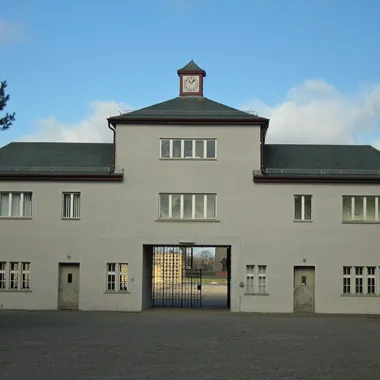
An impressive memorial on the site of a former concentration camp. It commemorates the crimes of National Socialism.
Population: 2,485,000
Brandenburg, the largest federal state in eastern Germany in terms of area, delights visitors with its unspoiled nature and historic places such as Potsdam.
Characterized by endless forests, crystal-clear lakes, and stunning river landscapes, the state is a paradise for outdoor enthusiasts and cultural travelers alike.
Particularly impressive is the Spreewald, which is protected as a UNESCO Biosphere Reserve thanks to its unique floodplain landscape.
The region is home to the Sorbs, a Slavic minority whose culture and language are still alive today.
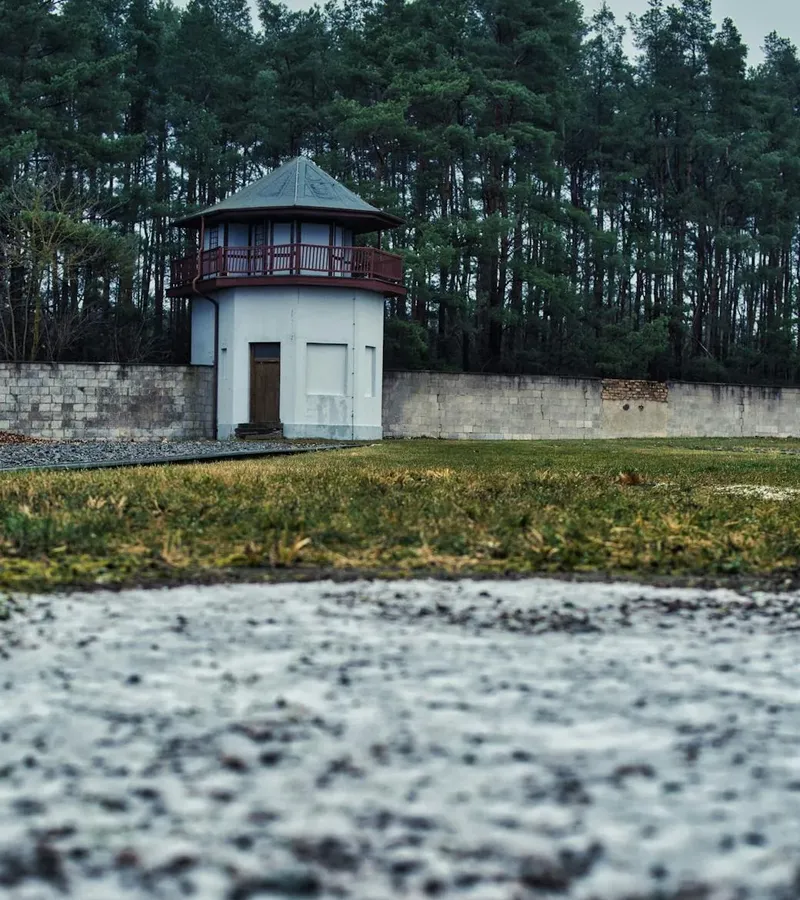
An impressive memorial on the site of a former concentration camp. It commemorates the crimes of National Socialism.
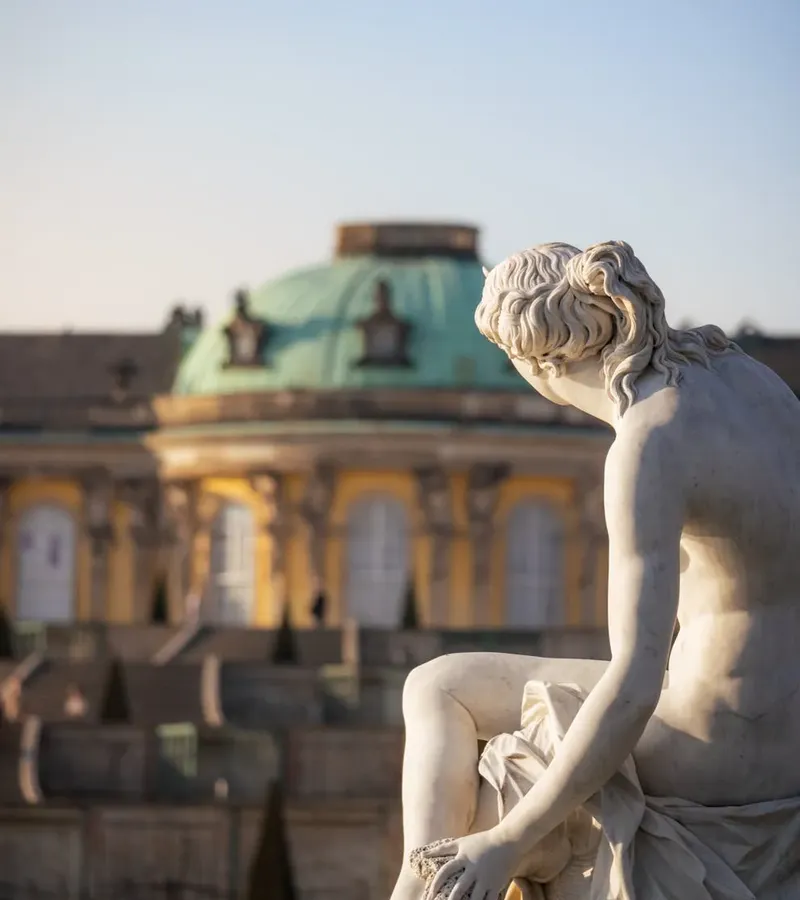
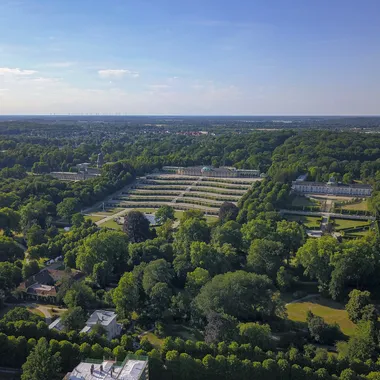
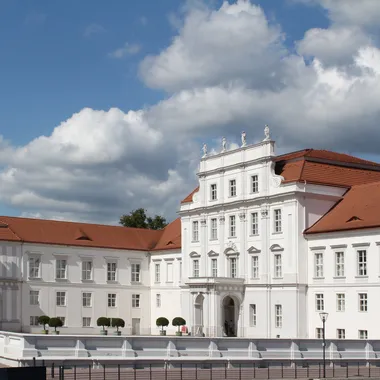
The magnificent Sanssouci Palace in Potsdam is considered the Prussian Versailles and has a huge city park that is open to the public.
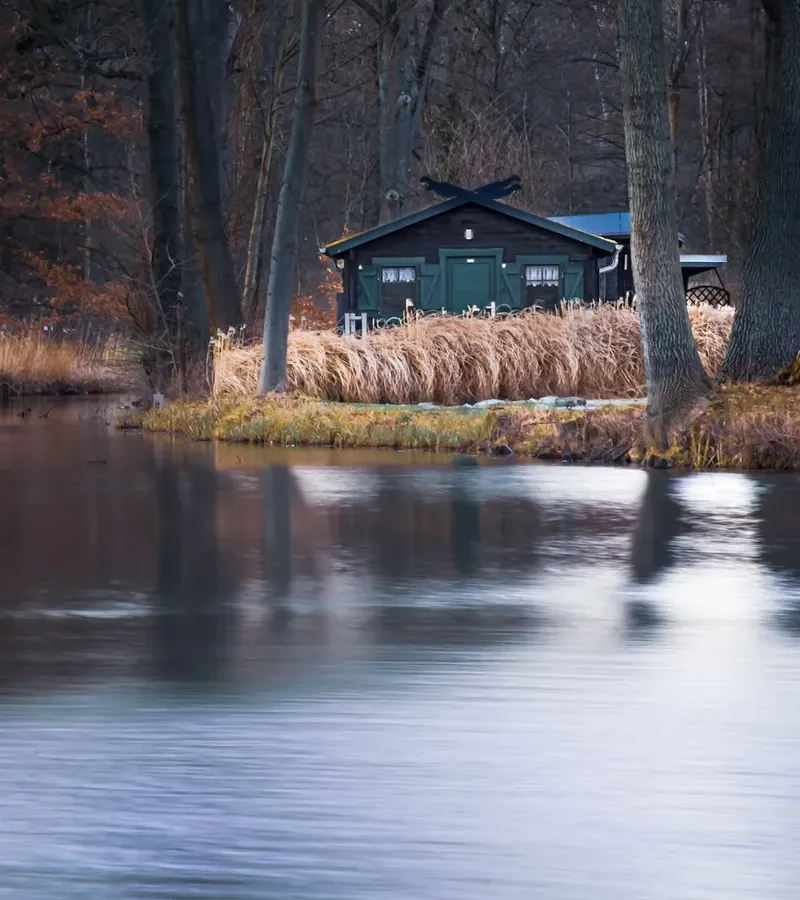
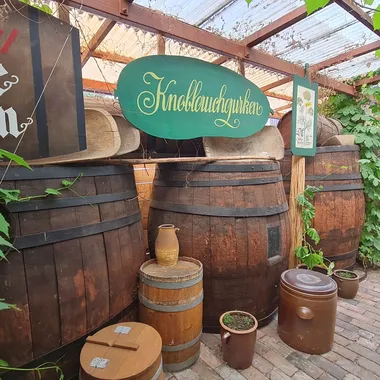
An idyllic network of waterways, ideal for boat trips or kayak tours. Sorbian culture and Spreewald gherkins can also be found here.
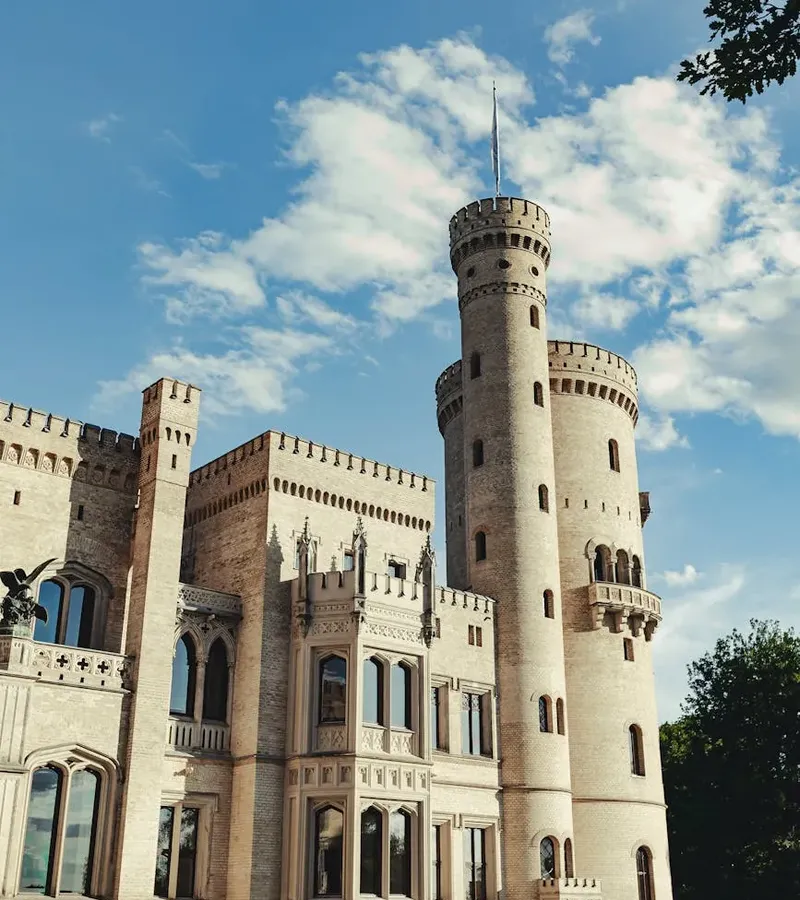
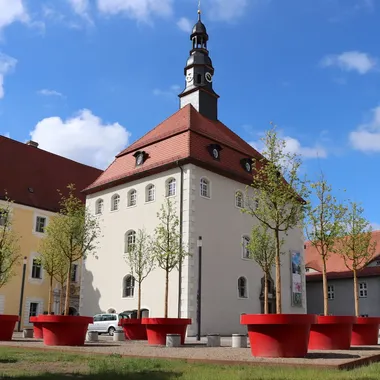
In addition to Sanssouci Palace, the historic Old Town and the New Garden invite you to explore.
An impressive memorial on the site of a former concentration camp. It commemorates the crimes of National Socialism.
The magnificent Sanssouci Palace in Potsdam is considered the Prussian Versailles and has a huge city park that is open to the public.
An idyllic network of waterways, ideal for boat trips or kayak tours. Sorbian culture and Spreewald gherkins can also be found here.
In addition to Sanssouci Palace, the historic Old Town and the New Garden invite you to explore.
73 sights
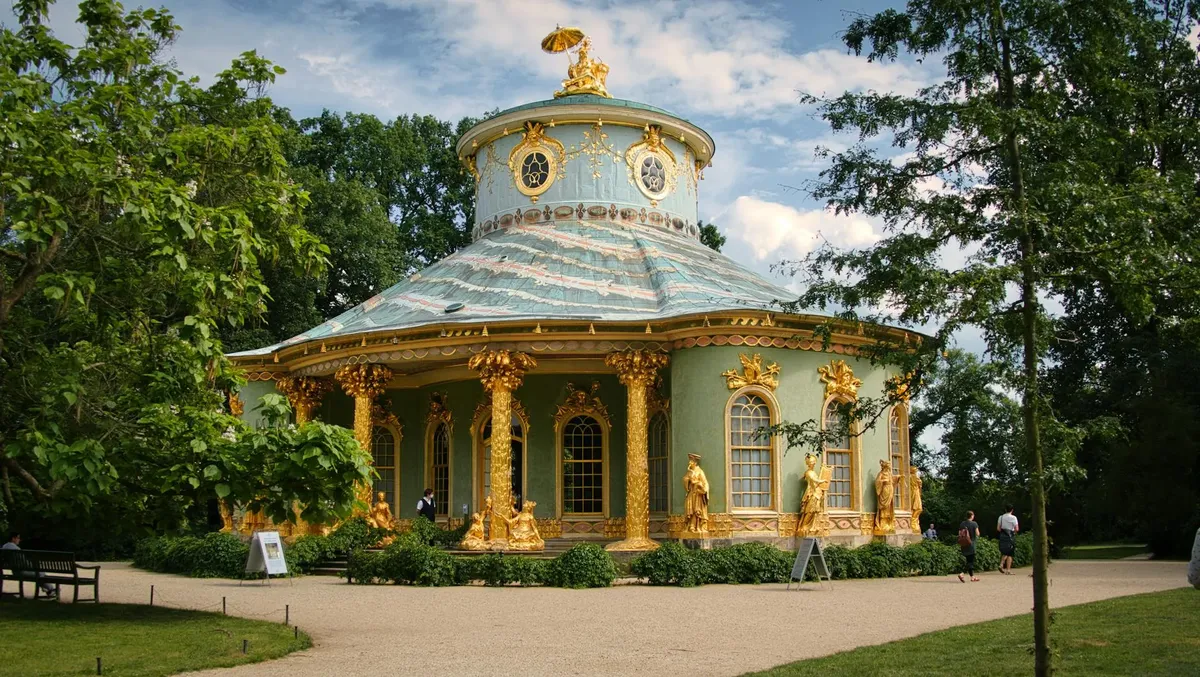
Potsdam, the capital of the federal state of Brandenburg, is a city full of historical and cultural highlights
Known for its magnificent palaces, sprawling gardens, and rich history as the royal seat of the Prussian kings, Potsdam is a true gem located 25 km just outside Berlin.
The city’s most famous attraction is undoubtedly Sanssouci Park with its eponymous palace, the former summer residence of Frederick the Great. In addition to Sanssouci, other palaces such as Cecilienhof Palace in Neuer Garten Park and Babelsberg Palace, which is also surrounded by landscaped gardens, are equally impressive. These are UNESCO World Heritage Sites and reflect the heyday of the Prussian monarchy. You can easily spend two days just exploring the beautiful parks and palaces.
The city is also surrounded by picturesque lakes and forests that invite visitors to enjoy outdoor activities such as cycling, hiking, and boat trips.
Potsdam’s history is closely linked to the rise of Prussia and the rulers of the House of Hohenzollern. In the 18th century, a small settlement grew into an important royal seat near Berlin.
Prussia was a state that stood for discipline, the military, and strict order. This became particularly evident under King Frederick William I, who turned Potsdam into a garrison town. Just how harsh this system was is shown by the fate of his son, Frederick II: as a young crown prince, he tried to flee from his strict father. His close confidant, Hans Hermann von Katte, was executed for this—an event that deeply affected Frederick.
As king, Frederick II struck a different note. He was considered sensitive, an art lover, and was likely homosexual—a stark contrast to the rough Prussian military tradition. With Sanssouci Palace, he turned Potsdam into a place of culture, philosophy, and personal freedom within an otherwise strict state.
Subsequent Prussian kings also used Potsdam as a retreat. While Berlin became the political capital, Potsdam remained the monarchy’s representative “showcase.” With the founding of the German Empire in 1871 under Wilhelm I, Prussia’s power reached its zenith—and Potsdam remained closely linked to the imperial family until Wilhelm II’s abdication in 1918.
Today, Potsdam is a vibrant university town with a diverse cultural scene.
Schlossgarten Park Sanssouci
The extensive park surrounding the palace is a masterpiece of 18th century garden design. It was designed by Peter Joseph Lenné and combines different garden styles, from baroque terraces with vines to English landscape gardens. If you like, you can have a picnic in the park. However, cycling is only permitted on certain routes.
Highlights of the park include
Sanssouci Palace
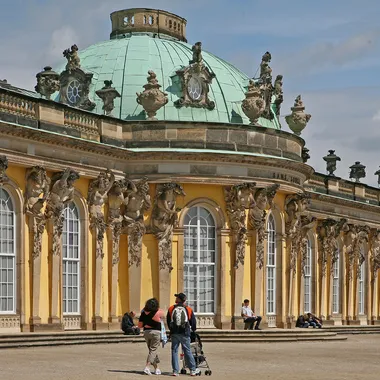
Sanssouci Palace, which translates as "without care", served Frederick the Great as a retreat from 1747. It is a comparatively small, single-storey pleasure palace built on a vineyard terrace. The rococo-style architecture was designed by Georg Wenzeslaus von Knobelsdorff and is based on French models.
The interior of the palace impresses with its opulent decorations, including gilded ornaments, paintings and elaborate stucco work. Particularly noteworthy are the concert room and the marble gallery, which are furnished with exquisite works of art. The palace gives an insight into the private world of Frederick, who received philosophers such as Voltaire here.
Tickets should be purchased online in advance. The sanssouci+ ticket offers discounted admission to other sights.
Brandenburg Gate in Potsdam
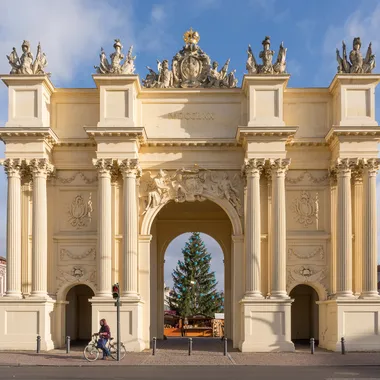
Potsdam's Brandenburg Gate is a magnificent 18th century triumphal arch that marks the western boundary of the city center. Built in 1770 under Frederick the Great, the gate commemorates the successful Seven Years' War. In this war, Frederick II of Prussia fought and won against a coalition of Austria, France, Russia and Sweden. The aim was to secure his supremacy in Europe and fend off Austria's claims to Silesia, which Prussia had conquered in the preceding War of the Austrian Succession.
Barberini Museum
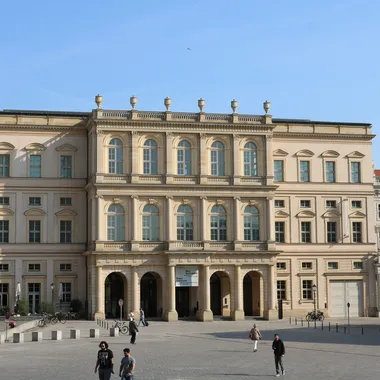
The Museum Barberini in Potsdam is an important art museum housed in a reconstructed baroque palace on the Alter Markt. It offers changing exhibitions ranging from Impressionism to contemporary art and has one of the world's most comprehensive collections of Impressionist works. The paintings by Claude Monet and other artists of this era are particularly outstanding. There are regular special exhibitions that inspire visitors with their diversity.
Potsdam Biosphere
The Biosphäre Potsdam is a tropical adventure world that transports visitors to an exotic landscape. With more than 20,000 plants, a large butterfly house and replicas of tropical ecosystems, it is a popular destination for families. The hall simulates a tropical climate and offers exciting attractions such as a wall of mist, waterfalls and exotic animals. It is the perfect way to get to know tropical nature without leaving the city.
Cecilienhof Palace
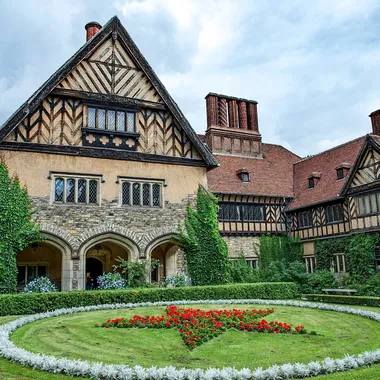
Cecilienhof Palace is located in the New Garden and is best known for the Potsdam Conference of 1945, at which, among other things, the division of Germany into four occupation zones, administered by the USA, Great Britain, the Soviet Union and France, was decided.
Cecilienhof Palace was the last palace that the Hohenzollerns had built before the end of the monarchy. Built in the style of an English country house, it was the residence of Crown Prince Wilhelm and his wife Cecilie. The palace is made of half-timbering and brick and is surrounded by an idyllic garden. The historic rooms, including the conference hall, offer insights into the events of the post-war period and the political reorganization of Europe.
Babelsberg Park
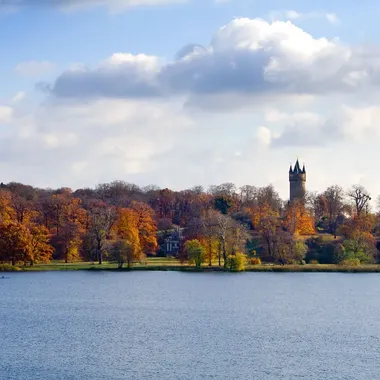
Babelsberg Park is a masterpiece of landscape architecture, designed by Peter Joseph Lenné and Hermann Fürst von Pückler-Muskau. The park is picturesquely situated on the banks of the Havel and is home to Babelsberg Palace, a neo-Gothic jewel. The park is characterized by extensive meadows, viewpoints and water features. The Flatow Tower, a replica of medieval architecture, offers a magnificent view of Potsdam and the surrounding area.
Babelsberg Film Park
Filmpark Babelsberg is an adventure park dedicated to film and television. Visitors can experience film sets, exciting stunt shows and interactive attractions. Highlights include the "GZSZ" outdoor sets, the 4D adventure cinema shows and insights into film production. The park is one of the oldest and most important film studios in the world and attracts numerous visitors every year.
Alexandrowka Colony
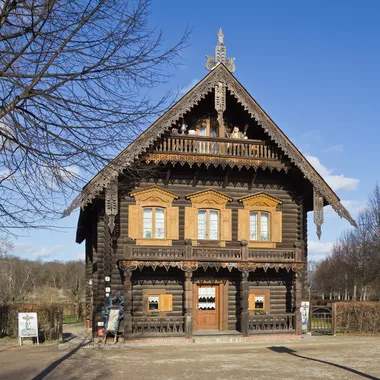
The Alexandrowka Colony is a unique Russian village that was built for Russian singers at the beginning of the 19th century under Frederick William III. The 13 Russian-style wooden houses stand in the middle of a garden designed by Peter Joseph Lenné. Today, Alexandrowka is a UNESCO World Heritage Site. The museum in house no. 2 tells the story of the colony, and the café in one of the houses invites you to sample Russian specialties.
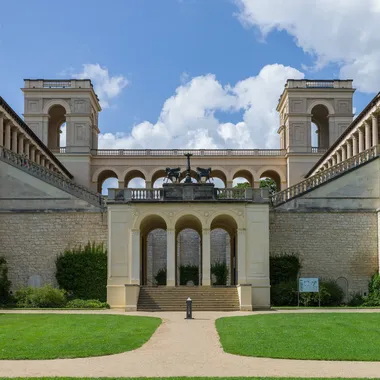
Belvedere on Pfingstberg
The Belvedere is an impressive palace with two towers and a breathtaking view of Potsdam and Berlin. The Italian Renaissance-style building was begun in the 19th century but not completed until the 20th century. It is a popular excursion destination and venue for concerts and cultural events. The complex is surrounded by a beautiful garden that invites you to take a stroll.
Boat Tour
If you want to take it easy on your feet, you can take part in a tour of the palaces or a tour to Wannsee or the Havel.
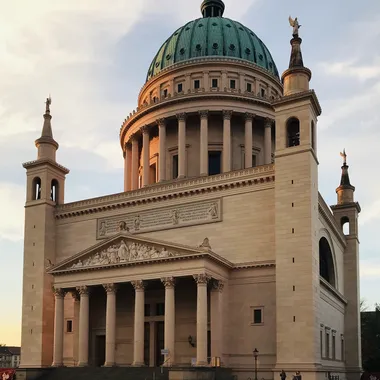
St. Nicholas Parish Church
St. Nikolai Church is an impressive neoclassical church on the Alter Markt. It was designed by Karl Friedrich Schinkel and completed between 1830 and 1850. The striking dome characterizes the cityscape of Potsdam. The church is a place of worship and cultural events, including concerts with the outstanding organ.
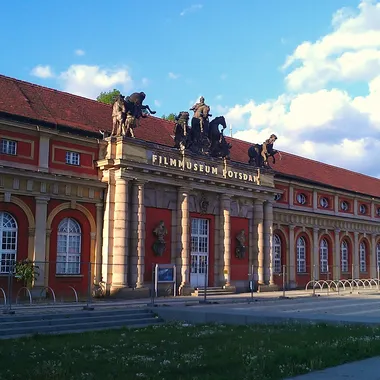
Potsdam Film Museum
The Potsdam Film Museum, located in a baroque stable building on the Alter Markt, is dedicated to film history. In particular, it sheds light on the role of the Babelsberg film studio, which is considered the cradle of German film. Changing exhibitions present historical and modern film productions. The permanent exhibition shows props, costumes and technology, including pieces from classics such as Metropolis.
Peace Church
The Friedenskirche is a Protestant church in the classicist style, which was built in the 19th century. It is located in the Alter Markt and impresses with its architecture and historical significance. The dome of the church, which dominates the cityscape, is particularly striking.
Botanical Garden of the University of Potsdam
The Botanical Garden of the University of Potsdam is an idyllic place with a wide variety of plant species from all over the world. It serves as a scientific facility for the university and is also a place of recreation for visitors. The collection of tropical and subtropical plants is particularly noteworthy.
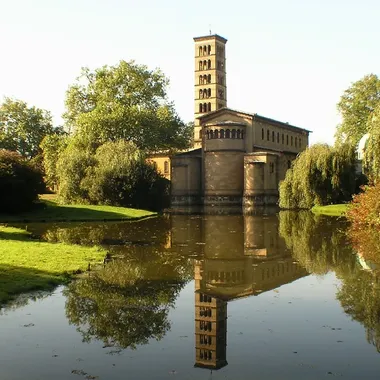
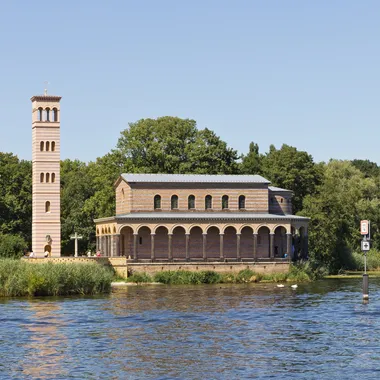
Church of the Redeemer at Sacrow
The Heilandskirche is a picturesque building on the banks of the Havel that stands out thanks to its location right on the water. It was built by King Friedrich Wilhelm IV in the Italian style and is a UNESCO World Heritage Site. The church also played a symbolic role during the GDR era, as it was located on the border.
New Garden and Marble Palace
The New Garden, laid out by the Holy Lake, is an English landscape garden with magnificent avenues and striking buildings. At its center is the classicist Marble Palace, once the summer residence of Frederick William II. It is known for its elegant marble façade and stylish interior. The grounds also include Cecilienhof Palace.
Potsdam Natural History Museum
The Potsdam Natural History Museum is a fascinating museum dedicated to the natural history of the region. It displays a variety of exhibits on geology, mineralogy, archaeology and paleontology, including fossils and animal specimens. The museum offers interactive exhibitions and is a popular destination for families and school groups.
Potsdam Nano Science Center
The Nano Science Center is a modern research center dedicated to nanotechnology and its applications in various fields such as medicine, electronics and materials science. The center offers exhibitions and programs that provide insights into this pioneering technology.
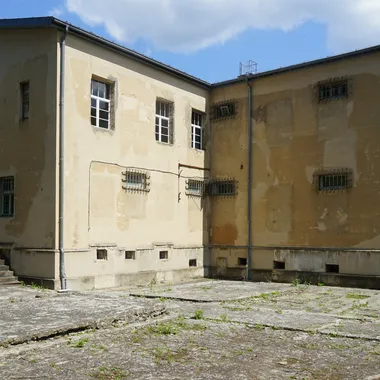
Lindenstraße Memorial
The former prison in Lindenstraße is a memorial against political persecution. It sheds light on the history of political justice under National Socialism, in the GDR and in the post-war period.
St. Peter and Paul Church
This Catholic church in the Dutch quarter is characterized by its neoclassical architecture and striking bell tower. It was built in the 19th century and is a place of peace and contemplation.
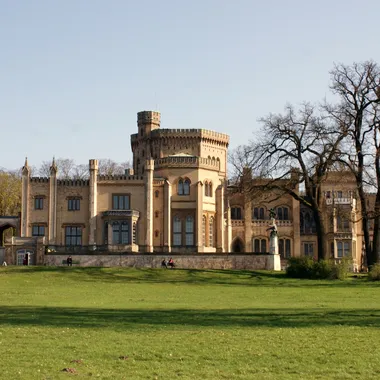
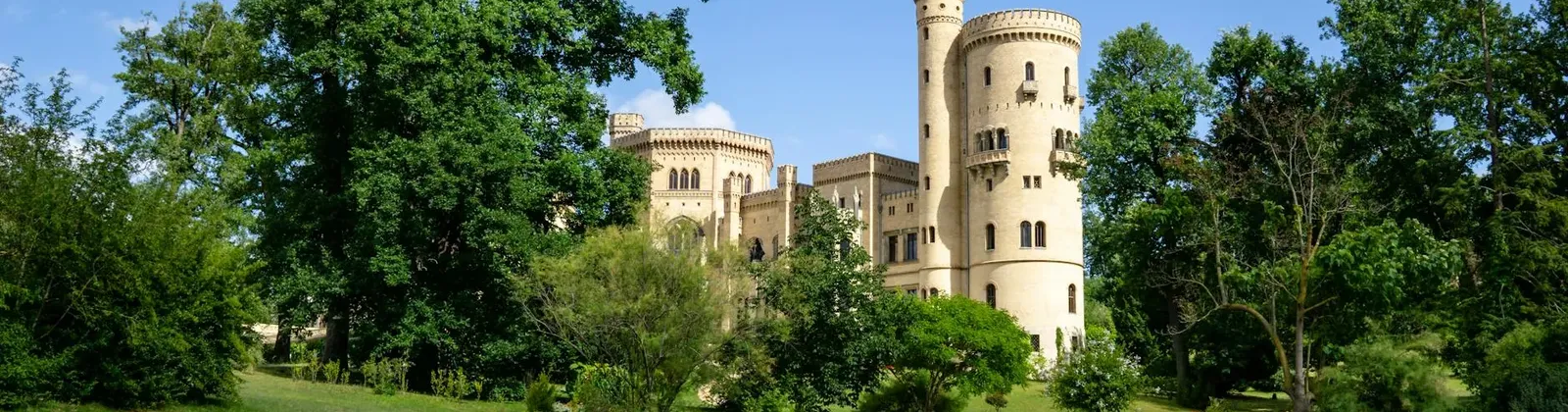
Babelsberg Palace
Babelsberg Palace, located on the banks of the Havel, is a neo-Gothic palace built for Prince Wilhelm (later Emperor Wilhelm I) and his wife Augusta. Designed by Karl Friedrich Schinkel, it combines the elegance of English country houses with a striking Gothic style. The surrounding park, designed by Peter Joseph Lenné, offers fantastic views of the Havel and is a UNESCO World Heritage Site.
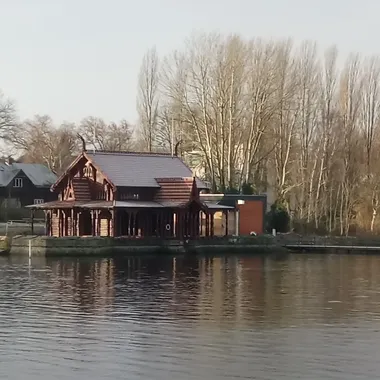
Kongsnaes Sailors Station
The Kongsnæs Sailors' Station on the banks of the Havel was built in 1891 as accommodation for the imperial rowers and boatmen. The ensemble of buildings in the Norwegian dragon style is a rare example of this architecture in Germany. Following extensive restoration work, the station has been restored to its former glory and is now a restaurant.
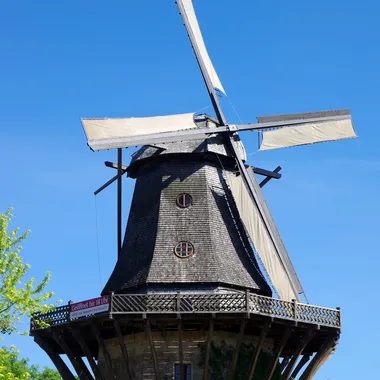
Historic Mill
The historic Sanssouci windmill is a symbol of Potsdam and a technical monument. Originally dating from the 18th century, it was rebuilt after being destroyed in the Second World War. Today it houses a museum that shows the history of the art of milling.
Hans Otto Theater
The Hans-Otto-Theater in Potsdam is one of the most important theaters in the city and is known for its varied performances, from classical plays to modern productions. The theater is a cultural center in Potsdam and offers a wide range of drama and theater productions.
Leistikowstraße Memorial
This memorial commemorates the former Soviet military counter-intelligence detention center. It documents the suffering of the prisoners during the Cold War and offers guided tours and exhibitions on the history of the site.
Einstein Tower
The Einstein Tower on the Telegrafenberg is a famous astrophysical observatory designed by architect Erich Mendelsohn. It is used for research into the theory of relativity and is an important example of expressionist architecture.
Schoeningen Villa
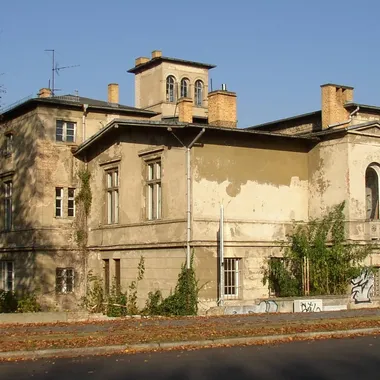
Villa Schöningen is a listed building that is now used as a cultural center and exhibition venue. It is located directly on the shore of the Holy Lake and is known for its architecture as well as its exhibitions on art and culture.
Belvedere on Klausberg
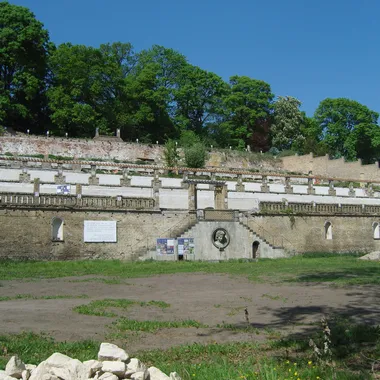
The Belvedere on the Klausberg is a small castle in the style of a lookout palace that offers a breathtaking view of Potsdam and the surrounding countryside. The building was erected in the 18th century as a vantage point in Sanssouci Park and is now a popular place for walks.
Vineyard Hill
The Winzerberg is a vantage point in Potsdam known for its beautiful views of the city and surrounding countryside. It is located on a hill and was originally a wine-growing area, hence the name. Today it is a popular destination for hikers and offers a magnificent view of the surrounding area, including Sanssouci Palace.
Friendship Island
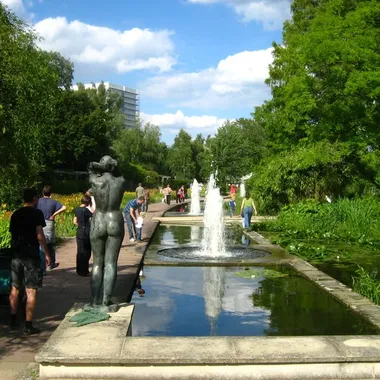
The Freundschaftsinsel, situated between two arms of the Havel, is an idyllic garden and a retreat in the middle of Potsdam. It is known for its historic ornamental gardens designed by garden architect Karl Foerster. In addition to recreation, the island offers cultural events and a small museum that sheds light on the history and development of the island.
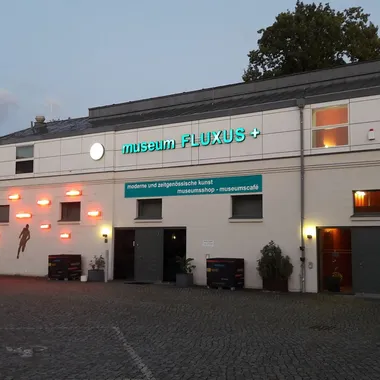
FLUXUS+ Museum
The FLUXUS+ museum is dedicated to a unique style of art that dissolved the boundaries between different art forms. It exhibits works from the Fluxus movement, an international art movement that combined performance, music, visual arts and theater. The museum also offers interactive exhibitions that give visitors a new perspective on art.
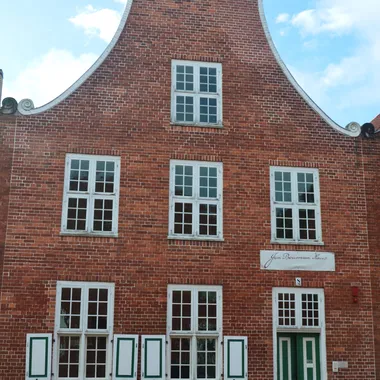
Jan Bouman House
The Jan Bouman House is a historic Dutch-style building named after the Dutch architect Jan Bouman, who designed the building. It houses a small museum about the Dutch quarter.
Bornstedt Cemetery
Bornstedt Cemetery is a historic cemetery in the west of Potsdam, which is best known for the graves of personalities from Prussian history. These include graves of Prussian military officers and members of the royal family. The cemetery is valued by many as a place of peace and remembrance.
Russian Orthodox Church Potsdam
The Russian Orthodox Church in Potsdam is an impressive religious building that was used by Russian tsars and the Russian community in Potsdam. It is located near the historic center and features traditional Russian architecture with colorful domes and a rich interior.
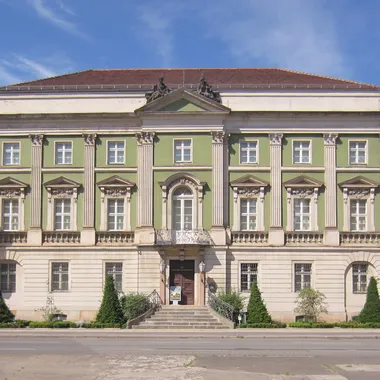
Brandenburg State Parliament
The Brandenburg State Parliament is located in a historic building that was built in 1830 as the Prussian State Ministry. Today it is the parliament of the federal state of Brandenburg. The architecture of the building is neoclassical and the building is one of the most striking in Potsdam.
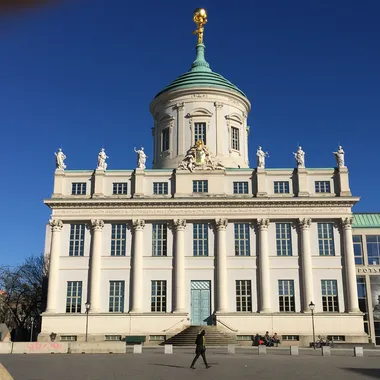
Old Town Hall
The Old Town Hall in Potsdam is a historic building on the Alter Markt that was originally built in the 18th century. It is a fine example of the architecture of the time and today houses the Museum Stadtgeschichte Potsdam, which documents the history of the city and its development.
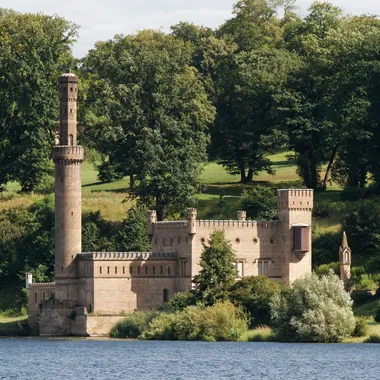
Steam Engine House
The Steam Engine House in Potsdam is a technical monument that illustrates the history of steam technology in the region. Here, visitors can learn more about the development and use of steam engines in the industrial age.
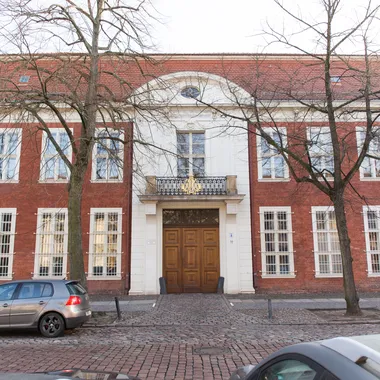
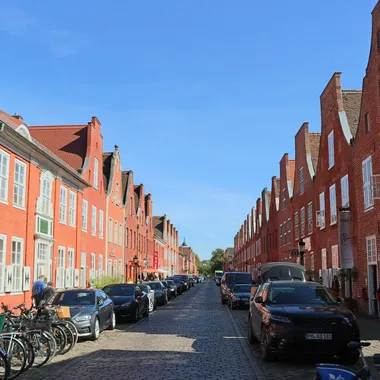
Dutch Quarter
The Dutch Quarter is a unique collection of 134 red brick houses in the heart of Potsdam. It was built in the 18th century for Dutch craftsmen whom Frederick William I brought to Potsdam to expand the city. Today, the quarter is a lively center with cafés, boutiques and galleries. It offers a charming mix of historical flair and modern culture and is a popular meeting place for locals and tourists alike.
Brandenburg an der Havel has many facets between brick Gothic, the banks of the Havel and industrial history
Brandenburg an der Havel is considered one of the oldest cities in Brandenburg and offers a striking blend of history, nature, and culture. The city stretches across several islands and riverbanks along the Havel River, and its historic alleyways, brick buildings, and numerous waterways create a particularly charming cityscape.
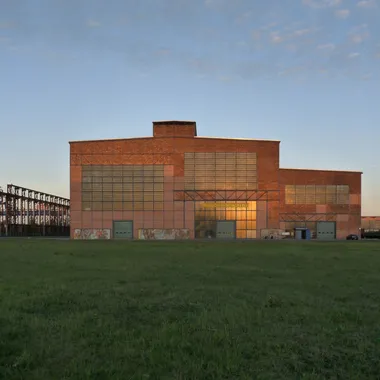
Industriemuseum Brandenburg An Der Havel
The industrial museum provides an impressive insight into the industrial history of the region. Original machines, production facilities and technical developments from different eras can be discovered in the historic factory halls. The combination of an authentic atmosphere and interactive exhibitions in particular makes a visit an exciting experience for those interested in technology and those curious about cultural history alike.
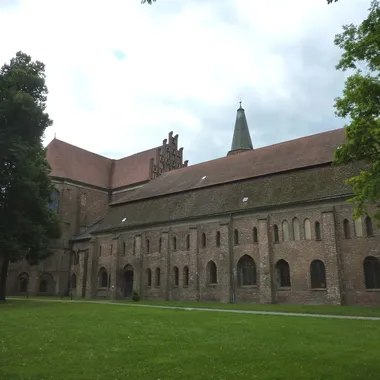
Brandenburg Cathedral
Brandenburg Cathedral is one of the most important medieval buildings in the Margraviate of Brandenburg. The imposing brick Gothic style, ornate altars and the peaceful location on the cathedral island give the place a special aura. In addition to sacred architecture, the cathedral also offers insights into the history of the region and invites visitors to take a relaxed tour of the historical surroundings.
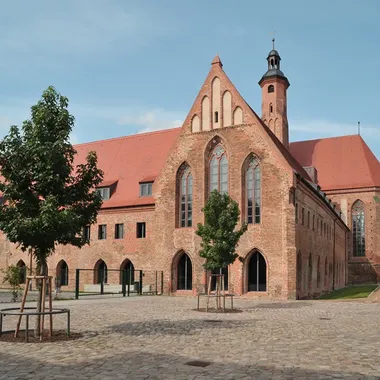
Brandenburg Archaeological State Museum
The Archaeological State Museum presents the history of Brandenburg from the Stone Age to the Middle Ages. Numerous finds, multimedia presentations and vivid reconstructions make past living environments tangible. The modern exhibition is aimed at adults interested in history as well as families with children.
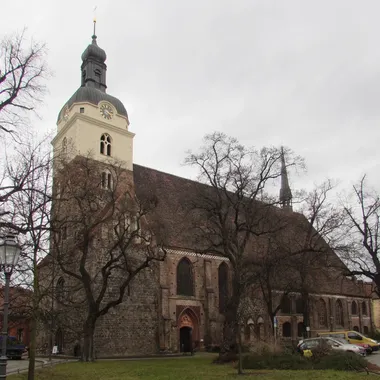
St. Gotthardt Church
St. Gotthard's Church is one of the oldest churches in the city and dominates the historic cityscape with its striking tower. Inside, visitors can expect impressive architectural details and a peaceful atmosphere.
Marienberg Hill
The Marienberg is a popular excursion destination and also one of the most beautiful vantage points in Brandenburg on the Havel. Between green spaces, walking paths and historic buildings, it offers a wide view over the city and the surrounding Havel landscape. Especially on warm days, the Marienberg is ideal for a break in the greenery or a relaxing walk.
Psychiatry Museum
The Psychiatry Museum is dedicated to the history of psychiatry and the changes in the treatment of mental illness. Historical documents, medical equipment and personal stories provide a moving insight into earlier treatment methods and social developments. The exhibition is thought-provoking and sheds light on an often little-noticed chapter in the history of medicine.
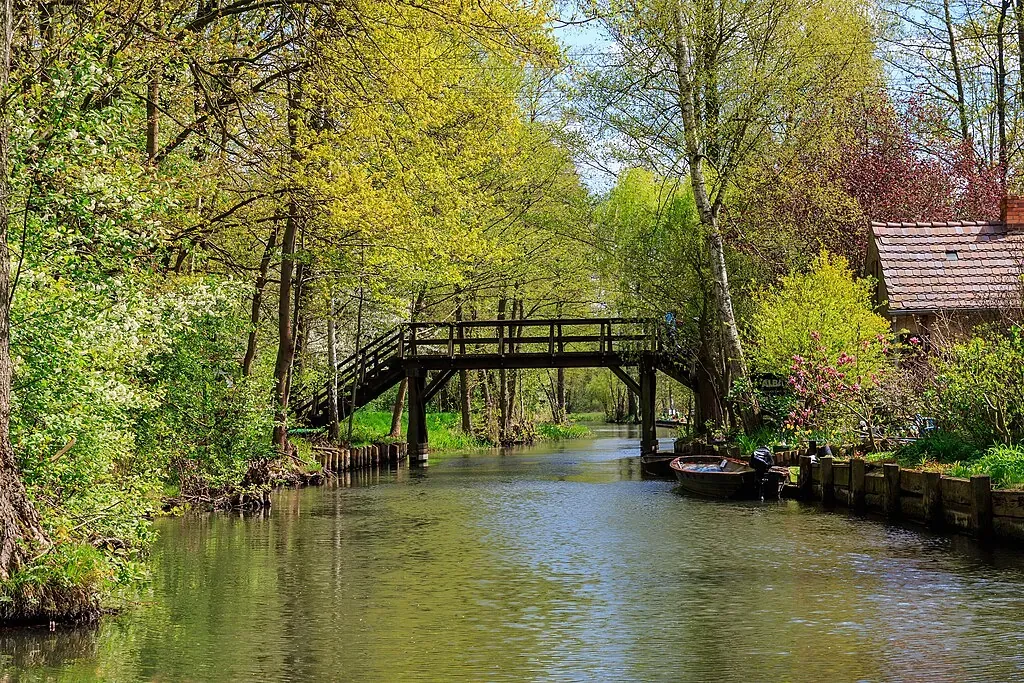
The Spreewald - a picturesque natural paradise in eastern Germany - is known for its unique waterways that meander through dense forests and idyllic villages
Located about 100 kilometers south of Berlin, this unique landscape is a UNESCO Biosphere Reserve and offers a fascinating blend of nature, history, and culture.
The Spreewald is a true paradise for outdoor enthusiasts. One of the most popular activities is a ride on a traditional barge (a flat wooden boat steered by a “barge pilot” through the extensive network of canals and waterways) or a canoe. For hikers and cyclists, there are numerous well-marked trails that wind through the varied landscape.
The region is characterized by historic villages that offer a charming picture with their traditionally preserved houses and farmsteads. Lübbenau is particularly well-known and is often referred to as the gateway to the Spreewald. The surrounding area is home to numerous pretty towns such as Burg, Lehde, and Dissen, which are known for their typical Spreewald architecture and their idyllic locations right on the water.
The best time to visit is in spring and summer, when nature is in full bloom. The famous Spreewald Idyll Festival, where locals celebrate their traditions and life on the waterways, attracts many visitors every year.
The Spreewald is also known for its culinary specialties. Particularly famous are the “Spreewald cucumbers,” cucumbers pickled in brine, which are offered in many variations. These include hearty Spreewald soups and hearty fish dishes served in the region’s inns.
Lehde Open-Air Museum
The Lehde Open-Air Museum is one of the best-known museums in the Spreewald and offers visitors a detailed insight into the life and work of the people of the Spreewald in the 18th and 19th centuries. The museum is located in the picturesque village of Lehde, known as the "Spreewald Island". Here, visitors can view original buildings such as farmhouses, mills and workshops.
Spreewald Museum Lübbenau
The Spreewald Museum Lübbenau is dedicated to the cultural history of the Spreewald and its people. The museum is located in a historic building in the center of Lübbenau and shows the development of the region, especially with regard to water management, crafts and rural life. Interesting exhibits, such as traditional costumes and tools, offer an insight into the life of the Spreewald people over 100 years ago. The museum also has a beautiful garden area showing typical plants of the region.
Lehde Gherkin Museum
The Lehde Gherkin Museum is a small but very special museum dedicated to the famous Spreewald gherkin. In Lehde, the center of cucumber production in the Spreewald, visitors can learn all about the production of cucumbers and their importance for the region. The museum displays historical cucumber processing machines, old advertisements and much more about the history of the cucumber industry in the Spreewald. Of course, visitors can also sample and buy various gherkin products.
Lübben Castle Museum
The Museum Schloss Lübben is located in the historic castle of Lübben, an impressive building in the heart of the town. The museum offers a journey through the history of the region and presents the development of Lübben and the Spreewald. Exhibitions on the themes of landscape, art, crafts and history give a lively impression of the cultural traditions.
House for Man and Nature
The Haus für Mensch und Natur is a modern nature museum in Lübbenau that focuses on the topics of nature and environmental protection. Interactive exhibitions and exhibits explain the flora and fauna of the Spreewald and the importance of the region's ecosystem for humans and animals. There are many multimedia stations that are particularly interesting for families and children. The house also offers guided tours and events on topics such as sustainability and nature observation.
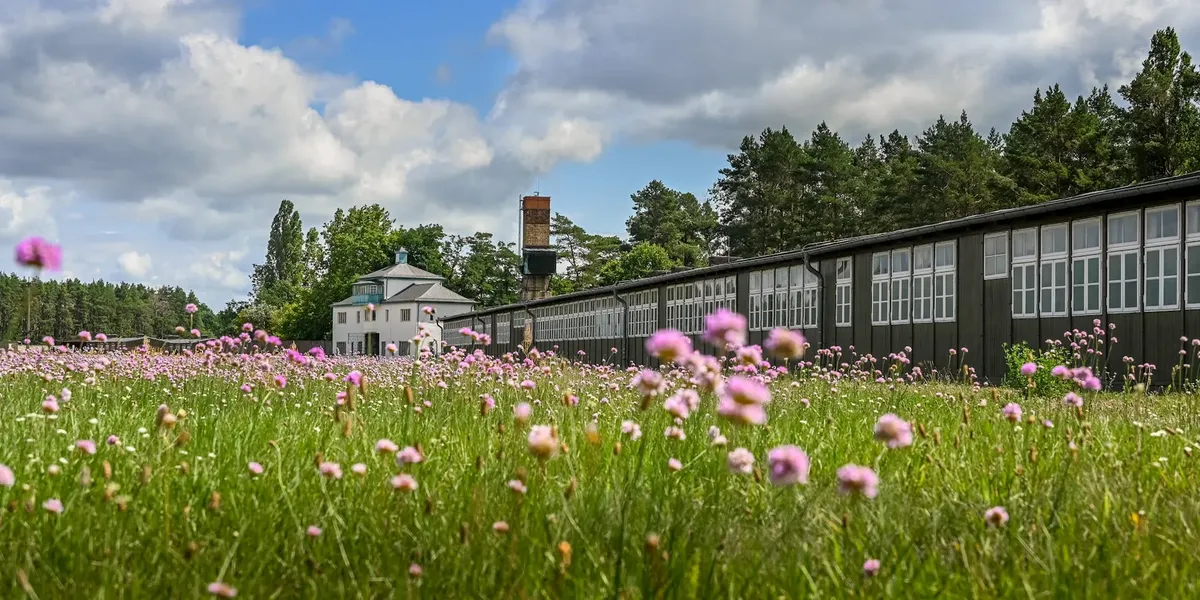
Oranienburg is located to the north of Berlin and is internationally known primarily for the Sachsenhausen Memorial
The former concentration camp, built by the Nazis in 1936, is now one of the most important sites of remembrance in Germany and serves as a powerful testament to the crimes of the Nazi regime and the history of political persecution.
In addition, Oranienburg boasts a historical and cultural center in the form of Oranienburg Palace, a Baroque complex dating from the 17th century. The city thus combines remembrance, history, and a peaceful setting in the green outskirts of Berlin.
Germendorf Animal, Leisure and Dinosaur Park
The Germendorf animal, leisure and dinosaur park combines nature experiences, leisure fun and family outings in a special way. In addition to native and exotic animals, dinosaur models, playgrounds and various leisure activities provide variety. The extensive grounds invite you to spend a relaxing day in the countryside and discover various attractions.
Sachsenhausen Concentration Camp Memorial
Sachsenhausen concentration camp was one of the largest concentration camps in Nazi Germany and was located north-east of Berlin, near the town of Oranienburg. It was built in 1936 and initially served as a training camp for the SS. It later became a central location for the deportation, forced labor and extermination of prisoners, including political prisoners, prisoners of war, Jews, homosexuals and many other minority groups. Over the course of the Second World War, the camp grew and was connected to several satellite camps, in which a total of around 200,000 people were forced to work under extreme conditions. The prisoners had to carry out construction work, help with armaments production or carry out forestry and quarry work.
The camp was liberated by the Red Army on April 22, 1945.
There are various permanent exhibitions on different topics in the individual barracks. Station X, which contains a crematorium and a gas chamber, is particularly harrowing.
Oranienburg Palace
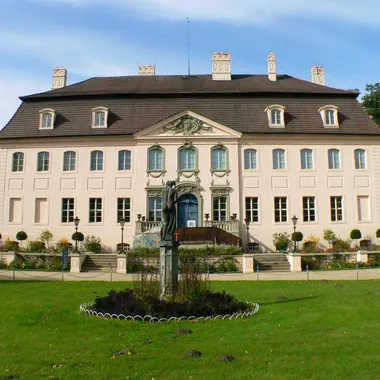
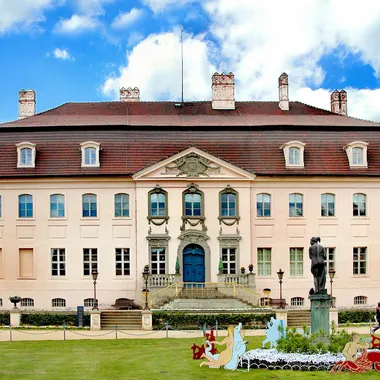
Oranienburg Palace is one of the most important baroque palaces in Brandenburg. The magnificent rooms, ornate decorations and extensive gardens convey an impression of the courtly culture of past centuries. Changing exhibitions and cultural events make the palace a versatile excursion destination with historical flair.
Beelitz is located southwest of Berlin and is best known for the extensive Beelitz sanatoriums
Beelitz, located southwest of Berlin, combines rural tranquility and agricultural tradition with a unique historical site: the Beelitz Sanatorium. The sprawling complex was established in the late 19th century as a sanatorium primarily for tuberculosis patients and later developed into one of the largest hospital complexes in the region. Since there were no effective medications at the time, treatment focused on fresh air, light and sun therapy, strict rest and isolation, and a nutritious diet.
After World War II, the sanatorium was used by the Soviet military, among others, but was abandoned in the 1990s, causing many buildings to fall into disrepair. After decades of neglect, parts of the complex were restored and opened to the public, creating a fascinating place where history, nature, and architecture converge.
Beelitz-Heilstätten Treetop Walk
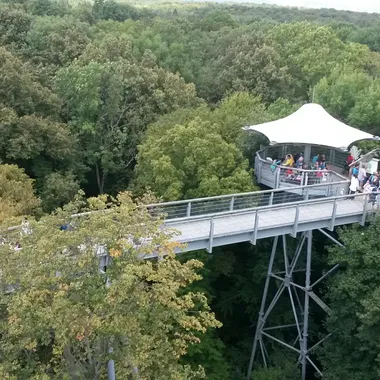
The Beelitz-Heilstätten treetop walk runs high above the historic buildings. From here, unusual perspectives of the architecture and the surrounding nature open up. Visitors can experience the site from a new perspective and learn more about its history at the same time.
Beelitz Barefoot Park
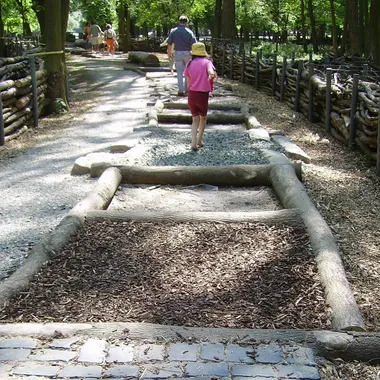
Der Barfußpark Beelitz ist ein familienfreundlicher Naturerlebnispark mit verschiedenen Untergründen wie Sand, Holz, Steinen, Lehm und Wasser. Auf den Wegen lassen sich Sinneswahrnehmung, Bewegung und Naturerlebnis spielerisch verbinden. Der Park eignet sich besonders für Kinder und für eine entspannte Pause im Grünen.
Beelitz Sanatoriums
The Beelitz sanatoriums are one of the most impressive examples of historical hospital architecture in Germany. The complex was built at the end of the 19th century as a lung sanatorium and was later used for military purposes. Today, parts have been restored, while other buildings have been deliberately preserved as "lost places". Visitors can walk through the grounds on the treetop path and experience the special atmosphere between decay and revival.
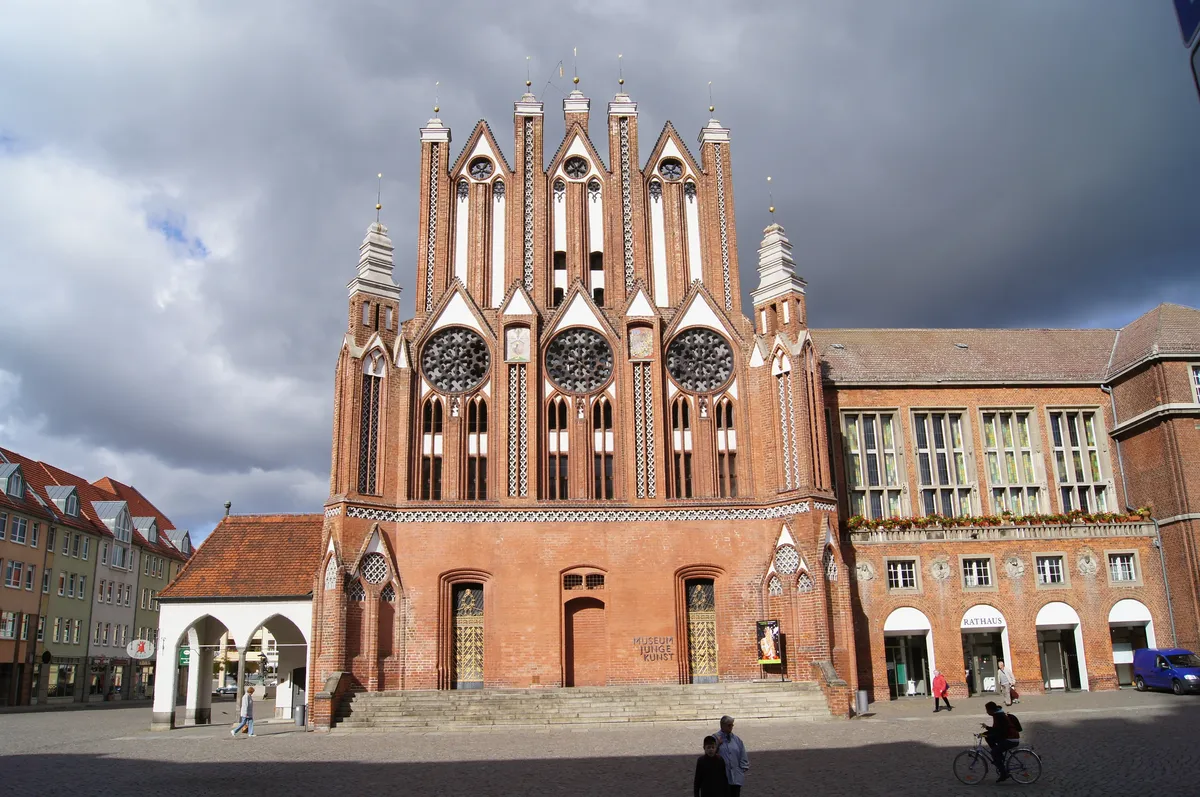
Cottbus is the cultural center of Lusatia and gateway to the Spreewald
Cottbus, located in southern Brandenburg on the Spree River, is a city rich in tradition with a population of around 100,000. It is considered the cultural and economic center of Lusatia and has an eventful history dating back to the Middle Ages.
The first documented mention of the city dates from 1156. The region was originally settled by Slavic peoples and later became part of the Margraviate of Brandenburg.
Starting in the 19th century, the city became increasingly industrialized—with strong growth in energy production (lignite), the textile industry, and mechanical engineering. Cottbus was also a major industrial center during the GDR era. Today, Cottbus focuses more on renewable energy and services.
Cottbus is also the cultural center of the Sorbian minority in Brandenburg. The bilingual place-name signs bear witness to this Slavic tradition.
Cottbus Zoo
Cottbus Zoo is home to over 1,200 animals and offers visitors the opportunity to experience animals from different continents. The petting zoo and show feedings are particularly popular.
Branitz Park
Branitz Park is a masterpiece of 19th century landscape design, created by Prince Hermann von Pückler-Muskau. With its winding paths, artificial lakes and the famous lake pyramid, the park offers a unique experience of nature.
Stadium of Friendship
The Stadion der Freundschaft, known as the LEAG Energie Stadion since 2023, is the home ground of FC Energie Cottbus. With a capacity of over 22,000, it is a central venue for soccer fans in the region.
Cottbus Spree Meadows Park
The former site of the 1995 Federal Garden Show is now an extensive landscaped park with themed gardens, playgrounds and plenty of space to relax. The park combines the experience of nature with modern garden art and is located directly on the Spree.
East German Rose Garden
The East German Rose Garden Forst (Lausitz) is a historic landscape and rose garden in the town of Forst (Lausitz), Brandenburg. It is one of the oldest and most important rose gardens in Germany and combines garden art, botany and culture in a unique way.
Cottbus State Theatre
The Staatstheater Cottbus is the only state theater in Brandenburg and impresses with its Art Nouveau building. It offers a varied program of opera, drama, ballet and concerts.
Cottbus Airfield Museum
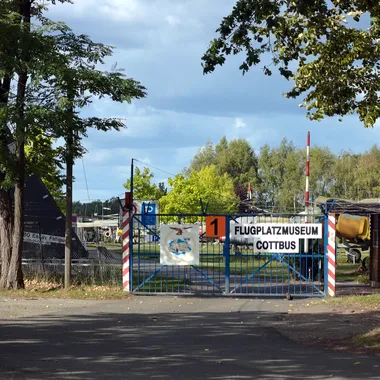
Covering an area of over 40,000 square meters, the museum showcases the region's aviation history. Visitors can view historic aircraft and vehicles and even climb aboard some of them.
Ost-See Merzdorf Observation Tower
This modern observation tower on the emerging Cottbus Ostsee - a former open-cast mine - offers spectacular views of the changing landscape. The tower symbolizes the structural change in the region and is a popular place for walks and cycle tours.
Branitz Palace
Branitz Palace, which was rebuilt by Prince Pückler from 1846, is located in the heart of Branitz Park. The magnificent interiors reflect the life and work of the prince and invite you to travel back in time.
Spremberg Tower
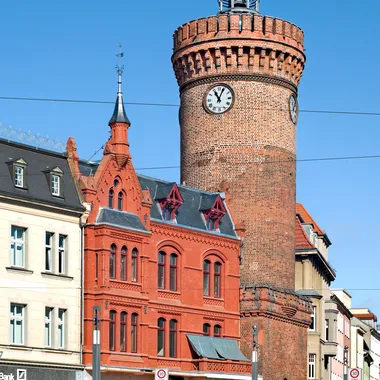
The Spremberg Tower, a former fortified tower from the 13th century, offers an impressive view over Cottbus after climbing 131 steps. It is a striking landmark of the city.
Brandenburg State Museum of Modern Art
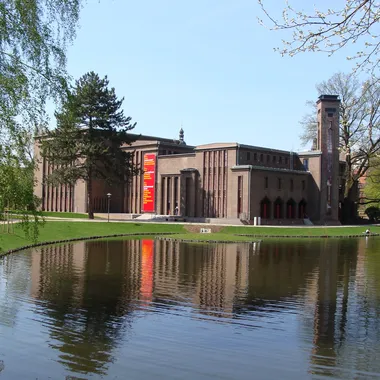
Housed in a former diesel power station, the museum presents contemporary art in an industrial setting. It is a central location for modern art in Brandenburg.
Dissen Local History Museum
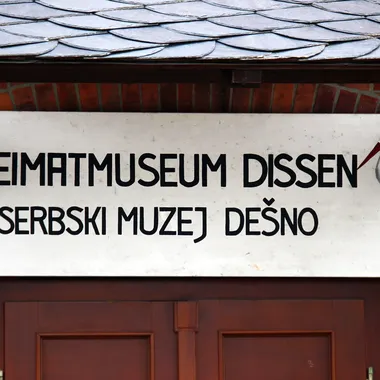
In Dissen, south of Cottbus, this museum is dedicated to Sorbian/Wendish culture. Traditional costumes, customs and lifestyles of the Slavic minority are vividly presented here - often in lively demonstrations and hands-on activities.
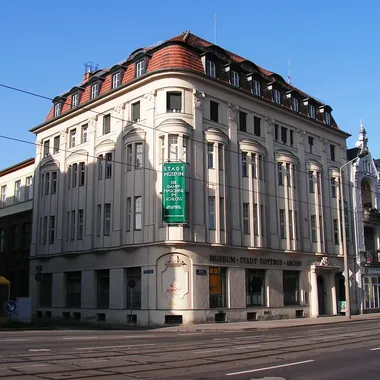
Cottbus City Museum
Housed in the old diesel power station, the museum offers fascinating insights into the history and development of the city - from early settlement to industrialization and the present day. Temporary exhibitions explore various local themes in greater depth.
Juri Gagarin Spaceflight Planetarium Cottbus
The planetarium was opened in 1974 and is now a place for education and amazement. It offers programs about astronomy, space travel and natural sciences - not only for school classes, but also for interested adults.
Brandenburg Pharmacy Museum
In the house of the former Löwen pharmacy (founded in 1568), visitors can discover the history of pharmacy with historical equipment, furniture and recipes. A glimpse into earlier forms of medicine - in the heart of Cottbus' old town.
Mint Tower
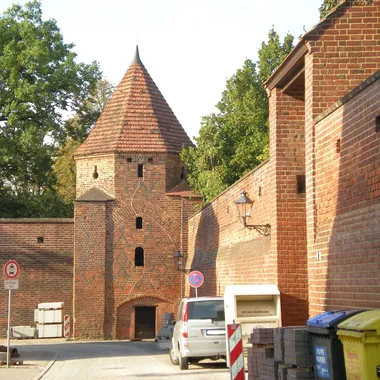
The Münzturm is a medieval defense tower from the 13th century and part of the former city fortifications. It is the oldest surviving structure in Cottbus and is a reminder of the town's long history.
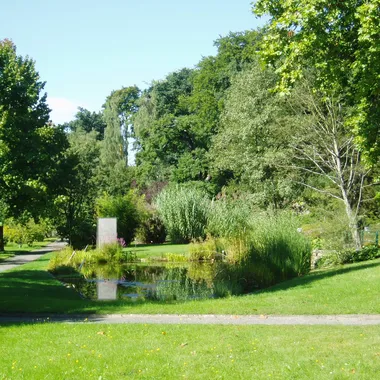
Goethe Park
A small but centrally located city park near the theater with mature trees and quiet paths. Ideal for a break from the hustle and bustle of the city or a cozy picnic.
Start your journey in Potsdam, the former royal seat of the Prussian kings. Visit the famous Sanssouci Palace with its sprawling park and take a stroll through the historic Dutch Quarter. Potsdam’s Brandenburg Gate and the City and Garrison Churches are also worth a visit. Round off the day at one of the cozy cafés in the Old Town.
The second day in Potsdam is all about Filmpark Babelsberg, where you can take a look behind the scenes of the film industry. Alternatively, you can take a boat tour through Potsdam’s Havel River landscape—with views of castles, villas, and plenty of nature. If you prefer a more leisurely pace, you can stroll through the New Garden with its Marble Palace or visit Cecilienhof Palace, famous for the Potsdam Conference.
For your last day, a trip to the more rural parts of Brandenburg is well worth it. How about a bike ride through the Spreewald, known for its waterways, pickles, and barges? Or a visit to the lake district around Brandenburg an der Havel? The Chorin Monastery in the north and the Schorfheide-Chorin Biosphere Reserve also offer wonderful nature experiences and historic charm. Ideal for slowing down and enjoying yourself.
Aside from a visit to the capital, Berlin, there are other destinations that are easily accessible from Brandenburg:
Brandenburg cuisine is characterized by hearty dishes that often feature regional ingredients. Classics such as Spreewald gherkins, jacket potatoes with linseed oil, Plinsen, and fish dishes made with locally caught fish reflect the region’s close connection to nature.
Spreewald PicklesThe famous pickled cucumbers from the Spreewald are available in a variety of flavors: from sweet and sour to spicy.
Teltow TurnipsThis small, flavorful variety of turnip is a delicacy and is often caramelized or served as a side dish.
PancakesBrandenburg pancakes are a type of pancake served with sugar and cinnamon or applesauce.
Carp from LusatiaLusatian carp is traditionally baked or poached and is especially popular during the Christmas season.
Beelitz AsparagusBeelitz asparagus is renowned for its quality and is traditionally served with potatoes, hollandaise sauce, and ham.
The best place to go shopping is Potsdam (or Berlin). Brandenburger Straße in Potsdam is the heart of the city center and a popular shopping destination. The area around the Nauener Tor offers a mix of traditional shops and modern boutiques, which carry a wide range of products, including many regional specialties.
Good souvenir options include local porcelain, Sanssouci Palace merchandise, or Brandenburg specialties such as Brandenburg honey, Uckermark wines, or smoked fish.
The website rausgegangen.de features a collection of events in various cities. For long nights out at clubs and a vibrant LGBTQ scene, Berlin is the place to go.
Nightlife in Brandenburg is mainly concentrated in larger cities like Potsdam and Cottbus. There are a few clubs, bars, and pubs there, but things are pretty quiet outside the cities. If you’re looking to party, head to Berlin or check out rausgegangen.de to see what’s nearby.
There are several LGBTQ+ hangouts in Brandenburg, especially in Potsdam. You can find the latest information on events at Gay-Party.de and Gay-Location.de.
Brandenburg is a paradise for outdoor and nature sports. With over 3,000 lakes, vast forests, and flat landscapes, the state offers ideal conditions for active vacations.
Sailing, canoeing, and stand-up paddleboarding are among the most popular recreational activities. The Havel lakes around Potsdam and the Spreewald, with its network of waterways, are particularly popular with tourists. A houseboat vacation here is a real highlight.
The well-developed network of bike paths—including the Havel Bike Path and the Spree Bike Path—makes Brandenburg one of Germany’s most attractive destinations for cycling trips. Hikers, too, will find ideal conditions in nature parks such as the Uckermark or the Märkische Schweiz Nature Park.
Potsdam is a major Olympic training center, particularly for canoe racing and rowing. Internationally successful athletes train here. In soccer, Energie Cottbus is the state’s best-known club.
Brandenburg is often referred to as the “Land of 3,000 Lakes,” a name that aptly describes its impressive waterways. In addition to large lakes such as Lake Schwieloch and Lake Scharmützel, the Havel, Oder, and Spree rivers also offer ideal conditions for water sports and recreation.
Brandenburg has a rich and eventful history that is evident throughout the state. Potsdam, home to the world-famous Sanssouci Palace and its gardens, is considered a highlight of Prussian culture. Memorial sites such as Sachsenhausen honor the victims of National Socialism and keep the past visible to this day.
The history of Brandenburg is closely intertwined with the development of Germany and Europe. Over the centuries, the region evolved into a major political, cultural, and economic center.
The area was originally settled by Slavic peoples, including the Sorbs. In the 12th century, Albrecht the Bear conquered the region and founded the Margraviate of Brandenburg. The region underwent lasting changes as a result of Christianization and German eastward expansion.
In the Middle Ages, the Mark of Brandenburg was an important part of the Holy Roman Empire. As a border region between Western and Eastern Europe, it held great strategic importance. The area experienced its first golden age under the Ascanian dynasty, before the Hohenzollerns later took control.
In the 15th century, the House of Hohenzollern took control of Brandenburg and steadily expanded their power. In the 17th and 18th centuries, Brandenburg became the heartland of the emerging Prussian state. Under Frederick the Great in particular, Prussia developed into a major European power.
In the 19th century, Brandenburg played an important role in industrialization. Cities such as Potsdam and Brandenburg an der Havel experienced rapid growth. World War II caused extensive destruction. After 1945, Brandenburg became part of the GDR.
Brandenburg has been a federal state of the Federal Republic of Germany since 1990. Economic restructuring presented the region with major challenges, but also led to modernization and a new direction. Today, Brandenburg combines its historical significance with a high quality of life in a natural setting.
With a population of around 2.6 million, Brandenburg is one of Germany’s least densely populated states. Characterized by vast landscapes, over 3,000 lakes, and extensive forests, the state is considered one of the most nature-rich regions in the country. At the same time, Brandenburg benefits greatly from its location surrounding the capital city of Berlin and is closely intertwined with the Berlin-Brandenburg metropolitan region. Potsdam, in particular, is an attractive place to live for affluent people who work in Berlin.
Logistics, energy, aerospace, healthcare, and tourism play a key role in the region’s economy. Berlin Brandenburg Airport (BER) and numerous business and technology parks strengthen the region’s appeal as an investment destination. Renewable energy—particularly wind and solar power—is also a significant economic factor.
Brandenburg offers a high quality of life with abundant nature, relatively affordable real estate prices outside the Berlin metropolitan area, and a growing infrastructure. At the same time, the state faces challenges such as demographic change and regional disparities between Berlin’s booming affluent suburbs and structurally weaker rural areas.
Brandenburg has a well-developed network of rail and bus connections. Deutsche Bahn, Ostdeutsche Eisenbahn GmbH (ODEG), and regional transit companies operate numerous routes. The Berlin-Brandenburg Transport Association (VBB) coordinates public transportation and ensures seamless connections between Berlin and Brandenburg. A popular option is the Brandenburg-Berlin Ticket, which allows up to 5 people to use local public transportation for one day. In rural areas, service may be limited, so buses often run only at longer intervals.
Anyone driving from Brandenburg to Berlin must be aware of Berlin’s low-emission zone, which imposes strict emission limits. There are currently no low-emission zones in Brandenburg itself, so drivers do not need any special stickers.
Brandenburg is an ideal region for cyclists. The state offers numerous well-maintained bike paths that wind through picturesque landscapes and nature reserves. Popular routes include the Havel Bike Path, the Spreewald Bike Path, and the Oder-Neisse Route. Many cities and tourist regions also offer bike-sharing programs.
Brandenburg is served by Berlin Brandenburg Airport (BER), located in Schönefeld, south of Berlin. BER is the main airport for the capital region, offering numerous domestic and international flights. For smaller aircraft and private flights, there are also airfields such as Schönhagen Airfield and Neuhardenberg Airfield.