Alster
A walk around the Alster or a boat trip on the canals will show you the most beautiful corners of Hamburg.
With 1.9 million inhabitants, the largest non-capital city in the EU offers maritime flair and Germany's most popular attraction. Even though Hamburg is 80 km away from the North and Baltic Seas, water is omnipresent thanks to the Elbe with Germany's largest port and the dammed Alster. As most of the highlights are located along the Elbe, the city is easy to explore on foot.
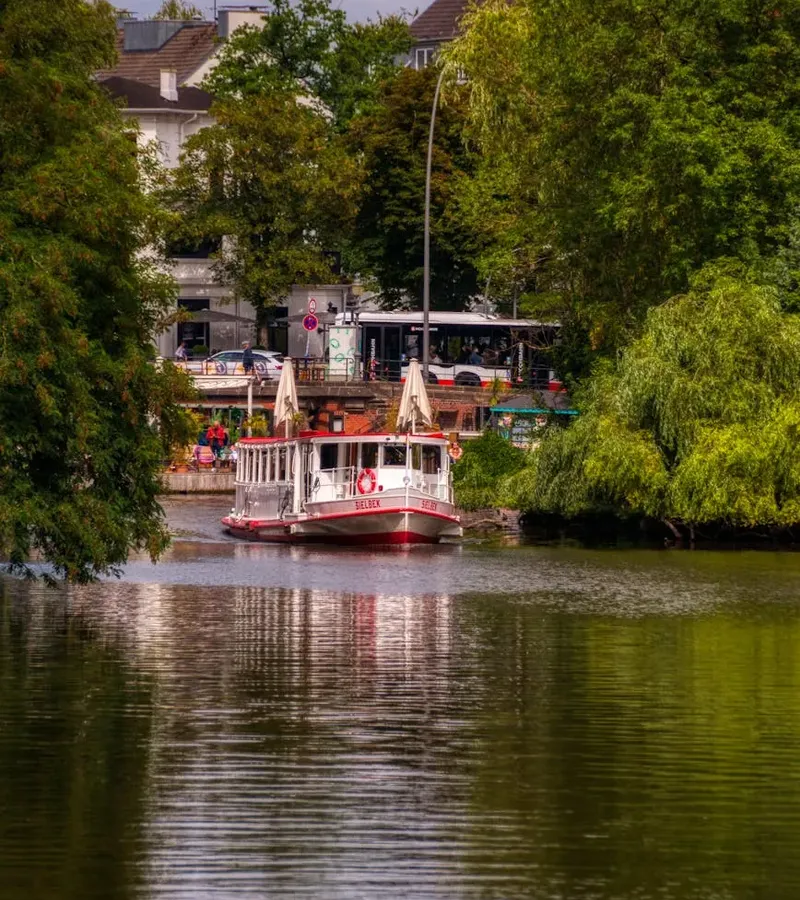
A walk around the Alster or a boat trip on the canals will show you the most beautiful corners of Hamburg.
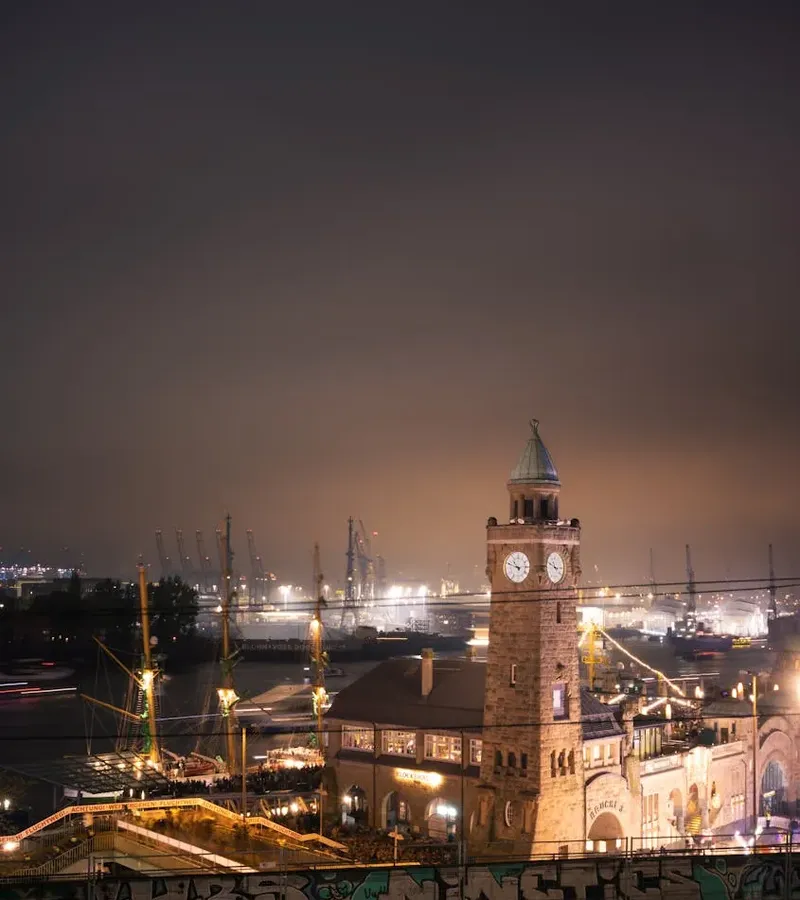
In the past, dock workers used to start their journey to work here; today you can soak up the harbor atmosphere here and start a harbor tour.
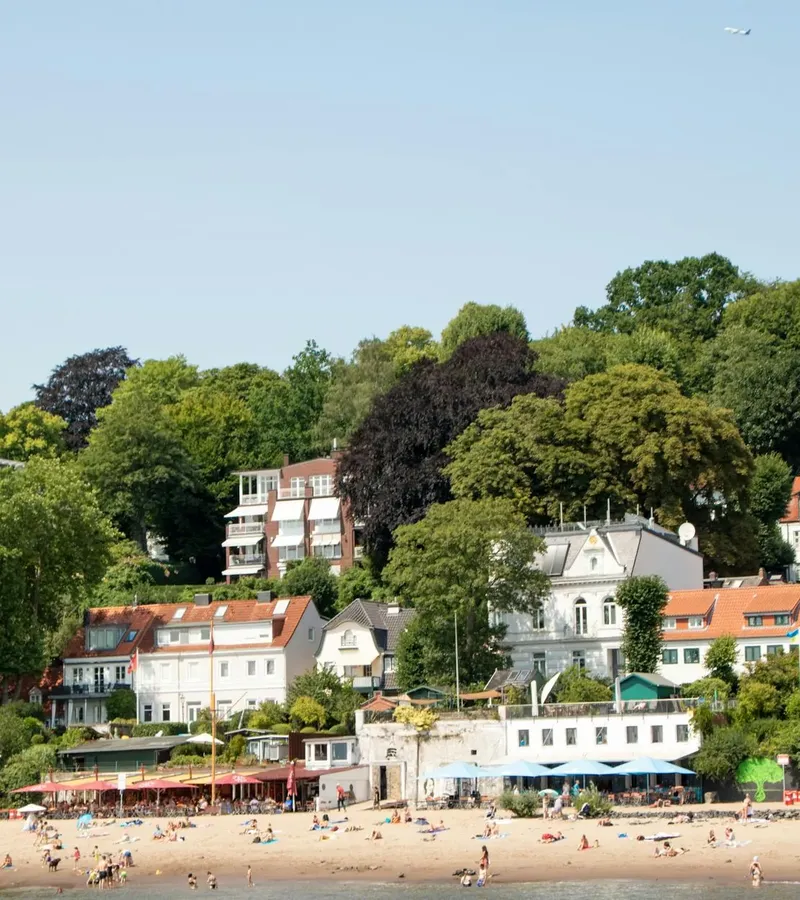
Watching the large container ships on the sandy beach.
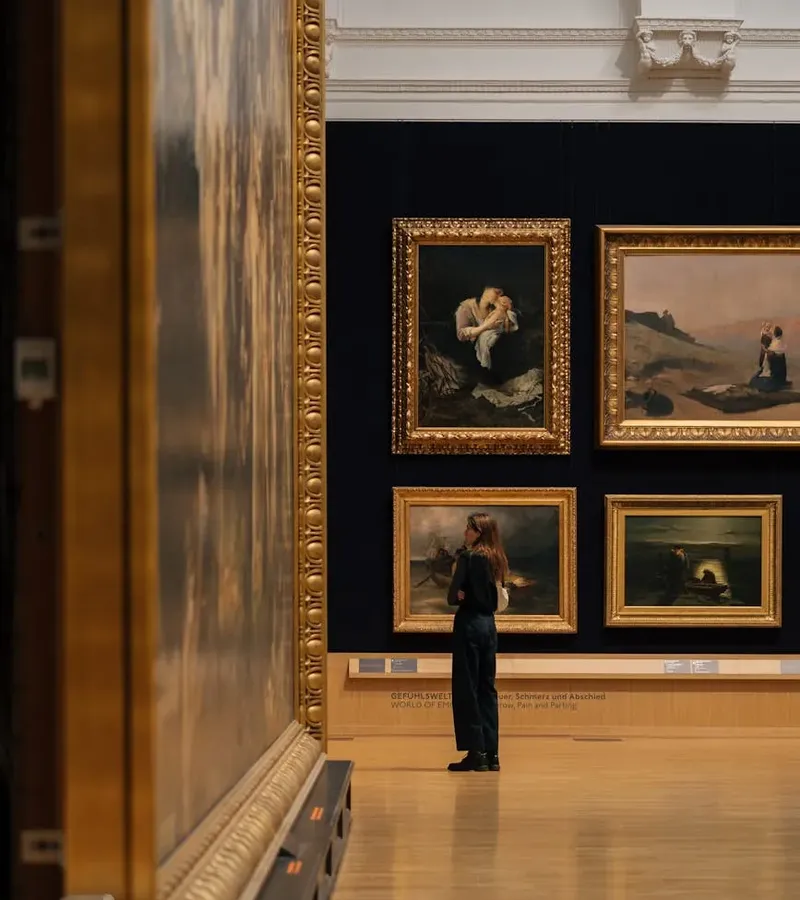
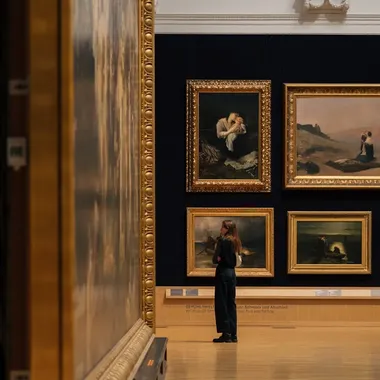
Marvel at paintings by Casper David Friedrich and Arnold Böcklin in the Hamburger Kunsthalle.
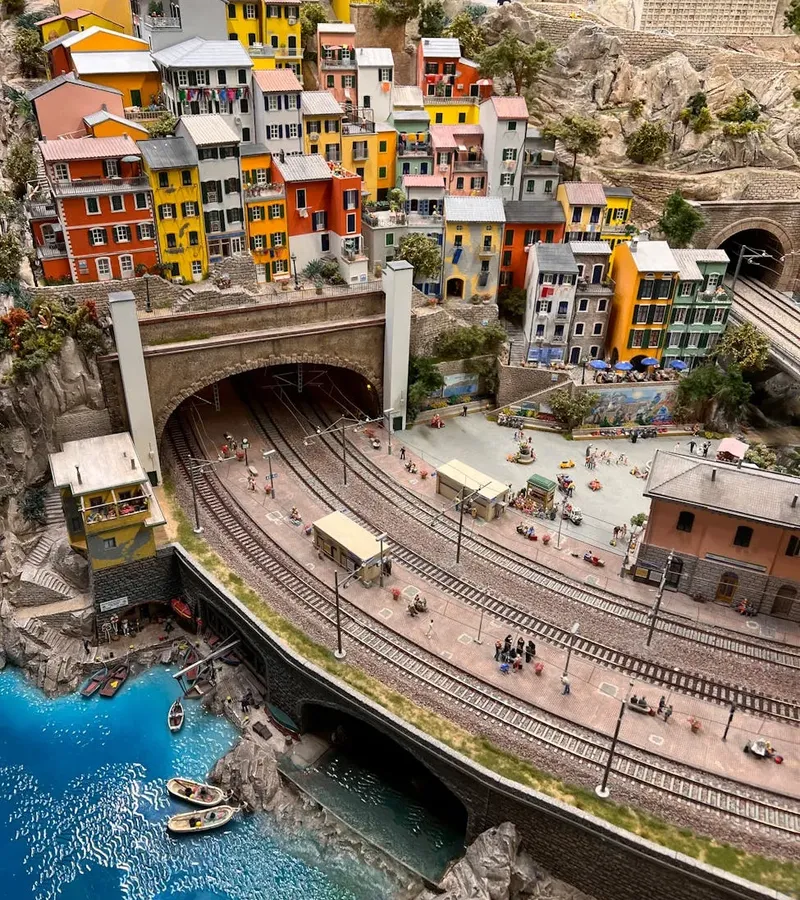
The huge model railroad with lots of fun details has won several awards as the best attraction in Germany.
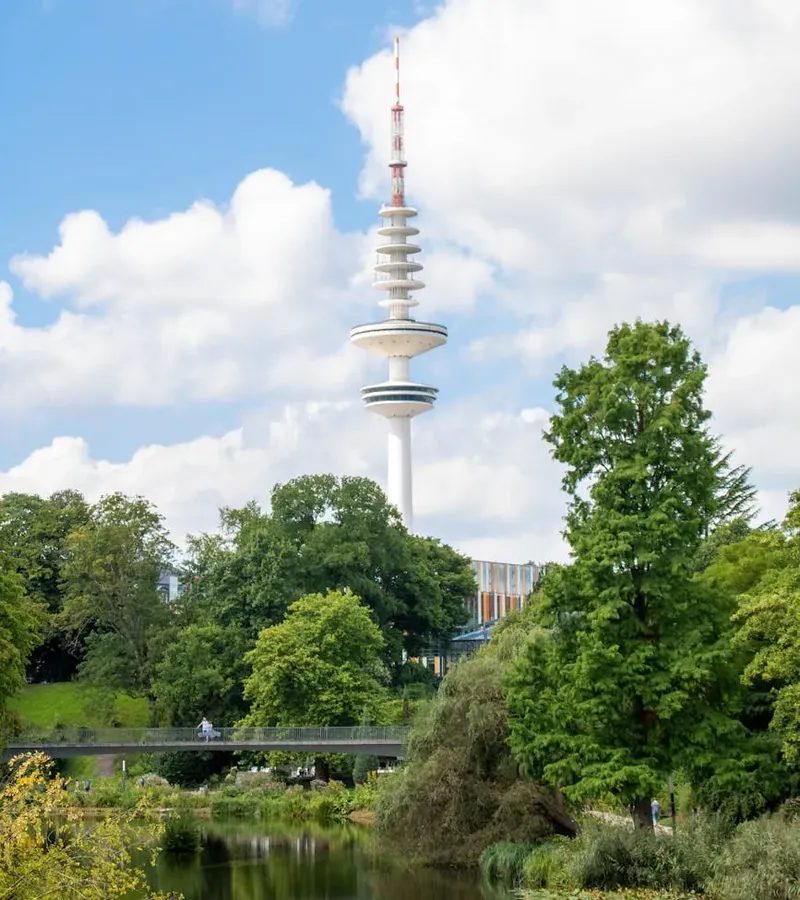
The beautiful park in the city center also contains show greenhouses.
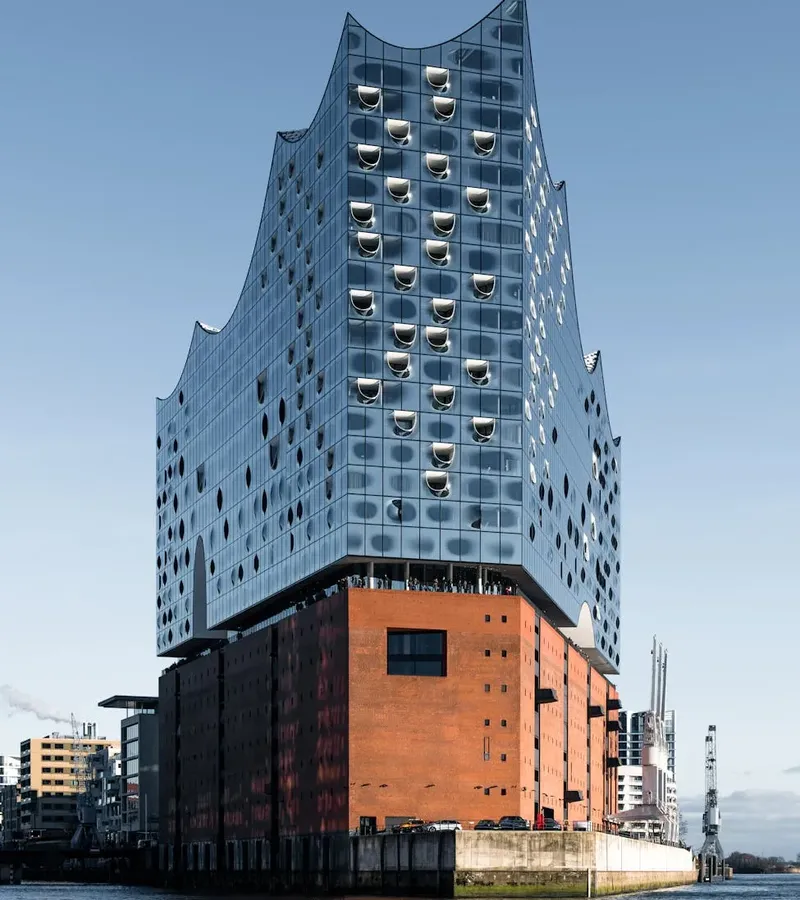
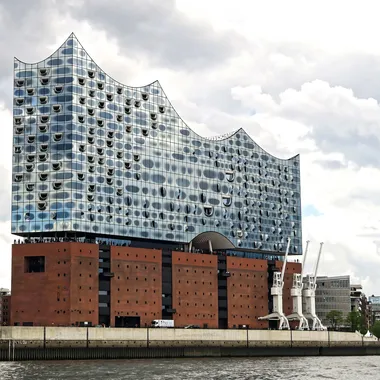
The prestigious Elbphilharmonie concert hall project is directly adjacent to the Speicherstadt UNESCO World Heritage Site and offers a beautiful vantage point.
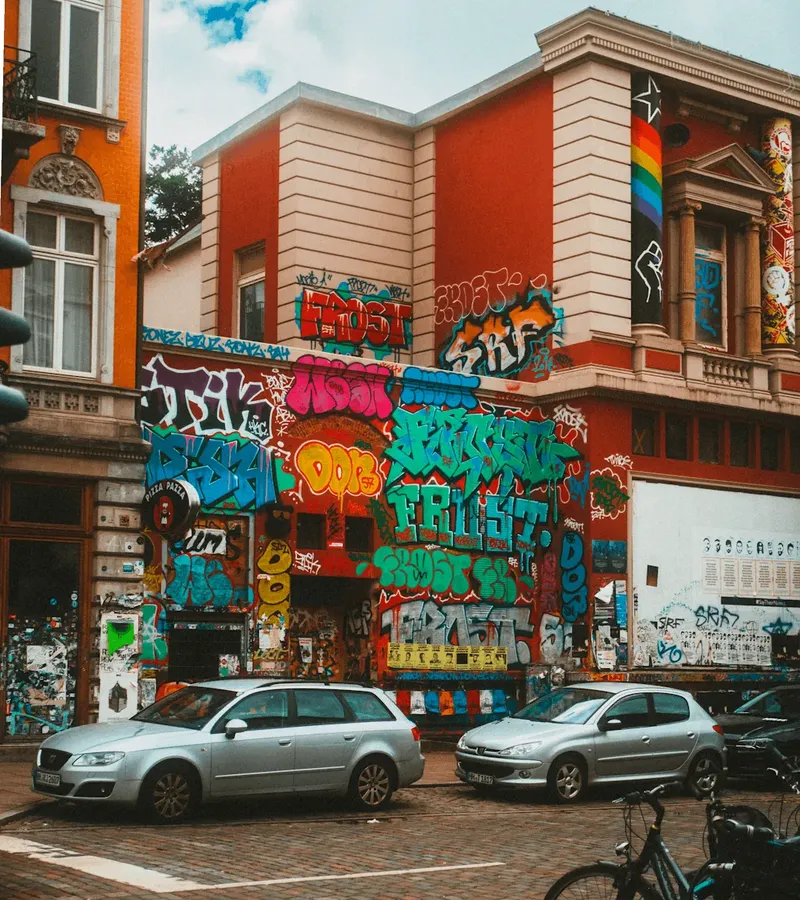
Stroll through the nightlife districts of Sternschanze and St. Pauli.
A walk around the Alster or a boat trip on the canals will show you the most beautiful corners of Hamburg.
In the past, dock workers used to start their journey to work here; today you can soak up the harbor atmosphere here and start a harbor tour.
Watching the large container ships on the sandy beach.
Marvel at paintings by Casper David Friedrich and Arnold Böcklin in the Hamburger Kunsthalle.
The huge model railroad with lots of fun details has won several awards as the best attraction in Germany.
The beautiful park in the city center also contains show greenhouses.
The prestigious Elbphilharmonie concert hall project is directly adjacent to the Speicherstadt UNESCO World Heritage Site and offers a beautiful vantage point.
Stroll through the nightlife districts of Sternschanze and St. Pauli.
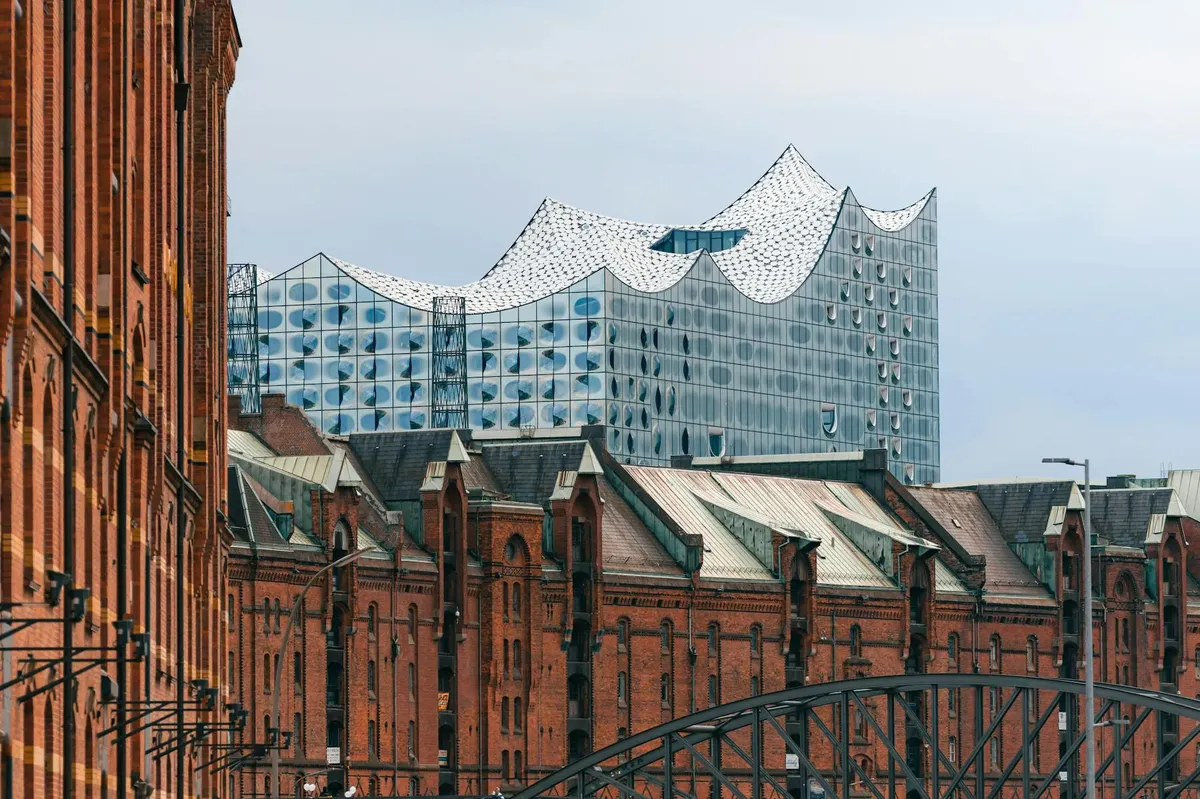
Hamburg's Speicherstadt, Hafencity and Altstadt form a fascinating interplay of history and modernity that shapes the character of the city.
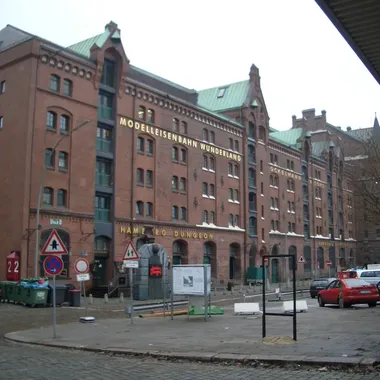
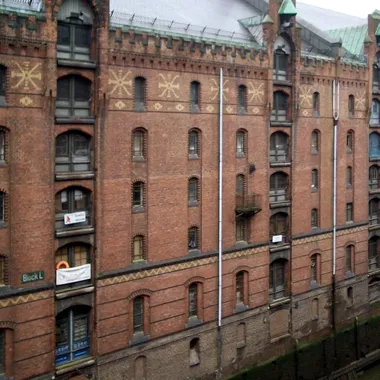
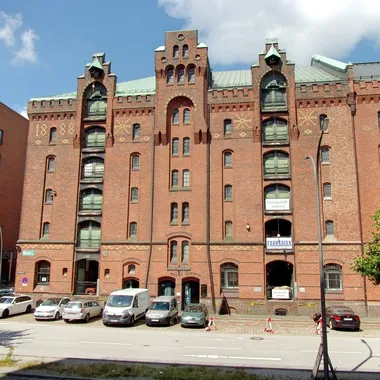
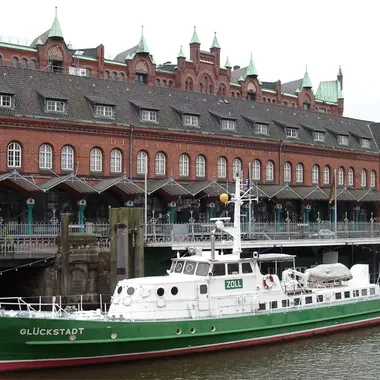
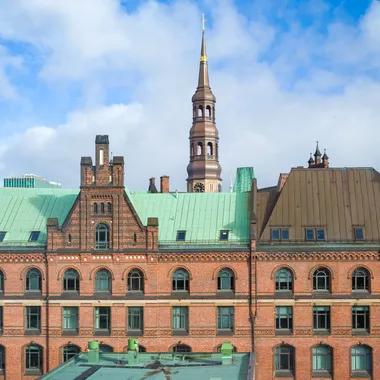
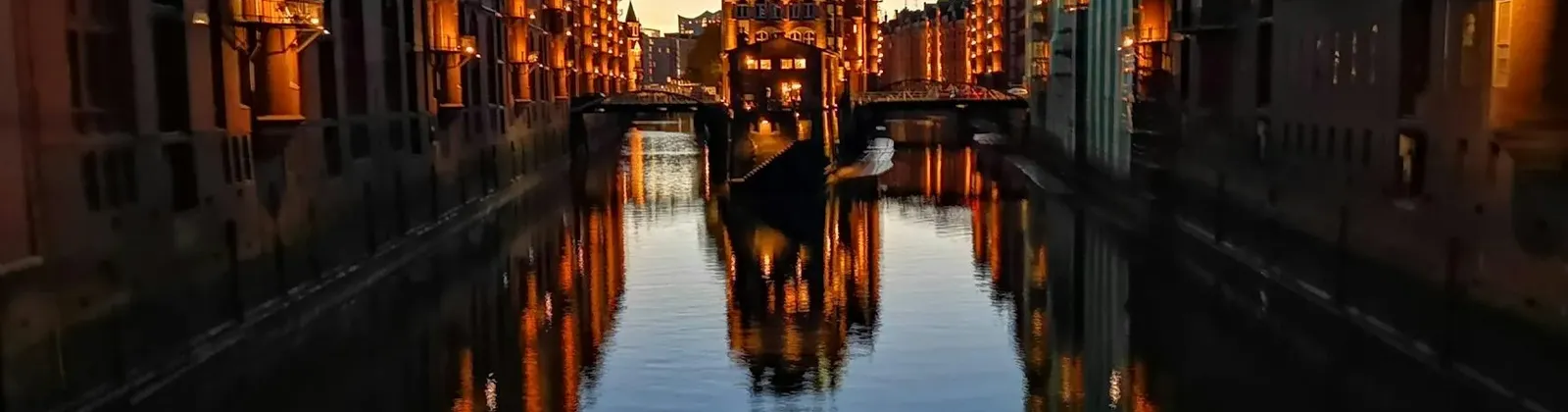
The Speicherstadt, with its impressive brick buildings and narrow canals, is a reminder of Hamburg’s heyday as a major trading city. Today, the former warehouses that once stored coffee and spices are home to Miniatur Wunderland and the German Customs Museum, and are atmospherically lit at night.
Right next door, Hafencity showcases how Hamburg is reimagining its waterfront for the future. As one of Europe’s largest urban development projects, Hafencity—with the striking Elbphilharmonie at its heart—combines modern architecture, culture, and maritime charm, seamlessly connecting to the Speicherstadt and enriching the cityscape with contemporary touches.
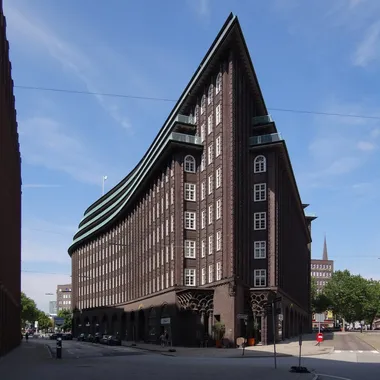
The Old Town, in turn, Hamburg’s oldest district, tells the story of the Hanseatic city’s rich history with landmarks such as the magnificent City Hall and the bombed-out St. Nikolai Memorial Church. Winding alleys, the Expressionist Chilehaus, and Mönckebergstraße blend tradition and modernity, creating the vibrant diversity that makes Hamburg so special.
St. Georg, located east of the Outer Alster and in close proximity to the main train station, is Hamburg’s colorful and cosmopolitan neighborhood. The famous Lange Reihe is the heart of the district: a lively street with a variety of cafés, bars, and boutiques, known for its LGBTQ+-friendly atmosphere and creativity.
The area around the train station, Hansaplatz, and Steindamm has a somewhat unpleasant vibe due to petty criminals, drug addicts, and homeless people. However, you shouldn’t let this deter you from exploring the rest of Hamburg.
The Miniaturwunderland is the world's largest model railroad layout and, according to surveys, the most popular attraction in Germany. Detailed landscapes and cities from various European countries are set up on several floors. The layout impresses with its witty details and attracts both model building enthusiasts and families. Although the area is constantly being expanded, it is always very crowded and you should plan several hours for a visit. Guided tours behind the scenes are also possible.
The Elbphilharmonie, also known as the "Elphi", is one of the most modern and architecturally impressive concert halls in the world. Even before its completion, it became known throughout Germany for its exploding construction costs, which were eleven times the original estimate.
Built on a former quayside warehouse, the building combines old harbor architecture with futuristic design. The plaza, which is also accessible without a concert ticket, offers a spectacular view of the harbor and the city. In addition to the actual concert halls, the building also houses a hotel, a restaurant and several condominiums.
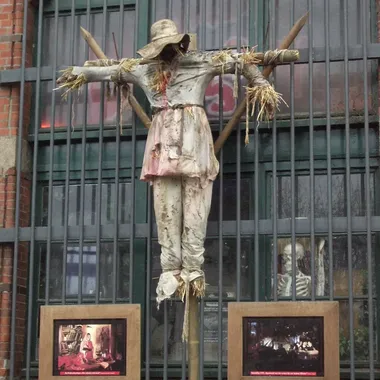
The Hamburg Dungeon offers a creepy and entertaining journey through the dark chapters of Hamburg's history. Actors and special effects guide visitors through scenes of plague, pirate raids and the great fire of 1842. It is a mix of scary entertainment and historical learning.
Everything revolves around chocolate at the Chocoversum. Visitors can experience the entire production process from the cocoa bean to the finished chocolate bar - and make their own chocolate in the process. The interactive tour and tasting make the Chocoversum a sweet highlight in Hamburg.
The Hamburger Kunsthalle is one of the most important art museums in Germany. With a collection that includes works of art ranging from medieval altars to contemporary installations, the Kunsthalle offers a comprehensive overview of 700 years of art history. The works by Caspar David Friedrich are a particular highlight. Admission is free on the first Thursday of the month.
The coffee museum is a paradise for coffee lovers. In a historic warehouse in the Speicherstadt, visitors can learn all about the history of coffee, from the bean to the cup. There are also tastings and insights into the world of the coffee trade.
The International Maritime Museum displays an impressive collection of ship models, nautical charts and historical artifacts. It is located in an old granary and comprises ten decks that present the history of seafaring from the first voyages of discovery to modern shipping. Anyone interested in seafaring can easily spend a whole day in the museum.
The Chilehaus is a striking example of expressionist architecture and part of the "Kontorhausviertel" UNESCO World Heritage Site. It was built in the 1920s and its pointed shape is reminiscent of the bow of a ship. It owes its name to trade with Chile, which financed the basis for its construction. For architecture fans, the neighboring Sprinkenhof, the nearby Afrikahaus and the Brahms Kontor next to Planten un Bloomen are also worth a visit. But there is also great brick expressionist architecture in Barmbek and Winterhude.
Spicy's Spice Museum, also in the Speicherstadt, displays over 1000 different spices from all over the world. Visitors can explore the history of the spice trade and smell and taste some of the spices on display. It is a sensory experience that illustrates the importance of spices in world history.
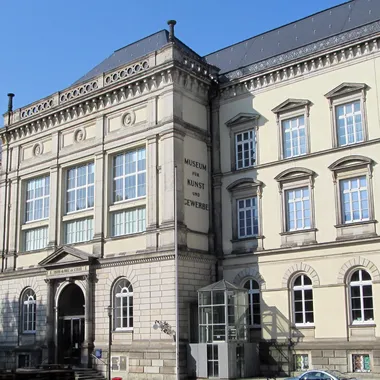
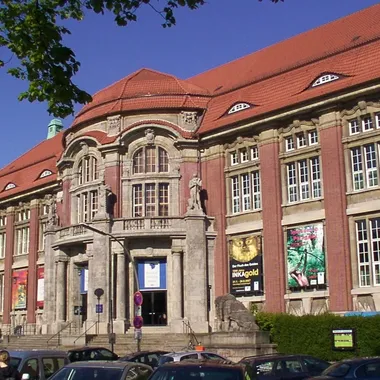
The huge Museum of Arts and Crafts displays a wide range of arts and crafts, design and art from different eras and regions of the world. From ceramics and antique furniture to Art Nouveau and contemporary design, the museum offers insights into the development of art and craftsmanship over the centuries.
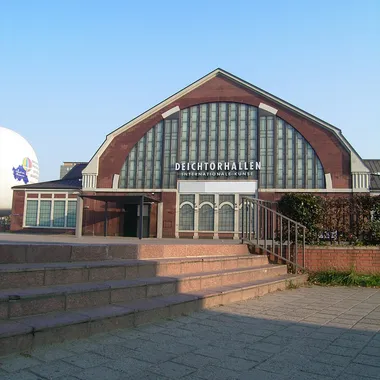
The Deichtorhallen is one of the largest exhibition venues for contemporary art and photography in Europe. The striking architecture of the former market halls provides the perfect setting for changing exhibitions by international artists.
If you want to find out more about the history of the Speicherstadt, you can visit this small museum.
The German Customs Museum is dedicated to the history of customs in Germany and shows how they influenced trade. There are interesting exhibitions about smuggling and goods control, including confiscated contraband (e.g. drugs woven into a carpet).
In "Dialogue in the dark", visitors experience everyday life from the perspective of a blind person. Led by visually impaired guides, participants traverse completely dark rooms and learn new forms of perception. This exhibition is not only an exciting experience, but also raises awareness of the barriers that people with disabilities face every day. Tickets should be booked well in advance.
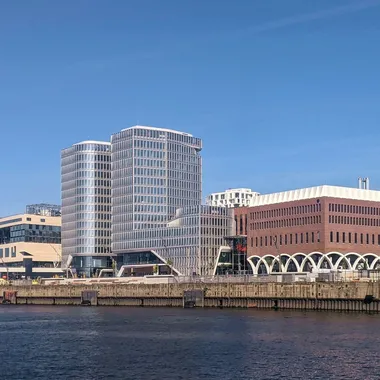
Westfield Hamburg-Überseequartier is a new urban center in Hamburg's HafenCity, which was opened in 2025. With a total area of around 419,000 m² spread across 14 buildings, it combines living, working, shopping and leisure under one glass, tent-like roof
The quarter is home to over 160 stores, including Germany's largest Zara store and the Breuninger department store, as well as around 40 restaurants and cafés. Cultural highlights include the Port des Lumières, an immersive center for digital art with changing exhibitions by artists such as Gustav Klimt and Friedensreich Hundertwasser . A multiplex cinema with ten screens and a modern cruise terminal complete the offer
With investment costs of 2.45 billion euros, the project is one of the largest urban developments in Europe. Despite some construction delays and criticism of safety standards during the construction phase, Westfield Hamburg-Überseequartier is seen as the new commercial heart of HafenCity
The Port des Lumières is a new center for digital and immersive art in Hamburg's HafenCity, which opened in 2025. With a projection area of 3,200 m², it offers a unique art experience where visitors can fully immerse themselves in the works of major artists. The center is part of the international network of Culturespaces and the first of its kind in Germany.
For the opening, the Port des Lumières is presenting exhibitions by Gustav Klimt, Hundertwasser and the Turkish studio Nohlab.
For children, the Port des Lumières offers an interactive children's studio where they can get creative and create their own works of art.
The center is located in the Westfield Hamburg-Überseequartier.
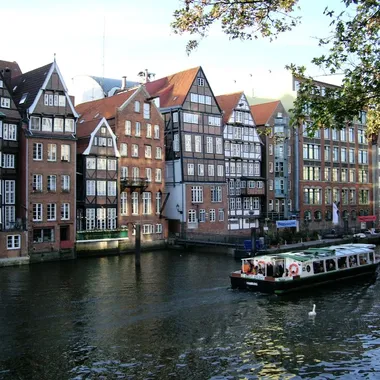
Deichstraße is one of the oldest streets in Hamburg and offers a glimpse of the architecture of past centuries. Many of the houses date back to the 17th and 18th centuries and survived the great fire of 1842. Deichstraße is also home to numerous good restaurants where you can fortify yourself for the rest of your sightseeing.
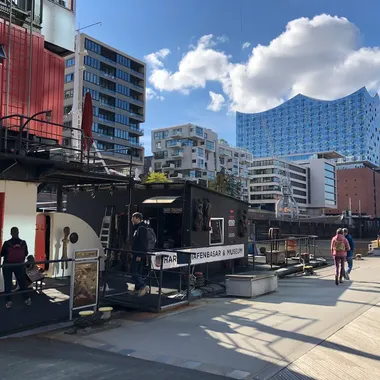
A fascinating cabinet of curiosities that exhibits souvenirs from seafarers from all over the world. Originally a place for sailors, it is now a small treasure for lovers of quirky objects and Hamburg's connection to faraway lands.
The Monkey Quest scavenger hunt is an interactive city tour through Hamburg. Equipped with a tablet, participants embark on an exciting discovery tour, solve puzzles and learn interesting facts about the history of the city. Particularly popular with families and groups.
The Bellachini Magic Museum is Hamburg's only magic museum and is dedicated to the fascinating world of magic. It offers an extensive collection of props, costumes and historical magic boxes. Magic shows are also offered regularly, delighting young and old alike.
Here, visitors can make their dream of flying come true in a professional flight simulator. Under the guidance of experts, they control a virtual Boeing 737 or Airbus A320 and experience realistic flight maneuvers.
Afrikahaus Hamburg is one of the most striking office buildings in Hamburg's city center and is a reminder of the Hanseatic city's close economic ties with the African continent during the colonial era. The expressionist building from the 1930s impresses with its architecture, artistic façade details and the characteristic sculptures at the entrance.
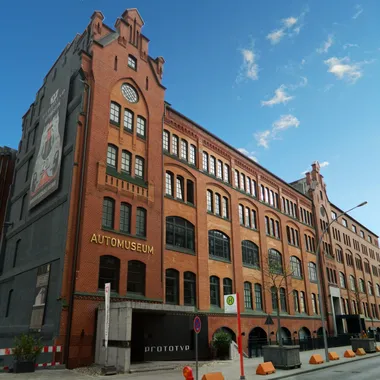
The Prototype Car Museum displays an impressive collection of historic cars and prototypes. Fans of racing cars and classic cars in particular will get their money's worth. The exhibition provides exciting insights into German automotive history and showcases rare vehicles and designs.
The Speicherstadt is the largest historic warehouse complex in the world and a UNESCO World Heritage Site. The imposing brick buildings date back to the late 19th century and were once used to store coffee, tea, spices and carpets. At the time, 20000 inhabitants had to relocate for the construction. Today, the buildings house carpet dealers, museums and small agencies.
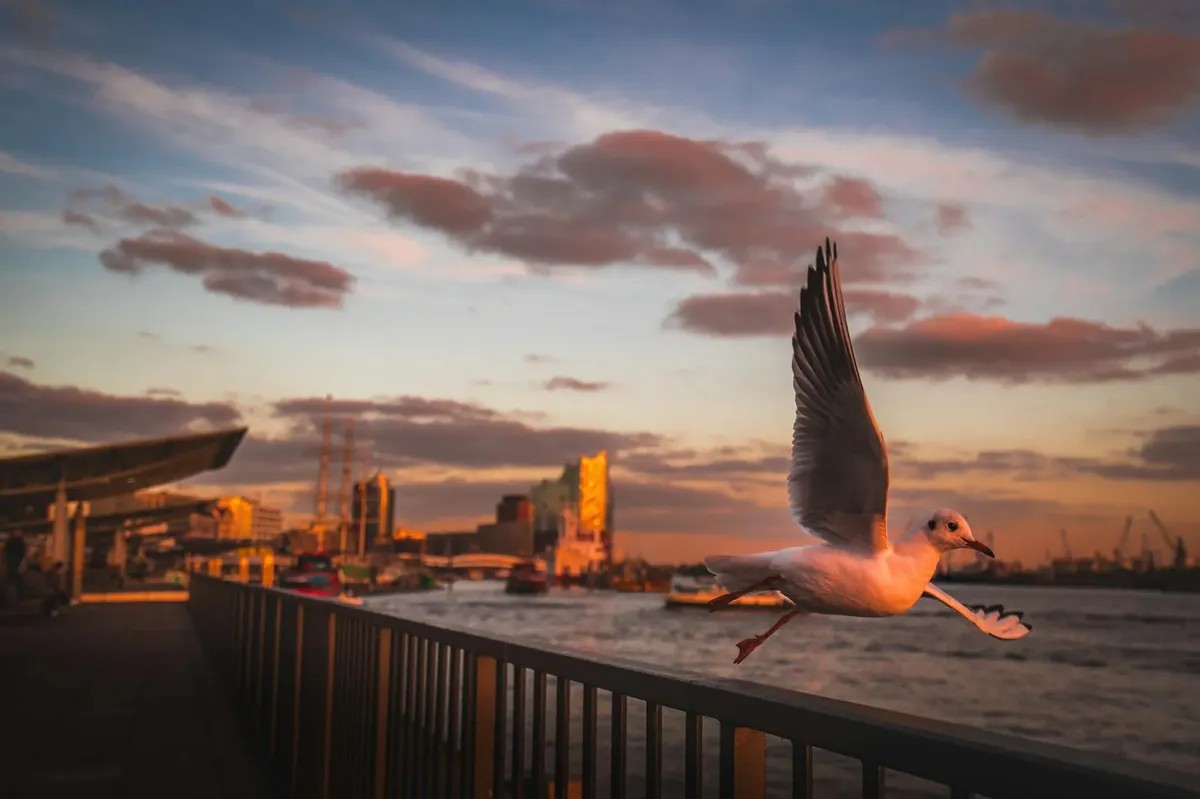
St. Pauli is probably Hamburg's best-known district. In addition to the Reeperbahn, the district is known for its maritime highlights
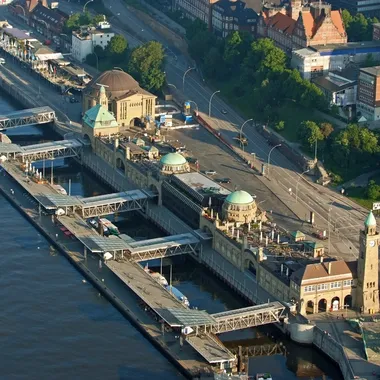
The Landungsbrücken are located right on the Elbe: harbor tours and ferries depart from here. Another highlight is the Old Elbe Tunnel, built in 1911, which takes pedestrians and cyclists under the Elbe to the other side of the harbor. Several museum ships can also be visited at the Landungsbrücken, offering insights into Hamburg’s maritime history.
In addition to the Reeperbahn, Große Freiheit is also known for its music clubs and became an early performance venue for the Beatles in the 1960s. Numerous bars can be found in the side streets off the Reeperbahn, such as Talstraße and Hans-Albers-Platz. At night, the area is bustling with drunk revelers and bachelor parties. Prostitution is also openly practiced in some corners.
However, St. Pauli is not just a party hub, but also home to FC St. Pauli, whose fans embody the alternative and independent spirit of the neighborhood.
Altona-Altstadt, located directly west of St. Pauli on the banks of the Elbe, combines maritime flair with historic charm. Once an independent city under the Danish crown, Altona-Altstadt is today a multicultural neighborhood steeped in history.
The Altonaer Balkon and the fish market offer panoramic views of the Elbe and are popular meeting spots. International restaurants and the Altonaer Museum also shape the cityscape, which stands out for its unique blend of tradition and cosmopolitanism.
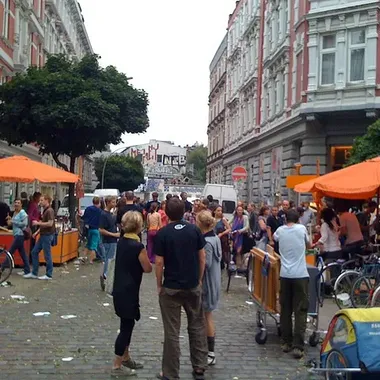
The Sternschanze, often called simply “Schanze,” is Hamburg’s lively and creative center. Characterized by street art, small boutiques, cafés, and pubs, the Schanze is the neighborhood for young people who love to go out. At the Rote Flora, a squatted theater and symbol of the alternative scene, you can sometimes watch people skating and climbing in the park behind it.
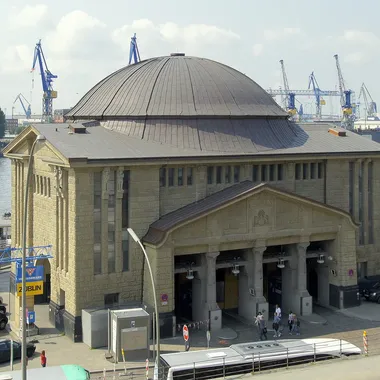
The Old Elbe Tunnel, which was opened in 1911, was a technical masterpiece of its time. The tunnel tubes run under the Elbe and connect St. Pauli with the port area. At the time, dock workers were able to reach the port through it. The 426-metre-long route can be crossed 24 hours a day on foot or by bicycle and offers a unique view of the port from the other side of the Elbe.
The Landungsbrücken are a historic jetty and the central starting point for harbor tours and ferry connections. From here you have a fantastic view of the port of Hamburg, the Elbphilharmonie concert hall and the passing ships. The historic promenade is also the starting point for a visit to the Old Elbe Tunnel and the museum ships. The Old Elbe Tunnel is located right next to the Landungsbrücken.
Planten un Blomen is a green oasis in the heart of Hamburg, known for its impressive gardens and greenhouses. The tropical greenhouses offer a diverse collection of exotic plants from all over the world, from orchids to palm trees (but are currently being renovated). Another highlight are the water light concerts in summer, where colorful light shows are projected onto the water fountains. But the park is also worth a visit at any time of year. There are also several cafés in the park where you can linger.
The Panoptikum is the oldest wax museum in Germany and is located on the Reeperbahn. It houses over 120 wax figures of famous personalities from history, culture and pop culture. Visitors can stand at eye level with celebrities such as Angela Merkel, Albert Einstein and the Beatles.
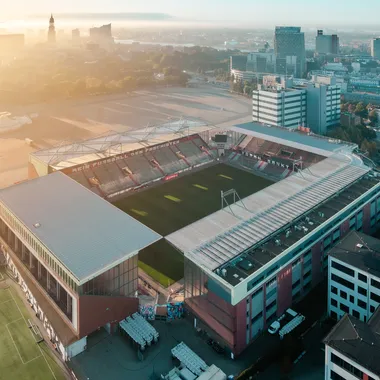
The Millerntorstadion is the home ground of the FC St. Pauli soccer club. Known for its passionate fans and special atmosphere, the stadium has achieved cult status. It is not only a venue for soccer matches, but also for art, the FC St. Pauli Museum and cultural events. Guided tours and tickets for matches can be booked online. Opening hours and prices refer to the museum.
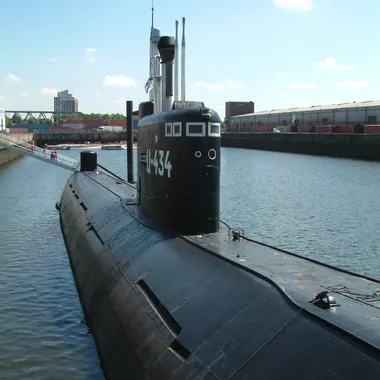
In the submarine museum, visitors can view the former Russian submarine B-515 (U-434), which is anchored in Hamburg. It offers insights into the close life of the submarine crews and shows original equipment and the technology of a submarine from the Cold War.
The Museum of Illusions offers visual illusions and optical illusions that amaze both children and adults. It is an interactive experience where visitors can walk through the exhibits and put their senses to the test. An entertaining and educational outing for the whole family.
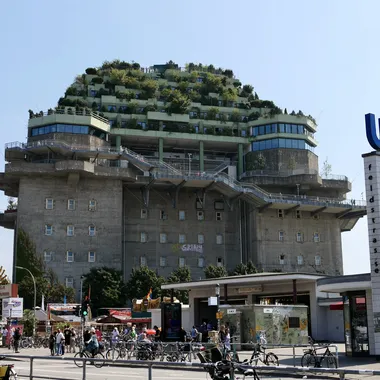
Flak Tower IV in the St. Pauli district is a massive bunker from the Second World War that was once used for air defense. Today, the tower is used for cultural purposes and is home to the Uebel & Gefährlich music club and a bouldering hall, among other things. The building was recently extended and greened. From the roof terrace (or the staircases leading up to it), you have an impressive view over Hamburg. Information boards on the original roof area tell you more about the history of the bunker.
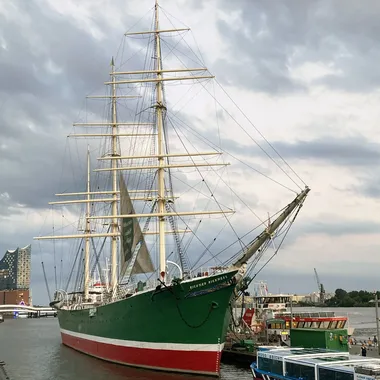
The Rickmer Rickmers is a restored sailing ship that is now a museum in the harbor. Built in 1896, the ship was once in service all over the world and today offers an exciting insight into the lives of sailors and maritime history. Visitors can explore the interior of the ship and learn more about the trade routes of the time. You can also play escape games on board.
Panik City is a multimedia experience center dedicated to the life and work of Hamburg musician Udo Lindenberg. Using state-of-the-art virtual reality technology, visitors can immerse themselves in the world of the artist and relive his greatest successes. The tour not only offers fans exciting insights, but also an entertaining, interactive experience. Book online in advance.
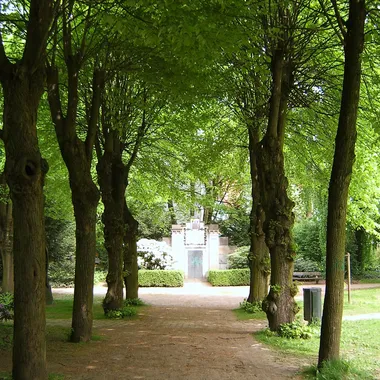
Wohlers Park, formerly a cemetery, is now a green oasis in Altona. The park is a popular meeting place for locals and has a special historical charm. You can often see people juggling, making music or dancing on the slackline here.
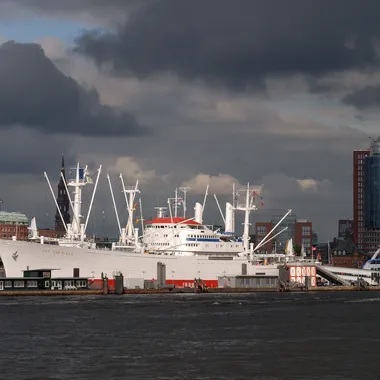
The Cap San Diego is the largest navigable museum ship in the world. The white freighter, which was built in 1962, is moored at the jetties and can be explored by visitors. There are insights into the engine room, the bridge and the crew's cabins. The Cap San Diego also regularly sails on the Elbe. You can also book escape games here or visit the high ropes course on the ship.
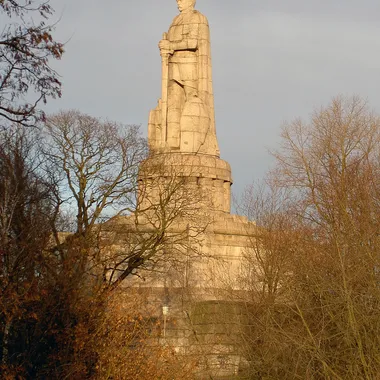
The Bismarck Monument in the Old Elbe Park is the largest monument dedicated to the first Chancellor of the German Reich, Otto von Bismarck. The imposing statue was inaugurated in 1906 and offers a magnificent view of the harbor. It symbolizes Hamburg's role in the German Empire and is a popular photo spot.
Otto von Bismarck (1815-1898) was one of the most important German statesmen of the 19th century. He played a central role in the founding of the German Empire under Prussian leadership in 1871 and was its first Chancellor.
The Flohschanze is a popular flea market that takes place every Saturday in the Sternschanze district. Here you can find everything from vintage clothing to antiques and curiosities.
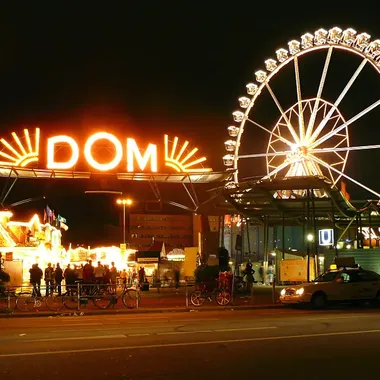
The Hamburger Dom is the largest public festival in northern Germany and takes place three times a year on the Heiligengeistfeld. There are numerous rides, food stalls and entertainment for the whole family.
A small art gallery focusing on urban art and contemporary art.
Every Sunday morning from 5 a.m., not only fresh fish is sold here, but also fruit, plants and all kinds of odds and ends. Early risers and night owls experience a special mixture of market and harbor atmosphere here. Food is sometimes sold at particularly low prices, but you should always check whether the fruit or vegetables are still really good (sometimes spoiled produce is sold).
At the Buddhist Center Hamburg, you can meditate together every evening free of charge. The center also offers other events to learn more about Buddhism. The opening hours refer to the joint meditation.
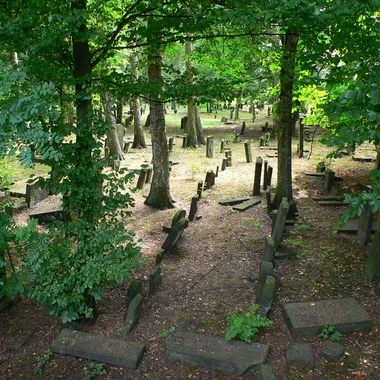
The Jewish cemetery in Altona is one of the oldest in Europe, with graves dating back to the 17th century (which is why it may even become a UNESCO World Heritage Site in the future). The cemetery is an important place of remembrance for Jewish history in Hamburg and a quiet place of reflection just a stone's throw away from the Reeperbahn.
Sternschanze, or "Schanze" for short, is a lively district known for its street art, cafés, bars and small stores. It has established itself as a creative hotspot in Hamburg and attracts young people in particular. On May Day, there are always riots in front of the Red Flora. At the bunker behind the red Flora (the Killimanschanzo) you can sometimes watch people climbing.
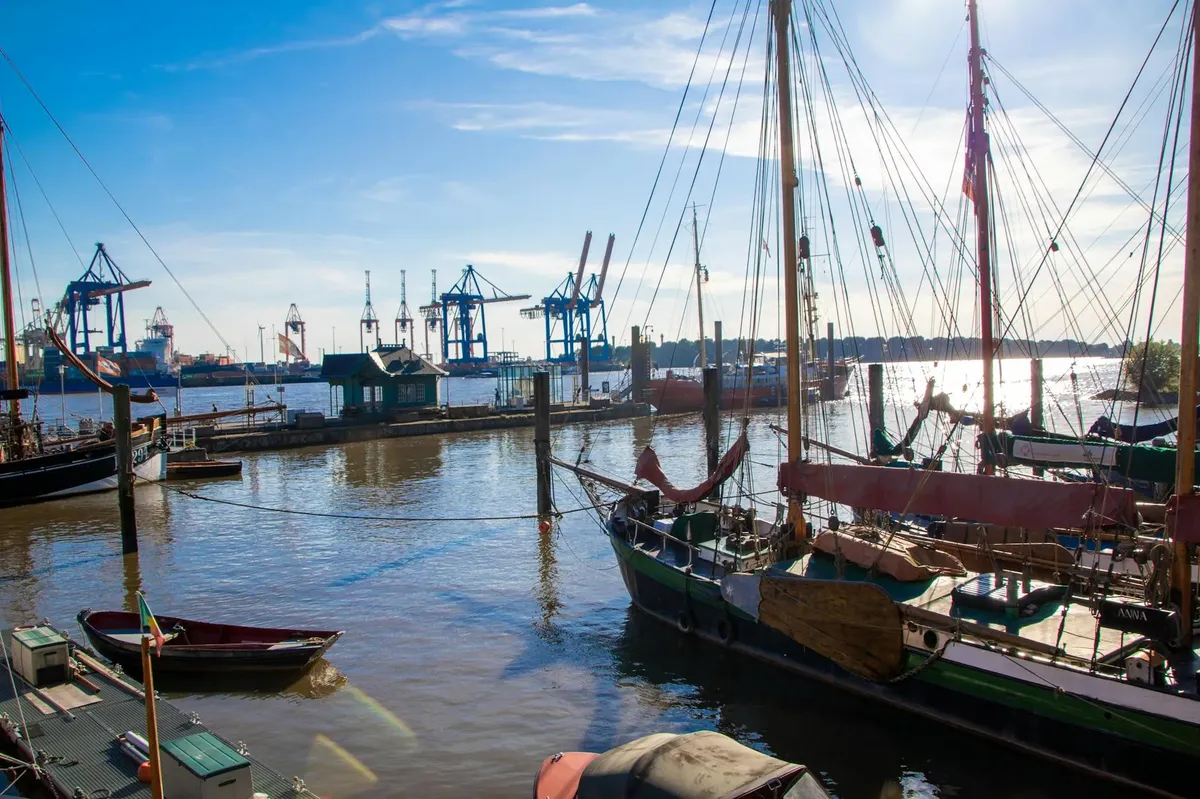
Altona is a vibrant neighborhood with a rich history and a vibrant cultural scene. Its proximity to the Elbe River makes Altona particularly attractive, with its waterfront promenade and the Altonaer Balkon, from which you can enjoy a magnificent view of the harbor. Starting from HafenCity or St. Pauli, you can take a bike ride all the way to Wedel along the banks of the Elbe.
The Övelgönne Museum Harbor and the adjacent pilot houses on the Elbe beach are particularly worth seeing.
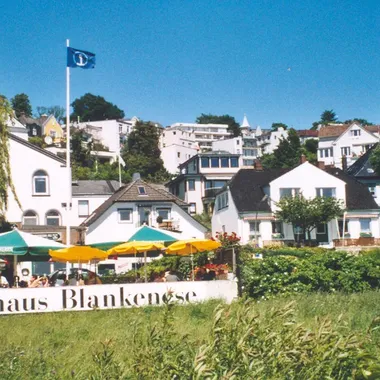
Blankenese, located in western Hamburg, is known for its picturesque villa architecture on the hillside. Here, residents and visitors alike enjoy the quiet, almost village-like atmosphere.
Altona offers beautiful views of the Elbe and the passing ships and is ideal for leisurely walks along the waterfront.
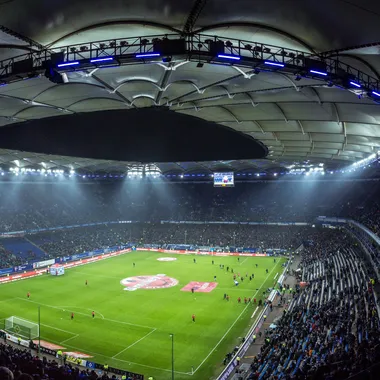
The Volksparkstadion is the home ground of Hamburger SV (HSV) and one of the most famous sports venues in Germany. In addition to soccer matches, concerts and other major events also take place here.
The HSV Museum in the Volksparkstadion shows the eventful history of Hamburger SV, one of the most traditional soccer clubs in Germany. From old jerseys and trophies to emotional moments from the club's history - here fans can immerse themselves in the world of the club.
The Willkomm-Höft ship welcoming facility in Wedel near Hamburg is a ritual that is unique in the world: here, all incoming and outgoing ships over 500 gross register tons are welcomed or bid farewell with the appropriate national anthem. Visitors can watch the ships on the Elbe from a café and witness the ritual.
The Loki Schmidt Garden is a botanical jewel in Hamburg. The garden, named after the wife of former German Chancellor Helmut Schmidt, is dedicated to preserving plant species from all over the world. Visitors can explore various themed areas here, from an alpinium to Mediterranean flora. In winter, the garden closes much earlier (16:00).
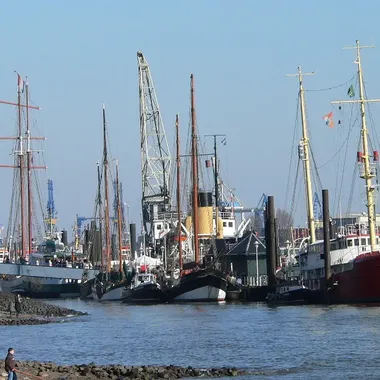
The Övelgönne museum harbor is a maritime open-air museum right next to the Elbe beach. Historic ships from various eras are moored here, offering an insight into the town's maritime history. The small harbor is a charming place for a stroll and the Elbe landscape invites you to linger.
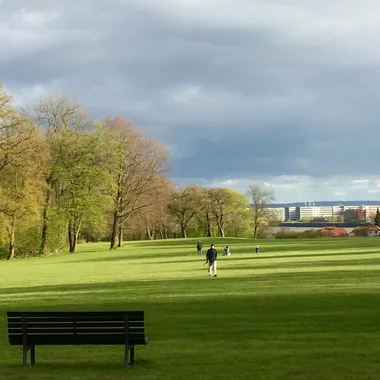
Altonaer Volkspark is one of Hamburg's largest parks and offers wide meadows, sports fields and quiet walking paths. Especially in spring, when the flowers are in bloom, the park is a popular place for recreation seekers and sports enthusiasts. The dahlia and rose gardens are particularly worth seeing.
The picturesque staircase district in Blankenese is located on the western bank of the Elbe and enchants with its narrow alleyways, white villas and countless staircases that wind their way up the Elbe slope. The charm of the district, combined with magnificent views of the Elbe, makes it one of the most beautiful and expensive places in Hamburg.
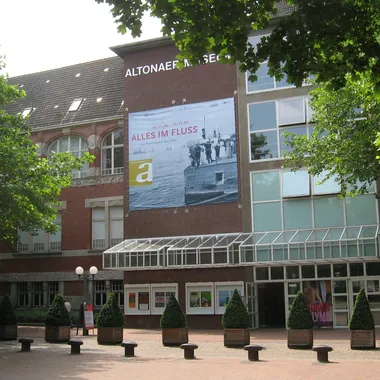
The Altona Museum is dedicated to the history and culture of northern Germany, with a special focus on the district of Altona, which was a city in its own right until 1938. The exhibitions range from maritime history to folk art and urban development.
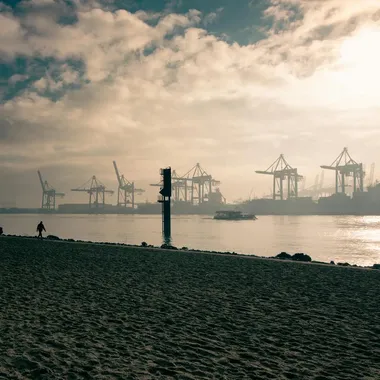
The Elbe beach in Hamburg offers a wonderful sandy beach directly on the Elbe. Here you can watch the ships passing the harbor or relax while sunbathing and barbecuing in summer. The beach is particularly popular with locals looking for a short trip to the water. However, the currents of the Elbe can be very treacherous, which is why you should not go swimming here!!!
The Montblanc House is an interactive experience center dedicated entirely to the famous stationery manufacturer. Visitors can immerse themselves in the world of high-quality writing, learn more about the history and marketing of the brand and even hone their own writing skills. An elegant place for lovers of fine writing instruments.
Jenischpark is one of the largest green spaces in Hamburg and invites you to stroll and relax with its extensive meadows, old trees and ponds. The park is home to the Jenisch House, a classicist country house that now houses a museum of art and culture.
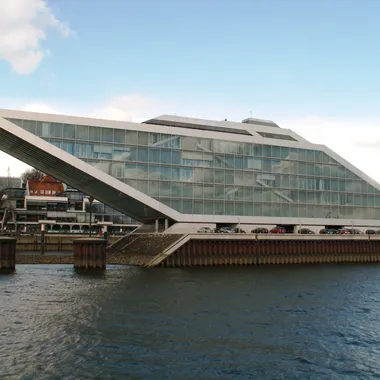
Dockland is a modern office building in the shape of a ship that towers spectacularly over the River Elbe. Visitors can climb the stairs on the outside of the building and are rewarded with a breathtaking panoramic view of the port of Hamburg and the city. The view is particularly impressive at sunset.
The Falkensteiner Ufer is an idyllic stretch of the Elbe, surrounded by nature and tranquillity. The pebbly beach and the adjacent woods offer a perfect place for walks and relaxation. Here you can enjoy the Elbe in its natural beauty (apart from the large electricity pylons) and escape the hustle and bustle of the city. In summer, the shore is also used by some as a nudist beach.
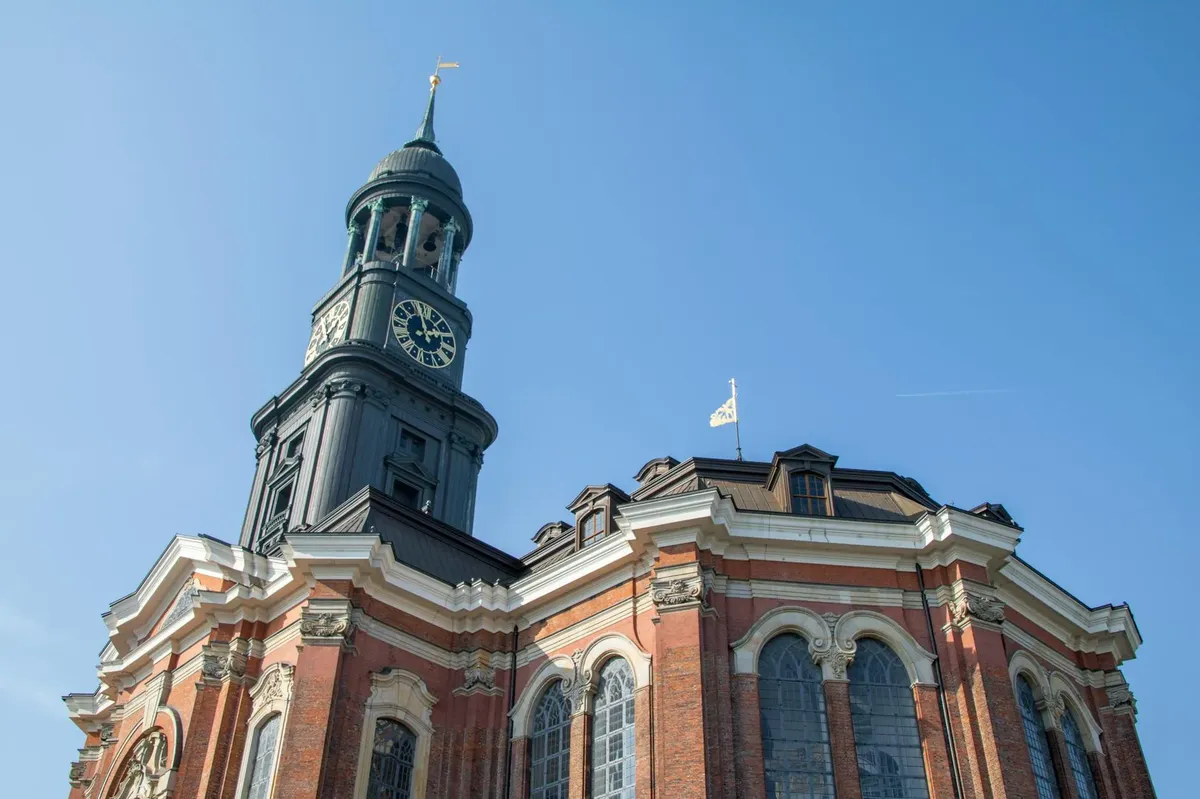
Neustadt is located between the Alster and the Elbe and serves as a bridge between the historic charm of the Old Town and the modern neighborhoods.
In addition to Gänsemarkt and the lively shopping district around Jungfernstieg, the neighborhood is also defined by Planten un Blomen, a large park featuring a Japanese garden, and the Laeiszhalle, a concert hall steeped in tradition.
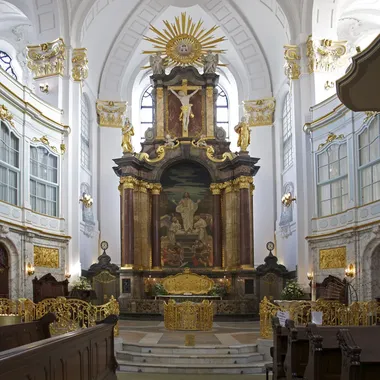
The Michel is Hamburg's most famous church and one of the city's landmarks. The baroque church dates back to the 17th century and is famous for its 132-meter-high tower. Visitors can climb the viewing platform and enjoy a magnificent view over the city and the harbor. The church played a central role in the lives of sailors. The viewing platform is open longer in summer. A visit to the church itself is free of charge.
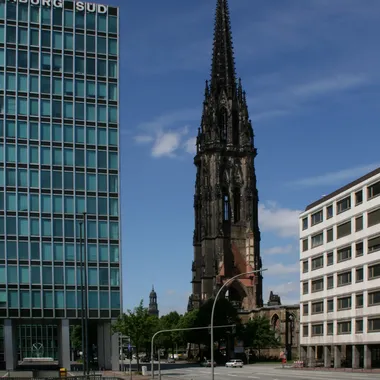
The St. Nikolai memorial is the ruin of a once magnificent church that was destroyed during the bombing raids on Hamburg in the Second World War. The surviving tower now serves as a memorial to the victims of the war and as a lookout point. An exhibition in the basement provides information about the destruction of Hamburg in the Second World War and the consequences of the war.
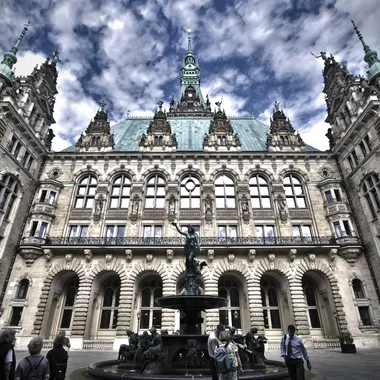
The magnificent Hamburg City Hall, built in the neo-Renaissance style, is the seat of the Senate and the Parliament. With its impressive façade and 112 meter high tower, it is one of the most magnificent town halls in Germany. The building was completed in 1897 and has 647 rooms - more than Buckingham Palace! In the inner courtyard is the Hygiena Fountain which commemorates the cholera epidemic in Hamburg.
Guided tours of the interior are possible without prior reservation on certain days at lunchtime (check website).
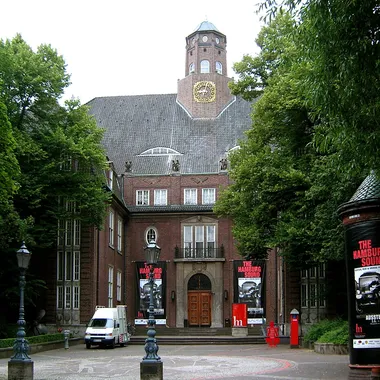
The Museum of Hamburg History offers a fascinating overview of Hamburg's development from its beginnings to the modern metropolis. Special exhibits include a model of the medieval port and an extensive collection on the city's maritime history.
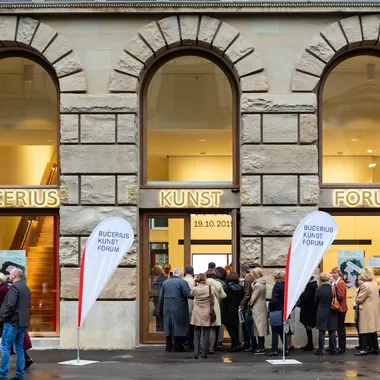
The Bucerius Kunstforum is a renowned exhibition venue for art in Hamburg, which shows changing exhibitions of international artists and masterpieces from different eras. It is centrally located near the city hall and regularly offers art lovers new insights into well-known and lesser-known art movements.
At the MINDWAYS 3D TrickArt Museum, visitors are immersed in a world of optical illusions. The interactive 3D artworks allow visitors to become part of the art - perfect for creative photos and a fun experience for the whole family.
Mönckebergstraße is Hamburg's most important shopping street. Large department stores, international brands and small stores are lined up here. The wide street connects the main train station with the town hall and is a popular destination for shopping fans. The Levantehaus is particularly pretty.
The Krameramtswohnungen date back to the 17th century and are among the oldest preserved residential buildings in Hamburg. The houses are located near the Michel and also include restaurants where you can eat typical Hamburg dishes such as Labskaus.
The Composers' Quarter is a collection of museums dedicated to famous Hamburg musicians such as Johannes Brahms, Georg Philipp Telemann and Gustav Mahler. You can learn about the life and work of these composers in various museums and exhibitions in Peterstraße. But the houses are also beautiful to look at from the outside. Admission includes a combined ticket for all the museums in the Composers' Quarter.
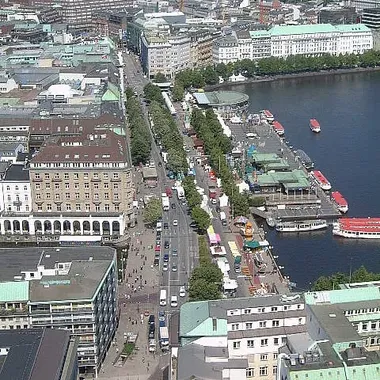
The Jungfernstieg is one of Hamburg's most famous promenades and runs along the Binnenalster. Traditionally, Hamburg families took their unmarried daughters (maidens) for walks here. The neighboring Colonnaden is a historic, columned shopping street with elegant boutiques and cafés. The Binnenalster with its large fountain adjoins the Jungfernstieg. You can take a boat trip across the Alster at the jetty.
The small gallery shows contemporary art.
The Gängeviertel is a historic quarter in the city center that originally consisted of narrow alleyways and small houses. Today it is a cultural center where artists run studios and creative projects take place. It symbolizes resistance to commercial displacement and the preservation of art and cultural spaces. In the evening, you can have a beer in the Yuppiebar (if you don't have a problem with cigarette smoke) or attend public (dance) events in the other rooms. You can have a vegan breakfast or lunch at Café Nasch.
The small store sells taxidermy in various price ranges, e.g. butterflies, stuffed parrots or pickled fish. A visit to the store is a real experience, but you have to ring the bell at the entrance and the owners don't always have time.
You can find out more about the historic city center on a guided tour. The tours start at 11 am in front of the town hall. There are extra tours on the subject of the harbor at 2 pm, which start at the Landungsbrücken. You pay what you think the tour is worth.
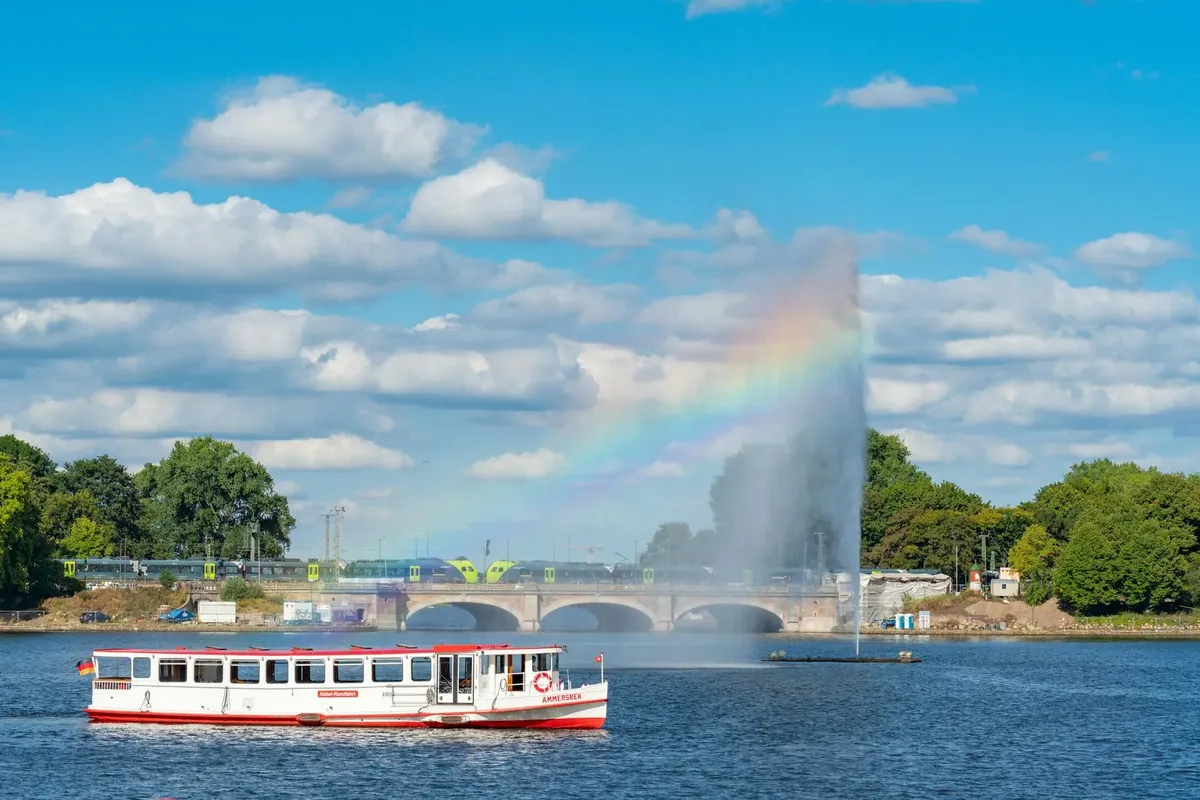
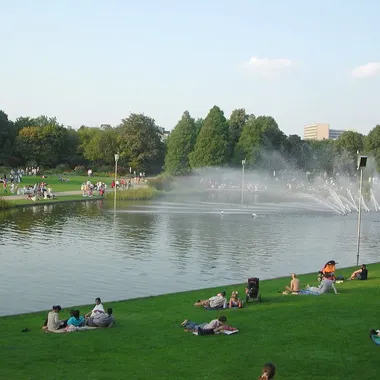
The originally natural river was dammed up in the Middle Ages and today forms an extensive water and recreational area in the middle of the city with the Inner and Outer Alster.
The Outer Alster, in particular, is surrounded by parks, promenades, and upscale residential neighborhoods and is one of Hamburg’s most popular destinations. Among the particularly beautiful neighborhoods around the Outer Alster are Rotherbaum and Harvestehude. These neighborhoods are characterized by elegant historic buildings and villas, quiet tree-lined avenues, and the Alster waterfront, which offers numerous opportunities for strolling and relaxing.
The western Alster shore offers a beautiful panoramic view of the Outer Alster and the surrounding parks and villas. It is a popular spot for walking, jogging, or simply enjoying the view of the water. Many exclusive residences and embassies are located in this coveted area.
It takes about 1.5 hours to walk the entire length of the Alster. Alternatively, you can take a boat ride on an Alster steamboat or a rented boat. In addition to SUPs, pedal boats, and rowboats, you can also rent sailboats if you have the necessary experience.
Dornheim boat rental on the Outer Alster offers rowing boats, pedal boats and canoes for hire. Right next door is the restaurant "Zur Gondel", where you can enjoy a cozy meal and the view of the Alster after a boat tour. Open from April-October.
The Museum am Rothenbaum - Cultures and Arts of the World (MARKK) displays ethnological collections from all over the world in a particularly beautiful building. From African works of art to Asian ceramics, the museum offers insights into the cultural diversity of mankind before globalization and deals intensively with questions of colonial history. Admission is free on Thursday evenings.
Alster cruising is one of the best ways to explore Hamburg from the water. You can take a leisurely cruise along the Outer and Inner Alster on various Alster boats and experience the city from a different perspective. The evening light cruises are particularly popular. You can get on and off at Jungfernstieg, for example.
The SUPPER Club on the Outer Alster offers stand-up paddling (SUP), pedal boats, kayaks and canoes. You can hire boards here and explore the Alster on your own. Afterwards, you can enjoy a drink of Alster water at the bar. The boat rental is open from April to October.
You can hire rowing boats and pedalos at the Stadtparksee in Hamburg. Small snacks are also sold there (even in winter). The boat rental is open from April to October.
SUPs, rowing boats and pedal boats can be hired at the SUP Club. Snacks are also sold there. Courses such as yoga on the SUP are also offered. The boat rental is open from April to October.
You can hire sailing boats here and sail on the Outer Alster. However, sailing on the Alster is considered difficult due to the rapidly changing winds caused by the canyons of houses. After the trip, you can take a break in the Bobby Reich restaurant and enjoy the view. Rowing boats can also be hired.
The AlsterRadler is a comfortable way to explore the Alster. It is a floating bike where you pedal while sitting and enjoying the view of the Alster at the same time. However, normal paddle boats are also available. The boat rental is open from April to October.
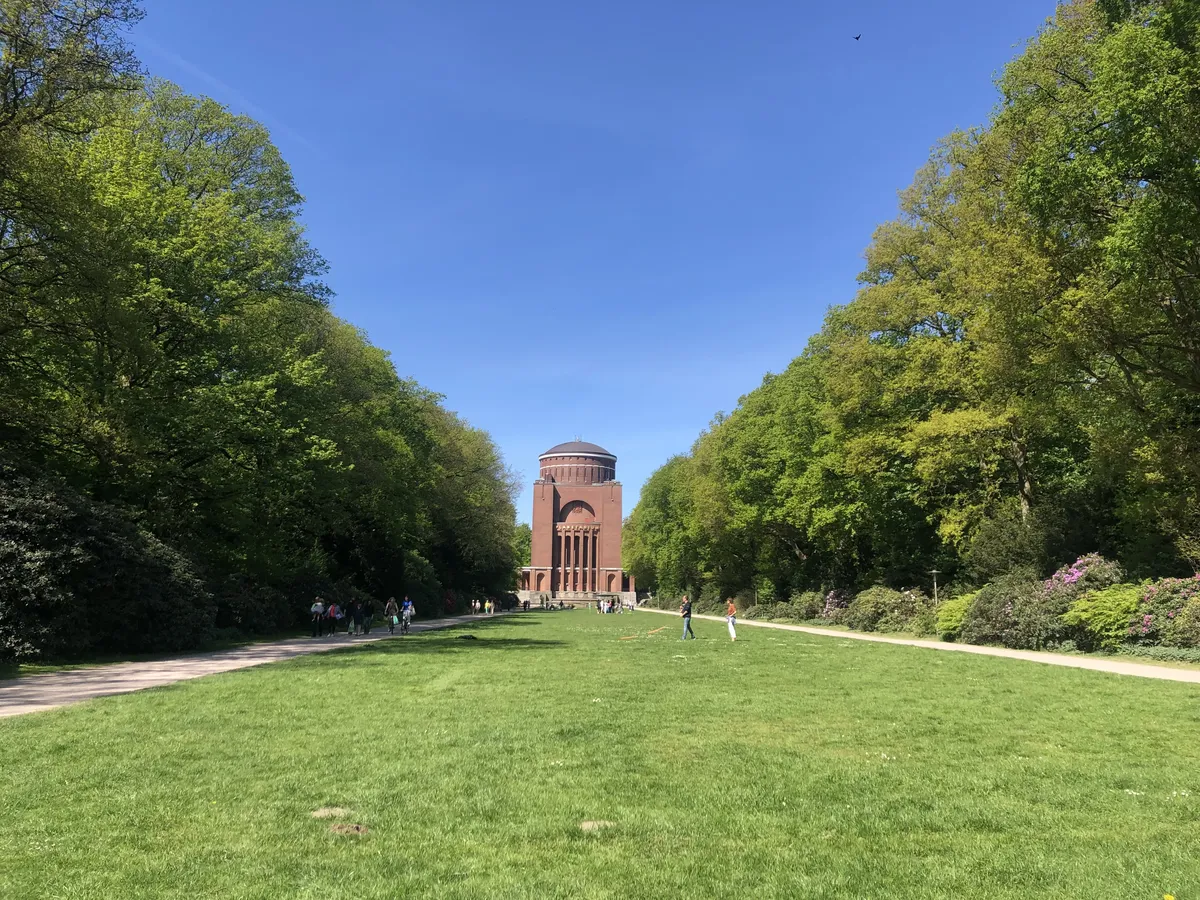
Winterhude and Barmbek are among the characteristic districts in the north of Hamburg and combine green recreational areas with urban life.
Winterhude is a popular residential neighborhood located directly on the Outer Alster and surrounding the sprawling Stadtpark, Hamburg’s largest green space.
The mix of elegant historic buildings and modern residential buildings, along with many cafés, restaurants, and small boutiques, gives the neighborhood an upscale yet relaxed charm. Mühlenkamp, in particular, is a lively street with a wide variety of offerings and serves as a gathering place for residents.
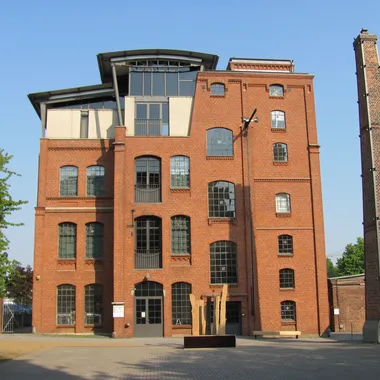
Barmbek, east of Winterhude and the city park, has a more down-to-earth and industrial charm. The neighborhood, built in the 1920s and 1930s, was formerly a working-class district and still houses several historic industrial buildings, such as the Museum of Work. For architecture enthusiasts, Barmbek (and the nearby Dulsberg) offers numerous examples of beautiful Brick Expressionism.
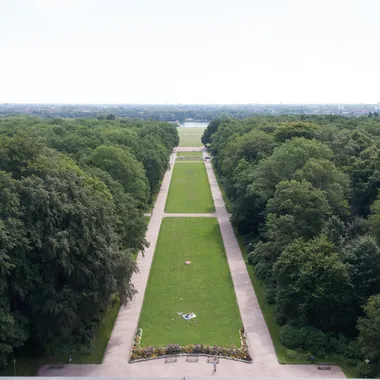
Hamburg City Park is one of the city's largest green spaces and a popular recreational area for locals. In addition to the large festival meadow in front of the planetarium, there are many quiet corners to discover, e.g. the penguin fountain, the rose gardens or the drinking hall. In summer there are often concerts (Stadtpark-Open-Air).
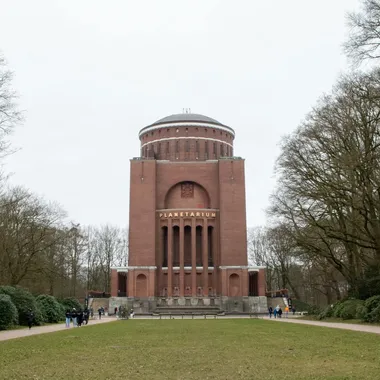
The planetarium in Hamburg's Stadtpark is one of the oldest and most modern star theaters in the world. It offers impressive 3D shows, astronomy demonstrations and musical events under the dome. Visitors can immerse themselves in the fascinating world of stars and planets and discover the secrets of the universe. A visit to the viewing platform is also possible.
The Museum of Work in Barmbek is dedicated to the history of industry and work in Hamburg. It shows how working life in the city has changed over the centuries and how technical developments have influenced people's lives. Interactive exhibitions make the museum particularly exciting for families. In the forecourt of the museum you can see the "drill head" that was used to dig the Elbe tunnel. The museum has its own jetty.
The weekly market on Goldbekufer in Winterhude is particularly known for its fresh, regional produce. Here you can find everything from fresh fruit and vegetables to fish and handmade specialties. The market is not only popular with local residents, but also attracts many visitors from other parts of the city.
In the listed building of the former hospital, you can view a wide variety of works of art made of glass on 1000 square meters.
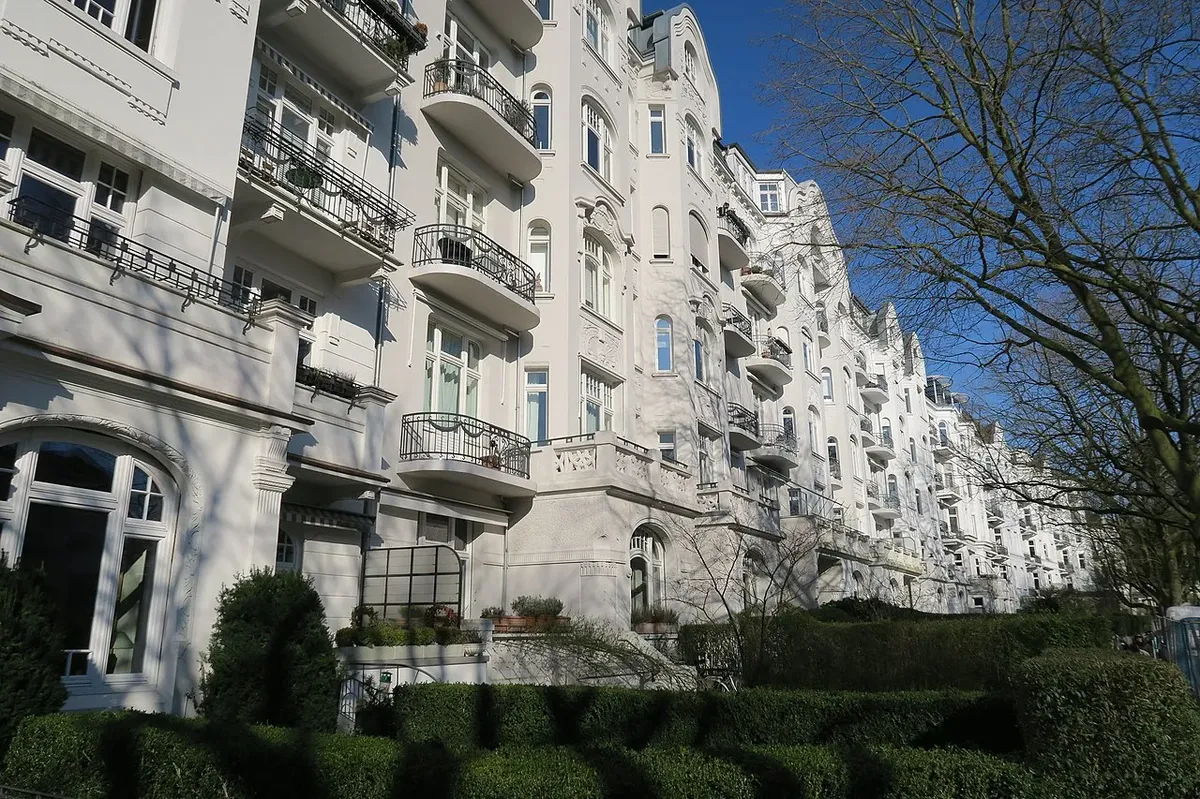
Between canals, old buildings and weekly markets, Eppendorf and Eimsbüttel show a side of Hamburg that is particularly close to life.
Eppendorf is known for its elegant Art Nouveau buildings, idyllic canals, and a quiet, upscale atmosphere.
The neighborhood, one of the oldest in Hamburg, offers numerous cafés, restaurants, and small boutiques, especially along the popular Eppendorfer Landstraße and the Eppendorfer Baum.
Eimsbüttel, located west of Eppendorf, has a laid-back, cosmopolitan character and some beautiful historic buildings. In the small streets around Eimsbütteler Marktplatz and Osterstraße, you’ll find a lively yet relaxed neighborhood vibe. A stroll through the Isemarkt is particularly pleasant. Eimsbüttel is home to the university and Hagenbeck Zoo.
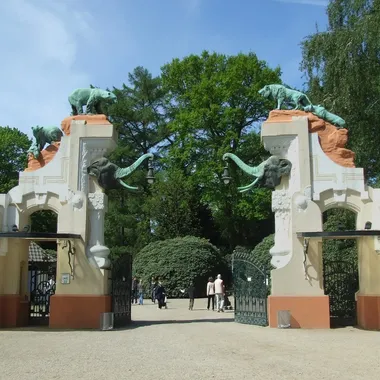
Hagenbeck Zoo is Hamburg's famous zoo and one of the city's most popular attractions. The zoo was founded in 1907 by Carl Hagenbeck and was the first to show animals in open-air enclosures without bars. With its elephants, giraffes, polar bears and many other exotic animals, the zoo delights thousands of visitors every year. Interesting fact: the founder of the zoo organized numerous "Völkerschauen" (folk shows) in which indigenous people and their traditions served as objects of interest. In winter, the park closes at 16:30.
The SchwarzLICHTviertel is a unique indoor experience in Hamburg. Visitors play a game of minigolf in a surreal environment full of bright colors and creative obstacles that really come into their own in the black light. VR experiences can also be booked. A fun activity for young and old. In summer, the golf course closes early on some days.
The Museum of Natural Zoology displays an extensive collection of animal specimens and scientific exhibits. From native animals to exotic species - the museum offers exciting insights into the diversity of the animal kingdom and is a particularly educational experience for families.
The Holthusenbad is a traditional swimming pool in the Eppendorf district. It offers both an indoor pool, a wave pool and a (heated) outdoor pool. The historic building and modern facilities make it one of the most beautiful pools in Hamburg. In addition to swimming pools, there is also a large, stylish sauna area. Swimwear is prohibited here, but a cotton towel may be worn.
The Isemarkt in Hamburg is one of the most popular and longest weekly markets in Europe. It stretches for around 970 meters along Isestraße in the Eppendorf district, directly under the elevated railway bridges between the Eppendorfer Baum and Hoheluftbrücke subway stations. The market takes place every Tuesday and Friday and offers an incomparable selection of fresh food, flowers, regional specialties and artisan products.
The small police museum in Hamburg offers exciting insights into the work of the police. Here, visitors can learn more about famous criminal cases, the work of forensics and the history of the Hamburg police.
The Mineralogical Museum Hamburg is home to an impressive collection of minerals, gemstones and fossils. Although it cannot compete with the Natural History Museum in Berlin, it is well worth a visit if you are in the area.
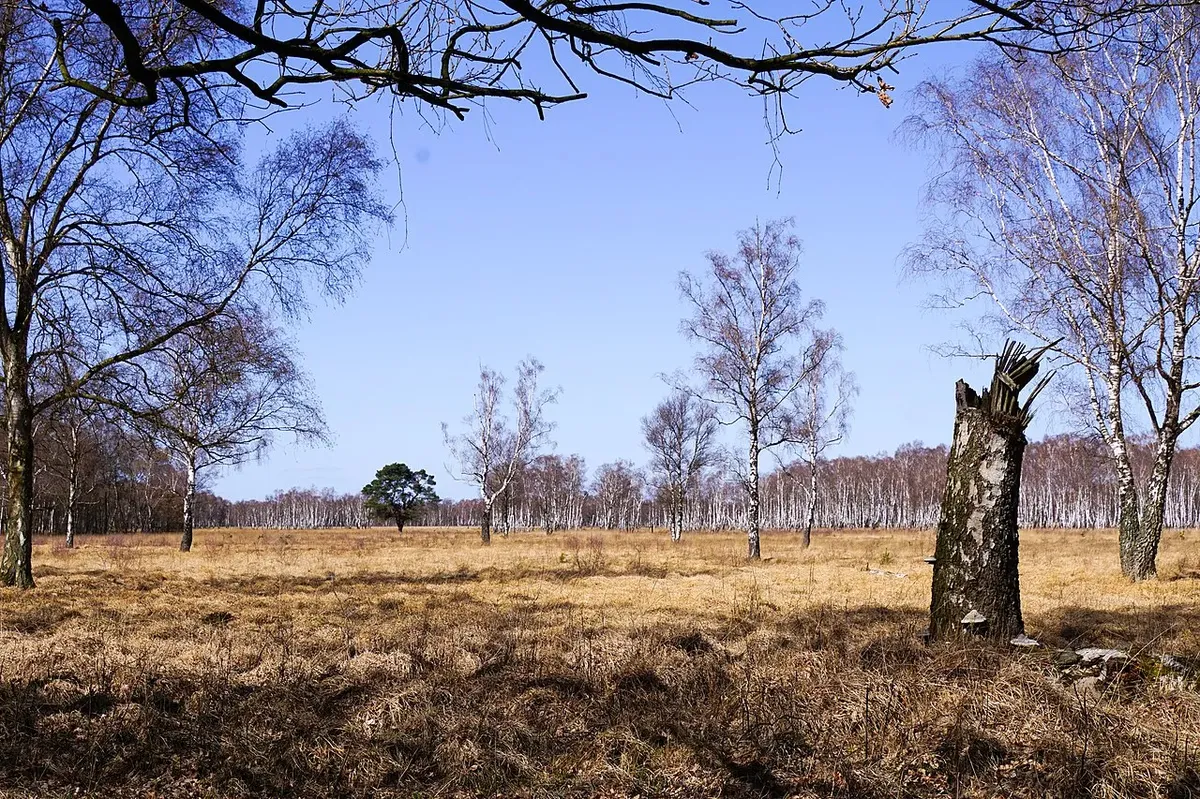
The north-east of Hamburg, with the Alsterwanderweg and the districts of Duvenstedt, Wohldorf and Volksdorf, offers a wonderful combination of nature, rural idyll and charming residential areas
Nature reserves such as Duvenstedter Brook, Wohldorfer Wald, and Rodenbeker Quellental offer great opportunities for day trips.
Parts of the Oberalster can also be explored by paddleboat, or by bike or on foot along the Alster hiking trail.
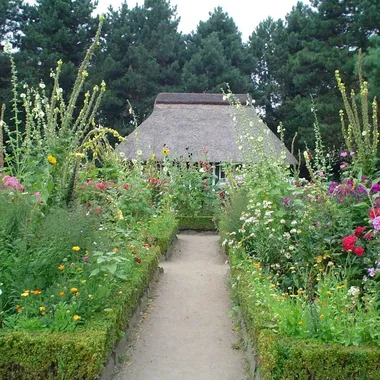
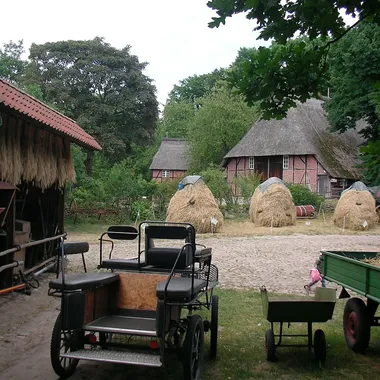
The Volksdorf museum village is an open-air museum that shows rural life in northern Germany in the 19th and 20th centuries. Authentic farmhouses, craft workshops and animals in the fields give visitors a vivid impression of everyday rural life in times gone by. If no special event is taking place, admission is free.
Ohlsdorf Cemetery is the largest park cemetery in the world and a place of peace and contemplation. In addition to its function as a cemetery, it is an impressive park with numerous sculptures, historic graves and a rich variety of flora. The famous mausoleums and monuments make it one of the most important cemeteries in Europe. The many rhododendron bushes bloom there in May.
The Oberalsterlauf and the Alsterwanderweg offer idyllic walks along the Alster in the north of Hamburg. The path leads through varied nature, from forests to open meadows, and is ideal for walkers, cyclists and paddlers. There are many places where you can take a break right by the water or in old thatched-roof houses. While you have to cross a few noisy streets on the lower part of the Alsterwanderweg, you are undisturbed from the Ratsmühle upwards. A cycle tour can also be easily combined with a visit to the Rodenbecker Quellental and Duvenstedter Brook.
The Duvenstedter Brook nature reserve in the north of Hamburg is known for its untouched nature and rich wildlife. Especially in the fall, the red deer attract many visitors during the rutting season. Hiking trails (e.g. the Professor-Moor) lead through the moors, forests and meadows that give the area its special charm. Adults and children can learn more about the local flora and fauna at the free Brook-Hus.
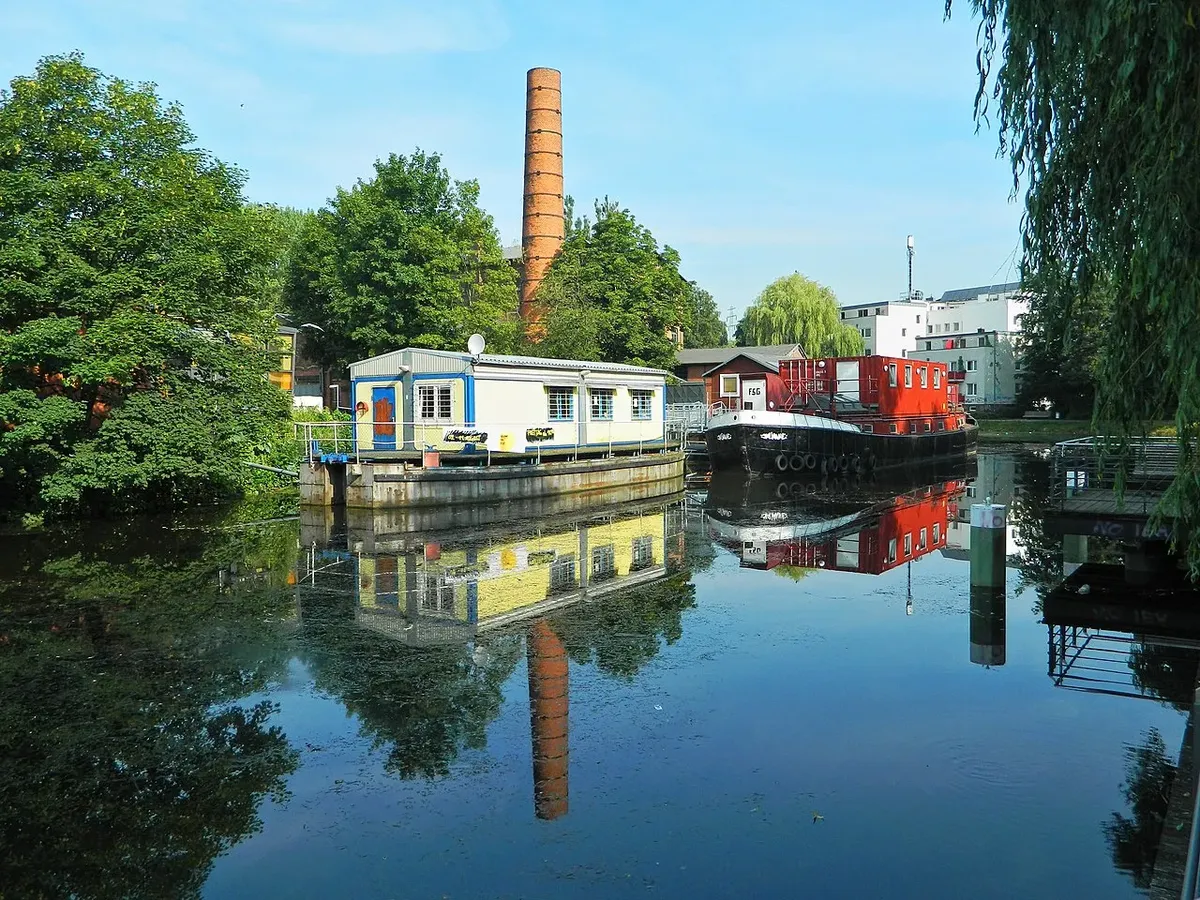
Wilhelmsburg and the eastern Elbe region show a lesser-known but particularly diverse side of Hamburg
Wilhelmsburg is a thriving neighborhood with a multicultural, industrial vibe. It features numerous parks and green spaces, such as Wilhelmsburger Inselpark, which was designed as part of the 2013 International Garden Show (IGS).
East of Wilhelmsburg lies the Marschland, a diked rural area where there is a lot of farming. This area tends to attract people looking for affordable rent and a quiet lifestyle.
However, the Boberg Dunes, the Kaltehofe Elbe Island water feature, and the Neuengamme Concentration Camp offer good reasons to visit this area.
The Vabali Spa in Hamburg is a luxurious wellness oasis on the outskirts of the city. With a large sauna and pool area as well as massages and relaxation offers, it invites you to relax and unwind. The Balinese-inspired architecture creates a feeling of exoticism and tranquillity.
Ballinstadt is a reminder of the time when Hamburg was an important gateway for emigrants to the New World. The museum is dedicated to the stories of the people who left Hamburg for the USA and other countries. Original documents, historical rooms and interactive exhibitions offer an impressive insight into the lives of the emigrants. Between 1820 and 1920, around 5 to 6 million Germans left their homeland, mainly for the USA. Donald Trump's grandfather also left Germany via the port of Hamburg.
The Boberg dunes in the south-east of Hamburg are a unique nature reserve with a rare dune landscape and a beautiful bathing lake. In summer, shepherds with sheep or goats are sometimes out and about there. In the sky, you can often see gliders taking off nearby.
The Neuengamme Concentration Camp Memorial commemorates the victims of National Socialism. The former concentration camp in the south of Hamburg is now a memorial and educational site that deals with the crimes of the Nazi era. Visitors can visit the memorial and take part in guided tours that promote historical awareness.
Between 1940 and 1945, around 100,000 prisoners were imprisoned in Neuengamme and its satellite camps. Around 42,900 of the prisoners died or were murdered there.
Forced labor consisted of producing bricks or ammunition, but medical experiments were also carried out.
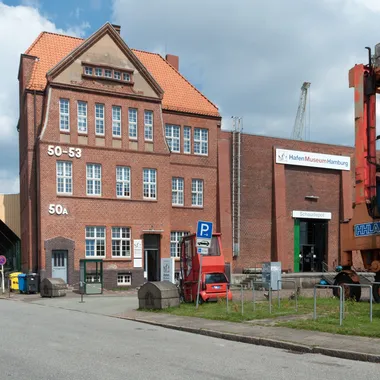
The German Port Museum in shed 50A is dedicated to Hamburg's maritime history. Visitors can marvel at historic ships, cranes and other maritime exhibits that illustrate the importance of the port of Hamburg as a gateway to the world.
The historic Wasserkunst, a former waterworks that supplied Hamburg with clean water for decades, is located on the Elbe island of Kaltehofe. The filtration plant was built after a typhoid epidemic broke out in Hamburg. Today, the site is a nature park and museum that focuses on both the industrial history and nature of the Elbe island. The site closes early in winter.
Next to the DAV climbing center in Lokstedt, the Nordwandhalle is a popular destination for climbing enthusiasts. In summer, the huge glass doors are opened to give you the feeling of climbing outside.
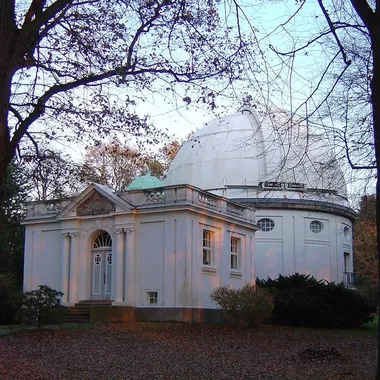
The Hamburg Observatory in Bergedorf is one of the oldest astronomical observatories in Germany. Visitors can view the historic telescopes and learn more about the history of astronomy.
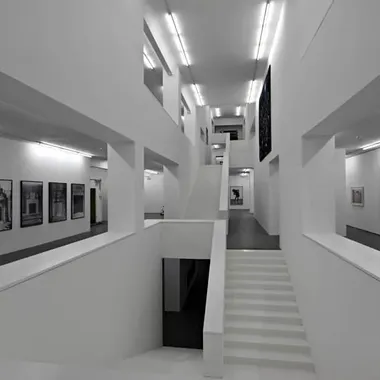
The Falckenberg Collection is one of the most important private art collections in Germany and exhibits contemporary art from various fields. Exhibitions are regularly held in a former industrial building in Harburg, attracting art lovers from all over the world.
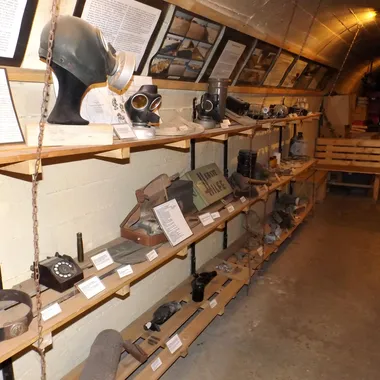
The small Hamburg Bunker Museum is located in an original air raid shelter from the Second World War and is dedicated to the history of the civilian population during the war years. It impressively shows how the people of Hamburg withstood the bombing raids and what role the bunkers played in this.
Start your day in the Speicherstadt, a UNESCO World Heritage Site with its historic warehouses and canals. A highlight is a visit to the free plaza at the Elbphilharmonie, which offers an impressive view of the harbor and the city. At the Landungsbrücken, you can take a harbor tour or, alternatively, stroll along the banks of the Elbe to Övelgönne and the Elbe beach. When your feet get tired, the public ferries on the Elbe offer a relaxing alternative. You can round off the evening with a stroll along the famous Reeperbahn—the side streets and the Schanzenviertel offer numerous restaurants, bars, and pubs.
The second day is all about culture and museums. Particularly popular are Miniatur Wunderland, the Hamburger Kunsthalle, and the International Maritime Museum, where you can easily spend several hours at each. A guided city tour is also a great way to learn more about the historic center or the harbor. In the afternoon, Planten un Blomen Park, with its green spaces and greenhouses, is the perfect place to relax. In the evening, you can sample Hamburg craft beer or catch one of the famous musicals.
On the third day—weather permitting—you might want to explore the Alster canals by paddleboat. If you prefer a more leisurely pace, you can take a boat tour of the Alster instead. From the Winterhuder Fährhaus pier, you can easily reach other attractions such as the Stadtpark with its striking planetarium. There are also many great restaurants and cafés in the area. You can round off the evening with a show at Schmidt Tivoli or—if it’s open—plan a visit to the Hamburger Dom.
Want to get out of the city for a day?
Lüneburg Heath: A bike ride here is especially worthwhile in August, when the heath blooms purple.
Lüneburg: This small town grew wealthy through the Hanseatic League’s salt trade and still boasts particularly beautiful examples of old North German architecture today.
Schwerin: This quiet town and its charming castle are just a 90-minute drive from Hamburg.
Lübeck: The old town of this former Hanseatic city is a UNESCO World Heritage Site and captivates visitors with its idyllic atmosphere.
The Baltic Sea near Travemünde: Travemünde is known for its sandy beach and the beach chairs there. In the summer, however, it can get very crowded, and a visitor’s tax is charged.
The Baltic Sea near Brook/Dassow: Things are much quieter on the beach along the former border with East Germany. The downside, however, is that you can only get there by car, and the beach is partly rocky. The Outpost One museum is located in Dassow—a must-see for all Star Wars fans.
Friedrichskoog Seal Sanctuary: Animal lovers can take a drive to Friedrichskoog to see how harbor seals and gray seals are cared for. Other exhibits offer insights into the animals and their habitat, the Wadden Sea.
Altes Land: The region south of the Elbe River is Europe’s largest apple-growing region. In addition to the orchards, there are also many old thatched-roof houses to see. It is a particularly popular destination during apple blossom season in April and May.
Bremen: Like Hamburg, Bremen was also a Hanseatic city and gained influence and wealth through its port. In addition to the Old Town (part of which is a UNESCO World Heritage Site), the Schnoor district is also worth seeing. In December, be sure to visit the Schlachte-Zauber, a medieval Christmas market. It takes about an hour to get there by train from Hamburg.
The Mecklenburg Lake District: This is home to Germany's most beautiful paddling area.
Berlin: Although Berlin is nearly 300 km away, thanks to the excellent train service, the trip on the ICE takes only 1 1/2 hours (provided there is no track construction in progress).
Heligoland: You can take a high-speed ferry from Hamburg to this offshore island to watch seals and birds or shop tax-free. Heligoland is more popular with older people.
Sylt: This North Sea island is Germany’s northernmost point and, despite the rather cool temperatures and brisk winds, is very popular with the “high society.” In addition to the beautiful beaches and dunes, there are also many thatched-roof houses to admire. The trip from Hamburg Altona Station to Sylt takes 3 hours.
Denmark: You can reach Copenhagen in about 5 hours by ICE. Flixtrain also offers night trains. If you’re not in the mood for city life, you can drive to the mainland and then take the ferry to Ærø, a cozy island in the Danish South Sea.

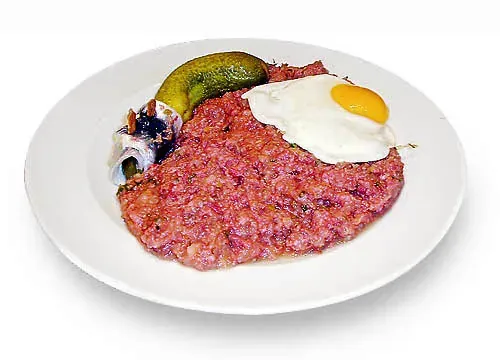
In the past, people in this North German city by the water ate a lot of fish, and typical dishes like eel soup, Labskaus (beets, herring, mashed potatoes, and a fried egg), and Finkenwerder plaice were hallmarks of Hamburg cuisine. Since Hamburg has since become an international metropolis, you’ll usually get more flavor for less money if you stick to international cuisine.
For those who still want to try something typically Hamburg-style, we recommend the cinnamon-flavored pastry “Franzbrötchen.” This is sold in most bakeries. Fish sandwiches, for example with fried herring or North Sea crab, are also very popular. You can get fish sandwiches, for example, at the Elbe beach (Nuggi’s Elbkate), at the Altona Fish Market (e.g., Atlantik Fisch & BistrOceaN), or on the Reeperbahn (Kleine Haie Große Fische). If you prefer something a bit more upscale, you can also enjoy lobster at Hummer Pedersen.
In addition to Astra, there are numerous other breweries in Hamburg. Recently, a wide range of craft beers has become available, which you can sample at shops like Braustättchen at the Fischmarkt or Beyond Beer in the Schanze. If you prefer a more laid-back atmosphere, try one of the following bars: Oorlam Bar, Baby Goat Bar, Malto Bar.
Another Hamburg innovation is the “Mexikaner”: a mixture of tomato juice, Tabasco, and Korn, served as a shot.
Fritz Cola and other soft drinks from Fritz are also known beyond Hamburg’s borders.
Hamburg has plenty of great bars and restaurants. However, places with nice outdoor seating areas are rare. Here are a few of them:
StrandPauli: This beach club, located right on the Elbe River, caters to a young crowd and offers a great view of the harbor. While it serves cocktails and grilled dishes in the summer, you can order fondue or mulled wine in the winter.
Ti Breizh - House of Brittany: This restaurant next to the Speicherstadt offers crepes in all kinds of variations. In the summer, you can dine on the small dock right on the Nikolaifleet.
Strandperle: Here, too, you can enjoy the view of the Elbe with your feet in the sand. The restaurant is located right on the Elbe beach.
Alsterperle: A tiny beer garden on the east side of the Alster with a perfect view of the water.
Landhaus Walter: A restaurant in the city park with a lovely outdoor seating area and rustic cuisine.
Sierich's Beer Garden: A simple beer garden in the city park, right next to the city park swimming pool.
Trinkhalle: The most beautiful spot in Hamburg’s City Park, primarily used for private events, but open to the public on Sundays.
Quellenhof Inn: Home-style cooking in northern Hamburg, with a barn and rabbits for the kids.
Altes Mädchen: A brewery with an outdoor seating area right in the heart of Schanze.
Café Schöne Aussichten: Located in Planten un Blomen Park, with dance events in the evenings on weekends.
Schrödingers: A cultural center on the edge of the Schanze neighborhood, featuring a variety of events and a green outdoor area, part of which is used for private events.
In addition to ships in bottles and textiles featuring anchors, here are a few more ideas for souvenirs to bring back from Hamburg:
Craft Beer: At Beyond Beer near Sternschanze, you can choose from over 600 different beers. Instead of craft beer, most supermarkets also carry Astra’s Hamburg beer. The brewery has gained national recognition thanks to its humorous marketing and even sells men’s handbags (six-packs).
Vinyl records: St. Pauli is the district with the highest concentration of record stores in Germany. Perfect as a souvenir.
Ceramics by Searamica: I always enjoy visiting the shops in Schanze and St. Pauli.
Boutique Bizarre: The largest and most unique sex shop on the Reeperbahn.
From the Speicherstadt: coffee, tea, or spices from museums or shops.
Elbstolz: Featuring anchors or "Moin" prints, available in Ottensen.
Red Gallery Hamburg: Fossils as home decor, near Mönckebergstraße.
Wildhagen Hamburg: Taxidermy specimens such as butterflies or preserved fish.
FC St. Pauli Merch: Jerseys, apparel, and other FC St. Pauli merchandise on the Reeperbahn.
Museum shop: Art gallery or Museum of Arts and Crafts—a great alternative to large shopping malls.
Shopping districts: Sternschanze, Karo-Viertel, and Mönckebergstraße offer great shopping opportunities.
Hamburg is a musical and theater hub. From glamorous musicals at the harbor to intimate cabaret shows on the Reeperbahn—there’s something for every taste here.
The stage adaptation of *Harry Potter and the Cursed Child* is being performed at the Mehr! Theater am Großmarkt. This lavish production transports audiences into the magical world of Hogwarts and is an absolute must-see for fans. Visit the website
The Stage Theater regularly presents major musical productions such as *The Lion King* and *Frozen*. Venues: Neue Flora in Altona-Nord, Stage Theater an der Elbe, and Operettenhaus near the Reeperbahn. Visit the website
Known for musicals, cabaret, and shows on the Reeperbahn. A historic theater with a relaxed, humorous atmosphere. Visit the website
The Hansa Theater features variety shows, circus acts, jugglers, acrobats, and cabaret. Historic atmosphere, near the main train station. Visit the website
A unique theater ship in the Port of Hamburg. Humorous and dramatic plays set against a maritime backdrop. Visit the website
Private theater on Spielbudenplatz, featuring a diverse lineup of comedies, dramas, and musicals. Visit the website
An intimate theater on the Reeperbahn, known for its gripping crime drama productions. Visit the website
Hamburg is also a hub for classical music—especially since the Elbphilharmonie opened. Incidentally, plans are already underway for a new opera house near HafenCity.
The “Elphi” attracts visitors with its futuristic design and first-class acoustics. Concerts featuring international orchestras, conductors, and soloists are held here regularly.
The Laeiszhalle in Hamburg is one of Germany’s most significant and oldest concert halls, renowned for its first-class acoustics and magnificent architecture. Opened in 1908, the hall was financed by Carl Heinrich Laeisz, a Hamburg shipowner and patron of the arts, and originally served as one of Europe’s most modern music venues. The imposing Neo-Baroque building is located on Johannes-Brahms-Platz in the center of Hamburg and hosts classical concerts, jazz evenings, and other musical events. The Hamburg Symphony Orchestra and the NDR Elbphilharmonie Orchestra still use the Laeiszhalle as a regular venue today.
The university is an important center for emerging musical talent and regularly hosts public concerts and performances. The university’s venues, such as the Mendelssohn Hall, host both classical recitals and orchestral and chamber music concerts, often featuring talented students and guest lecturers.
The Michel, Hamburg’s most famous church, is not only a landmark but also an outstanding concert venue. The church regularly hosts classical organ concerts and choral performances. Particularly impressive is the grand organ, which ranks among the best in Germany. During Advent, the Christmas concerts at the Michel are especially popular.
This historic church in the Speicherstadt regularly hosts classical music concerts, often with a focus on Baroque and sacred music. The restored Schnitger organ is a highlight of the church and attracts numerous organists from around the world.
While the Reeperbahn is bustling with drunk revelers and bachelor parties at night, most of the interesting clubs have now moved to more out-of-the-way locations. You can find the latest events and parties on Resident Advisor or Ohschonhell.
Golden Pudel Club
An alternative club right on the harbor, known for experimental electronic music and a unique atmosphere.
Bad & Dangerous
Located in the bunker on Feldstraße, featuring techno, electro, and indie parties.
Mojo Club
A cult club specializing in funk, soul, and jazz in a modern setting.
PAL
Techno club for fans of underground electronic music.
Fundbureau
A small club near the main train station with a diverse electronic music lineup.
Barbarabar
A tiny club near the Reeperbahn, often with no cover charge.
Hafenklang
Alternative music club for punk, indie, and rock concerts.
Südpol
A large club with an outdoor area, known for techno, queer, and kinky parties.
Birdland
A jazz club in Eimsbüttel for lovers of classic jazz sessions.
Gängeviertel
A cultural hub featuring events ranging from techno and punk to world music.
The St. Georg neighborhood around Lange Reihe is known as the center of Hamburg’s LGBTIQ community. On the other hand, Steindamm and Hansaplatz are home to many rough characters who like to harass others. Lange Reihe is lined with many cafés, bars, and bookstores that are welcoming to queer people. Café Gnosa, one of the oldest LGBTIQ meeting spots, is also located here. Other popular spots include the Bellini Bar and Club 136°. Hamburg also celebrates Christopher Street Day once a year. Clubs like the Südpol and the Gängeviertel host queer parties on an irregular basis. Up-to-date information on events can be found on Gay-Party.de and Gay-Location.de.
Sports enthusiasts will find plenty to enjoy in Hamburg. The city is known for its numerous sporting events, including the annual Hamburg Marathon, which attracts thousands of runners from all over the world. HSV, one of Germany’s most historic soccer clubs, plays its home games at the Volksparkstadion and has its own club museum. FC St. Pauli is also well-known far beyond Hamburg and draws fans with its unique, cult-like following as well as a museum at the Millerntorstadion.
Thanks to its location on the Elbe River and near the North and Baltic Seas, Hamburg has a vibrant sailing and water sports scene. The Hamburg Triathlon is one of the largest triathlon events in the world and attracts both professional and amateur athletes.
For visitors who want to experience sports in a more relaxed way, the Alster offers numerous options: pedal boat and canoe tours, stand-up paddleboarding, or leisurely sailing trips on the inland waterway. Along the Alster promenades, jogging trails, bike paths, and green spaces invite you to enjoy active recreation. Parks such as Stadtpark or Planten un Blomen offer additional opportunities for outdoor fitness, yoga, or picnics after exercising.
You can find out about current events on the City of Hamburg’s website.
Here are also the biggest annual events in Hamburg:
The Hamburg Dom is the largest folk festival in Northern Germany and takes place three times a year at Heiligengeistfeld—in spring, summer, and winter. With its numerous rides, game booths, and food stands, the Dom attracts millions of visitors. A special highlight is the fireworks display that lights up the sky over Hamburg every Friday. On Wednesdays, all prices are reduced.
The Port Anniversary is celebrated annually in May to mark the founding of the Port of Hamburg and is one of the largest maritime festivals in the world. With ships from all over the world, parades on the Elbe, open-air concerts, and numerous stalls along the Landungsbrücken, this event offers a unique blend of maritime tradition and festive atmosphere.
MS Artville is the artistic pre-program for the Dockville Festival and transforms the grounds in Wilhelmsburg into an open-air art gallery. Here, large-scale installations, sculptures, and performances are presented, often addressing social issues. Visitors can experience art up close and engage in dialogue with the artists.
The MS Dockville is one of Germany’s most famous music and art festivals and takes place every August in the Wilhelmsburg district of Hamburg. In addition to a top-notch lineup featuring indie, electronic, and hip-hop acts, the festival offers a creative arts program with installations and performances. The unique setting right on the Elbe River makes Dockville a special experience.
The Reeperbahn Festival in September is Europe’s largest club festival and attracts music lovers with a wide range of genres. Both international stars and up-and-coming artists perform on the legendary Reeperbahn and in surrounding clubs and bars. In addition to concerts, there is an extensive program featuring art, film, and conferences for the music industry. Unlike other festivals, there is no camping here; instead, the festival ticket grants access to various clubs.
The Spektrum Festival focuses on hip-hop and urban music and takes place in the Port of Hamburg. With a mix of established rappers, newcomers, and DJs, the festival offers a diverse lineup for fans of hip-hop, trap, grime, and related genres. The intimate atmosphere and urban setting make Spektrum a special highlight for music fans.
The Elbjazz Festival brings the best jazz musicians to Hamburg in June and fills the Elbe with music. The concerts take place in unusual venues such as shipyards, ships, and the Elbphilharmonie. It is a unique experience for jazz fans to enjoy music on the banks of the Hamburg harbor.
In the summer, Hamburg’s Stadtpark transforms into one of the city’s most beautiful open-air venues. International and national artists perform here under the open sky, while visitors enjoy the relaxed atmosphere surrounded by greenery.
The Wutzrock Festival is a free, alternative music festival held at Eichbaumsee in Hamburg. With a diverse mix of rock, punk, reggae, and hip-hop, it attracts thousands of visitors every year. In addition to music, political issues and social activism are central to the festival. Camping is also available on the festival grounds.
The many Christmas markets, such as the historic market in front of City Hall, the “Santa Pauli” Christmas market on the Reeperbahn, or the arts-and-crafts market on Jungfernstieg, offer mulled wine, pastries, and handmade gifts. Each market has its own charm and special atmosphere. My favorite is the Christmas market in Altona.
Hamburg offers fantastic spots to watch the New Year’s Eve fireworks. The Landungsbrücken are particularly popular, where thousands of people gather to watch the fireworks over the harbor. Those who prefer a quieter atmosphere can walk through the Elbe Tunnel to Steinwerder or watch the spectacle from the Dockland building with its striking architecture. Hamburg’s highest “hill,” the Müllberg in Hummelsbüttel, also offers great views. However, the Landungsbrücken and the Müllberg can get crowded and dangerous when fireworks are set off in all directions.
Overall, Hamburg is a safe city. However, as in any major city, there are areas where extra caution is advised. The main train station and its immediate surroundings are very busy and are known as a gathering place for homeless people and drug users. There is also a large counseling center for people with addictions nearby, which attracts a corresponding clientele. While this usually does not pose a direct threat, visitors should still keep an eye on their valuables and carefully avoid unpleasant situations.
In the Reeperbahn area, verbal altercations or physical confrontations can occur at night, especially when people have been drinking heavily. Here, too, it’s important to stay alert and avoid conflicts whenever possible.
When out on the streets, pedestrians should pay special attention to bike lanes to avoid conflicts or accidents. Car traffic should not be underestimated either—statistically speaking, Hamburg has the highest number of traffic accidents per capita in Germany.
In the 9th century, Hammaburg was built on the ruins of an older fortification. During this early period, there were repeated clashes with Vikings, who destroyed the castle on several occasions. In the 12th century, a port developed on the Elbe, and in 1189, Emperor Frederick Barbarossa granted Hamburg the privilege of being a free imperial city. This meant the city was not subject to any principality and was permitted to enact its own laws and levy its own customs duties and taxes. This year is considered Hamburg’s official founding year and is still celebrated today with the Port Anniversary.
Hamburg became part of the powerful Hanseatic League, whose goal was to protect and promote trade. The city developed into an important hub for goods such as grain, timber, furs, and metal. The current license plate code HH still stands for the Hanseatic City of Hamburg.
After the discovery of America, Hamburg rose to become one of Europe’s most important ports. Colonial goods such as tea, cocoa, and spices were imported, and millions of emigrants left Europe via the Port of Hamburg bound for America. In 1842, the Great Fire destroyed about two-thirds of the city, including City Hall and the Stock Exchange. In 1892, Hamburg experienced Germany’s last major cholera outbreak, triggered by contaminated drinking water and poor sanitary conditions. Over 8,000 people died, prompting extensive infrastructure improvements such as modern filtration systems.
Under the Greater Hamburg Act of 1938, previously independent cities such as Altona, Wandsbek, and Harburg were incorporated into Hamburg. The city’s population grew to around 1.7 million. Due to its shipbuilding and aircraft industries, the city was a key target during World War II. Approximately 55% of the city was destroyed. Operation Gomorrah was particularly devastating; in the Hammerbrook district alone, around 30,000 people died in a single night. After the war ended, the population dropped to about 800,000.
Since the 1990s, Hamburg has been experiencing strong growth again, driven in particular by immigration. South of the Speicherstadt, HafenCity is emerging as one of Europe’s largest inner-city development projects. To this day, Hamburg continues to combine its maritime identity with modern economic sectors such as logistics, media, and aviation.
Among the city’s challenges are a high cost of living and a tight housing market. At the same time, Hamburg is committed to sustainable urban development, the expansion of public transportation, and climate protection measures such as storm surge protection and green infrastructure. Also noteworthy is the high proportion of nature reserves, which is unique in Germany.
Hamburg is a modern city with excellent public transportation connections. The public transportation network is exceptionally well-developed: With subways, trains, buses, and ferries, you can reach almost any destination quickly and easily, including the airport. On weekends, many subway and commuter rail lines run all night. The Hamburg Transport Association (HVV) offers affordable one-day and multi-day passes that are particularly worthwhile for tourists, such as the Hamburg Card. The Elbe ferries are also part of the HVV network and can be used with regular tickets. You can also book services like e-scooters and MOIA via the hvv switch app.
If you want to explore Hamburg in an eco-friendly way, you can use the well-developed city bike-sharing system and rent bikes at many stations throughout the city. For more athletic tours, the Harburg Hills offer several freely accessible mountain bike trails. The banks of the Elbe heading west are particularly popular for leisurely bike rides: From the Speicherstadt, you can ride along the water almost without interruption all the way to the city limits.
For visitors arriving by car, there are numerous park-and-ride facilities available. This allows you to conveniently park your car on the outskirts of the city and reach the city center by public transportation. Those traveling in a camper can stay overnight in Hamburg, for example, right at the fish market. However, during high tide or while the Sunday fish market is in session, an alternative parking spot is required.
Hamburg Airport is located very close to the city and has excellent S-Bahn connections. If you’re traveling by S-Bahn, please note that some trains split up along the way, and only certain cars actually go all the way to the airport.
In addition to traditional taxis, Hamburg offers the ride-sharing service MOIA. This service consists of electric shuttle buses that transport passengers together on flexible routes. Bookings are made via an app, where an algorithm groups similar routes together to ensure efficient and eco-friendly travel. Uber is not permitted in Hamburg.