Darß
Watch the majestic cranes during their migration in the fall and spring in the vast wetlands of northern Germany.
Population: 1,612,000
Together with Bavaria, Mecklenburg-Vorpommern (McPom) is one of the most popular travel destinations for Germans. The region impresses with its location on the Baltic Sea: instead of the Wadden Sea, there are impressive chalk cliffs, steep coasts and long, fine sandy beaches
Wellness hotels and the fresh, salty sea air offer ideal conditions for relaxation and good health. In addition to the coast, McPom boasts numerous picturesque lake regions, including the Mecklenburg Lake District, known as the “Land of 1,000 Lakes.” Historic old towns such as Stralsund, Wismar, and Schwerin also attract culture enthusiasts.
Watch the majestic cranes during their migration in the fall and spring in the vast wetlands of northern Germany.
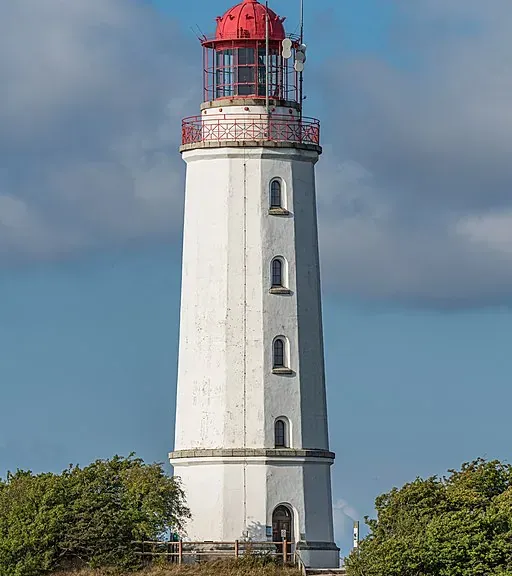
Relax on the car-free island of Hiddensee, take long walks on the beach and visit the Dornbusch lighthouse.
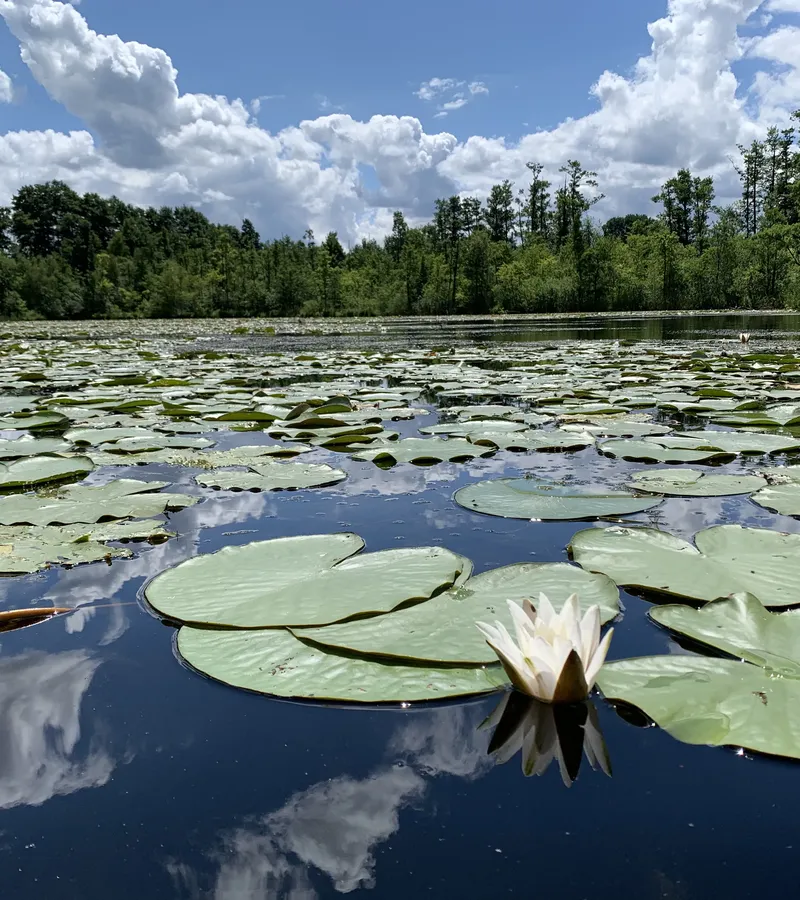
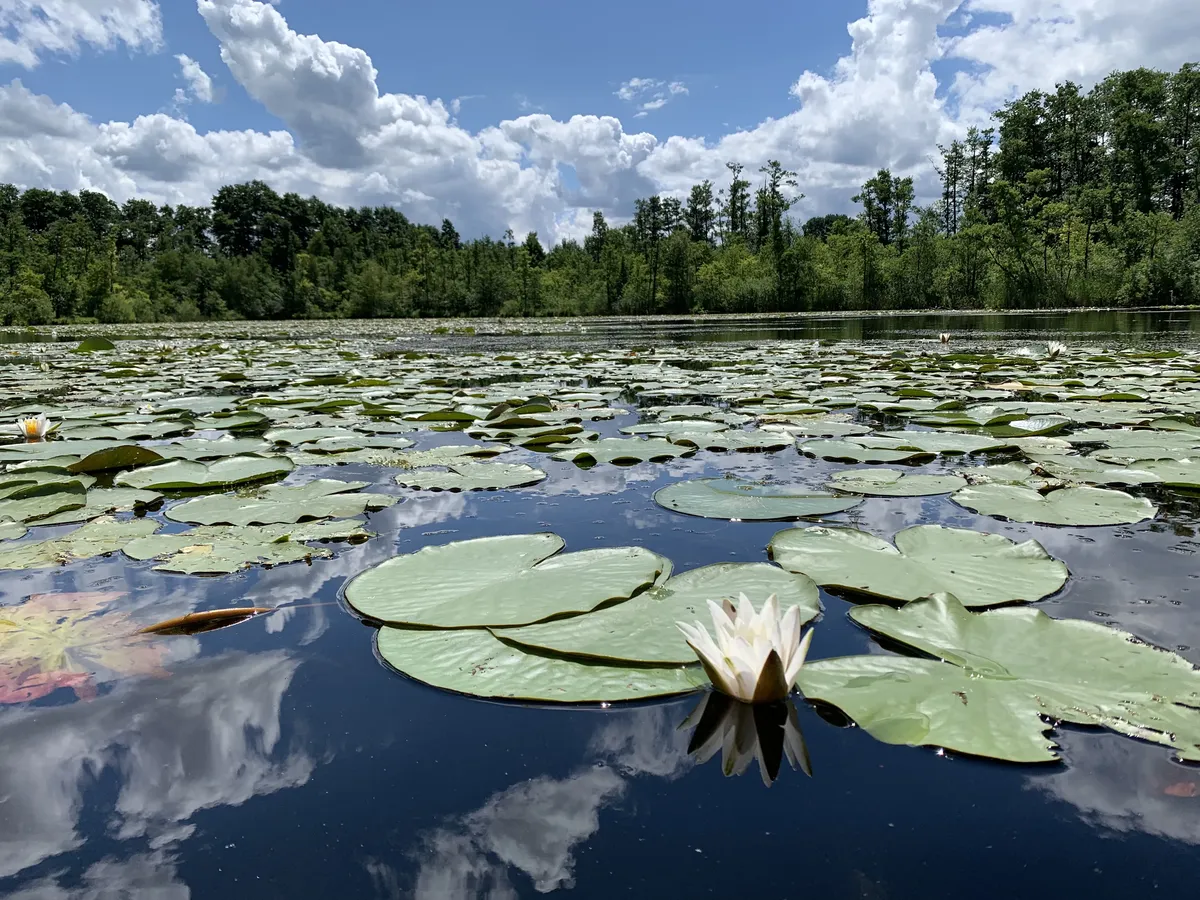
Explore the countless lakes and rivers by canoe and enjoy the untouched nature.

Visit an impressive science fiction museum in Dassow, which specializes in "Star Wars".
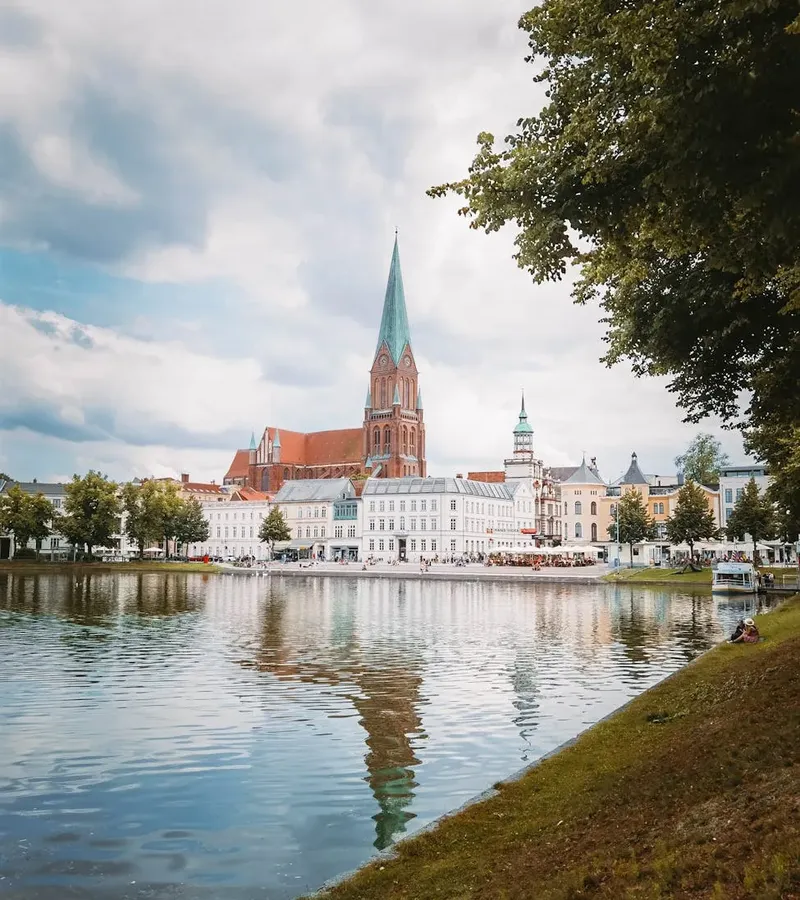
In addition to the UNESCO World Heritage Site Schwerin Castle, you can visit the beautiful old town and enjoy the view of Lake Schwerin.
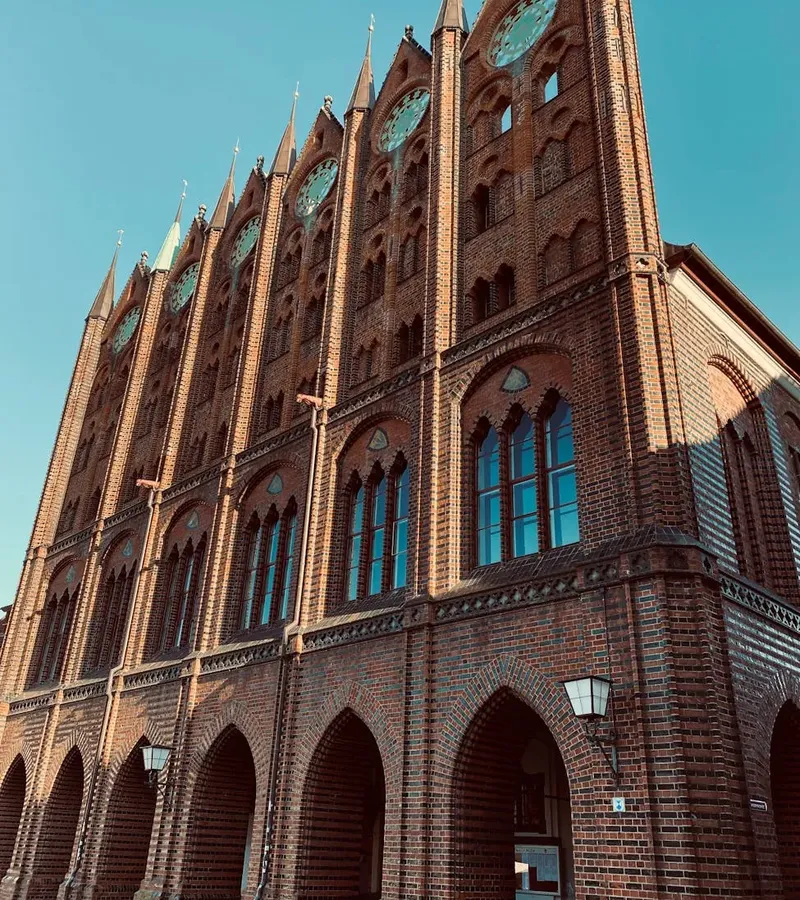
The city off the coast of Rügen boasts a UNESCO World Heritage-listed old town with brick Gothic architecture and the fascinating Ozeaneum.
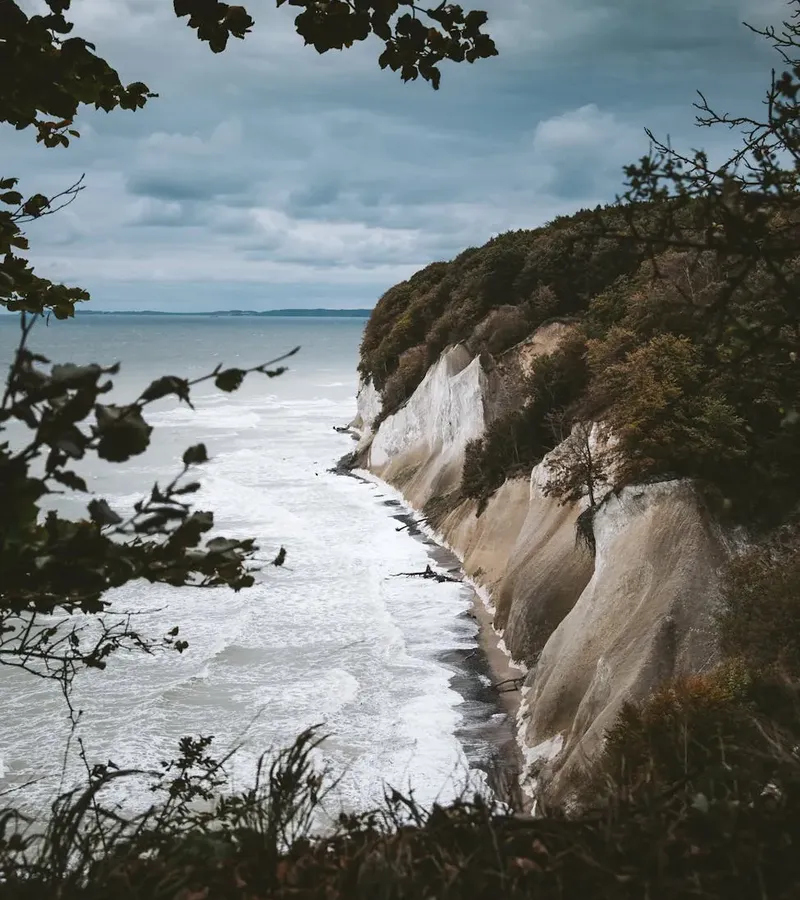
Germany's largest island is known for its white chalk cliffs, seaside resorts and beautiful beaches.
Watch the majestic cranes during their migration in the fall and spring in the vast wetlands of northern Germany.
Relax on the car-free island of Hiddensee, take long walks on the beach and visit the Dornbusch lighthouse.
Explore the countless lakes and rivers by canoe and enjoy the untouched nature.
Visit an impressive science fiction museum in Dassow, which specializes in "Star Wars".
In addition to the UNESCO World Heritage Site Schwerin Castle, you can visit the beautiful old town and enjoy the view of Lake Schwerin.
The city off the coast of Rügen boasts a UNESCO World Heritage-listed old town with brick Gothic architecture and the fascinating Ozeaneum.
Germany's largest island is known for its white chalk cliffs, seaside resorts and beautiful beaches.
122 sights
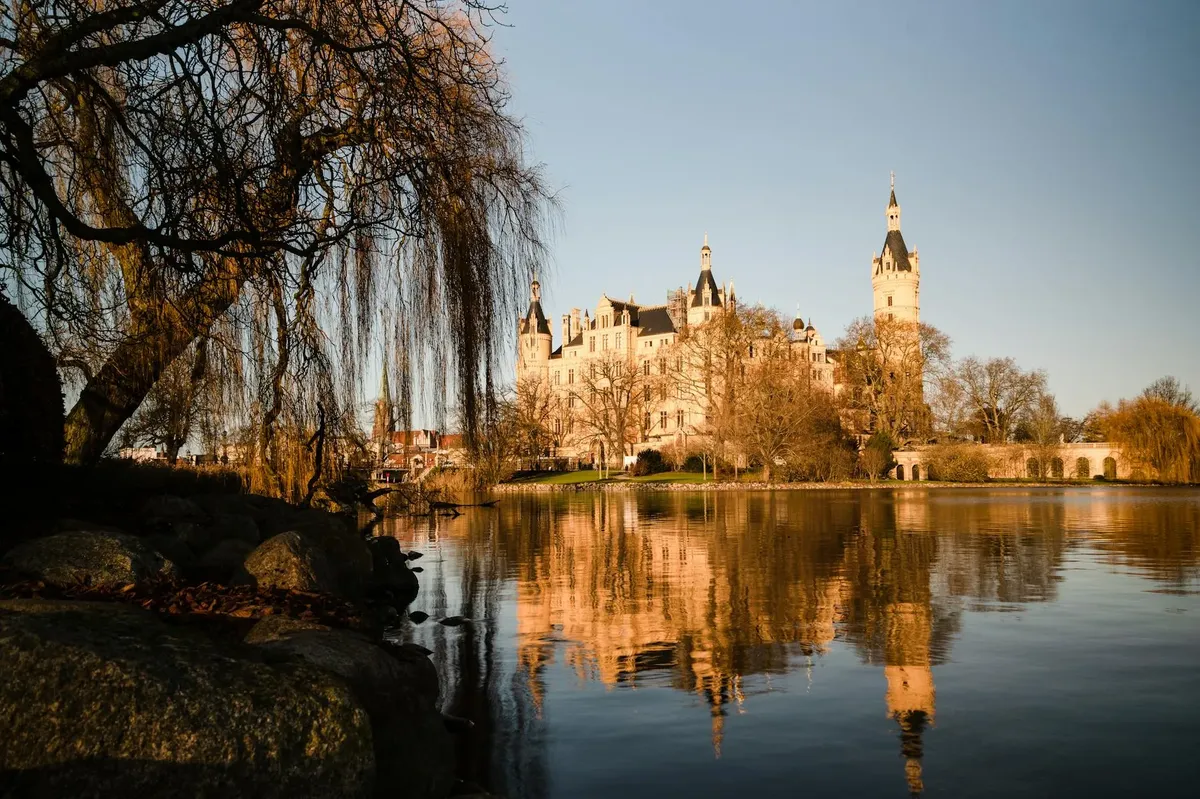
Schwerin, the state capital of Mecklenburg-Vorpommern, delights visitors with its unique blend of historical elegance and natural surroundings
The city is surrounded by numerous lakes and has a peaceful, almost fairy-tale-like atmosphere.
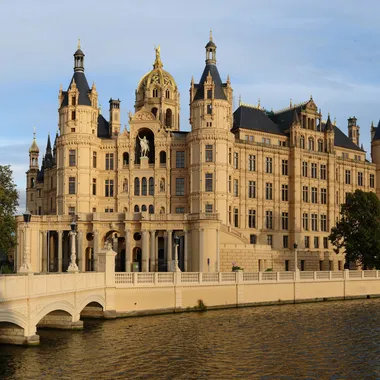
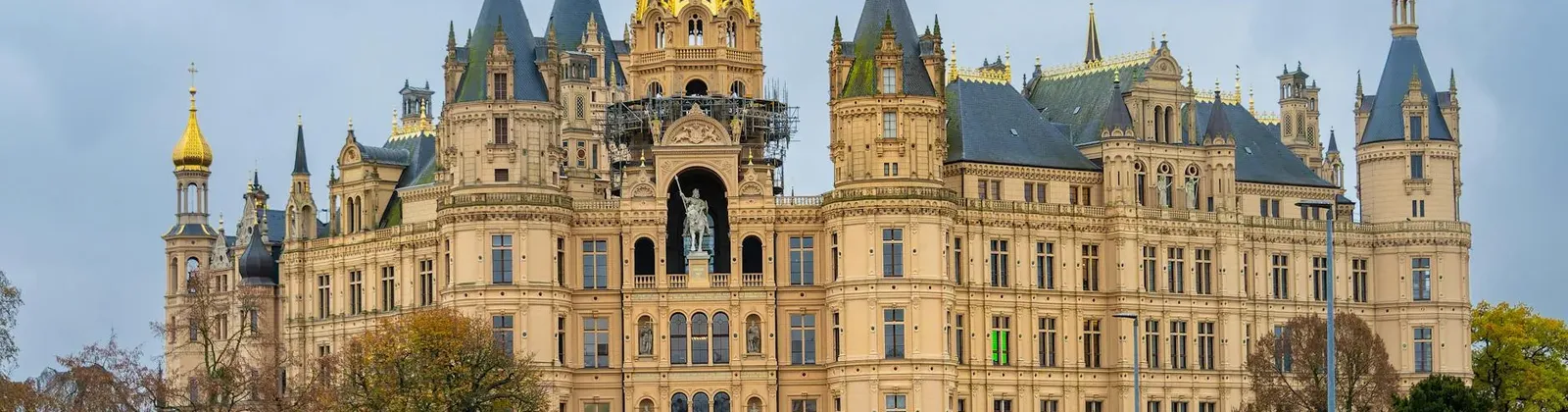
The city’s landmark is Schwerin Castle, which sits on an island in Lake Schwerin and, with its towers and golden domes, ranks among the most beautiful castles in Germany. Inside, it houses not only a museum but also the state parliament.
In the lovingly restored Old Town, winding alleys, cafés, and the imposing Schwerin Cathedral invite you to stroll and linger.
Schwerin Castle and Palace Garden
The fairytale-like Schwerin Castle, picturesquely situated on an island in Lake Schwerin, is the city's landmark. Today it houses the state parliament and a museum. While the museum displays the magnificent original interiors, the rooms of the state parliament are kept very simple (a fire destroyed the original furnishings). The extensive free castle park with its historic gardens and enchanted paths is perfect for a stroll. You can take a break in the orangery in the castle garden. The Franzosenweg, a street with enchanting villas by the water, begins right next to the castle park. The grinding mill is also just a stone's throw away.
Schwerin Zoo
Schwerin Zoo delights visitors with its extensive enclosures and over 1,800 animals from all over the world. The natural enclosures and the newly designed "Humboldt Penguin Land" in particular make a visit a highlight for young and old alike.
Wiligrad Palace
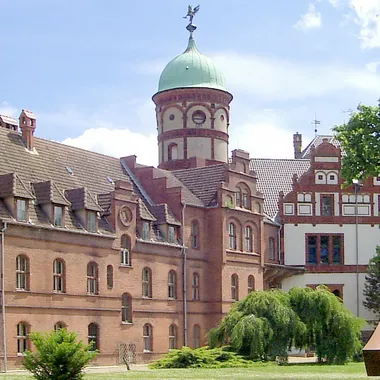
Wiligrad Castle is an impressive manor house near Schwerin that was built in the 19th century. It is picturesquely situated on the shores of Lake Schwerin and is surrounded by an extensive park.
The castle is built in the neo-Gothic style and impresses with its striking façade, towers and bay windows. The interiors are richly decorated and reflect the historical charm of times gone by. A visit can easily be combined with a cycle tour around Schwerin's outer lake. The Klein Trebbow manor house is also located nearby, but is empty and not accessible.
Pfaffenteich and City Center
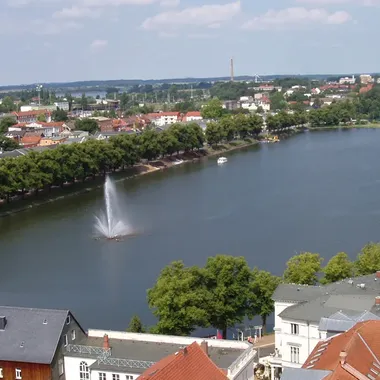
The Pfaffenteich is an idyllic oasis in the heart of Schwerin. Surrounded by historic buildings, the large city pond invites you to take relaxing walks or boat trips. Friedrichstraße and Mecklenburgstraße are home to lovely stores and cafés. The whimsical Schwerin Lion Monument can be found on the MArktplatz.
Schwerin Inner Lake
Schwerin Castle is located on the western shore of the inner lake. Boat trips can be taken from the city, offering unique views of the surrounding area and historic buildings such as Schwerin Castle. The tours are a relaxing way to enjoy the beauty of the lake. On the eastern shore is Reppin Castle, which can also be used as a lookout tower.
Schwerin Cathedral
The imposing Schwerin Cathedral, a masterpiece of North German brick Gothic architecture, towers 117 meters above the old town. A climb to the top is rewarded with a fantastic view over the city and the surrounding lakes.
Mecklenburg State Theater
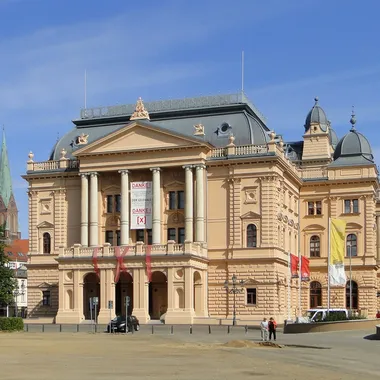
The Mecklenburg State Theatre is one of the oldest theaters in Germany and an important cultural venue in the region. With a diverse program of opera, drama and ballet, it delights visitors from near and far.
Schwerin Outer Lake
There are numerous lakes around Schwerin. The Schwerin Outer Lake offers a varied landscape with forests, meadows and shoreline areas that provide a habitat for numerous bird species and other animals. On the way, you can make a stop at Wiligrad Castle.
The lake is a popular place for various water sports such as sailing, windsurfing, swimming and fishing. The numerous bathing spots invite you to refresh and relax in summer.
A cycle tour around the lake is approx. 53 km long. The north-eastern shore offers the most beautiful spots for swimming.
Schwerin-Muess Open-Air Folklore Museum
The open-air museum in Schwerin-Mueß provides a lively insight into rural life in Mecklenburg in the 19th century. Historic farms, workshops and gardens tell the story of the region.
Schwerin Grinding Mill
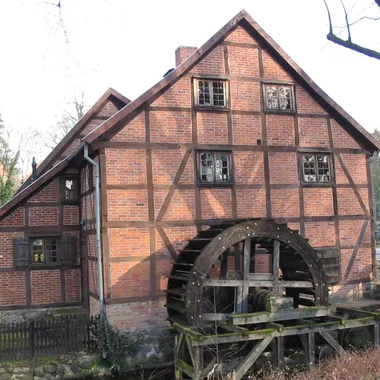
In the historic grinding mill right next to the castle park, you can experience first-hand how millstones and other stone objects were worked using water power. The 170-year-old technology is still in use today and impresses with its craftsmanship.
Schwerin Fire Brigade Museum
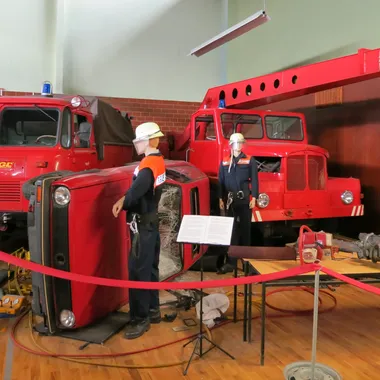
The fire department museum in Schwerin offers an exciting journey through the history of the fire department. From old fire engines to historic uniforms, there is plenty to discover - perfect for firefighting fans of all ages.
Schwerin Pinball Museum
A paradise for nostalgics: in the pinball museum, visitors can try their hand at more than 80 original pinball machines from different eras and immerse themselves in the world of flashing balls.
Schwerin State Museum
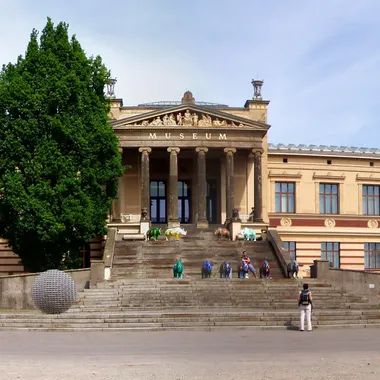
The Staatliches Museum Schwerin impresses with its extensive collection of European art from the Middle Ages to the present day. It is particularly well known for its Dutch paintings and works by Marcel Duchamp.
Mecklenburg Railway Friends Schwerin Association
The Mecklenburgische Eisenbahnfreunde Schwerin e.V. brings the tradition of the railroad to life. The museum offers fascinating insights into the history of railroads in Mecklenburg, with historic locomotives, carriages and a lovingly maintained model railway layout. Trips with historic trains are organized regularly, delighting railroad fans and families alike.
Demmlerplatz Documentation Center
The documentation center commemorates political persecution in the GDR and is located in the former Demmlerplatz prison. The exhibition impressively illuminates the time of political imprisonment and offers guided tours.
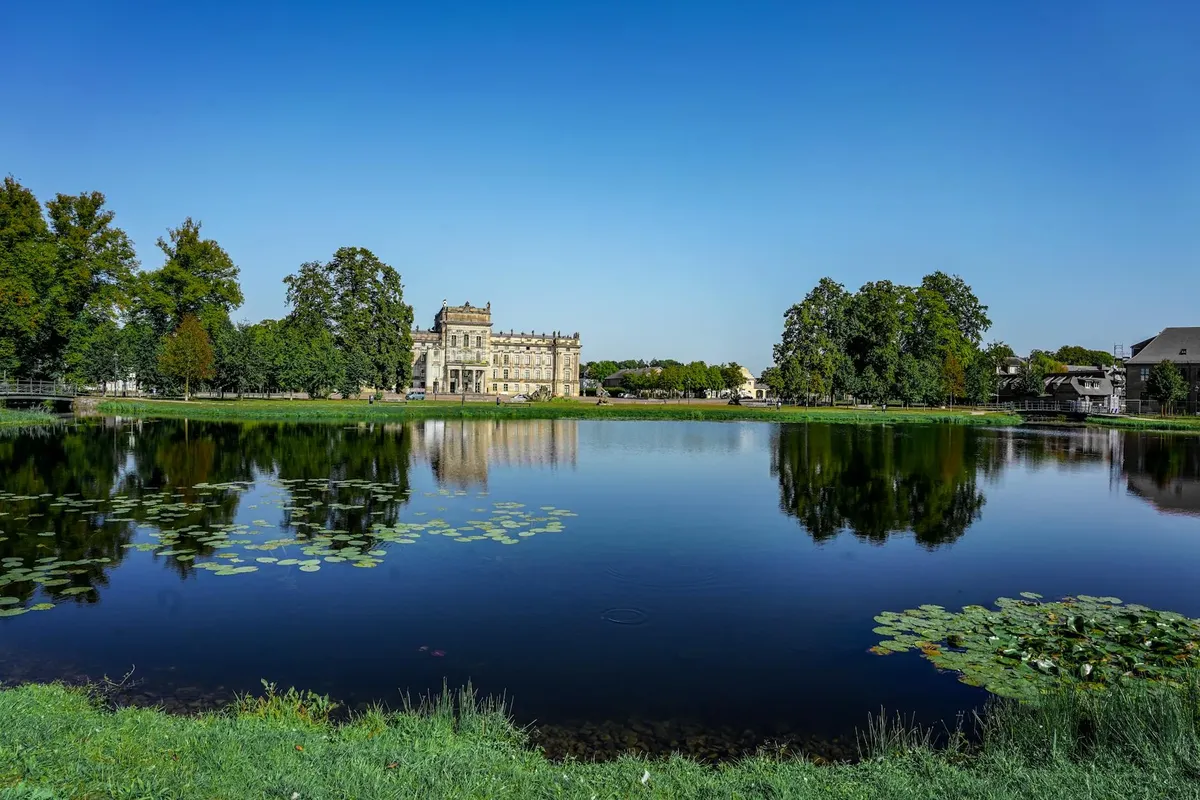
Ludwigslust is a small, charming town in Mecklenburg-Vorpommern, which is particularly known for its magnificent baroque palace and historic architecture
It is sometimes referred to as the "Versailles of the North" because it served as the seat of the Dukes of Mecklenburg-Schwerin in the 18th century. The city is only a half-hour drive from Schwerin.
Ludwigslust Palace and Palace Park
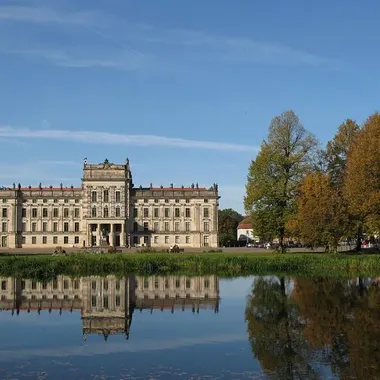
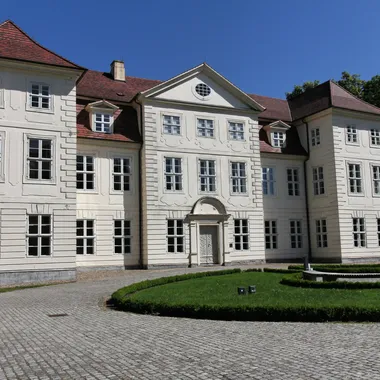
The imposing baroque palace is the town's landmark and one of the most important buildings in Mecklenburg-Vorpommern. Surrounded by an extensive palace park with canals, fountains and an impressive cascade, the palace is a popular destination for culture and history lovers.
The baroque palace park stretches over 120 hectares and invites you to take a relaxing stroll with its artistic water features, avenues and monuments. The park is a wonderful example of baroque garden design and offers picturesque views. The park is freely accessible.
Citadel Fortress Town Doemitz
30 minutes by car south of Ludwigslust lies the fortified town of Dömitz. The Dömitz Citadel is one of the best-preserved fortifications in northern Germany and is picturesquely situated on the Elbe in the small town of Dömitz, Mecklenburg-Vorpommern. It was built in the 16th century under Duke Johann Albrecht I of Mecklenburg and is an impressive example of Renaissance military architecture.
Today, the citadel houses a museum that sheds light on the history of the fortified town of Dömitz and the citadel itself. Visitors can learn more about the military significance of the complex, but also about civilian life in the town over the centuries.
The site offers a magnificent view of the Elbe landscape. Visitors will find idyllic walking paths and nature trails around the citadel.
Natureum at Ludwigslust Palace
The Natureum at Ludwigslust Castle is a small, charming natural history museum located in Ludwigslust Castle Park. It offers an exciting insight into the local flora and fauna of Mecklenburg-Vorpommern and is particularly interesting for families and nature lovers.
Buelow Palace Ludwigslust
Palais Bülow in Ludwigslust is an impressive neoclassical building that was built around 1820 and once served as the residence of court marshal Heinrich von Bülow. It is located near Ludwigslust Palace and reflects the historical importance of the town as a royal seat. The building and its luxurious interior can be visited by appointment (!).
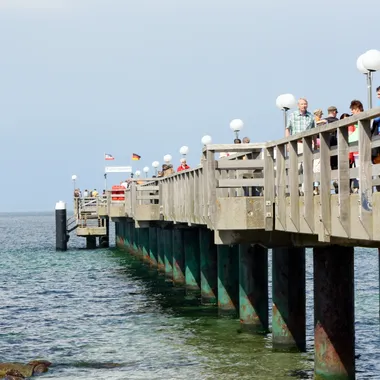
The Baltic Sea is one of Germany’s most popular travel destinations, offering fine sandy beaches, fresh sea air, and a relaxed vacation atmosphere. Traditional seaside resorts, idyllic fishing villages, and diverse natural landscapes line the coast—ideal for those seeking relaxation as well as active vacationers. Compared to the North Sea, the Baltic Sea is significantly calmer and gentler. Since there is hardly any tidal range, the water level remains nearly constant, making swimming, beach walks, and water sports particularly enjoyable. Instead of vast mudflats, the landscape here is characterized by gently sloping shores, cliffs, and striking natural landmarks such as the chalk cliffs on Rügen. Another characteristic feature is the many piers that extend far out into the sea and invite visitors to take a stroll. The seawater is relatively low in salt.
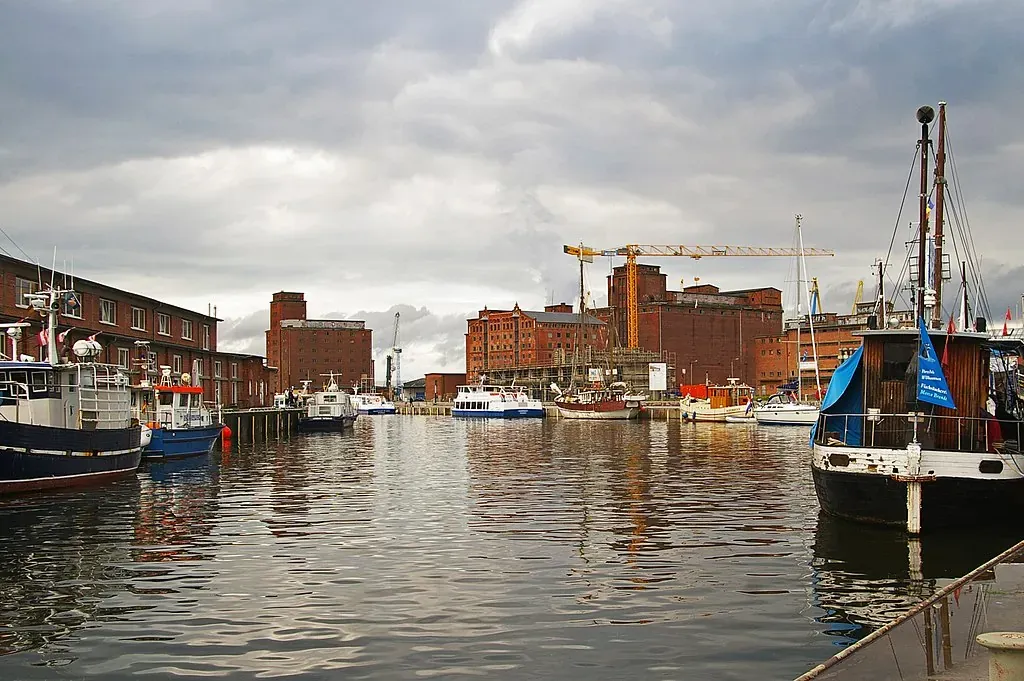
Wismar is a charming Hanseatic city on the Baltic Sea in Mecklenburg-Vorpommern, known for its well-preserved old town and maritime history
The historic district of Wismar is a UNESCO World Heritage Site and is characterized by impressive Gothic brick architecture and beautiful gabled houses. Landmarks such as the market square, St. Georgen and St. Nikolai churches, and the historic warehouses offer a glimpse into the city’s Hanseatic past.
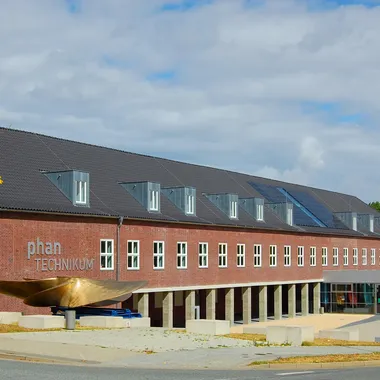
phanTechnikum Technology Museum
The phanTechnikum in Wismar is an interactive science center specializing in the fields of technology, science and the history of technology. It offers an exciting and educational experience for visitors of all ages.
Poel Island
The island of Poel is located in the Baltic Sea, just a few kilometers from Wismar, and is a popular destination for nature lovers and those seeking relaxation. The tranquil island offers beautiful beaches, picturesque landscapes and charming villages.
The island offers numerous cycling and hiking trails that lead through idyllic fields, meadows and coastal landscapes. Bird sanctuaries also offer interesting insights into the local wildlife. The lighthouse in Timmendorf is worth seeing and is a popular photo motif. Remains of old fortifications from the Swedish era can also be found on the island.
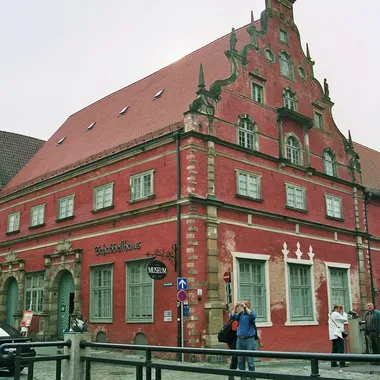
City History Museum of the Hanseatic City of Wismar in the Schabbell
The City History Museum of the Hanseatic city of Wismar, also known as the Schabbell, is located in a historic Renaissance building and is dedicated to the history of Wismar. Right next to it is the Schweinsbrücke, a historic bridge from the 18th century that is a popular photo motif. If you follow the course of the water, you will reach the harbor.
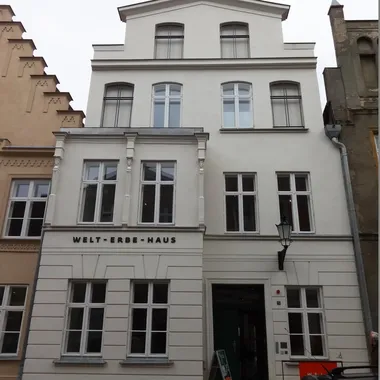
World Heritage House
The exhibition explains why Wismar's old town was declared a UNESCO World Heritage Site and offers exciting insights into the city's history. Models, films and interactive stations make the visit both educational and entertaining. The World Heritage House offers regular guided tours, where visitors can learn more about the restoration work and the significance of the city as part of the World Heritage Site.
Wismar Harbour
The port of Wismar is one of the oldest ports on the Baltic Sea and plays an important role in the city's maritime economy. Here you can marvel at historic ships and modern yachts and enjoy fresh seafood in the surrounding restaurants.

Dassow is a small town with 4000 inhabitants not far from Lübeck, which impresses with its idyllic location and proximity to nature
The town offers a quiet, rural atmosphere and a very special museum for Star Wars fans.
Just a few kilometers away lies the Baltic Sea coast with Dassow Bay, which is perfect for walks, bike rides, and a day at the beach. Vast coastal landscapes and unspoiled, relatively empty beaches define the scenery and make the area particularly appealing for those seeking peace and quiet.
Outpost One Science Fiction Museum
Outpost One is a fascinating sci-fi museum in Dassow dedicated entirely to the world of Star Wars. It is a must-see for fans of the popular franchise and features an impressive collection of props, costumes and figures.
Outpost One features detailed recreations of iconic scenes and characters from the Star Wars world. Visitors can marvel at life-size figures such as Darth Vader, Stormtrooper and many other characters.
There are numerous photo opportunities and exciting details to discover.
Dassow Tiger Park
The Tiger Park offers a special attraction where visitors can experience Bengal tigers up close. The park is family-friendly, has a petting zoo and a hands-on circus.
Mini Sea Experience
Minimare is a miniature park in Kalkhorst, near Dassow, which presents the history of Mecklenburg-Vorpommern in a unique way. The park offers lovingly designed models of historical buildings and scenes from the region on a scale of 1:25. Minimare is ideal for families, as in addition to the miniatures, there are also playful elements that will delight children
Beaches
Not far from Dassow is the coastal landscape nature reserve between Priwall and Barendorf with the Harkenbäk lowlands. It is an area of coastal lowlands with dunes and beach embankments, cliffs, moors, small lakes and an unspoilt, incised stream - the Harkenbäk. If you are looking for a piece of secluded Baltic Sea, you have a good chance of finding a piece of beach all to yourself here.
Paid parking is available in Barendorf, Rosenhagen or Priwall, for example.
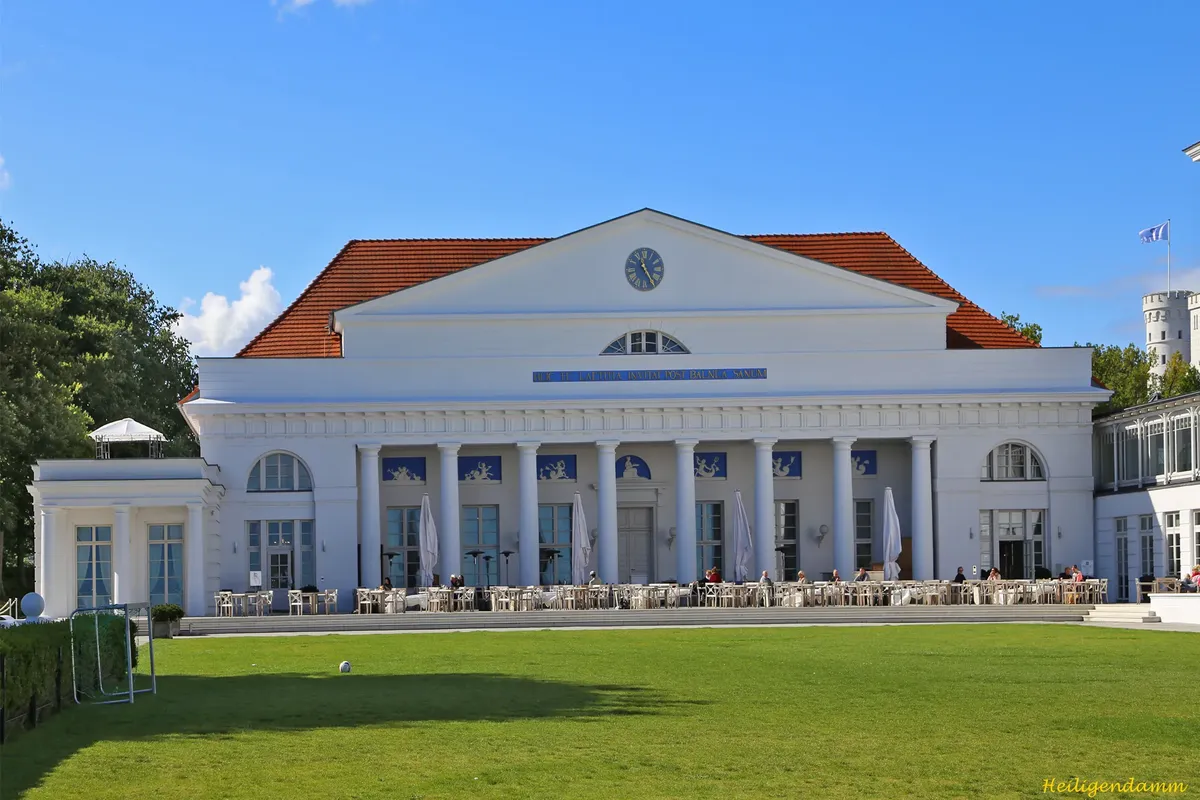
Bad Doberan combines monastic history with classic spa culture and is considered one of the most traditional health resorts on the Baltic Sea
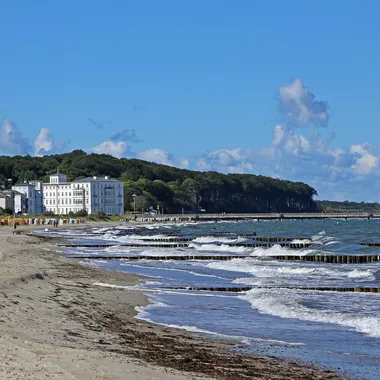
Bad Doberan is located about 14 km west of Rostock and, in the 18th century, developed into a major gathering place for the nobility and high society around the nearby seaside resort of Heiligendamm, Germany’s oldest seaside resort.
The region also gained international attention due to the 2007 G8 Summit in Heiligendamm.
To this day, the region is characterized by the imposing Doberan Cathedral, historic spa architecture, and its proximity to the coast. Visitors experience a tranquil blend of Brick Gothic architecture, nature, and maritime charm.
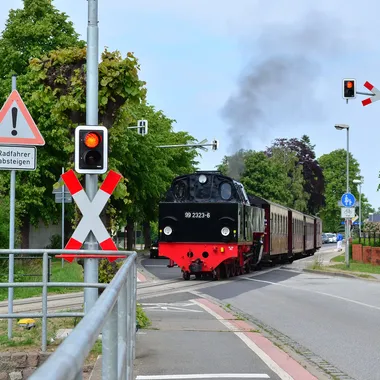
Molli Railway
The Mollibahn is a historic narrow-gauge railroad that connects Bad Doberan with the Baltic Sea resorts of Heiligendamm and Kühlungsborn. The steam-powered train runs partly through the middle of the town's streets. Visitors can experience nostalgic railroad technology and a special way of getting around.
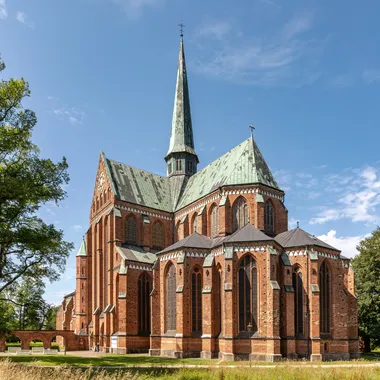
Doberan Minster
Doberan Minster is one of the most important buildings of northern German brick Gothic architecture. The former monastery church impresses with its well-preserved interior and its size. Visitors will discover an outstanding example of medieval architecture here.
Heiligendamm Grand Hotel
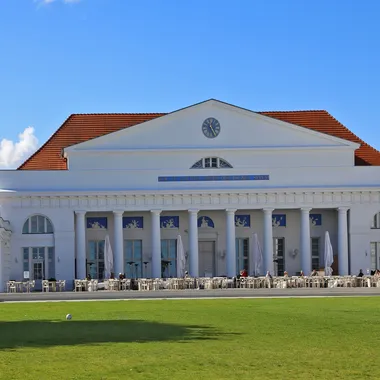
The Grand Hotel is located in the historic buildings of the seaside resort of Heiligendamm. The complex stands for the seaside resort's long tradition as an exclusive travel destination. Visitors experience upscale architecture and a special atmosphere here.
Kuehlungsborn Beach
Kühlungsborn's beach is one of the most popular on the Baltic coast. Wide sandy beaches, piers and promenades offer numerous opportunities for relaxation. Visitors enjoy the sea, sun and leisure activities here.
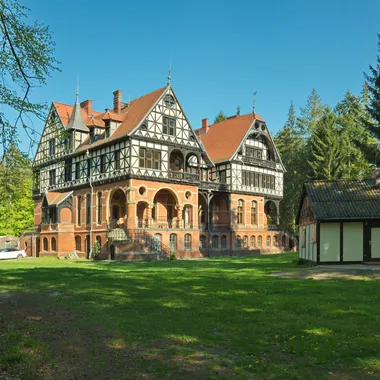
Gelbensande Hunting Lodge
The hunting lodge once served as a residence for the Dukes of Mecklenburg. The grounds are surrounded by woodland and provide an insight into courtly life. Visitors can discover history and architecture here.
Town- and Spa museum
The museum shows the development of Bad Doberan into a spa and bathing resort. Exhibitions provide insights into the lives of spa guests and the history of the region. Visitors get an overview of the spa culture here.
Heiligendamm Beach Promenade
The Heiligendamm promenade invites you to stroll along the Baltic Sea. Historic buildings and sweeping views of the sea characterize the picture. Visitors experience the classic atmosphere of a seaside resort here.
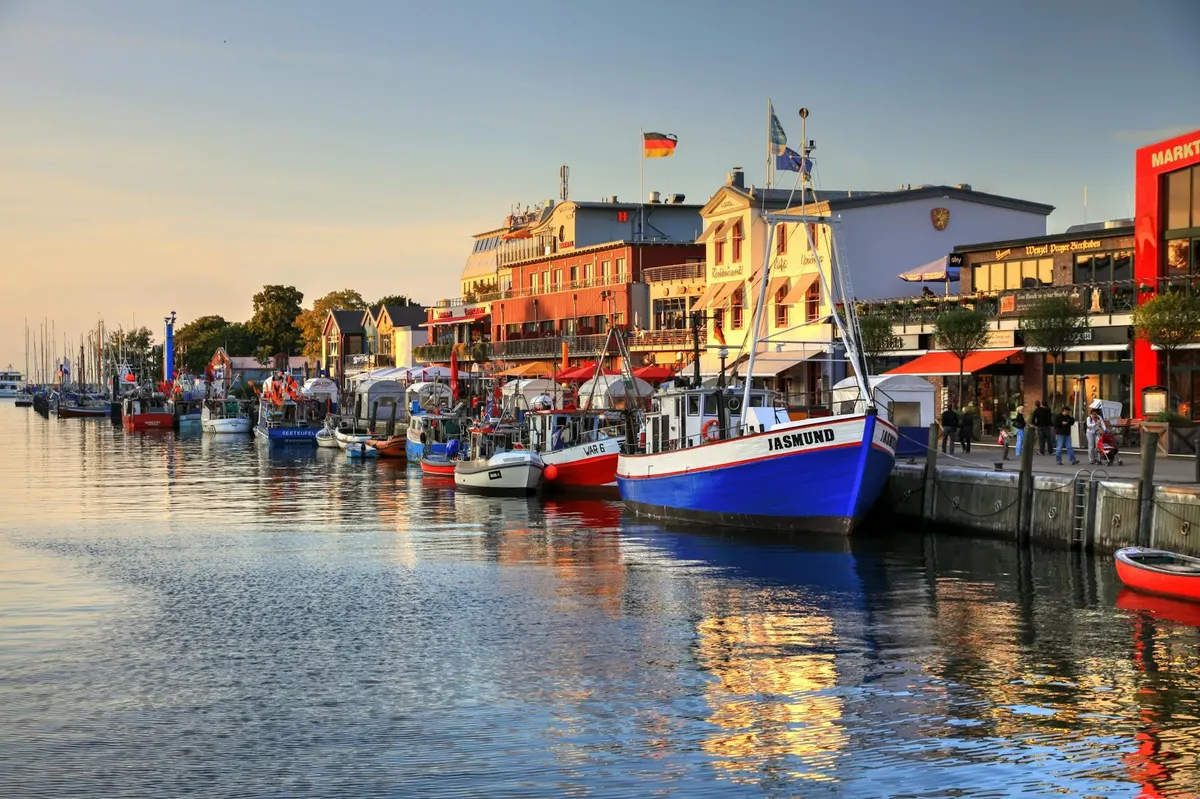
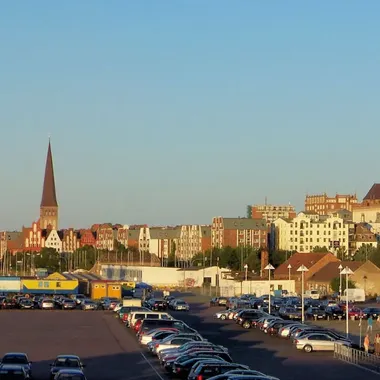
Rostock, the largest city in Mecklenburg-Vorpommern, combines maritime flair with Hanseatic history
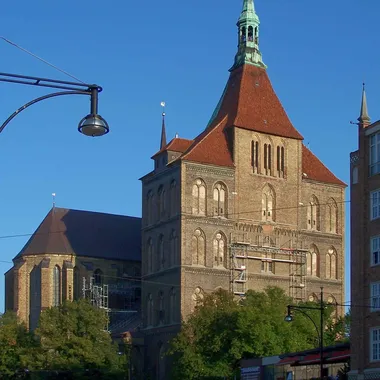
The historic old town impresses with its brick buildings, such as St. Mary’s Church and the Kröpeliner Gate. The city harbor on the Warnow River is perfect for a leisurely stroll, while the nearby beach in Warnemünde offers the ideal setting for relaxing days by the sea.
Today, Rostock is the economic center of Mecklenburg-Western Pomerania. The Port of Rostock is one of Germany’s most important Baltic Sea ports and serves as a major hub for cargo, energy, and cruise ships. In addition, the maritime industry, shipbuilding, wind energy, biotechnology, and research shape the city’s landscape.
Rostock Zoo
Rostock Zoo is one of the largest zoos in northern Germany and its Darwineum offers a unique combination of zoological and evolutionary biology exhibitions. Here you can observe exotic animals such as lions, elephants and gorillas in near-natural enclosures.
Baltic Sea Stadium
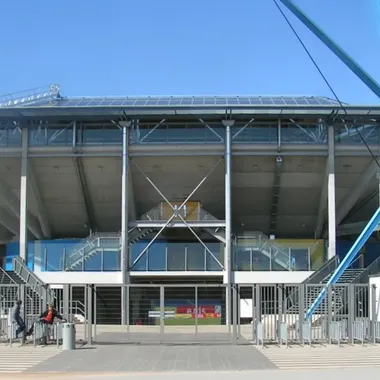
The Ostseestadion, home of the Hansa Rostock soccer club, is a popular meeting place for sports fans. With a capacity of around 29,000 spectators, the stadium offers a rousing atmosphere at the home matches of the club, which is steeped in tradition. In addition to soccer matches, concerts and other major events also take place here. The graffiti of the FCH can be seen everywhere in McPom.
Rostock IGA Park
The IGA Park, a large landscaped park on the water, is ideal for walks and offers beautiful gardens, art installations and great views of the Warnow.
St. Mary's Church Rostock
St. Mary's Church, a masterpiece of North German brick Gothic architecture, is the largest church in Rostock. Particularly worth seeing is the astronomical clock from the 15th century, which still works, as well as the imposing altar and the beautiful stained glass windows.
Nienhagen Ghost Forest
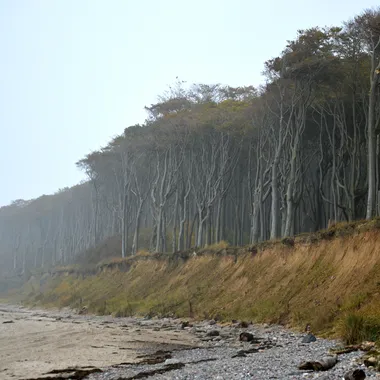
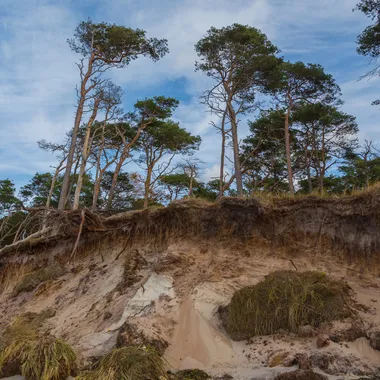
The Nienhagen Ghost Forest (20 minutes by car from Warnemünde) is a mystical coastal forest on the Baltic Sea, near the seaside resort of Nienhagen. The gnarled, wind-sculpted beech and oak trees are particularly mysterious and fascinating in fog or twilight. The bizarre shapes of the trees give the forest its ghostly charm, which attracts nature lovers, photographers and hikers alike. Directly behind the forest stretches the cliffs, from where you can enjoy wonderful views of the Baltic Sea. A visit to the Ghost Forest offers the perfect combination of nature experience and a pinch of magic.
Rostock Old Town and Neuer Markt
The old town of Rostock is characterized by impressive brick Gothic architecture. On Neuer Markt, the central square, stands the magnificent town hall with its baroque façade. Here you will also find historic town houses that reflect the city's Hanseatic charm.
Rostock Shipbuilding and Maritime Museum
The Shipbuilding and Maritime Museum is located on the former cargo ship "Dresden", which is moored in Rostock harbor. Visitors can learn all about the history of seafaring and shipbuilding, especially in the Rostock region.
Botanical Garden of the University of Rostock
The Botanical Garden at the University of Rostock is a green oasis with plants from all over the world. The alpine garden and the large greenhouses are particularly worth seeing. The garden is not only a place of recreation, but also a scientific center.
Kröpelin Gate and City Wall
The Kröpeliner Tor, one of the old city gates, is a striking landmark of Rostock. It was part of the medieval city fortifications, of which parts of the city wall have also been preserved. Today, the gate houses a museum on the city's history. The adjoining ramparts are now a beautiful park.
Rostock Heath
The Rostock Heath, one of the largest contiguous forest areas on the German Baltic Sea coast, lies slightly north-east of the city. Here you can go hiking on the beach, cycling or simply enjoy nature.
MSC Marine Science Center - Hohe Duene Seal Research Center
The MSC Marine Science Center in Hohe Düne near Rostock is a unique research center dedicated to the study of seals. Visitors can experience first-hand how scientists study the behavior and intelligence of these fascinating marine mammals. Guided tours and demonstrations offer exciting insights into the work with the animals. Particularly impressive are the training sessions, during which the seals show off their skills and are prepared for research projects. A special highlight is the opportunity to watch the animals training in the water.
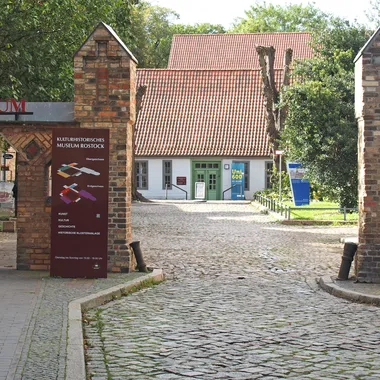
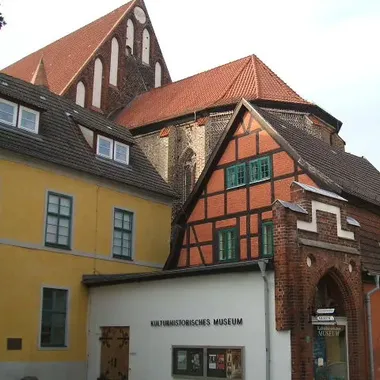
Rostock Cultural History Museum
This museum, housed in the former Franciscan monastery, offers an extensive collection on the history and art of the region. The paintings and historical exhibitions in particular make it a must for culture fans.
City Harbor and Museum Harbor
Rostock's city harbor is a popular meeting place on the banks of the Warnow. With its restaurants, cafés and old warehouse buildings, it invites you to stroll and linger. Events such as the Hanse Sail also take place here, where numerous historic sailing ships enter the harbor. Old ships can be viewed in the museum harbor.
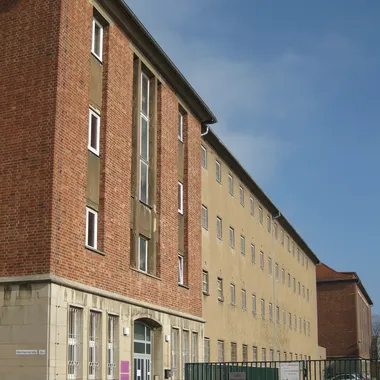
Stasi Prison Memorial
The Stasi prison is a historical site that documents the history of political repression in the former GDR. From 1950 to 1989, it served as a remand prison for political prisoners who were held by the Stasi, the secret service and security authority of the GDR.
Warnemuende Seaside Resort
Warnemünde is a district of Rostock and is famous for its beach. At up to 150 meters wide, it is the widest sandy beach on the German Baltic Sea coast. Due to the good wind conditions, the beach is ideal for kitesurfing, surfing, windsurfing, diving and swimming. At the eastern tip is a charming lighthouse that can be used as a lookout point. In Alexandrinenstraße you can look at pretty little houses and learn more about seafaring in the local museum. The promenade "am Strom" invites you to take a stroll.
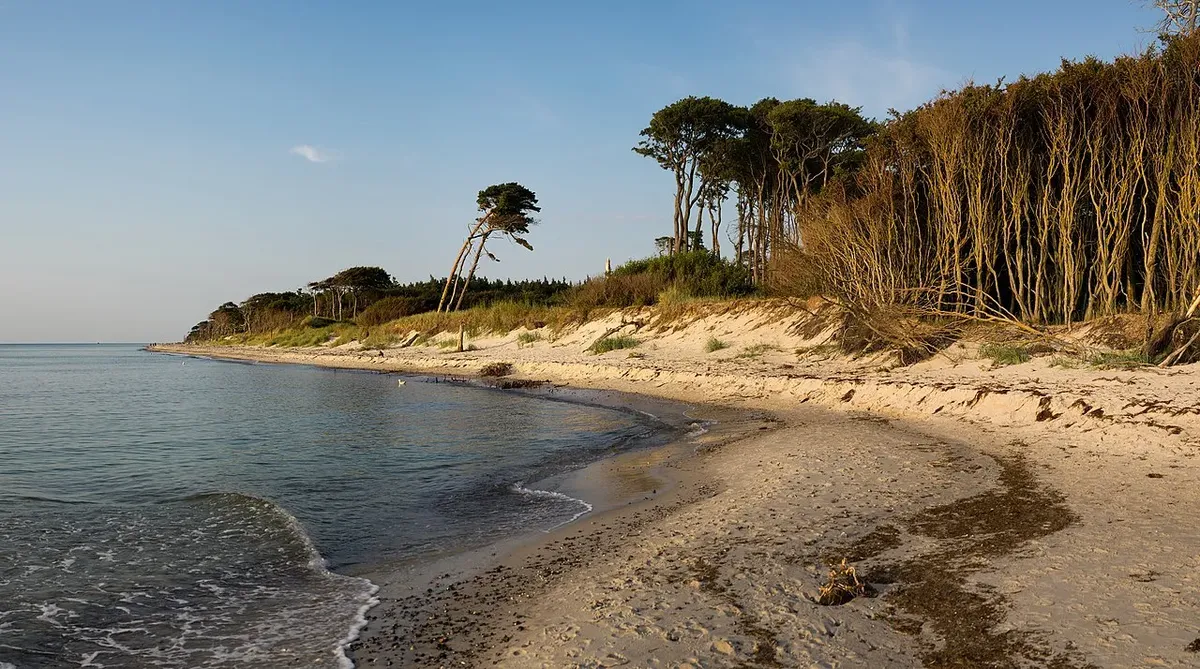
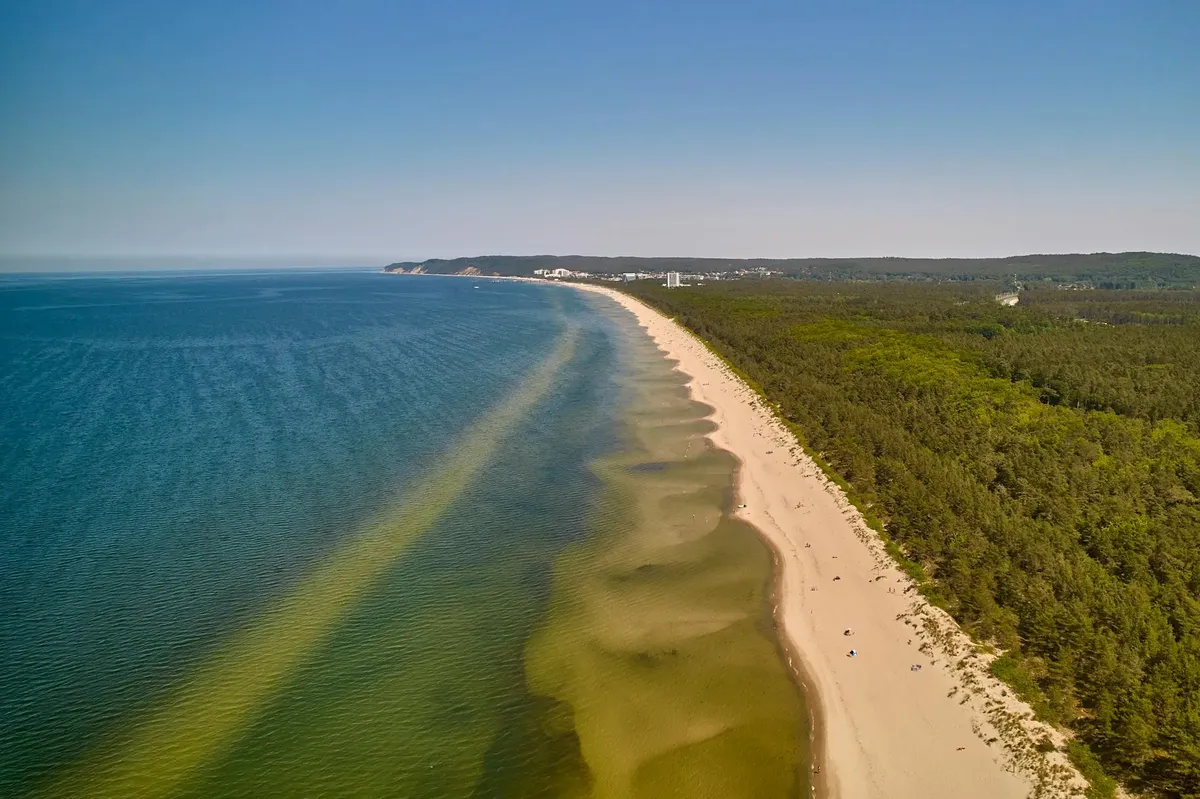
Fischland-Darß-Zingst is a picturesque peninsula on the Baltic Sea coast that stretches for around 45 kilometers
It is known for its breathtaking natural beauty, fine sandy beaches, and picturesque coastal landscapes, and is considered one of the most beautiful vacation destinations on the German Baltic Sea coast. In the summer, however, it can get very crowded here.
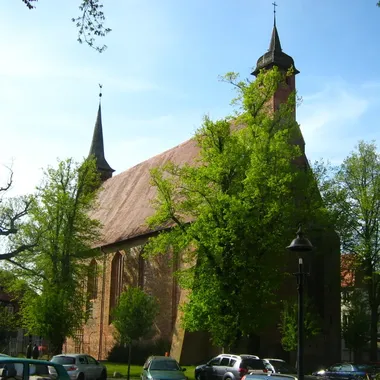
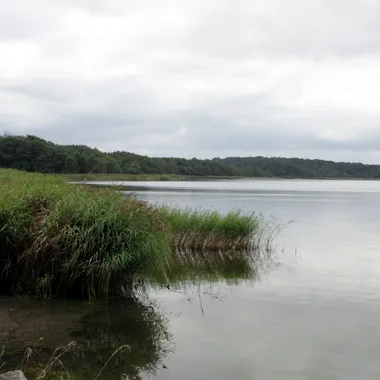
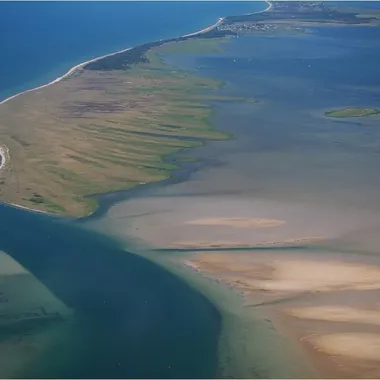
Large parts of the peninsula are part of the Vorpommersche Boddenlandschaft National Park and feature pristine dunes, expansive beaches, tranquil Bodden shores, and dense coastal forests. The region reveals its unspoiled side especially during the quieter seasons: in the fall for crane migration, and in the spring and winter for long hikes, bike rides, and nature observation. Characteristic towns such as Ahrenshoop, Prerow, and Zingst combine maritime charm, artistic tradition, and sustainable tourism.
Western Pomerania Lagoon Area National Park
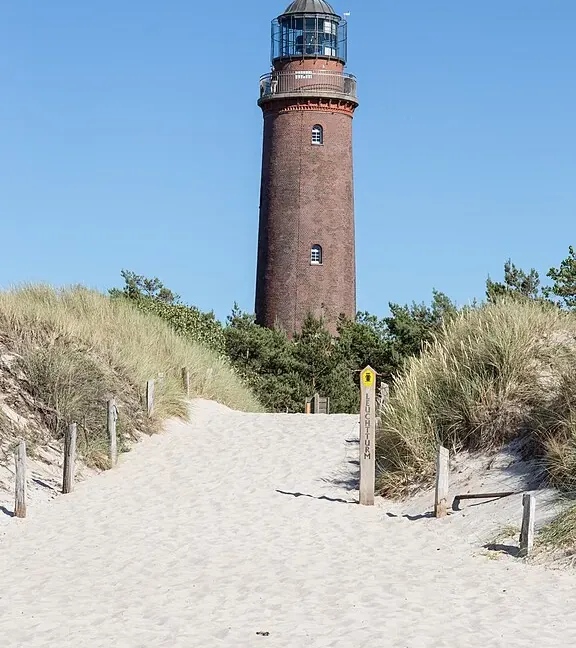
The Western Pomerania Lagoon National Park stretches along the coast and encompasses impressive coastal landscapes, lagoon waters and diverse habitats. Darßer Ort is known for its unspoiled nature and the impressive lighthouse, which offers a fantastic view of the coast. The west beach is a beautiful sandy beach, surrounded by dunes and forest, which invites you to walk, swim and watch the sunset.
German Amber Museum in Ribnitz-Damgarten
The German Amber Museum in Ribnitz-Damgarten is the largest amber museum in Germany and displays an impressive collection of amber, jewelry and works of art. In addition to the fascinating history of amber, the geological formation and its use in art and medicine are also explored. The museum is a must for anyone who wants to find out more about this unique fossil material.
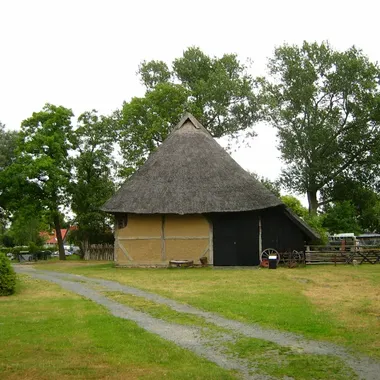
Klockenhagen Open-Air Museum
The Klockenhagen Open-Air Museum offers a fascinating insight into rural life in the Mecklenburg-Vorpommern region. Historic buildings such as farmhouses, workshops and stables from different eras can be seen on the extensive grounds. Visitors can experience traditional crafts, take part in events and learn more about the history of the region.
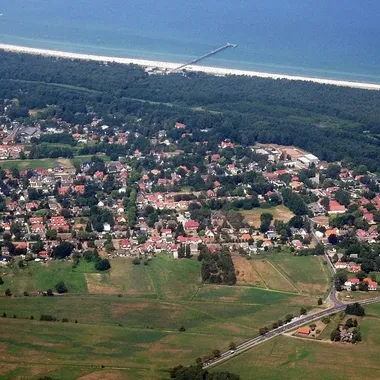
Prerow Seaside Resort
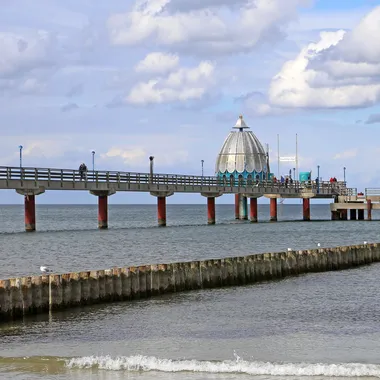
In addition to the many hotels and vacation homes, there is a fine sandy beach, quaint old houses, galleries, cafés and a long pier. Prerow is also the ideal starting point for excursions to the Vorpommersche Boddenlandschaft National Park.
Zingst Seaside Resort
Zingst is another popular Baltic Sea spa and offers a mixture of nature and culture. The lively beach promenade and the fine sandy beach invite you to relax and be active. Zingst is also known for its events such as the Zingst Crane Festival and the Zingst Photo Days, which attract many visitors every year. You can learn more about the migration of cranes in spring and fall at the Crane Info Mobile and sign up for a birdwatching tour.
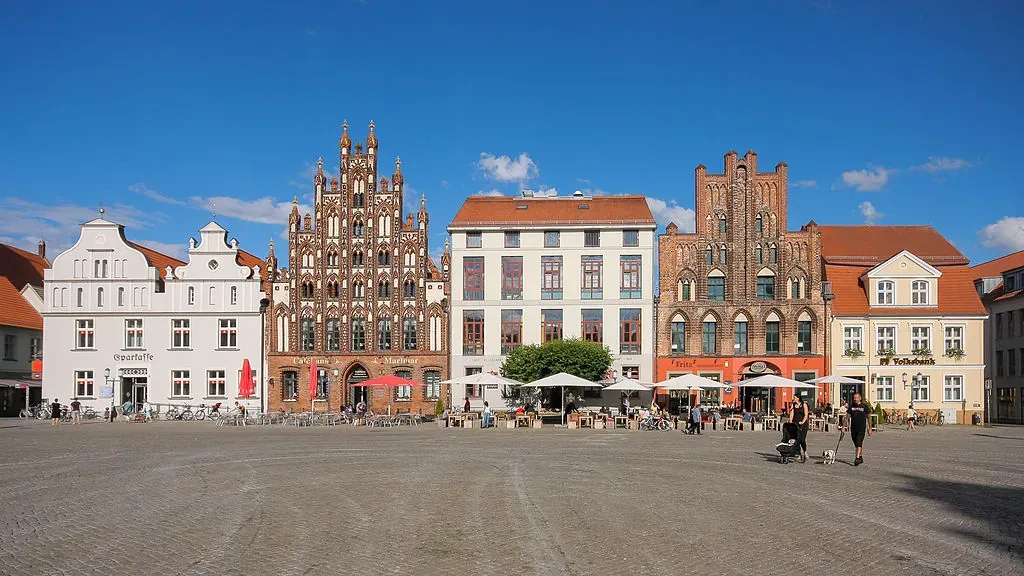
The small university town by the sea is rich in historic buildings in the brick Gothic style and offers numerous opportunities for water sports, cycling and nature experiences
The city has a rich history dating back to the Hanseatic era. Founded in 1456, the university is one of the oldest in Germany and plays a central role in the city’s cultural and social life: 10,000 of its 60,000 residents are students.
The city’s most famous son is the painter Caspar David Friedrich (1774–1840), one of the most significant figures of German Romanticism. Born in Greifswald, the landscapes of Western Pomerania, the coast, and the vast sky had a lasting influence on his artistic vision. Motifs such as the sea, ruins, trees, and the interplay of light and atmosphere reflect the surroundings of his homeland.
The Caspar David Friedrich Center in the Old Town is dedicated to the artist’s life and work, making Greifswald an important destination for exploring Romanticism.
Old Town Greifswald
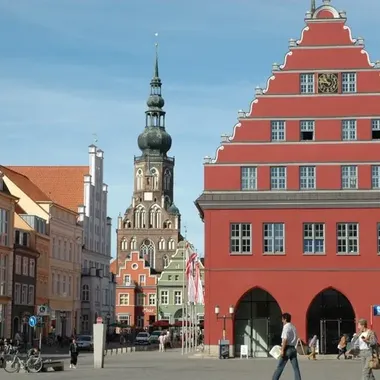
The old town is characterized by impressive Gothic and Renaissance architecture. Particularly noteworthy are St. Nikolai's Church and St. Mary's Church, which dominate the cityscape with their high towers. The central market square is surrounded by historic buildings, including the neo-Gothic town hall.
Greifswald Local Zoo
The Heimattierpark Greifswald is a popular excursion destination that specializes in native wildlife. Visitors can observe native animals such as deer, wild boar and foxes in near-natural habitats.
Eldena Abbey Ruins
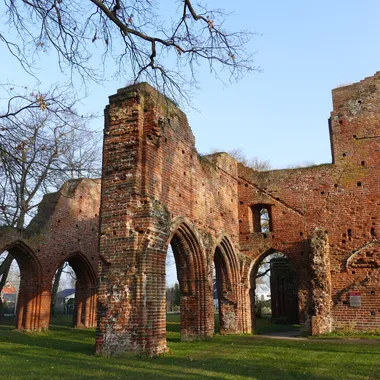
The Eldena monastery ruins are an impressive historical site near Greifswald and a popular destination for visitors interested in history and architecture. Here are some important points about the monastery ruins:
Greifswald Museum Harbour
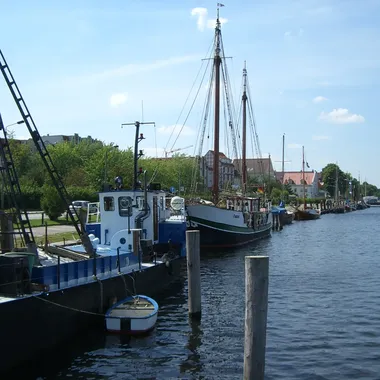
The museum harbor of Greifswald is a unique harbor area dedicated to historic ships and maritime traditions. If you like maritime flair, you can also take a stroll along Wieck, 5 km away.
Pomeranian State Museum
The permanent exhibition includes works of art from the Middle Ages to modern times, including paintings, sculptures and handcrafted objects. Particularly noteworthy are works by regional artists, including Casper David Friedrich.
Caspar David Friedrich Center
The center presents sketches by Casper David Friedrich (in copy). It offers insights into his artistic work and his connection to the Pomeranian landscape. It is also the artist's birthplace. For real paintings, however, you have to go to the Pomeranian State Museum.
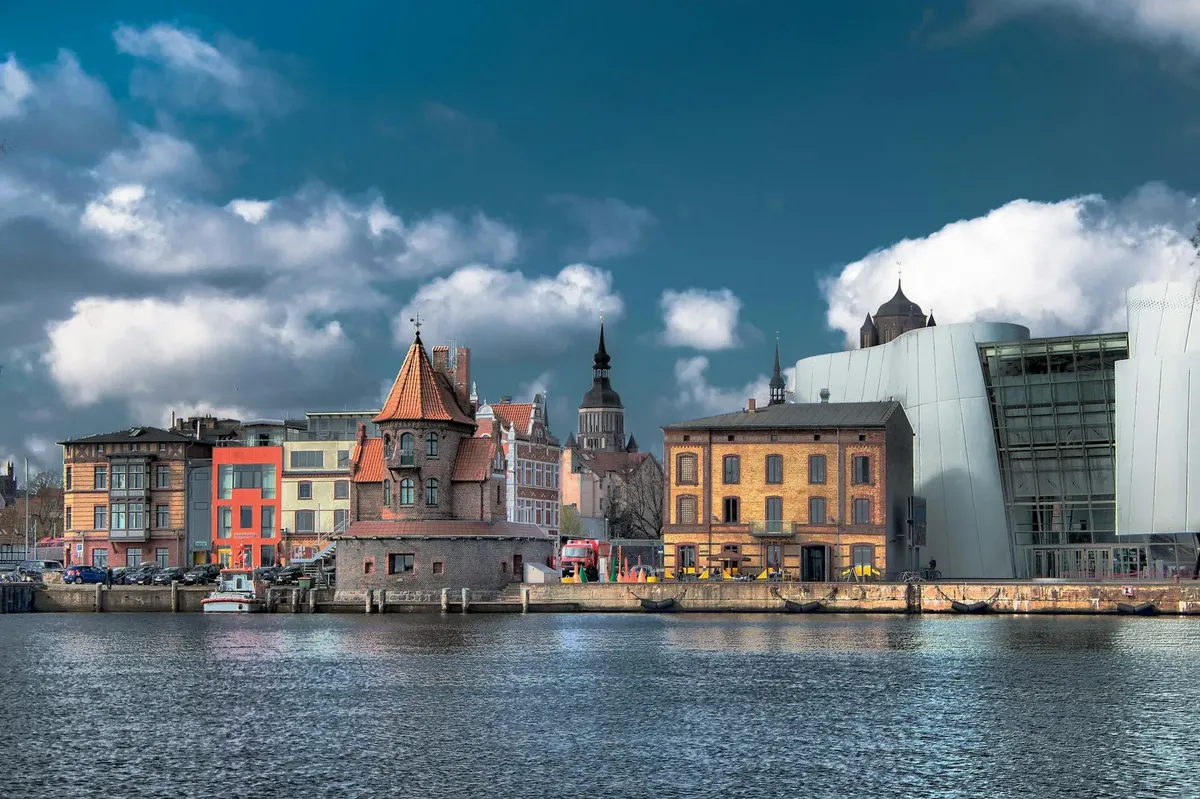
Stralsund, the "gateway to the island of Rügen", impresses with its unique location on the Strelasund and its rich history as a Hanseatic city
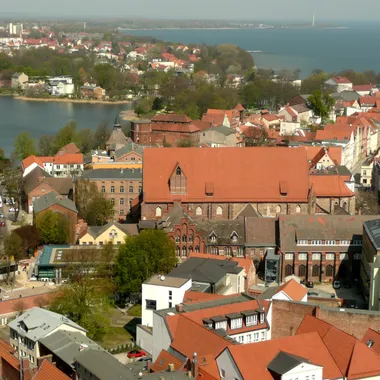
The beautiful Old Town is a UNESCO World Heritage Site and impresses with its well-preserved brick Gothic architecture, particularly St. Nicholas’ Church and the Old Market Square with its imposing town hall.
A highlight is the Ozeaneum, one of Europe’s largest marine museums, which presents visitors with a fascinating underwater world. The German Oceanographic Museum, housed in a former monastery, is also worth a visit.
From Stralsund, excursions to Rügen and the car-free island of Hiddensee are very popular. The city thus offers the perfect blend of maritime charm, culture, and proximity to the Baltic Sea.
Ozeaneum Ocean Museum
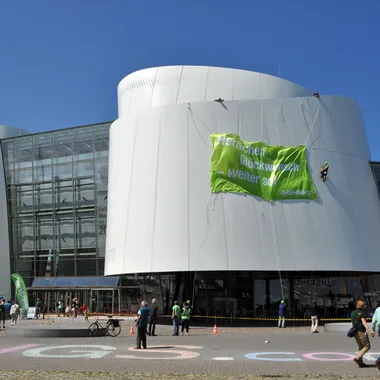
The Ozeaneum, one of the largest marine museums in Europe, is a highlight for visitors of all ages. It offers fascinating insights into the marine world of the North and Baltic Seas with huge aquariums and exciting exhibitions.
German Oceanographic Museum
Located in a former monastery, the German Oceanographic Museum presents exhibitions on marine biology, fishing and underwater life. The large seawater aquarium with tropical sea creatures is particularly impressive.
Gorch Fock I Museum Ship
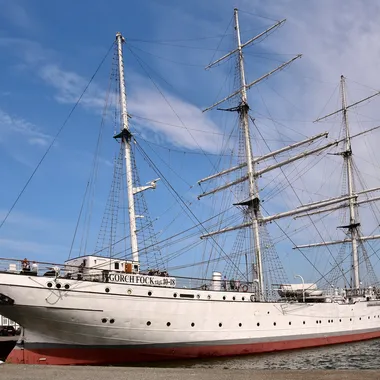
The historic sail training ship Gorch Fock I is moored in Stralsund harbor and can be visited. Visitors have the opportunity to discover life on board a tall ship and learn more about the history of German naval training.
St. Marys Church
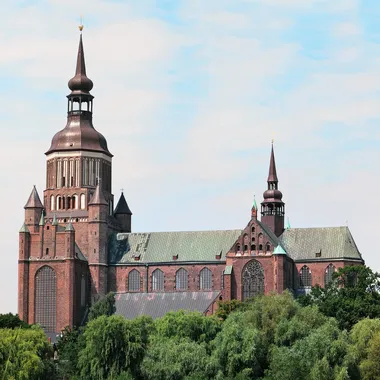
The Gothic St. Mary's Church with its 104-metre-high tower not only has an impressive exterior, but also a beautiful interior. From the top of the tower you can enjoy a spectacular view over Stralsund and the Baltic Sea. Other beautiful churches are the Heilgeistkirche, St. Jakobi and St. Nikolai.
Stoertebeker Brewery
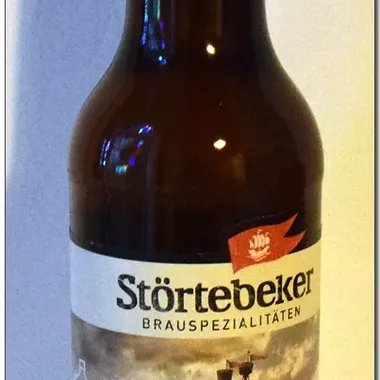
Störtebeker Braumanufaktur in Stralsund is a traditional brewery that specializes in craft beers and is one of the best-known breweries in northern Germany.
In addition to production, Störtebeker Braumanufaktur also offers guided tours of its breweries. Visitors can gain an insight into the brewing process during a brewery tour and taste various beers on site.
Devin Peninsula
The Devin peninsula is a picturesque headland on the Baltic Sea near Stralsund. It is known for its impressive coastal landscapes, historical sites and diverse leisure activities. The Devin peninsula is a popular destination for water sports such as sailing, windsurfing and kitesurfing. The surrounding waters are also attractive for anglers.
Playing Card Factory Museum Workshop
The playing card factory Museumswerkstatt in Stralsund is a unique attraction that offers visitors an insight into the history and craftsmanship of playing card production. The museum workshop often offers workshops where those interested can get creative themselves, for example by designing their own playing cards.
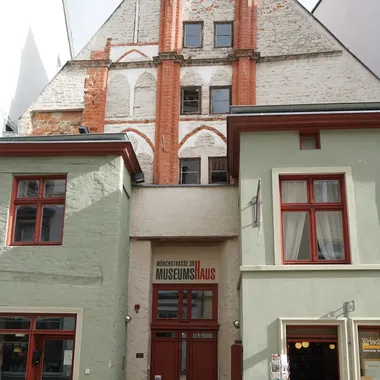
Museum House Stralsund
The Stralsund Museum House is a well-preserved town house from the 14th century. It offers an authentic insight into medieval life in the Hanseatic city. The exhibition shows original rooms with historical furniture, household items and building elements such as half-timbering and tiled stoves. Visitors can experience the history of Stralsund and everyday life in a Hanseatic city at first hand.
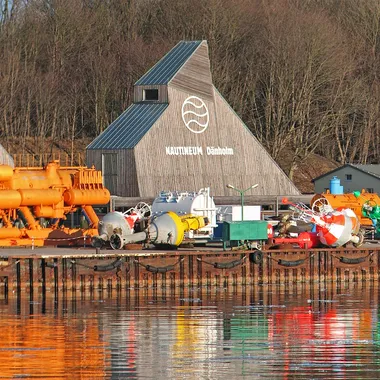
Nautineum Maritime Museum
The Nautineum Stralsund is a maritime museum on the small island of Dänholm, near Stralsund. It is part of the German Maritime Museum and is dedicated to fishing, marine research and shipping in the Baltic Sea region. Historical boats, fishing gear and equipment are exhibited on the extensive grounds, including an original fishing shed and the diving shaft of a former research platform. The walk-through museum ship and the exhibition on seafaring and the development of fishing techniques are particularly impressive. The Nautineum offers visitors exciting insights into the maritime history of the region and its traditional crafts.
Stralsund Cultural History Museum aka Stralsund Museum
The oldest museum in Western Pomerania offers an impressive collection on the history of the city and the region. It displays works of art, historical everyday objects and an interactive exhibition on the Hanseatic era.
St. Johns Monastery
St. Johannis Kloster is located near Stralsund's market square and is a historic building that was originally founded in the 14th century as a Franciscan monastery. Today it is used for exhibitions, events and concerts. The rooms are often open to the public and offer insights into the history of the monastery.
Holy Spirit Monastery
The Heilgeistkloster in Stralsund is a former Franciscan monastery that was founded in the 13th century. It is located close to the city center and impresses with its Gothic architecture and characteristic cloister. Today, the monastery houses various cultural facilities and event rooms. It is used for exhibitions, concerts and other cultural events.
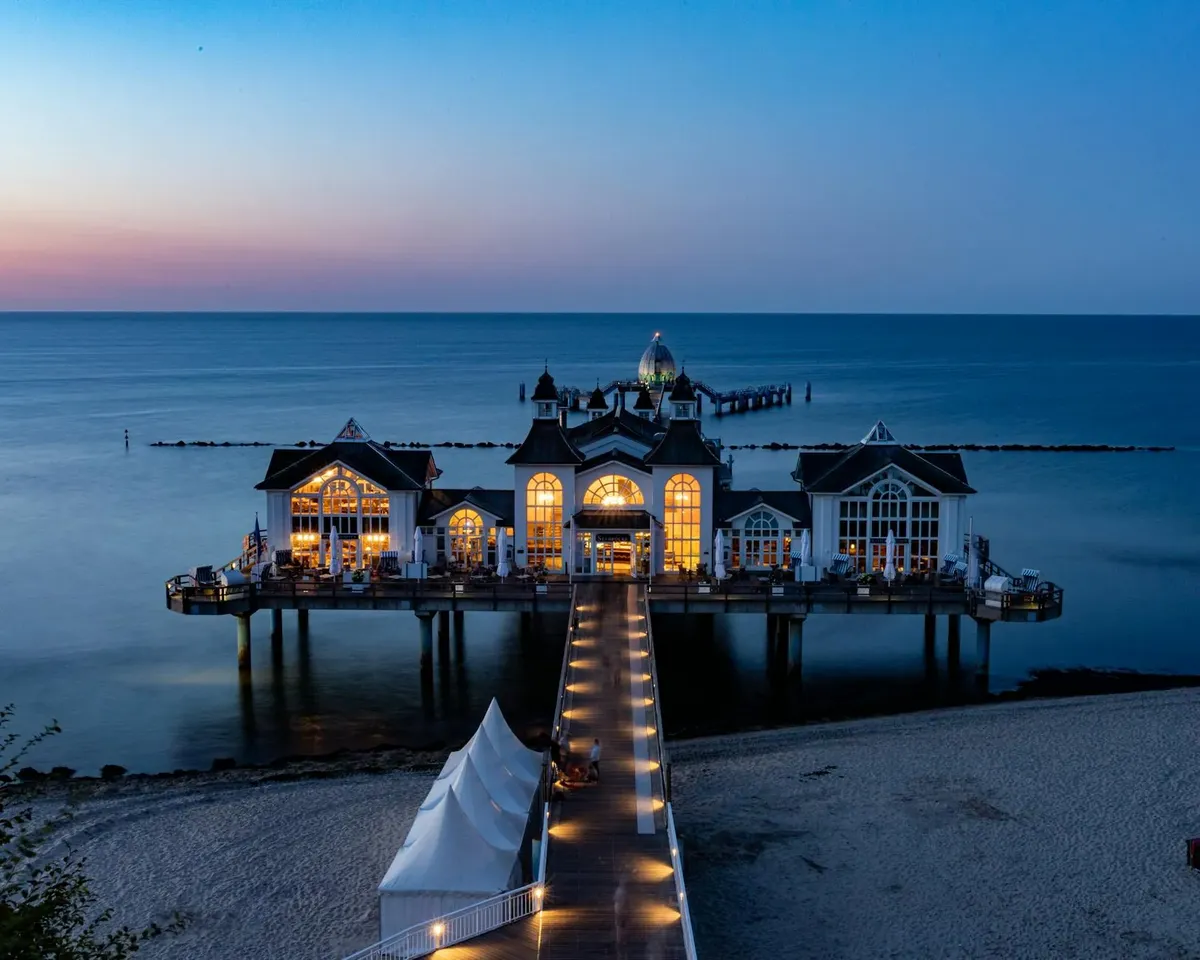
Rügen, Germany's largest island, is best known for its spectacular chalk cliffs in the Jasmund National Park
The most famous rock formation is the Königsstuhl, which offers breathtaking views of the Baltic Sea. The national park is also home to ancient beech forests that are part of the UNESCO World Natural Heritage Site.
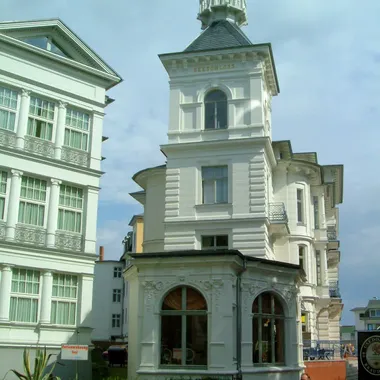
Rügen has a variety of picturesque seaside resorts, including Binz, Sellin, and Göhren, which stand out for their long sandy beaches and historic seaside architecture.
In addition to its natural beauty, Rügen also offers cultural highlights such as the Granitz Hunting Lodge, the open-air theater in Ralswiek, and Prora, a massive structure from the Nazi era that now serves as a vacation resort and museum.
Ruegen Natural Heritage Center
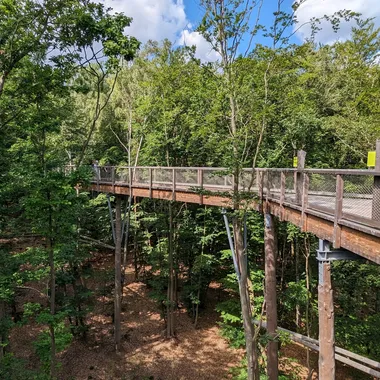
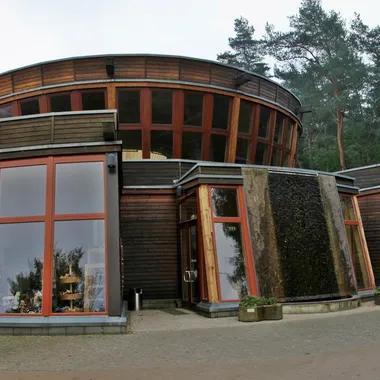
The Naturerbe Zentrum Rügen is an exciting visitor center in the heart of the island that offers nature lovers fascinating insights into the unique landscape of Rügen. The main attraction is the impressive treetop path, which leads through the treetops over a length of around 1,250 meters and offers breathtaking views of the surrounding forests, wetlands and the Baltic Sea. The trail ends on a 40-metre-high observation tower, from where visitors can enjoy the panorama of the island to the full.
Granitz Hunting Lodge
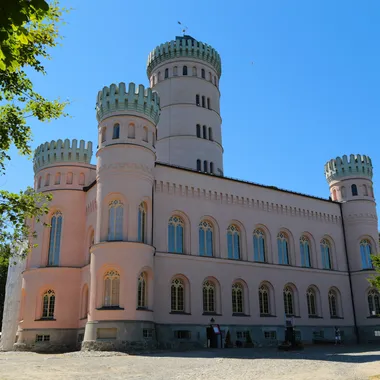
Granitz Hunting Lodge, near Binz, is situated on a hill and offers an impressive view over Rügen. The castle's observation tower reaches a height of 38 meters. The castle was built in the neo-Renaissance style and is surrounded by beautiful forests.
Seaside Resort Binz
Binz is one of Rügen's best-known Baltic seaside resorts with its historic spa architecture. The Binz pier, a 370-metre-long bridge, leads directly into the Baltic Sea and is ideal for walks. The beach and promenade offer a relaxed vacation atmosphere.
Prora Seaside Complex
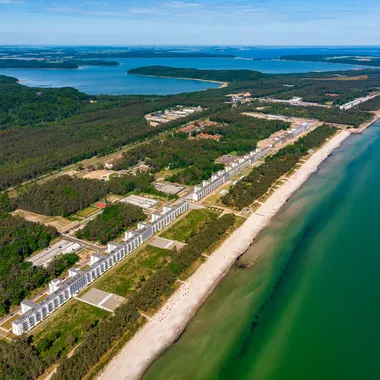
Prora is a huge, 4.5-kilometre-long complex of buildings that was planned as a "Strength through Joy" seaside resort during the Nazi era. Today it houses a museum, vacation apartments and cultural facilities. It is one of the largest construction projects of the Third Reich and offers an interesting mix of history and modern use. The Prora sand sculpture exhibition is also held there every year. The "Galileo Wissenswelt Rügen" museum, the "Oldtimer Museum Rügen" and the "NVA Museum Rügen" military museum are also located around the corner.
Chalk Cliffs in Jasmund National Park
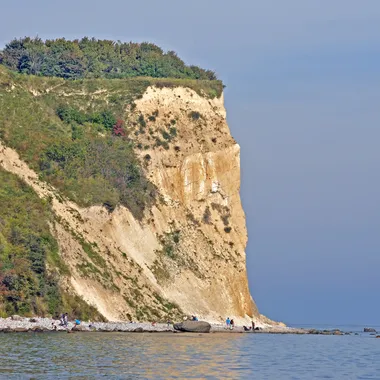
The bright white chalk cliffs, up to 118 meters high, especially the famous Königsstuhl, are the landmark of Rügen. They offer impressive views of the Baltic Sea. The surrounding Jasmund National Park invites you to hike through dense beech forests, which are part of the UNESCO World Heritage Site.
Sellin and Sellin Pier
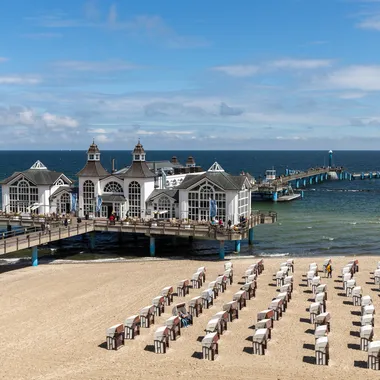
The Sellin pier is one of Rügen's most famous postcard motifs. It is the longest pier on the island and leads to a stylish restaurant perched on the water. Sellin itself is a charming seaside resort with magnificent villas in spa architecture and a wonderful beach.
Cape Arkona
Cape Arkona is one of the northernmost headlands in Germany and offers spectacular views across the Baltic Sea. It is home to two lighthouses, a sounding tower and a Slavic castle dating back to the 9th century. Visitors can hike along the cliffs and discover the island's history.
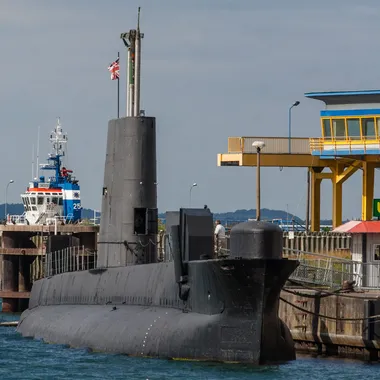
HMS Otus Submarine
The HMS Otus is a decommissioned British submarine of the Oberon class, which can now be visited as a floating museum in the town harbor of Sassnitz on the island of Rügen. The submarine was in service with the British Navy until 1991 and served during the Cold War. It has been firmly anchored in Sassnitz since 2002 and attracts numerous visitors.
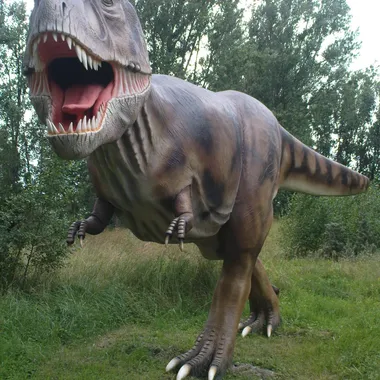
Ruegen Dinosaur Land
Dinosaurland Rügen is a popular excursion destination for families and dinosaur fans, located in Glowe on the island of Rügen. Visitors can marvel at over 120 life-size dinosaur models from various geological eras on an outdoor area covering around 9 hectares.
Other parks for children are the Rügenpark Gingst and Karl's Adventure Village in Zirkow.
Putbus Palace Park
Putbus Castle Park on the island of Rügen is an extensive, beautiful park that was laid out in the style of an English landscape garden in the early 19th century. Although the castle itself no longer exists, the park has been preserved and delights visitors with its well-kept nature and historical design. Highlights in the park include the neoclassical mausoleum and the obelisk, which are historical witnesses to the Putbus princely family. The game enclosure area with deer and fallow deer as well as the Rosenhof, a charming café in the park, invite visitors to relax and enjoy themselves.
Ruegen Chalk Museum
The Rügen Chalk Museum is located in the former Gummanz chalk quarry on the Jasmund peninsula. The museum is dedicated to the 70-million-year-old history of the formation of chalk and explains how it was mined and used on Rügen.
Visitors to the exhibition can marvel at fossils, tools and models that illustrate the processing of chalk. A highlight is the tour of the former open-cast chalk mine, where you can experience the striking white layers of rock up close.
Park of the Senses
The Park of the Senses in Sassnitz on the island of Rügen is an idyllic green space specially designed to stimulate all the senses. Various experience stations that appeal to sounds, smells, tactile sensations and visual impressions make the park an interactive and calming place.
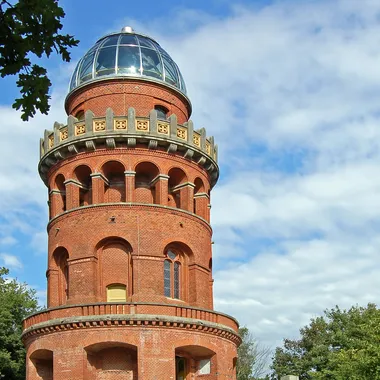
Ernst Moritz Arndt Tower
The Ernst Moritz Arndt Tower is located on the Rugard, a hill in Bergen on the island of Rügen, and is a striking monument in honor of the writer and historian Ernst Moritz Arndt. The 27-metre-high tower was built in 1877 and offers a fantastic panoramic view of the island from its viewing platform.
Vilm Island
The island of Vilm is located near Rügen and is a small natural paradise in the Baltic Sea. It is known for its untouched nature, ancient beech forests and unique flora and fauna. For many years, Vilm was a recreational resort for the GDR leadership before it was placed under strict nature protection in 1990.
Today, the island is an important nature reserve and is only accessible on guided tours in order to preserve the sensitive natural environment.