Museum Island
A UNESCO World Heritage Site with five world-famous museums, the Berlin Cathedral and the Humbolt Forum.
Berlin, the capital of Germany and the largest city in the EU, with its 3.7 million inhabitants, is in many ways a contrast to the rest of the country. Here, cosmopolitan diversity meets a rebellious, unconventional atmosphere that clearly stands out from the traditional order of other German cities
In addition to iconic landmarks, trendy neighborhoods like Kreuzberg and Friedrichshain shape the cityscape with a unique mix of creative cafés, international cuisine, and a vibrant nightlife.
But Berlin is far more than just a playground for young people. The city offers countless green oases such as the Tiergarten, the Botanical Garden, and the Gardens of the World, which invite visitors to take walks and relax. World-famous museums—from the Pergamon Museum to the Picture Gallery and the Jewish Museum—make the metropolis a mecca for art and culture enthusiasts.
At the same time, Berlin is a place of intense historical reflection: sites such as the Berlin Wall Memorial, the Holocaust Memorial, and the DDR Museum keep the memory of the Nazi era and German division alive.
In this way, Berlin uniquely combines vibrant city life with history, nature, and culture—and remains exciting for visitors of all ages.
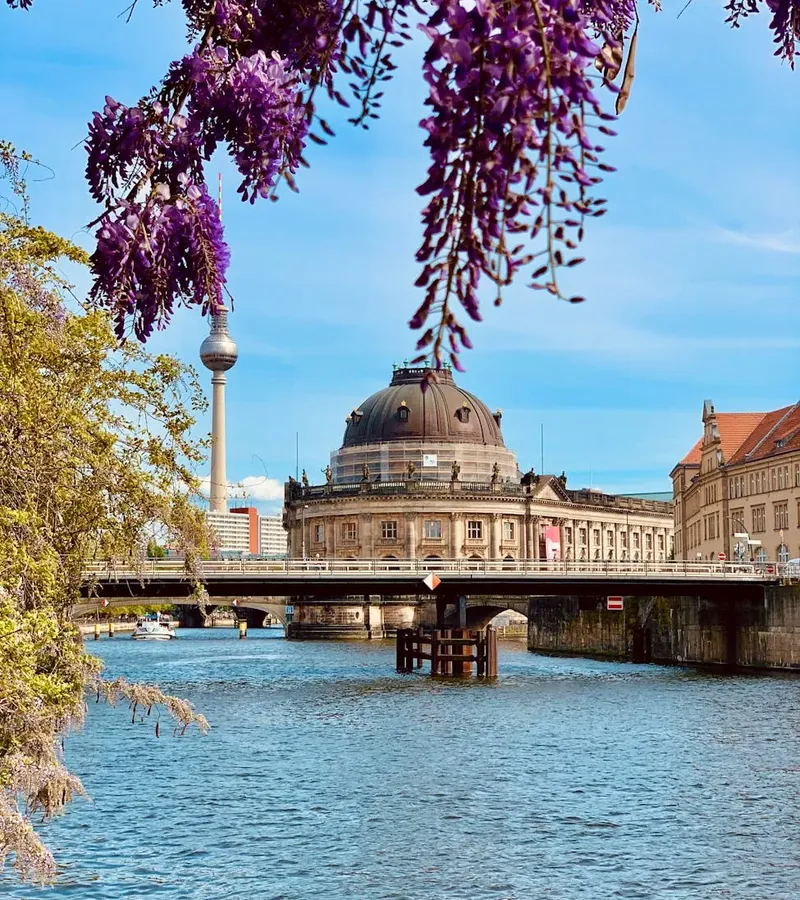
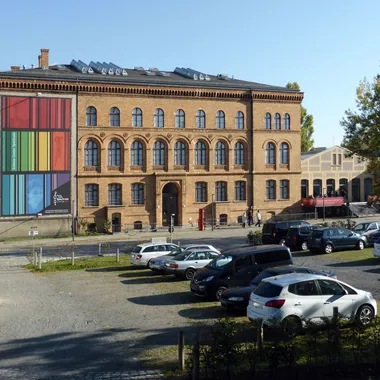
A UNESCO World Heritage Site with five world-famous museums, the Berlin Cathedral and the Humbolt Forum.
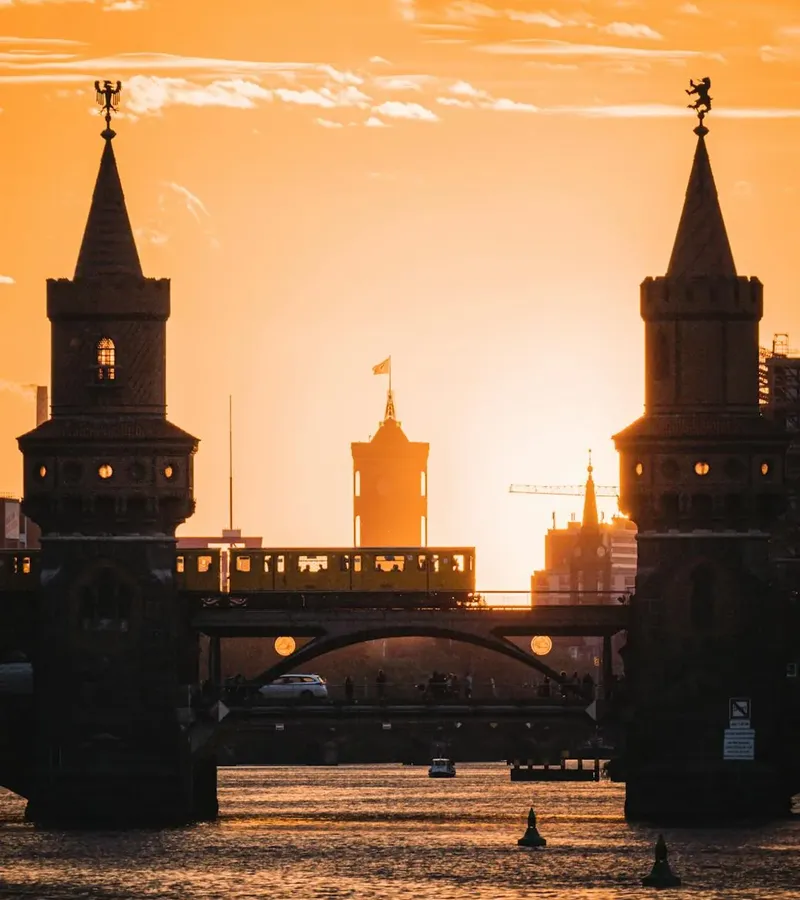
Berlin's nightlife is legendary, with countless clubs and bars. You can party every day of the week in Berlin.
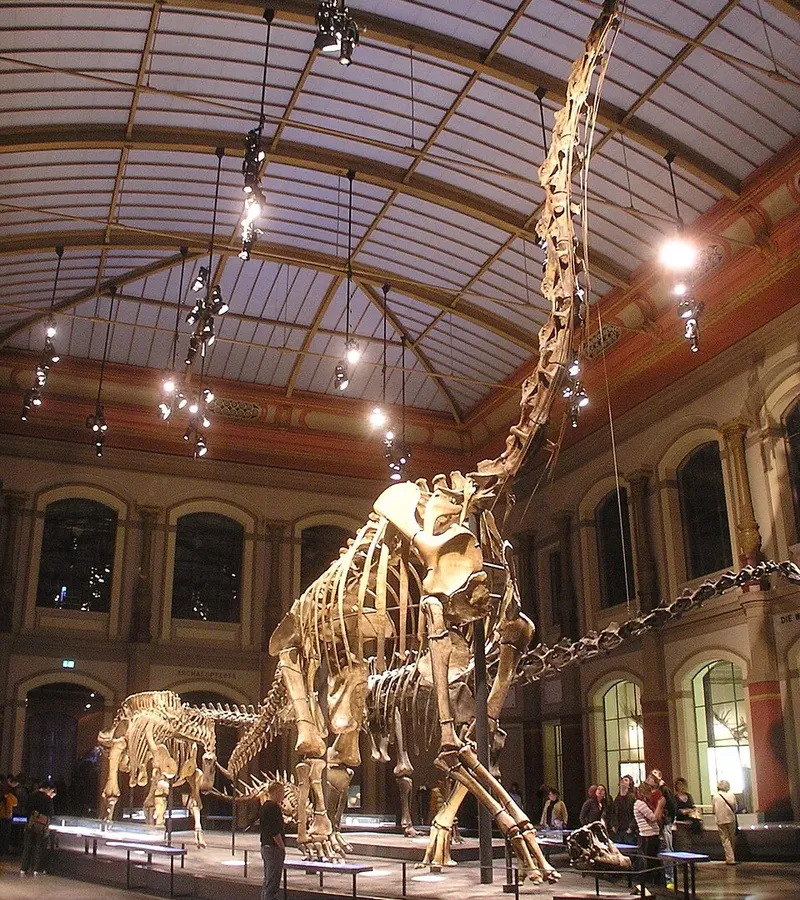
The Museum of Natural History is known for its impressive collection, including the world's largest dinosaur skeleton.
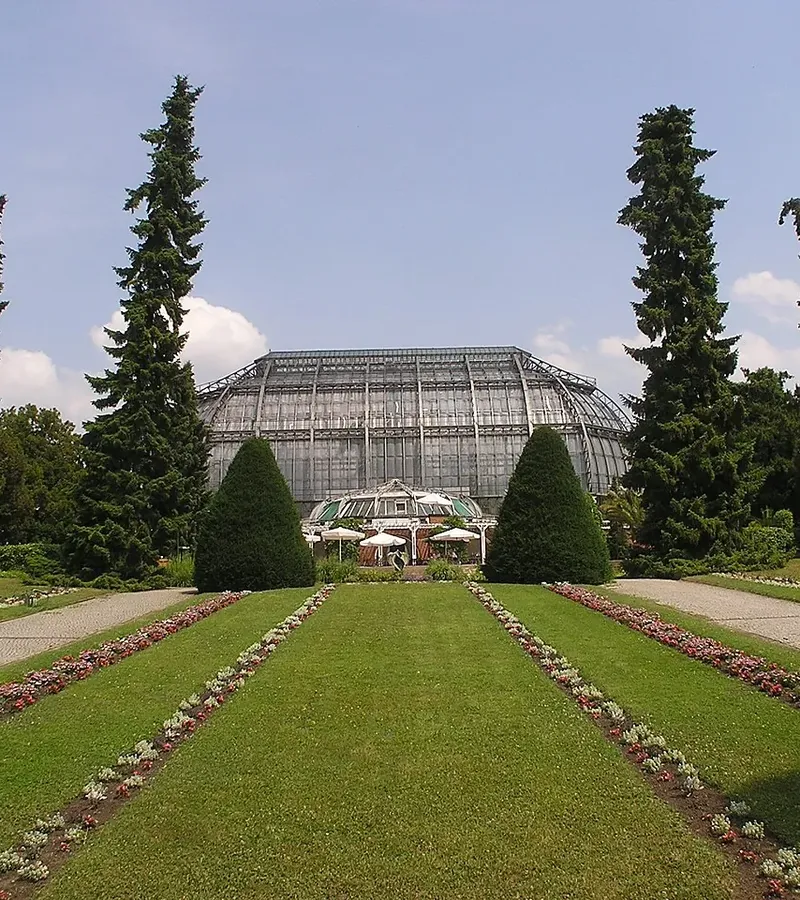
Green diversity from all over the world: discover exotic plants, tropical greenhouses and peaceful retreats in the UNESCO World Heritage Site.
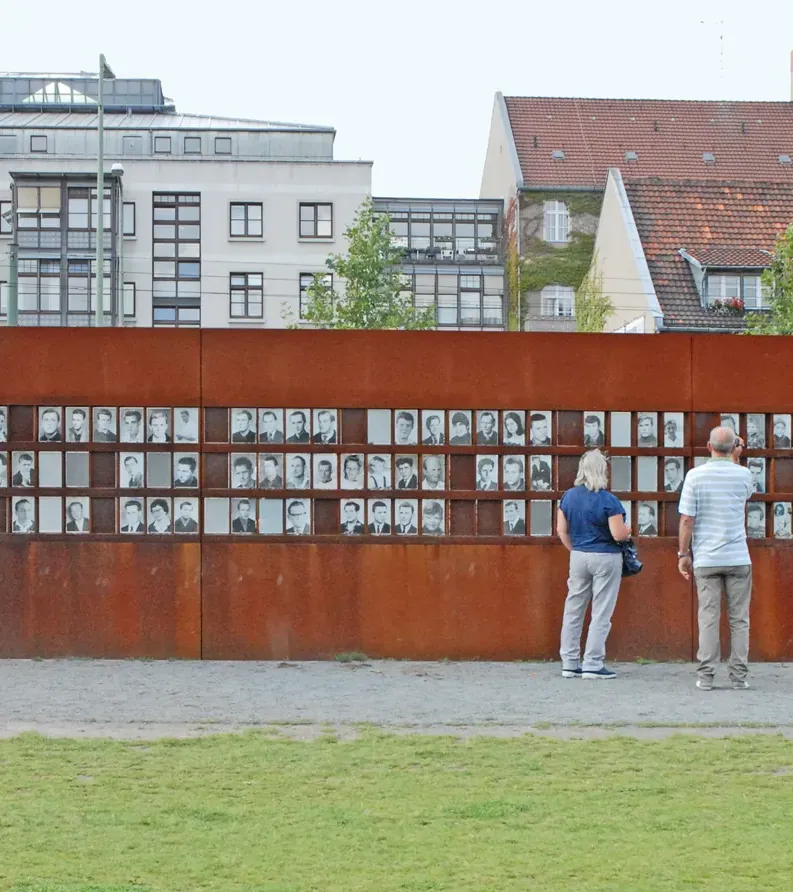
Documentation and memorial to the division of Berlin.
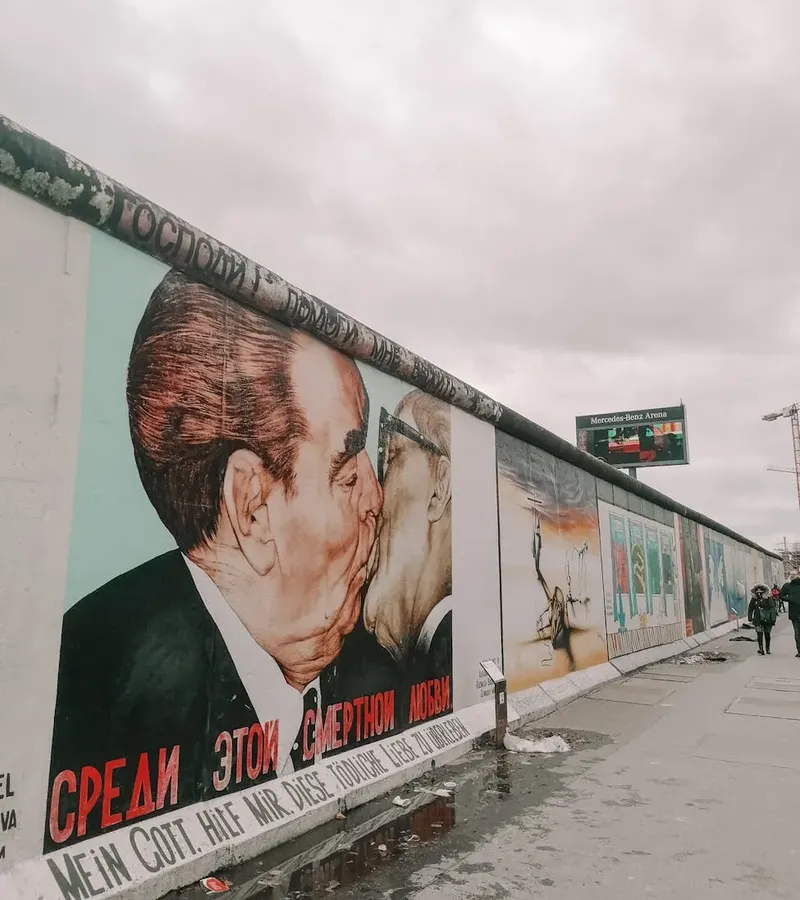
Preserved piece of the Berlin Wall with works of art.
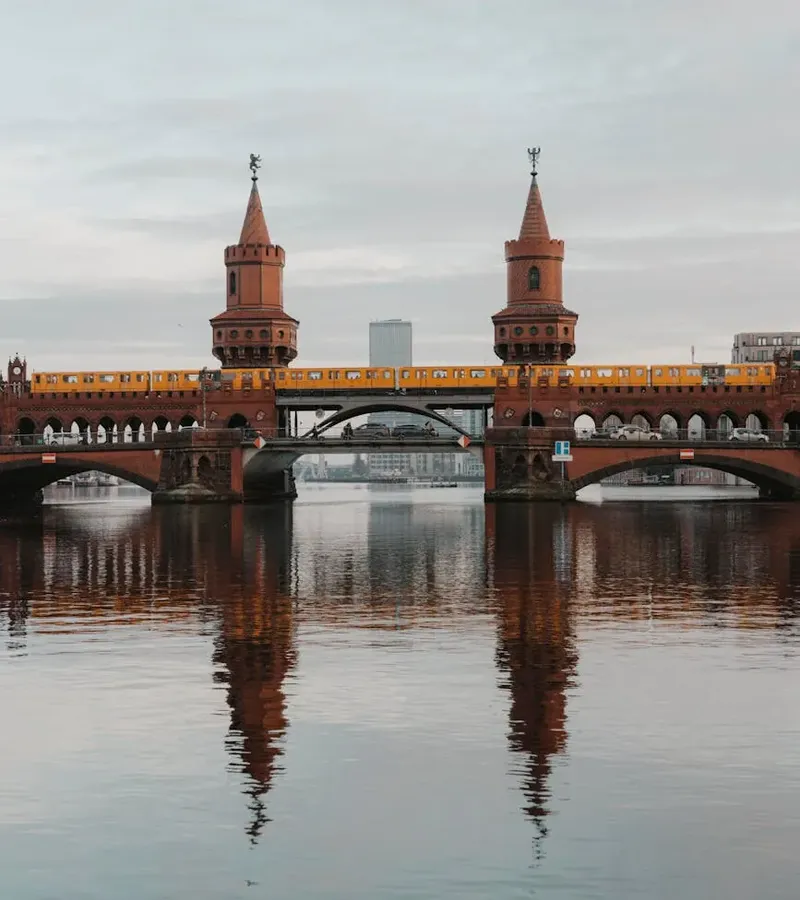
Colorful, loud, creative: alternative culture, street food from all over the world and an unmistakable, lively flair await you in Kreuzberg.
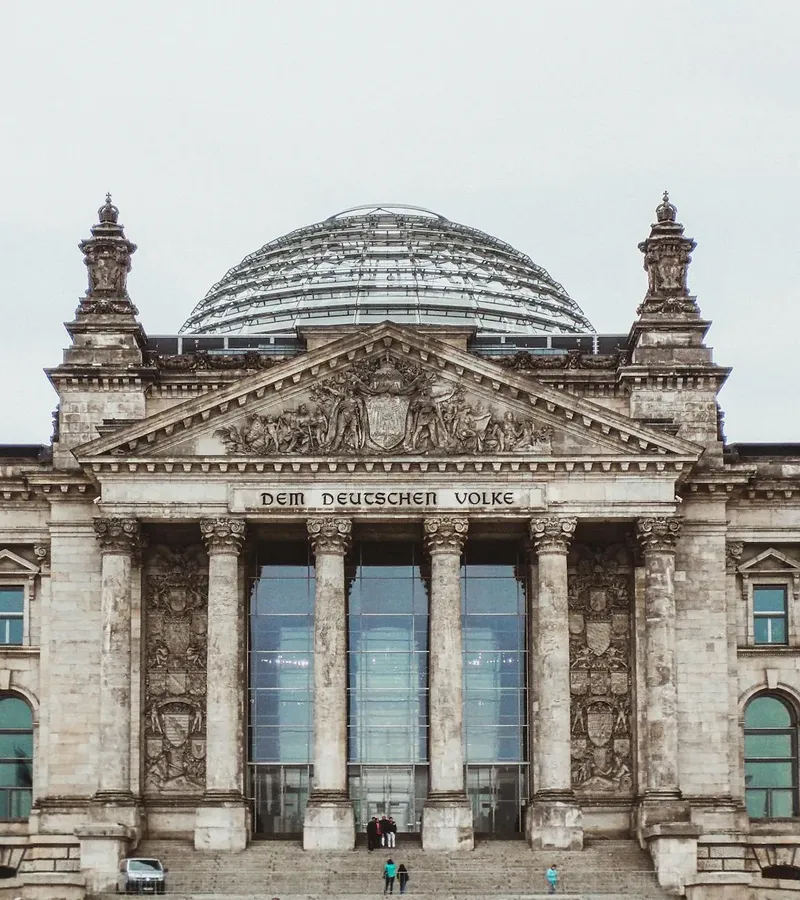
Here you can expect more than just hands-on politics and a spectacular view over the city from the glass dome.
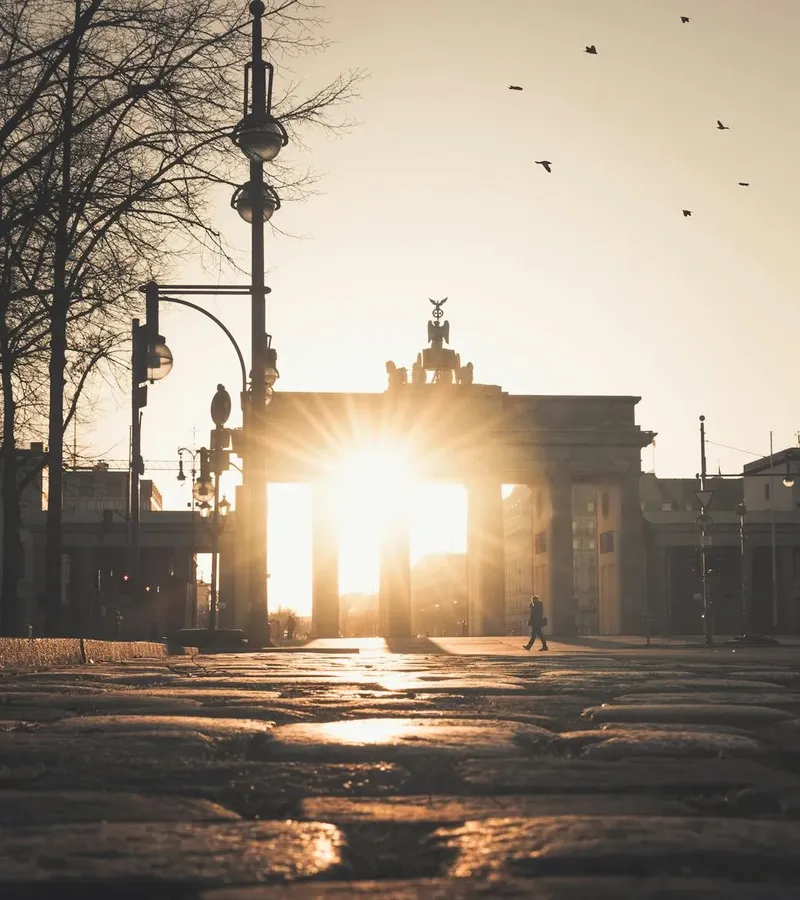
Once a symbol of division, today a place of unity - the Brandenburg Gate is part of every first visit and is located right next to the Tiergarten park, which …
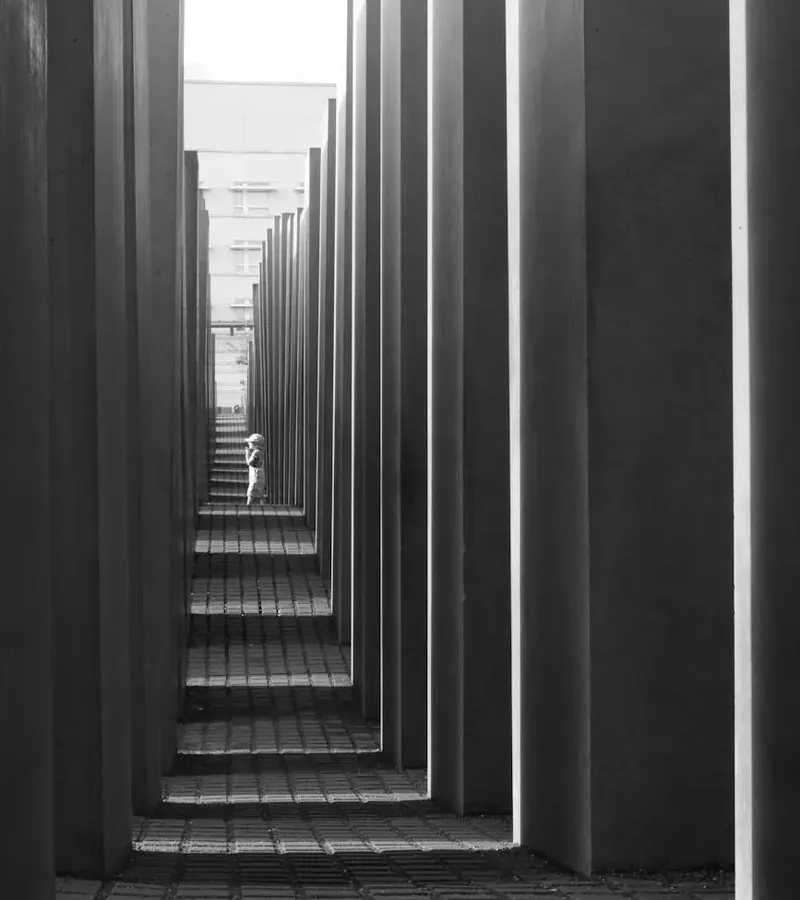
The impressive field of concrete blocks and the underground exhibition invite you to pause and remember.
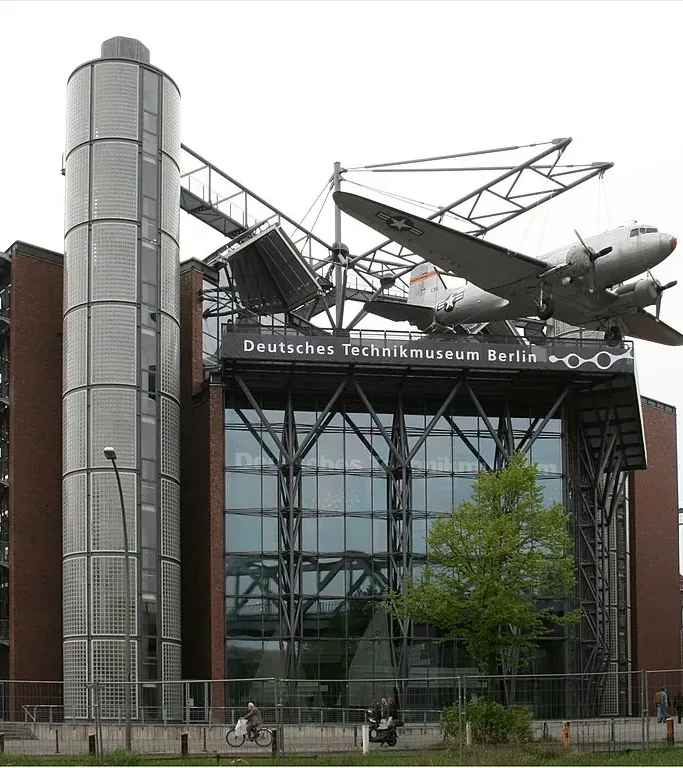
Technology you can touch: From airplanes to historical machines - progress can be experienced here in an exciting and interactive way.
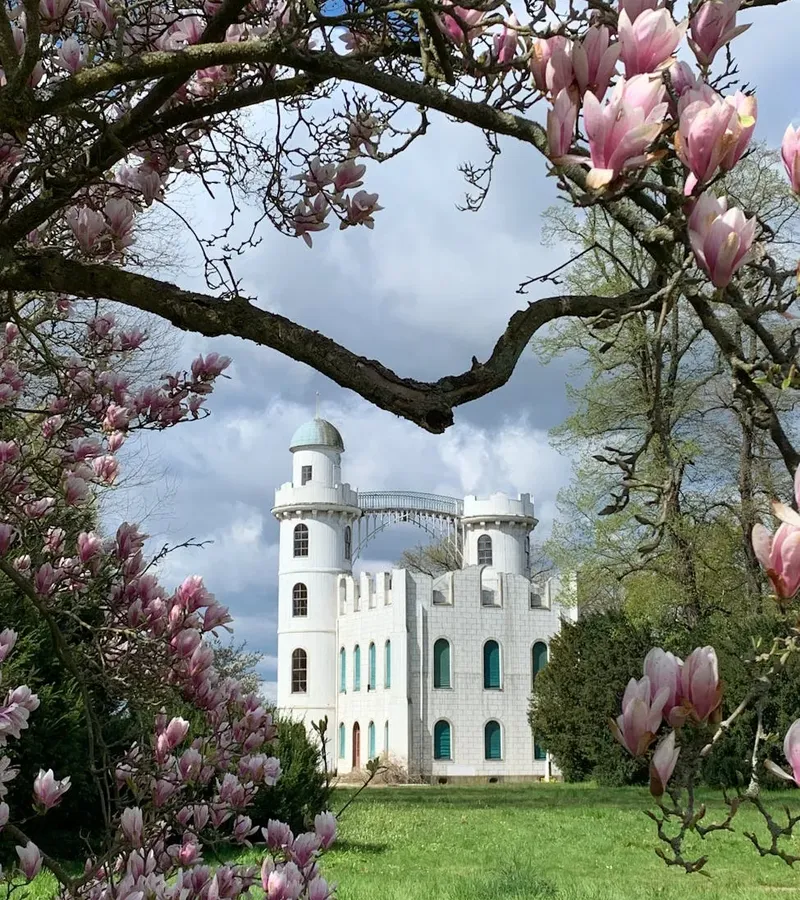
Hidden island paradise: Pure nature, a fairytale castle and free-roaming peacocks await you in the middle of the Havel.
A UNESCO World Heritage Site with five world-famous museums, the Berlin Cathedral and the Humbolt Forum.
Berlin's nightlife is legendary, with countless clubs and bars. You can party every day of the week in Berlin.
The Museum of Natural History is known for its impressive collection, including the world's largest dinosaur skeleton.
Green diversity from all over the world: discover exotic plants, tropical greenhouses and peaceful retreats in the UNESCO World Heritage Site.
Documentation and memorial to the division of Berlin.
Preserved piece of the Berlin Wall with works of art.
Colorful, loud, creative: alternative culture, street food from all over the world and an unmistakable, lively flair await you in Kreuzberg.
Here you can expect more than just hands-on politics and a spectacular view over the city from the glass dome.
Once a symbol of division, today a place of unity - the Brandenburg Gate is part of every first visit and is located right next to the Tiergarten park, which …
The impressive field of concrete blocks and the underground exhibition invite you to pause and remember.
Technology you can touch: From airplanes to historical machines - progress can be experienced here in an exciting and interactive way.
Hidden island paradise: Pure nature, a fairytale castle and free-roaming peacocks await you in the middle of the Havel.
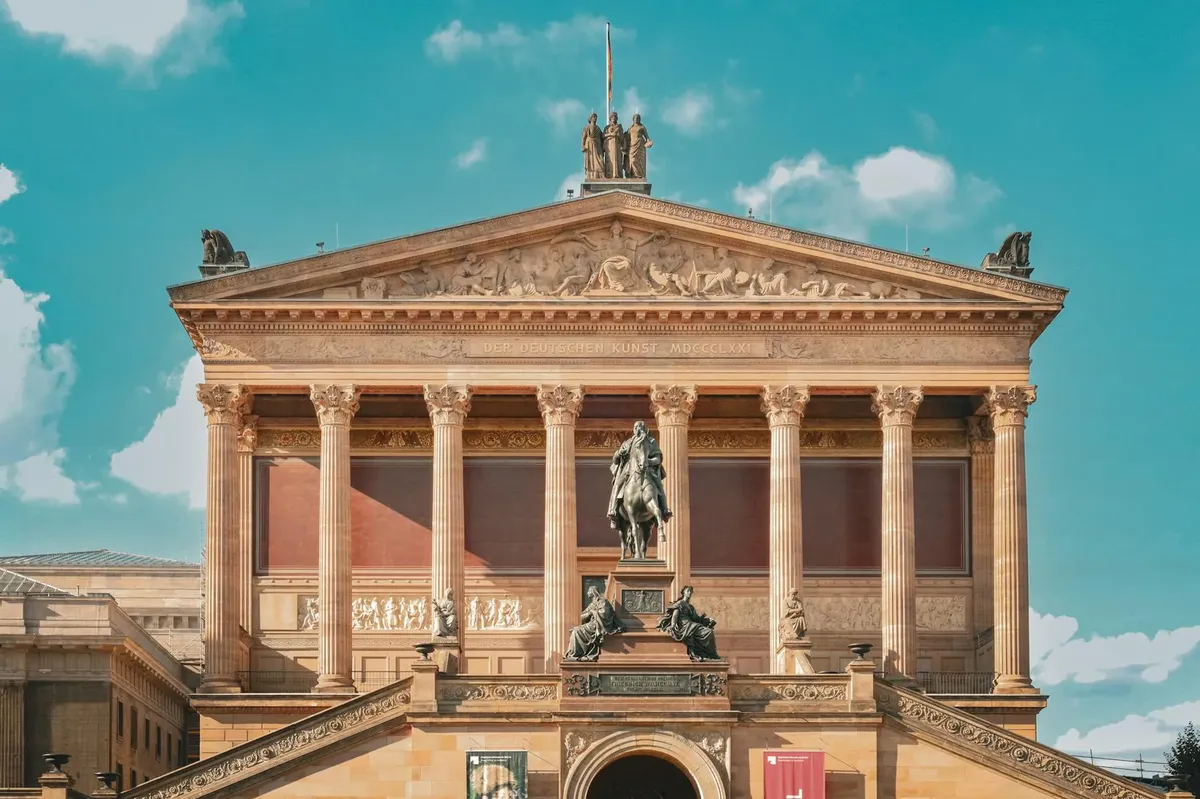
The Museum Island in Berlin is a UNESCO World Heritage Site and is home to important museums, including the Pergamon Museum, the Altes Museum, the Neues Museum, the Alte Nationalgalerie and the Bode Museum
Museum Island emerged in the 19th century as a visionary cultural project of the Prussian kings, who sought to make art and knowledge accessible to the public for the first time. Step by step, a unique ensemble of monumental museum buildings developed on the island in the Spree, an ensemble that continues to reflect the idea of a universal museum to this day.
The extensive reconstruction and restoration following the destruction of World War II underscore the area’s great cultural significance.
With the Humboldt Forum in the reconstructed Berlin Palace, Berlin’s historic center has been enriched by another cultural and social hub that expands Museum Island in a contemporary way.
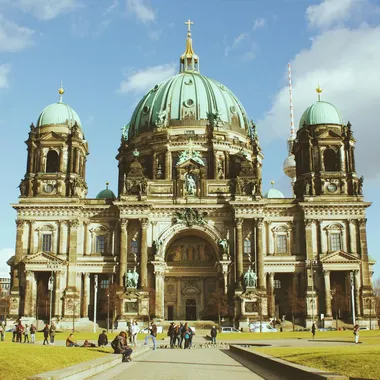
Berlin Cathedral is the most magnificent Protestant place of worship in Berlin and impresses with its imposing architecture. The mighty dome of the cathedral is a striking landmark in the cityscape and offers visitors a fantastic view over the historic center of Berlin after climbing 270 steps. A special highlight is the Hohenzollern crypt, where more than 90 members of the Prussian royal family are buried.
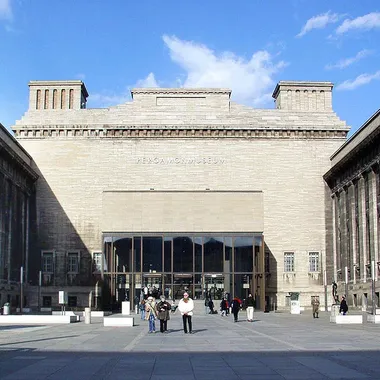
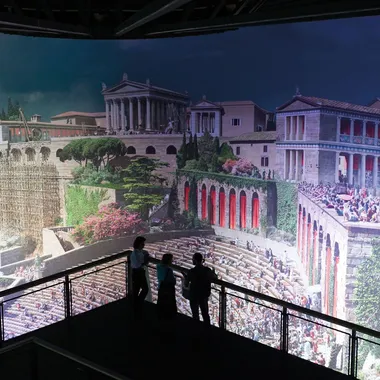
The Pergamon Museum on Berlin's Museum Island is famous worldwide for its ancient treasures. The impressive collections, including the Ishtar Gate and the Market Gate of Miletus, allow visitors to immerse themselves in the world of antiquity. Its imposing architecture literally transports you back in time. As the museum is constantly being renovated, there is "Pergamon - The Panorama", a 360-degree reconstruction of the ancient city of Pergamon.
The ancient city of Pergamon was located in what is now Turkey. Pergamon was a Greek colony and was strongly influenced by Greek culture. The inhabitants spoke Greek and had close cultural ties with Hellenism. Pergamon was famous for its library, which was the second largest in the ancient world after Alexandria. The city was a center of science and philosophy. Pergamon later became part of the Roman Empire.
The Pergamon Altar was probably erected in the 2nd century BC and was dedicated to Zeus and Athena, the city's two highest gods.
In the 19th century, the Ottoman Empire, where the excavation sites were located, was culturally and politically open to Western archaeologists and received money for the ancient treasures. Today, Turkey is demanding the return of artifacts such as the Pergamon Altar.
Worth knowing: As the Pergamon Museum is currently undergoing extensive renovations, it is temporarily closed. Large parts of the museum will not be accessible again until 2027, some even later.
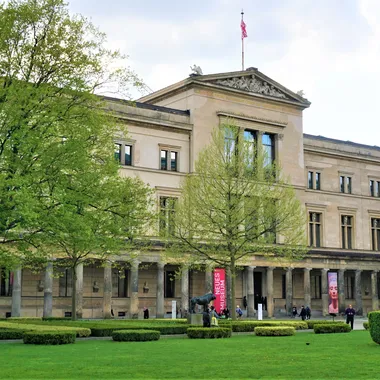
The Neues Museum on Museum Island is a real treasure trove for archaeology and art lovers. It is particularly famous for the world-famous bust of the Egyptian Queen Nefertiti, which is on display here. It also contains many other treasures from ancient Egypt and antiquity.
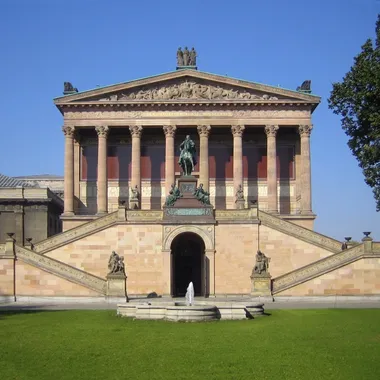
The Alte Nationalgalerie on Museum Island is home to one of the most important collections of 19th century paintings and sculptures. Works by Caspar David Friedrich, Adolph von Menzel and Claude Monet adorn the walls of this architectural gem.
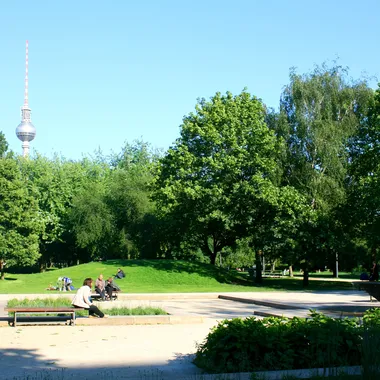
This small park directly behind the Bodemuseum is perfect for a short break. In summer, you can also dance to swing and Latin American music there.
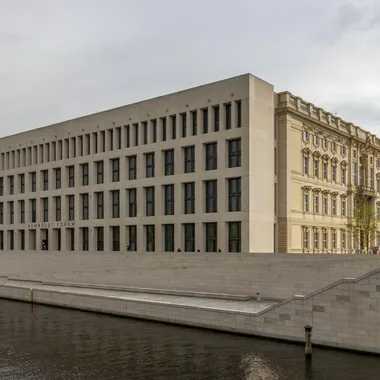
The Humboldt Forum in the reconstructed Berlin Palace is a cultural center that includes the Museum of Asian Art and the Ethnological Museum.
While the façade largely corresponds to the historical one, the interior and the exterior facing the Spree have been given a modern design. The original palace was the residence of the Prussian kings, was destroyed during the Second World War and later demolished by the GDR despite international outrage.
Some exhibitions are free, while others cost admission.
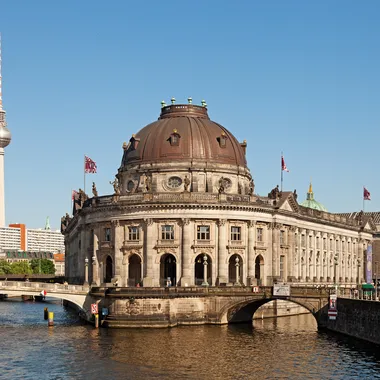
The Bodemuseum on Museum Island is a real gem for lovers of religious art. It also houses collections of Byzantine art, sculptures and coins. The sculptures from the Gothic to the Baroque periods are particularly impressive. The building itself is already a work of art - built in 1904 in impressive neo-baroque architecture, it sits majestically on the banks of the Spree.
in 2017, a gold coin weighing around 100 kg was stolen from the exhibition. The material value alone amounted to around 3.8 million euros at the time of the crime. in 2020, members of the Remmo clan were found guilty of the theft (who were also held responsible for the burglary of the Green Vault in Dresden).
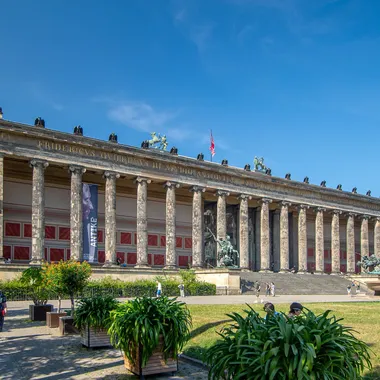
The Altes Museum on Museum Island is home to an impressive collection of ancient art and artifacts. The Greek sculptures and the famous busts of Roman emperors are particularly worth seeing.
The huge, immersive artwork by Yadegar Asisi transports visitors into the everyday life of the ancient world, and you have the feeling of being drawn directly into ancient Pergamon. Numerous statues from the Pergamon Museum, which is closed for renovation, are also on display here. The museum is a stone's throw away from the Museum Island.
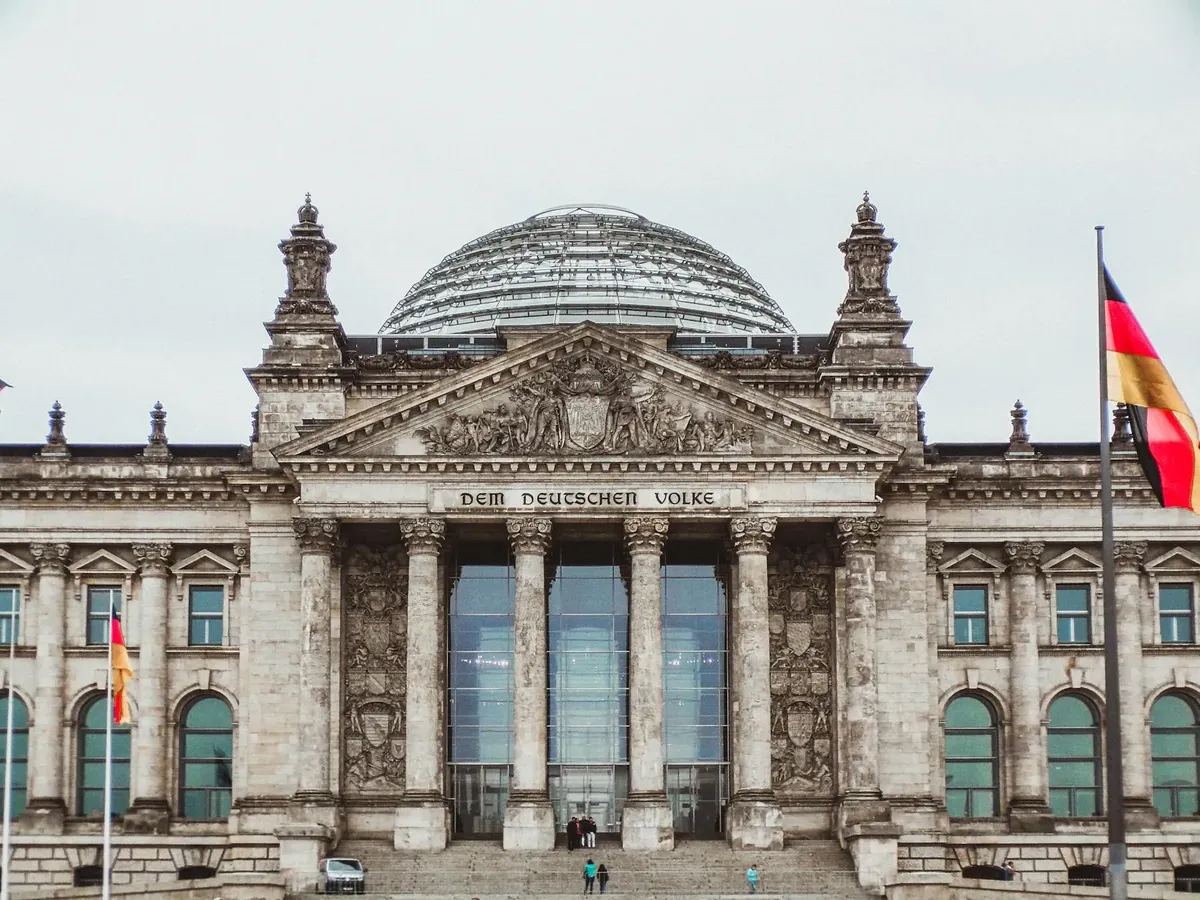
Berlin Mitte is home to many of Berlin's most famous sights, such as the Brandenburg Gate, the Reichstag and the Holocaust Memorial.
Berlin-Mitte is the historical and political heart of the capital. History, architecture, and urban life converge along the grand boulevard Unter den Linden, around the Gendarmenmarkt, and along the banks of the Spree.
In addition to government buildings, theaters, galleries, cafés, and shopping venues define the neighborhood, making Mitte a vibrant district where historical heritage and modern city life come together.
Museum Island and Alexanderplatz are also part of Mitte, but are described separately for the sake of clarity.
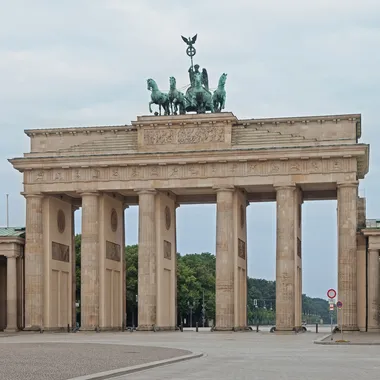
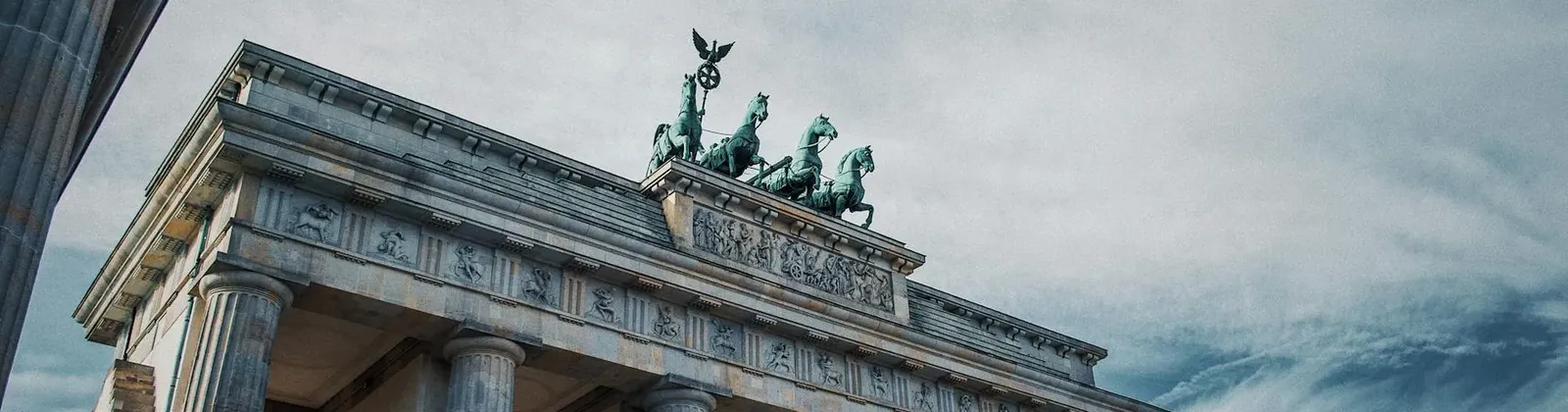
The Brandenburg Gate is undoubtedly Berlin's most famous landmark. Built in 1791 as a triumphal arch, it became a symbol of the division and eventual reunification of Germany. During the Cold War, the gate was located right on the border between East and West Berlin, surrounded by the Berlin Wall. Today it is a place of celebration and political rallies. Especially on New Year's Eve, crowds flock to the Brandenburg Gate to celebrate the turn of the year with fireworks. A curious detail is the history of the Quadriga - the chariot driven by a goddess of victory. Napoleon took the quadriga to Paris as spoils of war in 1806, but it returned triumphantly to Berlin in 1814. Funnily enough, Pariser Platz, which is located in front of the gate, was named after this episode.
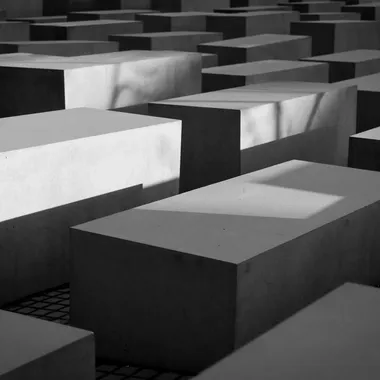
The Holocaust Memorial, also known as the "Memorial to the Murdered Jews of Europe", is located not far from the Brandenburg Gate. Covering an area of 19,000 square meters, 2,711 grey concrete steles form a labyrinthine area. Visitors can wander through the rows of stelae and experience the oppressive, isolating atmosphere - an impressive symbol of the grief and incomprehension of the Holocaust. Access is possible 24 hours a day.
A free exhibition about the Holocaust ("Place of Information") is located beneath the memorial. The photos on display clearly show the extent of the cruelty. However, the exhibition is not necessarily recommended for children.
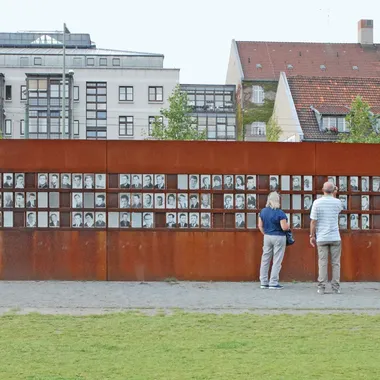
The Berlin Wall Memorial on Bernauer Strasse is the central place of remembrance of the division of Germany and the Berlin Wall. It stretches along Bernauer Strasse. The memorial comprises a 1.4-kilometer-long section of the Wall with preserved and reconstructed original elements of the border fortifications, including the Berlin Wall, a watchtower and the so-called "death strip".
A central part of the memorial is the documentation center, which displays various exhibitions, photographs and historical documents. It sheds light on the everyday life of the Berlin population during the period of division, as well as the dramatic and sometimes tragic escape attempts of people trying to reach the West.
The DDR Museum offers an interactive journey into everyday life in the former German Democratic Republic. Here, visitors can look into an original prefabricated apartment, try out the Trabi simulator and immerse themselves in the history of the socialist state. Particularly fascinating: many of the exhibits can be touched and tried out. Curious: among the museum's collector's items is a real "broiler grill", in which the much-loved roast chicken of the GDR was prepared.
Madame Tussauds Berlin is the German branch of the world-famous wax museum. Here, visitors can pose side by side with celebrities such as Angela Merkel, Michael Jackson or even Albert Einstein. Especially cool: In the Berlin section, guests can recreate a "piece of the Wall" and take a picture of the historic moment when the Wall fell.
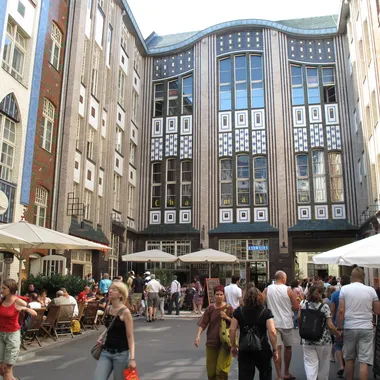
The Hackesche Höfe are an impressive ensemble of eight interconnected courtyards designed in the Art Nouveau style. They are considered the largest enclosed courtyard area in Germany and are now home to galleries, boutiques, restaurants and offices. Especially at night, when the lights come on, a special atmosphere unfolds.
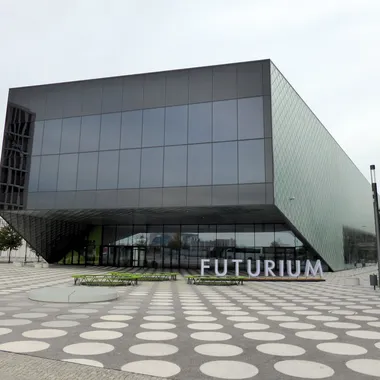
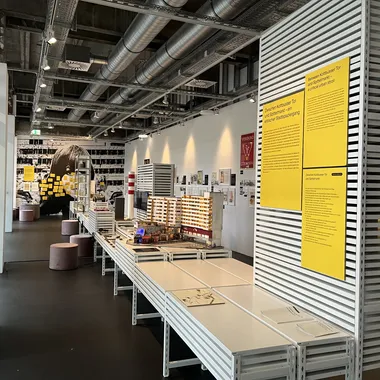
The Futurium is an innovative museum that deals with the future issues of our society. In interactive exhibitions, it shows how technology, science and culture will influence our lives in the coming decades.
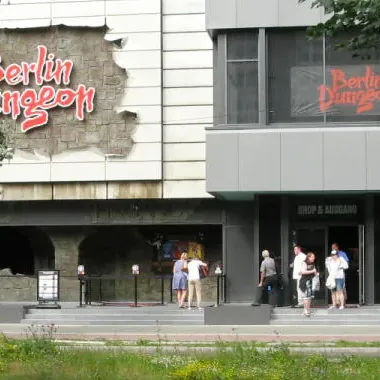
The Berlin Dungeon offers a gripping journey through 800 years of Berlin history - with a dark and humorous twist. In interactive shows staged by actors, visitors can experience the darkest chapters of the city's history, from the plague and torture to the gruesome murders of serial killer Carl Großmann.
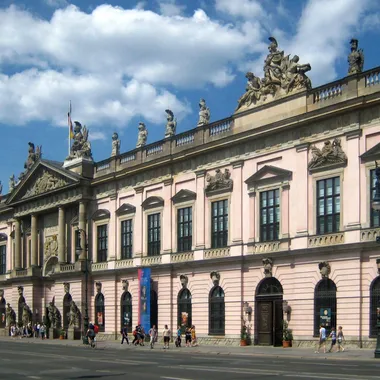
The German Historical Museum on the boulevard Unter den Linden takes visitors on a fascinating journey through 2,000 years of German history. From antiquity to the Middle Ages to reunification - the country's eventful history is comprehensively presented here.
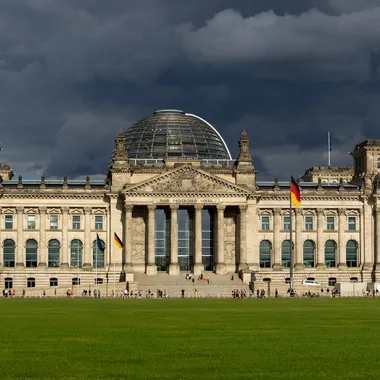
The Reichstag building is not only the seat of the German Bundestag, but also a highly symbolic building that reflects Berlin's turbulent history. Originally built in 1894, an arson attack on the building in 1933 led to the repeal of the Basic Law. During the war, the Reichstag was used as a bunker and gynecological clinic, among other things. More than 60 children were born here. After the building was badly damaged during the war, it fell into disrepair until reunification. During the occupation of Berlin from 1945, Soviet soldiers left numerous graffiti inside the building, some of which has been preserved to this day. The glass dome, which offers visitors a 360-degree panoramic view of the city, was created during the reconstruction. However, visitors must register weeks in advance and go through an entrance check.
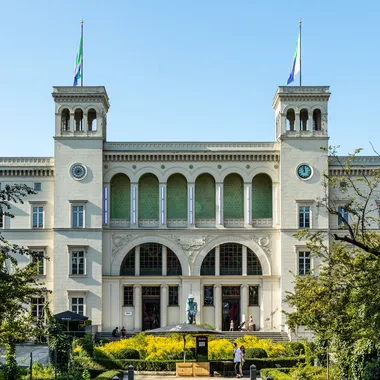
The Hamburger Bahnhof Museum is one of the most important museums for contemporary art in Germany. Works by artists such as Andy Warhol, Joseph Beuys and Gerhard Richter are exhibited in the impressive halls of a former railroad station. The Hamburger Bahnhof is one of the oldest preserved railroad station buildings in Germany and was opened in 1846. As the "works of art" are often very abstract and also contain loud music or strobe effects, opinions differ widely.
During the GDR era, the "Tränenpalast" (Palace of Tears) at Friedrichstraße station was the place where people had to say goodbye to their loved ones before traveling to the West - hence the sad name. Today, the building houses a moving permanent exhibition about the division of Germany and the fates that took place here.
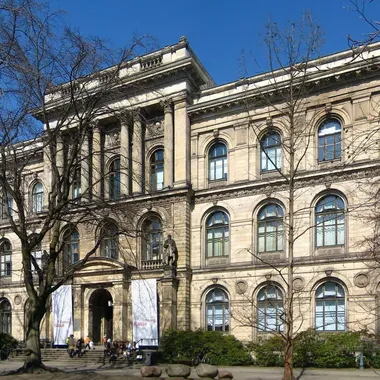
The Museum für Naturkunde Berlin is a treasure trove of natural history and houses, among other things, the world's largest mounted dinosaur skeleton - the giant Brachiosaurus brancai. The "Berlin specimen" of Archaeopteryx, one of the most important fossils in the world, is also particularly impressive. A curious fact: the famous skeleton of the Tyrannosaurus rex in the museum has its own Twitter account and regularly "tweets" about its life as a museum piece.
An interactive museum for optical illusions and modern art
The Illuseum Berlin is an interactive museum dedicated to optical illusions. Here, the senses are put to the test: from floating benches to rooms in which gravity seems to dissolve.
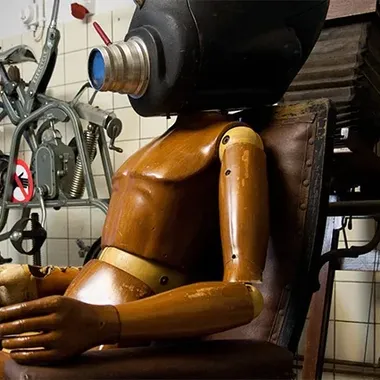
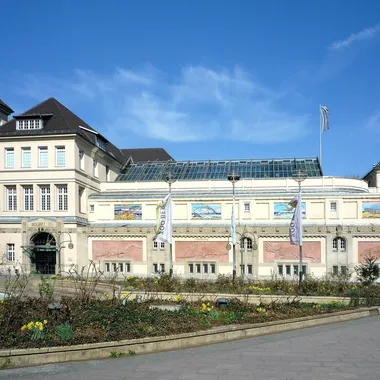
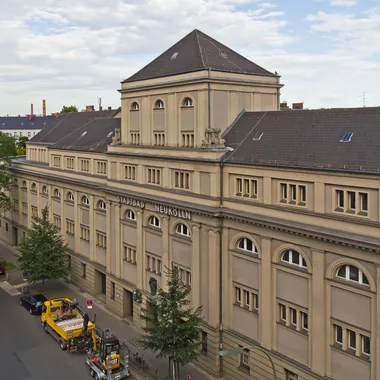
The Museum of Communication in Berlin is the oldest museum of its kind in Germany and offers fascinating insights into the history of (technical) communication - from antiquity to modern times. Highlights include historic telephones, early computers and a post horn from the 17th century. The building itself is an architectural masterpiece with a glass dome and an impressive entrance hall in which mechanical robots beckon to visitors in a friendly manner.
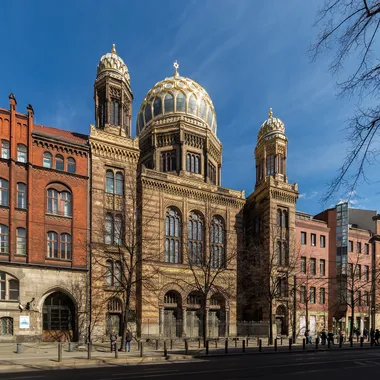
The New Synagogue in Berlin is one of the most important buildings of Jewish history in Germany. It is located in Oranienburger Straße in the Mitte district and was officially opened in 1866. With around 3,000 seats, it was the largest synagogue in Germany at the time and a symbol of self-confident Jewish life in Berlin in the 19th century.
The magnificent golden dome, which still dominates the cityscape today, is particularly striking. The architectural style is based on Moorish models, similar to the Alhambra in Spain, and was intended to reflect the cultural diversity and prosperity of the Jewish community.
In the course of history, the synagogue was severely damaged. It was attacked during the November pogroms of 1938, followed by heavy bomb damage during the Second World War. For a long time after the war, only ruins remained and large parts of the building were later demolished.
Reconstruction only began after the reunification of Germany. the restored façade with dome was reopened in 1995. Today, the New Synagogue is no longer a complete place of worship, but serves as a "Centrum Judaicum". It is a place of remembrance, education and encounters, where exhibitions on Berlin's Jewish history are shown.
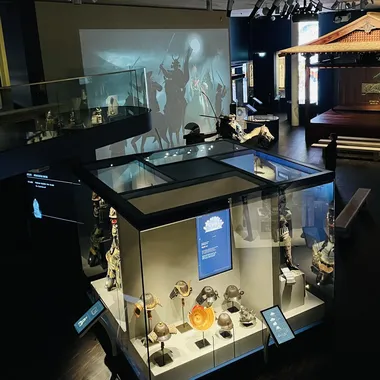
The Samurai Museum Berlin is a unique collection dedicated to the warriors of ancient Japan. More than 1,000 exhibits are on display here, including magnificent samurai armor, swords and works of art. Interesting fact: many of the weapons and armor on display were used by real samurai and are several centuries old, making the museum a real treasure for history buffs.
Fotografiska Berlin is an international museum for photography, contemporary art and visual culture. The museum is located in the former Kunsthaus Tacheles, which for many years was a symbol of Berlin's alternative art and culture scene. Today, the striking historic staircase in particular is a reminder of the legendary Tacheles era. The modern exhibition rooms present changing international exhibitions that combine photography, digital art and social issues.
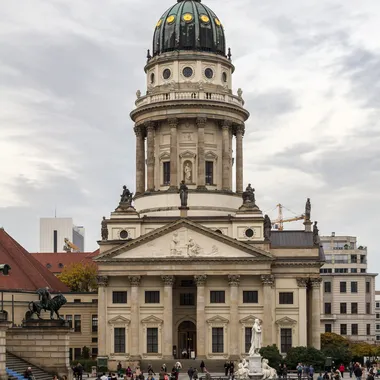
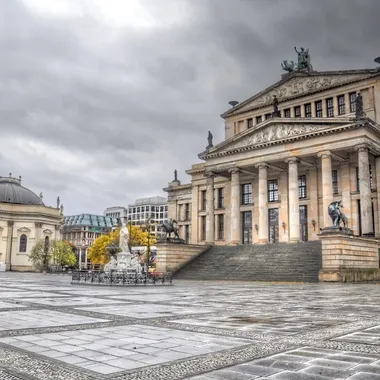
The French Cathedral is one of the architectural gems on Gendarmenmarkt and is a symbol of the long history of the Huguenots in Berlin. In the 17th century, numerous Huguenots fled to Berlin after being persecuted for their faith in France. The cathedral was built for them as a place of worship and community. Today, the Huguenot Museum is located inside. The French Cathedral is not actually a cathedral in the ecclesiastical sense, as no bishop ever resided here - yet the name has stuck to this day. From the cathedral's viewing platform, you have a fantastic view over the Gendarmenmarkt and the surrounding magnificent buildings, including the German Cathedral and the Konzerthaus.
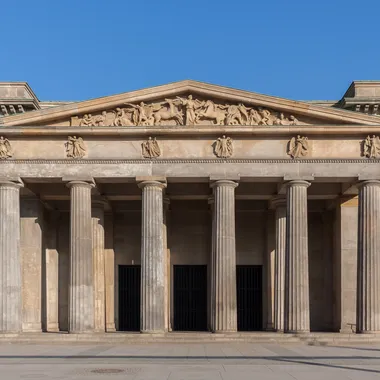
Today, the Neue Wache serves as the Federal Republic of Germany's central memorial to the victims of war and tyranny. Inside is a moving sculpture by Käthe Kollwitz depicting a mother and child - a symbol of suffering and loss.
The Berlin Museum of Medical History on the grounds of the Charité hospital offers a fascinating journey through the history of medicine. From old surgical instruments to anatomical specimens, it shows how the art of healing has developed over the centuries. A curious fact: the exhibits include the famous "brain of a murderer", which is displayed as a medical specimen and is a macabre fascination for many visitors. Some of the other exhibits also resemble a chamber of horrors.
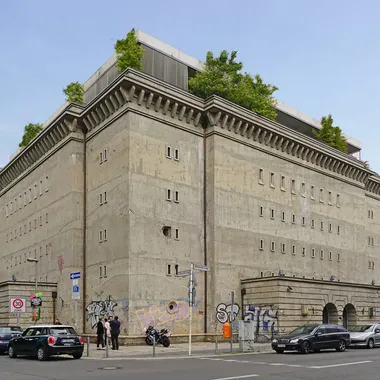
The Boros Collection is a private collection of contemporary art housed in a former bunker from the Second World War. The works range from installations and sculptures to video art.
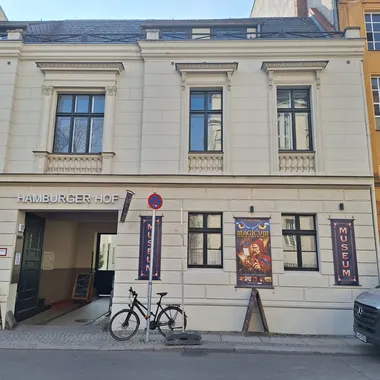
A small interactive museum where you can learn more about tarot cards, religions as well as riddles and magic. There are also magic shows to see.
St. Hedwig's Cathedral is the most important Catholic church in Berlin and is located on Bebelplatz in the historic center of the city. The striking dome is architecturally inspired by the Roman Pantheon and gives the cathedral an unmistakable appearance. The sacred building combines simple elegance with religious and cultural significance.
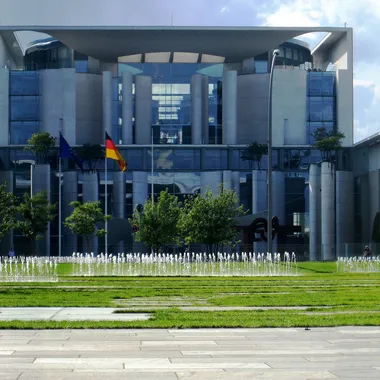
The Federal Chancellery, often referred to as the "washing machine", is one of the largest government buildings in the world and the heart of German politics. It serves as the official residence of the Federal Chancellor and represents Berlin's modern architecture. Interesting fact: with its 12,000 square meters, the Chancellery is almost ten times the size of the White House in Washington D.C. The neighbouring Spreebogenpark offers a magnificent view of the building.
The cabinet is home to bizarre mechanical creatures and figures that move, light up and interact. The exhibition is a dark yet humorous journey into a surreal world where visitors can experience machine art up close.
VR Nation offers an exciting virtual reality experience in the heart of Berlin. Visitors can immerse themselves in various virtual worlds - from fast-paced car races and adventures in space to exciting escape rooms.
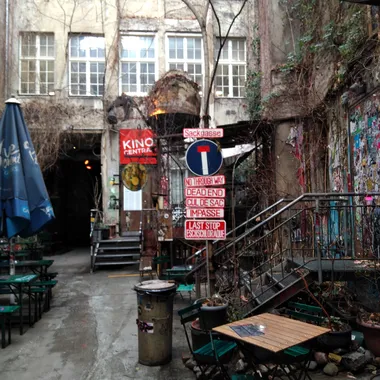
Haus Schwarzenberg is an alternative art and culture complex in Mitte, characterized by its colourful graffiti and creative atmosphere. It is home to the Museum Blindenwerkstatt Otto Weidt, which commemorates the courageous efforts of Otto Weidt, who saved his blind Jewish employees from deportation during the Second World War. Another special highlight is the Neurotitan Gallery, which exhibits contemporary art. The Anne Frank Center focuses on the life of young Anne and the history of the Holocaust.
The museum is particularly well known for its extensive collection of everyday objects produced in the 20th and 21st centuries. The objects on display range from household appliances, furniture, tableware and tools to industrial products and design classics. The focus is on the question of how design, aesthetics and mass production have developed over time and what influence they have had on everyday life and society.
The Spree meanders through the middle of the city and passes many famous sights, so visitors can enjoy a relaxed yet impressive tour.
There are several starting points for a boat tour, including the landing stages at Friedrichstraße, Hackescher Markt and Jannowitzbrücke. Most tour operators offer different tours - from classic sightseeing tours to romantic evening tours and special themed tours such as bridge cruises or culinary boat tours with dinner on board.
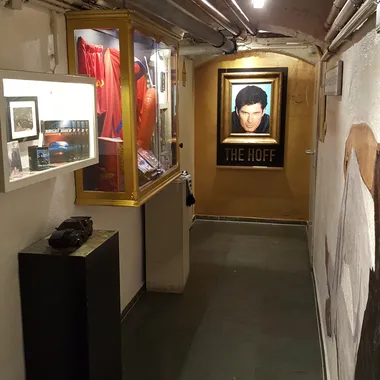
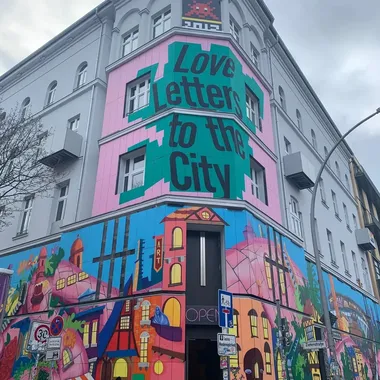
The David Hasselhoff Museum is a very small but iconic museum dedicated to the American actor and singer David Hasselhoff. It is located in the basement of The Circus Hostel. Hasselhoff has secured a special place in pop culture in Germany, particularly through his hit "Looking for Freedom" and his highly symbolic performance at the Berlin Wall shortly after it fell.
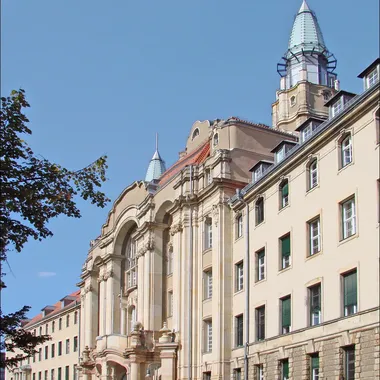
Amtsgericht Mitte is one of the most impressive historical court buildings in Berlin. The elaborately designed interior with its large staircases, ornate corridors and historical details from the imperial era is particularly worth seeing. The representative architecture conveys an impression of the importance of state architecture in the late 19th century and makes the building architecturally interesting even apart from its actual function.
Dorotheenstädtischer Friedhof is a place of tranquillity and at the same time a site of cultural and historical interest. Numerous important personalities such as Bertolt Brecht, Helene Weigel and Hegel are buried here. The cemetery is often referred to as the "poet's cemetery", as many famous writers and philosophers have found their final resting place here.
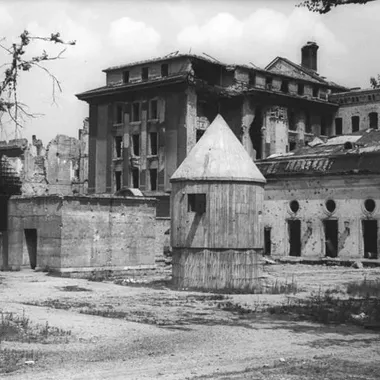
The former Führerbunker in Berlin, where Adolf Hitler married his partner Eva Braun in the final days of the Second World War and then committed suicide with her, exists today only as an underground ruin. The bodies of Adolf Hitler and Eva Braun were cremated near the bunker to avoid discovery by the Soviets.
After the war, the Allies attempted to destroy the bunker several times, but the massive reinforced concrete walls partially survived the blasts. In the 1980s, the area was built over and apart from a few remnants, nothing of the above-ground structure remained.
Today, there is no direct evidence of the bunker on site. A small information board provides information about its location and history, but deliberately without any incentives to attract tourists.
The last days in the Führerbunker are depicted in the movie "Der Untergang".
Joseph Goebbels, the Reich Minister for Popular Enlightenment and Propaganda, also commits suicide together with his wife Magda. Magda Goebbels had previously poisoned her six children. The bodies of the Goebbels family were also cremated.
Bebelplatz is a place with a turbulent history, right next to the State Opera House and Humboldt University. It became famous for the book burning by the National Socialists in 1933. Today, an underground memorial, an empty library, commemorates this terrible act. While it is easily overlooked during the day, it shines brightly in the evening.
Gendarmenmarkt is considered one of the most beautiful squares in Berlin, surrounded by impressive buildings such as the German and French Cathedrals and the Konzerthaus. Originally laid out as a market square in the 17th century, it got its name from the "Gens d'Armes", a Prussian cavalry unit that was once stationed here. Today, the square is a popular meeting place, especially in winter, when one of Berlin's most beautiful Christmas markets takes place here.
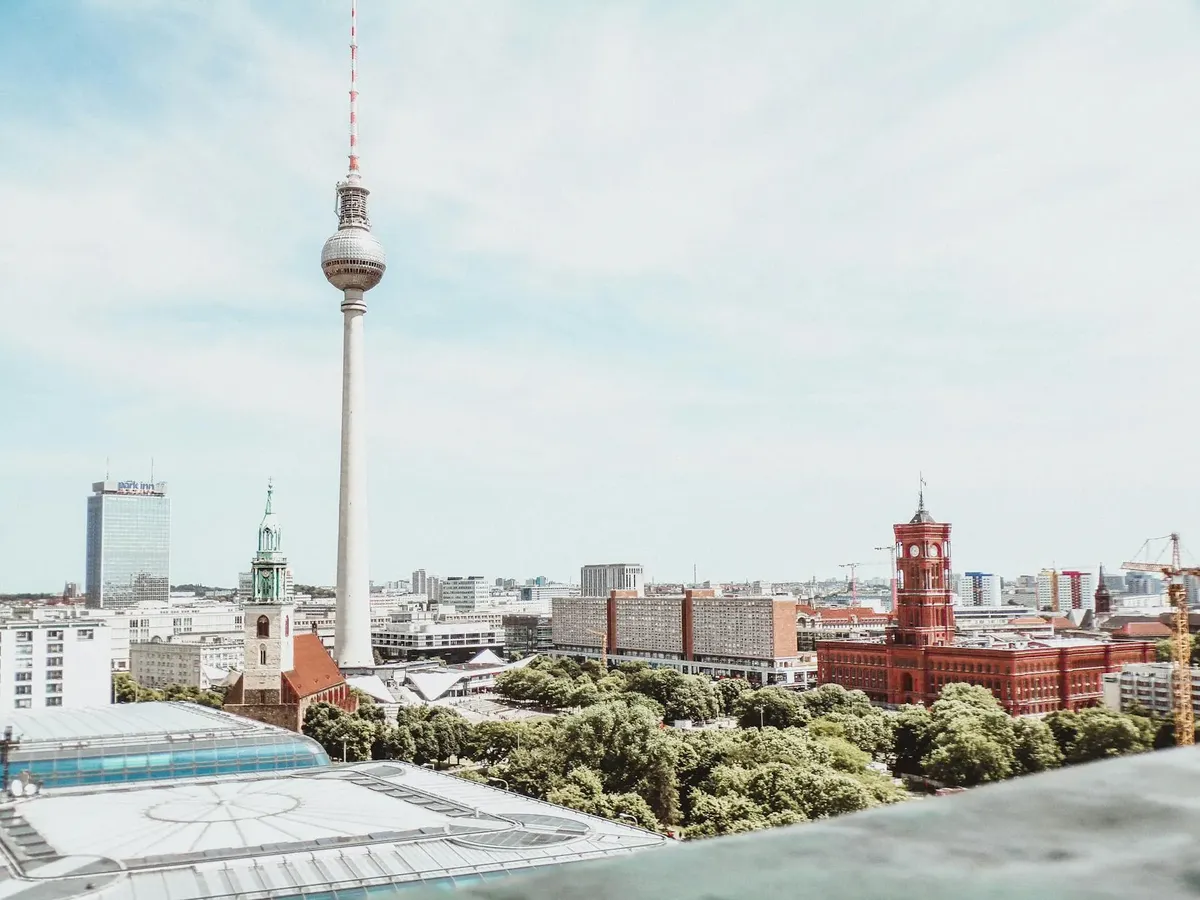
Alexanderplatz, or "Alex" for short, is one of Berlin's most famous squares and was already an important center of the East during the GDR era
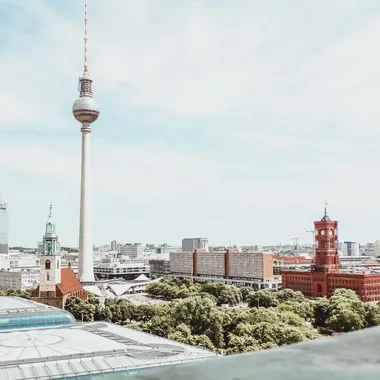
Here stands the famous TV Tower, whose observation deck offers a breathtaking view of Berlin. The square is famous for its striking World Clock, which displays the time in all major cities around the world.
The square is surrounded by large shopping centers, restaurants, and Karl-Marx-Allee, a socialist showcase project that was used for parades, among other things. Since Alexanderplatz is a major transportation hub, there is always a lot going on here.
The Nikolaiviertel is Berlin’s oldest residential district, with origins dating back to the 12th century. Today, the neighborhood offers a picturesque mix of historic buildings, cozy restaurants, and small museums.
An interesting fact: Although the Nikolaiviertel looks so old, it was almost completely reconstructed after World War II. It is nevertheless considered the “heart of the Old Town.”
At 368 meters, the Berlin TV Tower on Alexanderplatz is the tallest building in Germany and an unmissable landmark of the city. The viewing platform at a height of 203 meters offers an incomparable 360-degree view of the metropolis. Especially on a clear day, you can see as far as Müggelsee and Teufelsberg.
Sea Life Berlin offers an exciting underwater journey that is particularly suitable for families. Through huge panoramic windows, visitors can experience the colorful hustle and bustle of the sea creatures up close, from seahorses to turtles. Until a few years ago, visitors could also use the AquaDome, an elevator surrounded by a free-standing aquarium. However, this aquarium burst in 2023 for unknown reasons (no people were injured).
The "Body Worlds" exhibition shows the fascinating anatomy of the human body using real plastinates. Visitors learn in an impressive way how the human organism works and what effects our lifestyle has on our health. A curious fact: the exhibition caused controversy worldwide as many people feel uncomfortable seeing real human bodies (there were also unjustified rumors that the bodies came from execution victims from China).
Little BIG City Berlin is an interactive miniature world that brings Berlin's eventful history to life in a fascinating way. Elaborately designed models and impressive projections show Berlin's development from its medieval beginnings through the Nazi era, the division of the city and the fall of the Berlin Wall to the modern metropolis.
The Berlin Icebar is an ice-cold experience in the heart of the city. Everything here - from the walls to the seating to the glasses - is made entirely of ice. Visitors are given warm jackets and gloves to enjoy their stay in the frosty surroundings while drinking ice-cold cocktails. Around 60 tons of ice are needed each year to maintain the bar and regularly refresh the fascinating ice sculptures.
The Designpanoptikum is a curious museum for industrial objects and unusual designs. Here, visitors can discover strange devices and machines whose function often remains a mystery. Fun fact: the collection looks like a mixture of science fiction and steampunk, and many of the exhibits are so bizarre that visitors often don't know whether they are looking at a work of art or a real machine.
The Nikolai Church is the oldest preserved church in Berlin and is located in the charming Nikolai Quarter, the historic heart of the city. The church was built in the 13th century and is considered an outstanding example of North German brick Gothic architecture. Over the course of its history, it has been destroyed and rebuilt several times. Interesting fact: the tower of the Nikolaikirche was added in the 19th century in neo-Gothic style, which gives the church its characteristic silhouette today. Today, the Nikolaikirche serves as a museum about early Berlin and a venue for concerts.
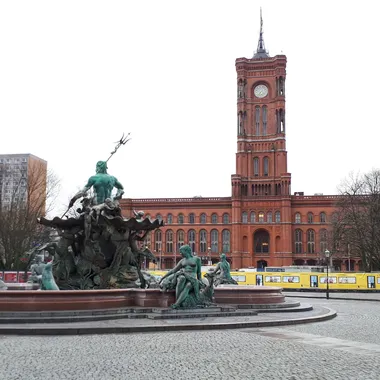
The Red City Hall is Berlin's landmark and administrative center and is centrally located on Alexanderplatz. The name comes from the striking red brick façade. The governing mayor of Berlin has his official residence here. Fun fact: The architecture of the building is reminiscent of the Italian Renaissance, while the construction itself took place between 1861 and 1869. Visitors can also admire the impressive ballroom and visit free exhibitions inside. The Neptune Fountain is located in front of the town hall.
The Neptune Fountain in front of the Red Town Hall is an impressive example of Baroque sculpture. The sea god Neptune sits enthroned in the middle of the fountain, surrounded by four female figures representing the great rivers of Germany. The fountain was originally placed in front of the Berlin Palace before finding its current location.
The Knoblauchhaus Museum in the Nikolai Quarter offers a fascinating insight into 19th century bourgeois life. It was once the home of the Berlin Knoblauch family, who played a key role in the economic and cultural development of the city. The house is one of the few original town houses of old Berlin that has been preserved and, with its historic furniture, offers a charming journey into the past.
The Immersive Gamebox at Alexanderplatz is an interactive gaming experience that uses state-of-the-art projection technology and gesture control. Teams compete together in various missions - from puzzle games to action-packed challenges.
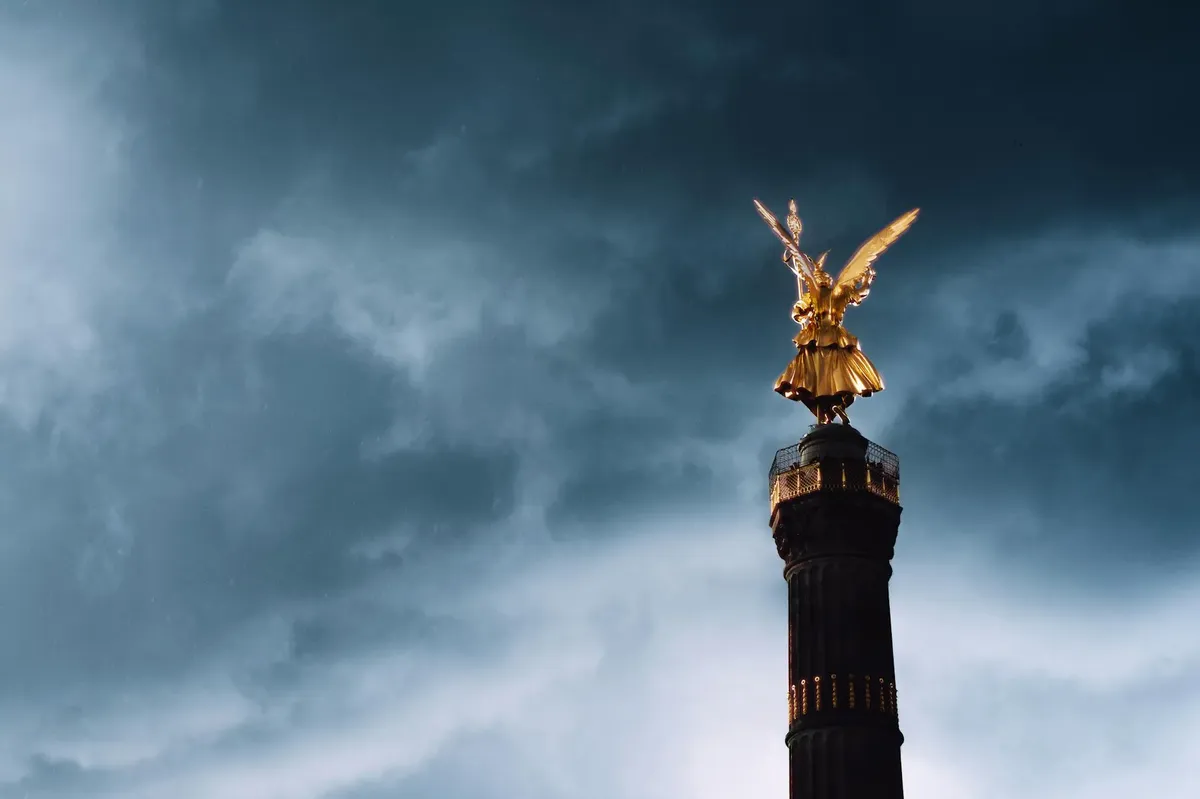
The sprawling Tiergarten stretches between the Brandenburg Gate and the Victory Column, offering a green oasis in the heart of the city with its tree-lined avenues, meadows, and waterways. Originally established as a hunting ground for the Electors, it now serves as a central gathering place for walks, picnics, and recreational activities.
To the south lies Potsdamer Platz, which, following its destruction in World War II and the decades-long division of Berlin, became a symbol of modern reconstruction. Today, striking architecture, cinemas, theaters, and museums such as the Neue Nationalgalerie and the Film Museum define the area, making the neighborhood a vibrant cultural and business hub.
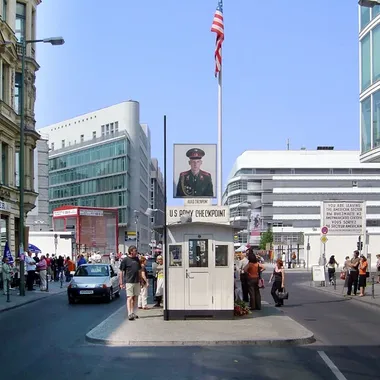
Checkpoint Charlie was one of the most famous border crossings between East and West Berlin during the Cold War. It symbolized the separation of Berlin and the tensions between the USA and the Soviet Union. Today, the checkpoint is a historical site where a replica of the former checkpoint can be found. Around it you will find information boards about the history. Fun fact: there was almost a direct confrontation between American and Soviet tanks here in 1961.
Berlin Zoo, founded in 1844, is the oldest zoo in Germany and one of the most species-rich in the world. With over 20,000 animals from around 1,200 species, you can experience an incredible variety here, from the majestic elephants to the playful penguins and pandas. A highlight for many visitors was Knut the polar bear, who became an international star in the 2000s. Curiously, after Knut's death, a statue was even dedicated to him, such was the popularity of the little polar bear. The zoo itself is located in the middle of the city and borders the Tiergarten, Berlin's largest inner-city park. A visit to Zoo Berlin is an experience for the whole family - and with the aquarium right next door, which is home to sharks, jellyfish and crocodiles, there is something for everyone.
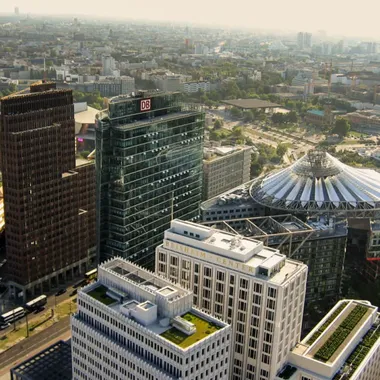
Potsdamer Platz is a symbol of Berlin's transformation - from a contested no-man's land to a booming urban hub. After the fall of the Berlin Wall, it was completely redeveloped in the 1990s and is now home to ultra-modern architecture (e.g. the SONY Center), restaurants and offices. In the Café Panoramapunkt Berlin you can enjoy the view over Berlin from high above. The opening hours and price refer to the viewing platform. A visit to Potsdamer Platz is of course free of charge.
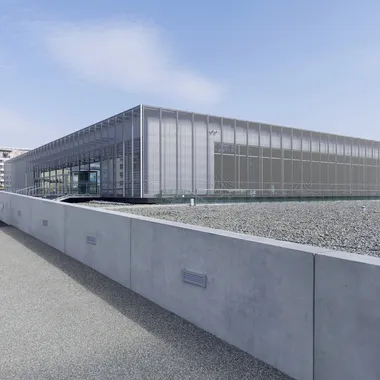
During the Third Reich, the headquarters of the Gestapo, the SS and the Reich Security Main Office were located on the site of today's "Topography of Terror". Today, the open-air museum vividly documents the crimes of the National Socialist regime. The exhibitions are rich in detail and well presented and convey an oppressive impression of how systematically the terror was organized.
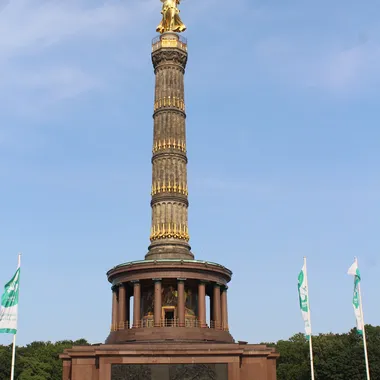
The Victory Column in the Großer Tiergarten is one of Berlin's most famous landmarks. Originally erected to celebrate Prussian victories, the golden Victoria, also known as the "Goldelse", towers high above the city. After climbing 285 steps, you are rewarded with a fantastic panoramic view.
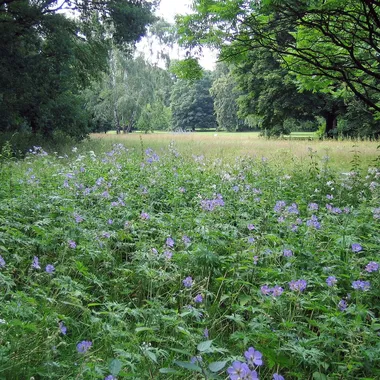
The Tiergarten is a green oasis in Berlin and the perfect place to relax from the hustle and bustle of the city. Originally laid out as a hunting ground for the Prussian kings, today the 210-hectare park offers miles of walking paths, picturesque lakes and monuments. Particularly popular are the rose garden, the rhododendron grove and the New Lake, where rowing boats can be hired in summer. In the middle of the park is the Victory Column. Bellvue Palace, the official residence of the German Federal President, is also located in the Tiergarten. Fun fact: in the 19th century, wild animals were actually released into the Tiergarten for hunting - today you are more likely to encounter joggers and picnickers.
The Aquarium Berlin, right next to the famous Zoological Garden, is one of the most renowned aquariums in Europe. Visitors can immerse themselves in the fascinating world of fish, reptiles and amphibians on three floors. It is home to more than 9,000 animals from 800 species, including colorful coral fish, majestic sharks and menacing crocodiles.
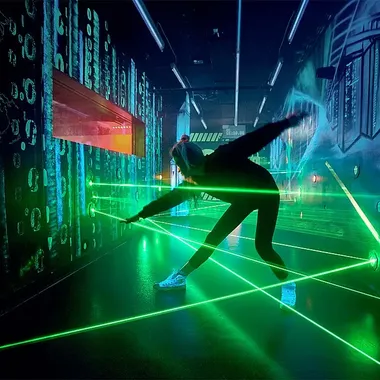
For anyone fascinated by James Bond or secret agents, the German Spy Museum is an absolute must. This interactive museum is all about the world of espionage, from the Cold War to modern surveillance technology. Visitors can master a laser course, crack coded messages and marvel at original spy paraphernalia.
Bikini Berlin is an innovative shopping center in a listed building ensemble from the 1950s. Here you will find not only exclusive stores and boutiques, but also concept stores and creative pop-up spaces.
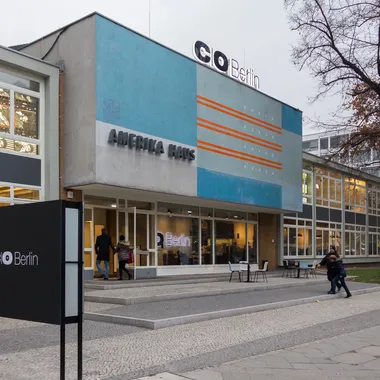
C/O Berlin is one of the most renowned exhibition venues for photography in Europe. Since its foundation in 2000, C/O Berlin has been showing works by internationally renowned photographers such as Annie Leibovitz, Sebastião Salgado and Peter Lindbergh. Exhibitions on various photographic themes are regularly held in the historic rooms of the Amerika-Haus.
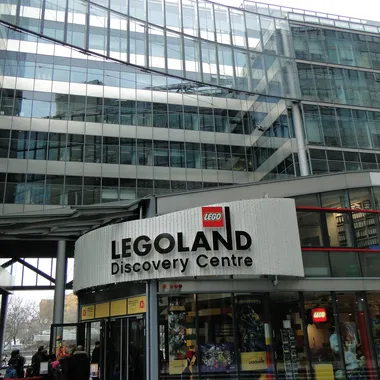
The Legoland Discovery Center in Berlin is an indoor play paradise for Lego fans of all ages. It is located in the Sony Center at Potsdamer Platz and offers numerous interactive attractions and activities. Children and adults can live out their creativity here by building their own Lego creations or taking part in building competitions.
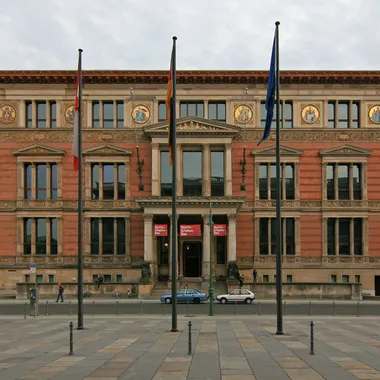
The Martin-Gropius-Bau is one of Berlin's most important exhibition venues. The magnificent Renaissance-style building shows changing exhibitions from the fields of art, photography and history. The Gropius Bau was named after the architect Martin Gropius, a great-uncle of Walter Gropius, the founder of the Bauhaus.
The Science Center Spectrum is an interactive science museum that is a particularly exciting destination for children, families and school classes. It is part of the German Museum of Technology and is located not far from it in Berlin's Kreuzberg district. The Spectrum offers the opportunity to discover and try out scientific phenomena for yourself on several floors and in over 150 experimental stations - from generating lightning to building a stable bridge system.
The Deutschlandmuseum is a museum that sheds light on the history of Germany from ancient times to the present day. It displays historical documents, artifacts and multimedia installations that show the country's development from different perspectives. Fun Fact: Visitors can "travel" through an interactive map that shows the different historical borders of Germany in different eras - a fun way to explore the country's complex history.
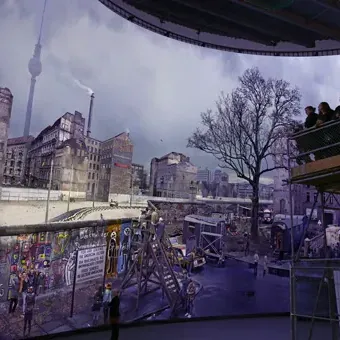
The Asisi Panorama Berlin offers a spectacular panoramic view of the divided city during the Cold War. In a 360-degree panorama, visitors experience the reality of everyday life in West and East Berlin on a fictitious day in the 1980s. Artist Yadegar Asisi designed the panorama with meticulous attention to detail in order to authentically capture the feeling of life at that time.
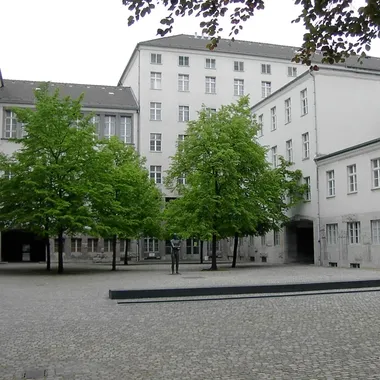
The German Resistance Memorial Center commemorates the courageous men and women who resisted the Nazi regime. The exhibition shows biographies and documents of resistance groups and individuals who fought for their convictions. The memory of the assassination attempt of July 20, 1944, in which Claus Schenk Graf von Stauffenberg attempted to overthrow Hitler, is particularly moving. The memorial is located in the rooms where the assassination attempt was planned.
The Gay Museum in Berlin is one of the world's largest and most important museums dedicated to LGBTQIA+ history and culture. It offers a variety of exhibitions that shed light on topics such as sexuality, sex work, abortion rights, identity and social developments.
The Kulturforum is a modern cultural center that brings together various museums, concert halls and libraries. The various buildings are all within walking distance of each other. The most important institutions include the Picture Gallery (containing works by Rembrandt, Vermeer, Dürer and Botticelli) and the Berlin Philharmonic Hall. Interesting fact: The Kulturforum was built during the reconstruction of West Berlin as a counterpart to the lost museums on Museum Island, which were located in the eastern part of the city after the war.
The Museum of Musical Instruments in Berlin offers an impressive collection of historical and modern instruments. Particularly worth seeing are the huge organ and the grand piano on which Franz Liszt played. Fun fact: there are regular concerts on the historical instruments in the museum, where you can experience the sound of times gone by.
The Helmut Newton Foundation at the Museum of Photography shows the works of the famous photographer, who is known for his provocative, sexist or stylish (depending on your point of view) nude photographs. In addition to Newton's works, changing exhibitions of other photographers are also shown. Helmut Newton donated a large part of his work to the foundation during his lifetime to ensure that his work would be permanently exhibited in his home city of Berlin.
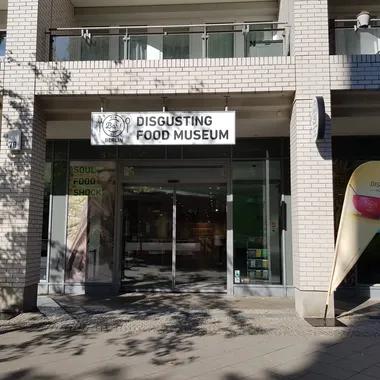
The small Disgusting Food Museum Berlin is not for the faint-hearted, but a must for anyone who is curious about unusual culinary experiences! This interactive exhibition presents around 80 of the weirdest and often most disgusting dishes from around the world. From fermented shark from Iceland to cheese with maggots and stinky fruit from Asia - here you can find out what is considered a delicacy in other cultures. Brave visitors have the opportunity to actually try some of the exhibits! The visit is not only a culinary adventure, but also a humorous journey into the eating habits of the world.
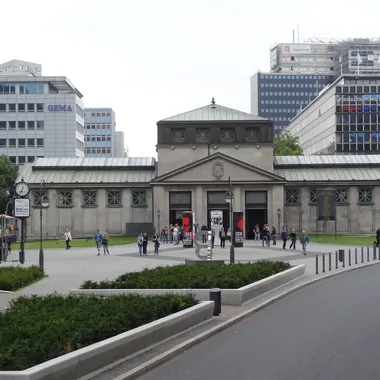
Wittenbergplatz subway station is one of the most famous historic subway stations in the capital. Opened at the beginning of the 20th century, the station impresses with its striking architecture and is considered an important example of early Berlin transportation buildings.
The Documentation Center Flight, Expulsion, Reconciliation deals with the topics of forced migration, expulsion and new beginnings in a European context. The exhibitions shed light on historical events of the 20th century and at the same time pose questions about remembrance, responsibility and reconciliation. Multimedia presentations and personal stories vividly convey the complex historical contexts.
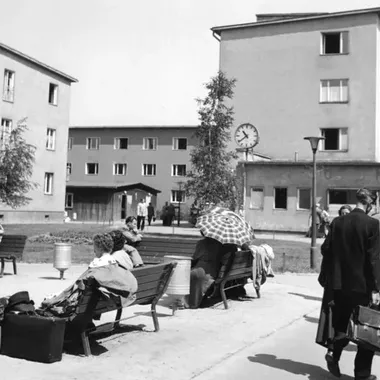
The Marienfelde Refugee Center documents the history of people who fled from the GDR to the West. In the former emergency reception camp, visitors are given an insight into stories of flight, political backgrounds and everyday life during the division of Germany. Eyewitness accounts and original objects make the history particularly tangible.
The "Black Box Cold War" at Checkpoint Charlie sheds light on the history of the Cold War, which had a particularly strong impact on Berlin as a focal point between East and West. The exhibition shows original documents, photos and films that illustrate the political tensions and espionage activities of the time. The exhibition is located in the immediate vicinity of Checkpoint Charlie, one of the most famous border crossings between East and West Berlin.
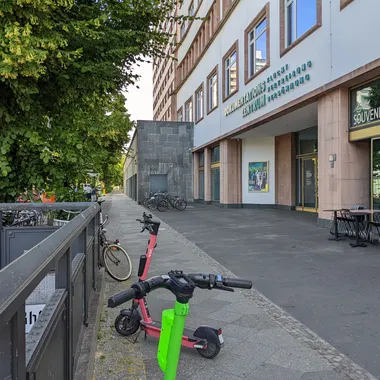
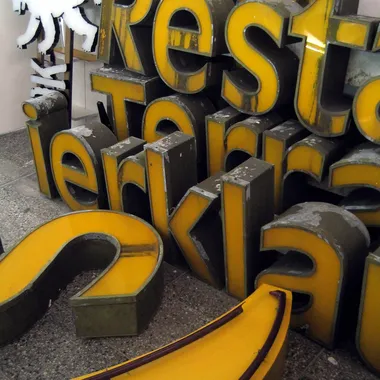
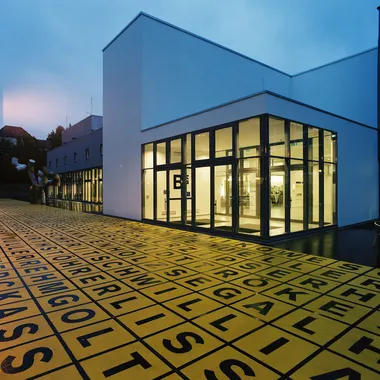
For example, the museum displays original lettering from former cinemas, stores and factories. These letters tell stories about the cultural and economic past and show how trends and styles in type design have developed. The museum is unique in the world and offers a fascinating opportunity to experience typography as an art form and discover the stories behind the signs and letters.
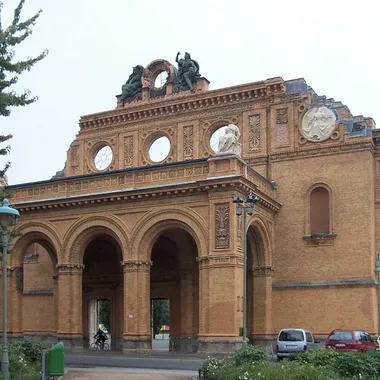
Anhalter Bahnhof was once one of the largest railroad stations in Europe before it was destroyed during the Second World War. Today, only the imposing remains of the portal remain as a memorial to the deportations of Jews during the Holocaust. The memorial is located right next to the new Anhalter Bahnhof S-Bahn station.
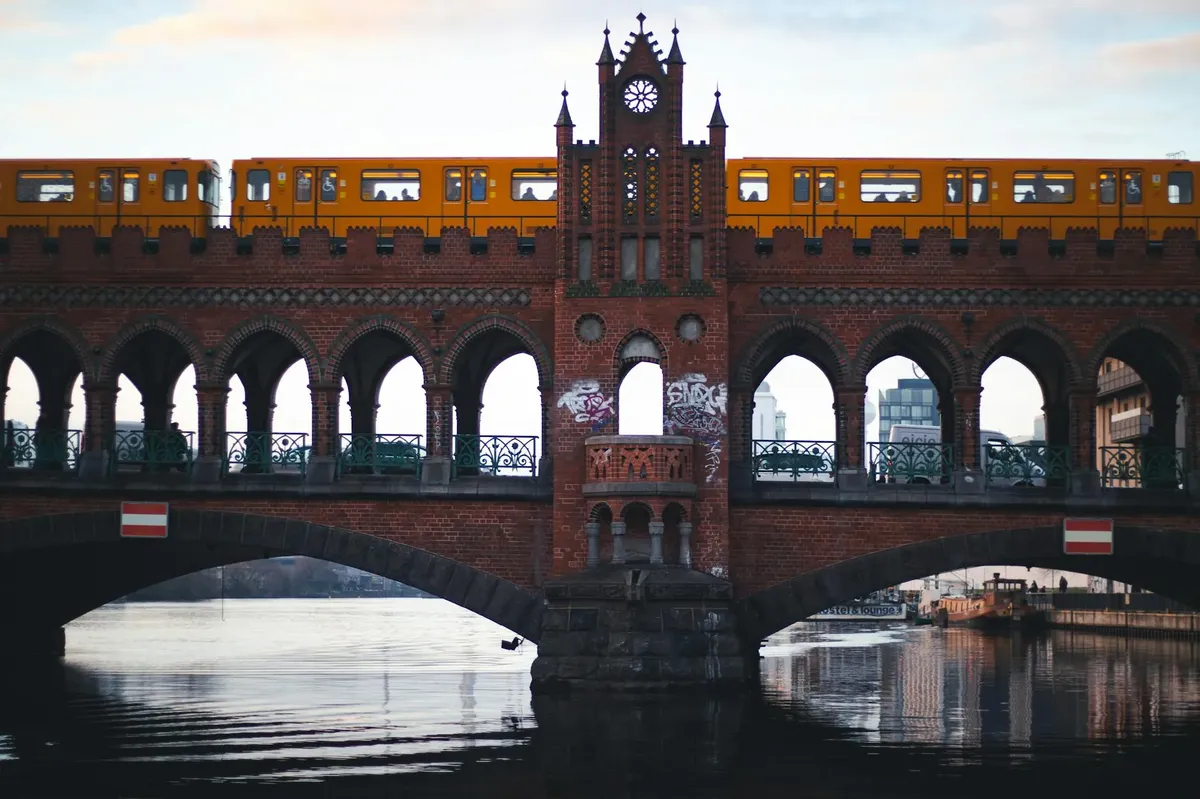
Characterized by migration, subculture and constant change, Kreuzberg, Treptow and Neukölln have developed into some of the most exciting districts in Berlin
Kreuzberg is one of Berlin’s liveliest and most diverse neighborhoods, known for its alternative scene, multicultural atmosphere, and beautiful historic buildings from the Wilhelminian era.
Particularly bustling spots include Görlitzer Park, Oranienstraße with its numerous shops, and Kotbusser Tor. Unfortunately, many of these areas have been experiencing increasing problems with drug dealers in recent years. Nevertheless, there are many lovely spots for strolling and walking: the Indian Fountain near Engelbecken, the Bethanienstift, Maybachufer, Viktoriapark, or the remains of the Berlin Wall are all great places to explore.
To the east of Kreuzberg lies Treptow, which is particularly known for Treptower Park. On the southern bank of the Spree, you can take a leisurely bike ride and stop by Spreepark.
Neukölln lies south of Kreuzberg. The neighborhood used to be known for its high proportion of welfare recipients and people without a high school diploma; it has since become a magnet for young artists, creatives, and expats.
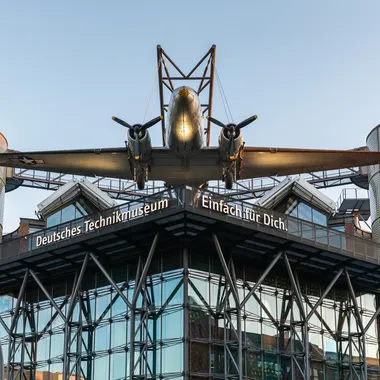
The German Museum of Technology is a mecca for technology fans and offers an impressive collection from various fields such as shipping, aviation, railroads and computer technology. Particularly impressive is the large raisin bomber, which appears to hover above the museum and is a reminder of the Berlin Airlift during the blockade. The airlift (supply by airplanes) had become necessary because the GDR imposed a ban on imports to West Berlin by land.
Treptower Park is one of the largest and greenest parks in Berlin, located directly on the River Spree. It is particularly famous for the Soviet Memorial, which commemorates the soldiers who died in the Second World War. It is one of the largest memorials of its kind in Germany. In summer, the park becomes a popular meeting place for barbecue fans and water sports enthusiasts. If you are traveling by bike, you can continue along the Spree past the Island of Youth and make a stop at the Brenner beer garden. A little further on, you can also visit the Spreepark.
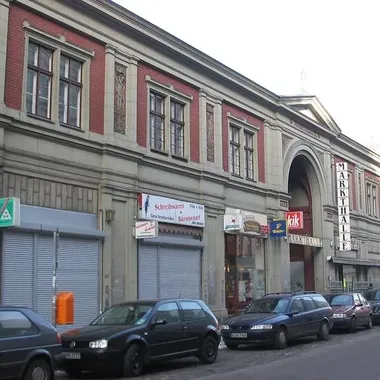
Markthalle Neun (Market Hall 9) is one of Berlin's best-known market halls and a popular meeting place for foodies in the heart of Kreuzberg. Here you can find everything from fresh fruit and vegetables to bakeries, cheese dairies and international street food stalls.
Every Thursday evening, the market hall is transformed into a street food paradise with stalls from all over the world. Here you can try everything from authentic Asian dishes to local Berlin specialties.
The weekly market on Fridays and Saturdays offers fresh and regional products from local farmers and producers, including organic vegetables, meat, cheese and other specialties.
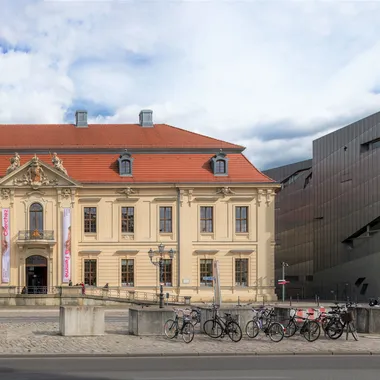
The Jewish Museum Berlin is not only an architectural masterpiece, but also one of the largest and most impressive museums of its kind in Europe. The iconic building by architect Daniel Libeskind symbolizes the fractured lives of Jews in Germany with its jagged angles and edges.
Viktoriapark in Kreuzberg is famous for its artificial waterfall and the Kreuzberg, the highest natural point in Berlin. From the national monument at the top of the hill, you have a magnificent view over the city. The waterfall was created in the 19th century and is reminiscent of the mountain landscapes of the Giant Mountains - a small natural oasis in the middle of the city.
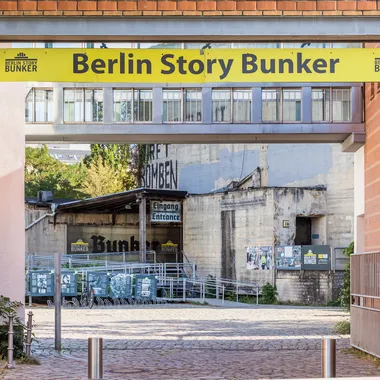
In the Berlin Story Bunker, you can immerse yourself in the history of Berlin - in the truest sense of the word, as the exhibition is located in an old air raid shelter from the Second World War. Here, the history of Berlin from its beginnings to the present day is told in a gripping way. The exhibition on the Third Reich and National Socialism is particularly impressive. A curious fact: the bunker was converted into a wine cellar after the war before being converted into a museum in 2004.
The Berlinische Galerie is a museum for modern art, photography and architecture. It exhibits works by Berlin artists from the 20th century to the present day and offers an exciting insight into the city's creative scene.
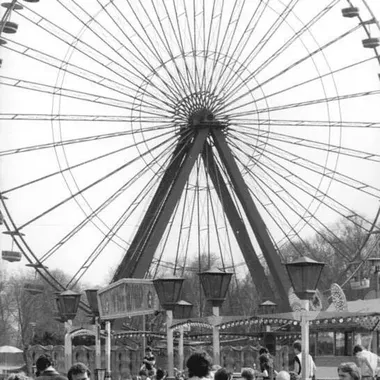
The Spreepark was opened in 1969 as the "Kulturpark Plänterwald" and was the only amusement park in the GDR. The park was designed as part of socialist leisure activities and was an attraction for families. After the reunification of Germany in 1990, the park ran into financial difficulties. The park was finally closed in 2001 after the operators were no longer able to cover the costs and maintain the attractions. An attempt by the entrepreneurial family to smuggle coke hidden in rides from Peru to Germany failed and father and son were sent to prison for a long time. Since then, the park has remained largely unused and overgrown, giving it a mystical and deserted atmosphere. Plans are currently underway to convert the Spreepark into a public recreational park. However, it can currently only be visited as part of a guided tour. Those who like to visit abandoned buildings will find a website full of other buildings in and around Berlin here: abandonedberlin.com
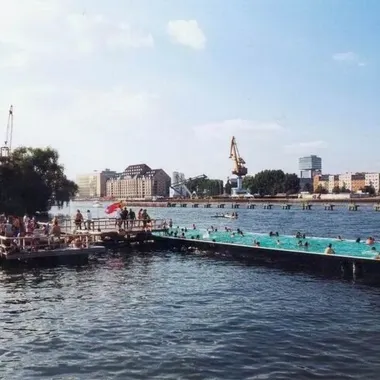
The Badeschiff is one of Berlin's most unusual outdoor pools - a floating pool in the middle of the Spree! Here you can swim in the summer months while enjoying the city skyline. In winter, the Badeschiff is covered with a shell and transformed into a sauna oasis - a real year-round highlight.
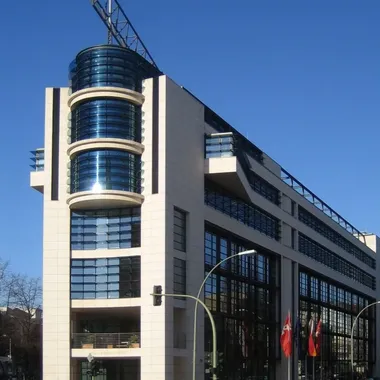
The Willy Brandt House is a party headquarters, event location, office and commercial building as well as a cultural and communication center. There are often free photo exhibitions on social issues here. There is also a history wall on the subject of social democracy and a permanent exhibition.
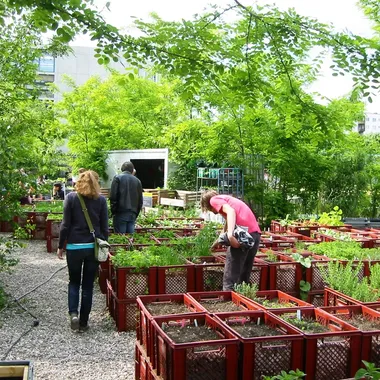
The Prinzessinnengarten is an urban community garden in Kreuzberg that grows vegetables, herbs and flowers in the middle of the city. Berliners and visitors alike can garden here, attend workshops or simply enjoy the green surroundings.
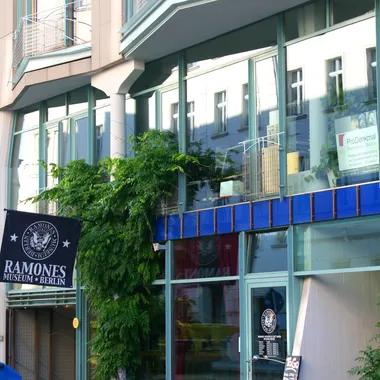
The Ramones Museum is a must for fans of the legendary punk band from New York. It offers an impressive collection of memorabilia, including stage outfits, posters, photos and autographs. Located in a vegan café, the museum started as the private collection of a superfan and quickly grew into one of the most iconic places for punk rock lovers.
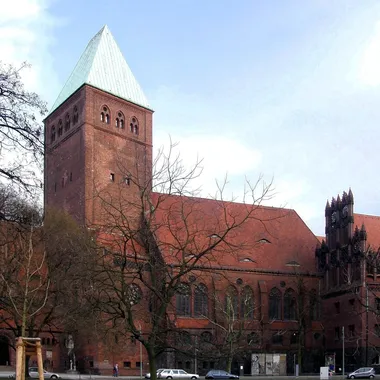
The Märkisches Museum tells the story of Berlin from its foundation to the present day. The medieval artifacts and models of the city's development are particularly fascinating. Interesting fact: the museum building itself was built in the style of a medieval castle, making it a real highlight not only in terms of content but also architecturally.
Stadtbad Neukölln is one of the most beautiful and traditional swimming pools in the city. It was opened in 1914 and is one of the largest and most magnificent pools in Germany. Architecturally, the Stadtbad impresses with its neoclassical style, which is reminiscent of ancient Roman thermal baths. However, if you want to swim a few laps, you should go to a larger swimming pool. In addition to the swimming pool, there is also a sauna area.
The KINDL - Center for Contemporary Art in Neukölln is an exhibition space that presents contemporary art in a unique architectural setting. The center is located in a former brewery, the Kindl Brewery, which was built in the 1920s and is now an impressive example of industrial architecture from the Weimar Republic. The high halls and spacious rooms provide an unusual backdrop for the presentation of modern art and make the KINDL an inspiring place for art lovers and creative people.
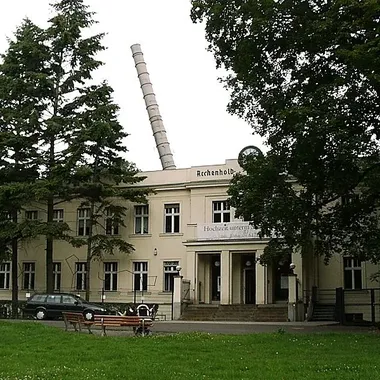
The Archenhold Observatory in Berlin-Treptow is the oldest and largest public observatory in Germany and one of the most important of its kind. It was founded in 1896 and is named after the astronomer Friedrich Simon Archenhold, who also founded it. The observatory is located in Treptower Park and is now part of the Berlin City Museum.
A striking highlight of the observatory is the "giant telescope", the longest movable refracting telescope in the world. It is 21 meters long and was originally built for the Great Berlin Trade Exhibition in 1896. The telescope was a technical sensation and offered visitors the opportunity to observe celestial bodies such as planets and stars. The instrument is still one of the main attractions today and is still in use, albeit in a modernized form. The observatory also has a planetarium and a small museum dedicated to the history of astronomy and the development of technology.
The market on Maybachufer is one of the liveliest and most colorful weekly markets in Berlin. Located directly on the Landwehr Canal on the border between Kreuzberg and Neukölln, it offers a wide range of products from inexpensive fruit and vegetables to international cuisine, handicrafts and second-hand fashion. Sometimes musicians also perform there. There are also some very nice bars and clubs around the market.
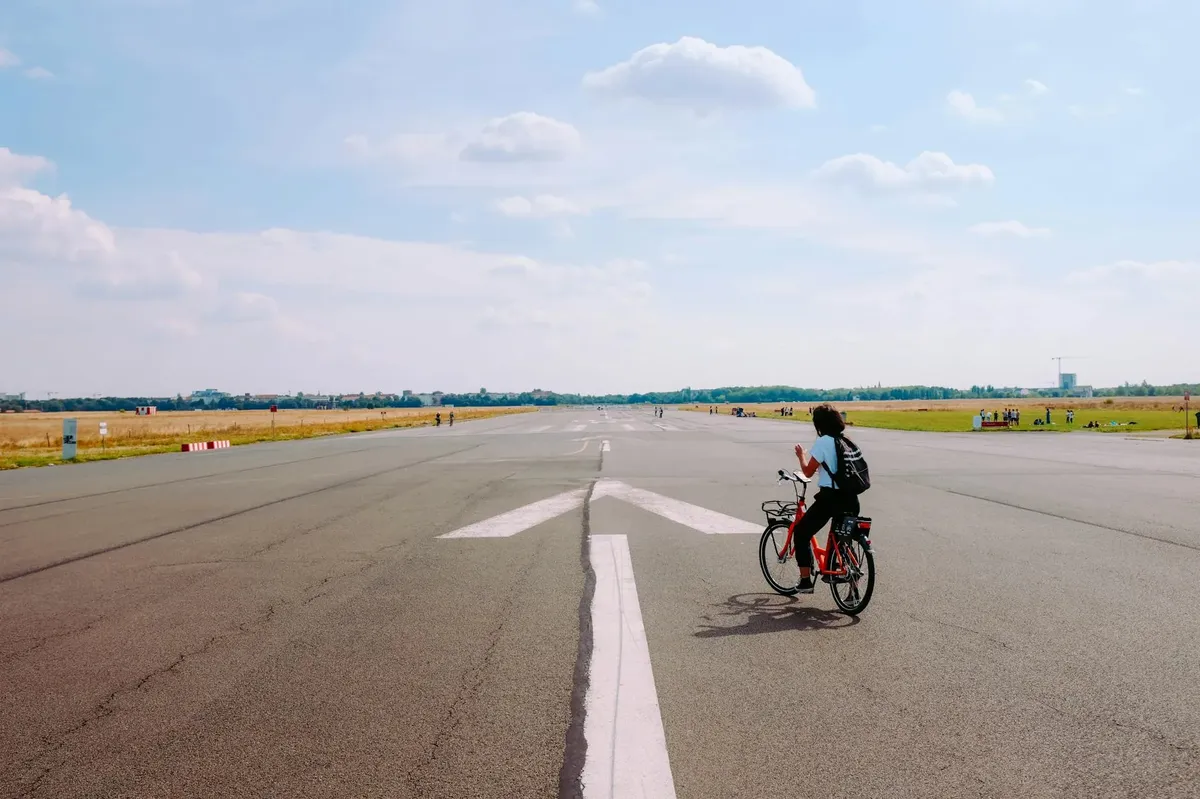
Schöneberg and Tempelhof stand for central chapters of Berlin's urban history and at the same time for lived diversity and open urban spaces
Schöneberg is a diverse and historically significant neighborhood, best known as a hub for the LGBTQ+ community. Around Nollendorfplatz, bars, cafés, and cultural venues define the neighborhood’s open and tolerant atmosphere. At the same time, Schöneberg played an important role in German history: During the division of Berlin, Schöneberg City Hall served as the seat of the West Berlin Senate and was the site of famous speeches, including John F. Kennedy’s “Ich bin ein Berliner.” In addition to culture and history, Schöneberg is also known for its vibrant everyday culture—from weekly markets to culinary hotspots like Mustafa’s vegetable kebab.
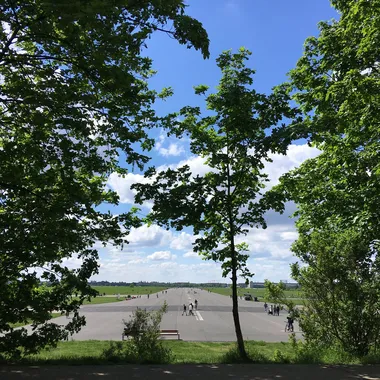
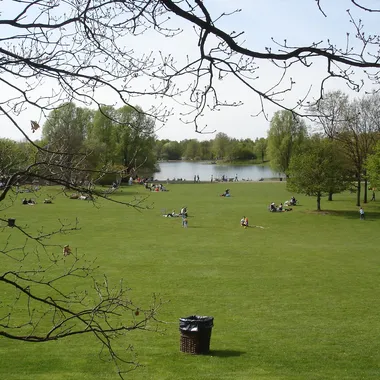
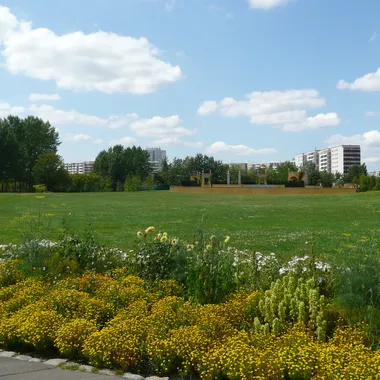
Tempelhof is defined above all by the Tempelhofer Feld, a former airport that is now used as a sprawling recreational and leisure area. People gather on the former runways to walk, bike, skate, and fly kites. The monumental airport building serves as a reminder of the area’s eventful history—from its construction by the Nazis and its use for the Berlin Airlift during the GDR era to its current public use—and has become a symbol of change and openness.
Tempelhofer Feld is a huge former airport in Berlin, which today serves as one of the largest inner-city open spaces in the world. Tempelhof Airport was once an important transportation hub and played a central role during the Berlin Airlift of 1948/49, when West Berlin was supplied during the blockade by the Soviet Union.
After the airport was closed in 2008, the site was opened to the public in 2010 and has since become a popular place for recreation and leisure activities. As the site is huge, it is best explored by bike.
The Britzer Garten is an extensive park located 5 km south of Tempelhofer Feld, which is particularly famous for its colorful flower beds and beautiful rose garden. The garden offers numerous playgrounds, lakes and meadows and is a popular excursion destination for families. The Britzer Garten was created in 1985 for the Federal Garden Show and is considered by some to be the most beautiful park in Berlin.
Urban Nation is a unique museum dedicated to contemporary urban art and street art. The facade of the museum is a permanent work of art, as the graffiti and murals on display change regularly. Inside, visitors will find works by well-known street artists such as Banksy, Shepard Fairey and many more.
Schloss Britz is a historic building in the Berlin district of Neukölln, south-east of Tempelhofer Feld. The palace was built in the 18th century and is an impressive example of the architecture of the era.
The palace was originally built between 1730 and 1735 as a manor house for the Brandenburg district administrator and owner of Britz, Johann Heinrich von Dallwitz. Over the years, the building has undergone various alterations and extensions.
There is a beautiful park around the castle, which was originally laid out as a baroque garden. The park is ideal for walks and offers a peaceful oasis in the middle of the city.
The P61 Gallery is a small gallery dedicated to promoting up-and-coming artists. It regularly hosts changing exhibitions that showcase young talents from the Berlin art scene.
The Papestraße SA prison memorial commemorates one of the early National Socialist detention and torture prisons in Berlin. Shortly after the National Socialists came to power, political opponents were abused and imprisoned here. The exhibition documents the early forms of National Socialist persecution and makes the consequences of the dictatorship impressively visible.
The Lipstick Museum is a tribute to the beauty and history of one of the most famous cosmetic products: lipstick. The museum was founded by René Koch, a prominent Berlin make-up artist and cosmetics expert, who has amassed an impressive collection of lipsticks and related artifacts over the decades.
The exhibition shows lipsticks and cosmetic products from different eras, including rare and unusual pieces. The development of make-up trends and the social significance of lipstick are also themes of the exhibition.
A visit is only possible as part of a guided tour and by appointment!
The eastern districts of Berlin show the city from very different sides - between nightlife, the history of division and the idyllic old town
Friedrichshain is a lively and creative neighborhood in eastern Berlin, known for its dynamic atmosphere, cultural diversity, and numerous clubs. The East Side Gallery, a section of the Berlin Wall, is an open-air gallery adorned with many colorful works of art and plays a significant role in Berlin’s history. Friedrichshain is also a hipster hotspot.
Further east lies Köpenick—a green and historic district known for its idyllic location on the Spree and Dahme rivers, as well as the impostor “Hauptmann von Köpenick.” The Old Town of Köpenick, with its Baroque castle, forms the cultural center of the district. Unfortunately, the Old Town has rather poor public transportation connections.
Scattered between the two districts are several sights and museums, as well as the (former GDR) Berlin Zoo.
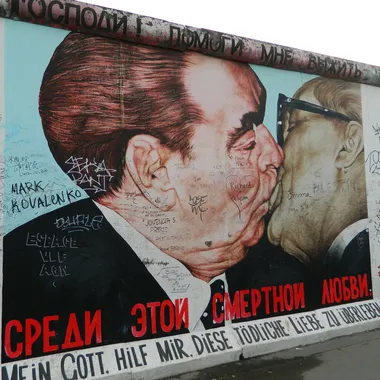
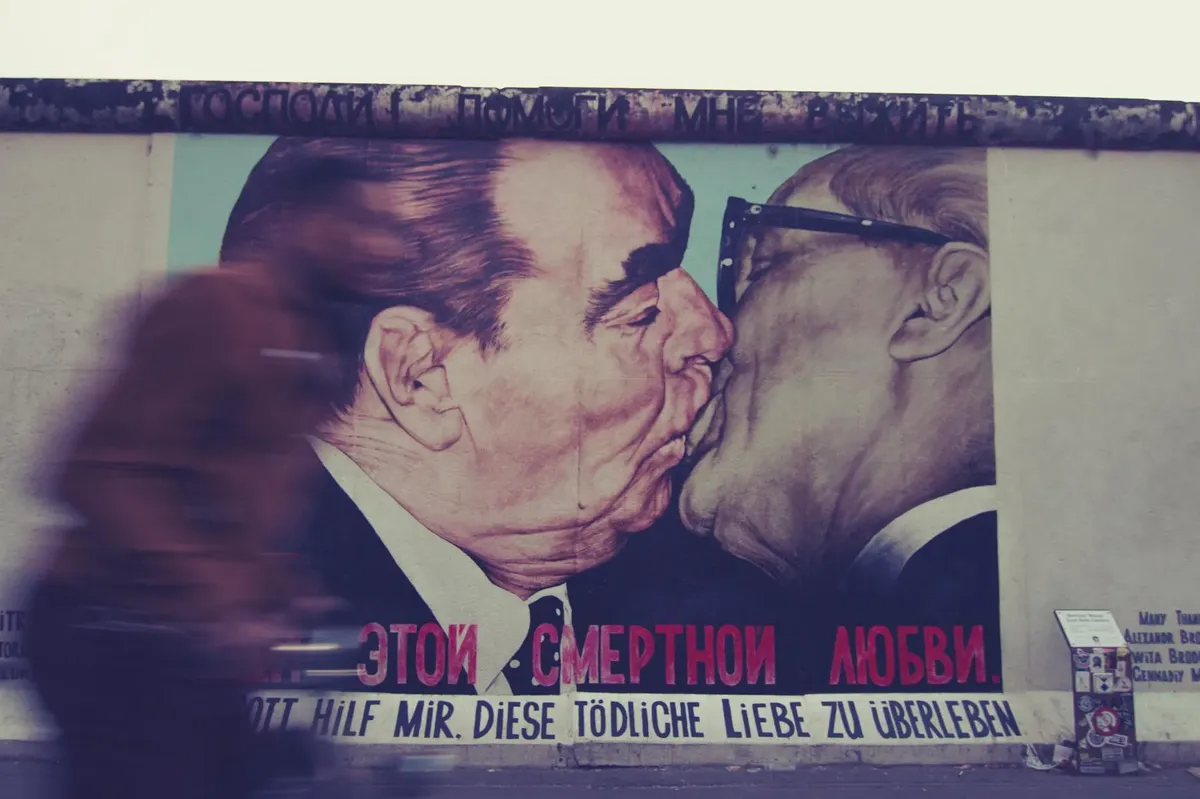
The East Side Gallery is an open-air gallery and the longest remaining section of the Berlin Wall. Artists from all over the world painted their hopes and dreams for a better world on the former dividing concrete wall along 1.3 kilometers immediately after the fall of the Wall in 1989. The iconic painting of the "brotherly kiss" between the heads of state Brezhnev and Honecker is particularly popular.
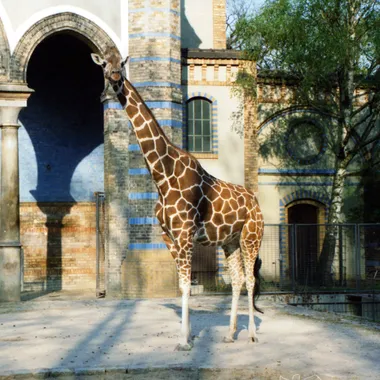
Tierpark Berlin is the largest landscape zoo in Europe and a true paradise for animal lovers. On more than 160 hectares, visitors can marvel at over 10,000 animals from all over the world, including elephants, giraffes and polar bears. The zoo is particularly famous for its open-air enclosures and extensive grounds. Fun fact: in the 1950s, the zoo was the GDR's answer to the West Berlin Zoo - with the difference that here you can sit on huge picnic meadows between the enclosures, making the zoo a popular family destination.
The Gardens of the World in the Marzahn district offer a trip around the world - in the middle of Berlin! The gardens include an Asian, Oriental, Italian and English garden, all lovingly created according to traditional garden design. The Chinese Garden, the largest of its kind in Europe, is particularly worth a visit. Fun fact: A highlight of the gardens is the cable car, which was built especially for the International Garden Exhibition 2017 and offers visitors a breathtaking view over the entire site.
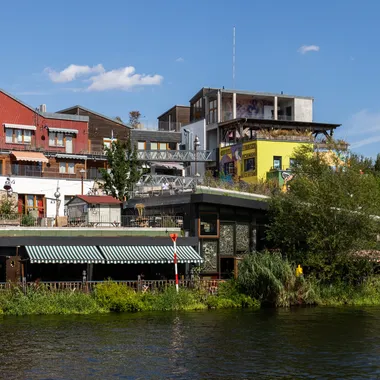
Holzmarkt 25 is a creative village on the Spree that brings together artists, entrepreneurs and free spirits. The location offers not only cafés, restaurants and bars, but also galleries, studios and event spaces. Fun fact: Holzmarkt is the result of an alternative urban development project and is often referred to as the "anti-Berghain" - it's all about community and sustainability rather than exclusive clubbing.
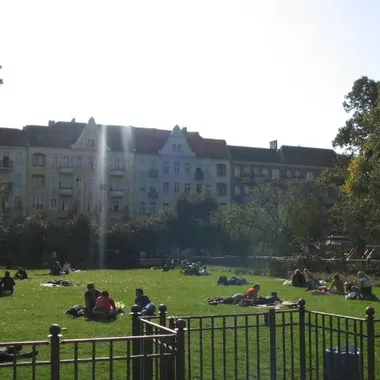
Boxhagener Platz, often affectionately referred to as "Boxi", is a central and popular meeting place in Berlin's Friedrichshain district. It is located in the heart of the so-called Simon-Dach-Kiez, a lively area with many small stores, restaurants and bars that attracts mainly young people and families.
There is a weekly market every Saturday. On Sundays, Boxhagener Platz hosts a flea market, which is a real highlight for vintage fans and bargain hunters.
The Berlin-Hohenschönhausen Memorial, the former central remand prison of the GDR State Security, offers a harrowing insight into the methods of political repression. Thousands of people were imprisoned and interrogated here, often without charge or trial. Today, former inmates give guided tours of the prison and describe their personal experiences. One particularly impressive room is the so-called "submarine" cell, where prisoners were locked up for days in complete darkness. An interesting fact: many of the torture methods used here were psychological in nature - physical violence was often not necessary to break the prisoners and left no visible marks.
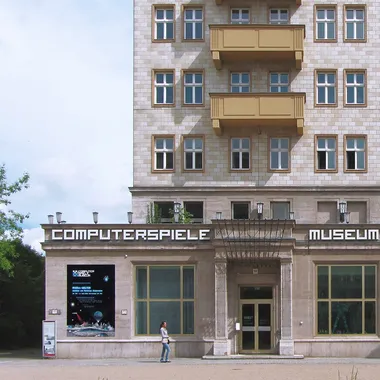
The Computer Games Museum in Berlin is a must for gaming fans and technology nerds. It documents the history of video games from their beginnings to the present day and offers numerous interactive exhibitions where visitors can play classics such as "Pong", "Pac-Man" and "Super Mario". Fun fact: the museum still has an Atari console in use that was sold in 1977 - it still works today and invites you to play!
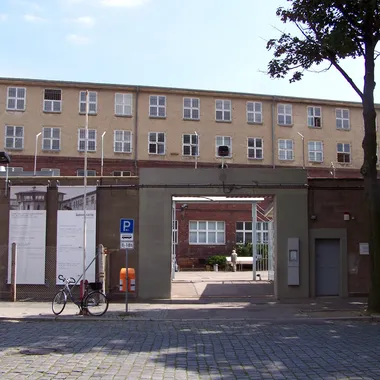
The Stasi Museum in the former headquarters of the Ministry for State Security (Stasi) provides a frightening insight into the surveillance and repression methods of the GDR. Visitors can see the original offices of the Stasi leadership and learn more about the extensive network of informers that spied on millions of GDR citizens.