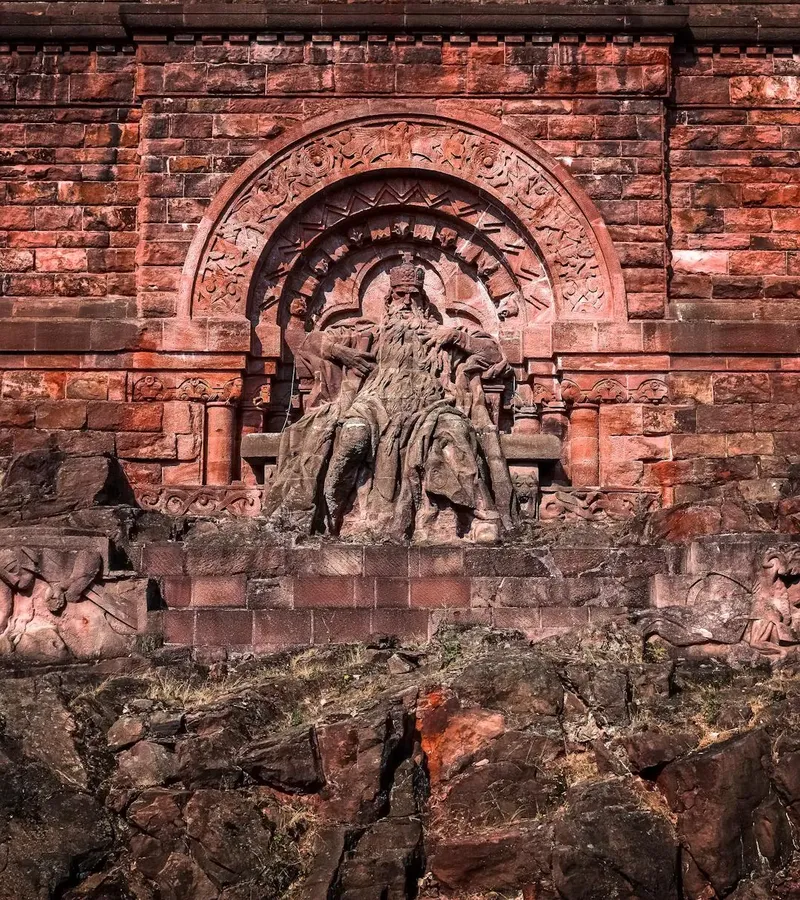
More about Thüringen
Sights, highlights, and background information about Thüringen.
Gotha delights with baroque palace flair, historic museums and an impressive old town
The city of Gotha was once one of the richest and most important royal seats in Germany. As the center of the Duchy of Saxe-Gotha-Altenburg, it developed into a place of great cultural influence during the 17th and 18th centuries. The imposing Friedenstein Palace, one of the largest early Baroque palaces in Europe, stands as a testament to this to this day.
Also noteworthy is its connection to the British royal family: The House of Saxe-Coburg and Gotha produced numerous European monarchs. The British kings also descended from this line until George V adopted the name “Windsor” during World War I.
In the 20th century, Gotha suffered during the GDR era: many historic buildings fell into disrepair, while simple new structures were erected. Today, the city is being gradually restored—and offers a glimpse of its former splendor.
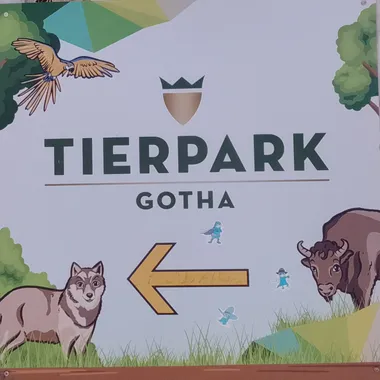
Gotha Zoo is idyllically situated on the edge of Gotha Castle Park and offers a varied mix of native and exotic animal species. The natural design and peaceful surroundings make the zoo particularly attractive for families and relaxed walks.
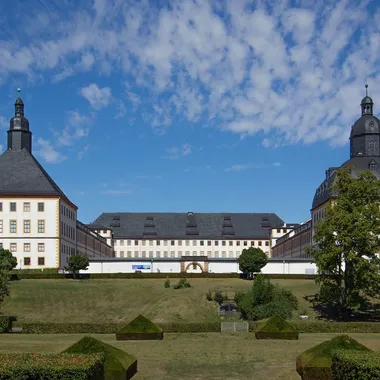
Friedenstein Palace is Gotha's landmark and one of the largest early Baroque palace ensembles in Germany. The extensive grounds with their magnificent halls, historical collections and well-tended palace gardens provide an impressive insight into life at the ducal court. The combination of architecture, art and history in particular makes the palace a cultural highlight of the city.
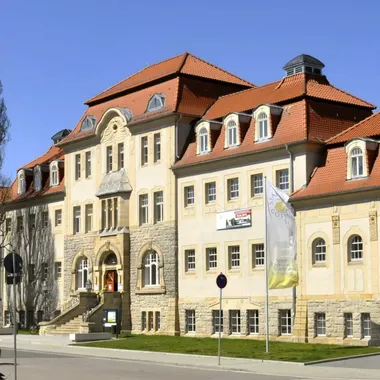
The Stadtbad Gotha combines historical architecture with modern leisure activities. The traditional baths offer both sports and recreational facilities and are a popular meeting place, especially on warm days. The mixture of listed ambience and contemporary facilities gives the Stadtbad a special atmosphere.
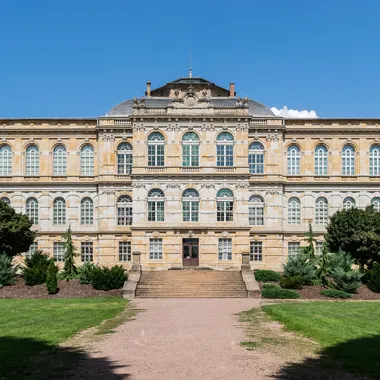
The Ducal Museum presents art and cultural treasures from several centuries in an impressive historical building. The collections range from paintings by old masters to Egyptian finds and handicraft objects. The elegant architecture and varied exhibitions make a visit to the museum particularly worthwhile.
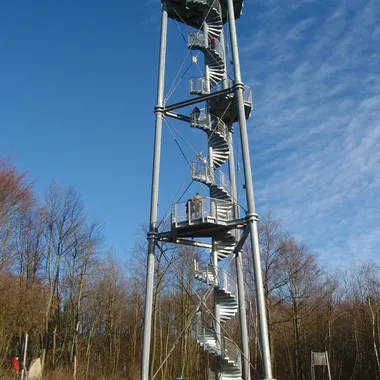
The Bürgerturm is one of the city's most striking vantage points and offers a sweeping view over Gotha and the surrounding countryside. The historic tower is a popular destination for walks and combines a nature experience with a little insight into the town's history.
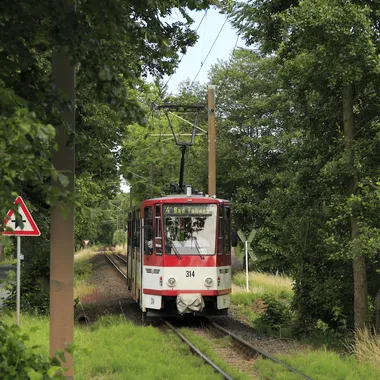
The Thuringian Forest Railway (part of local public transport) connects Gotha with the Thuringian Forest and leads through varied landscapes. The historic streetcar offers a special opportunity to explore the region. Visitors can experience technology and nature at the same time.
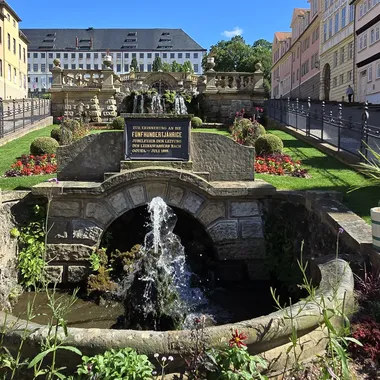
The Wasserkunst is one of the city's most famous historical buildings and is a reminder of Gotha's early water supply. The striking fountain with its characteristic tower combines technical history with architectural charm and is one of the most popular photo motifs in the old town.
The KunstForum Gotha is dedicated to contemporary art and cultural projects. Changing exhibitions present works by regional and international artists.
The casemates under Friedenstein Castle are among the largest Baroque fortifications in Central Europe. The extensive tunnel system runs deep beneath the castle and gives an exciting impression of former defensive architecture. Guided tours allow visitors to explore the underground passages, vaults and historic facilities at close quarters.
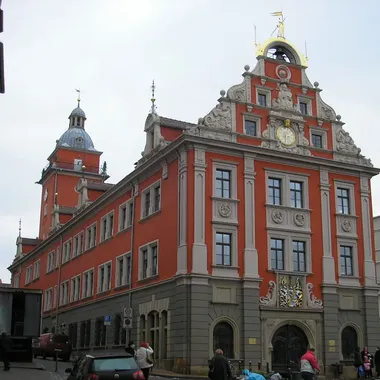
With its striking façade, the historic town hall dominates Gotha's main market square. The building reflects the town's long history and is still a central meeting point in the heart of the old town. Around the square, stores, cafés and restaurants invite you to linger.
Sights, highlights, and background information about Thüringen.
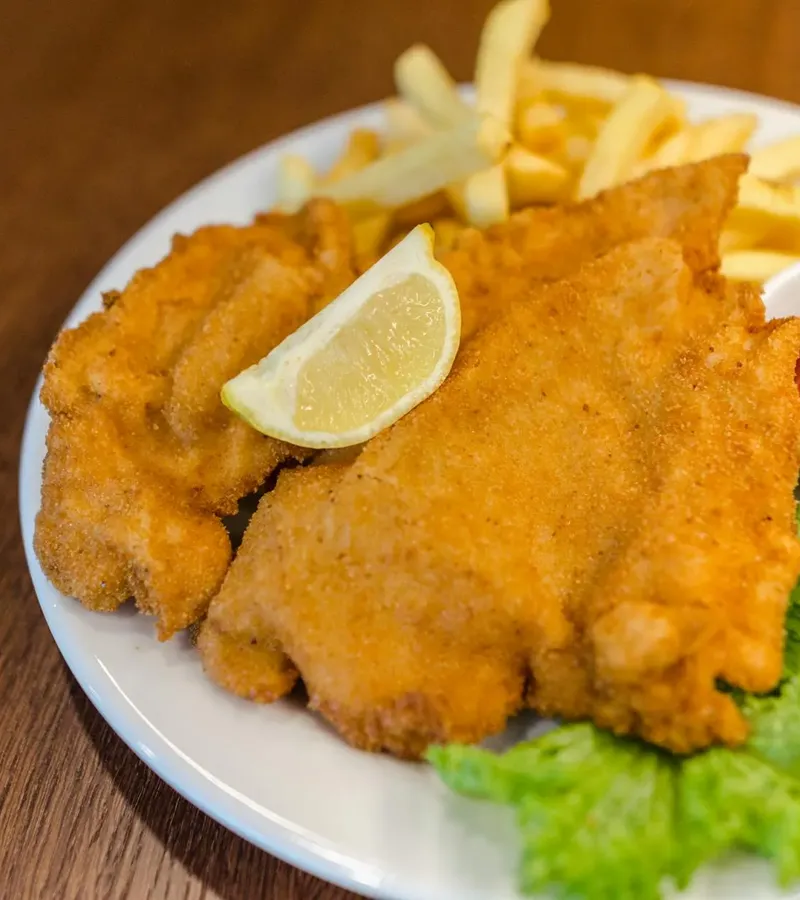
Typical dishes, regional classics, and culinary tips.
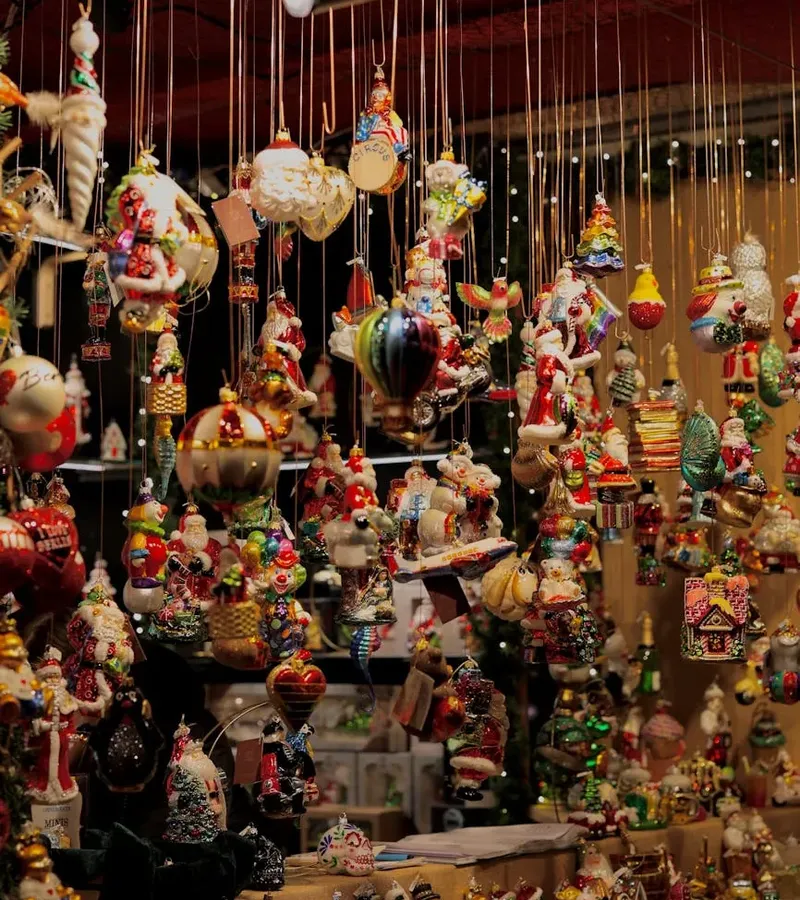
Souvenirs and special local gifts.
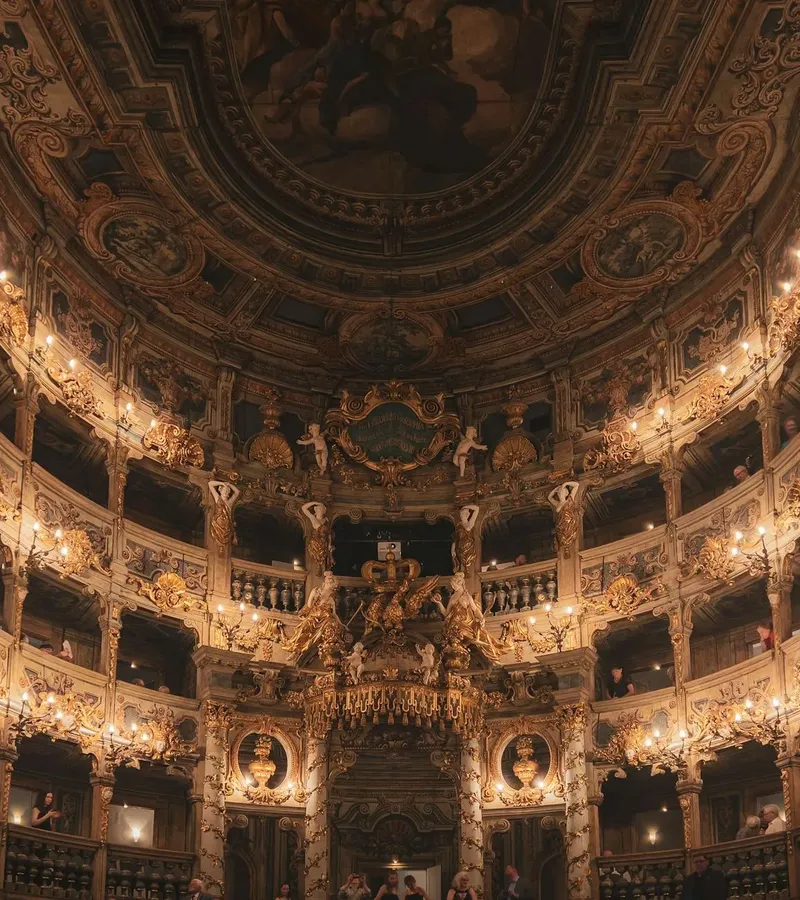
Culture, entertainment, and inspiring ideas for your free time.
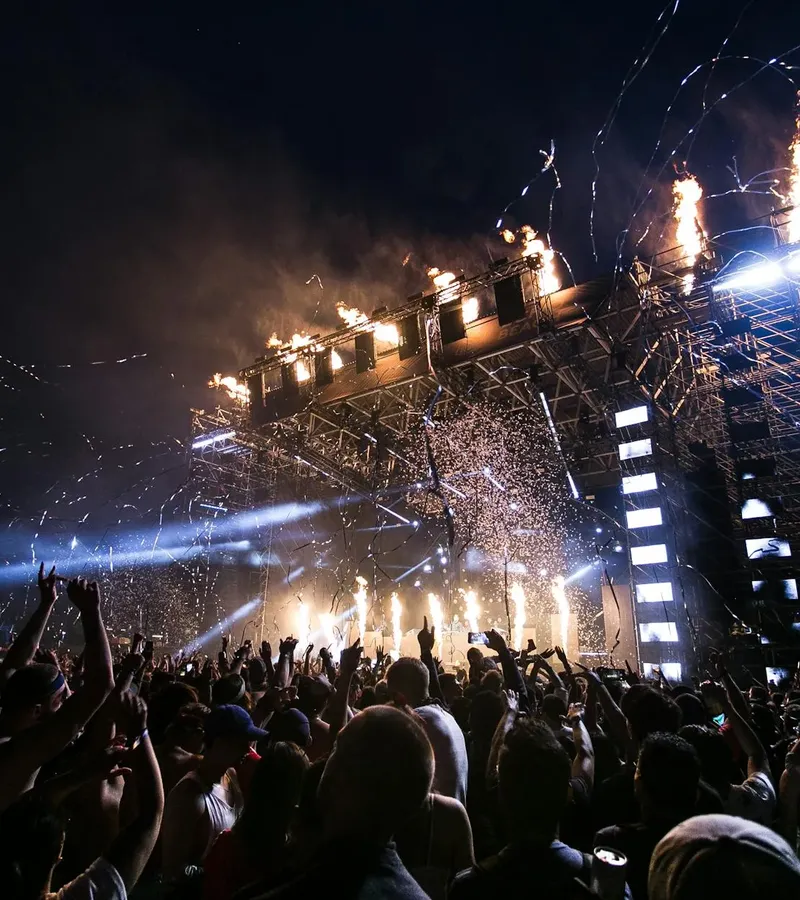
Clubs, culture, and evening plans in the region.

Advice, places, and tips for queer travel locally.

Sports options and well-known clubs in the region.

Festivals, highlights, and seasonal events.

Important advice, common pitfalls, and no-gos.

History, background, and interesting context.
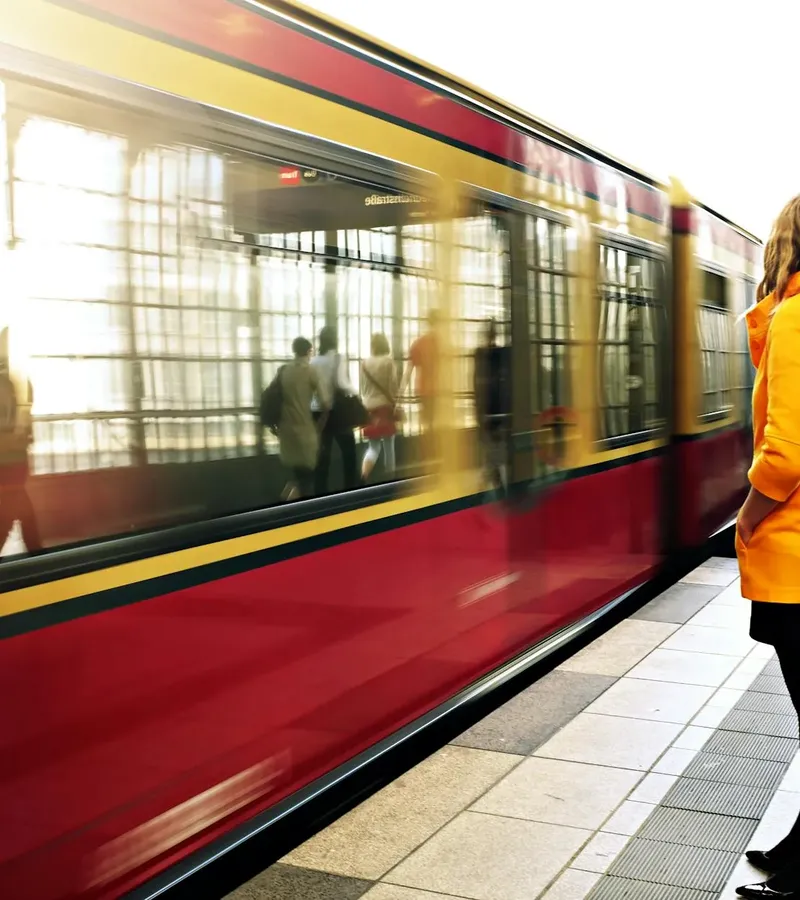
Tips for public transport and arrival.
Sights, highlights, and background information about Thüringen.
Typical dishes, regional classics, and culinary tips.
Souvenirs and special local gifts.
Culture, entertainment, and inspiring ideas for your free time.
Clubs, culture, and evening plans in the region.
Advice, places, and tips for queer travel locally.
Sports options and well-known clubs in the region.
Festivals, highlights, and seasonal events.
Important advice, common pitfalls, and no-gos.
History, background, and interesting context.
Tips for public transport and arrival.