Saarbrücken
The state capital of Saarland impresses with its proximity to France and its historic old town.
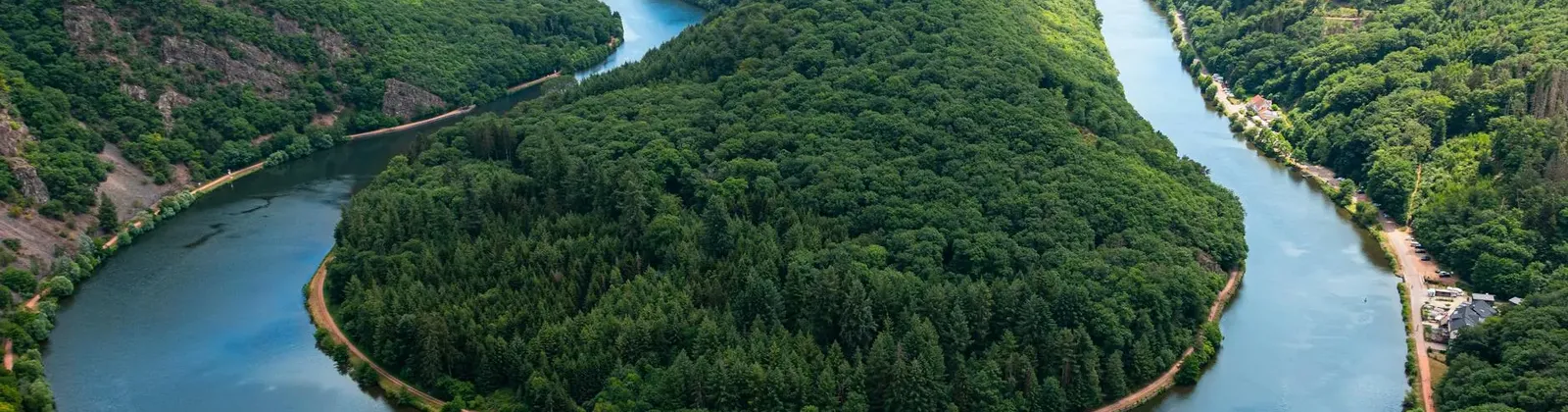
Population: 984,000
Saarland is the smallest federal state in Germany and is located in the southwest of the country, on the border with France and Luxembourg
It has a turbulent history marked by shifting political allegiances. During the 19th century, the Saarland was first part of Prussia, then part of the German Empire; after World War I, it came under French administration, and finally became part of the Federal Republic of Germany again in 1957.
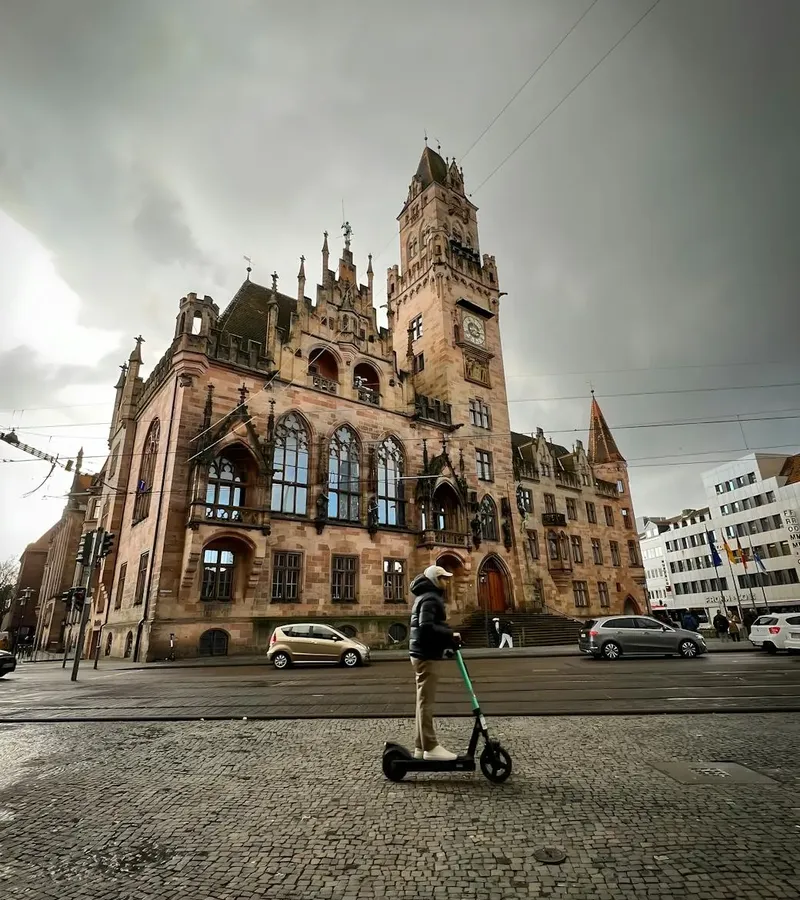
The state capital of Saarland impresses with its proximity to France and its historic old town.
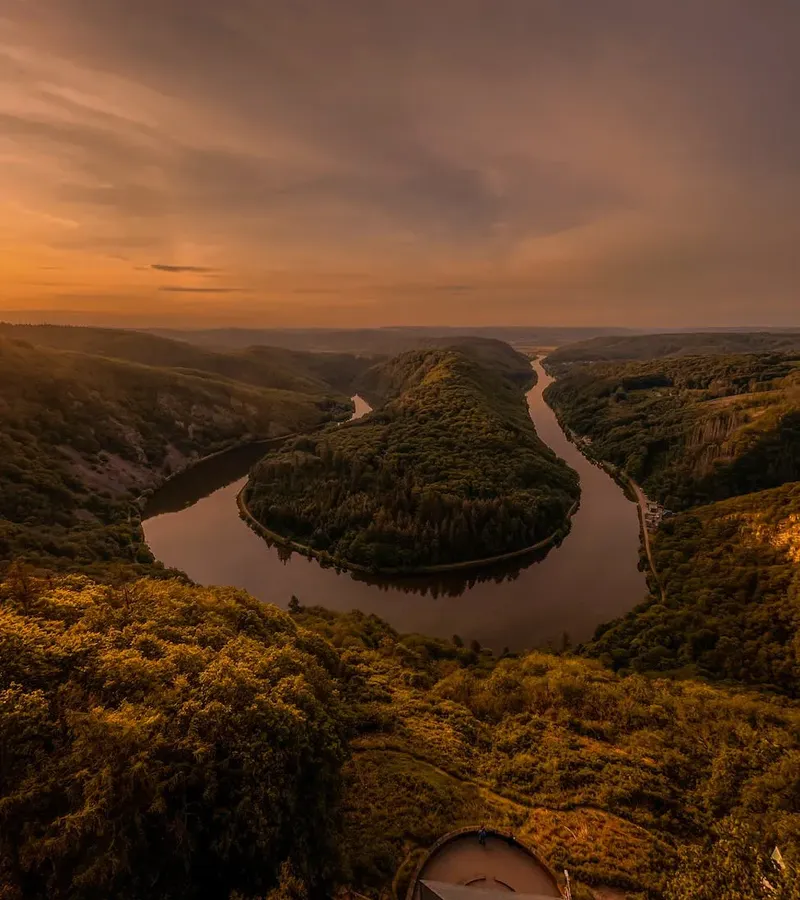
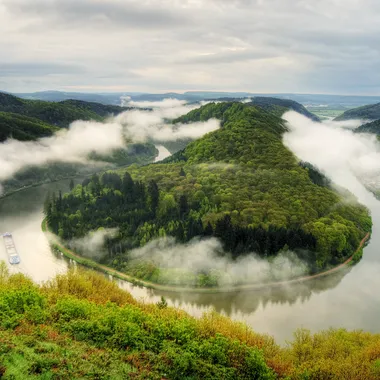
The Saarschleife is an impressive natural and viewing point.
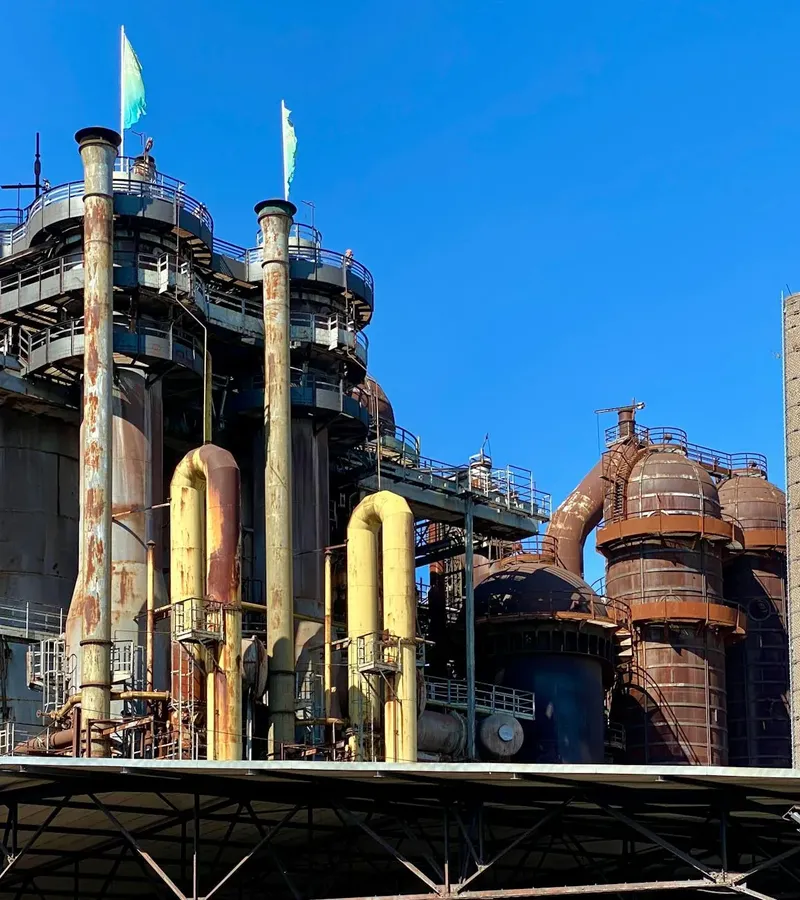
The Völklingen Ironworks is a UNESCO World Heritage Site and an impressive industrial monument.
The state capital of Saarland impresses with its proximity to France and its historic old town.
The Saarschleife is an impressive natural and viewing point.
The Völklingen Ironworks is a UNESCO World Heritage Site and an impressive industrial monument.
15 sights
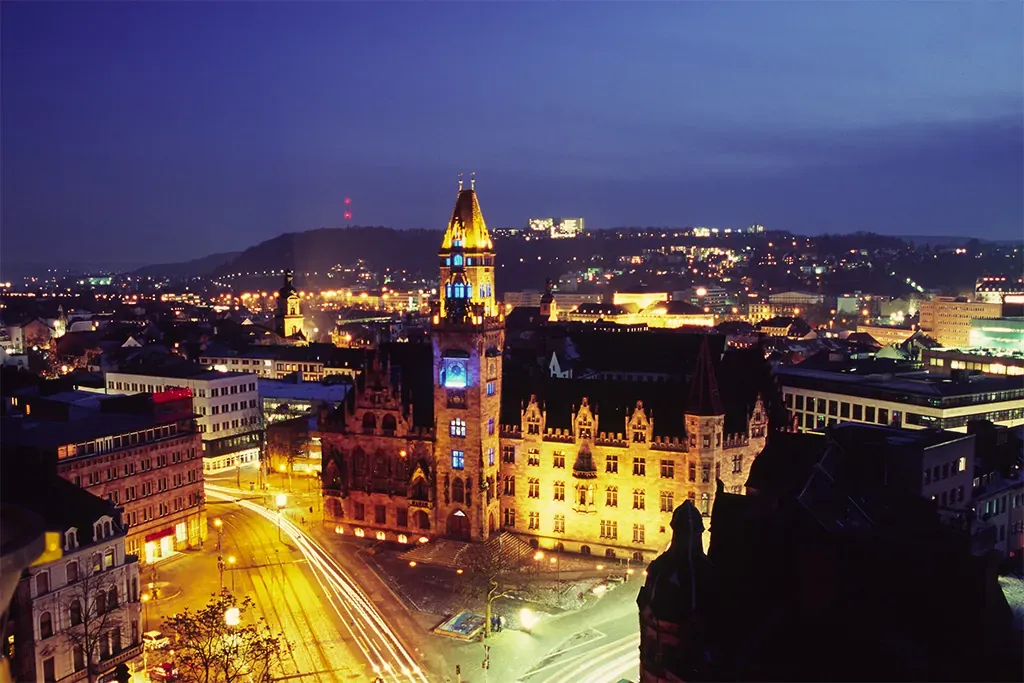
Saarbrücken, the capital of the Saarland, is a city that combines history and modernity
Saarbrücken's Old Town offers a charming scene of narrow streets, historic buildings, and modern amenities. In particular, the promenade along the Saar River and the bridge connecting the city's neighborhoods are landmarks that serve as popular gathering spots for both tourists and locals.
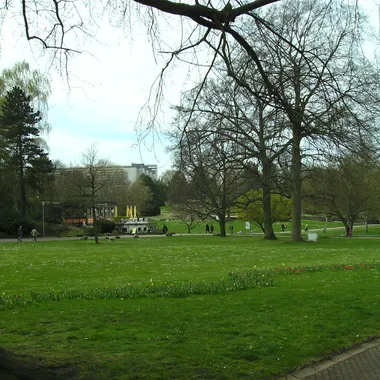
Franco-German Garden
The Franco-German Garden is one of the best-known recreational areas in Saarbrücken. The park was created as a symbol of Franco-German friendship and offers beautiful walking paths and the French part of the garden as well as a small lake area that can be used for boat trips. The garden has an idyllic atmosphere and is a popular place for an excursion, especially in spring and summer.
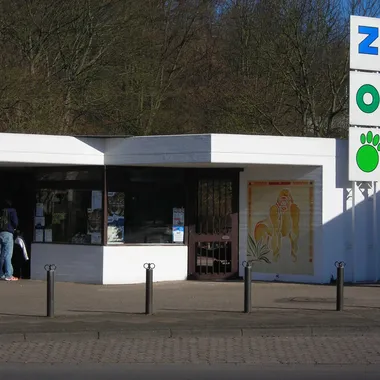
Zoo Saarbrücken
Saarbrücken Zoo is another highlight of the city and is home to a variety of animals from all over the world. It is perfect for a family outing and offers both an entertaining and educational day out for young and old.
Modern Gallery
The Moderne Galerie is one of the city's leading art museums and part of the Saarlandmuseum. It presents works of art from the 19th to 21st centuries, with a focus on the German and French art scene. The Alte Sammlung displays an impressive collection of artworks from the Middle Ages to the Classical period, with paintings and sculptures showcasing prominent artists of the respective eras.
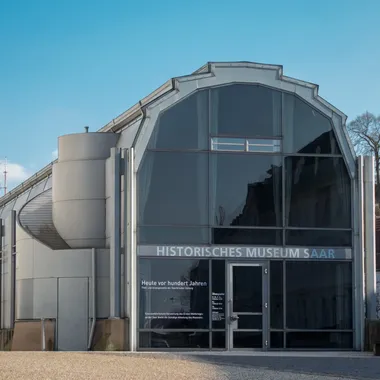
Saar Historical Museum
The Saar Historical Museum vividly conveys the history of the region and its development from early history to modern times. Exhibitions on various topics, such as the industrial history of the Saarland, regional traditions and the mining era, make the museum an exciting place for history buffs.
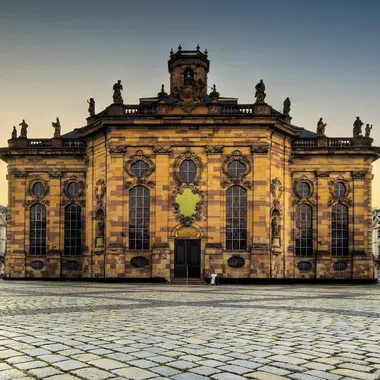
Ludwig Church
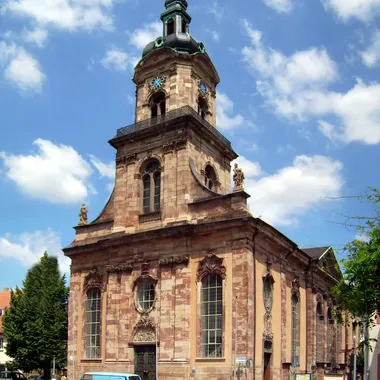
The Ludwigskirche, one of the most important baroque churches in Saarland, is located on Saarbrücken's Ludwigsplatz. It impresses with its clear baroque architecture and is a remarkable example of the church architecture of the era. Today, the church is one of the city's central Protestant churches and a popular venue for spiritual and cultural events.
Basilica of St. John
The Basilica of St. Johann is an important church in Saarbrücken, built in the Baroque style and a fascinating architectural masterpiece. Particularly noteworthy are the magnificent frescoes and the impressive interior, which exudes a calm and sublime atmosphere.
Saarbrücken Castle Church
The museum in the castle church displays Christian art in the form of figures and altars.
Museum of Prehistory and Early History
The Museum of Prehistory and Early History in Saarbrücken offers a deeper insight into the prehistoric and early historical development of the region. With exhibitions of artifacts from the Stone Age to Roman times, it is a fascinating place for archaeological discoveries.
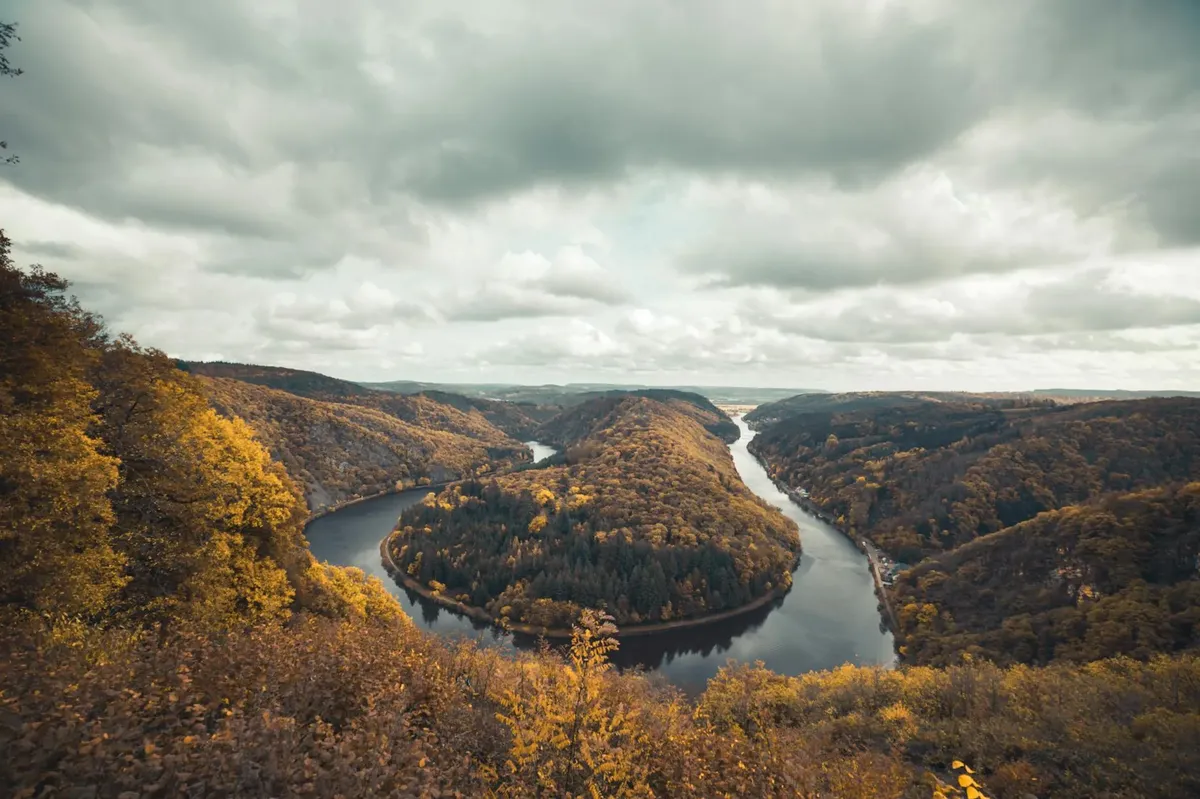
The Saarland offers beautiful natural landscapes, important industrial monuments and extraordinary places to experience
The region’s landmark is the Saar Loop near Mettlach, whose spectacular river landscape can be enjoyed from the Cloef viewpoint or the treetop walk in Orscholz.
A key site in industrial history is the Völklinger Hütte, a UNESCO World Heritage Site and one of the best-preserved ironworks in Europe. Families can gain a fascinating insight into the history of the Earth and life at the Prähistorium Gondwana, while the Werner Freund Wolf Park in Merzig offers rare encounters with wolf packs.
Saarschleife Treetop Walk in Orscholz
The Saarschleife treetop walk in Orscholz is an impressive treetop walk that gives visitors the opportunity to experience the forest from a bird's eye view. The trail leads through the forest and offers breathtaking views of the Saarschleife and the surrounding nature from various platforms. It is a unique experience for nature lovers and families.
Saarschleife Bend in Mettlach
The Saar Loop in Mettlach is one of Saarland's most famous natural beauties and a popular excursion destination. The Saar Loop describes an impressive curve of the Saar that winds picturesquely through the forest. From the Cloef viewpoint, you have a spectacular view of the loop and the surrounding landscape, which is particularly picturesque in both spring and fall. Hikers can enjoy the beautiful nature along the Saar Loop Trail.
Völklingen Ironworks
The Völklingen Ironworks in Völklingen is an important industrial monument and has been a UNESCO World Heritage Site since 1994. It is one of the best preserved ironworks from the period of industrialization and an outstanding example of the development of heavy industry in the 19th and 20th centuries. The ironworks was founded in 1873 and was in operation for over 100 years until it was shut down in 1986.
Today, the Völklingen Ironworks is a museum documenting the history of iron production and its impact on the region and the global economy. Visitors can tour the huge industrial facilities, including blast furnaces, gas tanks and turbine houses, and learn more about the complex production process and the working world of the ironworks workers.
In addition to industrial culture, the Völklingen Ironworks also offers changing exhibitions on art, architecture and culture, which deal with the connection between industrial history and art. The site is often used for events, concerts and festivals, making the Völklingen Ironworks a lively cultural venue.
Gondwana - Das Praehistorium
Gondwana - The Prehistorium in Schiffweiler is an interactive museum that brings visitors closer to the formation of the earth and the development of life. With its impressive exhibitions and recreated prehistoric scenes, visitors can experience the era of the dinosaurs and geological history up close. The museum is a particularly exciting and educational place for children.
Werner Freund Wolf Park in Merzig
The Werner Freund Wolf Park in Merzig is a unique wildlife park project where visitors have the opportunity to experience different wolf species. The park is home to several wolf packs and Werner Freund, the founder, has made it his life's work to breed and research wolves. The wolf park offers exciting guided tours where visitors can learn more about the wolves' behavior and way of life. It is an exciting experience for animal lovers and nature enthusiasts.
Montclair Castle
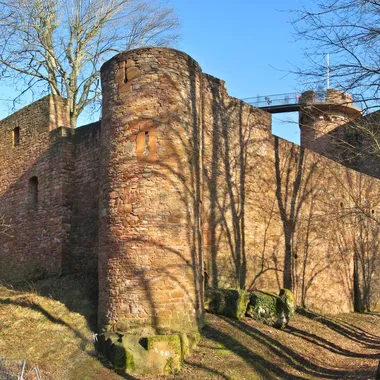
Montclair Castle in Mettlach is a romantic castle ruin that towers high above the Saar. It was built in the 12th century and was originally a strategic fortress. Today it is a fascinating place for history buffs and offers a great view of the Saar Loop and the surrounding area. The ruins invite visitors to explore and take photographs and are a particularly rewarding destination for hikers.
Villeroy and Boch Discovery Center in Mettlach
The Villeroy & Boch Experience Center in Mettlach is a modern visitor center that sheds light on the history and tradition of the renowned porcelain manufacturer Villeroy & Boch. In interactive exhibitions, visitors can learn more about the development of the company, the production of porcelain and the artisanal manufacturing process. The center also offers an insight into the company's philosophy and its global significance.
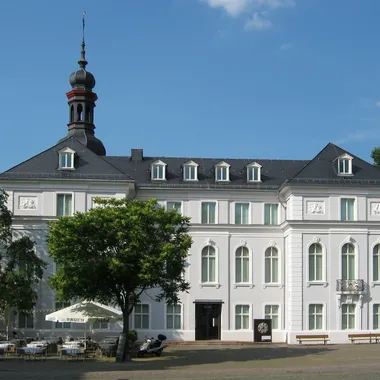
Start in Saarbrücken with a stroll along the Saar River and visit the Baroque Saarbrücken Palace as well as the lively Old Town. From there, it’s worth taking a detour to the famous Saar Loop near Mettlach—a popular photo spot and great hiking area. The Völklinger Hütte, a UNESCO World Heritage Site and impressive industrial monument, is also worth a visit. Nature lovers shouldn’t miss the Hunsrück-Hochwald National Park. And to top it all off: a tarte flambée and a glass of Schwenkerwein—typically Saarland!
Thanks to its location on the border with France and Luxembourg, there are plenty of opportunities to explore different cultures, landscapes, and sights in a short amount of time.
Just a short drive away lies the French region of Lorraine, which beckons with its historic towns and culinary delights. A visit to Metz, known for its impressive Saint-Étienne Cathedral and charming old town, is well worth it, as is a trip to Nancy, where Place Stanislas captivates visitors with its Baroque splendor. Alsace, with cities like Strasbourg and Colmar, is also easily accessible and offers a perfect blend of history, half-timbered architecture, and the French way of life.
The city of Luxembourg, just about an hour's drive away, is an ideal destination for a day trip. The Old Town, a UNESCO World Heritage Site, impresses with its unique blend of fortifications, narrow streets, and modern financial districts. Particularly worth seeing are the Casemates, the Grand Ducal Palace, and the picturesque Corniche, considered the “most beautiful balcony in Europe.”
To the east of the Saarland lies the Palatinate Forest, one of Germany’s largest contiguous forest areas. Hikers and nature lovers can explore the rolling countryside along numerous trails or stop for a bite to eat at rustic forest huts serving Palatinate specialties. Wine lovers should visit the German Wine Route, where charming wine villages like Neustadt an der Weinstraße or Bad Dürkheim invite you to linger and sample regional wines.
Nature lovers and active travelers will enjoy a trip to the nearby Vulkaneifel region. The area is known for its unique maar lakes, impressive volcanic landscapes, and picturesque villages. We especially recommend visiting the Volcano Museum in Daun or going on hikes around the maar lakes.
Northwest of the Saarland lies the Hunsrück, a low mountain range with dense forests and sweeping views. A highlight is the Geierlay suspension bridge, one of the longest pedestrian bridges in Germany. The nearby Moselle Valley, with towns such as Trier and Cochem, attracts visitors with its historic sights, castles, and world-famous vineyards.
The Saarland is known not only for its picturesque landscapes, but also for its diverse cuisine, which is heavily influenced by French cuisine.
The Schwenkbraten is particularly well known; it is grilled pork prepared on a special grill known as a “Schwenker.” Other typical dishes include Gefillde (stuffed potato dumplings) and the famous Lyoner sausage.
Many Saarland specialties have evocative names, such as Dibbelabbes (a potato casserole cooked in a pot), Hoorische (dumplings made from grated potatoes), or Bettseichersalat—a dandelion salad with a traditional name.
Wine lovers will also find plenty to enjoy: excellent Upper Moselle wines are grown along the Moselle River toward Luxembourg. It’s important to note that so-called “Saar wines” do not come from the Saarland, but from the wine-growing region along the Saar River in Rhineland-Palatinate.
While the Saarland may not have any huge cities, it does offer local products, short travel distances, and shopping near the border with a French flair.
Cultural life in Saarland is concentrated primarily in the state capital, Saarbrücken. While the number of events, concerts, and nightlife options is limited, they are all easily accessible.
You can find current events, for example, on rausgegangen.de or in the City of Saarbrücken’s calendar of events.
Saarbrücken regularly hosts concerts by national and international artists, including at the Saarlandhalle and the Garage Saarbrücken, which is known for its diverse lineup of rock, pop, and alternative music.
The Saarland State Theater presents operas, musicals, and plays. Its program is complemented by smaller venues such as the Theater Überzwerg and the Studiotheater, which specialize in contemporary theater and cabaret.
Nightlife in Saarland is mainly concentrated in Saarbrücken, particularly around Nauwieserstraße and Cecilienstraße. Here you’ll find bars, pubs, clubs, and alternative venues.
For the latest party and club info, check out rausgegangen.de.
The LGBTIQ+ scene in Saarland is small but well-connected. The hub is in Saarbrücken, where there are queer events, community gatherings, and counseling services. A Pride parade is also held there every year. For up-to-date information on events and meeting spots, check out national platforms like Gay-Party.de and Gay-Location.de.
With 1. FC Saarbrücken, the Saarland has a soccer club steeped in tradition with a large fan base.
Motorsports fans are familiar with the Saarland Rally and the Motorsportpark Uchtelfangen, which offers karting and racing for both professionals and amateurs.
Popular attractions include the Saar Cycle Route, the Saar-Hunsrück Climb, and water sports activities on Lake Bostal. In winter, the nearby Erbeskopf offers opportunities for winter sports.
Throughout the year, numerous music, cultural, and sporting events take place in Saarland.
Overall, the Saarland is easy to travel around and manageable in size. Typical risks tend to stem from the weather, forested and riverine landscapes, traffic on rural roads, and crowded city centers during festivals and events.
In forested areas around the Saar Loop, Bliesgau, and the edge of the Hunsrück, ticks can be a concern. After hikes, it’s a good idea to check yourself briefly, especially in spring and summer. When it rains, forest trails, rocks, and overlooks can become slippery.
Around Saarbrücken, Neunkirchen, and the highways toward France and Luxembourg, you may encounter commuter traffic, roadwork, and traffic jams. On rural roads, wildlife crossing the road and winding sections pose a risk, especially at dusk.
Along the Saar River, Lake Bostal, and smaller bodies of water, you should only swim in designated areas and never underestimate currents or boat traffic. On former industrial and mining sites, please respect barriers and do not climb on abandoned structures.
At city festivals, Christmas markets, or events in Saarbrücken and other locations, crowds, alcohol, and pickpocketing may occur. Keep valuables close to your body and stick to well-traveled routes at night.
The Saarland has a turbulent history that is closely intertwined with that of Germany and France. Due to its location on the border, the region was a battleground for centuries and changed hands several times.
As early as ancient times, the region was settled by the Celts and later by the Romans, who built major roads and settlements. In the Middle Ages, the Saarland was part of various territories, including the Duchy of Lorraine and the Holy Roman Empire.
In the 19th century, the Saarland became part of Prussia and later joined the German Empire. Thanks to mining and the steel industry, the region developed into a major industrial center. After World War I, the Saar region was placed under the administration of the League of Nations and, following a referendum in 1935, was reintegrated into Germany.
After World War II, the Saarland came under French control once again. It was not until after a failed independence referendum that it became an independent state within the Federal Republic of Germany in 1957.
Today, Saarland is an independent federal state with a strong regional identity shaped by German and French influences. It is Germany’s smallest federal state in terms of area (excluding city-states) and is known for its high quality of life and short distances.
Economically, the Saarland has evolved from its former reliance on the coal and steel industry into a modern hub for industry and services. The automotive sector, IT, research, and biotechnology are particularly well represented. The German Research Center for Artificial Intelligence (DFKI) in Saarbrücken is internationally renowned.
Tourism is also becoming increasingly important. Nature parks, cycling and hiking trails, and attractions such as the Saar Loop, the Völklinger Hütte UNESCO World Heritage Site, and historic towns make the Saarland an attractive travel destination.
Thanks to its compact size, the Saarland is easy and flexible to explore—whether by public transportation, bicycle, or car.
The Saarland has a well-developed local public transportation network consisting of buses and trains. The SaarVV (Saarland Public Transportation Association) coordinates public transportation and makes it easy to transfer between lines.
The Saarland Ticket is ideal for day trips, allowing you to explore the entire state and neighboring regions at an affordable price.
A well-developed network of bike paths makes the Saarland particularly bike-friendly. The Saar Cycle Route, which runs along the river through varied landscapes, is very popular.
Mountain bikers will also find plenty of trails in the Saar-Hunsrück Nature Park. Cities like Saarbrücken and Saarlouis also offer bike-sharing programs.
The Saarland is easy to explore by car. The road network is well-developed, and park-and-ride facilities make it easy to get into the cities. In rural areas, driving is often the most flexible option.
The state's main airport is Saarbrücken Airport (SCN), located about 15 km from Saarbrücken. It offers domestic and select international flights.
Alternatively, travelers often use the airports in Luxembourg (LUX) and Frankfurt-Hahn (HHN), which are within one to two hours' travel time.