More about Mecklenburg-Vorpommern
Sights, highlights, and background information about Mecklenburg-Vorpommern.
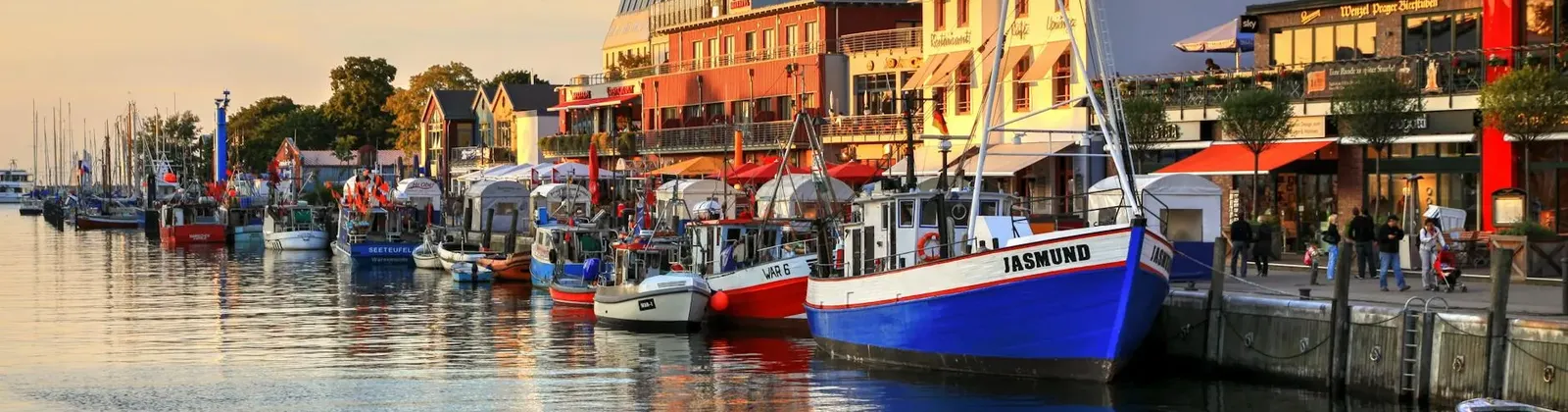
Rostock, the largest city in Mecklenburg-Vorpommern, combines maritime flair with Hanseatic history
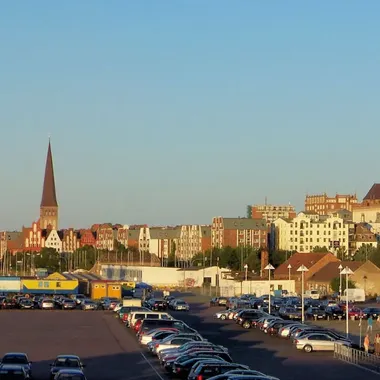
The historic old town impresses with its brick buildings, such as St. Mary’s Church and the Kröpeliner Gate. The city harbor on the Warnow River is perfect for a leisurely stroll, while the nearby beach in Warnemünde offers the ideal setting for relaxing days by the sea.
Today, Rostock is the economic center of Mecklenburg-Western Pomerania. The Port of Rostock is one of Germany’s most important Baltic Sea ports and serves as a major hub for cargo, energy, and cruise ships. In addition, the maritime industry, shipbuilding, wind energy, biotechnology, and research shape the city’s landscape.
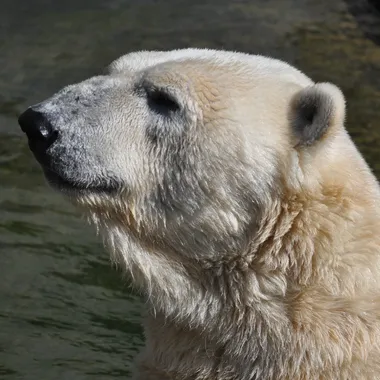
Rostock Zoo is one of the largest zoos in northern Germany and its Darwineum offers a unique combination of zoological and evolutionary biology exhibitions. Here you can observe exotic animals such as lions, elephants and gorillas in near-natural enclosures.
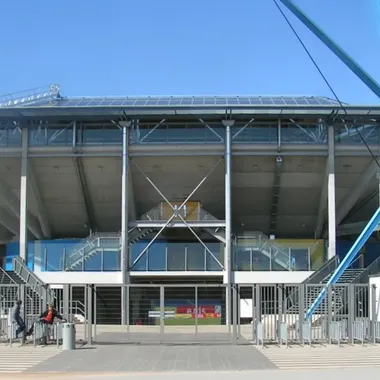
The Ostseestadion, home of the Hansa Rostock soccer club, is a popular meeting place for sports fans. With a capacity of around 29,000 spectators, the stadium offers a rousing atmosphere at the home matches of the club, which is steeped in tradition. In addition to soccer matches, concerts and other major events also take place here. The graffiti of the FCH can be seen everywhere in McPom.
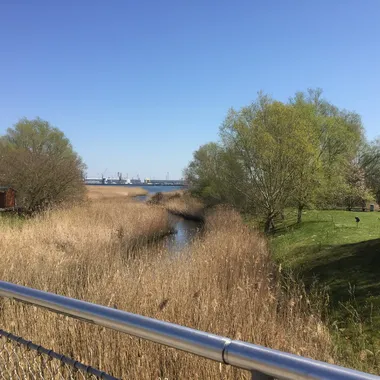
The IGA Park, a large landscaped park on the water, is ideal for walks and offers beautiful gardens, art installations and great views of the Warnow.
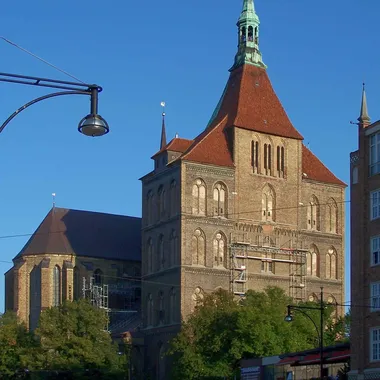
St. Mary's Church, a masterpiece of North German brick Gothic architecture, is the largest church in Rostock. Particularly worth seeing is the astronomical clock from the 15th century, which still works, as well as the imposing altar and the beautiful stained glass windows.
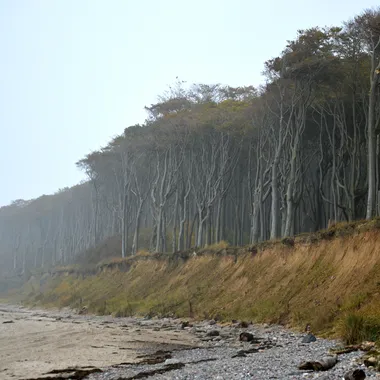
The Nienhagen Ghost Forest (20 minutes by car from Warnemünde) is a mystical coastal forest on the Baltic Sea, near the seaside resort of Nienhagen. The gnarled, wind-sculpted beech and oak trees are particularly mysterious and fascinating in fog or twilight. The bizarre shapes of the trees give the forest its ghostly charm, which attracts nature lovers, photographers and hikers alike. Directly behind the forest stretches the cliffs, from where you can enjoy wonderful views of the Baltic Sea. A visit to the Ghost Forest offers the perfect combination of nature experience and a pinch of magic.
The old town of Rostock is characterized by impressive brick Gothic architecture. On Neuer Markt, the central square, stands the magnificent town hall with its baroque façade. Here you will also find historic town houses that reflect the city's Hanseatic charm.
The Shipbuilding and Maritime Museum is located on the former cargo ship "Dresden", which is moored in Rostock harbor. Visitors can learn all about the history of seafaring and shipbuilding, especially in the Rostock region.
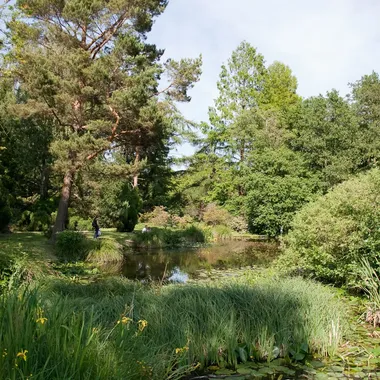
The Botanical Garden at the University of Rostock is a green oasis with plants from all over the world. The alpine garden and the large greenhouses are particularly worth seeing. The garden is not only a place of recreation, but also a scientific center.
The Kröpeliner Tor, one of the old city gates, is a striking landmark of Rostock. It was part of the medieval city fortifications, of which parts of the city wall have also been preserved. Today, the gate houses a museum on the city's history. The adjoining ramparts are now a beautiful park.
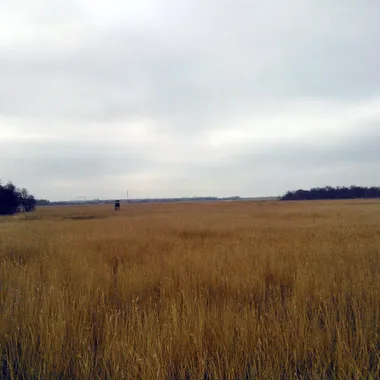
The Rostock Heath, one of the largest contiguous forest areas on the German Baltic Sea coast, lies slightly north-east of the city. Here you can go hiking on the beach, cycling or simply enjoy nature.
The MSC Marine Science Center in Hohe Düne near Rostock is a unique research center dedicated to the study of seals. Visitors can experience first-hand how scientists study the behavior and intelligence of these fascinating marine mammals. Guided tours and demonstrations offer exciting insights into the work with the animals. Particularly impressive are the training sessions, during which the seals show off their skills and are prepared for research projects. A special highlight is the opportunity to watch the animals training in the water.
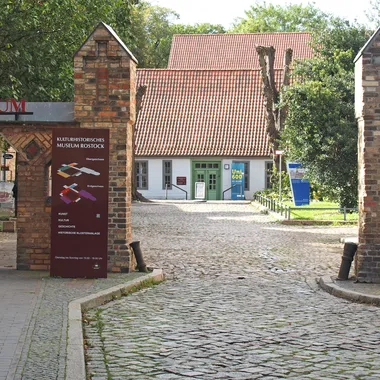
This museum, housed in the former Franciscan monastery, offers an extensive collection on the history and art of the region. The paintings and historical exhibitions in particular make it a must for culture fans.
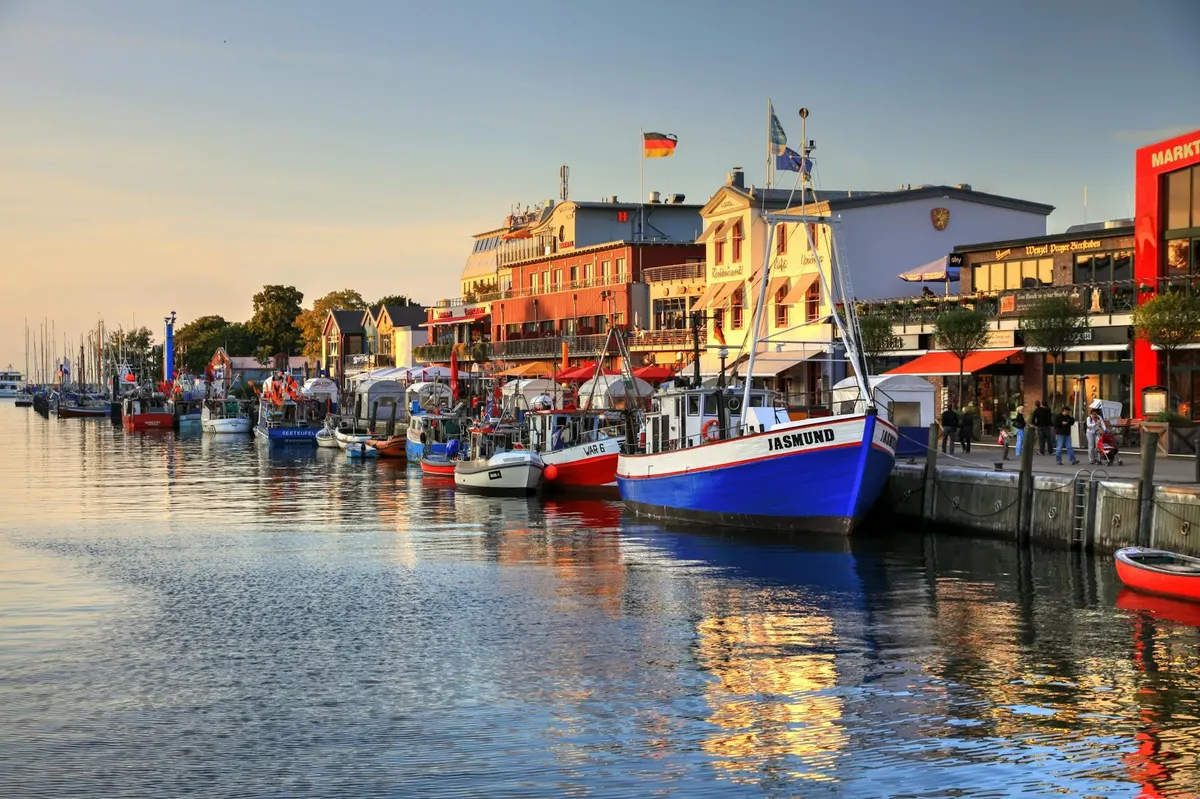
Rostock's city harbor is a popular meeting place on the banks of the Warnow. With its restaurants, cafés and old warehouse buildings, it invites you to stroll and linger. Events such as the Hanse Sail also take place here, where numerous historic sailing ships enter the harbor. Old ships can be viewed in the museum harbor.
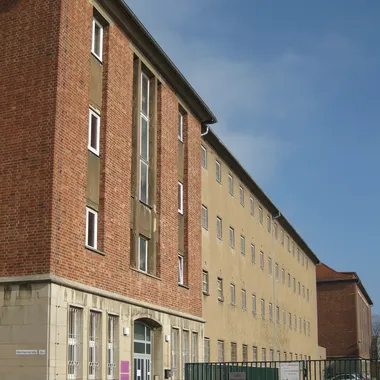
The Stasi prison is a historical site that documents the history of political repression in the former GDR. From 1950 to 1989, it served as a remand prison for political prisoners who were held by the Stasi, the secret service and security authority of the GDR.
Warnemünde is a district of Rostock and is famous for its beach. At up to 150 meters wide, it is the widest sandy beach on the German Baltic Sea coast. Due to the good wind conditions, the beach is ideal for kitesurfing, surfing, windsurfing, diving and swimming. At the eastern tip is a charming lighthouse that can be used as a lookout point. In Alexandrinenstraße you can look at pretty little houses and learn more about seafaring in the local museum. The promenade "am Strom" invites you to take a stroll.
Sights, highlights, and background information about Mecklenburg-Vorpommern.
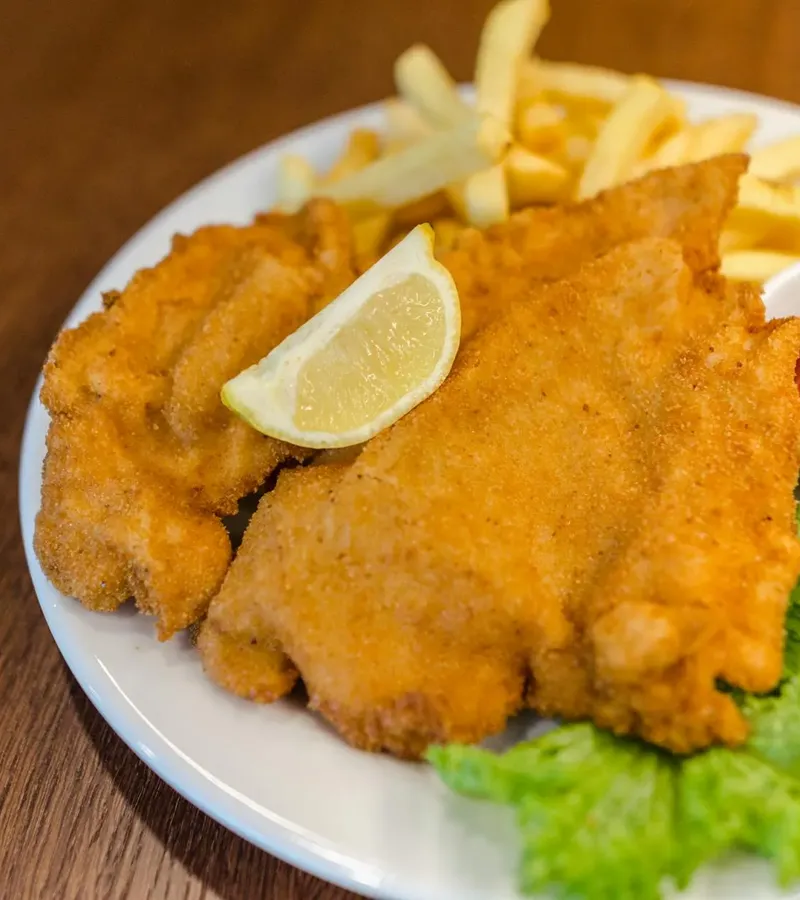
Typical dishes, regional classics, and culinary tips.
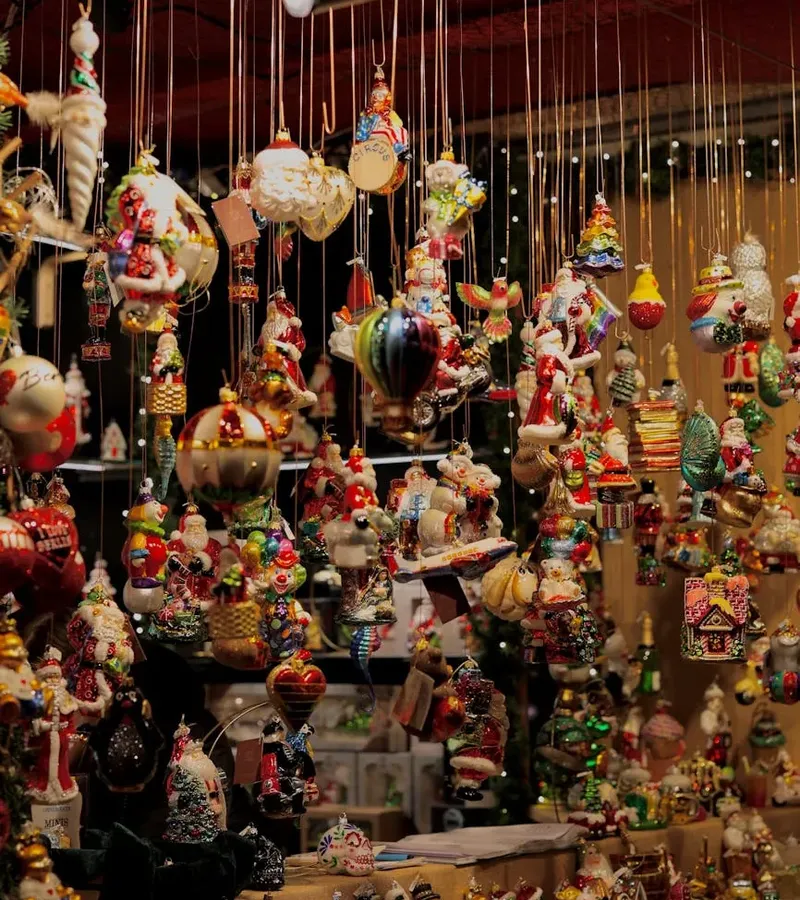
Souvenirs and special local gifts.
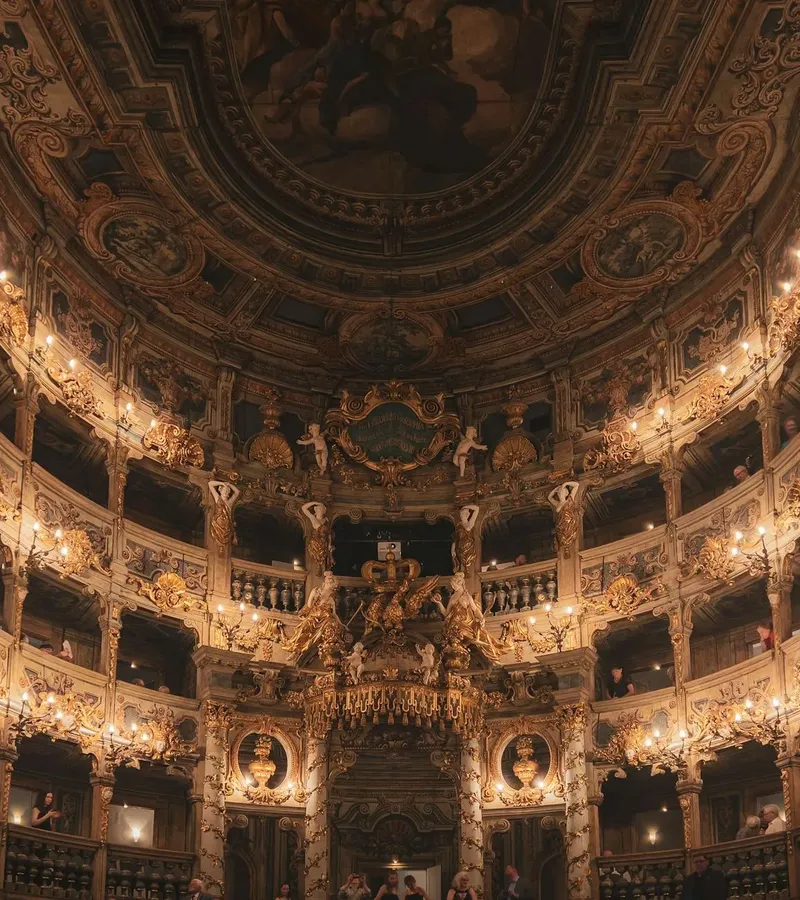
Culture, entertainment, and inspiring ideas for your free time.
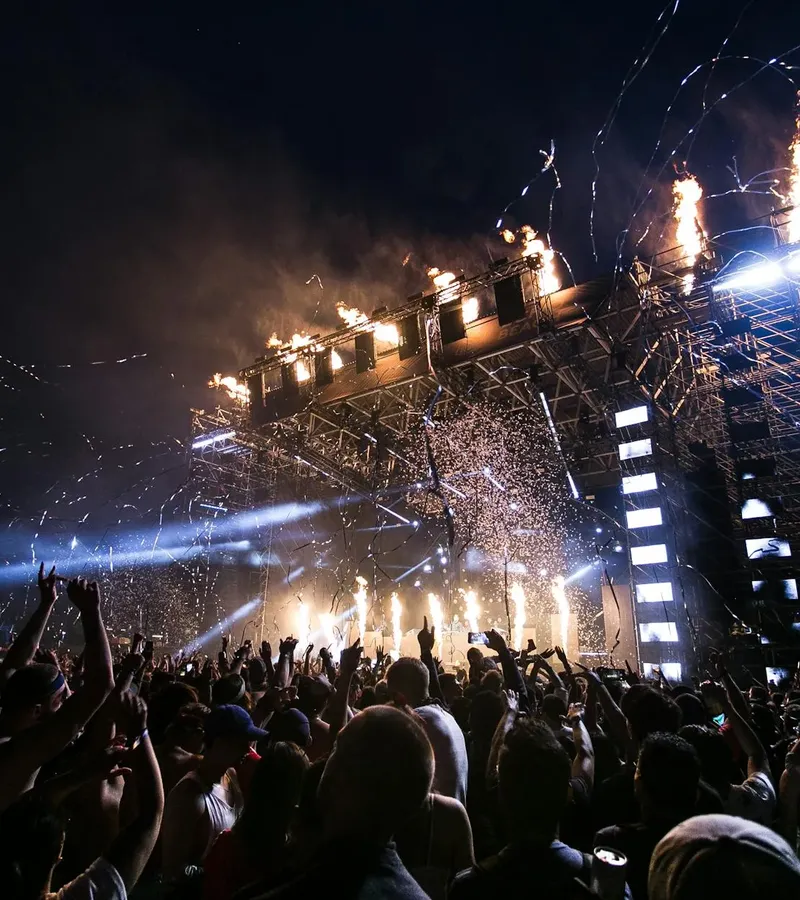
Clubs, culture, and evening plans in the region.

Advice, places, and tips for queer travel locally.

Sports options and well-known clubs in the region.

Festivals, highlights, and seasonal events.

Important advice, common pitfalls, and no-gos.

History, background, and interesting context.
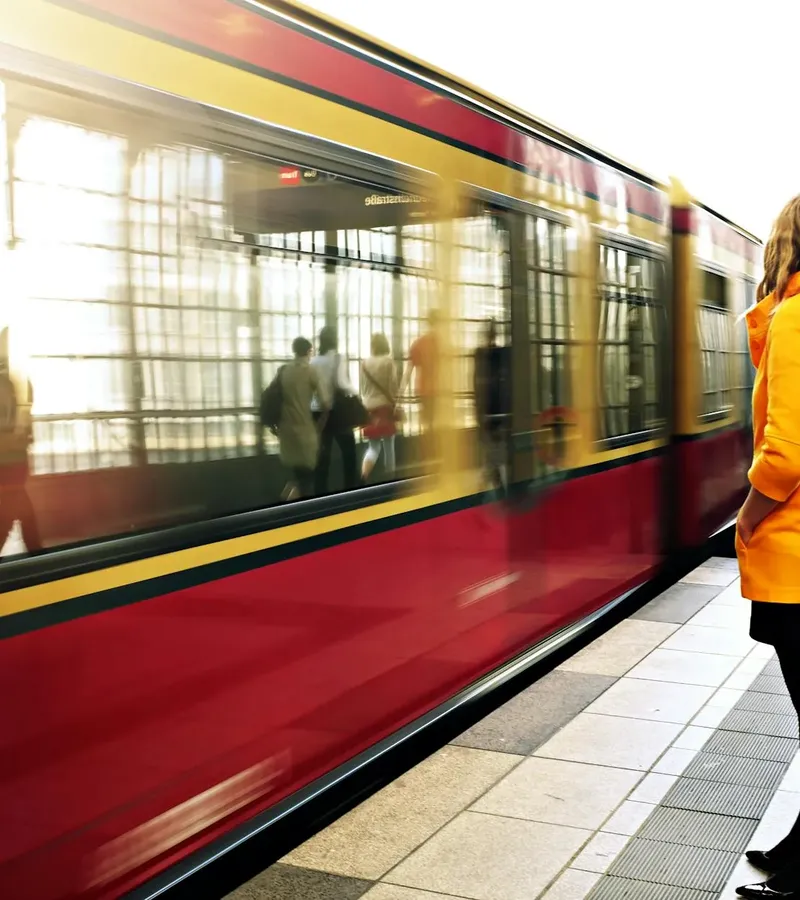
Tips for public transport and arrival.
Sights, highlights, and background information about Mecklenburg-Vorpommern.
Typical dishes, regional classics, and culinary tips.
Souvenirs and special local gifts.
Culture, entertainment, and inspiring ideas for your free time.
Clubs, culture, and evening plans in the region.
Advice, places, and tips for queer travel locally.
Sports options and well-known clubs in the region.
Festivals, highlights, and seasonal events.
Important advice, common pitfalls, and no-gos.
History, background, and interesting context.
Tips for public transport and arrival.