Frankfurt
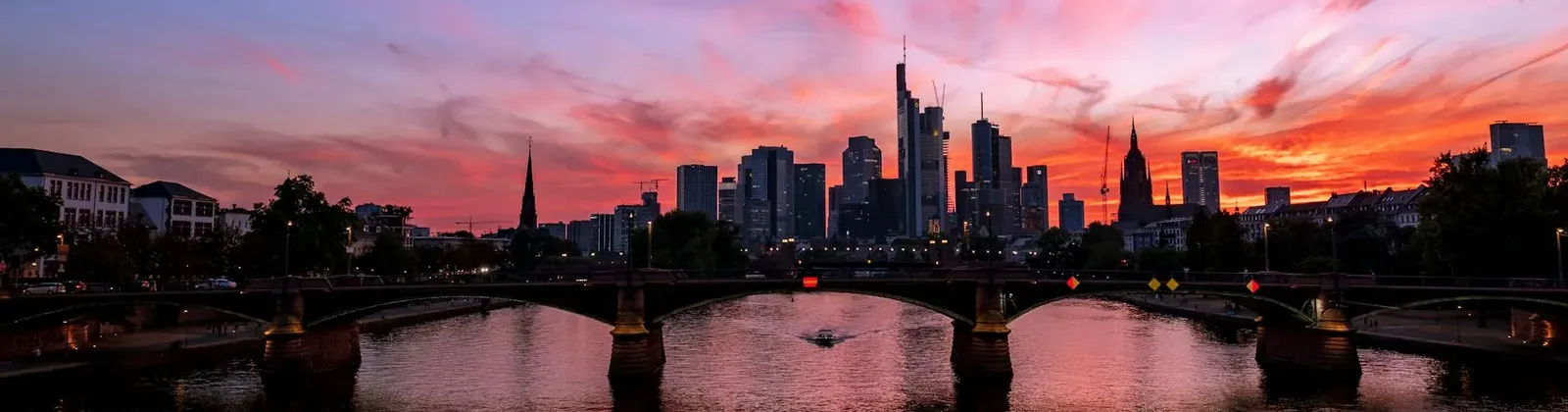
The financial metropolis of Frankfurt is known for its impressive skyline and as an international financial center.
With a population of around 6.3 million people, it is characterized by both dense urban centers and rural regions
The state capital, Wiesbaden, and the metropolis of Frankfurt am Main embody dynamism and internationalism, while the low mountain ranges and historic sites highlight the state’s cultural heritage and scenic diversity.
The financial metropolis of Frankfurt is known for its impressive skyline and as an international financial center.
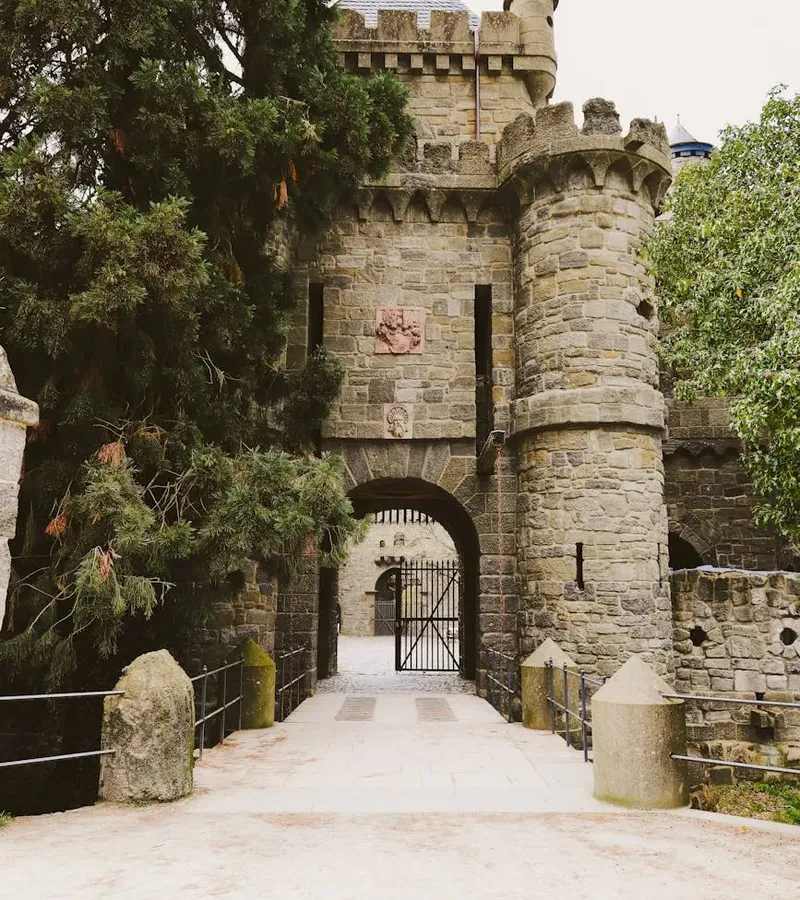
Kassel is famous for the world's largest art exhibition, documenta, and the fairytale Bergpark Wilhelmshöhe.
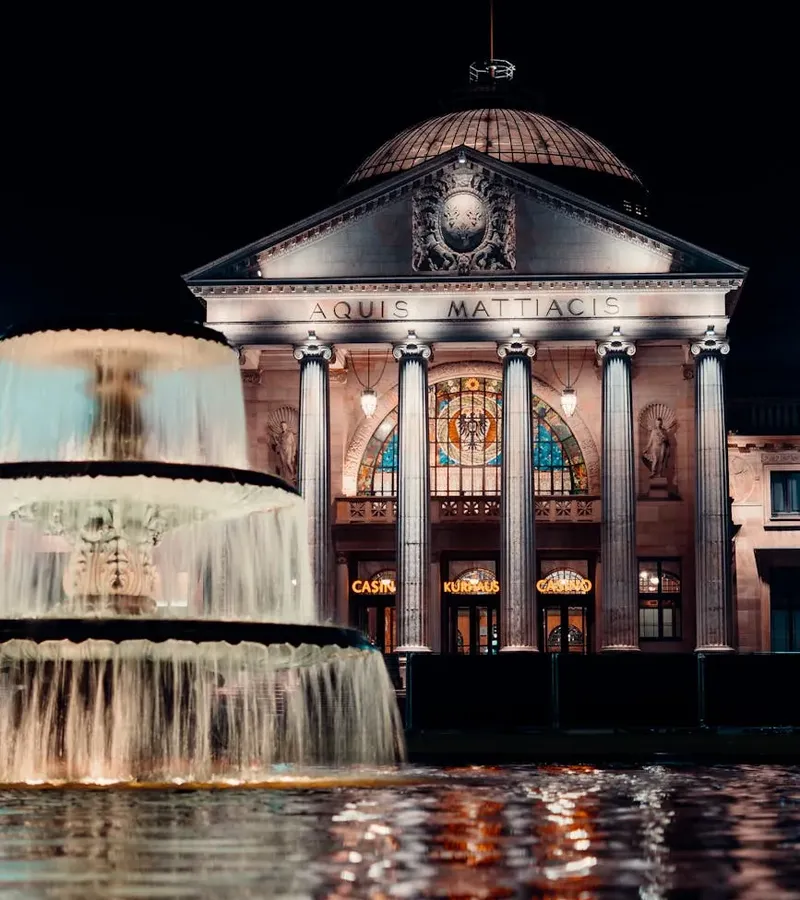
The state capital of Hesse is known for its historic thermal springs and elegant spa buildings.
The financial metropolis of Frankfurt is known for its impressive skyline and as an international financial center.
Kassel is famous for the world's largest art exhibition, documenta, and the fairytale Bergpark Wilhelmshöhe.
The state capital of Hesse is known for its historic thermal springs and elegant spa buildings.
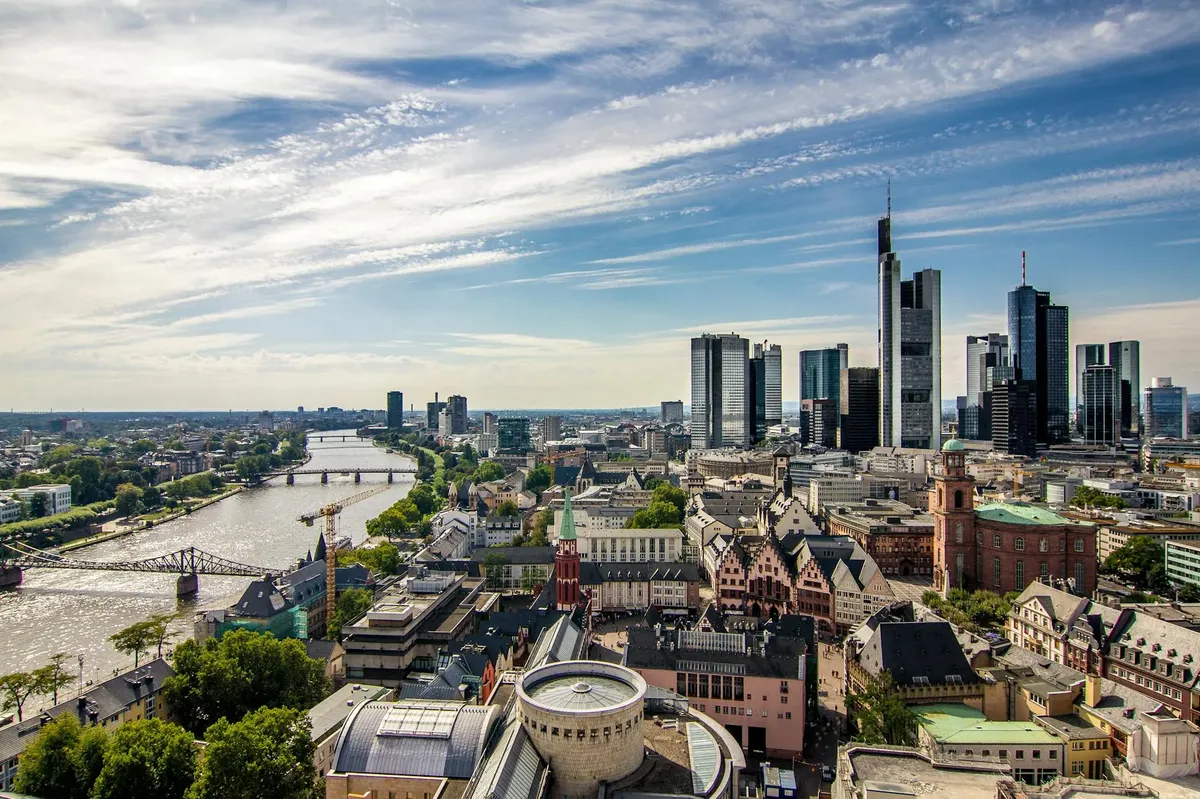
Frankfurt am Main is a dynamic and modern city in the heart of Germany that plays an important role both economically and culturally
The city is known worldwide as a financial hub, but it is also home to a number of interesting art museums, a large natural history museum, and a quaint old town.
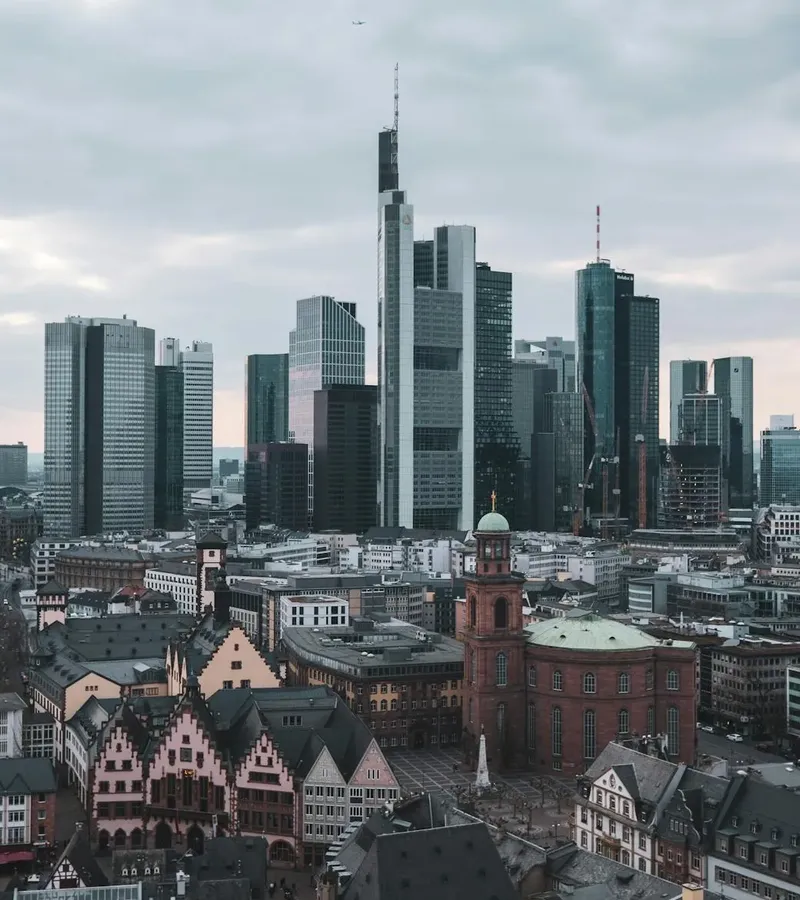
Frankfurt’s historic old town was partially rebuilt after World War II to preserve its former splendor. Of particular note is the Römerberg, considered the city’s historic center. Here stands the Römer Town Hall, a magnificent building with a long history that once served as the site of the imperial election.
Frankfurt Cathedral (Imperial Cathedral of St. Bartholomew) is another striking landmark of the city.
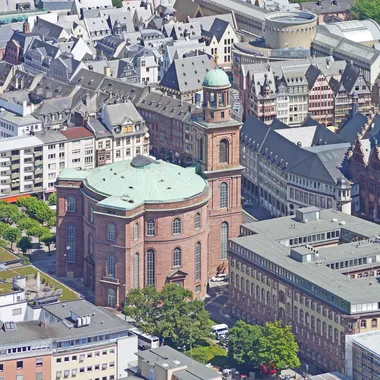
Also well-known is St. Paul’s Church, which symbolizes German democratic history, as the first democratic national assembly was held here in 1848.
Today, Frankfurt presents itself as an international metropolis with a striking skyline that has earned it the nickname “Mainhattan.” In addition to banks and the stock exchange, international companies, trade fairs, and a diverse cultural scene shape the cityscape. The nightlife is considered one of the most diverse in Germany: in neighborhoods like Sachsenhausen, the Bahnhofsviertel, or around Berger Straße, traditional apple wine taverns, clubs, bars, and international restaurants line the streets.
Frankfurt offers a variety of green oases that enrich the urban space. The Palmengarten in the Westend is one of the best-known parks and a paradise for plant lovers. On 22 hectares, visitors can discover tropical plants, greenhouses and botanical collections. The green belt around the city provides even more nature experiences and allows visitors to explore the city on a 70-kilometre route through woodland and meadows.
The Kleinmarkthalle is a lively marketplace in the heart of Frankfurt and a true institution for gourmets. Opened in 1954, the hall is home to over 150 stalls offering a wide range of regional and international products. The aroma of fresh fruit, vegetables, sausages and cheese fills the air. The Kleinmarkthalle is particularly well known for its Hessian specialties, such as the famous Frankfurt Green Sauce or Äppelwoi (apple wine), which can be sampled in the neighboring apple wine pubs.
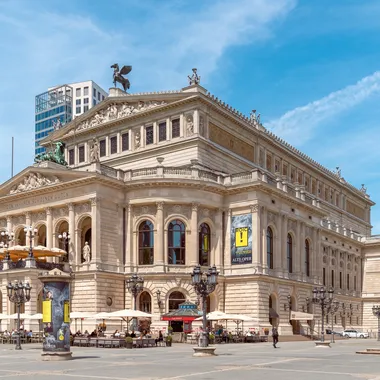
The Alte Oper in Frankfurt is one of the city's most famous cultural centers and an architectural masterpiece in the neo-Renaissance style. It was opened in 1880 and was initially the home of the Frankfurt orchestra until it could no longer be used until 1981 following the destruction of the Second World War. Today it is once again a lively venue for concerts, theater performances and operas.
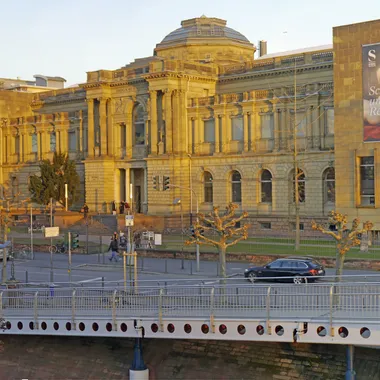
The Städel Museum is one of the most important art museums in Germany and a true jewel in Frankfurt's museum landscape. It was founded in 1815 by the Frankfurt banker Johann Friedrich Städel and today houses an impressive collection spanning over 700 years of art history. The collection ranges from the Middle Ages to the Renaissance and Modernism. Particularly noteworthy is the collection of old masters with works by artists such as Rembrandt, Vermeer and Rubens. Modern works by artists such as Monet, Picasso and Klee can also be found in the Städel.
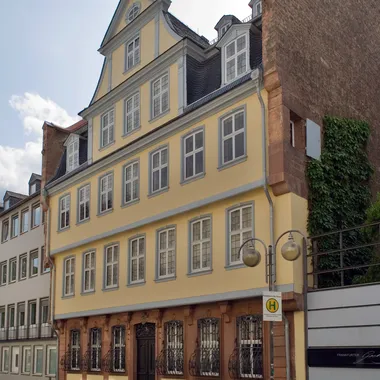
The Goethe House in Frankfurt is the birthplace of the city's most famous son, Johann Wolfgang von Goethe. The magnificent bourgeois building in the Große Hirschgraben now houses a museum dedicated to the poet's life and work. Born in 1749, Goethe spent his childhood and teenage years here, and many of his first literary works began here.
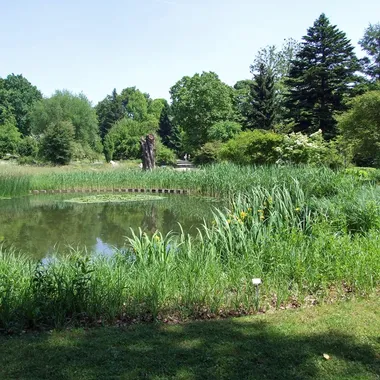
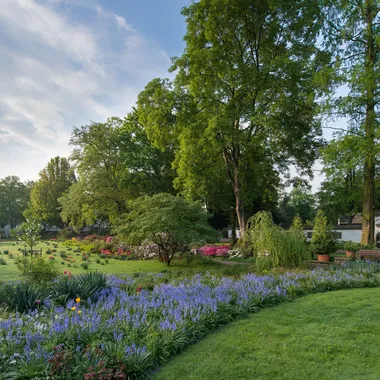
Bethmannpark is a green oasis in the heart of Frankfurt and, with its extensive lawns, picturesque ponds and well-tended gardens, invites you to relax and take a stroll. The park was laid out at the end of the 18th century on behalf of the Bethmann family and is now a popular recreational area for Frankfurters and their guests.
A special attraction of the park is the Chinese Garden House, which reflects Asian garden architecture and offers a peaceful atmosphere for visitors.
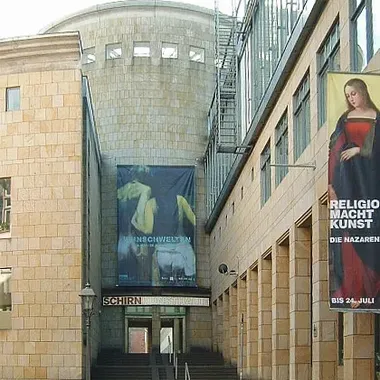
The Schirn Kunsthalle is one of the most important exhibition centers for modern and contemporary art in Frankfurt. The building itself is an architectural highlight and a landmark of the city.
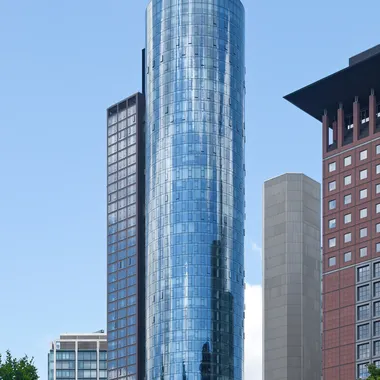
The skyline of Frankfurt am Main is world-famous and is one of the most striking in Europe. With ultra-modern skyscrapers such as the Main Tower, the Commerzbank Tower and the Messeturm, the city is the financial center of Germany and one of the most important financial centers in the world. Particularly impressive is the Main Tower, from whose viewing platform visitors can enjoy a breathtaking view over the city and the River Main. Frankfurt is home to numerous international banks, including the European Central Bank (ECB), which makes Frankfurt an important hub for the European financial sector.
The Senckenberg Nature Museum is one of the largest natural history museums in Germany and is a highlight for anyone interested in the history of the earth and its creatures. The museum displays a fascinating collection of dinosaur skeletons, fossils and specimens from the animal and plant world. The dinosaur skeleton, which is one of the largest in Europe, and the collection of bird and mammal specimens from all over the world are particularly well known.
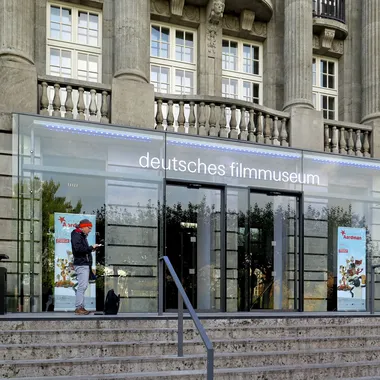
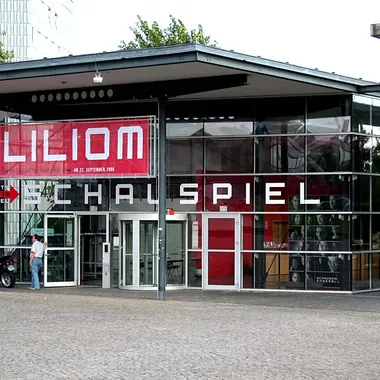
The German Film Institute & Film Museum (DFF) is the central house for film history in Germany and a true paradise for film fans. The museum offers a comprehensive overview of the development of film in Germany, from the beginnings of silent film to the latest developments in cinema and digital media. Visitors can admire original exhibits such as film posters, film projectors and props on several floors.
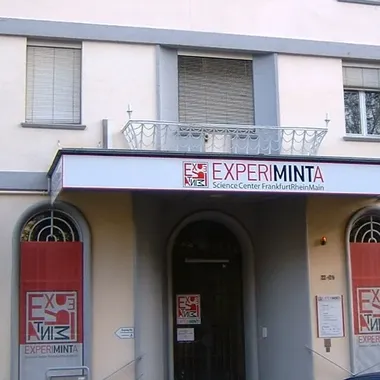
EXPERIMINTA is an interactive science center in Frankfurt that brings science and technology to life in a fun way. The exhibition is particularly aimed at families and children, but it also offers adults exciting and informative insights into the world of science.
With more than 120 interactive stations on topics such as physics, chemistry, mathematics and biology, EXPERIMINTA enables visitors to carry out experiments themselves and experience scientific phenomena up close.
St. Paul's Church is considered the cradle of German democracy. Germany's first freely elected National Assembly met here in 1848 and worked on a democratic constitution. The simple, round building is therefore of great political and historical significance and is used today for exhibitions and commemorative events.
The Museum of Communication in Frankfurt is the central museum in Germany dedicated to the history and interactions of communication and society. The collection includes a fascinating selection of telephones, televisions, stamps and other historical means of communication. Special exhibits are dedicated to the processes of change in communication technology, from the invention of printing to the development of media and electronics to contemporary social networks.
The MMK für Moderne Kunst is one of the most important museums for contemporary art in Frankfurt and is characterized by its innovative architecture and the presentation of international art. The museum was founded in 1991 and has since established a firm place for itself in the international art scene.
The MMK collection includes works from the fields of painting, sculpture, photography and media art by artists such as Andy Warhol, Joseph Beuys and Damien Hirst.
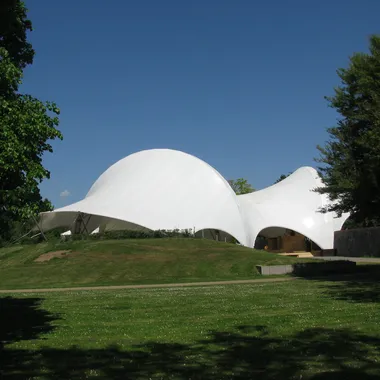
The Liebieghaus in Frankfurt is another cultural highlight of the city and is one of the most important museums for sculpture in Germany. The historic building houses a unique collection of sculptures from antiquity, the Renaissance and modern times.
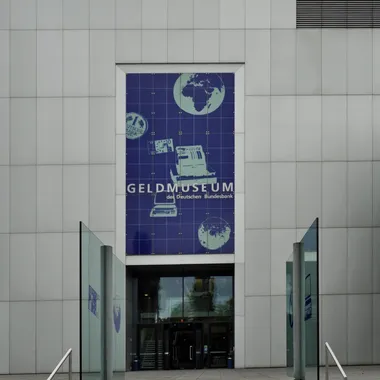
The Money Museum of the Deutsche Bundesbank in Frankfurt provides a fascinating insight into the history of money and the development of the financial system. Visitors learn all about the different currencies and the significance of banknotes and coins in a global context in an interactive way. The collection includes historical banknotes and coins from all eras, from ancient means of payment to modern currencies.
The museum explains how money was created and what role it plays in the economy. The exhibition that deals with the security features of banknotes and presents the latest anti-counterfeiting technologies is particularly exciting.
The Jewish Museum Frankfurt is another important museum in the city and is dedicated to Jewish history and culture in Frankfurt and beyond. It covers the eventful history of the Jewish community in Frankfurt, which played an important role in the city for centuries.
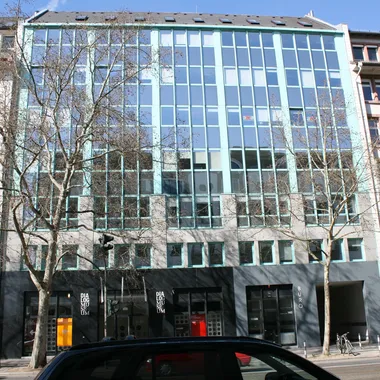
The Dialogmuseum is a unique museum that gives visitors a new perspective on the world. In the exhibitions, visitors can experience the world without their senses. The "Dialogue in the Dark" exhibition is particularly impressive, in which participants are guided through a simulated world in complete darkness, allowing them to experience the environment with other senses - through hearing, touch and smell.
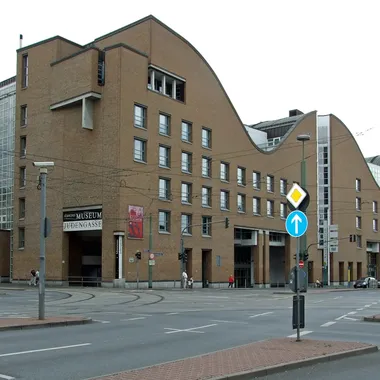
The Judengasse Museum in Frankfurt tells the story of the Jewish community in Frankfurt and provides a detailed insight into the life of Jews in the city during the Middle Ages and early modern times. The exhibition focusing on the Judengasse, one of the oldest Jewish quarters in Europe, is particularly fascinating. The Jewish community lived here until their expulsion in 1462. The museum displays a variety of archaeological finds from the Judengasse, including household items, scrolls and religious handicrafts. The museum is located next to the Jewish cemetery.
The Frankfurt Stock Exchange is one of the most important financial centers in Germany and plays a central role in international trading in shares and securities. As the home of the Frankfurt Stock Exchange, it is a symbol of the city's economic power and financial expertise.
Following in the footsteps of the Brothers Grimm, you can immerse yourself in the world of fairy tales and the history of the famous linguists
The region around Hanau and Steinau is closely linked to the lives and work of the Brothers Grimm. Historic old towns, museums, and cultural events celebrate this heritage. At the same time, the surrounding area—with its forests, lakes, and recreational activities—offers a wide range of opportunities for relaxation.
The Brothers Grimm—Jacob and Wilhelm Grimm—are among Germany’s most significant linguists and literary scholars. In the early 19th century, they collected stories passed down orally from various regions and published them as “Children’s and Household Tales.” Many fairy tales known worldwide today, such as Little Red Riding Hood, Hansel and Gretel, or Snow White, trace their origins to this collection.
Originally, the fairy tales were often much darker and were intended more for adults. It was only later adaptations that made them more suitable for children. The Brothers Grimm also pursued a scholarly goal: they wanted to document the German language, culture, and folk traditions. German fairy tales are often characterized by clear moral messages, the contrast between good and evil, simple, symbolic characters, and elements of nature, the forest, and rural life.
The German Fairy Tale Route is a tourist route that connects key stages in the lives of the Brothers Grimm as well as locations from the world of fairy tales. Among other places, it passes through cities such as Hanau (birthplace), Steinau (childhood), and Kassel (place of work). Hamelin and Bodenwerder (both in Lower Saxony) are also part of the Fairy Tale Route. Visitors can discover museums, historic old towns, and fairy-tale locations along this route.
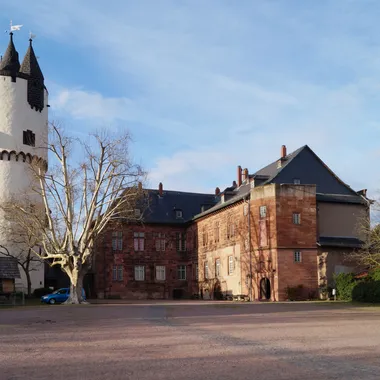
The castle houses the Hanau Historical Museum and is located directly on the banks of the Main. The exhibitions show the history of the town and regional development. Visitors can experience history in a baroque setting.
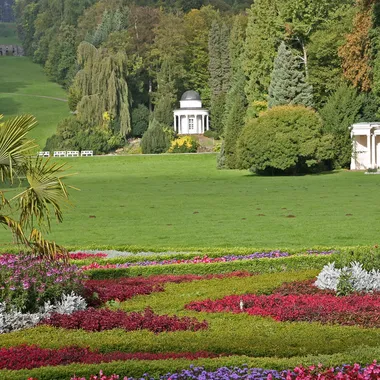
Wilhelmsbad is a historic spa park with gardens and walking paths. The park dates back to the 18th century and was once used for recreation. Visitors can enjoy nature and historical park design here.
The market square forms the center of the city and is a place for markets and events. Visitors can experience urban life and regional products here.
The festival takes place annually and brings fairy tales by the Brothers Grimm to the stage. Outdoor performances create a special atmosphere. Visitors experience culture and literature in a lively form.
The museum is located in the former home of the Grimm family. Exhibitions show the life and work of the Brothers Grimm. Visitors are given a direct insight into their childhood and their significance for literature.
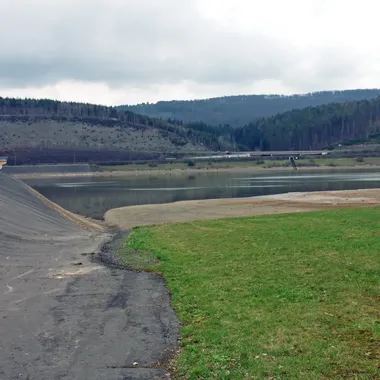
The Kinzig dam, also known as the Kinzig reservoir, is a popular local recreation area. Walking paths and natural areas invite you to linger. Visitors can enjoy the peace and scenery here.
The association operates historic rail vehicles and offers special trips. Visitors can experience the history of technology and nostalgic train journeys here.
The indoor playground offers digital games, virtual reality and leisure activities. Visitors will find a modern range of leisure activities here, regardless of the weather.
The Museum of Pre- and Early History is located in Steinheim Castle. It displays archaeological finds and conveys the early history of the region. Visitors can gain an insight into past eras.
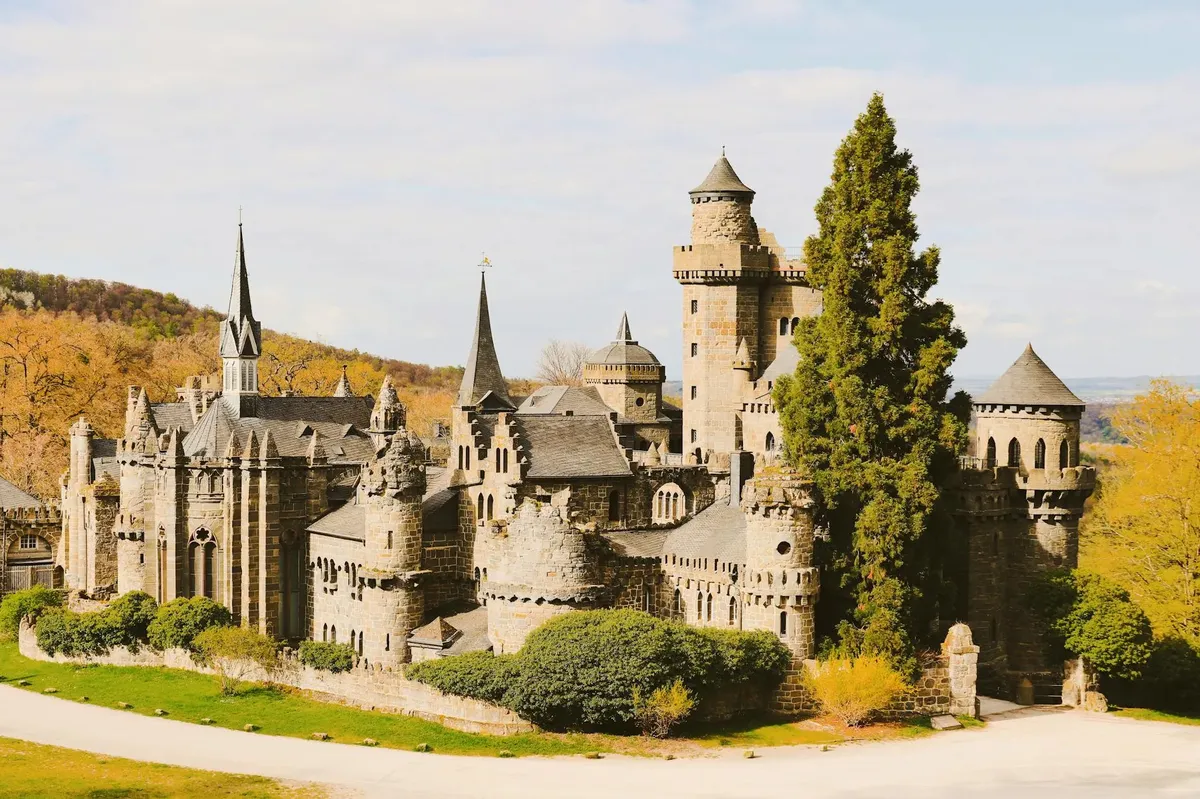
Kassel, the documenta city, is located in the center of Germany and combines a rich history with modern art and unique park landscapes
Kassel’s cityscape is closely linked to the history of the Landgraves of Hesse-Kassel, who shaped the city’s cultural heritage with castles, museums, and expansive parks. In addition to the Bergpark Wilhelmshöhe, a UNESCO World Heritage Site featuring Baroque water features, the Karlsaue, the Orangerie, and numerous museums are also part of the city’s diverse cultural landscape.
During World War II, however, Kassel was heavily damaged. As a major industrial center—including for arms production—the city was a target of Allied bombing raids, particularly in 1943, during which large parts of the old town were destroyed. Reconstruction in the postwar period was often functional rather than historically oriented, which is why Kassel today presents a comparatively modern and, in parts, austere cityscape.
Today, Kassel presents itself as a vibrant university city with the University of Kassel, a growing creative scene, interesting museums, and a high quality of life. Every five years, the documenta takes place here—one of the world’s most significant exhibitions of contemporary art, attracting visitors from all over the world.
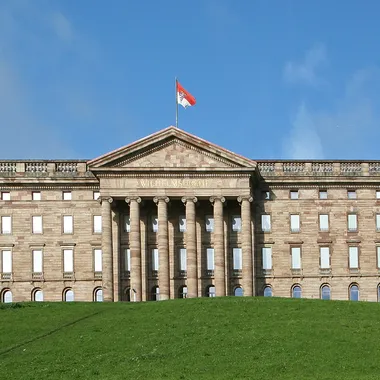
Bergpark Wilhelmshöhe in Kassel is the largest mountain park in Europe and has been a UNESCO World Heritage Site since 2013. With its unique blend of baroque garden art, romantic landscape elements and imposing buildings, it is an absolute highlight.
The landmark of the Bergpark is the Hercules statue, which stands high up on a pyramid. From here, visitors can enjoy a breathtaking view over the park and the city of Kassel.
An absolute highlight are the historic water games, which take place on fixed days between May and October. You should definitely find out in advance when they take place! The water flows by gravity alone from the cascades down over ponds, fountains and the impressive Great Waterfall to the fountain in the castle pond, which shoots up 50 meters high. Some of the water features are atmospherically illuminated in the dark. It is best to start at the top of the water features at the Hercules statue and then walk to the waterfall and castle pond later.
Other highlights are the Löwenburg (a romantic castle ruin) and the Devil's Bridge.
The Neue Galerie in Kassel is a place where works of art from the 19th century meet the currents of modernism. The magnificent building on the edge of the Karlsaue park was opened in 1877 and is one of the city's most important art museums. The collection includes works by Lovis Corinth, Adolph von Menzel and Max Slevogt, but modern artists such as Joseph Beuys, Gerhard Richter and Anselm Kiefer are also represented. The works that were created as part of the documenta and document the development of contemporary art are particularly impressive.
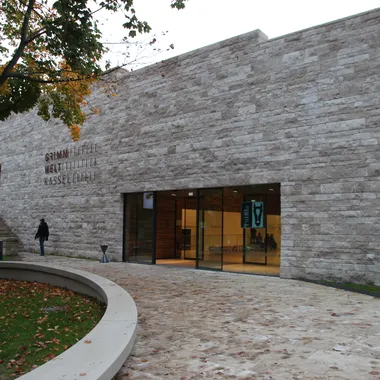
The Grimmwelt Kassel is a modern museum dedicated to the Brothers Grimm and presents their fairy tales and linguistic work in a lively way. Jacob and Wilhelm Grimm lived and worked in Kassel for many years, where they laid the foundations for their world-famous children's and house fairy tales.
Visitors can playfully immerse themselves in the world of fairy tales, create words and discover the significance of the Brothers Grimm for the German language. The Grimm World is not only a place for fairy tale lovers, but also for families. Children can solve fairy tale puzzles or take part in workshops, while adults can learn more about the life and work of the brothers. The museum is located on the Weinberg, from where there is a magnificent view over Kassel.
The natural history museum in the Ottoneum, housed in a historic theater building, is a must for science and nature lovers. One highlight is the world's oldest preserved herbarium, which contains evidence of the plant world from the 16th century.
The Documenta Halle, built in 1992 especially for the documenta exhibition, is a modern and flexible art venue. With its spacious areas, it offers the perfect stage for large-scale installations and experimental art projects. During the documenta, the hall becomes a centerpiece of the art scene in Kassel, but exciting events also regularly take place here outside of the major exhibition. The light-flooded architecture invites visitors to experience art in a variety of ways.
The documenta is one of the most important exhibitions of contemporary art in the world and takes place every five years in Kassel. It was founded in 1955 by Arnold Bode. It was intended to create a platform that would make not only the works of established artists, but also avant-garde and experimental art movements accessible to a broad public. However, many visitors perceive the exhibition as too politicized and are disturbed by the many video installations. Most recently, the exhibition has also come under fire for its anti-Semitic images.
Schloss Wilhelmsthal, a baroque castle 15 km from Kassel, is an impressive example of 18th century architecture and one of the most important sights in the region. It lies in the middle of an extensive park and combines magnificent architecture with an idyllic natural setting. The palace was built between 1747 and 1751 under the direction of court architect Gottfried Heinrich Krohne for Landgrave Wilhelm VIII of Hesse-Kassel and was designed as a summer residence and hunting lodge.
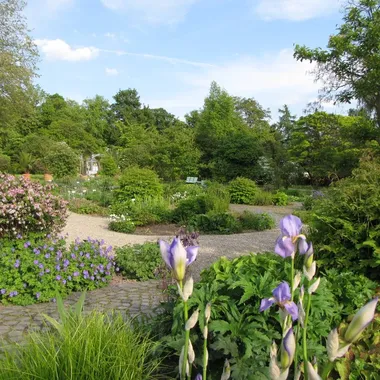
The Kassel Botanical Garden is located near the Buga site and is a popular retreat for nature lovers and walkers. Originally created in 1912 as a teaching garden for the University of Kassel, the garden is now a lovingly designed green space with a variety of plant species.
Visitors can stroll through themed areas such as the rock garden, the tropical house or the scent and touch gardens.
The Fridericianum, opened in 1779, is an important landmark in Kassel and the oldest public museum in Europe. Its impressive neoclassical architecture makes it an eye-catcher from the outside, while inside it regularly presents exciting exhibitions of contemporary art.
The Fridericianum became internationally famous through the documenta, one of the most important exhibitions of contemporary art, which takes place in Kassel every five years. However, the museum is also a magnet for art lovers outside of documenta, as it exhibits innovative and often provocative works that make people think.
The Museum of Sepulchral Culture is one of the most unusual museums in Germany and is dedicated to a subject that is often taboo: death. It shows how people in different cultures and eras have dealt with dying, mourning and remembrance.
The exhibition includes everything from historical gravestones and coffins to contemporary works of art that deal with death. What is particularly fascinating is how the museum addresses death as a universal theme, combining cultural, artistic and personal perspectives.
Visitors can explore interactive areas that encourage them to reflect on their own memories and rituals. At the same time, the museum also offers space for social discussions on topics such as euthanasia or sustainable burials.
The Sababurg primeval forest is a magical place with ancient oaks and mysterious paths reminiscent of the Brothers Grimm's fairy tales. It is 30 minutes by car from Kassel. As one of the oldest primeval forests in Germany, it offers a unique landscape that invites you to hike and observe nature. The nearby Sababurg zoo complements the excursion with further attractions for the whole family.
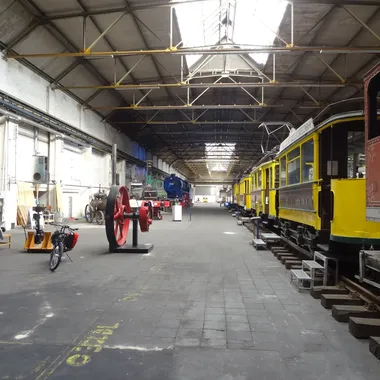
The Technik-Museum Kassel is an exciting place for anyone interested in the development of technology and industry. Historical vehicles, steam engines, airplanes and models are exhibited in an old locomotive hall. Visitors can experience at first hand how technical innovations have changed the world and learn more about Kassel's industrial past.
The Neue Galerie, a classicist museum near the Karlsaue park, is a cultural centerpiece of Kassel. It houses an extensive collection of works of art from the 19th century to the present day. Historical works by Adolph von Menzel and Lovis Corinth stand alongside modern works by Gerhard Richter and Joseph Beuys.
The connection to the Kassel documenta is particularly exciting: many of the works created in this world-renowned exhibition are on permanent display here.
The Caricatura Gallery is a unique place in Kassel dedicated entirely to comic art. From caricatures and satirical drawings to humorous sculptures: everything here revolves around the art of laughter.
The Karlsaue State Park is an idyllic green space in the heart of Kassel. Originally laid out in the 16th century as a baroque pleasure garden, the park now invites visitors to stroll and linger with its wide meadows, watercourses and romantic avenues. The orangery, a magnificent baroque building overlooking the park, and the marble bath are particularly worth seeing.
The Weinbergbunker, located deep beneath the city of Kassel, is a fascinating place that offers insights into the dark chapters of the city's history. During the Second World War, the bunker served as a shelter for the population. Today it is a museum that documents the horrors of war and life underground. Guided tours through the narrow corridors provide an oppressive but also educational experience that makes history tangible.
The historic Orangery building houses the Planetarium and Astronomical-Physical Cabinet, a fascinating facility for science and star enthusiasts.
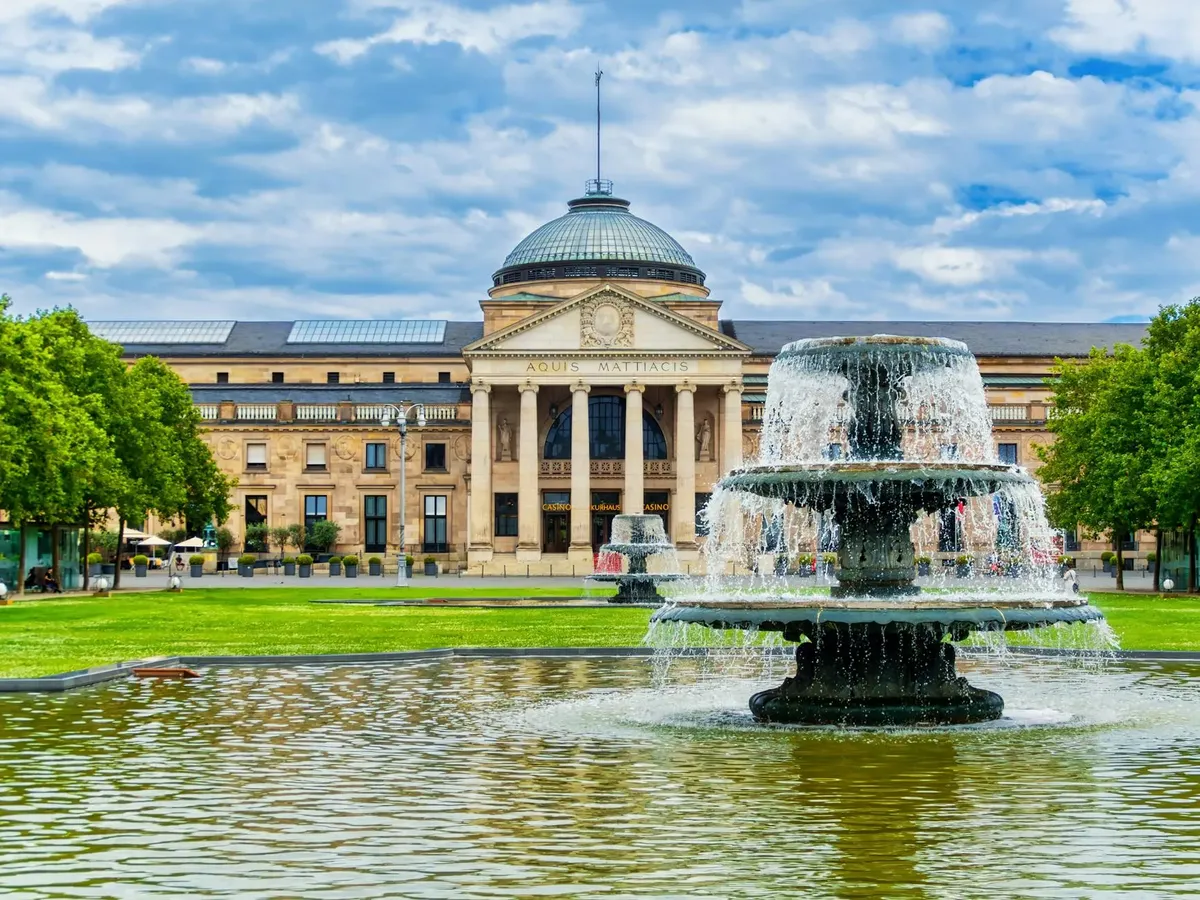
Wiesbaden, the capital of the federal state of Hesse, is one of the oldest and best-known spa towns in Germany
The city is distinguished by its magnificent architecture, numerous thermal springs, and the elegant charm of a historic spa town. Over the centuries, Wiesbaden has earned a reputation as a place of well-being, attracting not only those seeking relaxation but also culture and architecture enthusiasts.
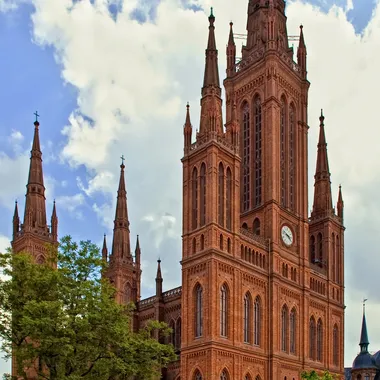
The Old Town, the Kurhaus, and the Nerobergbahn are among the highlights that Wiesbaden has to offer. The Old Town of Wiesbaden is a picturesque ensemble of historic buildings, narrow alleys, and charming squares. In the center of the Old Town lies the Market Square, featuring the imposing neo-Gothic town hall and the Market Church, whose distinctive tower dominates the cityscape. Around the square, cozy cafés, restaurants, and small shops invite visitors to linger.
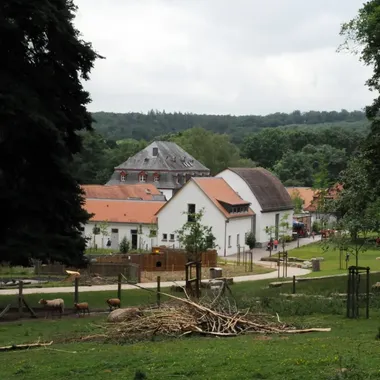
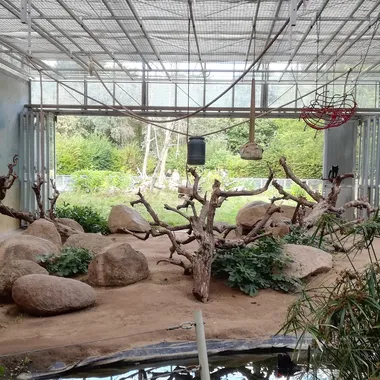
The Fasanerie animal and plant park in Wiesbaden offers a wonderful opportunity to experience nature up close. The park is primarily designed as a zoo and exhibits a variety of animals that cannot be found in the wild or in other zoos. Particularly noteworthy are the native species such as wild boar, deer and foxes, as well as more exotic animals such as llamas and emus.
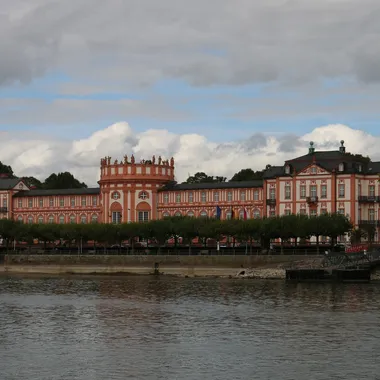
Biebrich Palace is a magnificent baroque palace located on the banks of the Rhine in Wiesbaden. It was built in the 18th century and served as a summer residence for the Landgraves of Hesse-Kassel. The palace impresses with its elegant architecture and the extensive, well-tended gardens that stretch along the Rhine. The palace park is a popular place for walks and relaxation, especially in summer. Today, the palace is not only open to visitors, but also serves as a venue for concerts, weddings and other cultural events. The magnificent interiors of the castle are open to the public on guided tours and provide a fascinating insight into the way of life of the nobility.
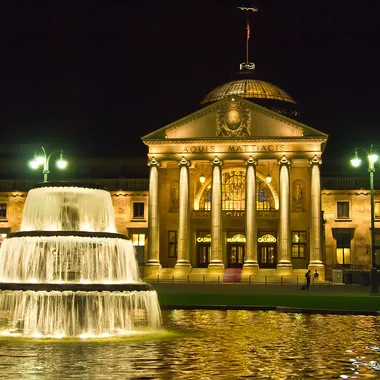
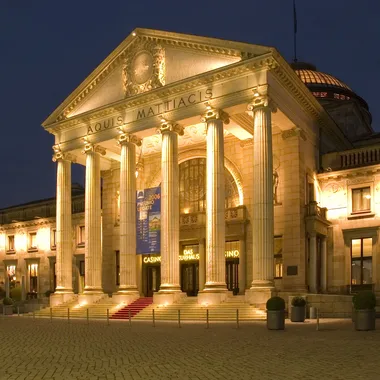
The Kurhaus Wiesbaden is one of the city's most famous landmarks and an outstanding example of classicism. It was built between 1904 and 1907 and impresses with its majestic façade, spacious halls and elegant ambience. The Kurhaus was and is the social hub of Wiesbaden and today houses not only the Wiesbaden Casino, but also the Kurhaus Restaurant and numerous cultural events, including concerts, balls and theater performances.
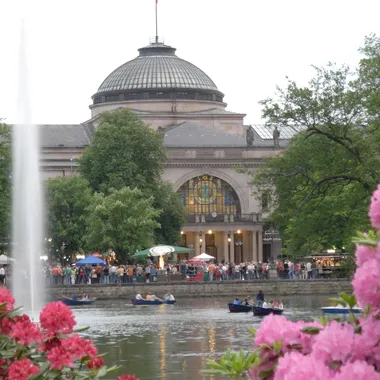
The Wiesbaden Kurpark is an oasis of tranquillity and an important element of Wiesbaden's history as a spa town. The park was laid out at the beginning of the 19th century and covers around 25 hectares. Nestled between the Kurhaus and the Neroberg, the park offers an idyllic landscape with well-tended lawns, old trees and a network of paths that invite you to take relaxing walks. Especially in spring and summer, when the flowers are in bloom and the trees are green, the park is a popular meeting place for locals and tourists alike.
In the center of the park is the Sprudelhof, a historic thermal bath built in Art Nouveau style, whose architecture is another highlight of the park. The spa park itself is criss-crossed by ponds, small bridges and an elegant fountain, which emphasizes the relaxed ambience.
Biebrich Palace Park is a beautiful baroque garden belonging to Biebrich Palace, one of the most magnificent palaces in Wiesbaden. The park was laid out in the 18th century on behalf of the Landgraves of Hesse-Kassel and impresses with its symmetrical design, wide avenues and magnificent flowerbeds. The park stretches along the Rhine and thus offers a picturesque view of the river and the surrounding countryside.
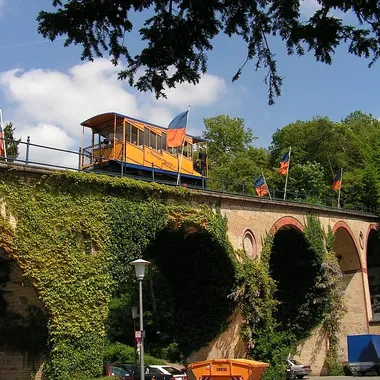
The Nerobergbahn is not only a practical means of transportation, but also one of the oldest funicular railroads in Germany. It was opened in 1888 and connects the Wiesbaden valley with the Neroberg, one of the highest points in the city. The funicular runs in historic carriages and is an experience in itself - especially in summer, when the route leads through the green Nerobergpark.
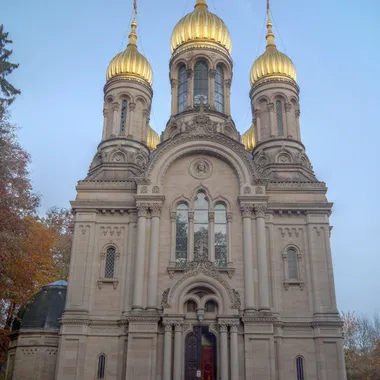
Once at the top, visitors are rewarded with a breathtaking panoramic view over Wiesbaden and the Rheingau mountains. The Neroberg itself offers numerous hiking and walking opportunities as well as the Russian Church with its golden domes, which is one of the most striking buildings in Wiesbaden.
The Wiesbaden State Theatre is an important cultural center in the city and one of the oldest theaters in Germany. It offers a varied program of theater, ballet and opera that attracts thousands of culture lovers every year. The opera house of the Staatstheater is an architectural masterpiece and offers outstanding acoustics that are highly regarded in the music scene.
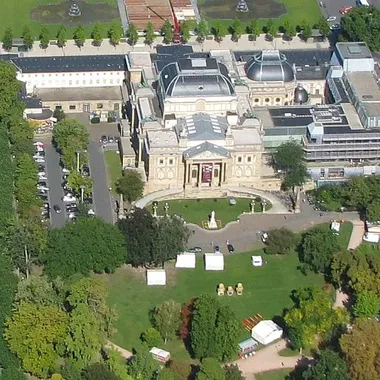
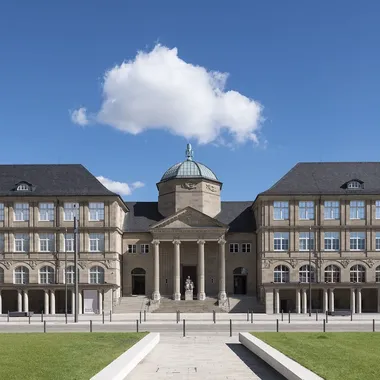
The Museum Wiesbaden is one of the city's most important museums and a cultural highlight for art and history enthusiasts. It is located in a magnificent Art Nouveau building and houses an impressive collection of works of art and natural history objects. The art collection mainly comprises works from the 19th century and is particularly well known for its expressionists, but modern and contemporary art can also be found here. Particularly noteworthy are the paintings by Ernst Ludwig Kirchner and other artists from the Brücke group.
The museum's natural history collection is dedicated to geology, palaeontology and zoology. Here, visitors can admire a variety of fossils, animal specimens and mineral treasures. The museum is a fascinating destination for art lovers and nature enthusiasts alike, with changing exhibitions constantly offering new insights.
The Russian Orthodox Church in Wiesbaden, also known as the Church of the Resurrection, is one of the city's most striking landmarks. It was built between 1847 and 1855 and is distinguished by its characteristic Byzantine style, which is characterized by golden domes and elaborate ornamentation. The golden onion domes are particularly striking, giving the church a majestic appearance and making it stand out from the Wiesbaden skyline.
The church was built on the initiative of the Russian Tsar Nicholas I in gratitude for the treatment of Russian soldiers who were healed in Wiesbaden during the Crimean War. The interior of the church is just as impressive as the exterior architecture: beautiful icons and richly decorated murals adorn the walls and ceiling. The church is not only an important spiritual place for the Russian Orthodox community in Wiesbaden, but also a popular destination for visitors interested in architecture and religious art.
Wiesbaden Casino is one of the oldest and most renowned casinos in Germany and an elegant place for entertainment. It is located in the Kurhaus Wiesbaden and attracts numerous visitors every year who try their luck in the numerous slot machines, at roulette or at the blackjack tables. The casino is known for its upscale atmosphere, combining traditional casino gaming with modern luxury. It is not only a place for gambling, but also a cultural heritage of Wiesbaden and an attraction for tourists who want to experience a touch of glamor and elegance.
The Marktkirche is one of Wiesbaden's most famous landmarks and a magnificent example of the neo-Gothic style. It was built in the 19th century and is particularly famous for its twin spires and the tower that dominates the cityscape. Inside the church, visitors will find an impressive organ and beautiful furnishings that reflect the religious spirit of the city.
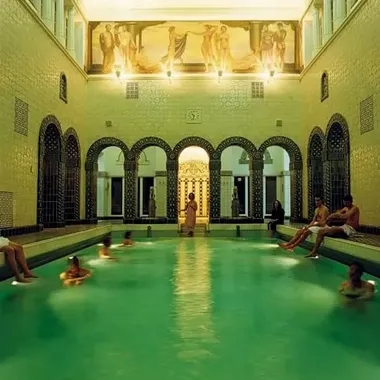
The Kaiser Friedrich Therme in Wiesbaden is one of the oldest and most famous thermal baths in Germany. It was built at the end of the 19th century in the neo-Renaissance style and is considered an architectural masterpiece. The spa uses natural, mineral-rich thermal water, which has been known for its healing properties since Roman times and is now regarded as one of the most valuable remedies in the region.
The spa offers a range of wellness treatments, including massages, aroma baths and beauty treatments, which make your stay a holistic experience. The historic bathing world is complemented by modern facilities so that visitors can relax in both the traditional and new wellness areas.
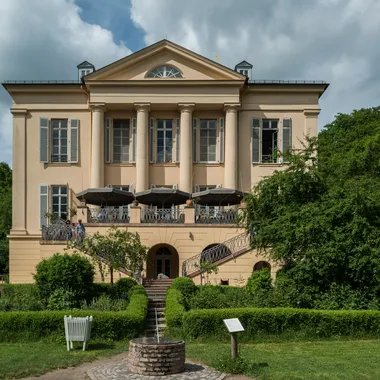
Freudenberg Castle is an unusual museum that invites visitors on a journey of discovery for all the senses. The castle is surrounded by greenery and offers an interactive experience that focuses on the themes of perception and feeling. In the exhibitions, visitors can experiment with their senses and gather new impressions. Whether through sound, touch or light - Freudenberg Castle is a fascinating place that creatively raises awareness of one's own perception.
A souvenir store near the spa gardens offers the world's largest cuckoo clock and many more or less original souvenirs.
St. Boniface's Church is a striking building in the neo-Gothic style and one of the most important churches in Wiesbaden. The church was built at the end of the 19th century and impresses with its high towers, colorful stained glass windows and imposing façade. The church not only has religious significance, but also art-historical value. The interior is richly decorated and offers an impressive view of the ornate altarpiece and stucco work.
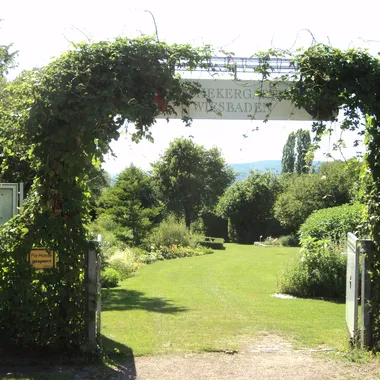
The Apothekergarten Wiesbaden is an enchanting garden dedicated to medicinal plants. The garden was created as part of Wiesbaden's spa and healing system and is home to a variety of plants traditionally used in medicine. In the well-tended garden, visitors can discover over 100 different medicinal plants that have been used to treat illnesses over the centuries.
The Hessian State Parliament is the political center of the federal state of Hesse and is located in Wiesbaden. The imposing building was built in the neoclassical style and houses the state parliament sessions as well as the administration of the state parliament. Visitors can learn more about the history of the parliament, Hessian state politics and the work of the members of parliament on guided tours.
The Frauenmuseum Wiesbaden is a unique museum dedicated to the history of the women's movement and feminist art. The museum was founded in 1989 and presents changing exhibitions of works by women artists and objects that shed light on the history and influence of women in society. It is a place that focuses on the role of women in society and deals with current social issues.
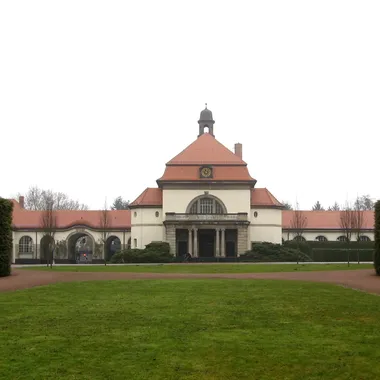
Wiesbaden South Cemetery is not only a burial ground, but also a historical site that is home to many well-known personalities from the city's history. The cemetery was opened in the 19th century and is known for its magnificent graves and epitaphs, some of which were created by renowned artists. The historic graves and beautiful capitals in particular make the cemetery a peaceful and aesthetic place of contemplation.
Fürst von Metternich Sektkellerei in Wiesbaden is a company steeped in tradition that produces excellent sparkling wine. The winery was founded in the 19th century and is known for its high-quality sparkling wine creations. Visitors can take a look behind the scenes of production during guided tours and learn more about the production of sparkling wine and the history of the winery. There is also the opportunity to taste various sparkling wines and enjoy the fine wines directly on site.
The open-air museum shows impressive reconstructions of Roman bathing facilities and provides an exciting insight into ancient life in Wiesbaden, which was already known as a thermal spa in Roman times.
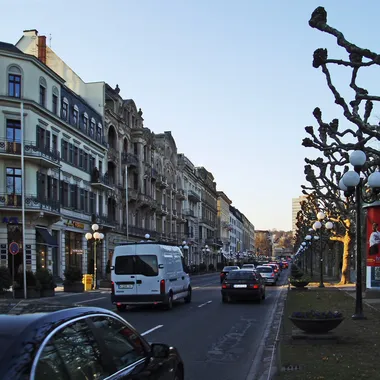
Wilhelmstraße is one of the most elegant streets in Wiesbaden and is considered the urban heart of the city. It was laid out as a promenade in the 19th century and connects the Kurhaus with Schlossplatz. The street is lined with imposing classicist and art nouveau buildings that reflect the charm of the old spa town.
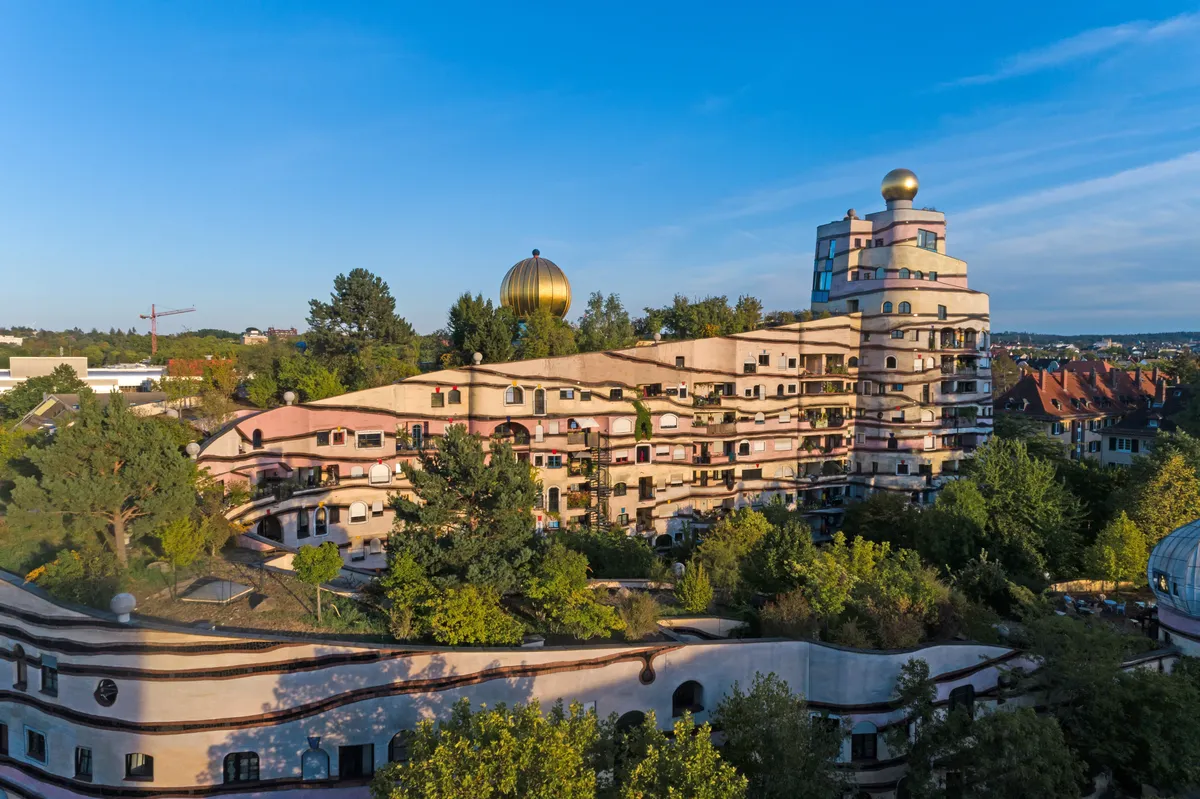
Mathildenhöhe combines Art Nouveau architecture and modern science to create an inspiring synthesis of the arts
Originally established as the seat of the Landgraves of Hesse-Darmstadt, Darmstadt developed into an important center of the Art Nouveau movement, which found its expression here in the early 20th century. The city was heavily damaged during World War II but was subsequently rebuilt with modern and functional structures.
The central heart of Darmstadt with the Ludwigsmonument, numerous cafés and stores. Important streets intersect here and it is a lively meeting place for locals and visitors alike.
A family-friendly zoo with over 200 animal species - from meerkats to crocodiles. The vivarium offers both outdoor enclosures and tropical houses and emphasizes education and biodiversity.
Darmstadt's oldest public park and the city's green lung. With extensive meadows, old trees and walking paths, the Herrngarten invites you to relax, jog or picnic.
The Comedy Hall is a popular venue for cabaret, comedy and cabaret. Visitors experience varied programs and humorous evenings in a cozy atmosphere.
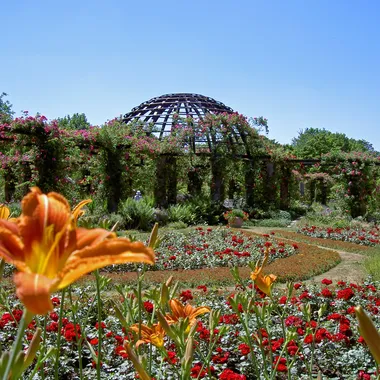
An extensive park with well-tended rose gardens, historic tombs and walking paths. Rosenhöhe was laid out as a landscaped park in the 19th century and is now a peaceful place to relax - especially during the flowering season in summer.
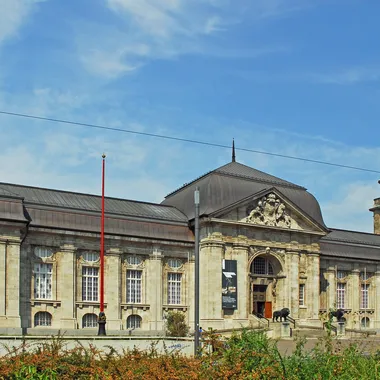
This museum combines art, natural and cultural history under one roof. It exhibits works by Joseph Beuys, Art Nouveau objects, fossils from the Messel primeval forest and an impressive collection of prints and paintings.
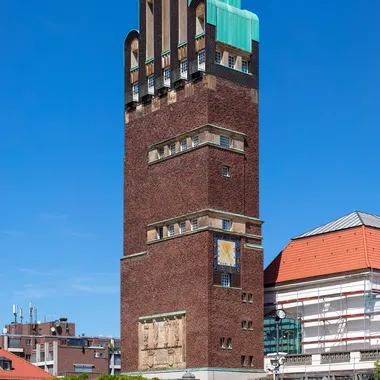
Darmstadt's landmark on the Mathildenhöhe was built in 1908 to mark the 25th wedding anniversary of Grand Duke Ernst Ludwig. The striking Art Nouveau tower is open to the public and offers a great view over the city.
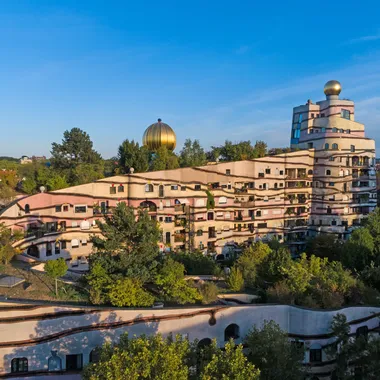
Designed by Friedensreich Hundertwasser, the Waldspirale is a colorful residential building with green roofs, curved shapes and individually designed windows. It combines architecture, nature and art in an unusual way and is a popular photo motif.
The Church of St. Mary Magdalene, also known as the Russian Chapel, is a Russian Orthodox church on Mathildenhöhe. It was built between 1897 and 1899 in the Russian style and was originally a private chapel for the family of the Russian Tsar Nicholas II, whose wife Alexandra came from Hesse-Darmstadt. The church is known for its golden onion domes and rich interior decoration with mosaics and frescoes.
A family-friendly park with playgrounds, small rides and extensive green spaces. Ideal for a relaxing day with children surrounded by nature.
A modern sculpture garden near the Mathildenhöhe, which amazes visitors with its spiral shapes and elements of movement. The garden combines art, nature and playful adventure spaces.
A former agricultural estate that is now used as an ecological education and experience center. It offers hands-on farming, a farmers' market and events on sustainable living.
A small, well-kept city garden with flowerbeds and quiet seating areas. It is a beautiful retreat in the city center, named after Prince George of Hesse.
A nature trail featuring art installations in the middle of the forest. It combines exercise in nature with creative, often temporary works of art - ideal for walks with added cultural value.
The museum is located in the former residential palace of the Landgraves and Grand Dukes of Hesse. It shows the history of Darmstadt, courtly culture and artistic exhibits from several centuries.
The Mathildenhöhe Institute is a multi-disciplinary center for fine and applied arts in Darmstadt. It comprises the Artists' Colony Museum, the Municipal Art Collection and the exhibition building including the Wedding Tower. The institute is dedicated to the research, presentation and communication of art and culture since 1900, with a particular focus on contemporary art. It is located on the Mathildenhöhe, an important center of Art Nouveau. the Mathildenhöhe Darmstadt Institute and the Church of St. Mary Magdalene (also known as the Russian Chapel) are two separate sights, but both are part of the Mathildenhöhe Darmstadt UNESCO World Heritage Site.
The Messel Pit southeast of Darmstadt is one of the most important fossil sites in the world. Visitors are given a unique insight into an ecosystem from around 47 million years ago. The exceptionally well-preserved fossils are particularly remarkable - including prehistoric horses, crocodiles, birds and even stomach contents.
The pit has been a UNESCO World Heritage Site since 1995 because the site provides an incomparably complete picture of early mammal evolution. The quality and diversity of the fossils is almost unique in the world.
The UNESCO World Heritage Site of the Königshalle is an impressive reminder of the power and splendor of the former Carolingian abbey
Lorsch was once known as the “Vatican of the North.” In the Middle Ages, Lorsch Abbey (founded in 764) was one of the most powerful places in the Holy Roman Empire.
Under Charlemagne, the abbey was elevated to the status of an imperial monastery. It was a center of learning, famous for its scriptorium and the “Lorsch Pharmacopoeia,” which is now part of the Memory of the World Register.
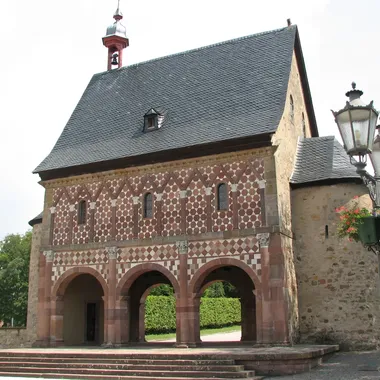
The Royal Hall is the last almost completely preserved above-ground structure from the Carolingian era. It likely served as a reception hall for emperors and kings.
After centuries of prosperity, the monastery lost its influence in the 13th century and was largely destroyed during the Reformation and the Thirty Years’ War.
The former imperial monastery of Lorsch was an important spiritual and cultural center in the early Middle Ages. Today, the famous Torhalle is particularly impressive - a rare example of Carolingian architecture. However, little remains of the once extensive monastery complex, making the Torhalle the most important visible evidence of the complex today. Visitors can experience the beginnings of monastic culture and knowledge transfer in Europe here. The monastery has been a UNESCO World Heritage Site since 1991, as it is an outstanding testimony to the Carolingian era and had a significant influence on the development of architecture and book culture.
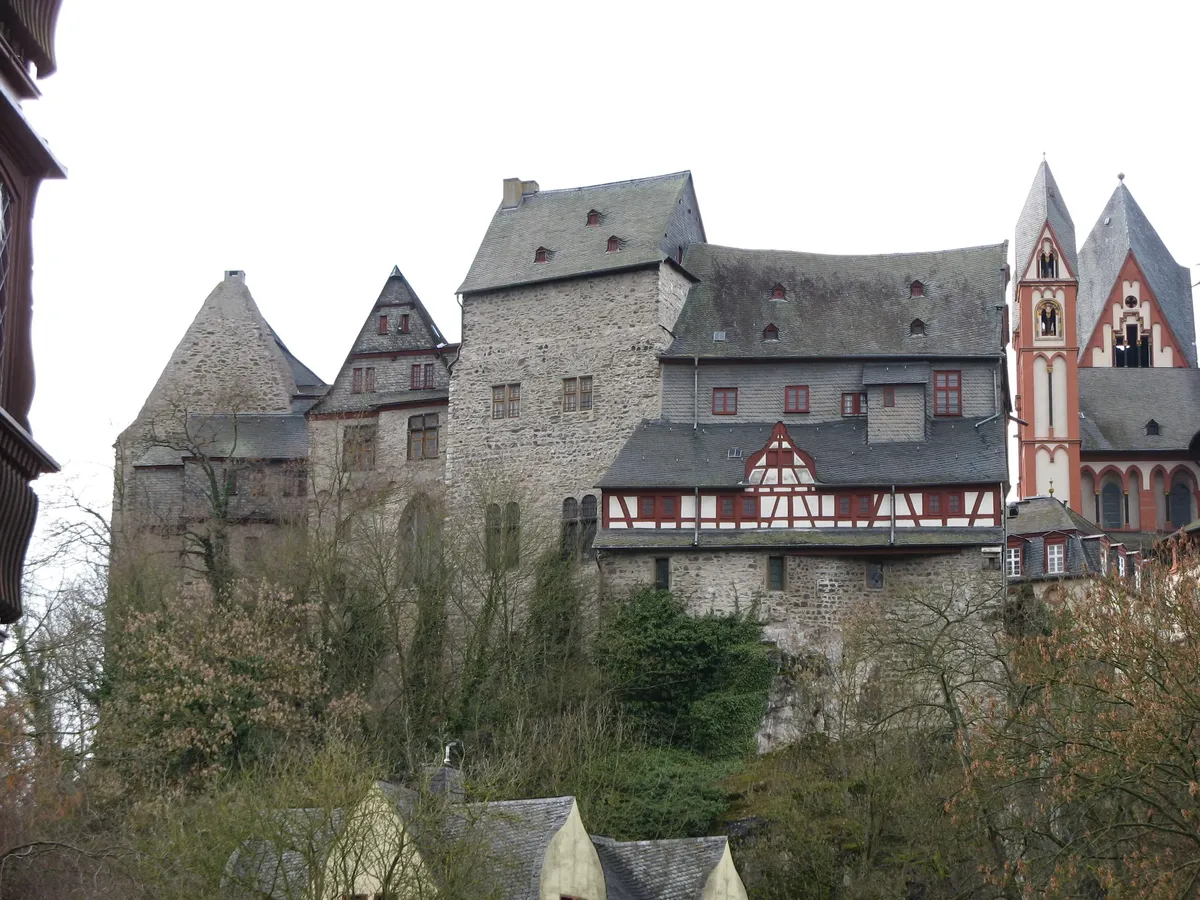
The seven-towered cathedral towers majestically over one of the best-preserved half-timbered towns in Germany
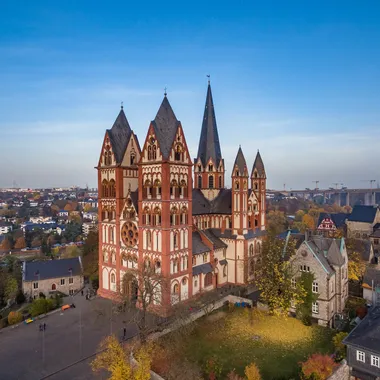
Limburg an der Lahn is an architectural gem that instantly transports visitors back to the late Middle Ages. The heart and undisputed landmark of the city is Limburg Cathedral (St. George’s). With its striking red-and-white color scheme, it is considered one of the most accomplished examples of architecture from the transition from the Romanesque to the Gothic period and defines the city’s skyline like no other building.
At the foot of the cathedral lies one of Germany’s best-preserved old towns. A stroll through the narrow, winding alleys takes you past magnificent half-timbered houses, some of which date back to the 13th century. Particularly worth seeing is the “House of the Seven Vices,” whose ornate carvings on the façade depict human vices.
The imposing Cathedral of St. George and St. Nicholas is the city's landmark. The late Romanesque cathedral with Gothic elements impresses with its striking towers and ornate interior. It is an important religious and cultural center.
The historic old town impresses with its well-preserved half-timbered houses, winding alleyways and charming squares. The medieval atmosphere of the town can be experienced particularly well here.
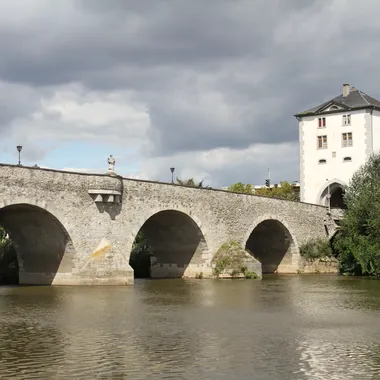
A statue of St. John of Nepomuk, the patron saint of bridges, stands on the Old Lahn Bridge. The bridge was built between 1315 and 1354 and offers a picturesque view of Limburg Cathedral.
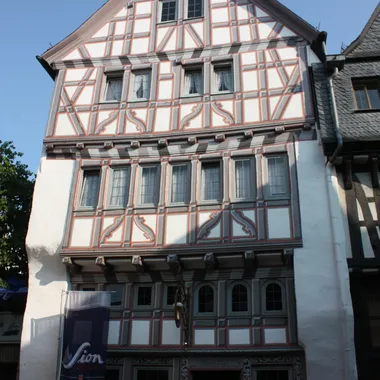
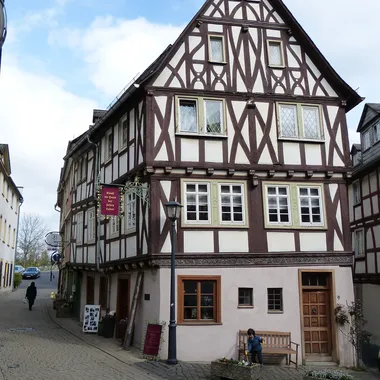
The Werner-Senger-Haus is a listed half-timbered house from the 13th century in the old town of Limburg. It was once the home of wealthy merchants and now houses a restaurant. The elaborate diamond ashlar painting on the façade gives the building a special charm.
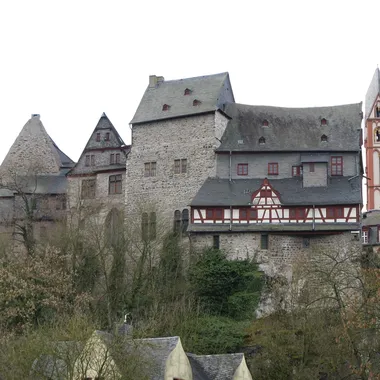
The medieval Limburg Castle sits picturesquely on the Domberg and offers an impressive view of the city and the Lahn Valley. Although most of the grounds are not accessible, it is worth visiting the surrounding area to enjoy the architecture and the view.
The Catholic parish church of St. Lubentius and Juliana is located in the Dietkirchen district and was the most important church in Lahngau until the 13th century. It houses the bones of St. Lubentius as relics.
A striking half-timbered house in the old town that amazes visitors with its artistically designed facades and unusual name. It symbolizes the seven deadly sins in an original way.
The museum exhibits sacred art and historical treasures from the diocese of Limburg. Particularly worth seeing is the Staurothek, a reliquary with important Christian relics, which is kept in the cathedral.
The Bishop's House on Domplatz was built as the residence of the Bishop of Limburg. The complex comprises the restored Staffel House (the "Alte Vikarie"), the former cathedral sexton's house and a modern new building. Today, the building serves as the St. Nicholas Diocesan Center.
In the famous Drosselgasse and amidst the vineyards, you can enjoy Rhenish joie de vivre with a glass of Riesling
Rüdesheim am Rhein is a picturesque wine town located in the Upper Middle Rhine Valley, a UNESCO World Heritage Site in Hesse. With its historic streets, vineyards, and views of the Rhine, it attracts many visitors every year.
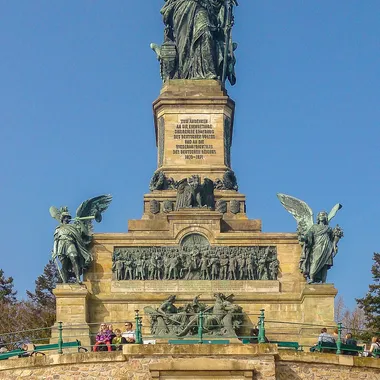
The monumental memorial with the 12-metre-high figure of Germania was built after the Franco-Prussian War. It symbolizes the unification of Germany in 1871 and from the monument you have an impressive view over the Rhine Valley and far into the Hunsrück.
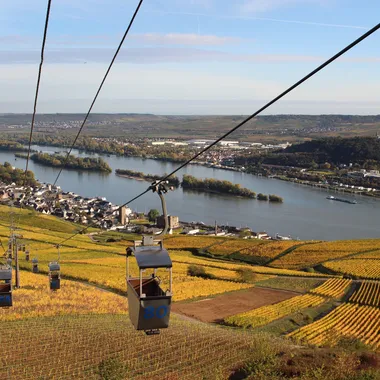
The cable car takes visitors from the city center through the vineyards up to the Niederwalddenkmal. During the ride, everyone enjoys an impressive panoramic view of the Rhine and the Rhine Valley - especially beautiful at sunset.
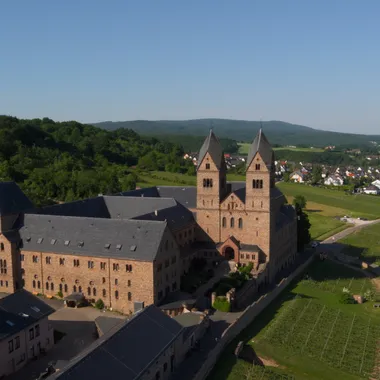
Above Rüdesheim lies the abbey, which is run in the spirit of St. Hildegard of Bingen. The Benedictine nuns run a winery and a monastery store. The church and the surrounding vineyards invite you to enjoy quiet moments and beautiful walks.
Hildegard von Bingen was one of the most extraordinary women of the Middle Ages. She lived in the 12th century and was a Benedictine nun, abbess, writer, composer, naturalist and mystic. She became famous above all for her religious visions, which she described in several works. In them, she combined faith, observation of nature and a comprehensive understanding of the world.
She was also interested in medicinal plants, tinctures, nutrition and medicine. This is why today she is often associated with naturopathy and monastic medicine. Hildegard also wrote sacred songs and is one of the few medieval women whose music is still known today.
She is particularly important for the Rhine region because she worked in Bingen and founded a monastery there. She was later canonized and is now considered one of the most famous figures in German religious and cultural history.
This unique museum displays historical self-playing musical instruments from the 18th to the 20th century - from small music boxes to large orchestrions. Guided tours demonstrate how the complex mechanisms produce lively sounds.
This bird of prey station above Rüdesheim presents flight shows with eagles, falcons and owls. Visitors learn more about the biodiversity and protection of these impressive animals - in the middle of the Niederwald forest.
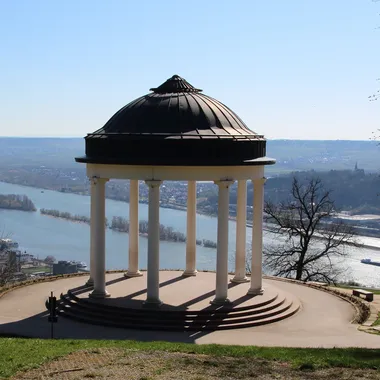
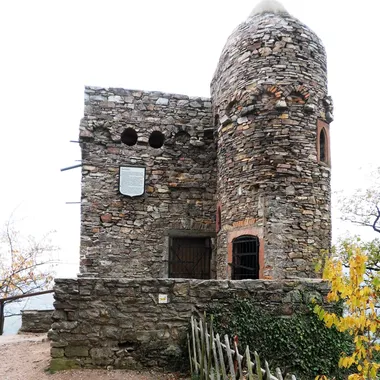
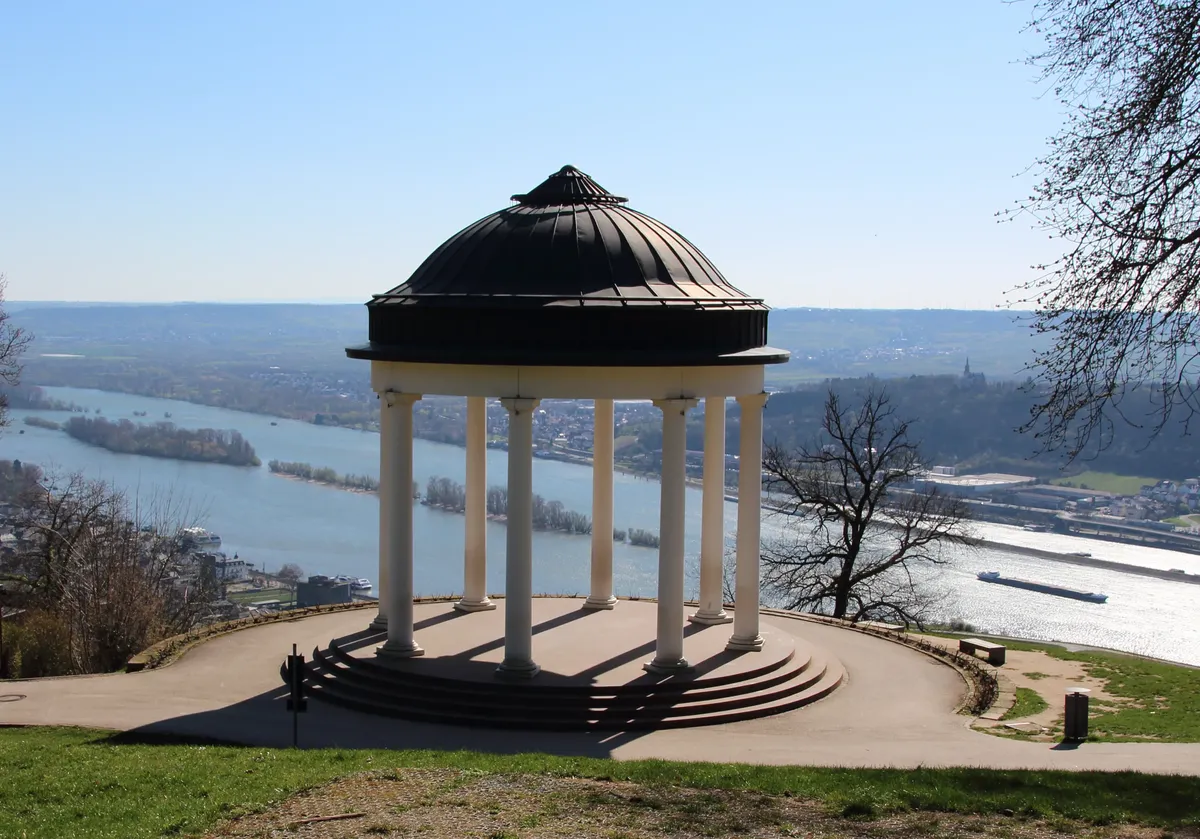
The small round temple in Niederwaldpark was built in the 18th century as a vantage point. It offers a fantastic panoramic view of the Rhine Valley and is a popular photo spot, especially at sunset.
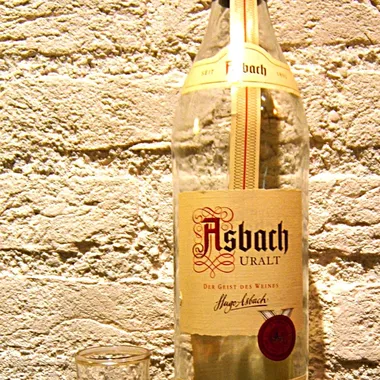
The traditional distillery is famous for Asbach Uralt, a German brandy. In the world of experience, visitors can learn more about the production process, take part in tastings or purchase regional specialties in the store.
The Rossel ruins were built in the 18th century as a romanticized "artificial ruin" - part of the Niederwald landscape design. It is located on a hill with a great view over the Rhine and can be reached via hiking trails.
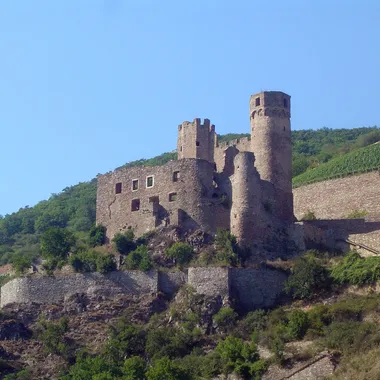
The impressive ruins are enthroned on the hillside above the Rhine to the west of Rüdesheim. It dates back to the 13th century and was once part of the Rhine tolls. Freely accessible from the outside, it offers impressive photo opportunities between the vines and river landscape.
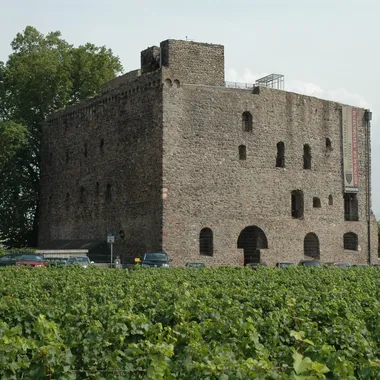
Brömserburg Castle, one of the oldest castles on the Middle Rhine, is home to the Rheingau Wine Museum. It shows the history of viticulture from antiquity to the present day - with old wine presses, barrels and drinking vessels. The castle also offers a magnificent view of the Rhine.
The modern park on the banks of the Rhine focuses on the UNESCO World Heritage Upper Middle Rhine Valley. Information boards, art objects and planted areas make it a place to linger, learn and enjoy.
This romantic corner of the old town has always been a popular motif for artists. Half-timbered houses, vines and narrow alleyways give the place its special charm - perfect for quiet walks and photographs.
The Mechanicum is an interactive exhibition for technology enthusiasts. It shows mechanical constructions, gears, drives and physical experiments you can touch - ideal for curious minds of all ages.
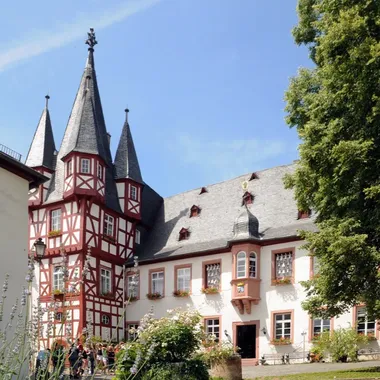
Boosenburg Castle is a striking residential tower from the Middle Ages with an adjoining vineyard. Although it is not regularly open to the public, it can be visited from the outside. It is located directly in the old town, close to Drosselgasse.
The most famous alley in Rüdesheim is only 144 meters long, but full of wine taverns, restaurants and half-timbered houses. Especially in the summer months, the atmosphere here is lively with music, dancing and regional wine.
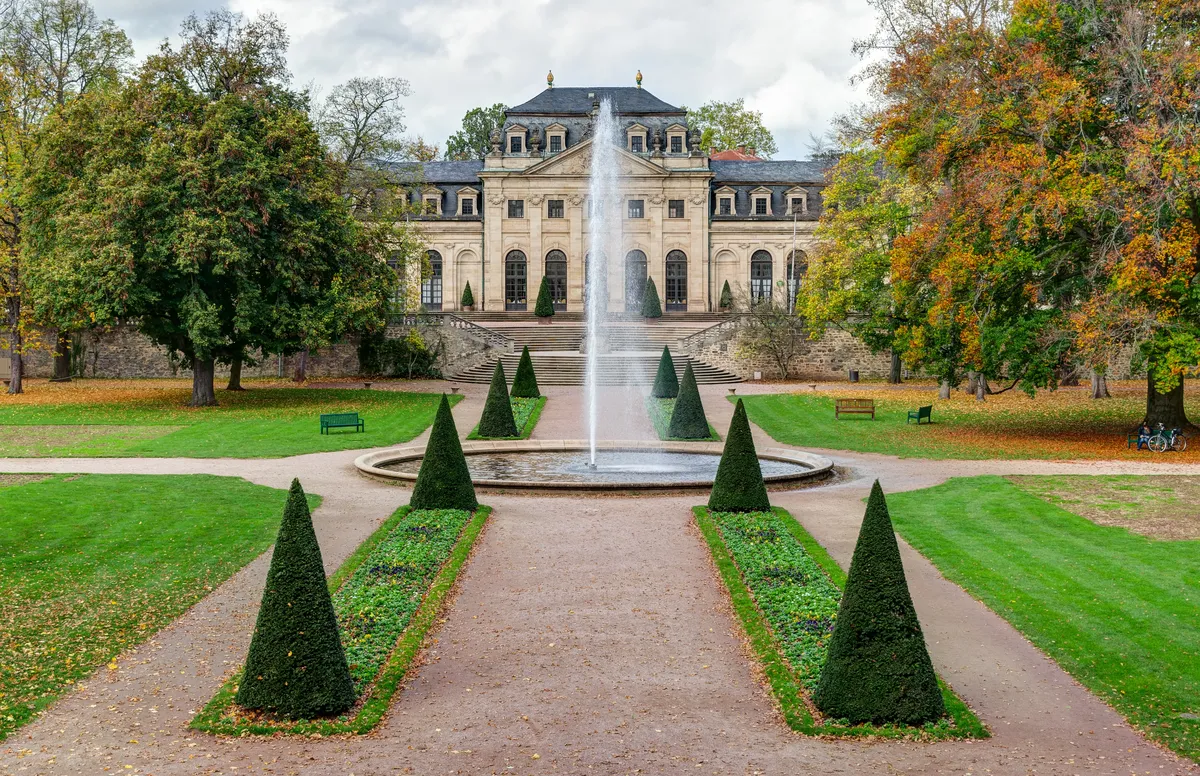
The baroque city impresses with its magnificent cathedral, the residential palace and an almost Mediterranean flair in the old town
Located in eastern Hesse, Fulda is a Baroque royal seat with a long religious and cultural tradition. It was founded around 744 as a Benedictine monastery and quickly developed into a center of learning and faith. Today, Fulda combines impressive architecture with green spaces and a charming downtown area.
The former residence palace of the prince abbots and prince-bishops now houses a museum with original rooms, a porcelain collection and magnificent halls. The Hall of Mirrors is a particular highlight and is also used for concerts and weddings.
This special museum shows the history of the fire department - from historic fire engines and uniforms to modern technology. Models, original vehicles and hands-on stations bring the subject to life and make it exciting for all age groups.