More about Schleswig-Holstein
Sights, highlights, and background information about Schleswig-Holstein.
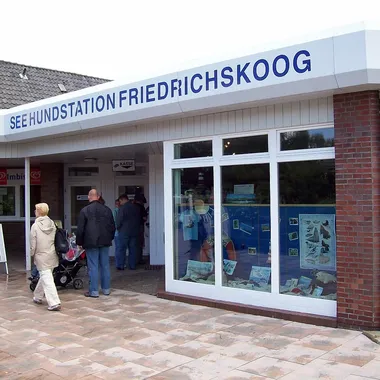
The Friedrichskoog Seal Sanctuary cares for injured or orphaned seals and grey seals from the Wadden Sea. Visitors gain exciting insights into the work of the sanctuary and learn more about the wildlife of the North Sea. The observation areas, where the animals can be seen up close, are particularly popular.
The best time to visit the Friedrichskoog seal sanctuary is usually between spring and late summer. The months of May to August are particularly exciting, as young, orphaned seals - known as howlers - are often taken in and cared for during this time. There are often a particularly large number of animals at the station.
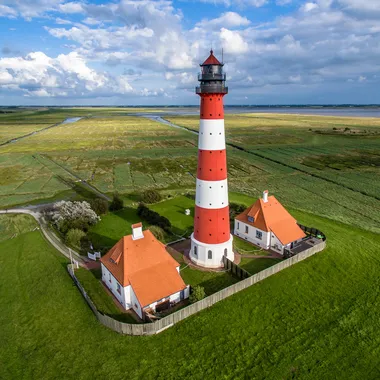
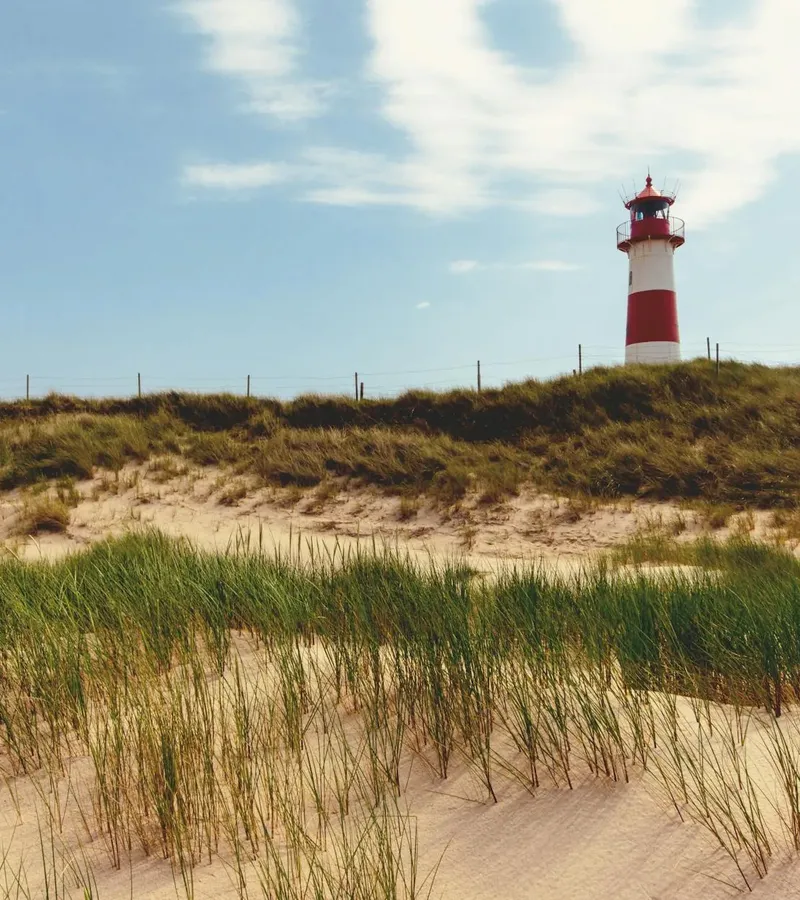
The Westerheversand lighthouse is one of the most famous landmarks on the German North Sea coast. The red and white striped lighthouse stands in the middle of the salt marshes and can only be reached via a long dyke path. Particularly at sunset, it creates an impressive coastal landscape with sweeping views over the Wadden Sea.
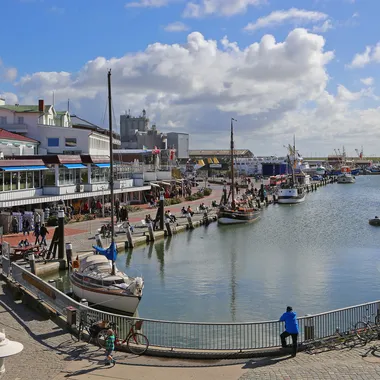
The historic port of Tönning is one of the most beautiful harbor facilities on the North Sea coast. Old warehouses, traditional ships and the tranquil harbor atmosphere are reminders of the town's long trading and fishing history. Cafés and small restaurants make the harbor a popular meeting place.
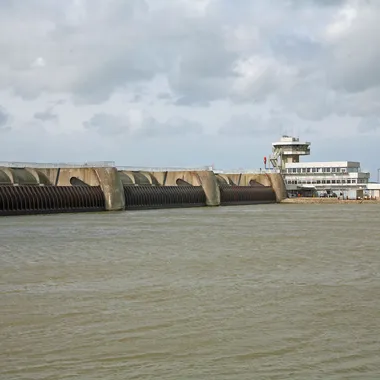
The Eider barrage is one of the largest coastal protection structures in Germany. The huge structure protects the region from storm surges and also regulates the water level of the Eider. The combination of modern engineering and the vast North Sea backdrop is particularly impressive.
Before the barrage was built, there were regular heavy storm surges along the Eider, which pushed seawater far inland. Today, the barrage prevents storm surges from entering the Eider in an uncontrolled manner, thereby protecting dykes, settlements, agricultural areas and traffic routes. At the same time, it regulates the water level of the river and improves the drainage of the low-lying marshlands.
The structure was also built as a consequence of the devastating Hamburg storm surge of 1962, after which coastal protection in northern Germany was massively expanded.
Phänomania Büsum is an interactive hands-on museum dedicated to science, technology and perception. Numerous experimental stations invite visitors to try out physical phenomena for themselves and discover them in a playful way. The mixture of learning, experimenting and entertainment makes the exhibition particularly interesting for families and children.
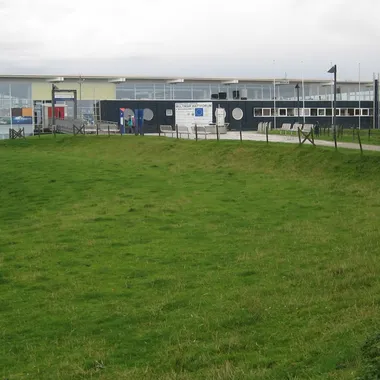
The Multimar Wattforum is the largest information center on the Wadden Sea UNESCO World Heritage Site in Schleswig-Holstein. Interactive exhibitions, large seawater aquariums and numerous models vividly convey the flora and fauna of the North Sea. The observation tanks with fish, crabs and other sea creatures are particularly popular, as is the information on tides, coastal protection and bird life.
The Aquarium Büsumer Meereswelten presents the underwater world of the North Sea as well as exotic marine animals in various aquarium landscapes. Visitors can observe native fish species, corals, crabs and tropical sea creatures up close. The exhibition also provides interesting facts about marine habitats and the importance of marine conservation.
The Büsum museum harbor gives an impression of the town's maritime past. Historic ships and traditional harbor facilities are reminiscent of the time when fishing and crabbing shaped life on the coast. Today, the harbor combines tourist flair with North German coastal tradition.
Katinger Watt was created after the construction of the Eider barrage and developed into an important refuge for numerous bird species. The mixture of wet meadows, water areas and quiet natural areas makes the area an important bird paradise on the North Sea coast. Observation towers and hiking trails allow for intensive nature experiences.
The traditional Haubarge on Eiderstedt are among the most striking farmhouses in northern Germany. The large thatched-roof houses were built to protect people, animals and supplies under one roof - even during storm surges. With their mighty roofs, they still characterize the landscape of the peninsula today.
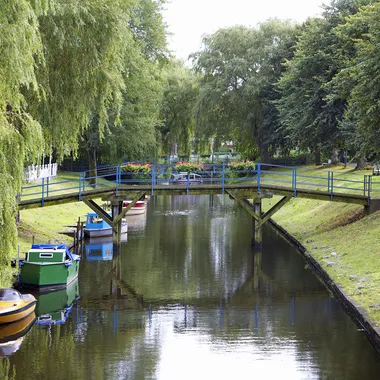
The old town of Friedrichstadt impresses with its canals, small bridges and historic Dutch-style houses. The town was founded in the 17th century by Dutch religious refugees and still has an unusually Dutch cityscape today. Canal cruises and cozy alleyways give Friedrichstadt a special atmosphere.
Sights, highlights, and background information about Schleswig-Holstein.
Typical dishes, regional classics, and culinary tips.
Souvenirs and special local gifts.
Culture, entertainment, and inspiring ideas for your free time.
Clubs, culture, and evening plans in the region.
Advice, places, and tips for queer travel locally.

Sports options and well-known clubs in the region.
Festivals, highlights, and seasonal events.

Important advice, common pitfalls, and no-gos.
History, background, and interesting context.
Tips for public transport and arrival.
Sights, highlights, and background information about Schleswig-Holstein.
Typical dishes, regional classics, and culinary tips.
Souvenirs and special local gifts.
Culture, entertainment, and inspiring ideas for your free time.
Clubs, culture, and evening plans in the region.
Advice, places, and tips for queer travel locally.
Sports options and well-known clubs in the region.
Festivals, highlights, and seasonal events.
Important advice, common pitfalls, and no-gos.
History, background, and interesting context.
Tips for public transport and arrival.