More about Schleswig-Holstein
Sights, highlights, and background information about Schleswig-Holstein.
Heligoland is Germany's only high seas island and lies far out in the North Sea
The island is characterized by red sandstone cliffs, steep slopes, and unique wildlife. Due to its isolated location, Heligoland historically developed into a strategic military site and later into a health resort and nature destination. In the 19th century, Heligoland belonged to the United Kingdom and was thus a British colony. It was not until 1890 that the island was ceded to the German Empire in exchange for territories in East Africa under the so-called “Heligoland-Zanzibar Treaty.” Subsequently, the Germans expanded Heligoland into an important naval base, further reinforcing the island’s military significance. Its customs status has also been unique ever since: no value-added tax is levied on many goods. As a result, spirits, tobacco products, and perfume in particular are comparatively inexpensive for visitors. Heligoland is more popular among slightly older tourists. Neither cars nor bicycles are permitted on the island.
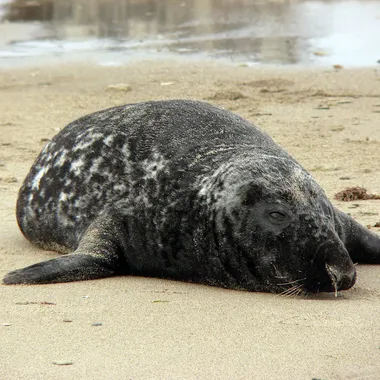
After the gray seals on Heligoland had nearly disappeared by the early 20th century due to hunting and displacement, Heligoland is now an important site for seal births (especially in winter) and the rearing of pups.
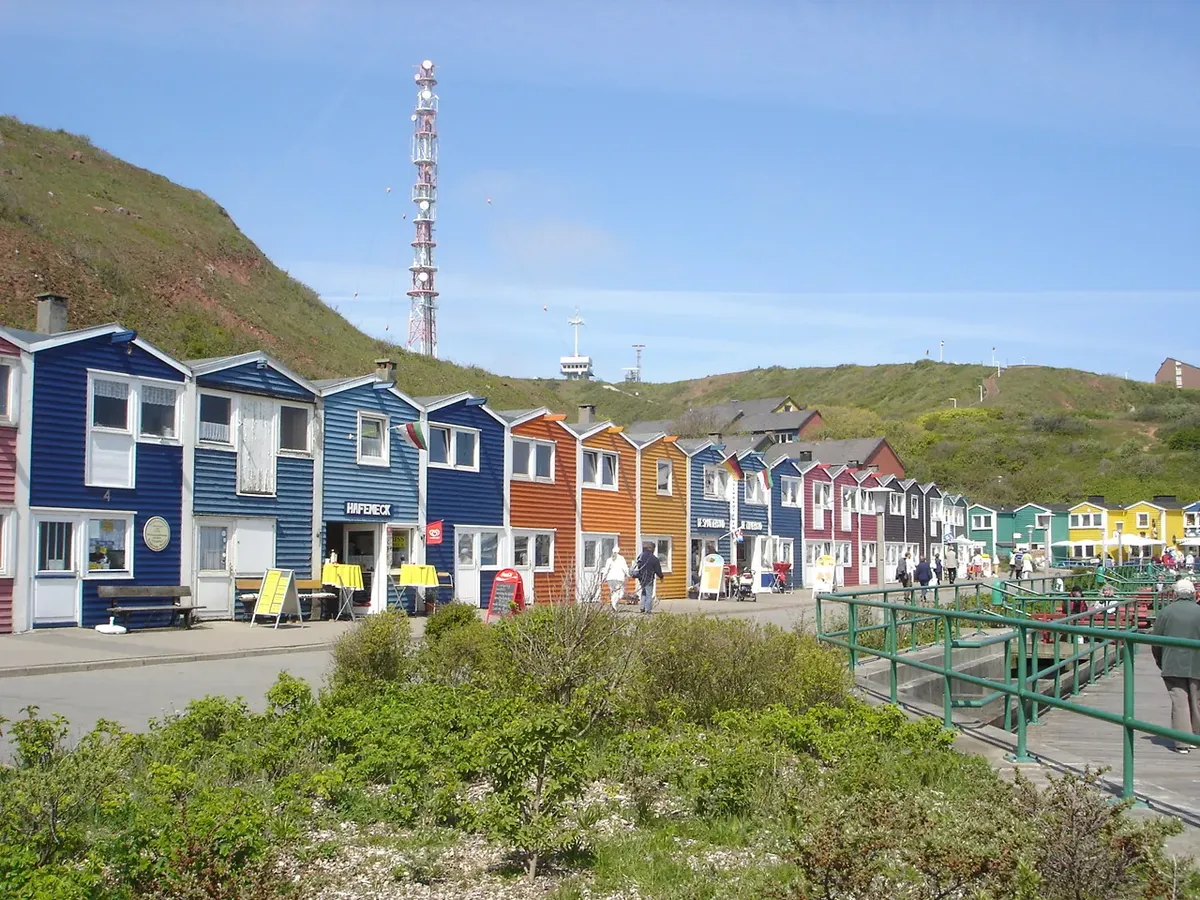
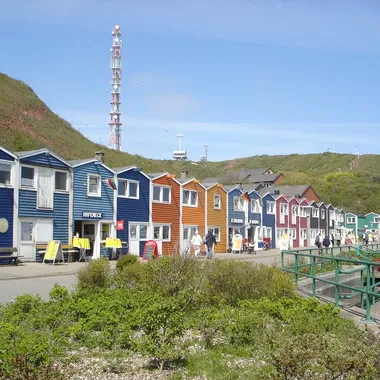
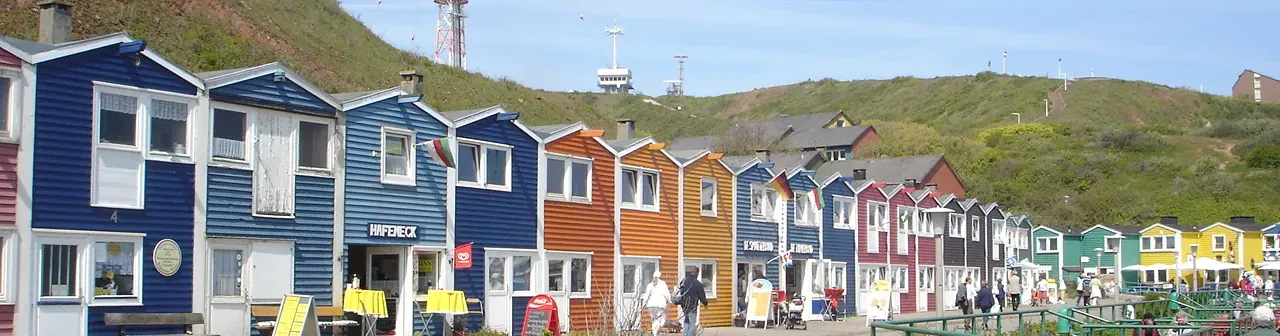
The colorful lobster shacks are small, colorful houses along the harbor. They used to serve as workshops for fishermen, but today they house stores and cafés. Visitors can experience a lively piece of island culture here.
The "funnel of a 5000 kg bomb" is a reminder of the massive destruction of the island after the Second World War. in 1947, the British carried out one of the largest non-nuclear explosions to destroy military installations. Visitors can still see the traces of these events today.
Heligoland is one of the few places in Germany where grey seals can be observed in the wild. Especially in winter, the animals come to the beaches to give birth to their young. Visitors can experience an extraordinary animal watching experience here.
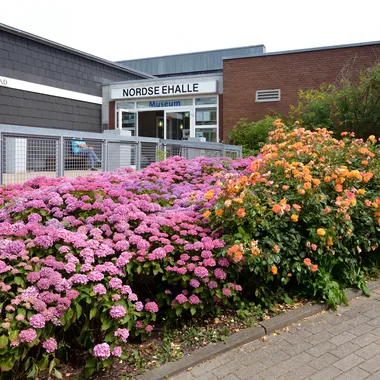
The museum shows the history of the island from its early days through its military use to its current importance as a nature and tourist resort. Visitors are given a comprehensive overview of Heligoland's development.
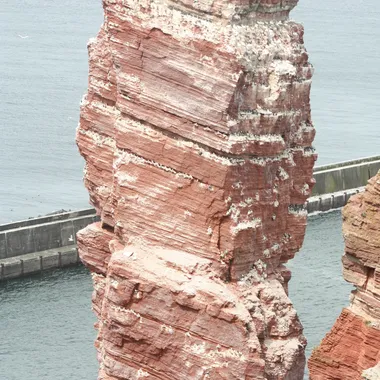
Lange Anna is a free-standing red rock and the landmark of Heligoland. The imposing rock needle juts out of the sea and is part of the steep cliff landscape. Visitors can view it from vantage points.
The Jägerstieg is a hiking trail along the cliffs and offers impressive views of the sea and rocks. Visitors can experience Heligoland's nature particularly intensively here.
Heligoland Fortress is a reminder of the island's military use, especially in the 20th century. Bunkers and defensive structures bear witness to Heligoland's strategic importance. Visitors can explore parts of this history.
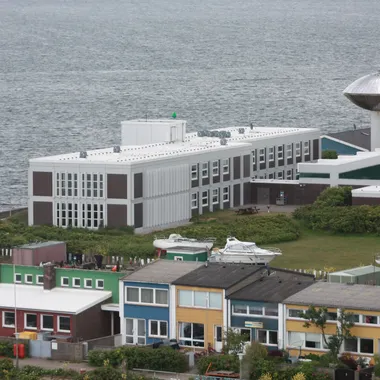
The Biological Institute is an important research facility for marine biology. Scientists study the North Sea and its ecosystems here. Visitors gain insights into research into the marine environment.
Sights, highlights, and background information about Schleswig-Holstein.
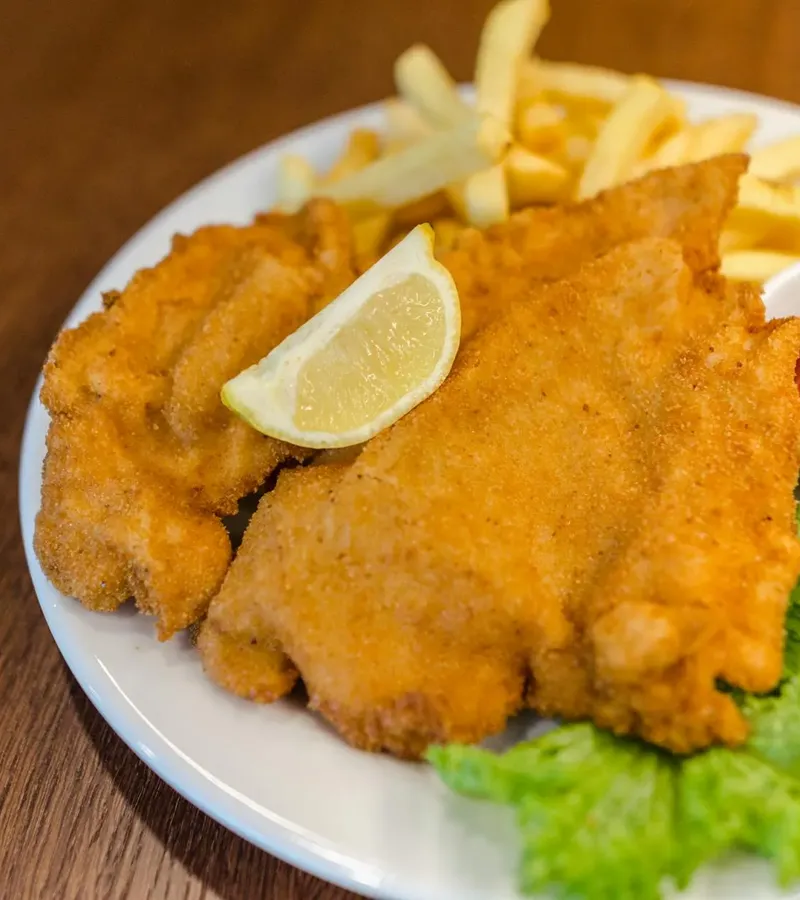
Typical dishes, regional classics, and culinary tips.
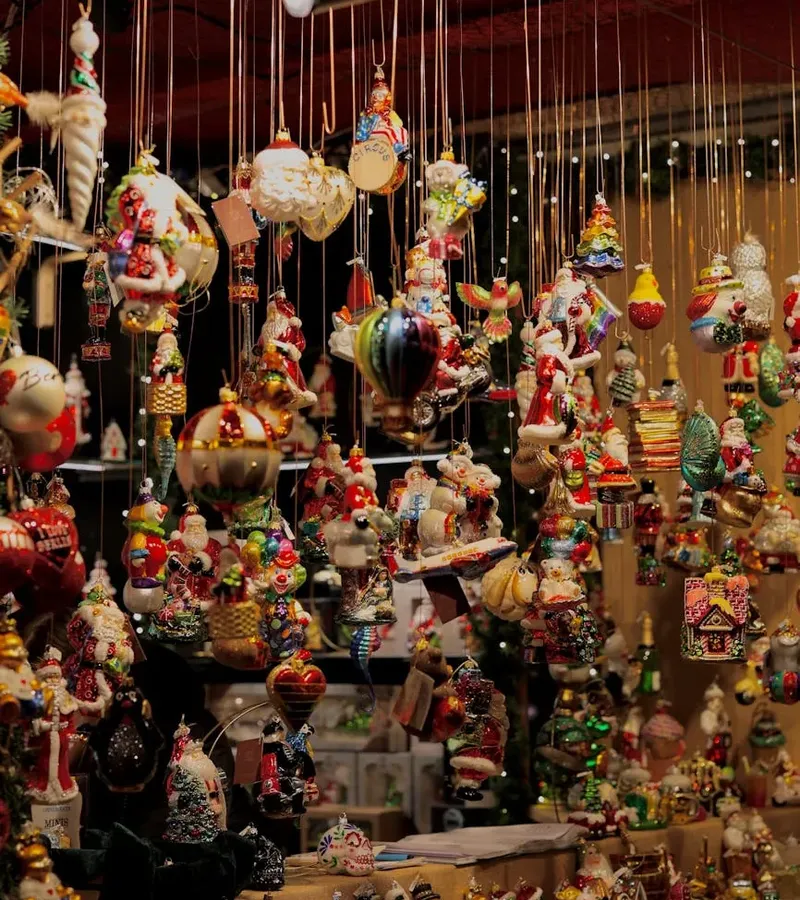
Souvenirs and special local gifts.
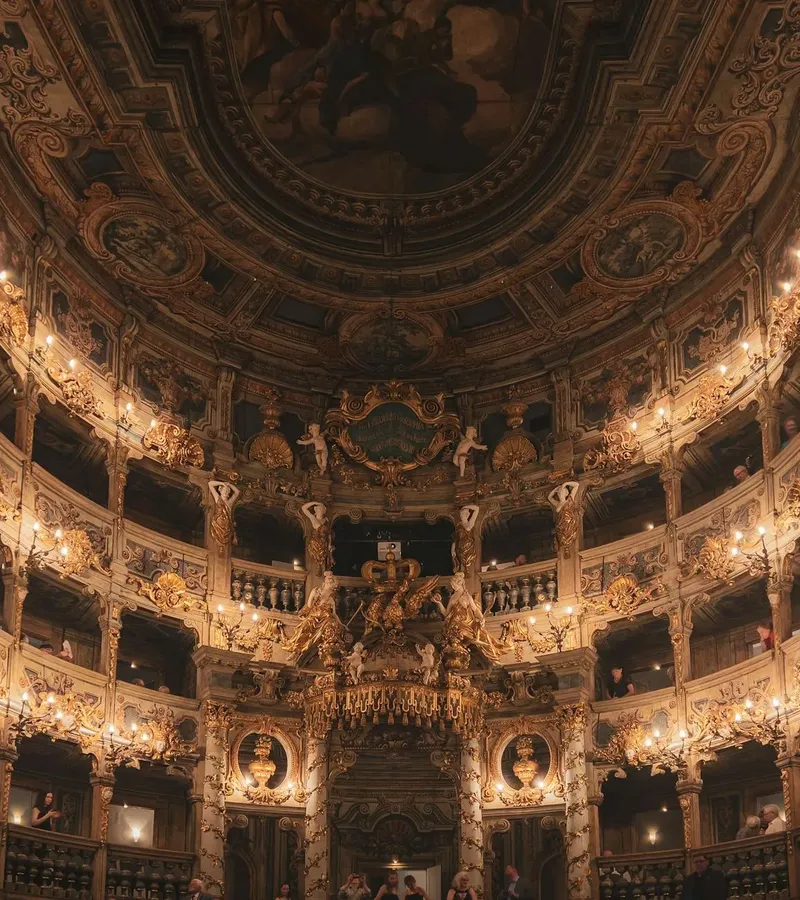
Culture, entertainment, and inspiring ideas for your free time.
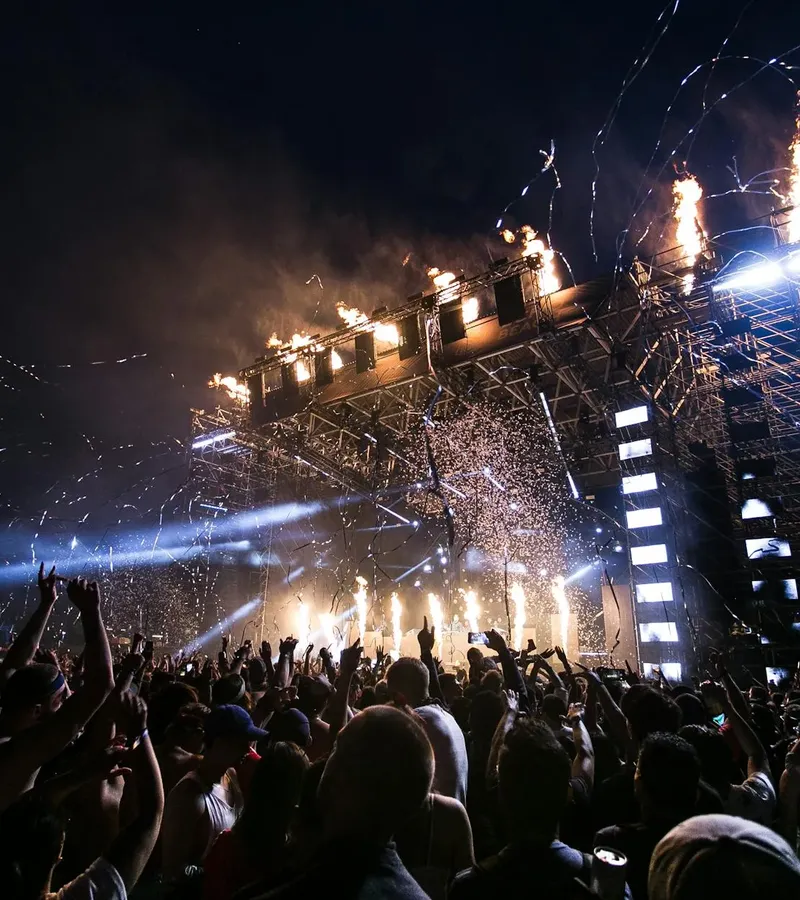
Clubs, culture, and evening plans in the region.

Advice, places, and tips for queer travel locally.

Sports options and well-known clubs in the region.
Festivals, highlights, and seasonal events.

Important advice, common pitfalls, and no-gos.

History, background, and interesting context.

Tips for public transport and arrival.
Sights, highlights, and background information about Schleswig-Holstein.
Typical dishes, regional classics, and culinary tips.
Souvenirs and special local gifts.
Culture, entertainment, and inspiring ideas for your free time.
Clubs, culture, and evening plans in the region.
Advice, places, and tips for queer travel locally.
Sports options and well-known clubs in the region.
Festivals, highlights, and seasonal events.
Important advice, common pitfalls, and no-gos.
History, background, and interesting context.
Tips for public transport and arrival.