More about Sachsen
Sights, highlights, and background information about Sachsen.
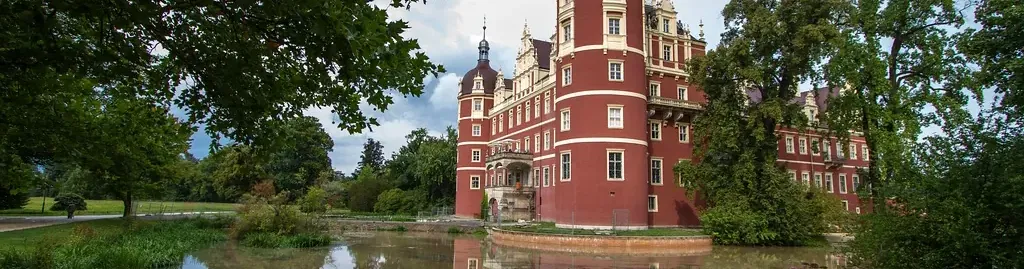
Mystical sandstone cliffs, cozy half-timbered houses and a historic narrow-gauge railroad characterize this romantic border region
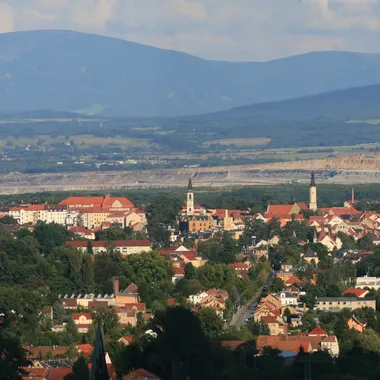
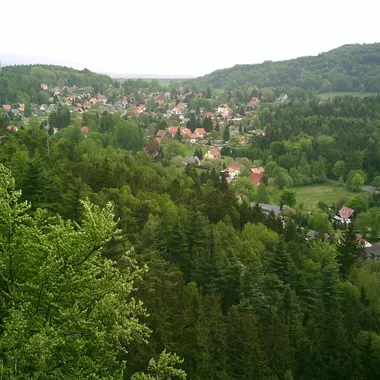
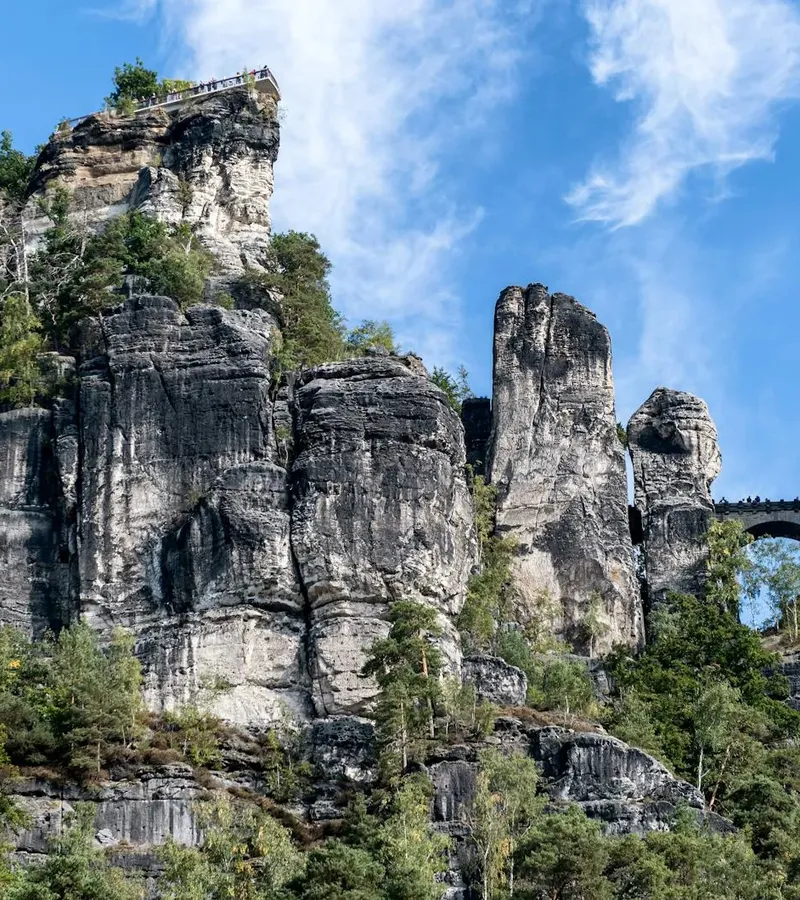
The Zittau Mountains are Germany’s smallest low mountain range and are located in the border triangle of Germany, Poland, and the Czech Republic. The region is characterized by striking sandstone cliffs, dense forests, and historic spa towns. Visitors can experience a diverse cultural landscape here, featuring numerous hiking trails, scenic overlooks, and cultural attractions. It is particularly the combination of nature, history, and its cross-border location that makes the region unique.
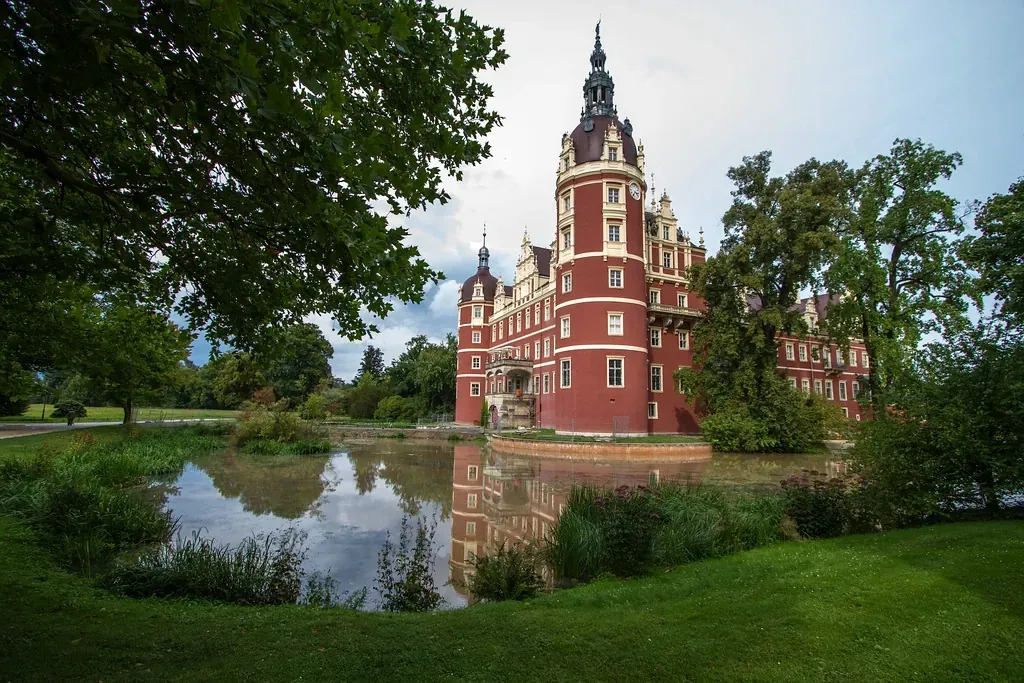
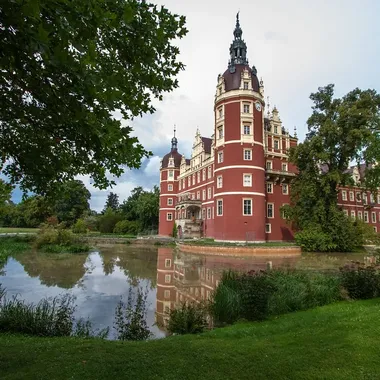
Muskauer Park stretches along both sides of the German-Polish border and is one of the most important landscape parks in Europe. Curved paths, visual axes and harmoniously designed nature make it a masterpiece of garden art. Visitors can experience nature and design in perfect unity here.
The park has been a UNESCO World Heritage Site since 2004, as it is an outstanding example of 19th century landscape design and further develops the idea of the English landscape garden.
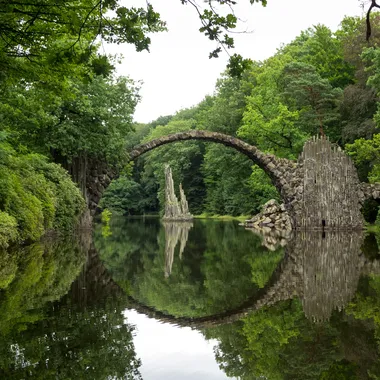
The Kromlau Rhododendron Park is an extensive landscape park that is particularly impressive in spring when it is in bloom. The Rakotzbrücke, also known as the "Devil's Bridge", is famous for its reflection in the water forming a perfect circle. Visitors can experience a fairytale garden landscape with numerous visual axes and plays of color.
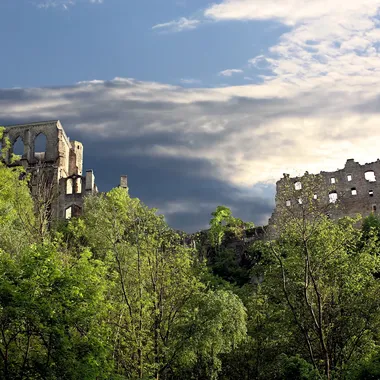
The Oybin Monastery is located right next to the castle and impresses as a romantic ruin of a Gothic monastery complex. The open vaults and walls blend harmoniously into the rocky landscape. Even Caspar David Friedrich was impressed by the atmosphere. Visitors experience a particularly atmospheric combination of nature, architecture and history here.
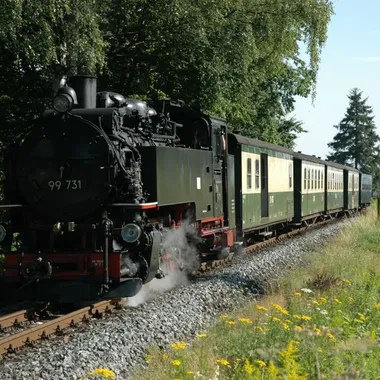
The historic steam train connects Zittau with the spa towns of Oybin and Jonsdorf. The journey leads through the Zittau Mountains and provides a nostalgic travel experience. Visitors can combine technological history and landscape in a special way.
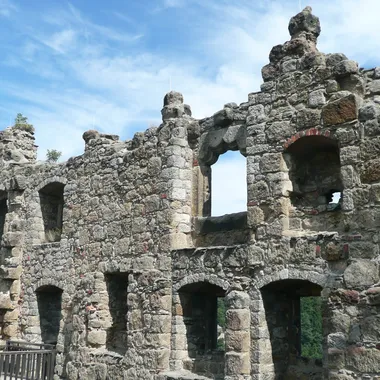
Oybin Castle towers spectacularly on a sandstone rock above the village of the same name. The ruins are one of the most impressive castle complexes in Saxony and offer sweeping views over the Zittau Mountains. Visitors can experience the special location and the combination of architecture and nature. The rocks in the surrounding area are ideal for climbing.
The East German Rose Garden Forst (Lausitz) is a historic landscape and rose garden in the town of Forst (Lausitz), Brandenburg. It is one of the oldest and most important rose gardens in Germany and combines garden art, botany and culture in a unique way.
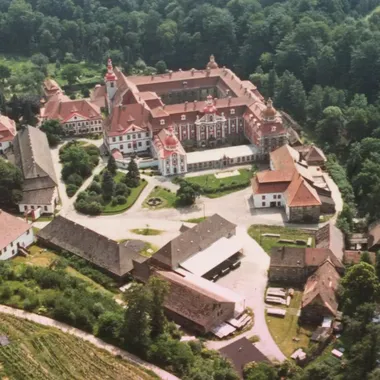
St. Marienthal Monastery is the oldest continuously existing Cistercian monastery in Germany. The complex is idyllically situated on the Neisse river and combines religious tradition with cultural life. Visitors can experience the baroque monastery complex, gardens and spiritual offerings.
The Herrnhut Show Workshop is the place of origin of the famous Herrnhut stars that often hang from windows at Christmas time. In the manufactory, visitors can see how these traditional Christmas decorations are made and purchase handmade products.
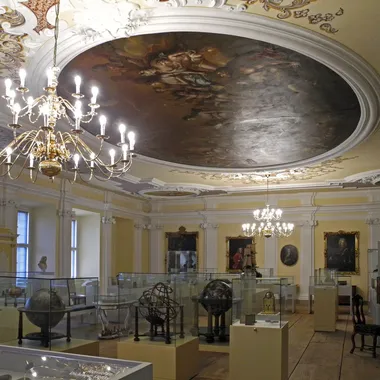
The museum is located in a former Franciscan monastery and shows the history of the town of Zittau and the Upper Lusatia region. Historical exhibits, works of art and everyday objects convey a comprehensive picture of past centuries.
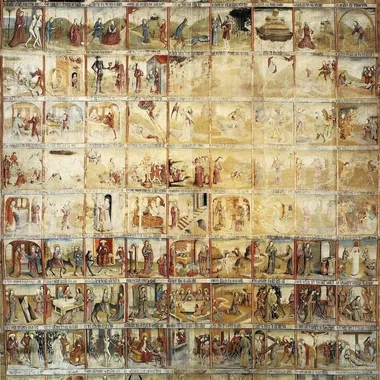
The Great Lenten Shroud of Zittau is one of the most important surviving Lenten cloths in Europe.
A Lenten cloth (also known as a "hunger cloth") is a large, usually painted cloth that was hung in churches during Lent in the Middle Ages. It covered the altar so that visitors could not see it during this time.
The idea behind this was to draw attention to the essentials and create a deliberately simpler, inward-looking time. At the same time, Lenten cloths fulfilled an important didactic function: many people could not read, so the cloths showed biblical scenes in pictures.
The old town of Zittau boasts numerous historic buildings and squares. The town is particularly famous for its Lenten cloths and its long trading history. Visitors will discover a cultural center of Upper Lusatia here.
Jonsdorf is a traditional spa town with half-timbered houses and access to numerous hiking trails. The quiet location and proximity to the rock town make the village a popular starting point for exploring.
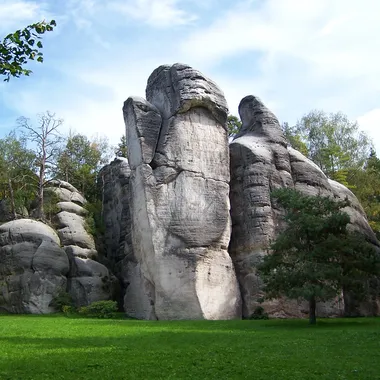
The Lusatian rock town consists of bizarre sandstone formations created by erosion. Hiking trails lead through narrow crevices and past striking towers. Visitors experience an impressive natural landscape here.
Sights, highlights, and background information about Sachsen.
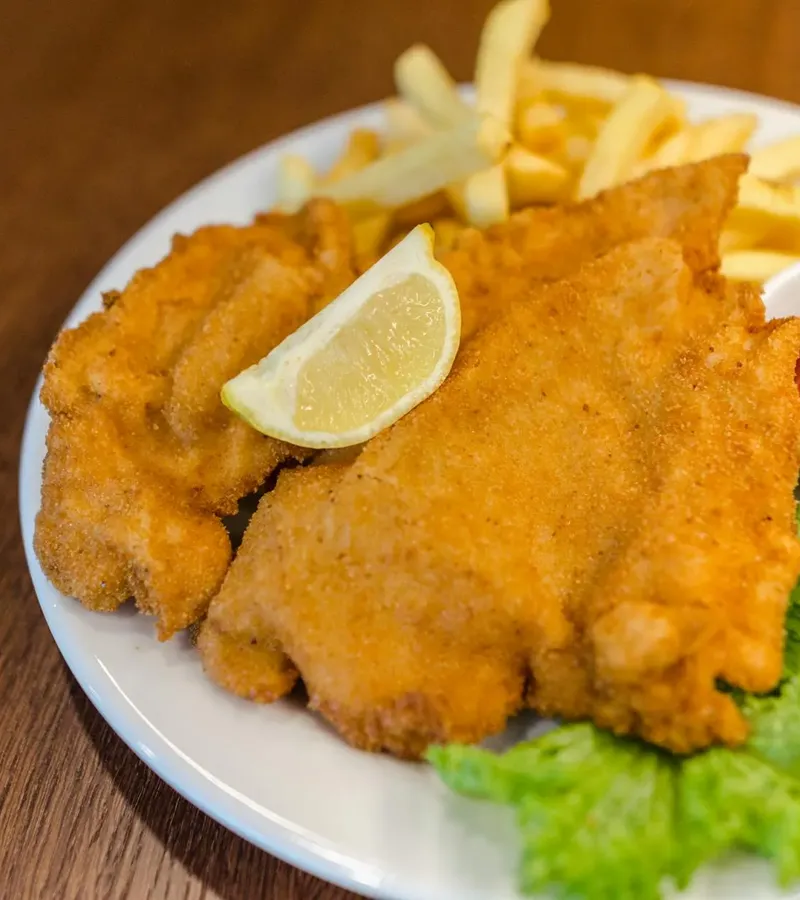
Typical dishes, regional classics, and culinary tips.
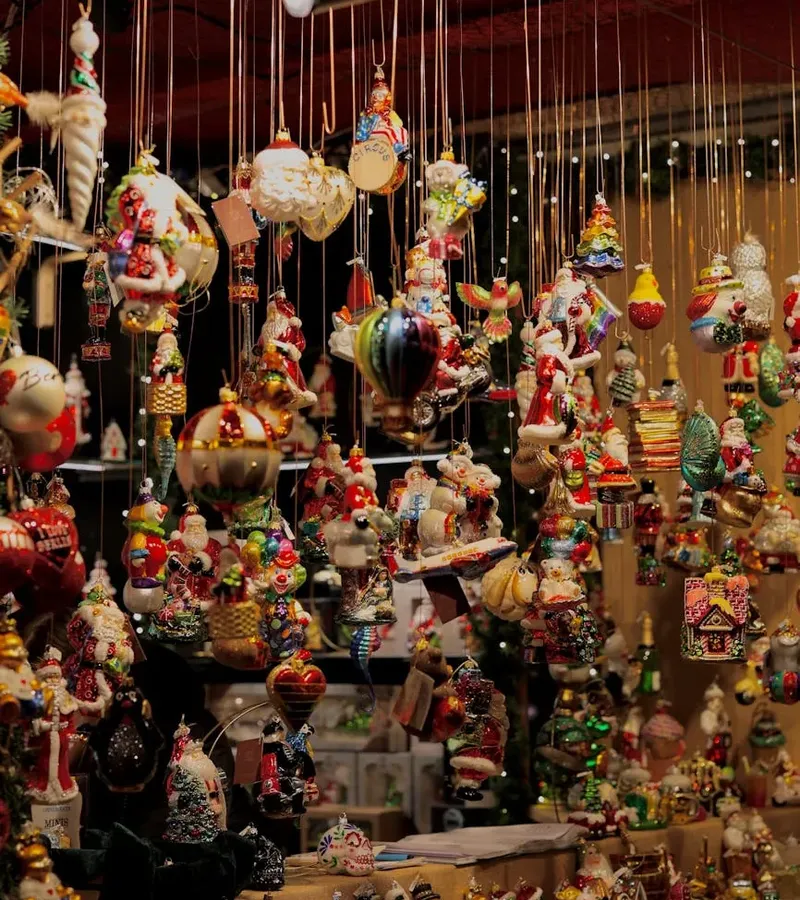
Souvenirs and special local gifts.
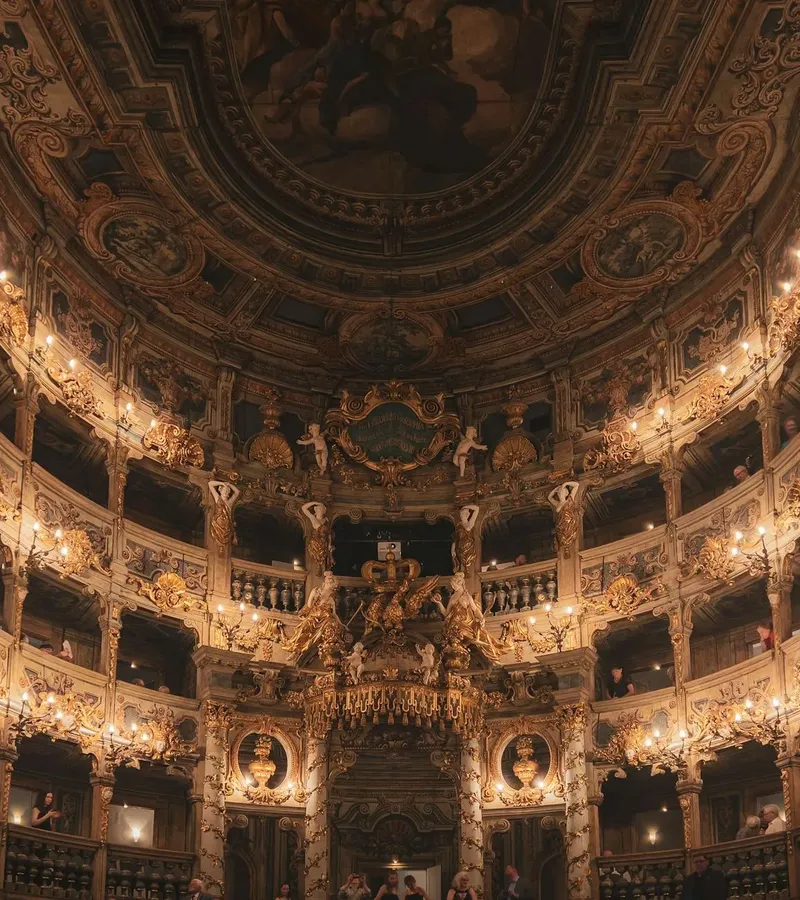
Culture, entertainment, and inspiring ideas for your free time.

Clubs, culture, and evening plans in the region.

Advice, places, and tips for queer travel locally.

Sports options and well-known clubs in the region.

Festivals, highlights, and seasonal events.

Important advice, common pitfalls, and no-gos.

History, background, and interesting context.
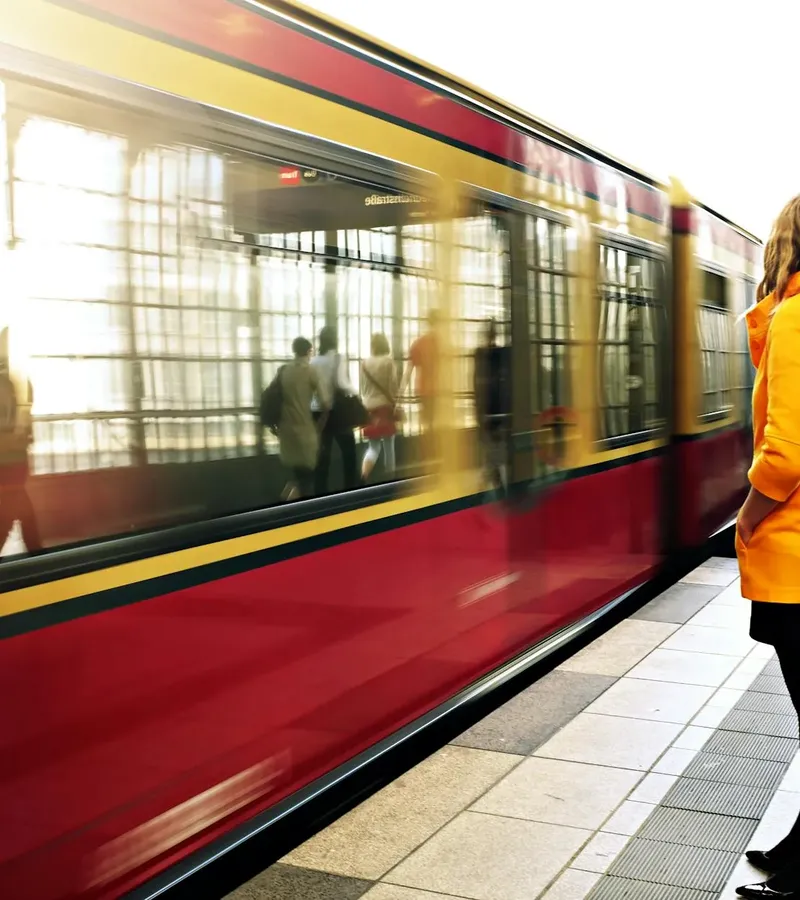
Tips for public transport and arrival.
Sights, highlights, and background information about Sachsen.
Typical dishes, regional classics, and culinary tips.
Souvenirs and special local gifts.
Culture, entertainment, and inspiring ideas for your free time.
Clubs, culture, and evening plans in the region.
Advice, places, and tips for queer travel locally.
Sports options and well-known clubs in the region.
Festivals, highlights, and seasonal events.
Important advice, common pitfalls, and no-gos.
History, background, and interesting context.
Tips for public transport and arrival.