More about Sachsen
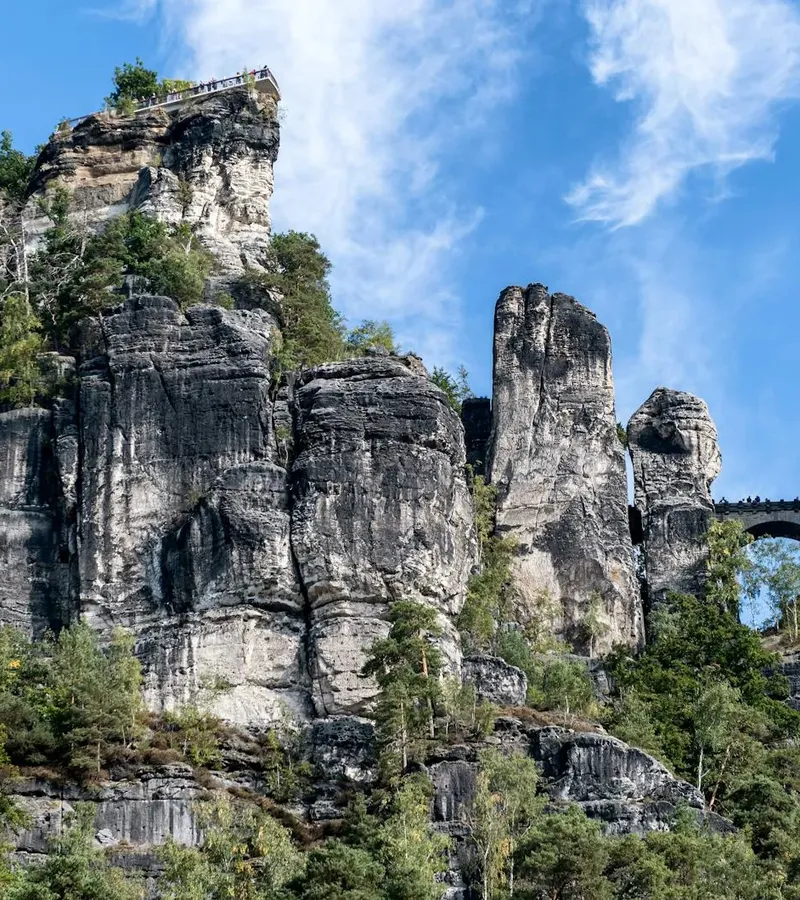
Sights, highlights, and background information about Sachsen.
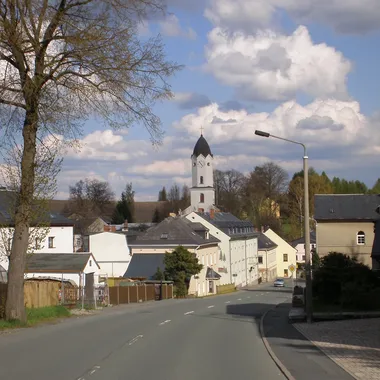
The Vogtland is a diverse low-mountain region located at the border of Saxony, Thuringia, Bavaria, and the Czech Republic. The landscape is characterized by forested ridges, river valleys, reservoirs, and small spa towns. The region is also known for its long tradition of musical instrument making, historic railway bridges, and peaceful hiking areas.
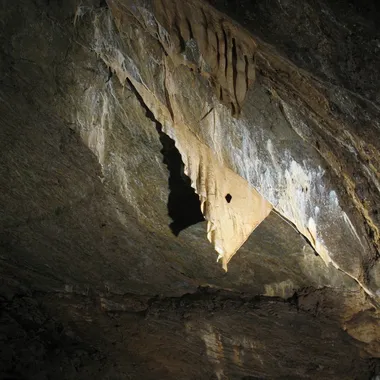
Drachenhöhle Syrau is a stalactite cave with imaginative rock formations and underground lakes. Light installations and the local dragon legend give the cave a special atmosphere.
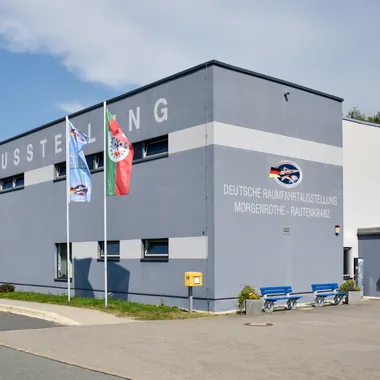
The German Space Exhibition in Morgenröthe-Rautenkranz is a museum dedicated to the history and development of German and international space travel. It is regarded as the central space museum in Germany and is located in the birthplace of the first German cosmonaut Sigmund Jähn.
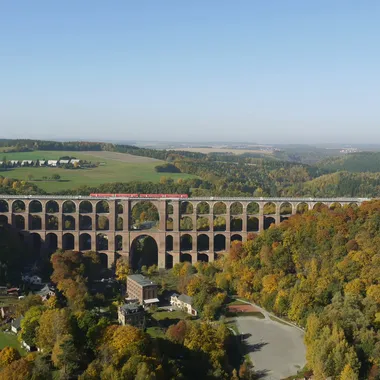
Göltzsch Valley Bridge is the largest brick bridge in the world and a masterpiece of 19th century railroad engineering. The monumental bridge impressively spans the Göltzsch valley and still characterizes the landscape of the region today. The enormous dimensions and the filigree arch construction are particularly impressive.
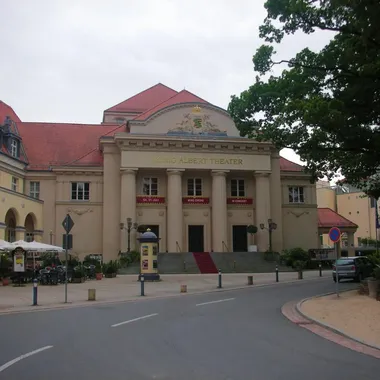
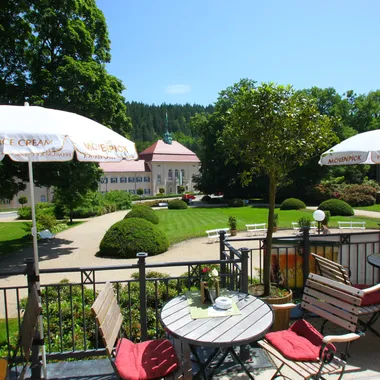
The König Albert Theater is one of the most magnificent historic theaters in Saxony. Built in the historicist style, the building impresses with its richly decorated interior, red velvet boxes and elegant architecture. To this day, concerts, operas, plays and cultural events take place here, which characterize the traditional spa town flair of Bad Elster.
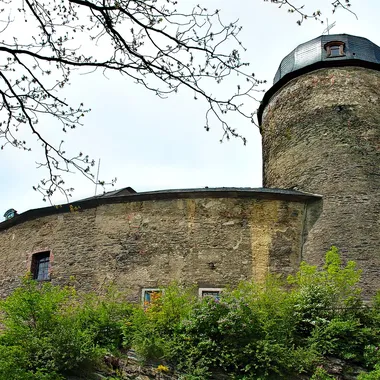
Mylau Castle is one of the best-preserved medieval castles in Saxony. The historical complex with its keep, inner courtyard and exhibitions gives a vivid impression of life in the Middle Ages. Thanks to its elevated position, the castle also offers beautiful views over the Vogtland region.
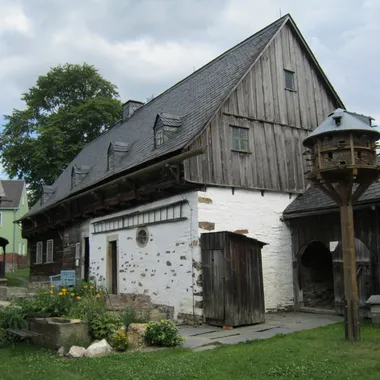
The Vogtland Open-Air Museum Landwüst gives an authentic impression of rural life in the Vogtland region in past centuries. Historic farmhouses, workshops and traditional buildings show how people used to live and work in the region. Between gardens, courtyards and old craft areas, a particularly vivid atmosphere of regional everyday history is created.
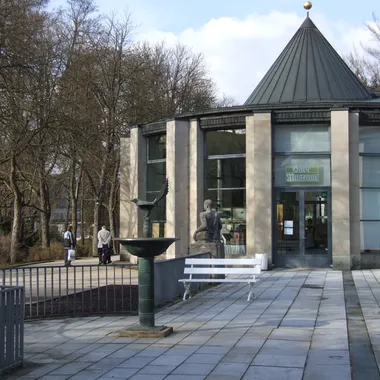
The Saxon Spa Museum Bad Elster documents the history of spa and bathing culture in Saxony. Historical bathing facilities, medical equipment and original furnishings vividly illustrate how spas and health trips have developed since the 19th century. The museum also provides an insight into the importance of Bad Elster as a spa town steeped in tradition.
Bad Brambach is a state-approved spa and border community in the southernmost tip of the Vogtland district, Free State of Saxony, Germany. It is known as the location of the world's strongest radon spring - the Wettin Spring - and is one of the most traditional spas in Central Europe.
Bad Elster is a traditional spa town in the Vogtland region. It is one of the oldest mud and mineral spas in the country and is now an important center for health, culture and tourism.
Sights, highlights, and background information about Sachsen.
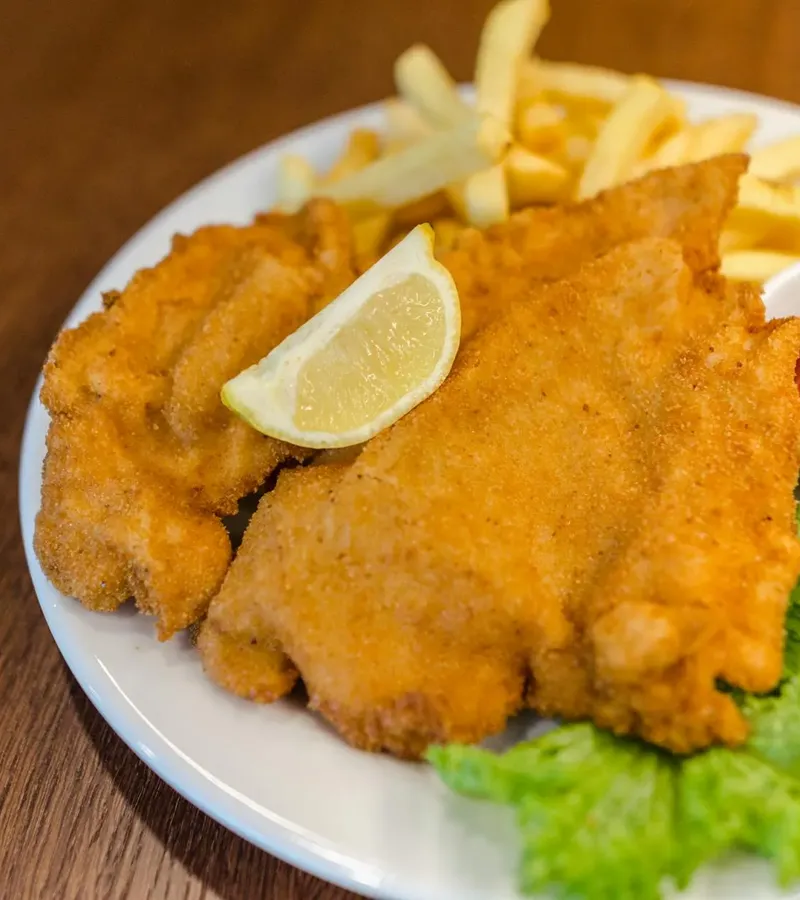
Typical dishes, regional classics, and culinary tips.
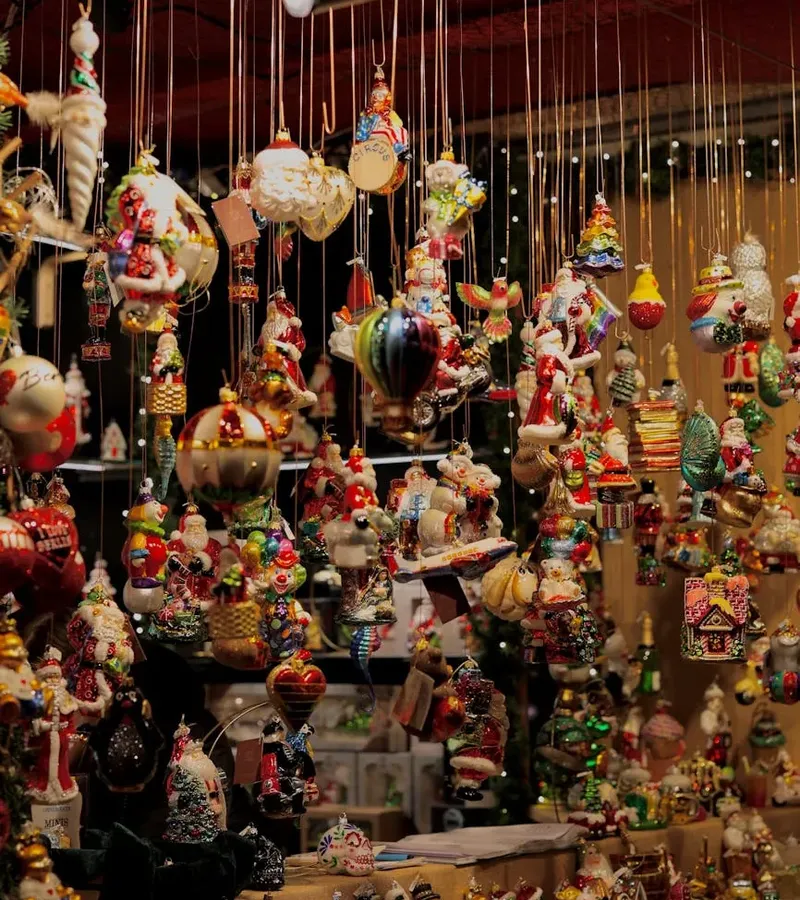
Souvenirs and special local gifts.
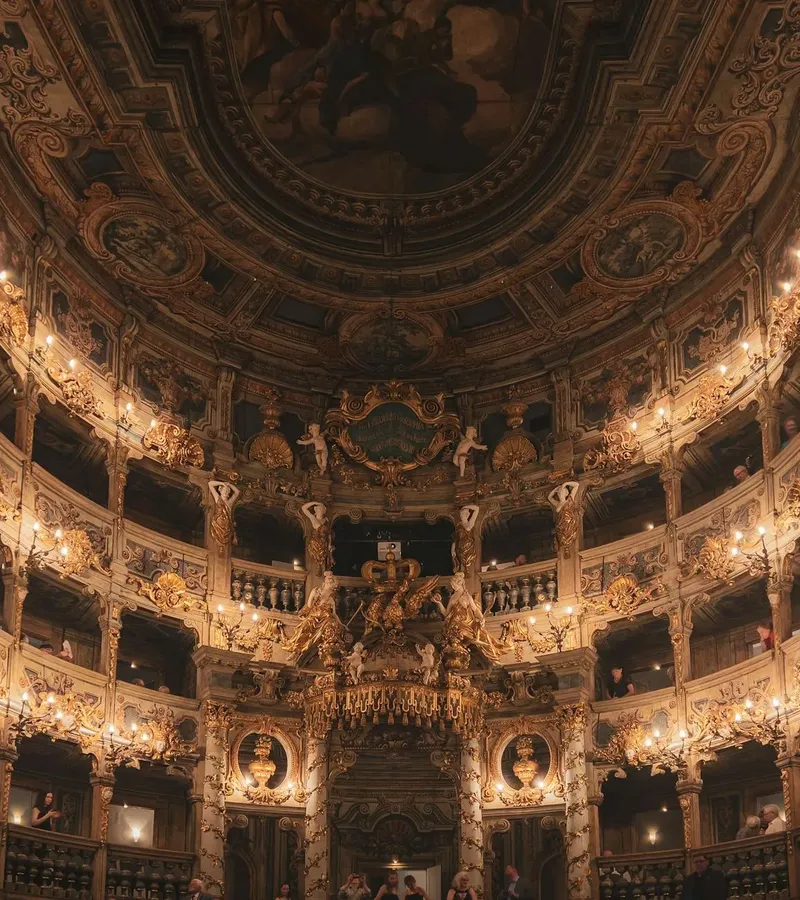
Culture, entertainment, and inspiring ideas for your free time.
Clubs, culture, and evening plans in the region.

Advice, places, and tips for queer travel locally.

Sports options and well-known clubs in the region.
Festivals, highlights, and seasonal events.

Important advice, common pitfalls, and no-gos.

History, background, and interesting context.
Tips for public transport and arrival.
Sights, highlights, and background information about Sachsen.
Typical dishes, regional classics, and culinary tips.
Souvenirs and special local gifts.
Culture, entertainment, and inspiring ideas for your free time.
Clubs, culture, and evening plans in the region.
Advice, places, and tips for queer travel locally.
Sports options and well-known clubs in the region.
Festivals, highlights, and seasonal events.
Important advice, common pitfalls, and no-gos.
History, background, and interesting context.
Tips for public transport and arrival.