More about Rheinland-Pfalz
Sights, highlights, and background information about Rheinland-Pfalz.
The Eifel is a varied low mountain range landscape in western Germany and extends across parts of Rhineland-Palatinate and North Rhine-Westphalia
The region is known for its volcanic landscapes, forested hills, deep valleys, maars, castles, and small historic towns. The Vulkaneifel is particularly distinctive, where past volcanic activity remains visible to this day in the form of crater lakes, basalt formations, and rock strata. There is also a cold-water geyser here near Koblenz.
At the same time, the Eifel is a premier outdoor destination. Hiking trails, via ferrata routes, wildlife parks, castles, and geological museums make for a diverse landscape. Visitors experience a region that seamlessly blends nature, geological history, and recreational activities.
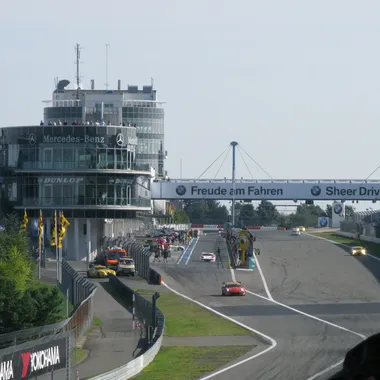
The race track is one of the most famous in the world and is located in the Eifel region. Motorsport events and guided tours make it a special excursion destination. Visitors can experience modern technology and sport here.
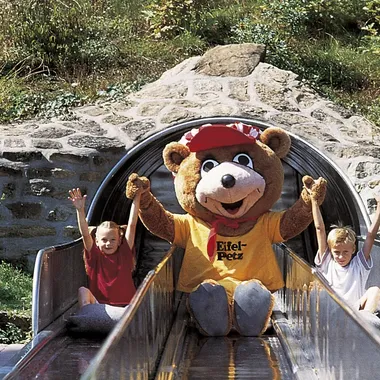
The Eifelpark Gondorf is a leisure park that combines nature and animal experiences with rides. In addition to wild animals and natural areas, there are attractions for children and families. This sets the park apart from classic animal parks and appeals particularly to visitors who want to combine relaxation and entertainment. It shows the Eifel as a region that is not only scenically attractive, but also diverse in terms of tourism.
The Daun Wildlife & Adventure Park combines nature observation with leisure activities. Visitors can experience native and exotic animals up close in spacious enclosures, sometimes even on a ride through the grounds. Play and adventure areas complete the excursion. The park is therefore a particularly popular destination for families and shows the Eifel from its nature-oriented, but at the same time leisure-oriented side.
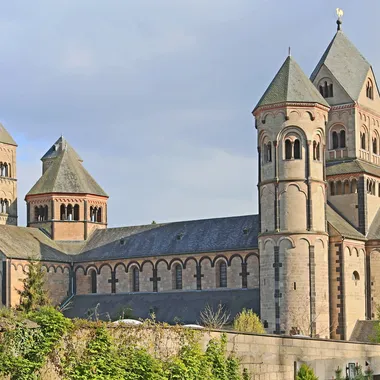
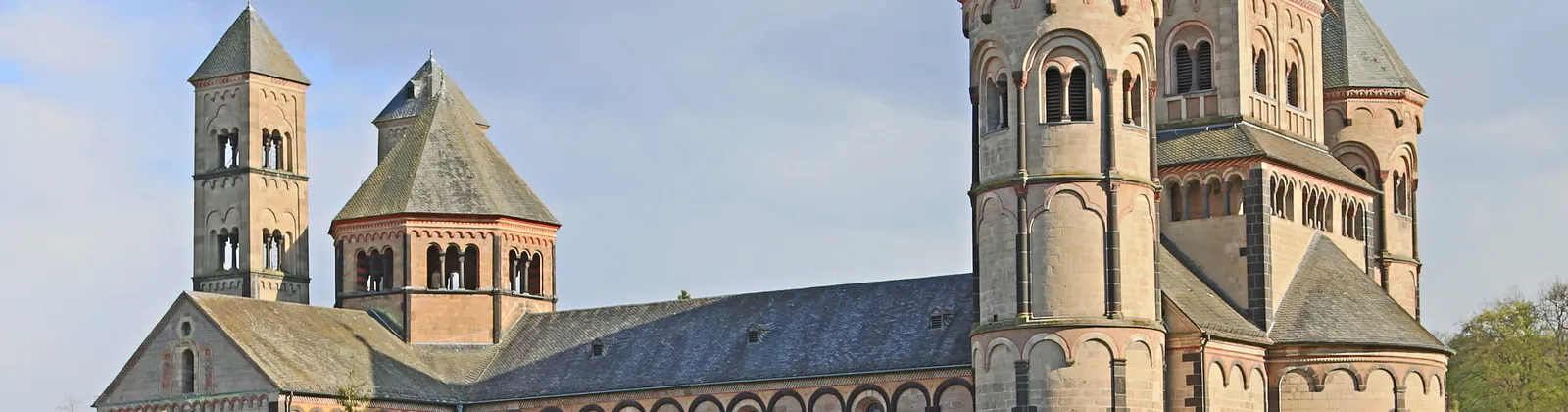
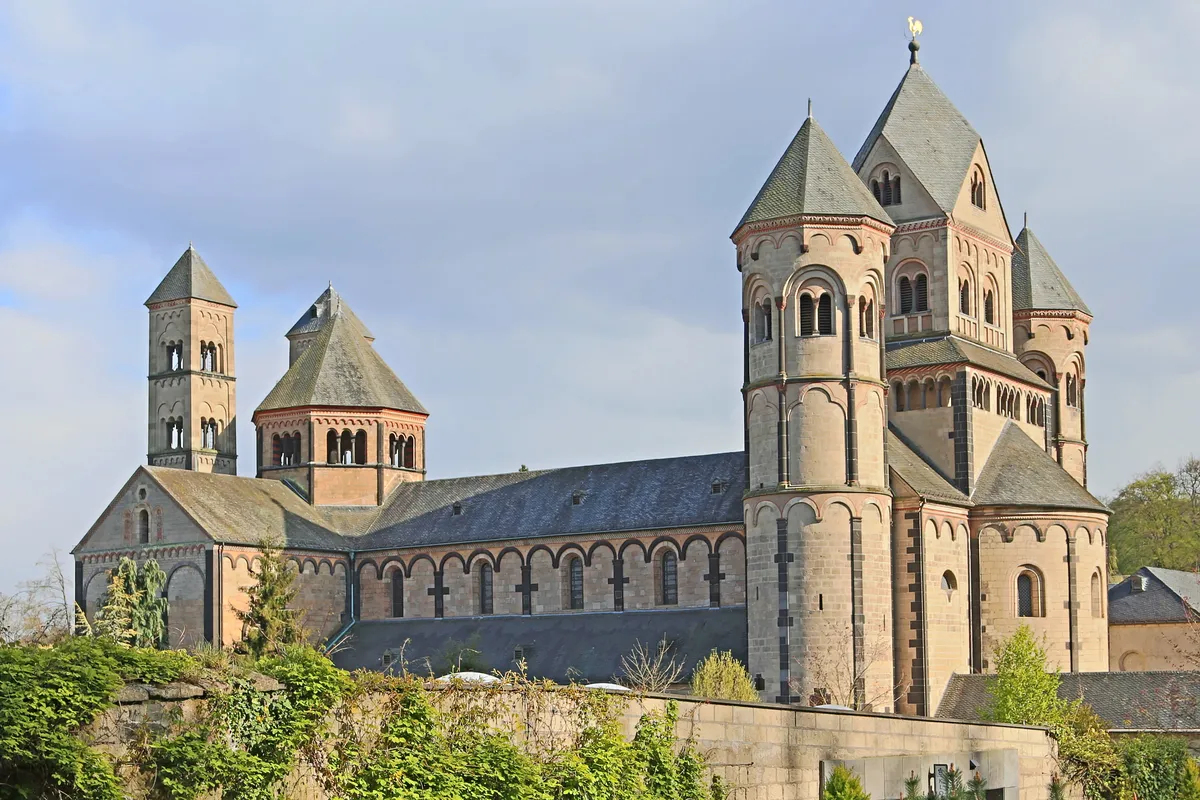
The Benedictine Abbey of Maria Laach is one of the most important monasteries in Germany and a masterpiece of Romanesque architecture. It is impressively situated on Lake Laach, a volcanically formed crater lake, and combines spiritual tradition with scenic beauty. The church, the monastery buildings and the peaceful surroundings make the place an important destination for those interested in culture and nature. Visitors can experience the Eifel from its quiet, spiritual and historical side.
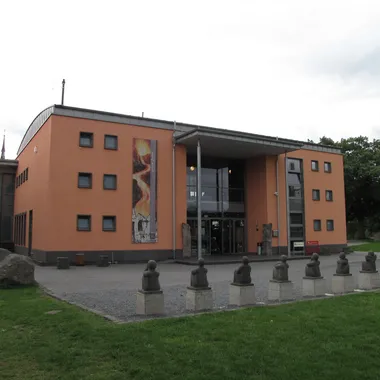
The Lava Dome in Mendig is one of the most important museums on volcanism in Germany. Interactive exhibitions explain how volcanoes are formed, what forces are at work inside the earth and why the Eifel is volcanic. The combination of modern knowledge transfer with regional geological history is particularly impressive. Visitors are given vivid access to a topic that has shaped the landscape of the Eifel to this day.
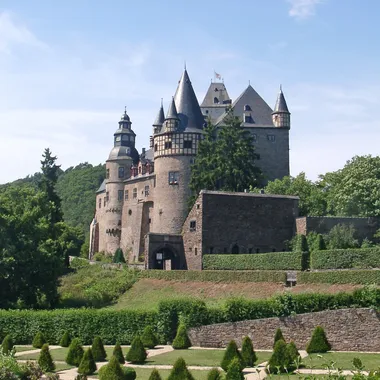
Bürresheim Castle is one of the most picturesque castle complexes in the Eifel. Unlike many castles and palaces, it has been largely preserved over the centuries and therefore conveys a particularly vivid impression of aristocratic living culture. Towers, inner courtyards and the location in a green valley landscape give the place an almost fairytale-like effect. Visitors experience history here not as ruins, but as an almost complete ensemble.
The Grubenfeld adventure worlds near Mayen are dedicated to the centuries-long mining of basalt and tuff. In the Eifel, these rocks were extracted as building materials and used far beyond the region. The site shows former quarrying areas, machines and working environments and makes it clear how closely natural areas and human use were linked.
The castle via ferrata in Manderscheid is one of the most famous via ferratas in the Eifel. It runs spectacularly between the two Manderscheid castles and combines sporting activity with impressive scenery and a medieval backdrop. Rocky passages, wire ropes and views of the valley make the route a special experience. Visitors experience the Eifel as a region for outdoor adventure and culture at the same time.
The Kottenheim climbing area is located in a landscape that is strongly influenced by the volcanic rock of the Eifel. Former quarry walls now offer opportunities for climbing on natural rock. The area thus combines sport with the geological history of the region.
The via ferrata near Neuerburg leads through rocky terrain and offers a sporty way to actively explore the Eifel landscape. Ladders, secured passages and differences in altitude provide variety. At the same time, the view of the valley and the surrounding forests opens up again and again along the way.
Sights, highlights, and background information about Rheinland-Pfalz.
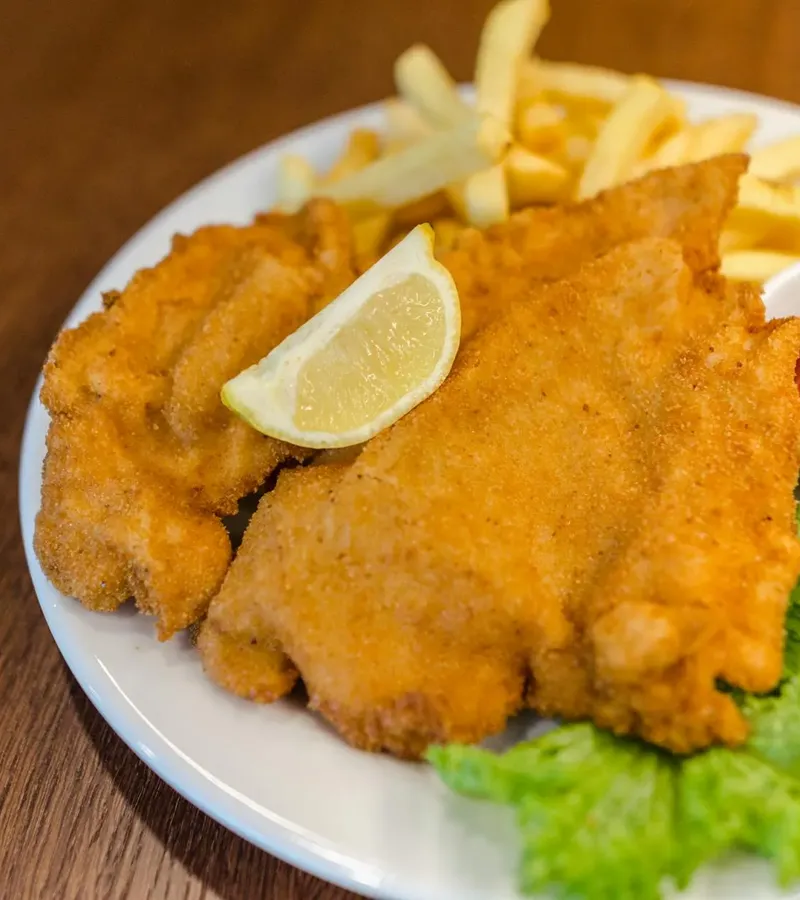
Typical dishes, regional classics, and culinary tips.

Souvenirs and special local gifts.
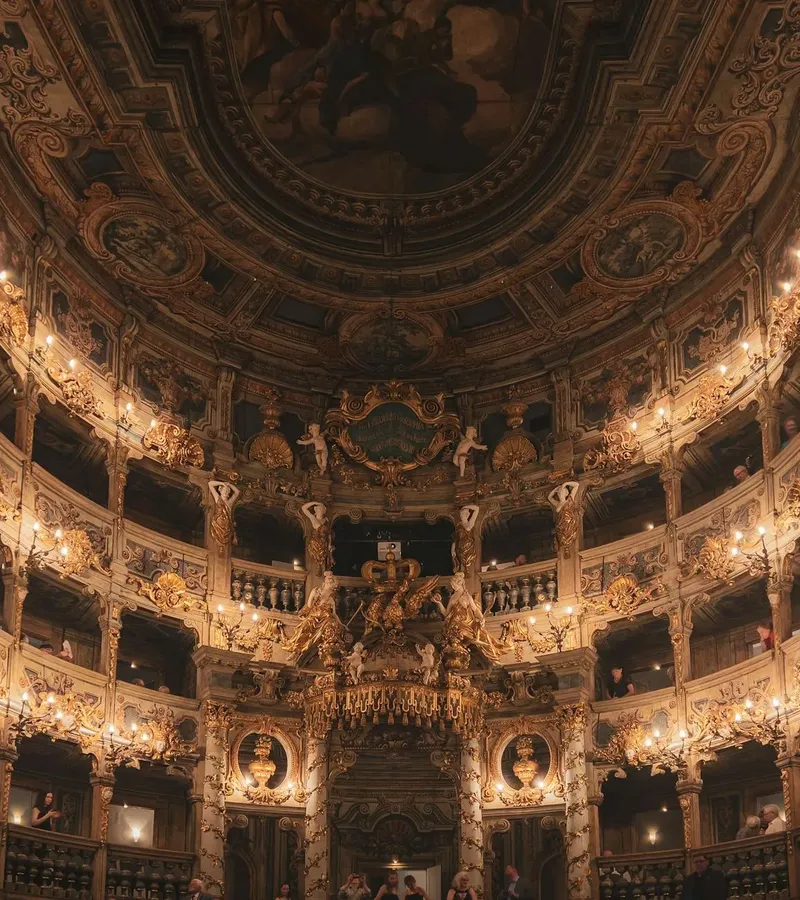
Culture, entertainment, and inspiring ideas for your free time.
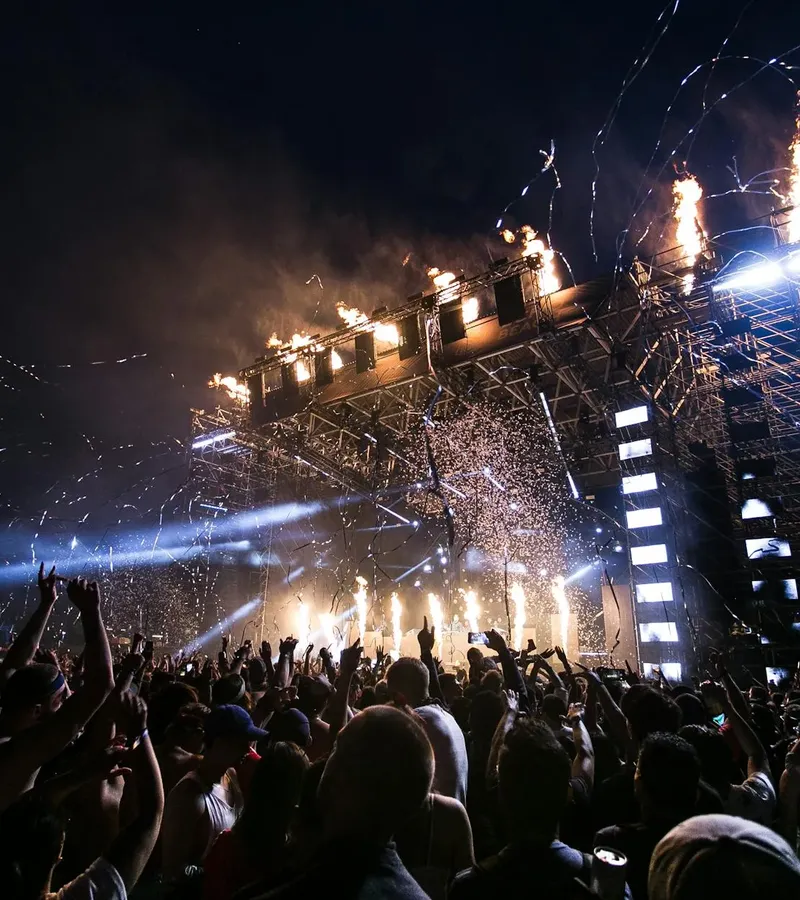
Clubs, culture, and evening plans in the region.

Advice, places, and tips for queer travel locally.

Sports options and well-known clubs in the region.

Festivals, highlights, and seasonal events.

Important advice, common pitfalls, and no-gos.

History, background, and interesting context.
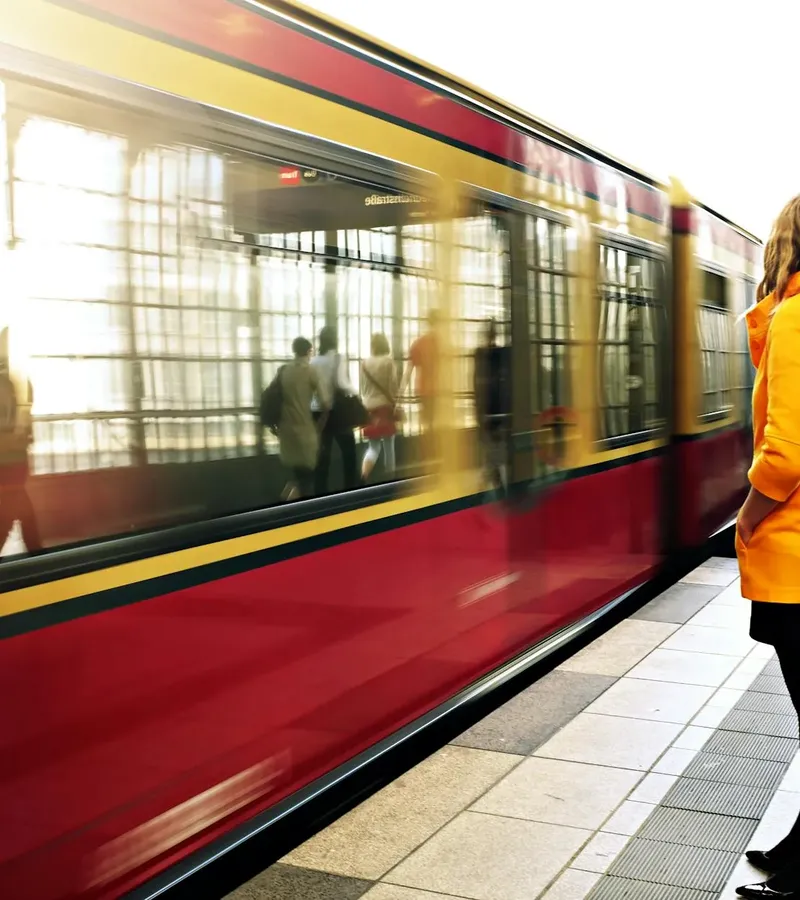
Tips for public transport and arrival.
Sights, highlights, and background information about Rheinland-Pfalz.
Typical dishes, regional classics, and culinary tips.
Souvenirs and special local gifts.
Culture, entertainment, and inspiring ideas for your free time.
Clubs, culture, and evening plans in the region.
Advice, places, and tips for queer travel locally.
Sports options and well-known clubs in the region.
Festivals, highlights, and seasonal events.
Important advice, common pitfalls, and no-gos.
History, background, and interesting context.
Tips for public transport and arrival.