More about Rheinland-Pfalz
Sights, highlights, and background information about Rheinland-Pfalz.
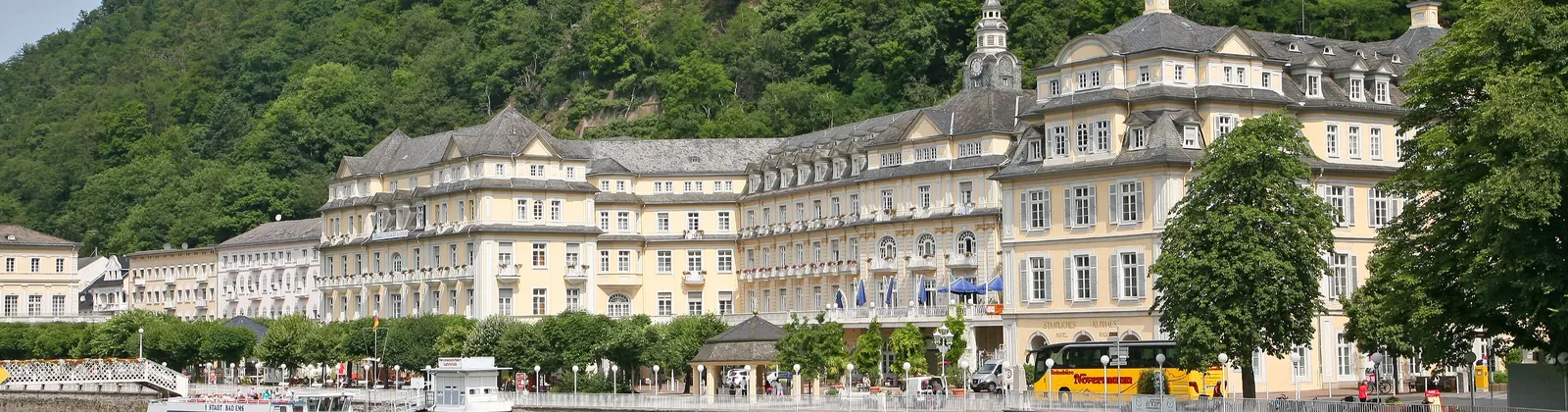
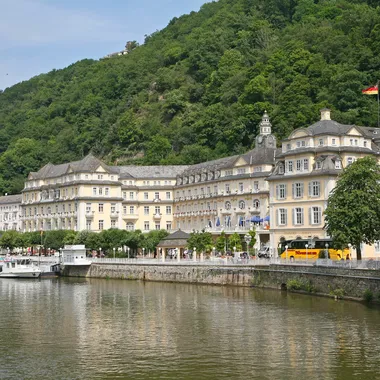
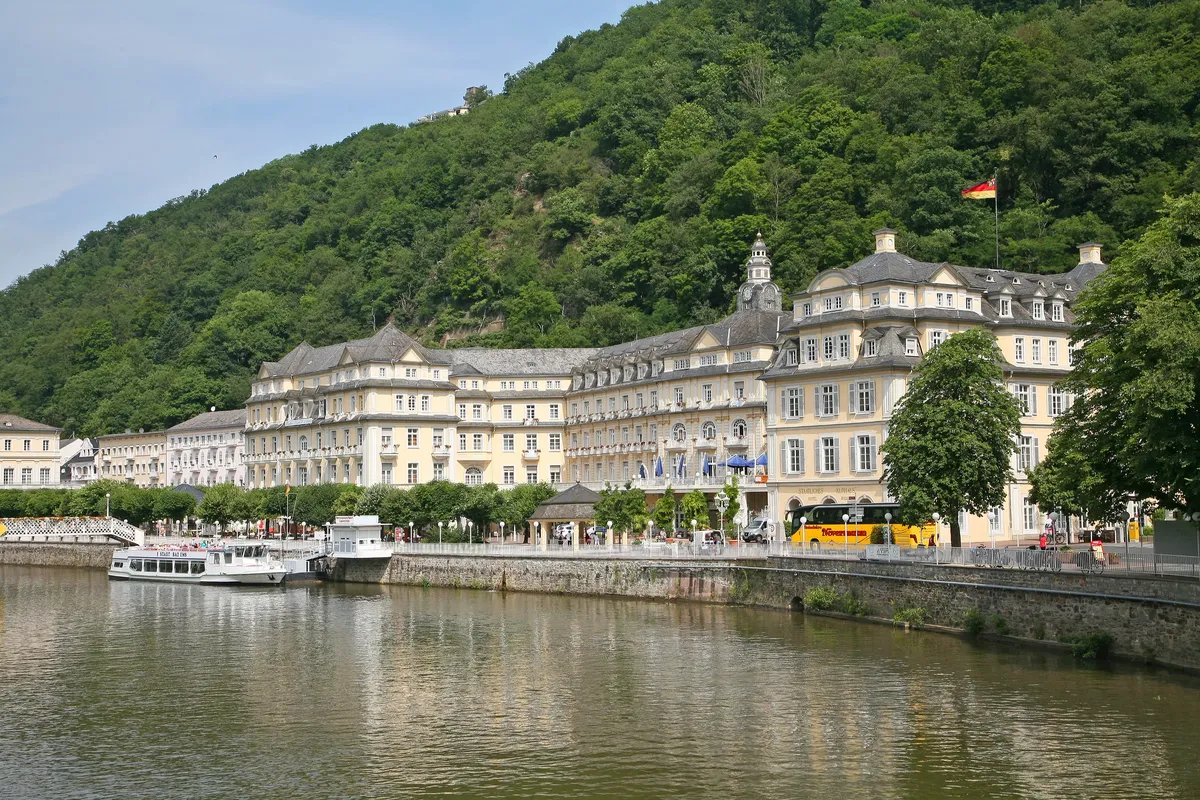
As part of the "Great Spa Towns of Europe", the imperial spa shines with magnificent spa architecture directly on the banks of the Lahn.
As early as the 19th century, the town attracted European aristocratic families, artists, and politicians who came to enjoy the mineral-rich thermal springs. The magnificent spa architecture along the Lahn River still bears witness to this golden age today. Economically, Bad Ems was strongly influenced by the spa industry, which has evolved over time into modern wellness and health offerings. As part of the UNESCO World Heritage Site “Great Spa Towns of Europe,” Bad Ems today embodies the European spa tradition and combines historic elegance with relaxation and nature.
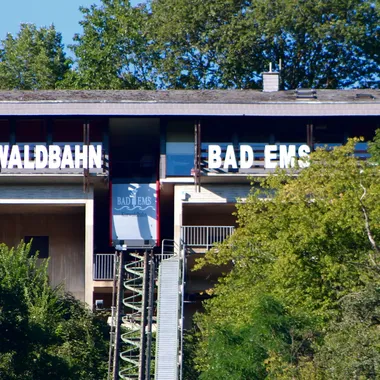
The Kurwaldbahn Bad Ems is a small funicular railroad that takes visitors from the spa district up to the spa forest. The historic funicular covers a significant difference in altitude over a short distance and offers beautiful views of the town and the Lahn Valley. Once at the top, walking paths and vantage points invite you to linger.
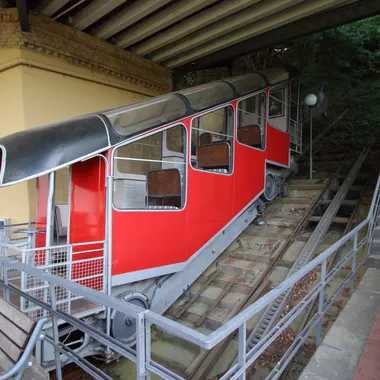
The Malbergbahn is a historic funicular railroad that leads to the viewpoint on the Malberg. The ride combines technical history with impressive views over the Lahn Valley. Once at the top, visitors can enjoy a sweeping view of the spa town and the surrounding countryside.
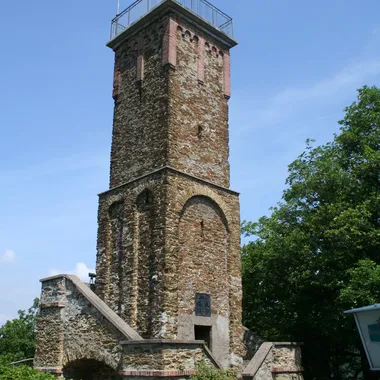
The Concordia Tower is a lookout tower above Bad Ems. From here, there is a wide view over the Lahn, the town and the wooded hills. Visitors can reach the tower via hiking trails and enjoy the combination of nature and panoramic views.
The Bad Ems casino is one of the most traditional casinos in Germany. Visitors can experience the flair of past spa times in elegant historic rooms, when European aristocratic houses and celebrities were guests here.
The Russian Orthodox Church in Bad Ems with its golden domes is a striking eye-catcher in the townscape. It was built in the 19th century for Russian spa guests and bears witness to the international importance of the spa town. Visitors can experience Orthodox sacred art and a special architectural atmosphere here.
The Heinzelmann Caves are small, man-made grottoes in the spa forest. They were designed in the 19th century as part of the spa facilities and were used for the recreation and entertainment of spa guests. Visitors can discover a rather hidden, playful element of the historical park design here.
With its striking tower, the Catholic parish church of St. Martin dominates the townscape of Bad Ems. The neo-Gothic building from the 19th century reflects the religious development of the growing spa town. Visitors will find a peaceful place here and can also discover an example of historicist church architecture.
The Roman spring is one of Bad Ems' traditional healing springs. Even in ancient times, the Romans used the mineral-rich water, which is still used for drinking cures today.
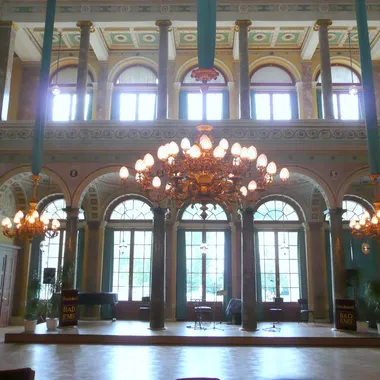
The Kursaal Bad Ems - especially the Marble Hall - is one of the most magnificent rooms in the town. With its columns, decorations and generous dimensions, it was a central meeting place for social events during the heyday of the spa town. Visitors can experience the elegant world of historic spa culture here.
The state spa Bad Ems forms the historical center of the spa town. Magnificent buildings, promenades and spa facilities reflect the heyday of the 19th century. Visitors can experience classic European spa architecture and the combination of health, society and culture.
The Bad Ems Museum conveys the history of the spa town from Roman times to modern times. Exhibitions on spa life, medicine and urban development give visitors a comprehensive insight into the importance of Bad Ems as an international spa.
Sights, highlights, and background information about Rheinland-Pfalz.
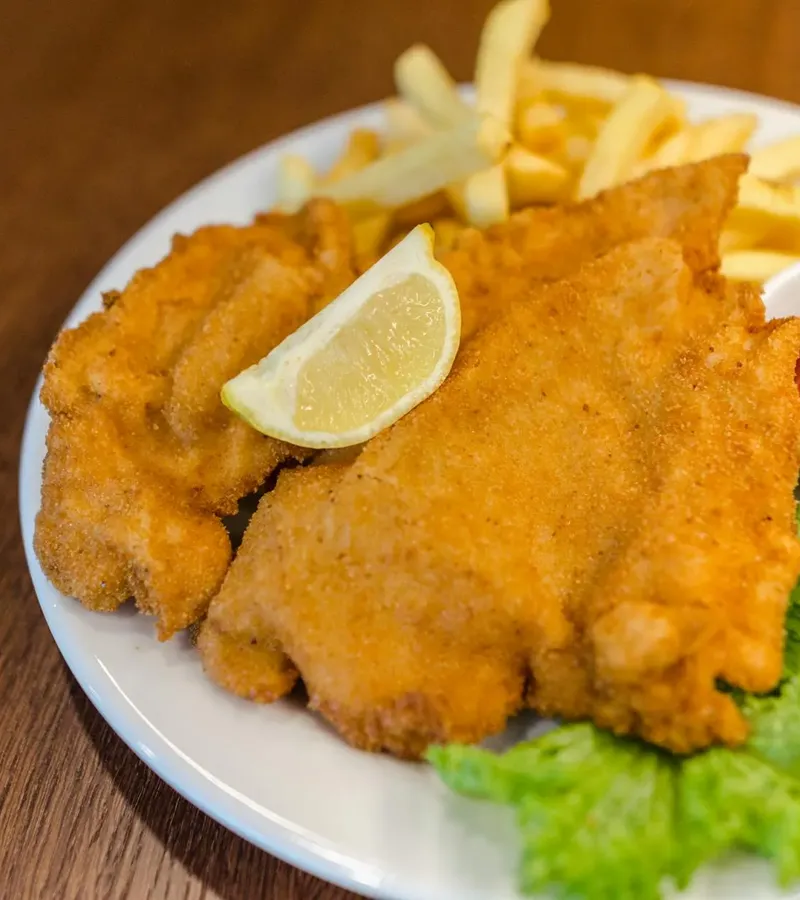
Typical dishes, regional classics, and culinary tips.
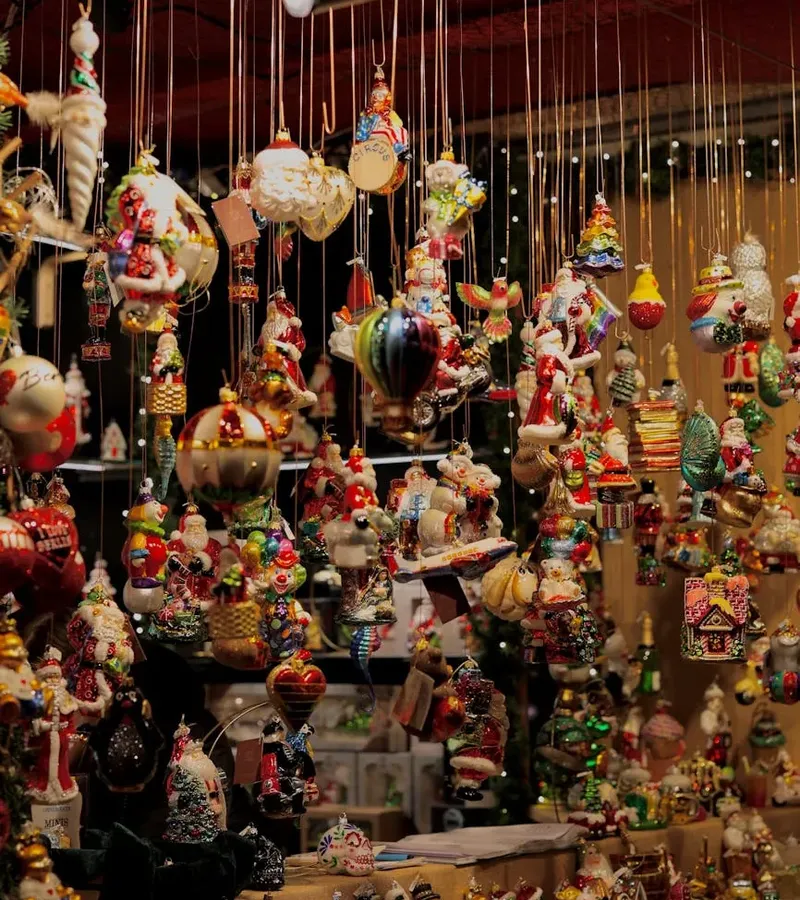
Souvenirs and special local gifts.
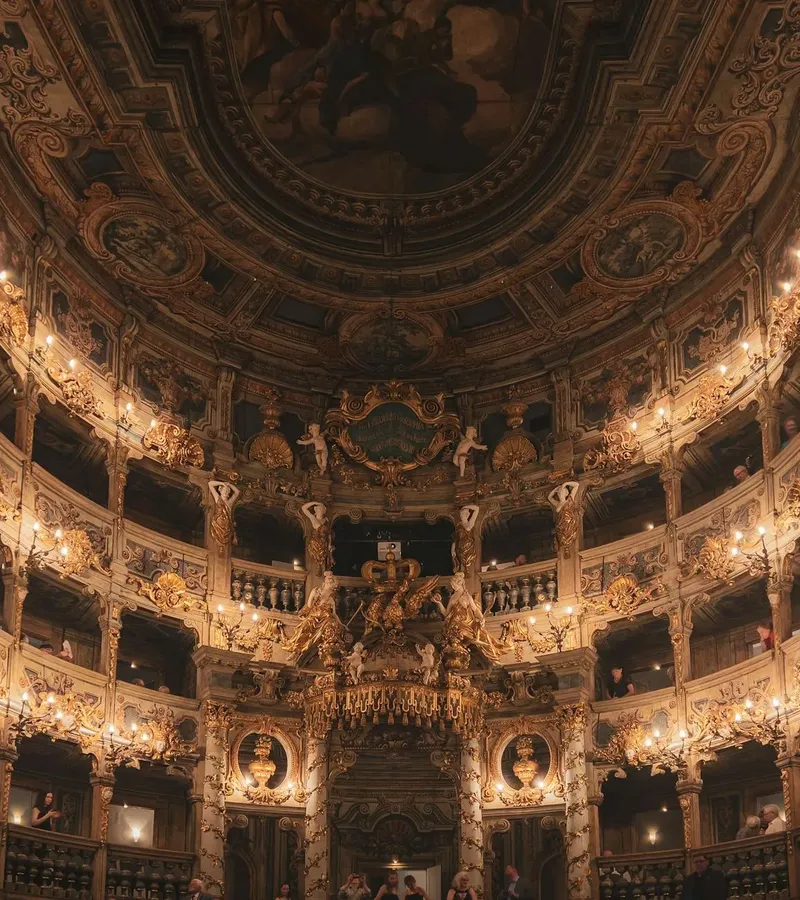
Culture, entertainment, and inspiring ideas for your free time.
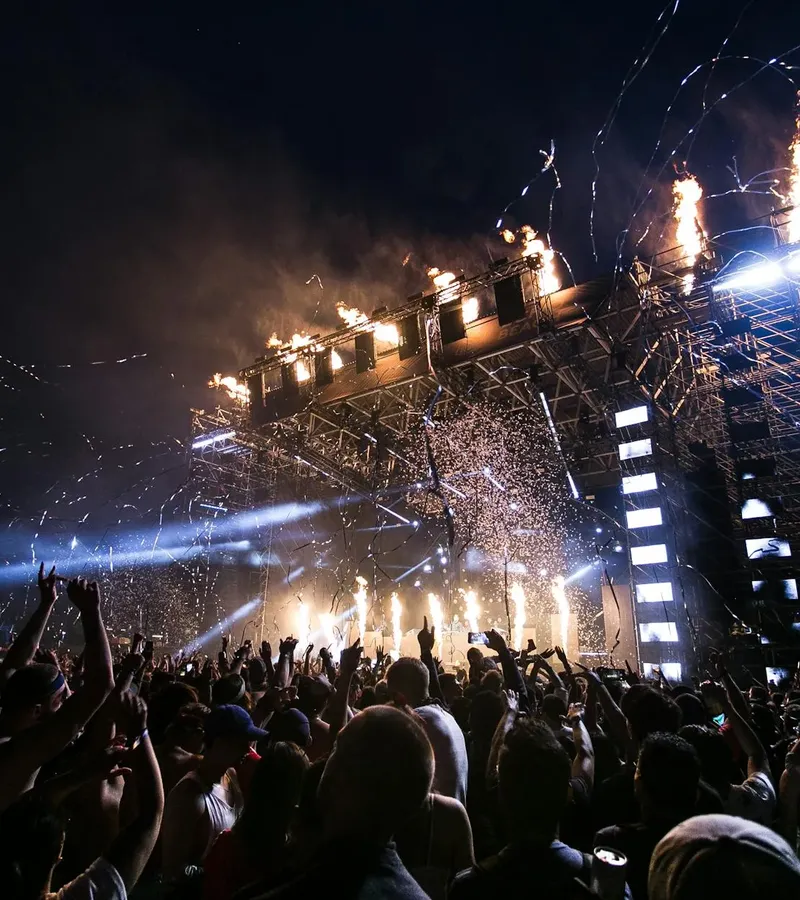
Clubs, culture, and evening plans in the region.

Advice, places, and tips for queer travel locally.
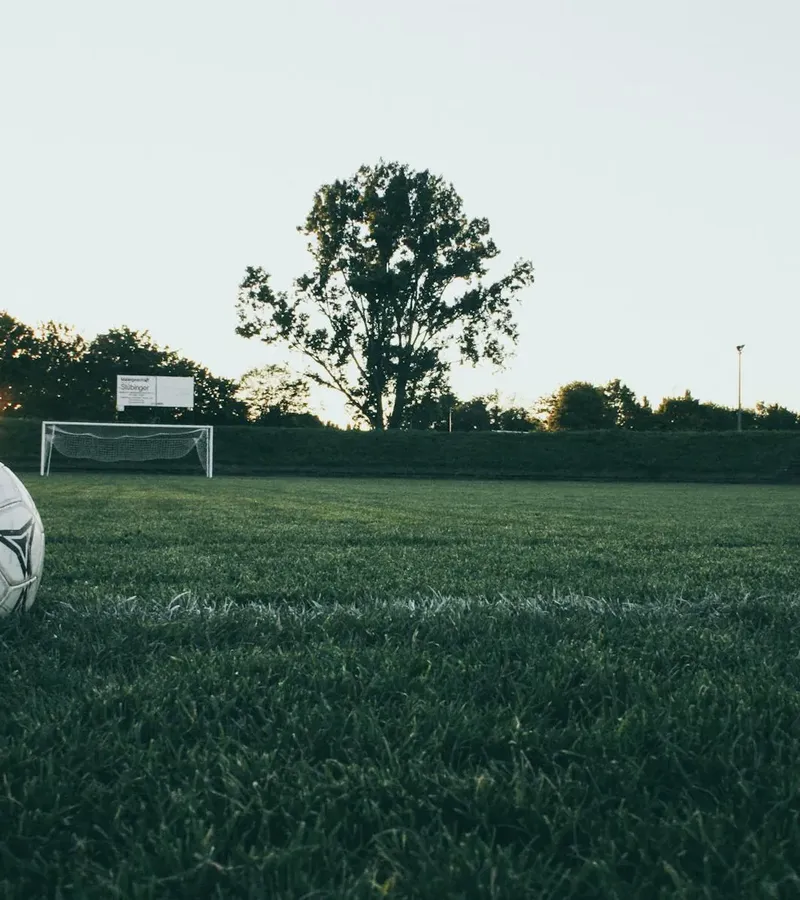
Sports options and well-known clubs in the region.
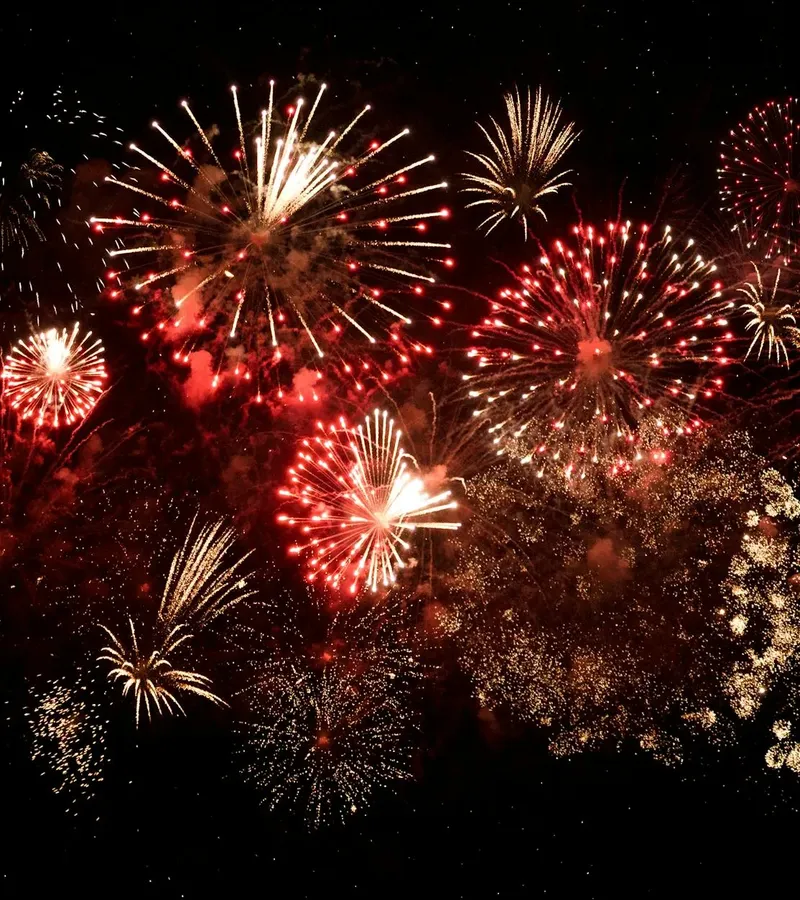
Festivals, highlights, and seasonal events.

Important advice, common pitfalls, and no-gos.

History, background, and interesting context.
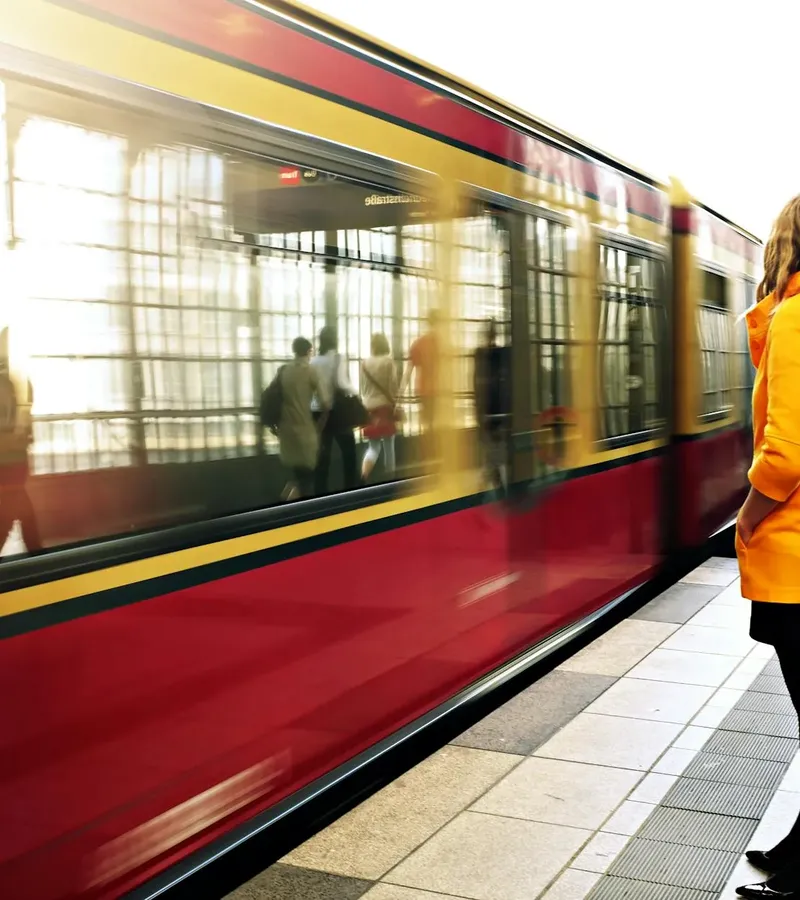
Tips for public transport and arrival.
Sights, highlights, and background information about Rheinland-Pfalz.
Typical dishes, regional classics, and culinary tips.
Souvenirs and special local gifts.
Culture, entertainment, and inspiring ideas for your free time.
Clubs, culture, and evening plans in the region.
Advice, places, and tips for queer travel locally.
Sports options and well-known clubs in the region.
Festivals, highlights, and seasonal events.
Important advice, common pitfalls, and no-gos.
History, background, and interesting context.
Tips for public transport and arrival.