More about Niedersachsen
Sights, highlights, and background information about Niedersachsen.
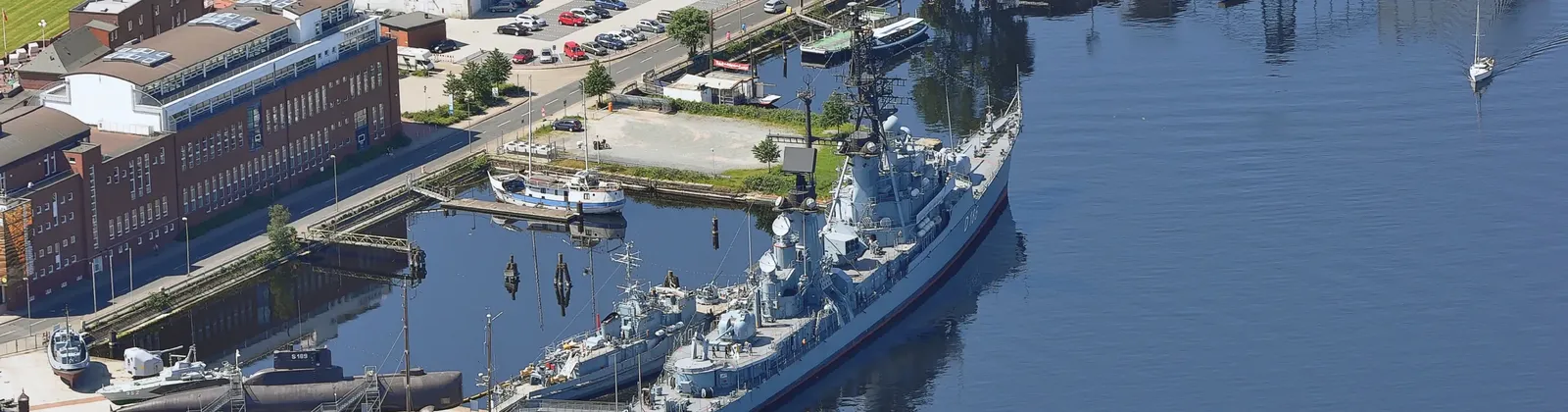
Visitors can experience a city whose development is closely linked to the military, seafaring and industry
Wilhelmshaven is a maritime city on the North Sea coast of Lower Saxony. It was founded in 1869 by King Wilhelm I to create a naval port for Prussia—hence its name. From the very beginning, the city had a strong military character and developed into one of Germany’s most important naval bases. Wilhelmshaven played a central role for the German fleet both during the German Empire and in the world wars. After World War II, the city remained an important base for the Bundeswehr. Today, the port economy, naval history, and modern development combine to form a maritime cityscape.
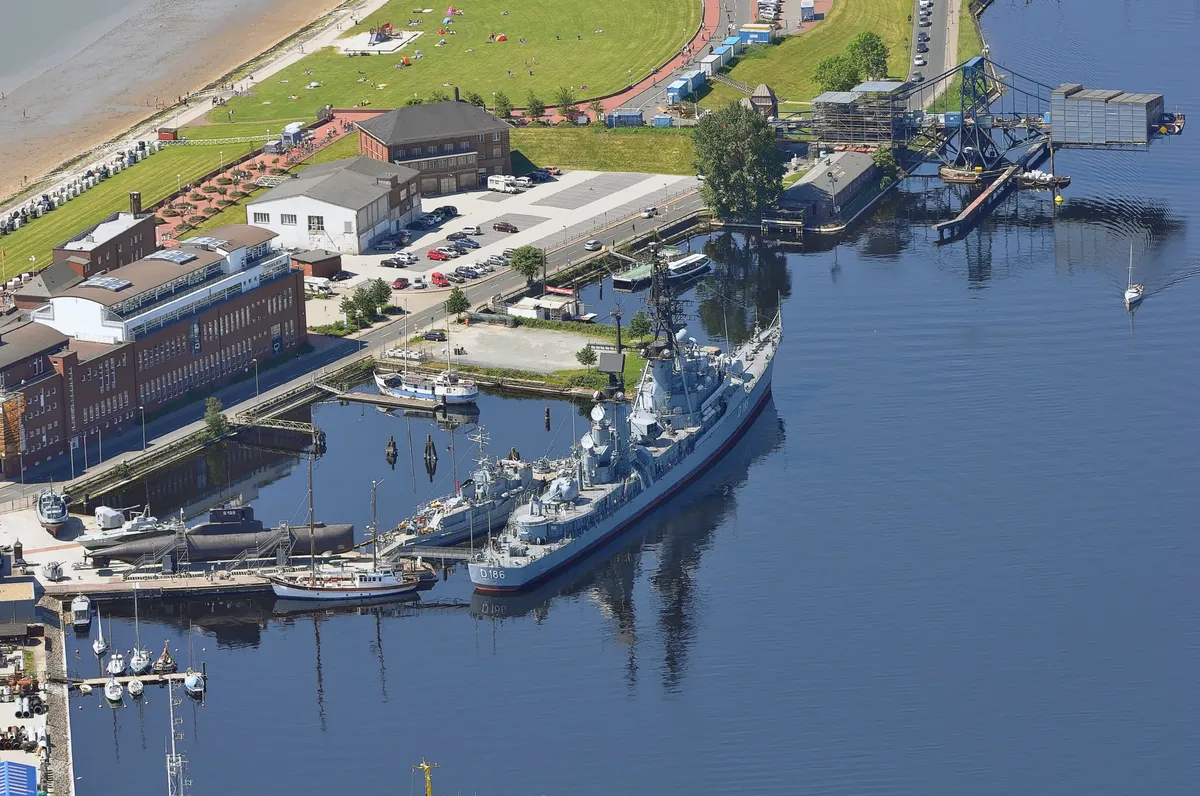
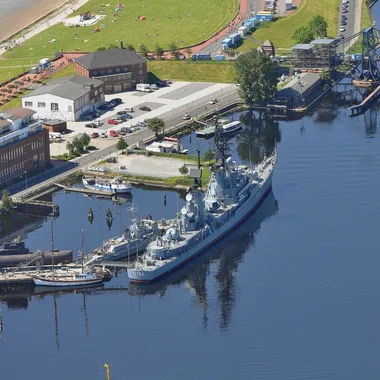
The German Naval Museum is the largest of its kind in Germany and is located directly on the Kaiser Wilhelm Bridge. It presents the history of the German navy from 1848 to the present day. Visitors can view historic ships such as the guided missile destroyer "Mölders", the speedboat "Gepard" and the submarine "U10". The museum also offers exhibitions that illustrate life and work on board.
The covered shopping arcade right next to the station offers a variety of stores, restaurants and events - a popular meeting place for locals and visitors alike.
The Wilhelmshaven Aquarium offers a fascinating journey through the world of the oceans. In addition to native sea creatures, visitors can also discover prehistoric marine dinosaurs in the Prehistoric Sea Museum. A panoramic restaurant with a view of the North Sea rounds off the experience.
Built in 1907, the swing bridge is one of the city's landmarks. It connects the southern part of the city with the southern beach and is one of the largest of its kind in Europe. It is particularly impressive when illuminated at night.
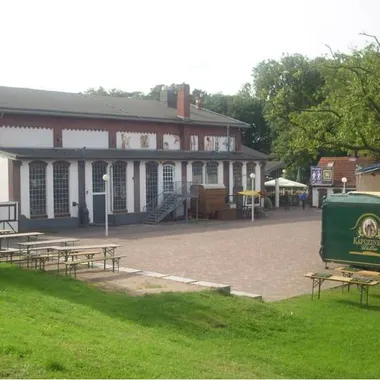
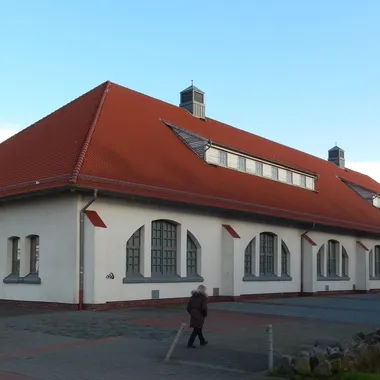
The Pumpwerk is a former industrial building that has been used as a cultural center since 1976. It offers a varied program of music, theater and cabaret and is an important part of cultural life in Wilhelmshaven.
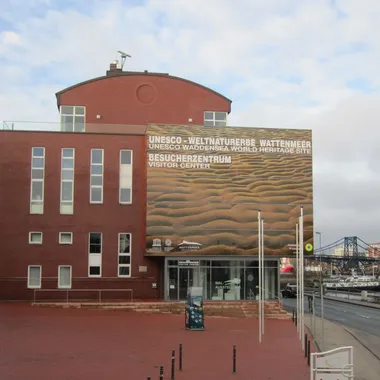
The center offers exciting insights into the unique ecosystem of the Wadden Sea. Experiential exhibitions, mudflat walks and educational programs allow visitors to experience the natural environment.
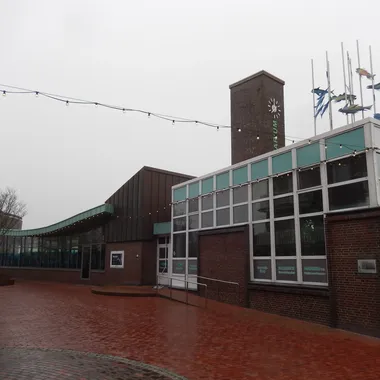
The Coastal Museum vividly illustrates the history and development of the North Sea coast - from storm surges and dyke construction to coastal life. Interactive exhibitions appeal to visitors of all ages.
Störtebeker Park is a play and environmental park that offers children space to run around and discover. With creative play options and a café, it is a popular place for families.
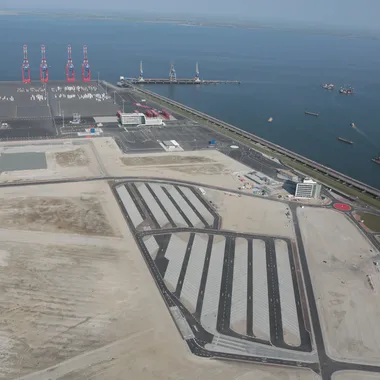
In the InfoCenter, visitors can experience how Germany's only deep-water port works. Multimedia exhibitions explain logistics, shipping and global flows of goods in a clear and interactive way.
The south beach is one of Wilhelmshaven's most popular leisure areas. With beach chairs, cafés and a wonderful view of the Jade Bay, it invites you to relax and take a stroll. The adjacent aquarium and the UNESCO World Heritage Wadden Sea Visitor Center are particularly worth a visit.
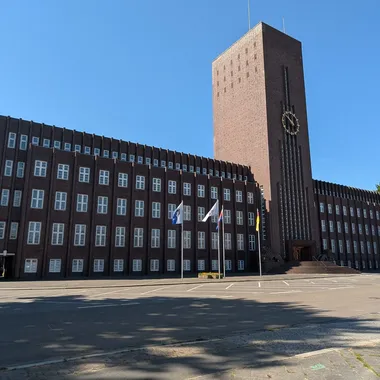
The imposing brick building was built in 1929 in the Expressionist style. With its high tower and representative halls, it is not only the seat of the city administration, but also architecturally remarkable.
The Bunker Museum is located in an original air raid shelter from the Second World War and offers an authentic insight into civilian and military life during the war. With over 1,000 exhibits, life in the bunker is vividly portrayed.
The memorial commemorates the satellite camp of Neuengamme concentration camp, which existed in Wilhelmshaven during the Second World War. Prisoners were forced to work in the shipyards, among other things. However, only a few floor plans of the buildings remain. An information board and the coastal museum provide further information.
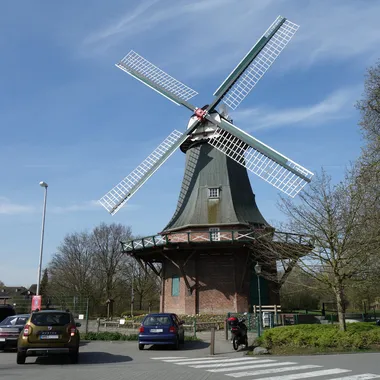
The historic windmill from 1839 is a technical monument and popular photo motif. Today it is used for events and tells the story of rural life around Wilhelmshaven.
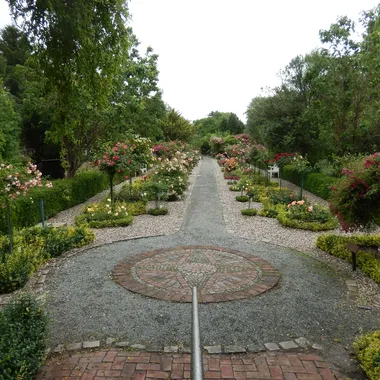
The Rosarium is the largest rosarium in north-west Germany and is home to over 5,000 roses of more than 500 varieties. Visitors will find an oasis of relaxation in individually designed themed gardens. The Rosarium is open from Easter to October.
Sights, highlights, and background information about Niedersachsen.
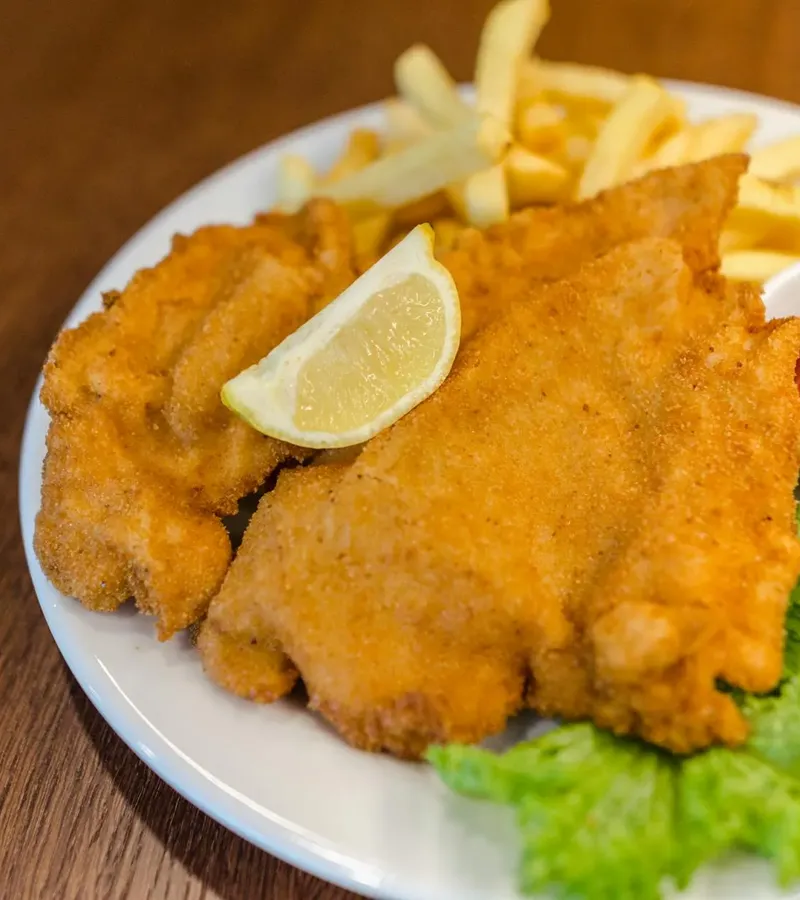
Typical dishes, regional classics, and culinary tips.
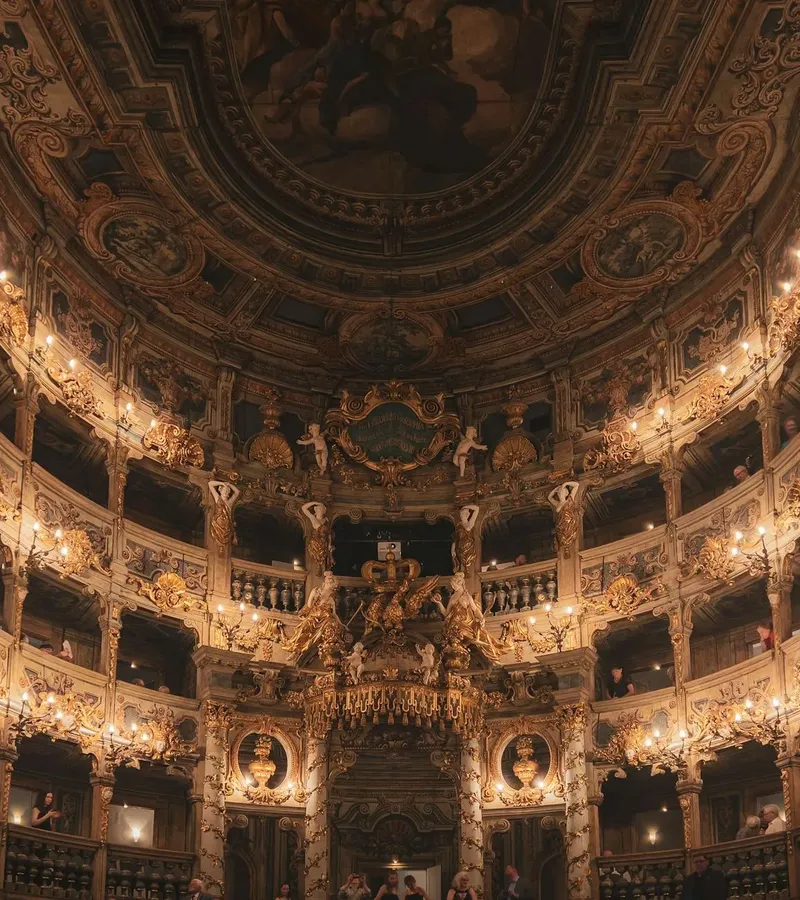
Culture, entertainment, and inspiring ideas for your free time.
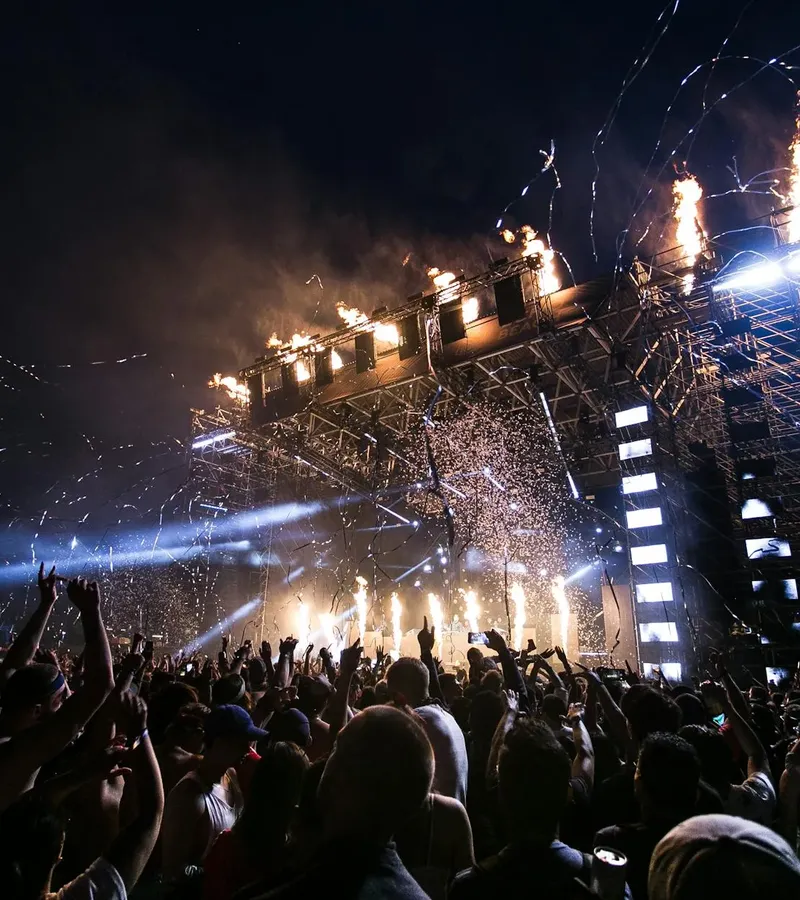
Clubs, culture, and evening plans in the region.

Advice, places, and tips for queer travel locally.

Sports options and well-known clubs in the region.
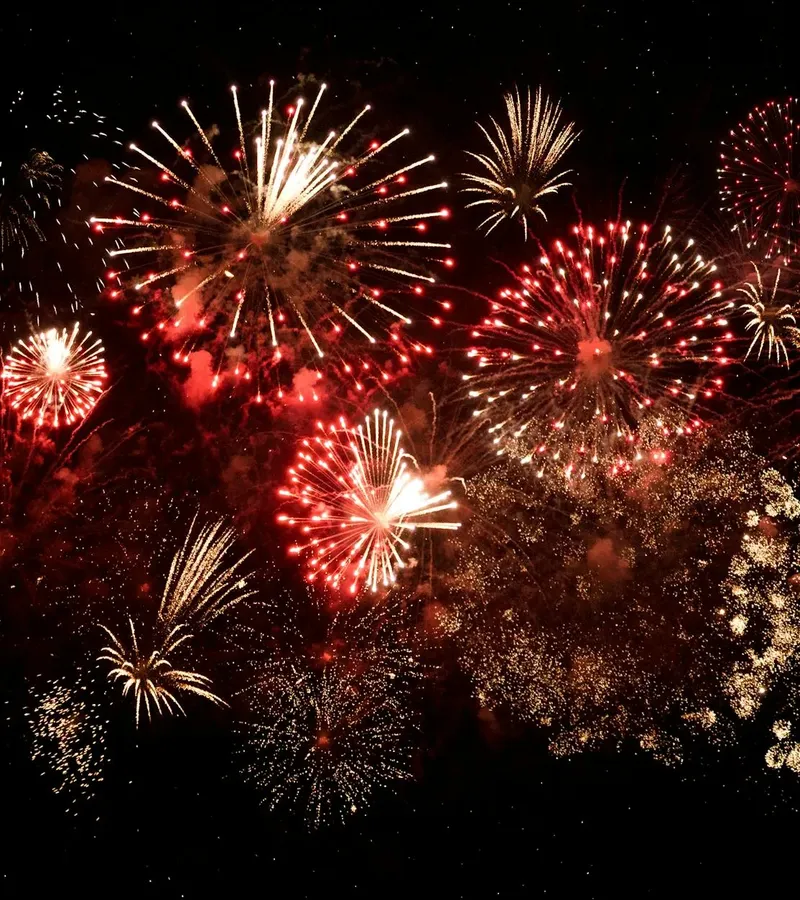
Festivals, highlights, and seasonal events.

Important advice, common pitfalls, and no-gos.

History, background, and interesting context.
Tips for public transport and arrival.
Sights, highlights, and background information about Niedersachsen.
Typical dishes, regional classics, and culinary tips.
Culture, entertainment, and inspiring ideas for your free time.
Clubs, culture, and evening plans in the region.
Advice, places, and tips for queer travel locally.
Sports options and well-known clubs in the region.
Festivals, highlights, and seasonal events.
Important advice, common pitfalls, and no-gos.
History, background, and interesting context.
Tips for public transport and arrival.