More about Niedersachsen
Sights, highlights, and background information about Niedersachsen.

Where the Elbe flows into the North Sea, endless sandy beaches and the Wadden Sea UNESCO World Heritage Site beckon
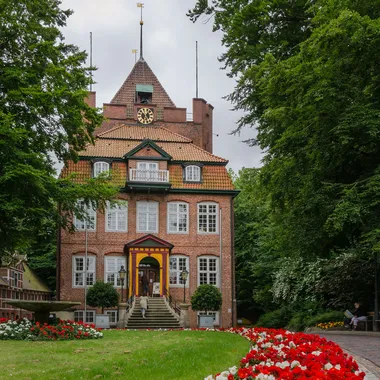
For over 500 years, the town was not an independent city in Lower Saxony, but rather a strategically important exclave of the Hanseatic City of Hamburg. As early as 1394, Hamburg acquired the territory of what was then the Ritzebüttel district to secure crucial access to the North Sea and protect the vital trade route on the Elbe from pirates. The stately Ritzebüttel Castle served as the administrative seat for Hamburg’s district administrators for centuries and is today one of the most significant monuments of that era.
The transformation from a fortified outpost to a resort began in 1816, when the Hamburg district administrator Amandus August Abendroth founded the seaside resort, thereby laying the foundation for today’s tourism. The close political ties to Hamburg did not end until 1937 with the Greater Hamburg Act: as part of a territorial exchange, Cuxhaven became part of Prussia, while Hamburg received cities such as Altona and Harburg in return. One small peculiarity remained, however: the island of Neuwerk, which can be reached on foot from Cuxhaven across the mudflats, still officially belongs to the Hamburg city limits.
Today, Cuxhaven has reinvented itself as one of Germany’s largest seaside health resorts. While beach tourism is booming in the Wadden Sea, a UNESCO World Natural Heritage Site, the port has developed into a state-of-the-art hub for offshore wind energy.
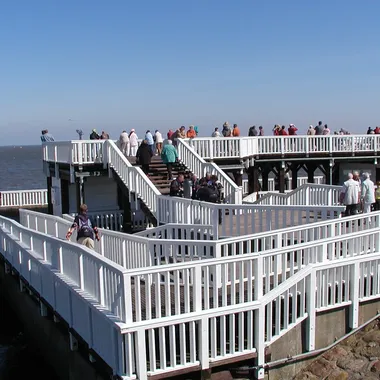
The "Alte Liebe" is a traditional viewing platform at the port of Cuxhaven. Visitors can watch large cargo ships, cruise liners and the Elbe ferries from here. The platform is a popular meeting place and ideal for experiencing maritime events up close and taking photos.
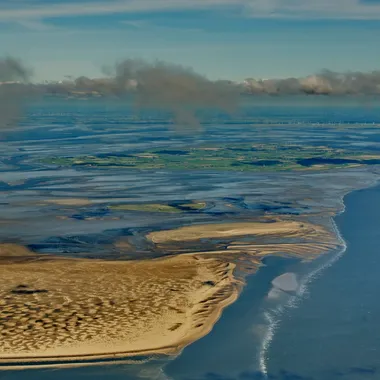
The national park protects the North Frisian part of the Wadden Sea. Visitors can experience a diverse natural environment with salt marshes, dunes and rich wildlife. The area is ideal for guided mudflat walks and bird watching.
The "Windstärke 10" is a well-known passenger ship in Cuxhaven that offers regular excursions on the North Sea and along the coast. The trips are a great way to experience the sea, the islands and the harbor from a different perspective - whether on a short round trip or longer tours.
The historic castle in Cuxhaven was once the seat of the port administration and is now a cultural center with exhibitions and events. It is an important testimony to the region's history.
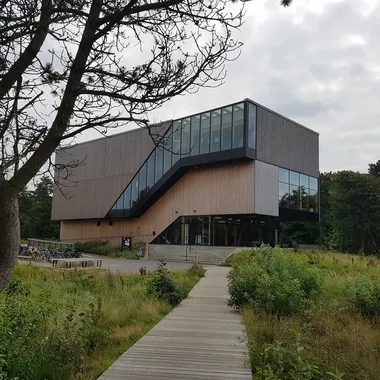
The Wadden Sea Visitor Center in Cuxhaven provides vivid information about the Wadden Sea UNESCO World Heritage Site - one of the largest contiguous tidal flats in the world. Interactive exhibitions and guided tours explain the unique ecosystem, the wildlife and the protection of this sensitive habitat.
Adventuregolf offers fun for all ages with imaginative minigolf courses in a maritime setting. A great leisure activity for families, groups of friends or couples.
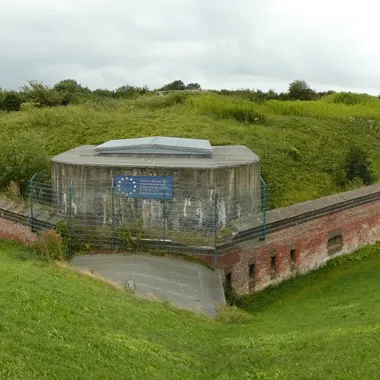
Fort Kugelbake is a historic coastal fort from the 19th century, which was built to protect the Elbe estuary. Today it is a popular place to stroll and linger with an impressive view of the Wadden Sea, the North Sea and the harbor. The fort offers insights into the military history of the region and is surrounded by green spaces that invite you to explore.
The Küstenheide is a natural recreational area with heathland, dunes and hiking trails. It invites you to take a walk and observe nature and is home to rare plants and animals.
Grimmershörner Strand is a popular sandy beach with good infrastructure, ideal for bathers, walkers and families. From here you have a beautiful view of the harbor and the Elbe estuary.
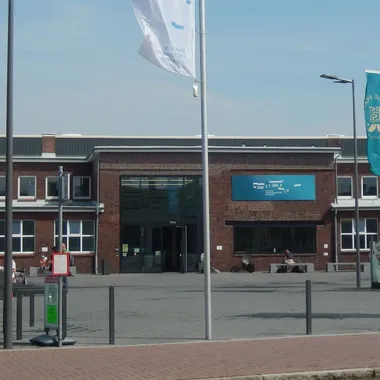
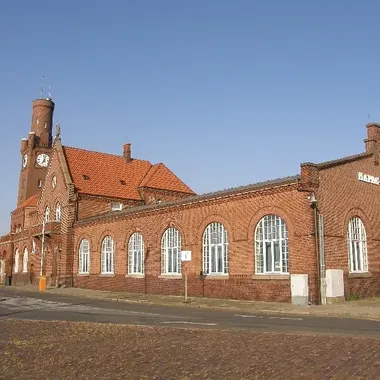
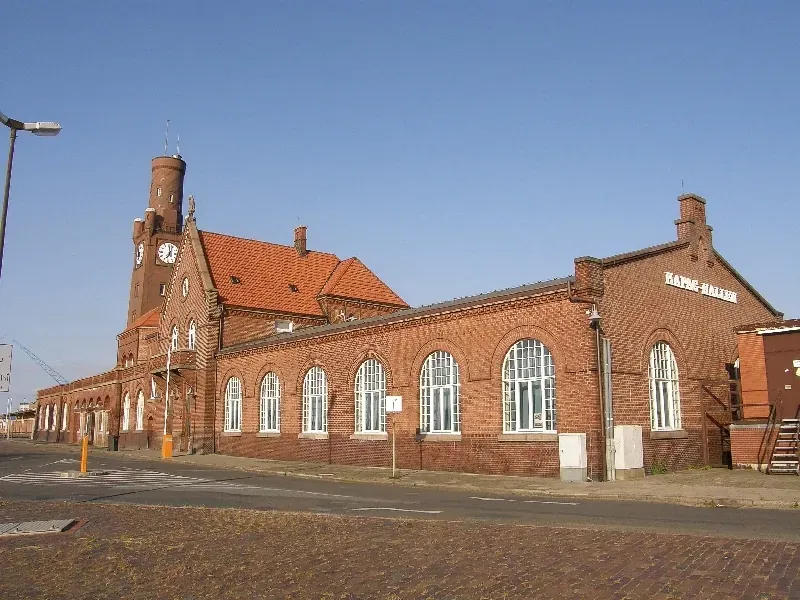
The Hapag-Hallen are a former port and warehouse building that is now used for cultural purposes. Concerts, exhibitions and markets take place here, creating a lively link between industrial history and the present.
This information center near Cuxhaven offers exhibitions, educational programs and events about the Wadden Sea and the North Sea coast. It serves as a contact point for nature lovers and families.
The historic lightship "ELBE 1" is a museum ship in the harbor and shows the history of navigation safety on the Elbe. Visitors can go on board and experience life on one of the last lightships (a ship that serves as a lighthouse).
The water tower is a striking landmark of the city. The round brick building was built at the beginning of the 20th century and served for a long time as part of the town's water supply. Today, the tower with its characteristic shape and red bricks dominates the city skyline and is a reminder of Cuxhaven's industrial development.
Sights, highlights, and background information about Niedersachsen.
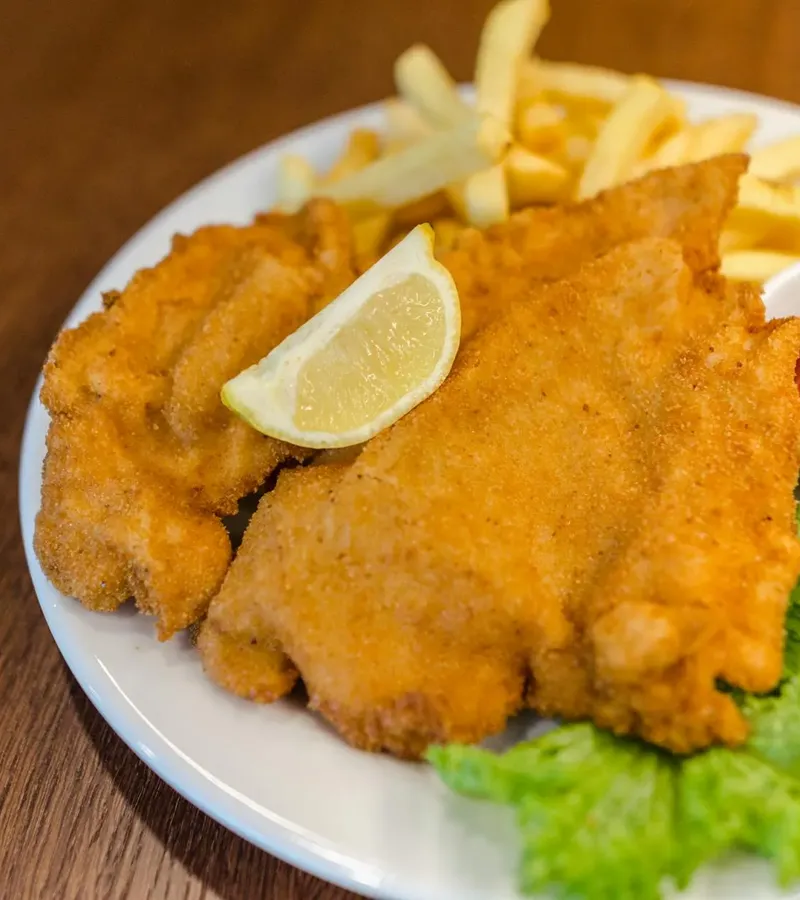
Typical dishes, regional classics, and culinary tips.
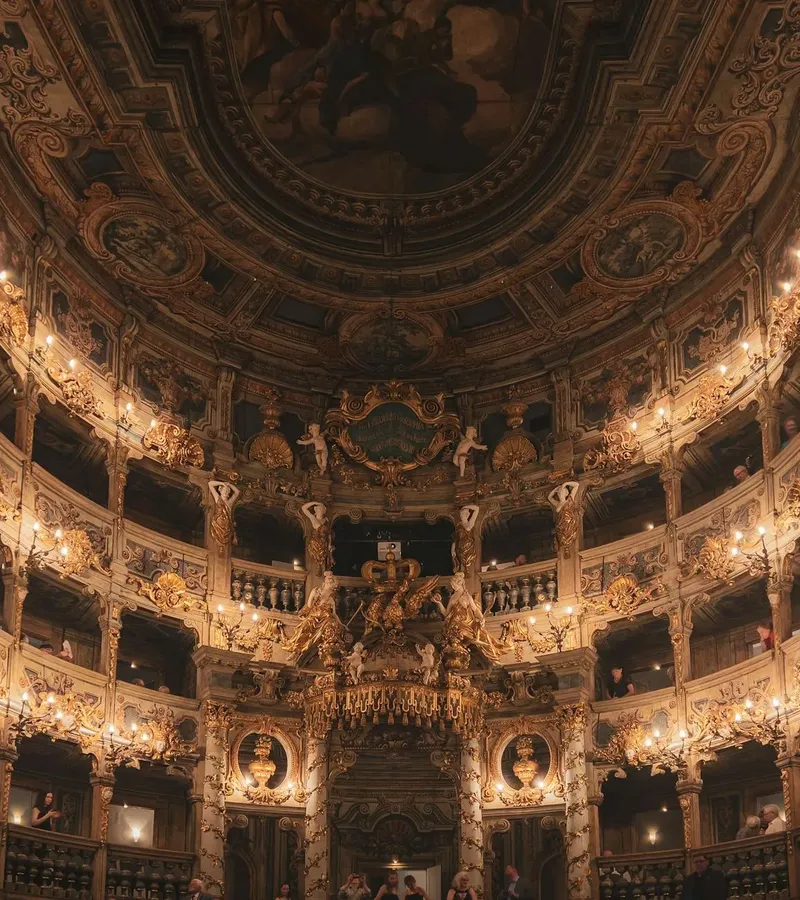
Culture, entertainment, and inspiring ideas for your free time.

Clubs, culture, and evening plans in the region.

Advice, places, and tips for queer travel locally.

Sports options and well-known clubs in the region.

Festivals, highlights, and seasonal events.

Important advice, common pitfalls, and no-gos.

History, background, and interesting context.
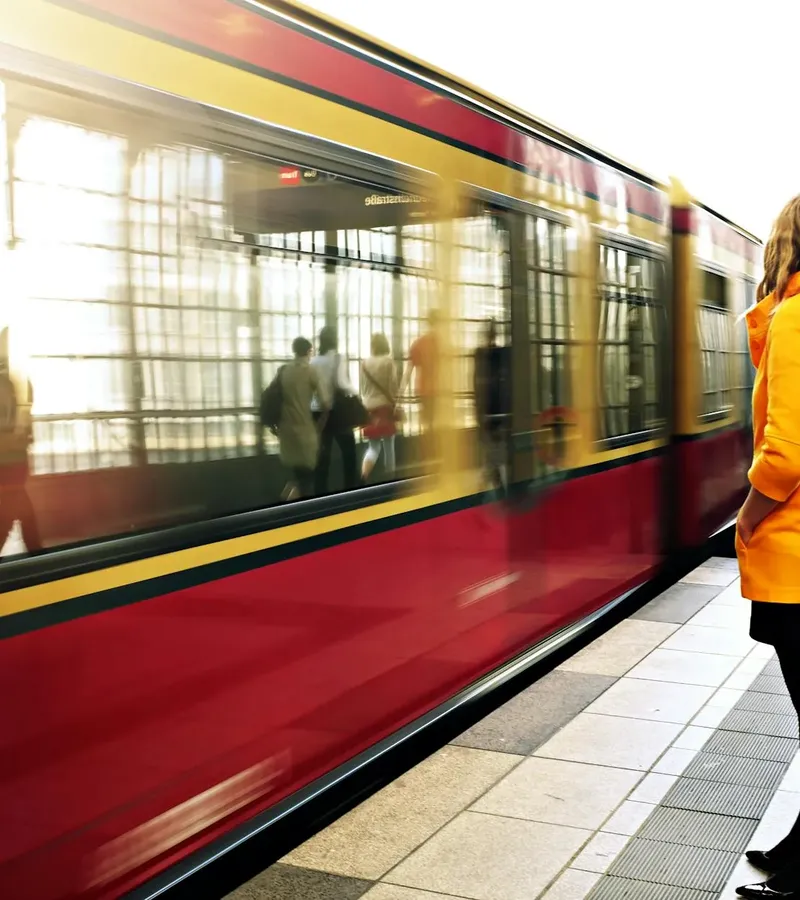
Tips for public transport and arrival.
Sights, highlights, and background information about Niedersachsen.
Typical dishes, regional classics, and culinary tips.
Culture, entertainment, and inspiring ideas for your free time.
Clubs, culture, and evening plans in the region.
Advice, places, and tips for queer travel locally.
Sports options and well-known clubs in the region.
Festivals, highlights, and seasonal events.
Important advice, common pitfalls, and no-gos.
History, background, and interesting context.
Tips for public transport and arrival.