More about Niedersachsen
Sights, highlights, and background information about Niedersachsen.
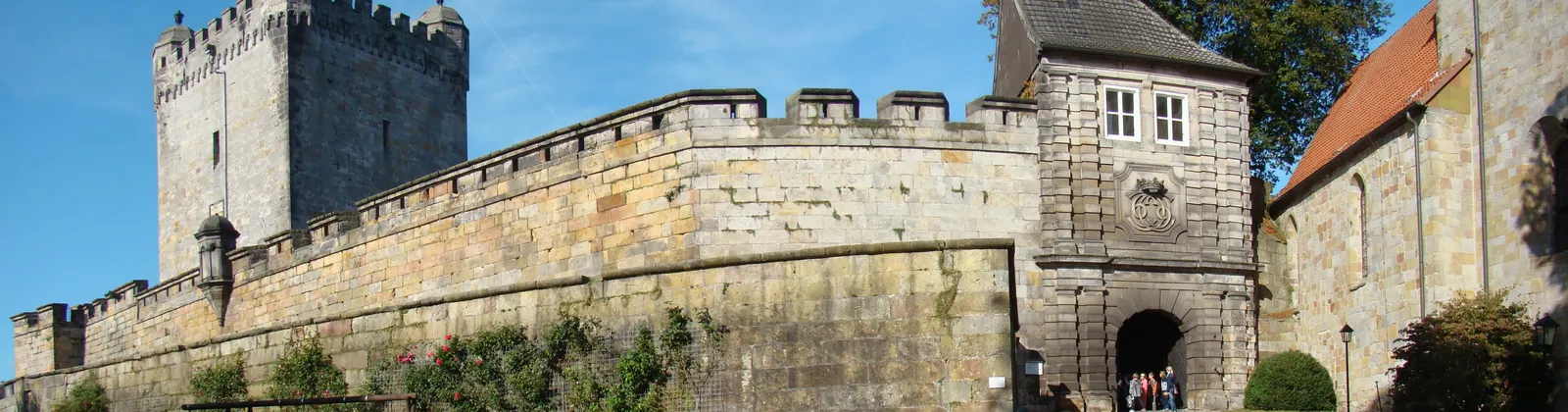
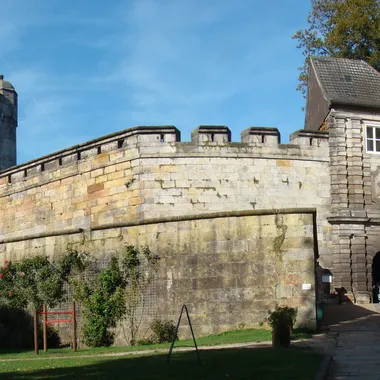
The mighty sandstone castle towers above the town, while the thermal brine bath invites you to enjoy pure relaxation.
The town was first mentioned in historical records as early as the 11th century. Bentheim Castle played a central role; during the High Middle Ages, it served as the seat of the Counts of Bentheim and shaped the town politically, economically, and culturally.
The region became famous over the centuries for its characteristic Bentheim sandstone—this sought-after building material was exported to many countries and was used, among other things, in the construction of Amsterdam’s City Hall.
In the 18th century, Bad Bentheim developed into a spa town after the beneficial effects of the local sulfur springs were discovered. Since 1979, the town has officially borne the title “Bad” in its name and has since been known as a health resort.
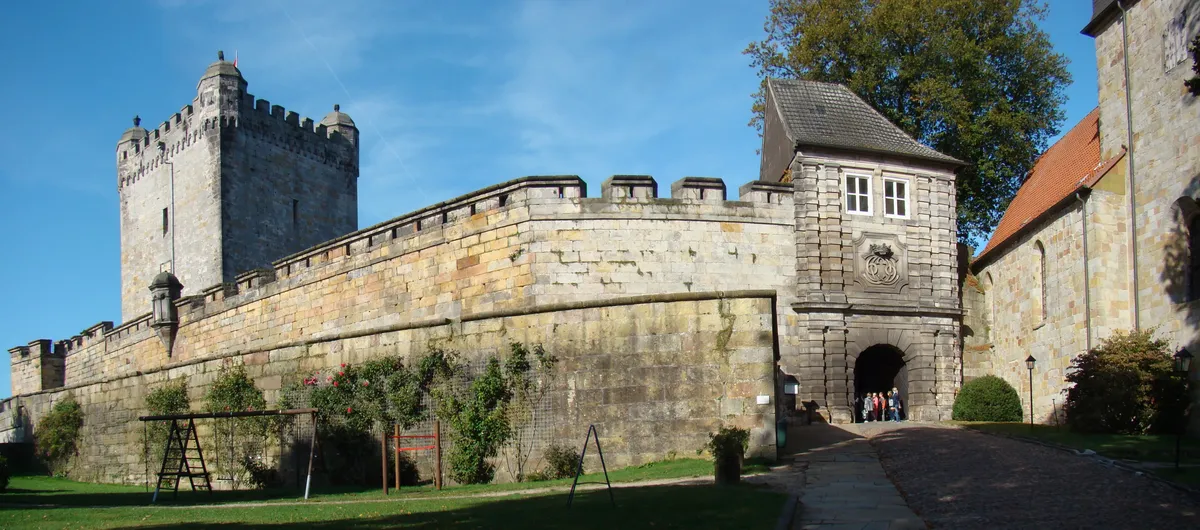
The mighty Bentheim Castle towers above the town and is one of the most important preserved hilltop castles in northern Germany. With almost 1,000 years of history, it offers guided tours through Gothic knights' chambers, views from bastion towers and regular medieval events. Every year in the summer months, the grounds around Bentheim Castle are transformed into an open-air stage. The open-air plays offer drama, musicals and children's plays in an atmospheric setting.
The historic watermill in Gildehaus stands for traditional technology and rural culture. It is usually open to the public and guided tours show how grain was ground in the past - a living testimony to regional craft traditions.
This open-air museum in the countryside exhibits rock formations and fossils from the region - ideal for anyone interested in the history of the earth, geology and the living structure of the earth's layers.
The Sandstone Museum focuses on regional stories about sandstone - from quarrying to processing. Bentheim sandstone, also known as "Bentheim gold", is historically significant for buildings in Germany and the Netherlands.
This beautiful little museum is dedicated to the life and work of the artist Otto Pankok. On display are drawings, woodcuts and prints in changing exhibitions. Visitors appreciate the compact but impressive presentation
A rarely mentioned but charming museum: the stamp museum displays postage stamps, philatelic collections and provides information about class libraries on postal history.
Sights, highlights, and background information about Niedersachsen.
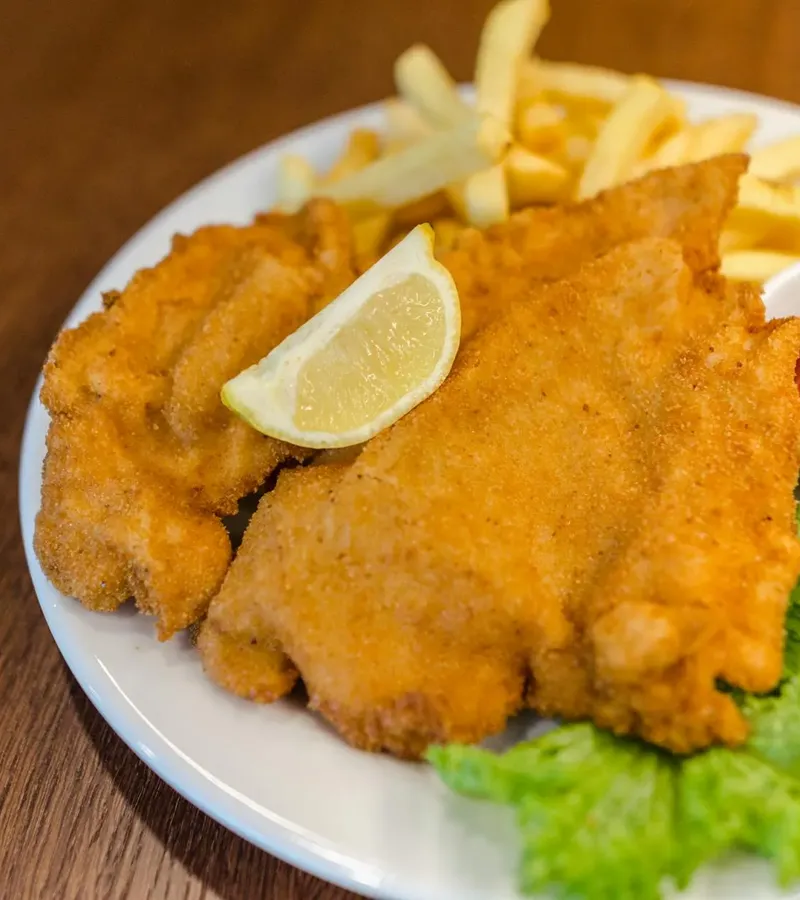
Typical dishes, regional classics, and culinary tips.
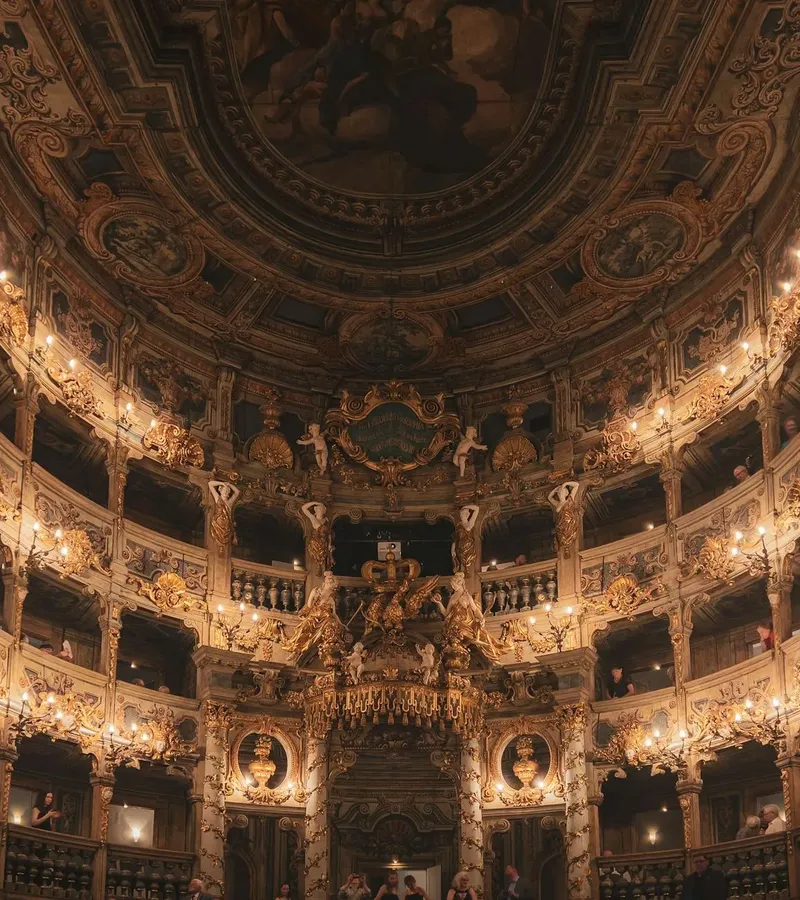
Culture, entertainment, and inspiring ideas for your free time.
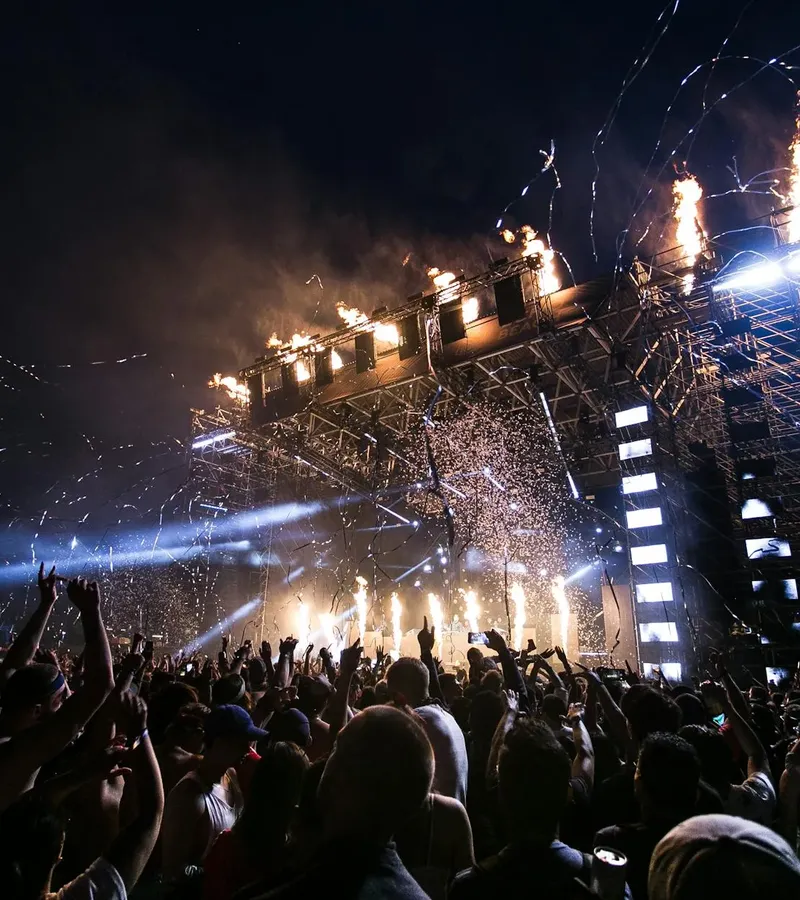
Clubs, culture, and evening plans in the region.

Advice, places, and tips for queer travel locally.

Sports options and well-known clubs in the region.
Festivals, highlights, and seasonal events.

Important advice, common pitfalls, and no-gos.
History, background, and interesting context.
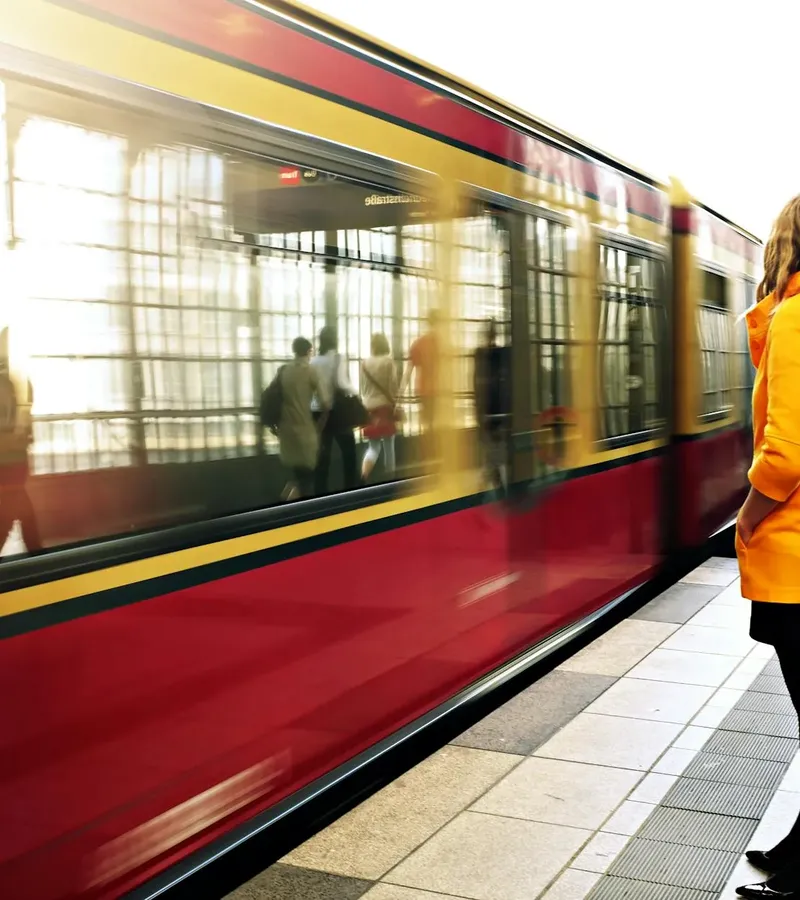
Tips for public transport and arrival.
Sights, highlights, and background information about Niedersachsen.
Typical dishes, regional classics, and culinary tips.
Culture, entertainment, and inspiring ideas for your free time.
Clubs, culture, and evening plans in the region.
Advice, places, and tips for queer travel locally.
Sports options and well-known clubs in the region.
Festivals, highlights, and seasonal events.
Important advice, common pitfalls, and no-gos.
History, background, and interesting context.
Tips for public transport and arrival.