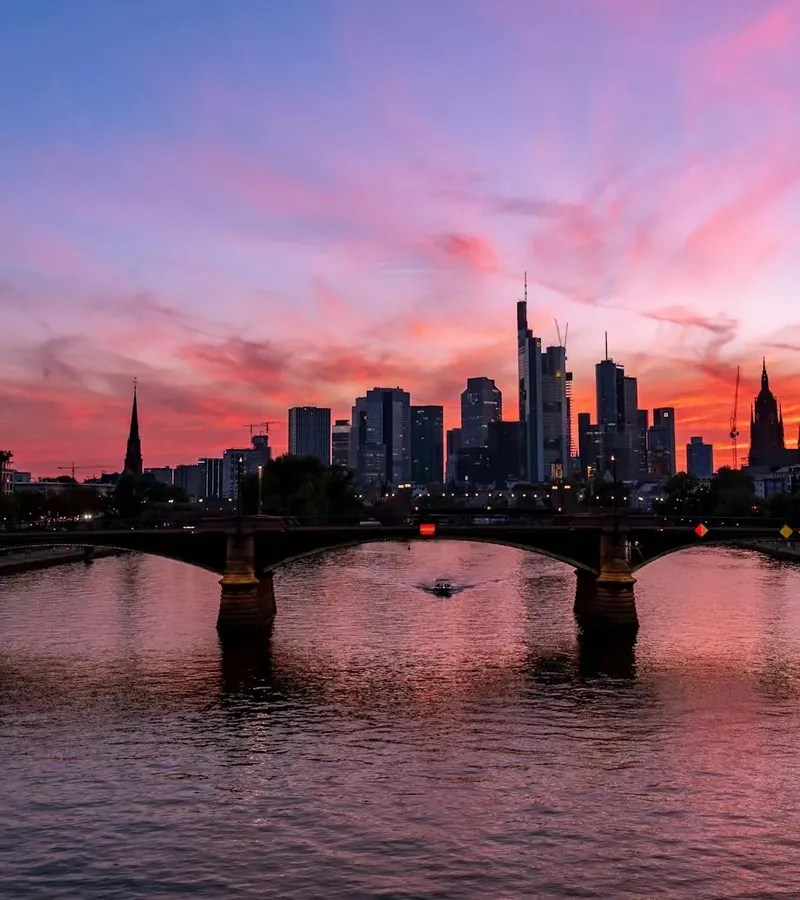
More about Hessen
Sights, highlights, and background information about Hessen.
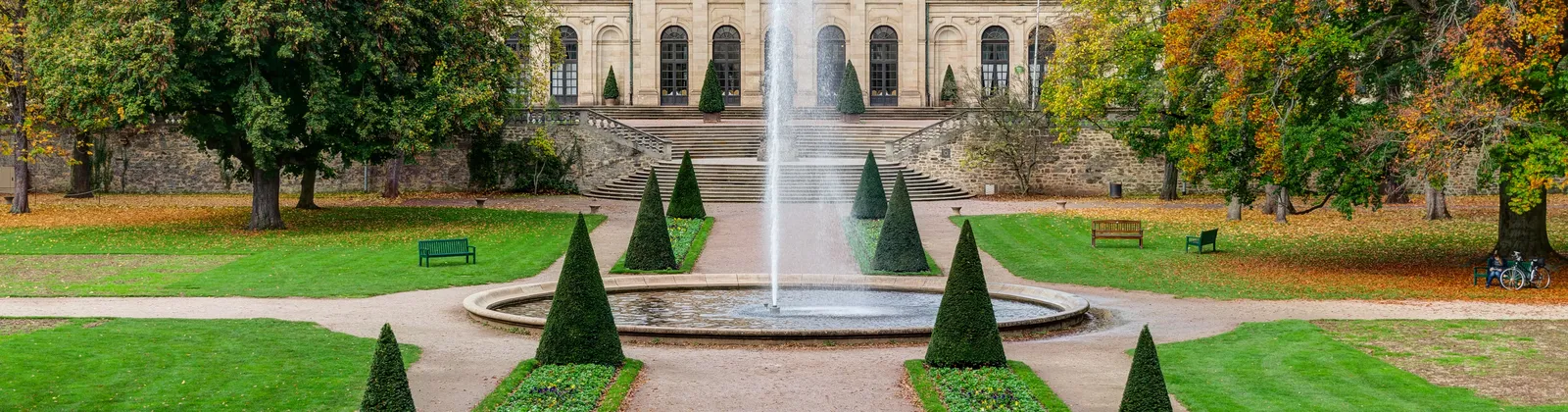
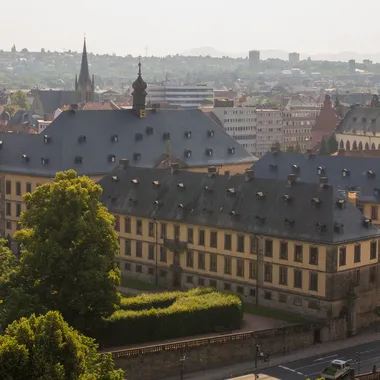
The baroque city impresses with its magnificent cathedral, the residential palace and an almost Mediterranean flair in the old town
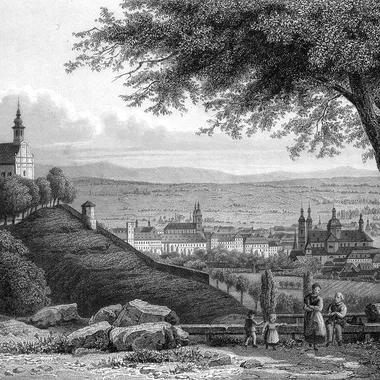
Located in eastern Hesse, Fulda is a Baroque royal seat with a long religious and cultural tradition. It was founded around 744 as a Benedictine monastery and quickly developed into a center of learning and faith. Today, Fulda combines impressive architecture with green spaces and a charming downtown area.
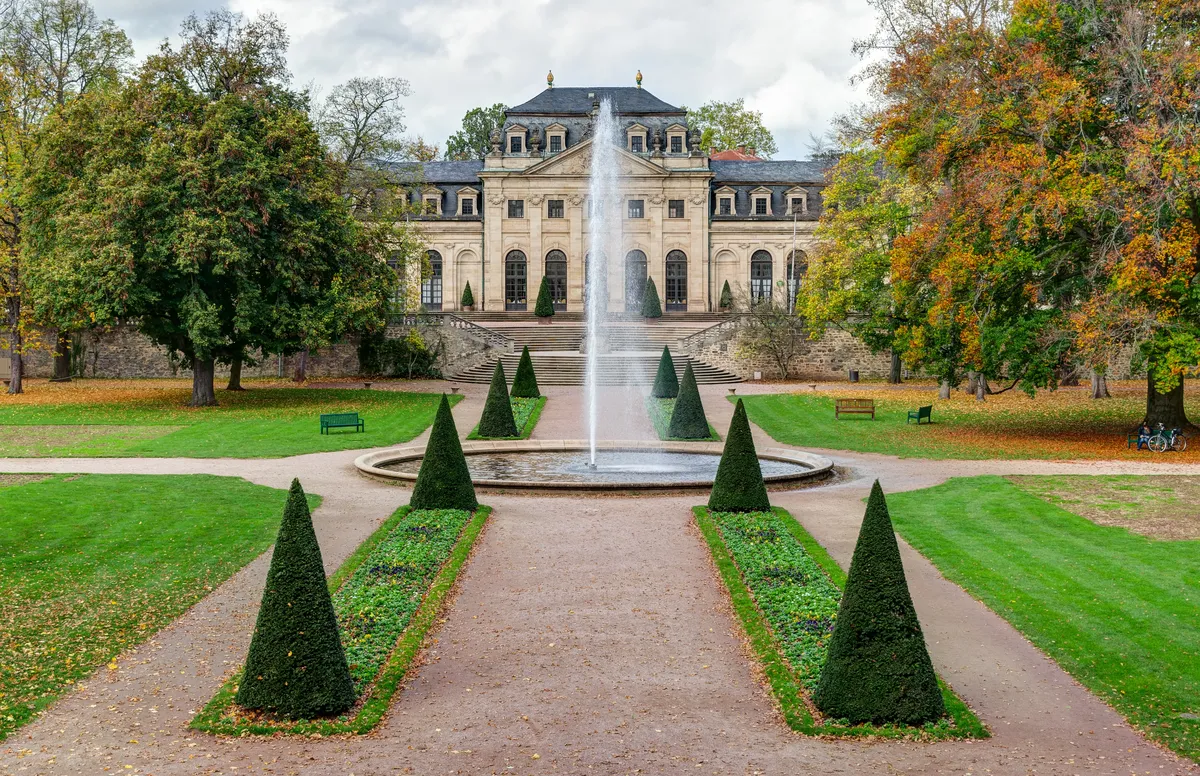
The former residence palace of the prince abbots and prince-bishops now houses a museum with original rooms, a porcelain collection and magnificent halls. The Hall of Mirrors is a particular highlight and is also used for concerts and weddings.
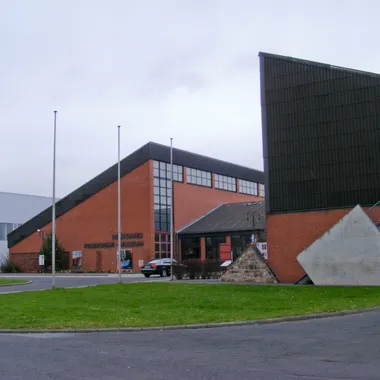
This special museum shows the history of the fire department - from historic fire engines and uniforms to modern technology. Models, original vehicles and hands-on stations bring the subject to life and make it exciting for all age groups.
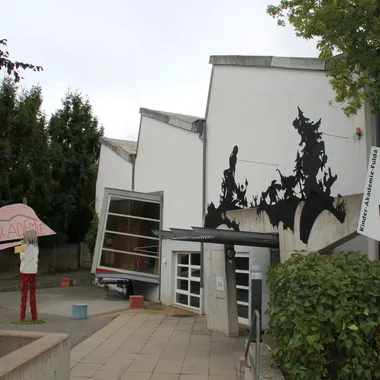
An interactive museum for young explorers. At KAF, children can research, design and experiment for themselves. The centerpiece is the walk-in heart model - ideal for playfully exploring the human body.
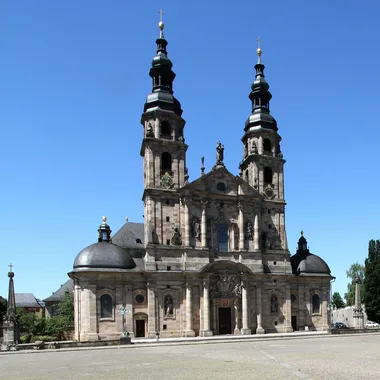
The imposing baroque cathedral of St. Salvator is the city's landmark. It was built at the beginning of the 18th century and houses the tomb of St. Boniface, the "Apostle of the Germans". With its magnificent dome and ornate interior, it is a spiritual and architectural center.
This Franciscan monastery with a church, monastery garden and café is located on a hill above the city. It not only offers a spiritual atmosphere, but also a magnificent view over Fulda. Events, guided tours and quiet retreats make the Frauenberg a special place.
Located right next to the cathedral, the museum displays sacred art, relics, liturgical vestments and precious manuscripts. The exhibits from the time of the Imperial Abbey of Fulda and the work of Boniface are particularly impressive.
The largest regional museum in Eastern Hesse is dedicated to the history, art and nature of the region. It comprises three main areas: urban and cultural history, natural history and a collection of fine art. A planetarium completes the diverse offer.
The baroque parish church of St. Blasius is located in the heart of the old town. With its elegant twin-tower façade and bright, festive interior, it is an important spiritual place and an integral part of the historic cityscape.
Located right next to the palace gardens, the dahlia garden displays over 1,500 varieties of dahlias in bloom every year from late summer to fall. The colorful splendor and well-tended paths invite visitors to linger and take photos.
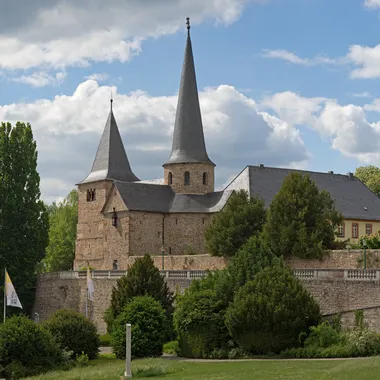
This small church from the 9th century is considered to be one of the oldest churches north of the Alps and an important example of Carolingian architecture. The underground crypt from around 820 is particularly impressive.
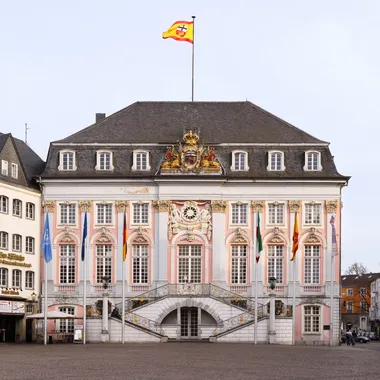
The late Gothic Old Town Hall with its striking stepped gables stands directly on Universitätsplatz. Today it is used for cultural events. It is one of the oldest preserved secular buildings in Fulda.
This unique exhibition is all about the recorder - an often underestimated instrument. Visitors can learn all about the history, construction and variety of sounds. Interactive stations invite you to try it out and join in - a real highlight for music lovers.
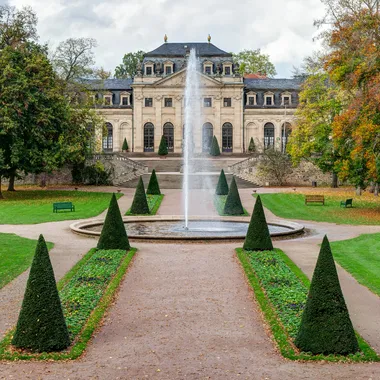
The symmetrically laid out baroque garden is a green oasis in the city. With flowerbeds, fountains and views of the city palace, it is a popular place to stroll and relax - especially in spring and summer.
Sights, highlights, and background information about Hessen.
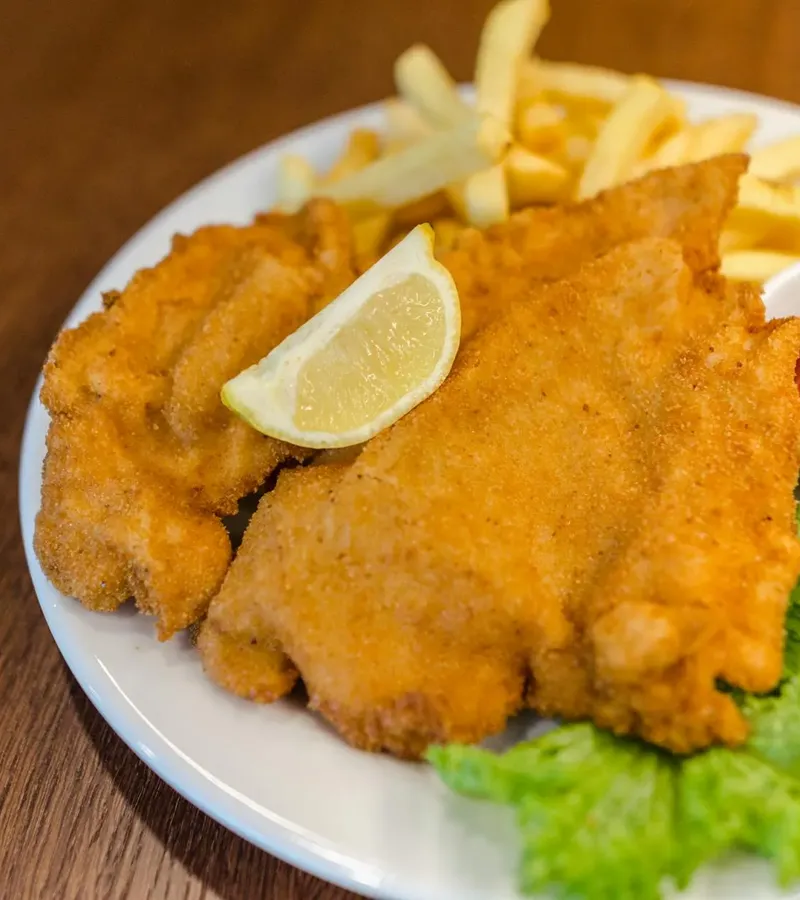
Typical dishes, regional classics, and culinary tips.
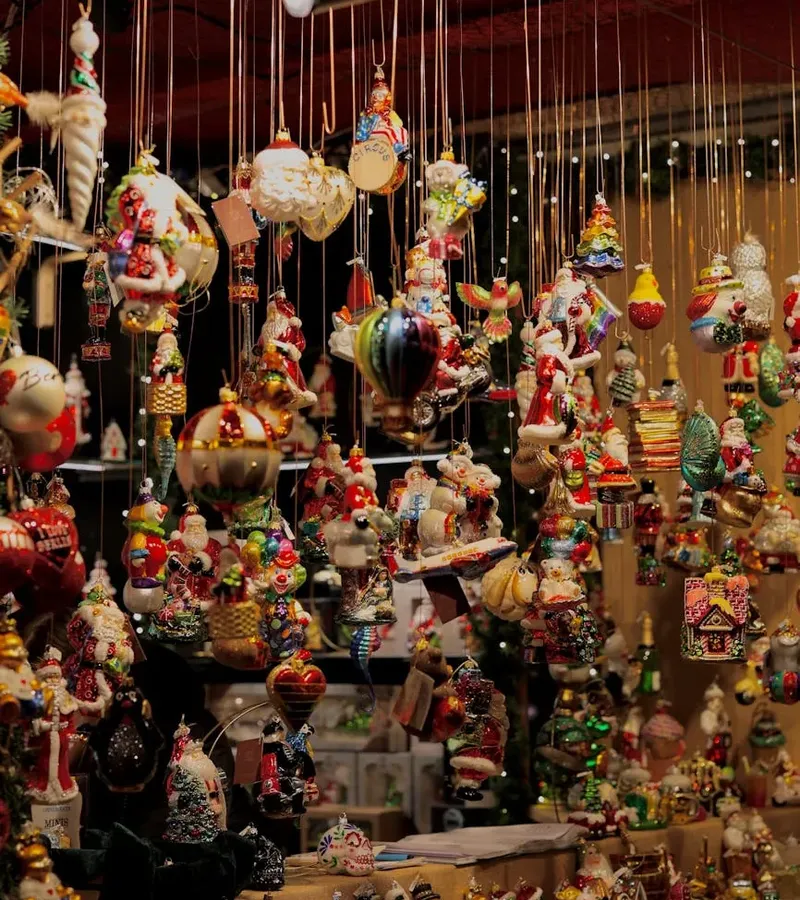
Souvenirs and special local gifts.
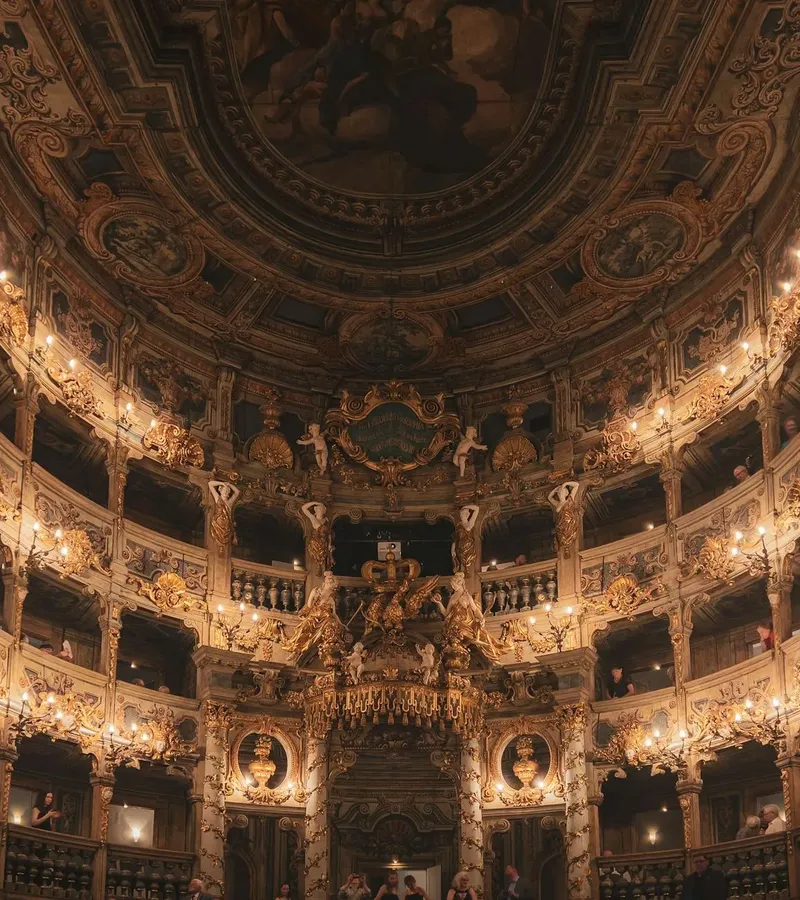
Culture, entertainment, and inspiring ideas for your free time.
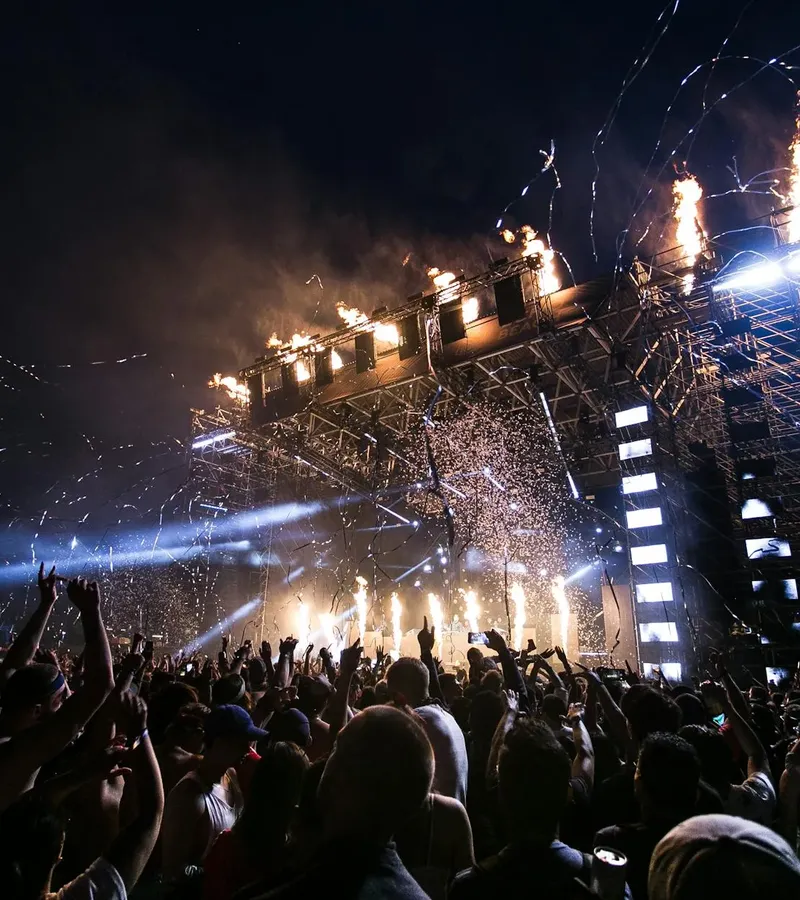
Clubs, culture, and evening plans in the region.

Advice, places, and tips for queer travel locally.

Sports options and well-known clubs in the region.
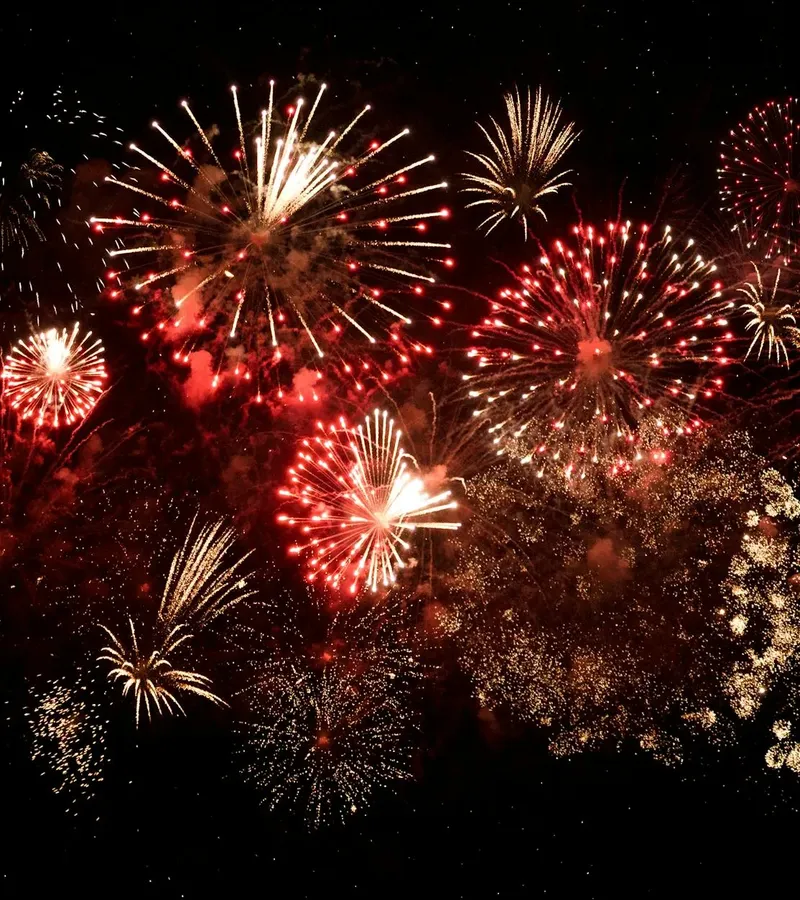
Festivals, highlights, and seasonal events.

Important advice, common pitfalls, and no-gos.
History, background, and interesting context.
Tips for public transport and arrival.
Sights, highlights, and background information about Hessen.
Typical dishes, regional classics, and culinary tips.
Souvenirs and special local gifts.
Culture, entertainment, and inspiring ideas for your free time.
Clubs, culture, and evening plans in the region.
Advice, places, and tips for queer travel locally.
Sports options and well-known clubs in the region.
Festivals, highlights, and seasonal events.
Important advice, common pitfalls, and no-gos.
History, background, and interesting context.
Tips for public transport and arrival.