More about Hessen
Sights, highlights, and background information about Hessen.
Mathildenhöhe combines Art Nouveau architecture and modern science to create an inspiring synthesis of the arts
Originally established as the seat of the Landgraves of Hesse-Darmstadt, Darmstadt developed into an important center of the Art Nouveau movement, which found its expression here in the early 20th century. The city was heavily damaged during World War II but was subsequently rebuilt with modern and functional structures.
The central heart of Darmstadt with the Ludwigsmonument, numerous cafés and stores. Important streets intersect here and it is a lively meeting place for locals and visitors alike.
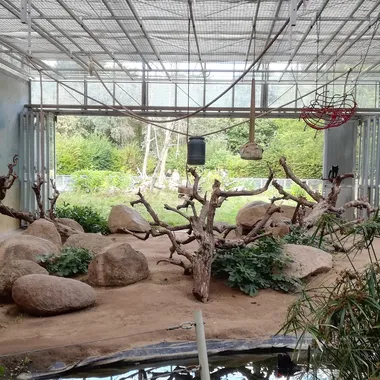
A family-friendly zoo with over 200 animal species - from meerkats to crocodiles. The vivarium offers both outdoor enclosures and tropical houses and emphasizes education and biodiversity.
Darmstadt's oldest public park and the city's green lung. With extensive meadows, old trees and walking paths, the Herrngarten invites you to relax, jog or picnic.
The Comedy Hall is a popular venue for cabaret, comedy and cabaret. Visitors experience varied programs and humorous evenings in a cozy atmosphere.
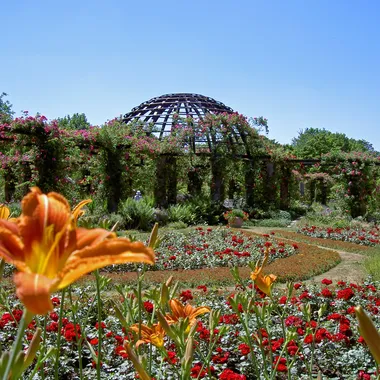
An extensive park with well-tended rose gardens, historic tombs and walking paths. Rosenhöhe was laid out as a landscaped park in the 19th century and is now a peaceful place to relax - especially during the flowering season in summer.
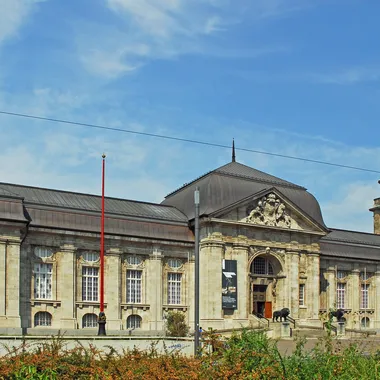
This museum combines art, natural and cultural history under one roof. It exhibits works by Joseph Beuys, Art Nouveau objects, fossils from the Messel primeval forest and an impressive collection of prints and paintings.
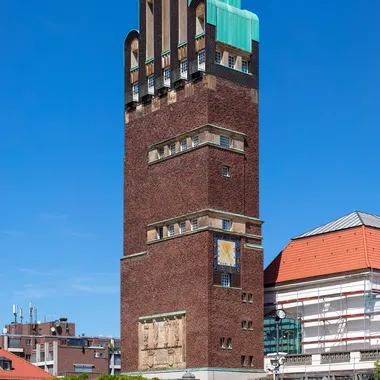
Darmstadt's landmark on the Mathildenhöhe was built in 1908 to mark the 25th wedding anniversary of Grand Duke Ernst Ludwig. The striking Art Nouveau tower is open to the public and offers a great view over the city.
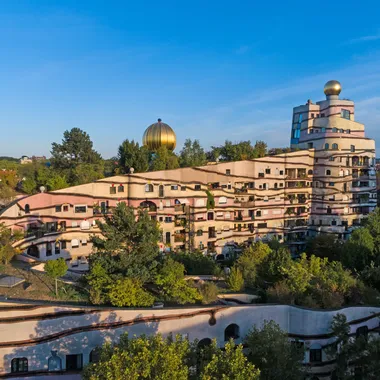
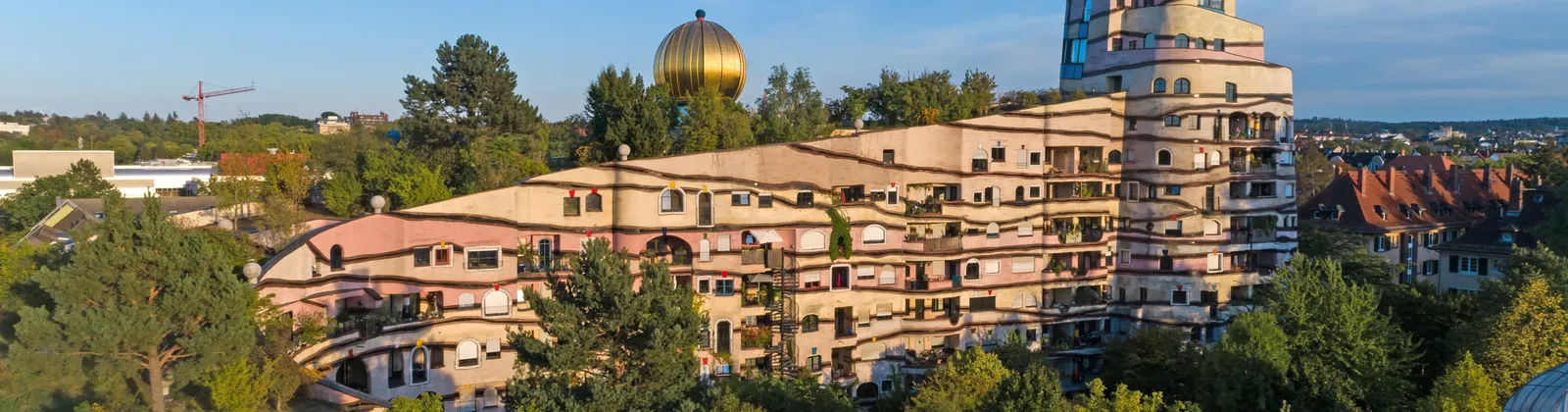
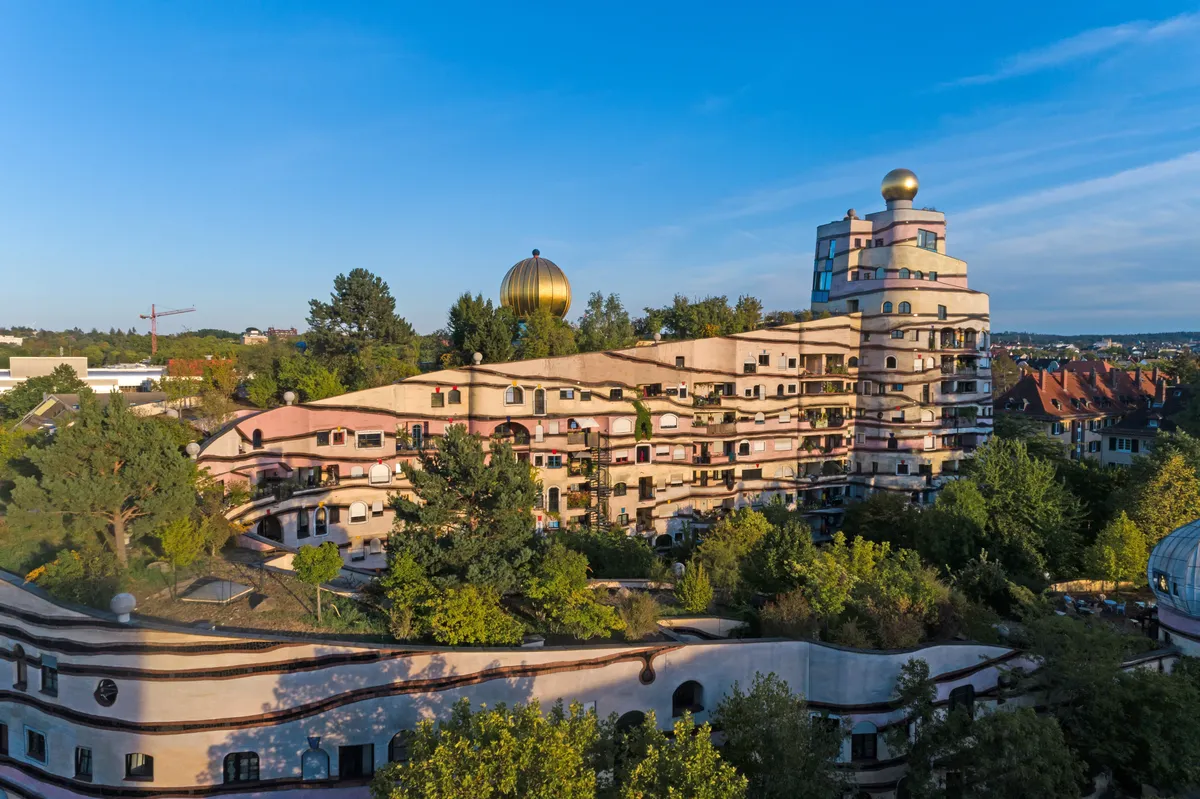
Designed by Friedensreich Hundertwasser, the Waldspirale is a colorful residential building with green roofs, curved shapes and individually designed windows. It combines architecture, nature and art in an unusual way and is a popular photo motif.
The Church of St. Mary Magdalene, also known as the Russian Chapel, is a Russian Orthodox church on Mathildenhöhe. It was built between 1897 and 1899 in the Russian style and was originally a private chapel for the family of the Russian Tsar Nicholas II, whose wife Alexandra came from Hesse-Darmstadt. The church is known for its golden onion domes and rich interior decoration with mosaics and frescoes.
A family-friendly park with playgrounds, small rides and extensive green spaces. Ideal for a relaxing day with children surrounded by nature.
A modern sculpture garden near the Mathildenhöhe, which amazes visitors with its spiral shapes and elements of movement. The garden combines art, nature and playful adventure spaces.
A former agricultural estate that is now used as an ecological education and experience center. It offers hands-on farming, a farmers' market and events on sustainable living.
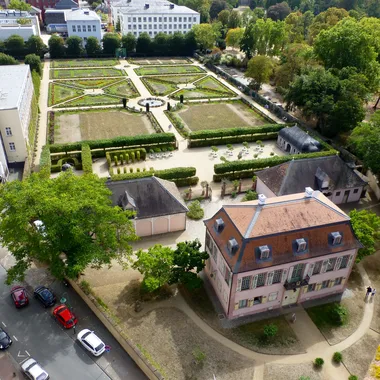
A small, well-kept city garden with flowerbeds and quiet seating areas. It is a beautiful retreat in the city center, named after Prince George of Hesse.
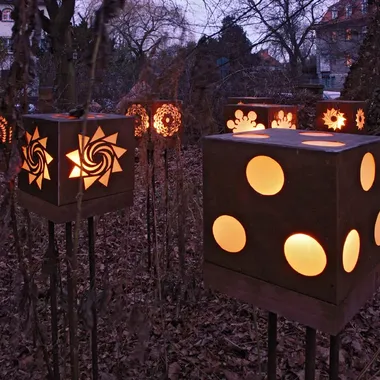
A nature trail featuring art installations in the middle of the forest. It combines exercise in nature with creative, often temporary works of art - ideal for walks with added cultural value.
The museum is located in the former residential palace of the Landgraves and Grand Dukes of Hesse. It shows the history of Darmstadt, courtly culture and artistic exhibits from several centuries.
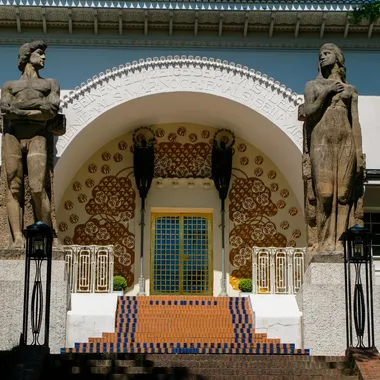
The Mathildenhöhe Institute is a multi-disciplinary center for fine and applied arts in Darmstadt. It comprises the Artists' Colony Museum, the Municipal Art Collection and the exhibition building including the Wedding Tower. The institute is dedicated to the research, presentation and communication of art and culture since 1900, with a particular focus on contemporary art. It is located on the Mathildenhöhe, an important center of Art Nouveau. the Mathildenhöhe Darmstadt Institute and the Church of St. Mary Magdalene (also known as the Russian Chapel) are two separate sights, but both are part of the Mathildenhöhe Darmstadt UNESCO World Heritage Site.
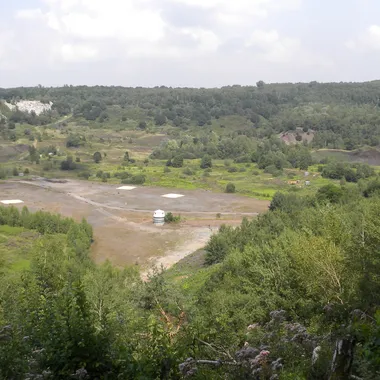
The Messel Pit southeast of Darmstadt is one of the most important fossil sites in the world. Visitors are given a unique insight into an ecosystem from around 47 million years ago. The exceptionally well-preserved fossils are particularly remarkable - including prehistoric horses, crocodiles, birds and even stomach contents.
The pit has been a UNESCO World Heritage Site since 1995 because the site provides an incomparably complete picture of early mammal evolution. The quality and diversity of the fossils is almost unique in the world.
Sights, highlights, and background information about Hessen.

Typical dishes, regional classics, and culinary tips.
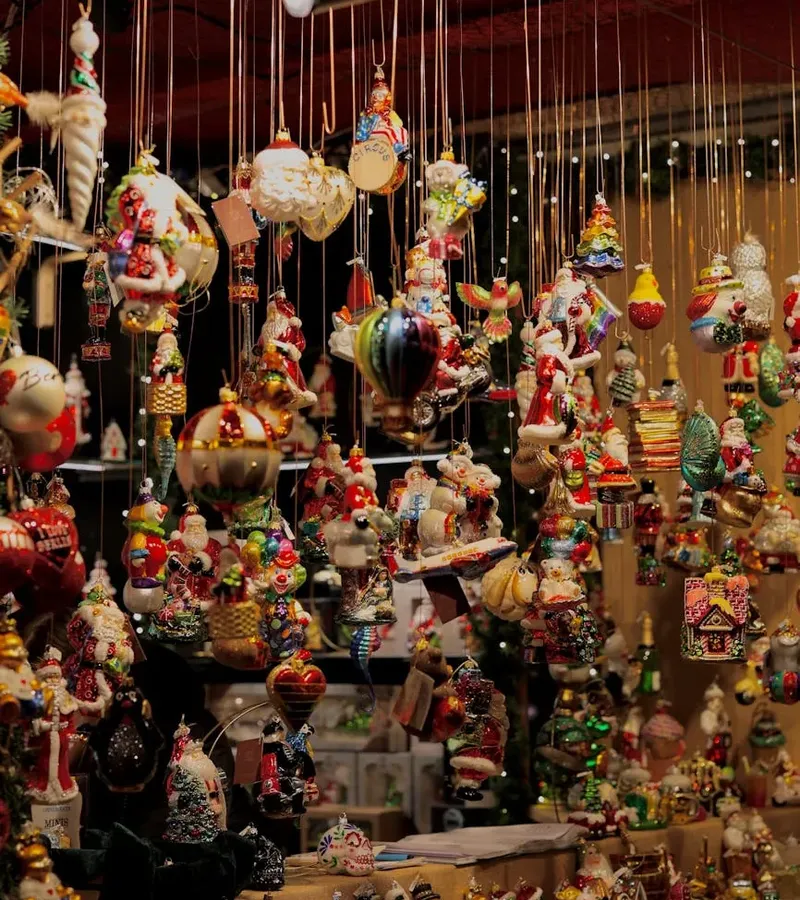
Souvenirs and special local gifts.
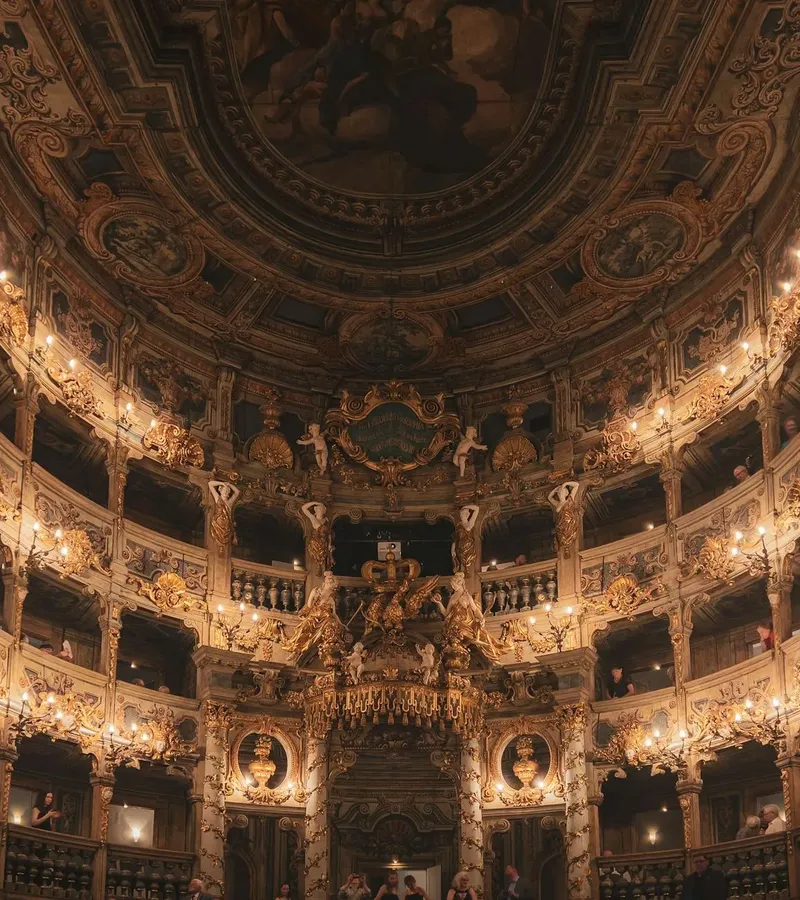
Culture, entertainment, and inspiring ideas for your free time.

Clubs, culture, and evening plans in the region.

Advice, places, and tips for queer travel locally.

Sports options and well-known clubs in the region.

Festivals, highlights, and seasonal events.

Important advice, common pitfalls, and no-gos.

History, background, and interesting context.
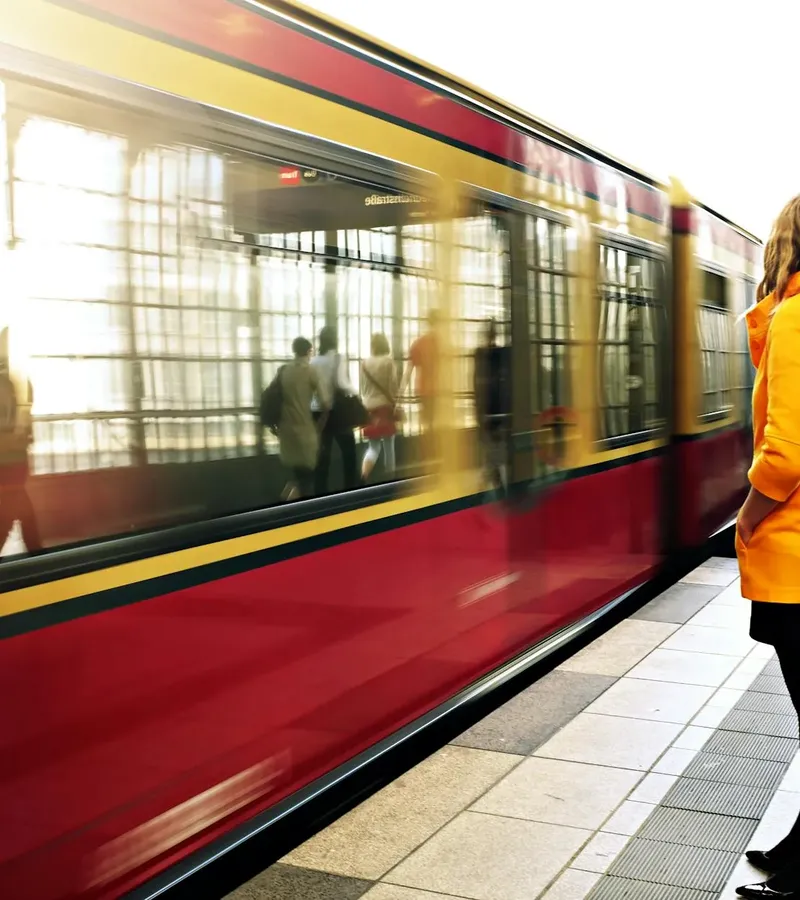
Tips for public transport and arrival.
Sights, highlights, and background information about Hessen.
Typical dishes, regional classics, and culinary tips.
Souvenirs and special local gifts.
Culture, entertainment, and inspiring ideas for your free time.
Clubs, culture, and evening plans in the region.
Advice, places, and tips for queer travel locally.
Sports options and well-known clubs in the region.
Festivals, highlights, and seasonal events.
Important advice, common pitfalls, and no-gos.
History, background, and interesting context.
Tips for public transport and arrival.