More about Brandenburg
Sights, highlights, and background information about Brandenburg.
Cottbus is the cultural center of Lusatia and gateway to the Spreewald
Cottbus, located in southern Brandenburg on the Spree River, is a city rich in tradition with a population of around 100,000. It is considered the cultural and economic center of Lusatia and has an eventful history dating back to the Middle Ages.
The first documented mention of the city dates from 1156. The region was originally settled by Slavic peoples and later became part of the Margraviate of Brandenburg.
Starting in the 19th century, the city became increasingly industrialized—with strong growth in energy production (lignite), the textile industry, and mechanical engineering. Cottbus was also a major industrial center during the GDR era. Today, Cottbus focuses more on renewable energy and services.
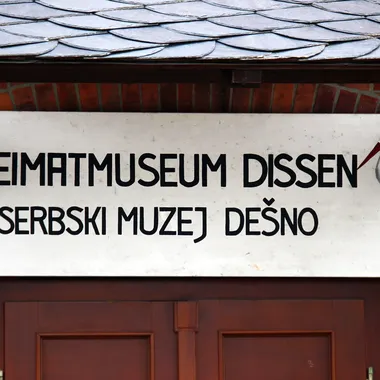
Cottbus is also the cultural center of the Sorbian minority in Brandenburg. The bilingual place-name signs bear witness to this Slavic tradition.
Cottbus Zoo is home to over 1,200 animals and offers visitors the opportunity to experience animals from different continents. The petting zoo and show feedings are particularly popular.
Branitz Park is a masterpiece of 19th century landscape design, created by Prince Hermann von Pückler-Muskau. With its winding paths, artificial lakes and the famous lake pyramid, the park offers a unique experience of nature.
The Stadion der Freundschaft, known as the LEAG Energie Stadion since 2023, is the home ground of FC Energie Cottbus. With a capacity of over 22,000, it is a central venue for soccer fans in the region.
The former site of the 1995 Federal Garden Show is now an extensive landscaped park with themed gardens, playgrounds and plenty of space to relax. The park combines the experience of nature with modern garden art and is located directly on the Spree.
The Staatstheater Cottbus is the only state theater in Brandenburg and impresses with its Art Nouveau building. It offers a varied program of opera, drama, ballet and concerts.
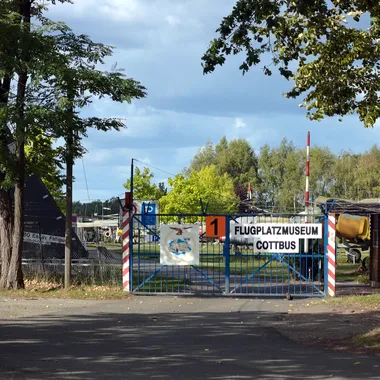
Covering an area of over 40,000 square meters, the museum showcases the region's aviation history. Visitors can view historic aircraft and vehicles and even climb aboard some of them.
This modern observation tower on the emerging Cottbus Ostsee - a former open-cast mine - offers spectacular views of the changing landscape. The tower symbolizes the structural change in the region and is a popular place for walks and cycle tours.
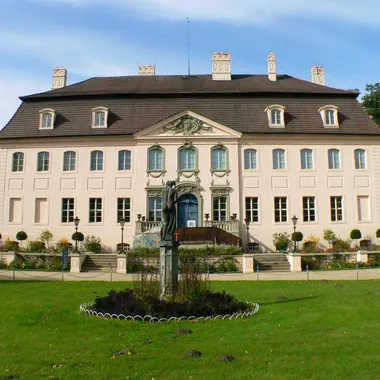
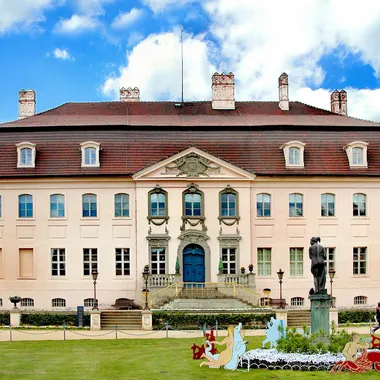
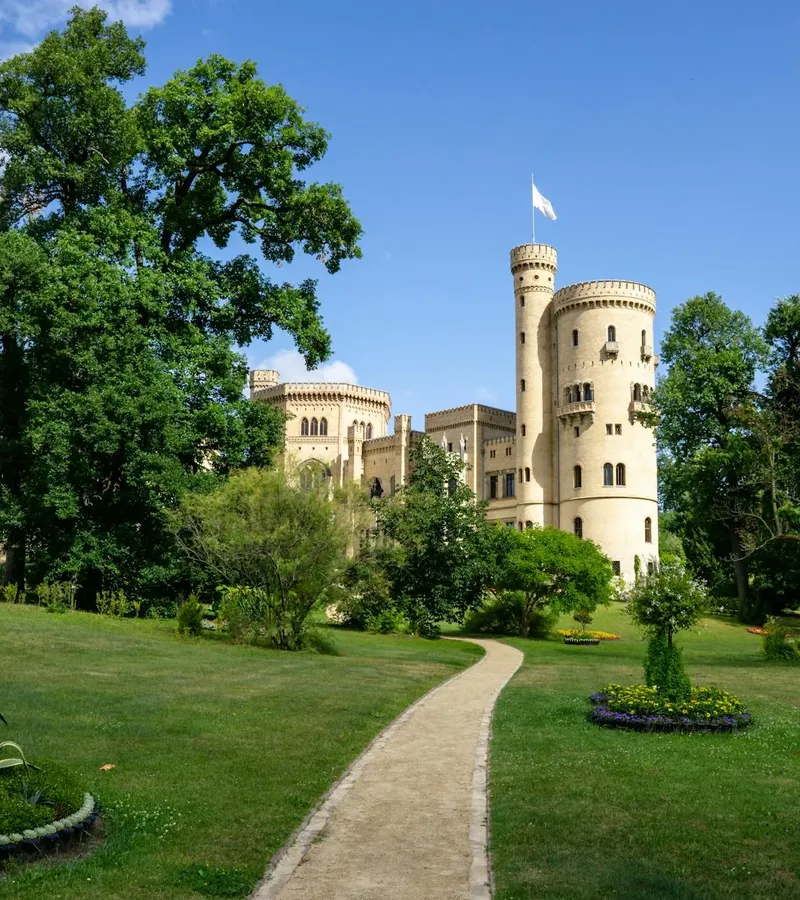
Branitz Palace, which was rebuilt by Prince Pückler from 1846, is located in the heart of Branitz Park. The magnificent interiors reflect the life and work of the prince and invite you to travel back in time.
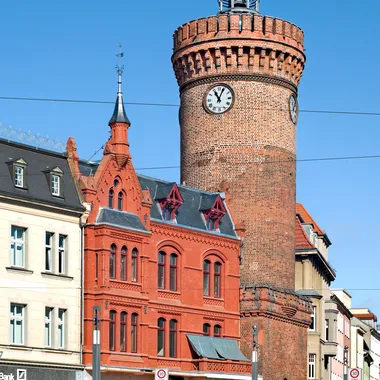
The Spremberg Tower, a former fortified tower from the 13th century, offers an impressive view over Cottbus after climbing 131 steps. It is a striking landmark of the city.
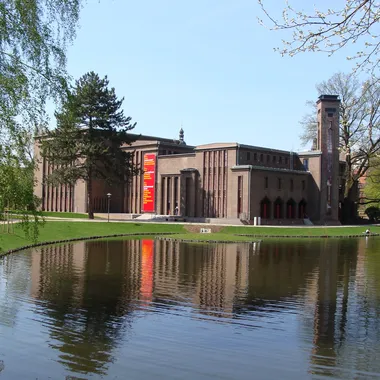
Housed in a former diesel power station, the museum presents contemporary art in an industrial setting. It is a central location for modern art in Brandenburg.
In Dissen, south of Cottbus, this museum is dedicated to Sorbian/Wendish culture. Traditional costumes, customs and lifestyles of the Slavic minority are vividly presented here - often in lively demonstrations and hands-on activities.
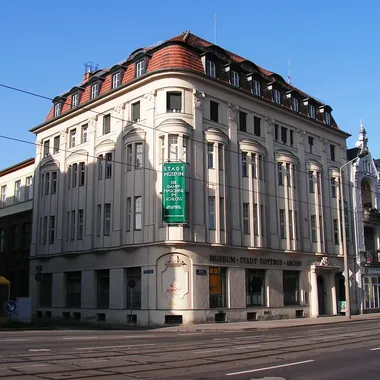
Housed in the old diesel power station, the museum offers fascinating insights into the history and development of the city - from early settlement to industrialization and the present day. Temporary exhibitions explore various local themes in greater depth.
The planetarium was opened in 1974 and is now a place for education and amazement. It offers programs about astronomy, space travel and natural sciences - not only for school classes, but also for interested adults.
In the house of the former Löwen pharmacy (founded in 1568), visitors can discover the history of pharmacy with historical equipment, furniture and recipes. A glimpse into earlier forms of medicine - in the heart of Cottbus' old town.
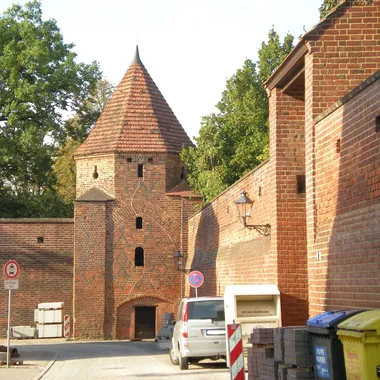
The Münzturm is a medieval defense tower from the 13th century and part of the former city fortifications. It is the oldest surviving structure in Cottbus and is a reminder of the town's long history.
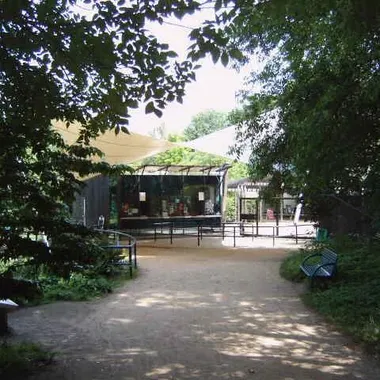
A small but centrally located city park near the theater with mature trees and quiet paths. Ideal for a break from the hustle and bustle of the city or a cozy picnic.
Sights, highlights, and background information about Brandenburg.
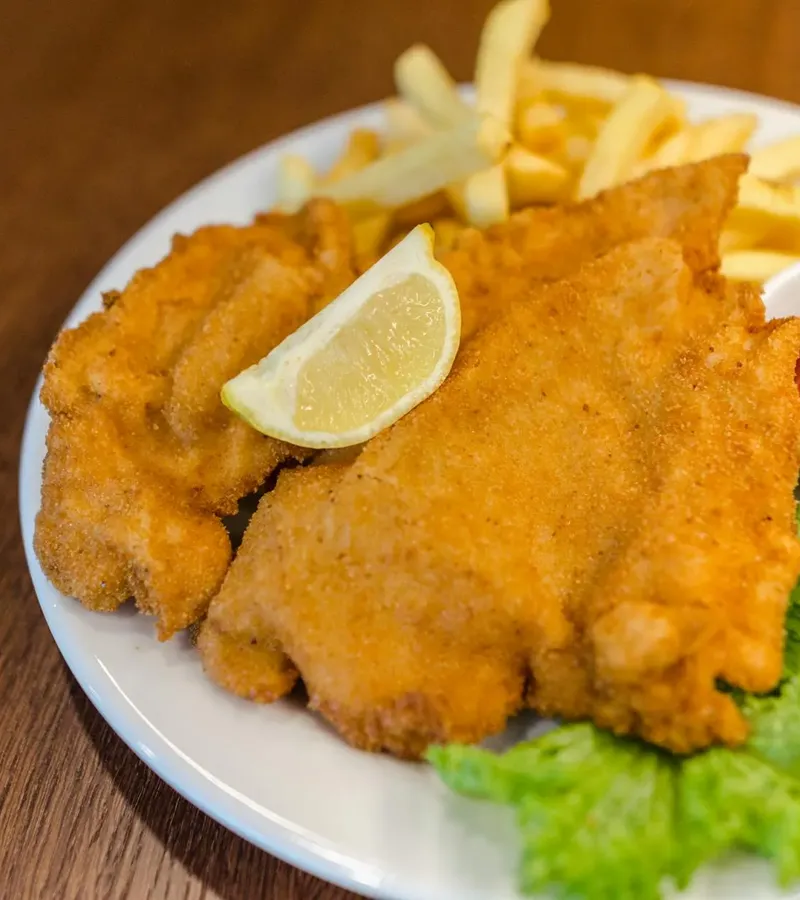
Typical dishes, regional classics, and culinary tips.
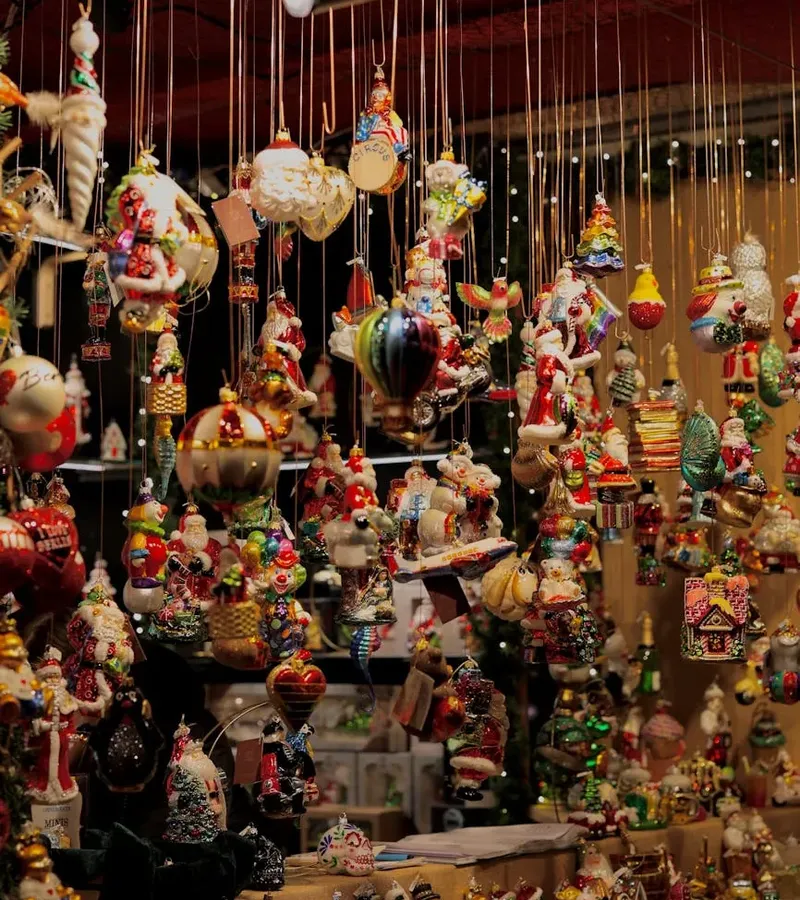
Souvenirs and special local gifts.
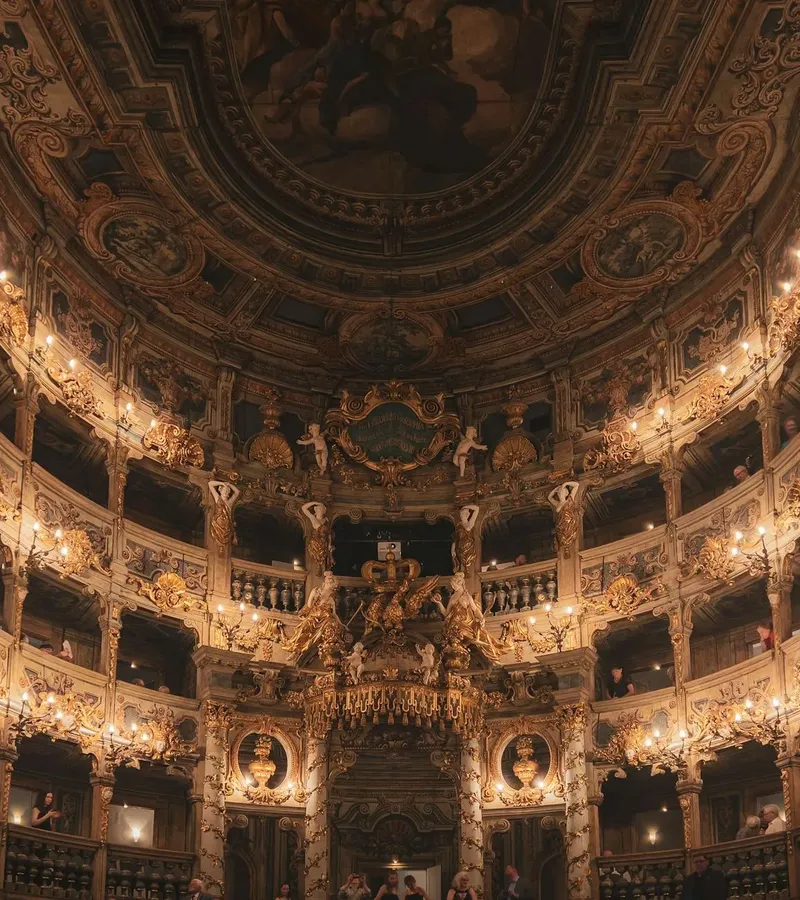
Culture, entertainment, and inspiring ideas for your free time.
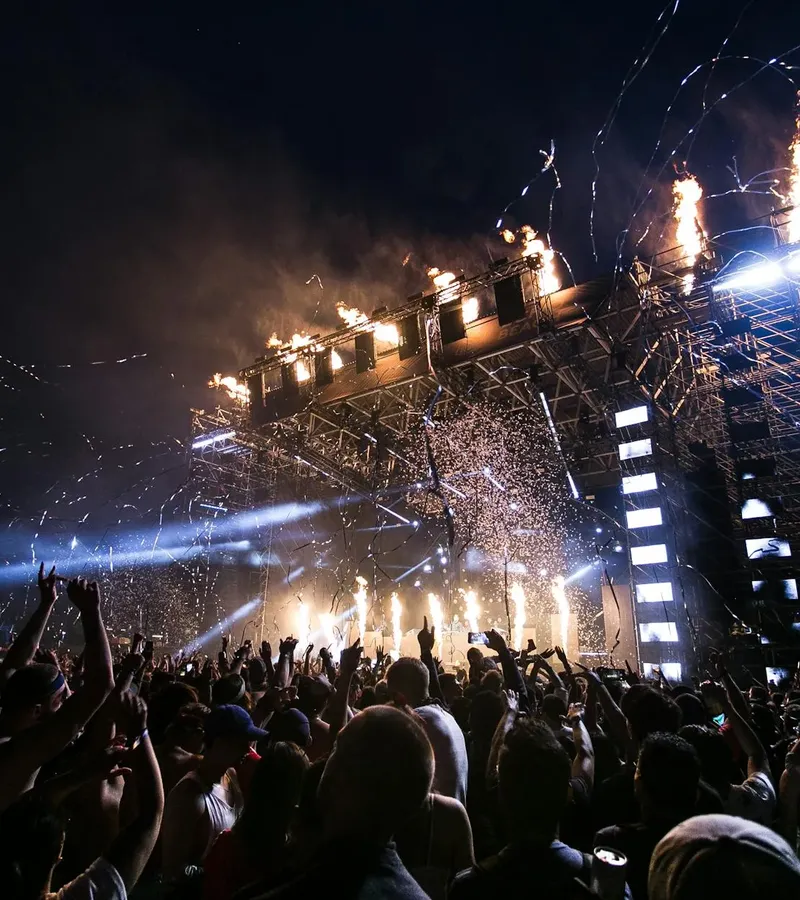
Clubs, culture, and evening plans in the region.

Advice, places, and tips for queer travel locally.

Sports options and well-known clubs in the region.

Festivals, highlights, and seasonal events.

Important advice, common pitfalls, and no-gos.

History, background, and interesting context.
Tips for public transport and arrival.
Sights, highlights, and background information about Brandenburg.
Typical dishes, regional classics, and culinary tips.
Souvenirs and special local gifts.
Culture, entertainment, and inspiring ideas for your free time.
Clubs, culture, and evening plans in the region.
Advice, places, and tips for queer travel locally.
Sports options and well-known clubs in the region.
Festivals, highlights, and seasonal events.
Important advice, common pitfalls, and no-gos.
History, background, and interesting context.
Tips for public transport and arrival.