More about Sachsen
Sights, highlights, and background information about Sachsen.
Mining traditions and Christmas carvings are kept alive in the magnificent mining towns of the Ore Mountains
The Ore Mountains are a cultural landscape steeped in tradition that has been shaped by mining over the centuries. Silver mining, in particular, brought prosperity and led to the emergence of magnificent towns such as Schneeberg and Annaberg-Buchholz.
Visitors here experience a unique blend of industrial history, craftsmanship, and living traditions.
Mining in the Ore Mountains, which shaped the region for centuries, gradually came to an end.
While silver mining had already begun to decline as early as the 17th century due to depleted deposits, the extraction of other raw materials such as tin and later uranium remained significant well into the 20th century. Uranium mining in the GDR, in particular, played a major role after World War II, but was discontinued following German reunification in the 1990s. The main reasons for this were unprofitability, political change, and significant environmental impact.
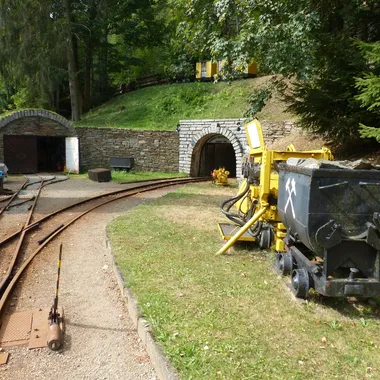
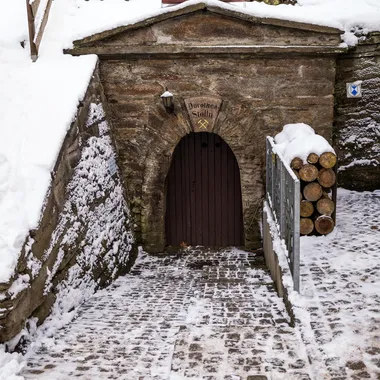
The Markus-Röhling-Stolln is an important visitor mine. Guided tours show original mining techniques and vividly convey the history of silver mining. Visitors can experience the world underground in a particularly authentic way.
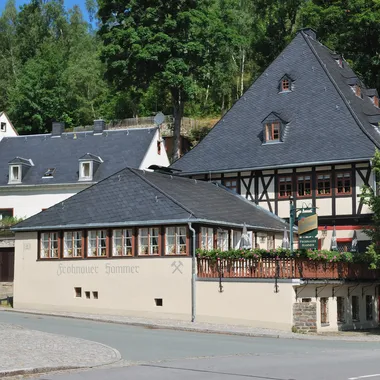
The Frohnauer Hammer is a historic hammer mill from the 17th century. Water-powered forges demonstrate the processing of metals. Visitors can see one of the oldest preserved industrial facilities in the region.
The Fundora Schneeberg is a modern adventure and leisure world with a trampoline park, bouldering area and digital games. Visitors will find an active contrast to the historical surroundings and can let off steam in a sporty and playful way.
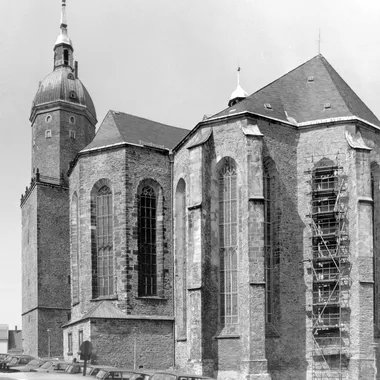
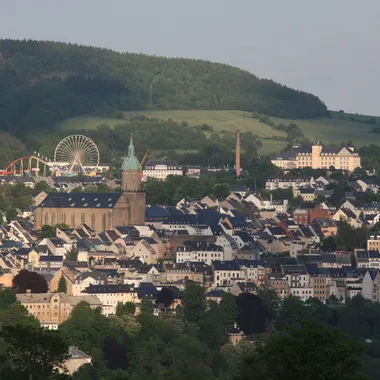
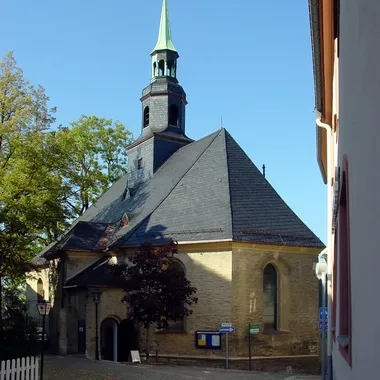
St. Annenkirche Annaberg-Buchholz is one of the largest late Gothic hall churches in Saxony. Its imposing interior and ornate decorations bear witness to the wealth of the mining town. Visitors will discover an important example of sacred architecture from the 16th century.
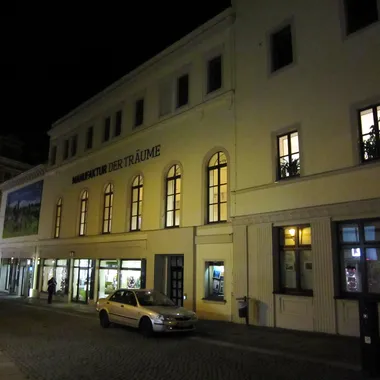
The Manufaktur der Träume presents Erzgebirge folk art in a modern setting. Christmas decorations, figures and miniatures are impressively staged. Visitors can immerse themselves in an imaginative world of traditional craftsmanship.
The old town of Annaberg-Buchholz impresses with its cohesive historic townscape. Narrow alleyways, town houses and squares reflect the town's importance as a center of silver mining. Visitors can experience one of the most characteristic mining towns in the Ore Mountains.
The market square forms the center of the town and is surrounded by historic buildings. It reflects urban life in the past and today. Visitors can experience the lively heart of the mountain town.
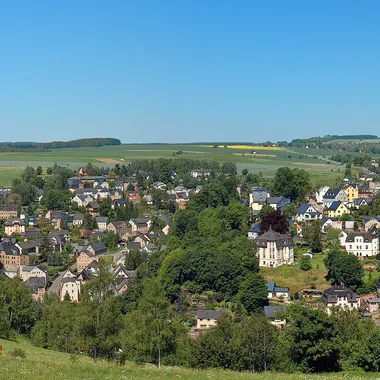
The old town of Schneeberg is characterized by town houses and historic streets from the heyday of mining. Visitors can trace the development of a mining town and enjoy the peaceful atmosphere of a small-town cultural landscape.
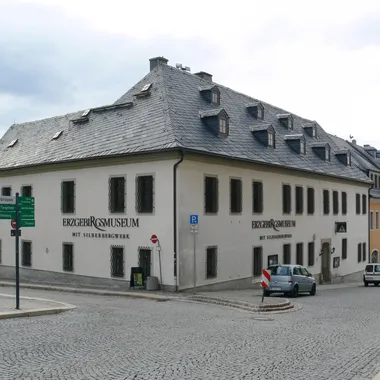
The Erzgebirgsmuseum Annaberg-Buchholz shows the history of the region from mining to folk art. The adjoining visitor mine "Im Gößner" is particularly impressive, offering insights into underground working environments. Visitors can experience history above and below ground here.
The Museum of Mining Folk Art Schneeberg showcases the traditional craftsmanship of the Erzgebirge. Carvings, Christmas decorations and depictions of miners provide an insight into the close connection between mining and folk culture. Visitors can discover the origins of many traditions that are still known today.
The Zeiss Planetarium Schneeberg offers fascinating insights into astronomy and space. Modern projections and observation facilities combine science with experience. Visitors can turn their gaze from mining the earth to the stars.
The historic stamp mill illustrates the processing of ore after mining. Large stamping mills crushed the rock to extract valuable metals. Visitors are given a vivid insight into the technical processes of mining.
The Dorothea-Stolln is a historic visitor mine gallery that provides an insight into underground mining. Visitors can enter original tunnels and experience the working conditions of the miners up close.
The mountain church of St. Marien is located slightly away from the center and was originally a church for miners. The simple building conveys a peaceful atmosphere and is closely linked to the religious culture of mining. Visitors discover an authentic place of faith here.
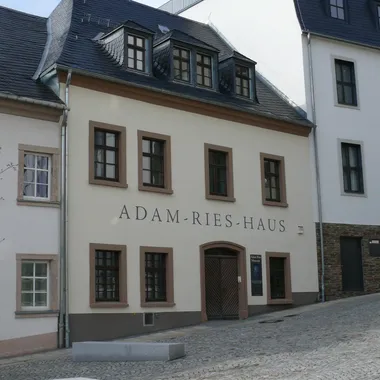
The Adam Ries Museum is dedicated to the famous arithmetician Adam Ries, who worked in the Ore Mountains. The exhibition conveys mathematical principles and their practical application in mining. Visitors can experience the connection between science and everyday life.
Sights, highlights, and background information about Sachsen.

Typical dishes, regional classics, and culinary tips.
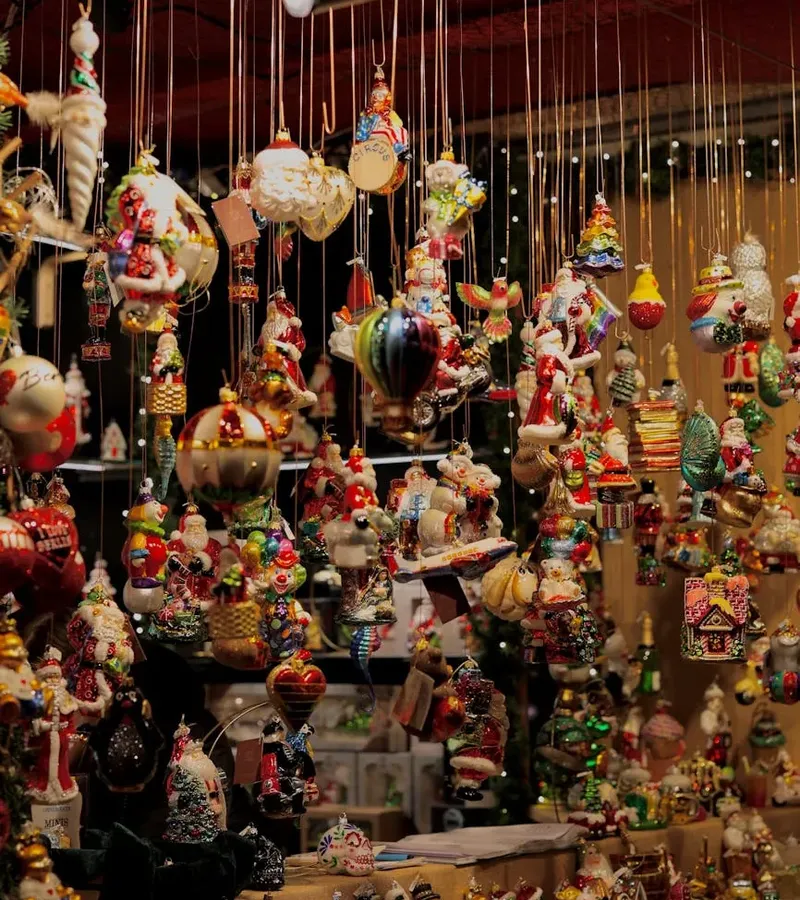
Souvenirs and special local gifts.
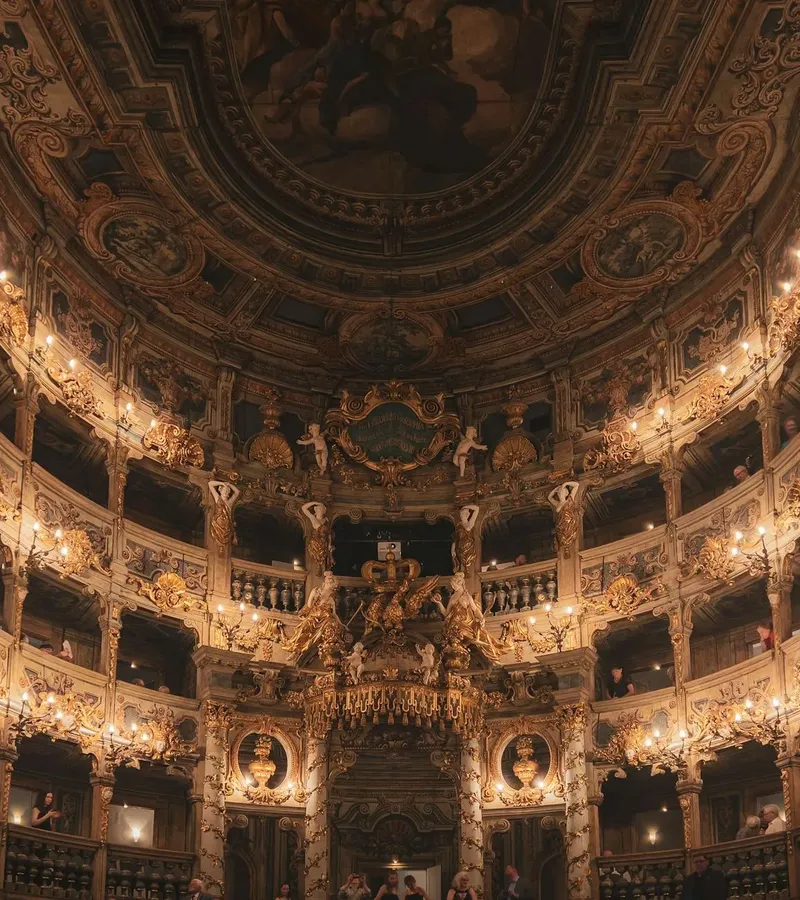
Culture, entertainment, and inspiring ideas for your free time.

Clubs, culture, and evening plans in the region.

Advice, places, and tips for queer travel locally.

Sports options and well-known clubs in the region.

Festivals, highlights, and seasonal events.

Important advice, common pitfalls, and no-gos.

History, background, and interesting context.
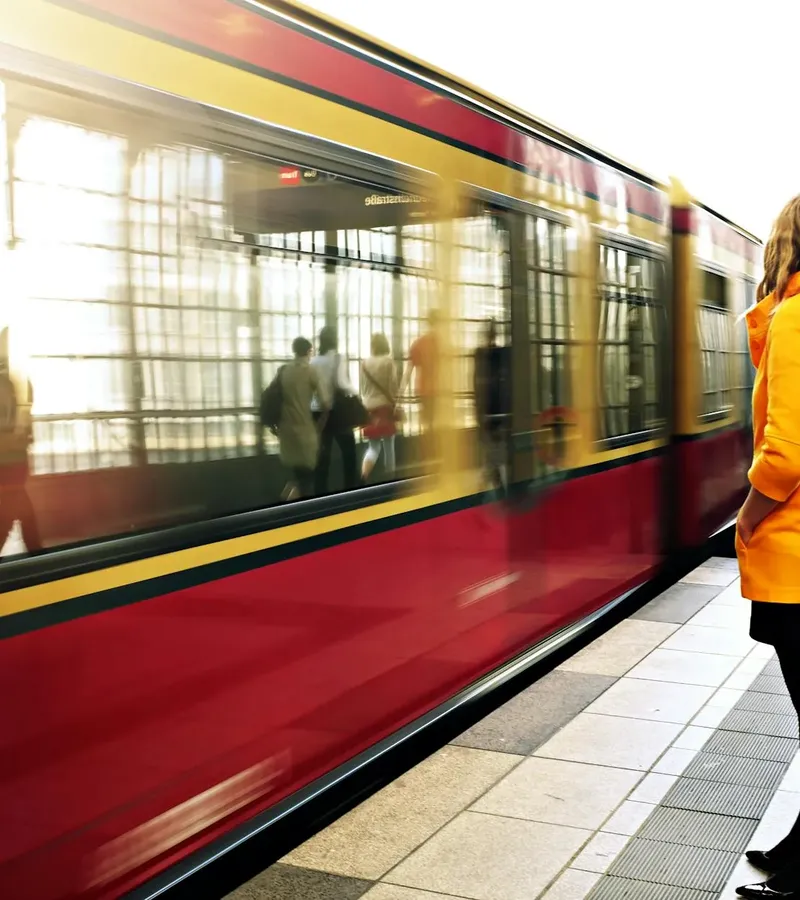
Tips for public transport and arrival.
Sights, highlights, and background information about Sachsen.
Typical dishes, regional classics, and culinary tips.
Souvenirs and special local gifts.
Culture, entertainment, and inspiring ideas for your free time.
Clubs, culture, and evening plans in the region.
Advice, places, and tips for queer travel locally.
Sports options and well-known clubs in the region.
Festivals, highlights, and seasonal events.
Important advice, common pitfalls, and no-gos.
History, background, and interesting context.
Tips for public transport and arrival.