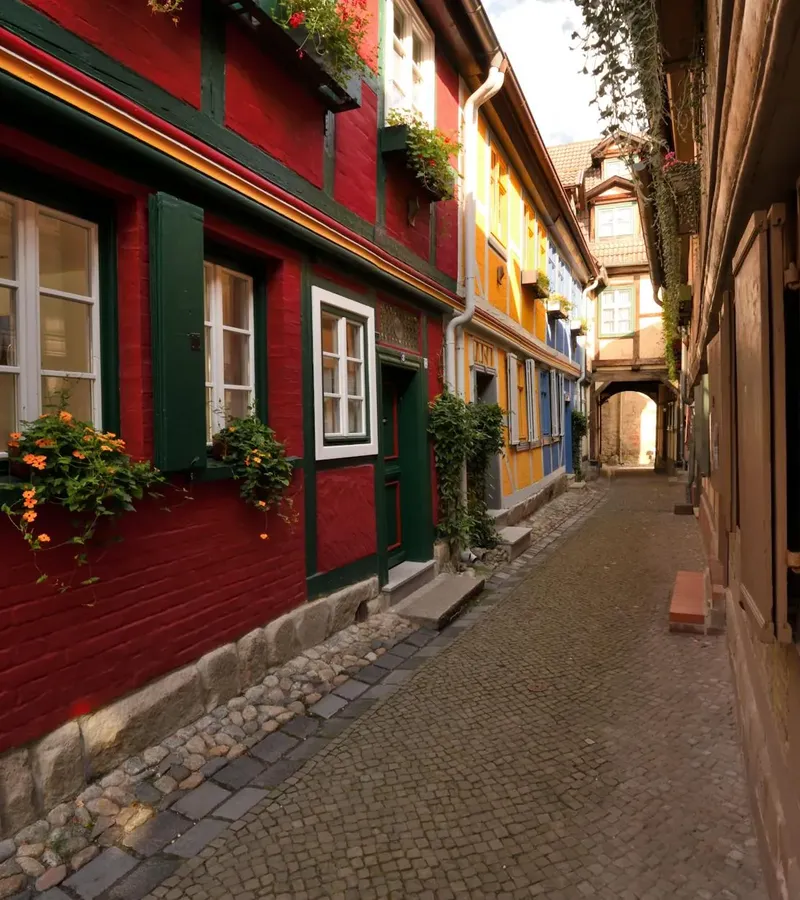
More about Sachsen-Anhalt
Sights, highlights, and background information about Sachsen-Anhalt.
Eisleben in Saxony-Anhalt is best known as the birthplace and deathplace of Martin Luther and is one of the central sites of the Reformation
During the Middle Ages, the city developed into an economically significant center thanks to mining, particularly the extraction of copper-bearing slate. At the same time, Luther’s work shaped religious and cultural history far beyond the region. Today, the Luther Sites, as a UNESCO World Heritage Site, stand as a testament to Eisleben’s significance in European history.
Martin Luther was one of the most influential figures in European history. Through his criticism of the Catholic Church and the sparking of the Reformation, he brought about lasting changes in religion, politics, and society. At the same time, his legacy is viewed today in a much more nuanced light, as some of his views are clearly unacceptable from a modern perspective:
In his treatise “On the Jews and Their Lies” (1543), he wrote, among other things: “One should set fire to their synagogues or schools.”
Luther’s view of women was strongly shaped by the ideas of his time and is seen today as patriarchal. A well-known quote of his reads: “Woman was created to serve man,” or: “Even if they give birth themselves to death, it does no harm; let them die; that is what they are for.”
Luther also expressed approval of the witch hunts. In his translation of the Old Testament (Exodus 22:17), Luther wrote: “You shall not let the sorceresses live.” The original Hebrew text uses a gender-neutral term for a person who practices magic (not necessarily female).
Nevertheless, Reformation Day is celebrated every year on October 31 in many Protestant states and commemorates Martin Luther’s posting of his theses in 1517, which is considered the beginning of the Reformation.
In Martin Luther's birthplace, the origins and childhood of the reformer are explored. The modern exhibition combines historical information with multimedia elements and vividly conveys the living conditions of the 15th century as well as Luther's significance for European history.
The house where Martin Luther, the reformer of the Protestant church, died is located in Eisleben. The exhibition impressively conveys the last days of his life and the significance of his work. Visitors can immerse themselves in the history of the Reformation.
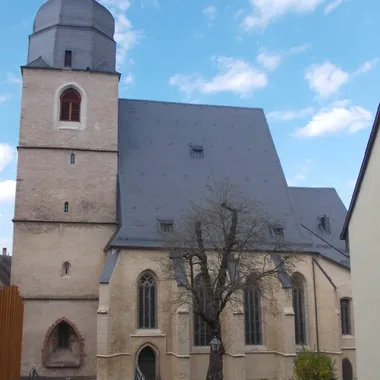
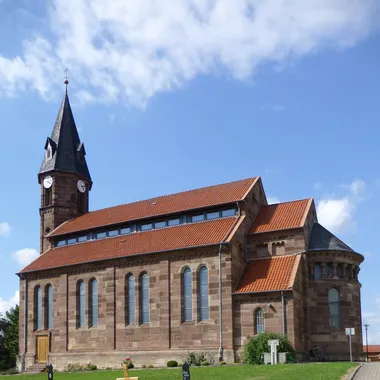
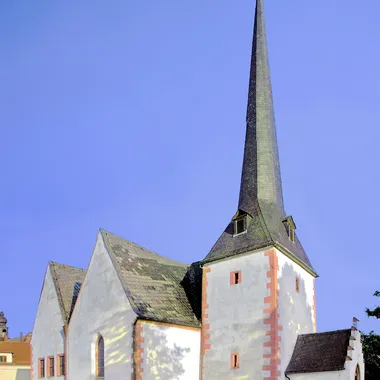
St. Petri-Pauli Church is one of the oldest churches in Eisleben and dominates the townscape with its striking towers. Historic architecture and sacred art are combined here with the town's long history. The church was an important religious center of the region for centuries.
St. Andrew's Church is one of the most important places where Martin Luther worked in Eisleben. This is where he preached his last sermons. The imposing late Gothic church impresses with its architecture, historical furnishings and its special significance for the history of the Reformation.
St. Anne's Church impresses with its late Gothic architecture and ornate interior. The church is particularly famous for its so-called "stone picture Bible", in which numerous relief depictions tell biblical stories.
Sights, highlights, and background information about Sachsen-Anhalt.
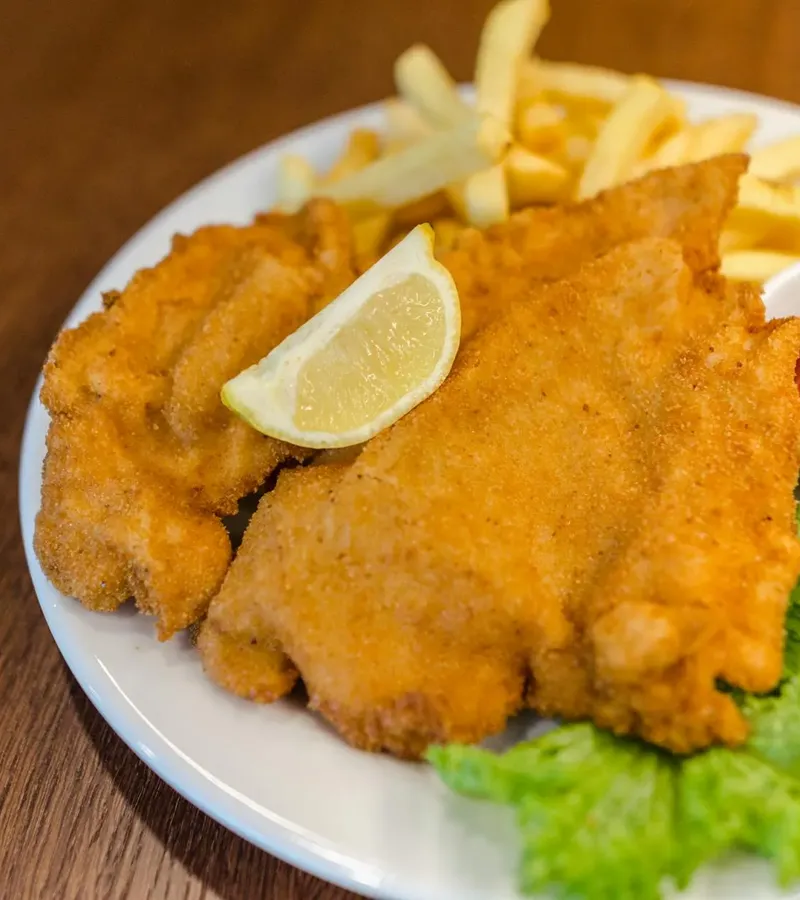
Typical dishes, regional classics, and culinary tips.
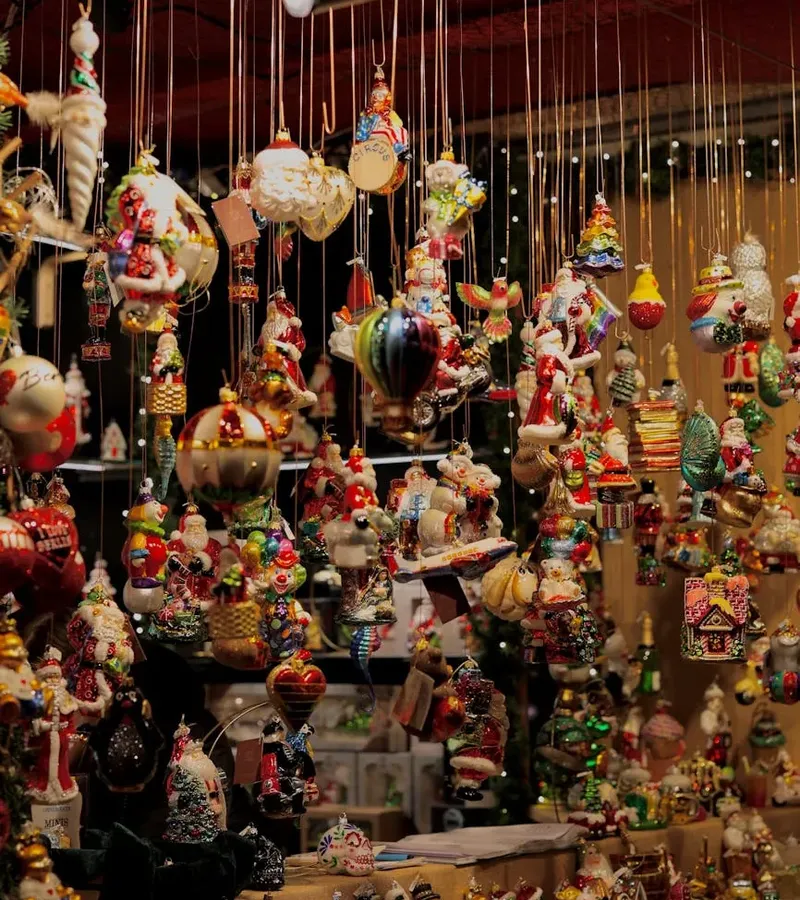
Souvenirs and special local gifts.
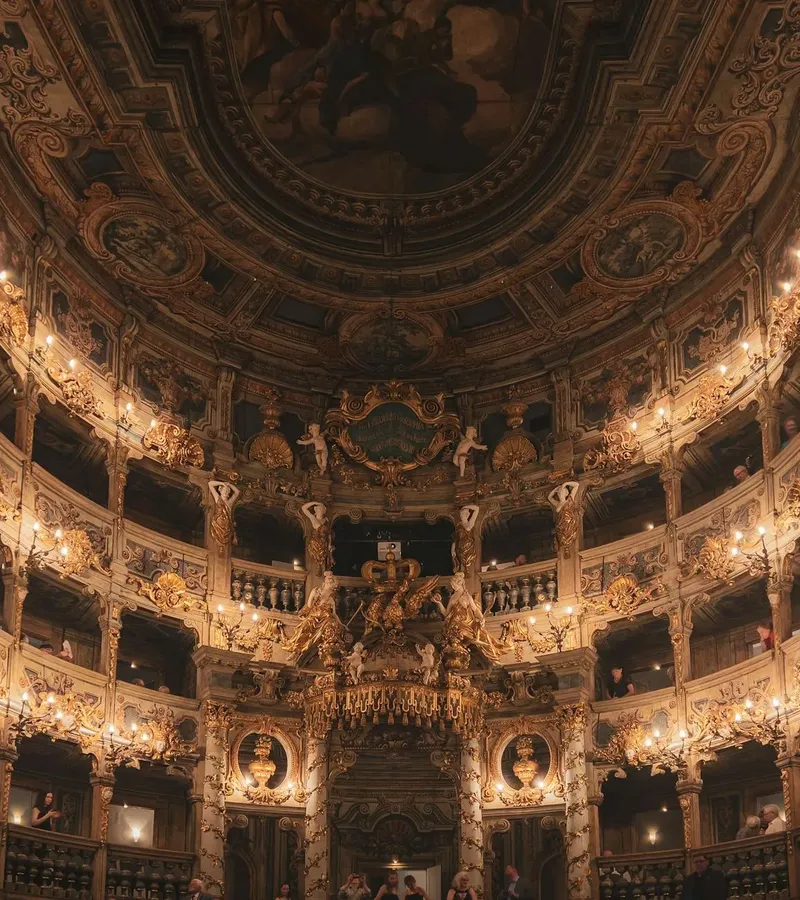
Culture, entertainment, and inspiring ideas for your free time.
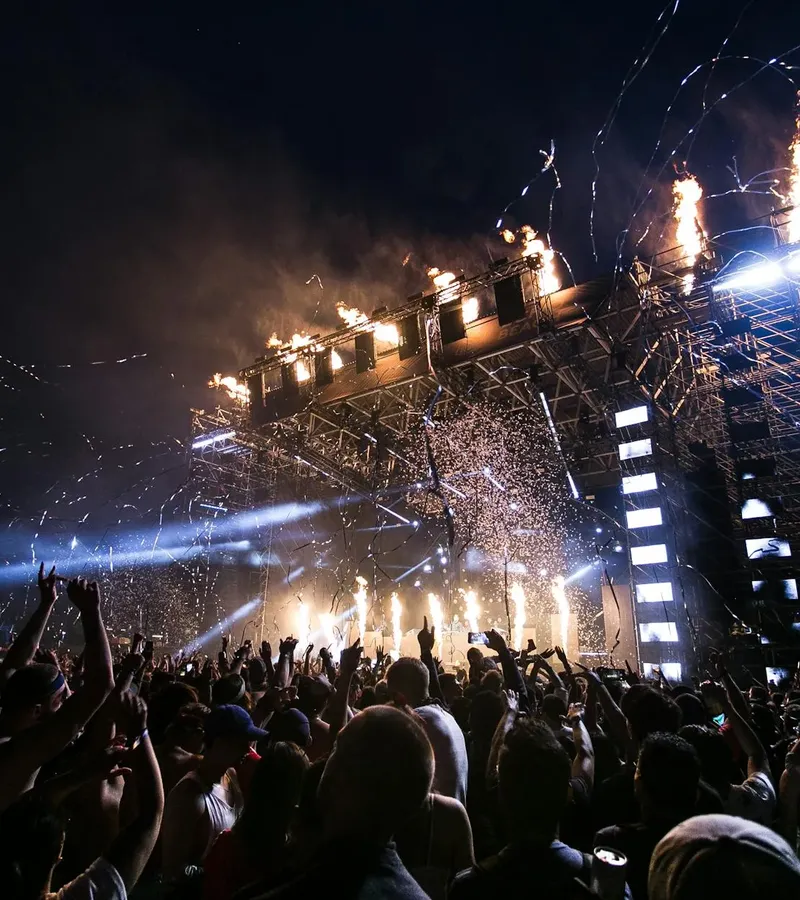
Clubs, culture, and evening plans in the region.

Advice, places, and tips for queer travel locally.

Sports options and well-known clubs in the region.

Festivals, highlights, and seasonal events.

Important advice, common pitfalls, and no-gos.

History, background, and interesting context.
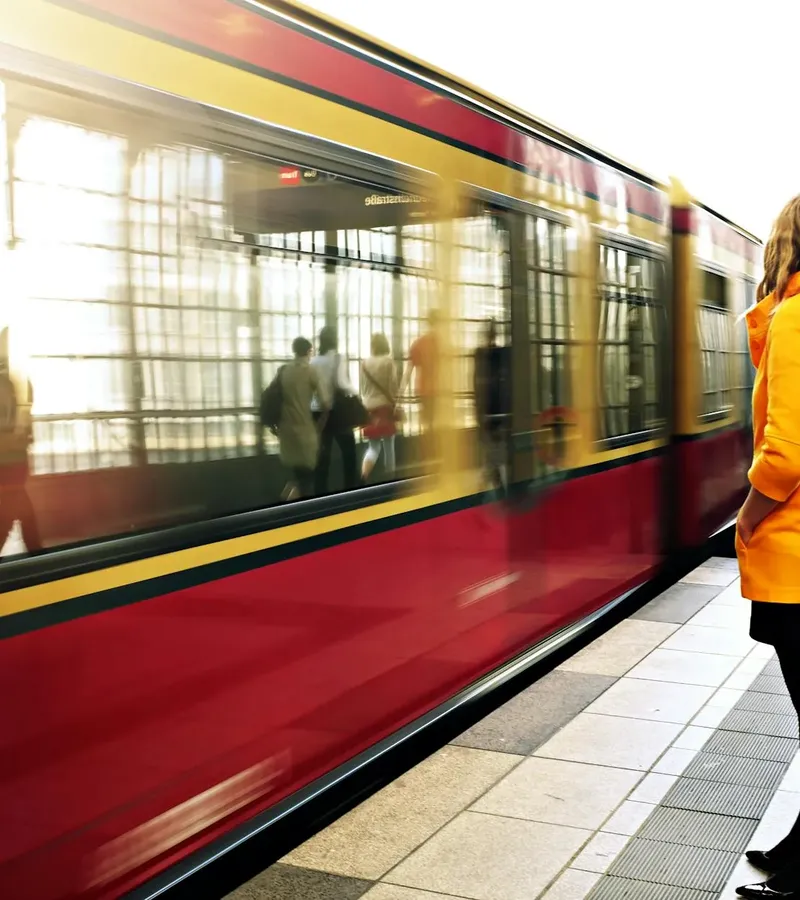
Tips for public transport and arrival.
Sights, highlights, and background information about Sachsen-Anhalt.
Typical dishes, regional classics, and culinary tips.
Souvenirs and special local gifts.
Culture, entertainment, and inspiring ideas for your free time.
Clubs, culture, and evening plans in the region.
Advice, places, and tips for queer travel locally.
Sports options and well-known clubs in the region.
Festivals, highlights, and seasonal events.
Important advice, common pitfalls, and no-gos.
History, background, and interesting context.
Tips for public transport and arrival.