More about Rheinland-Pfalz
Sights, highlights, and background information about Rheinland-Pfalz.
Mediterranean flair, endless seas of vines and rustic wine festivals make this region the "Tuscany of Germany"
The German Wine Route is one of Germany’s most famous wine regions and is located in the southeastern part of Rhineland-Palatinate. It winds through the Palatinate region, connecting numerous wine villages, castles, and scenic landscapes.
The mild climate and rolling hills create ideal conditions for viticulture. Figs, persimmons, and chestnuts also grow here.
The region is particularly famous for its Riesling wines, and there are numerous family-run wineries where you can taste and purchase wine.
The Palatinate Forest is Germany’s largest contiguous forest area and part of a transboundary biosphere reserve that includes the Vosges Mountains in France. The landscape is characterized by mixed forests—primarily beech and pine—striking sandstone cliffs, and a dense network of hiking trails. It is located in the southwest of Rhineland-Palatinate.
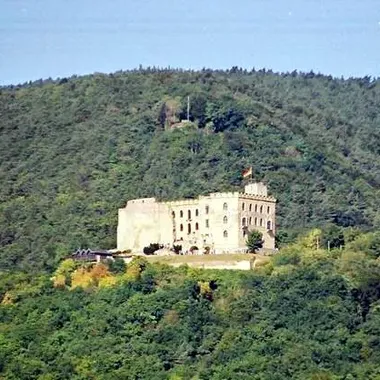
Hambach Castle is a symbol of the German democracy movement. The so-called Hambach Festival took place here in 1832. Thousands of people gathered to demonstrate for freedom, civil rights and a united Germany. At this time, Germany was still fragmented into many individual states. For the first time, people publicly stood up for democracy and national unity. The colors black, red and gold became a symbol of the movement and today form the German flag 🇩🇪.
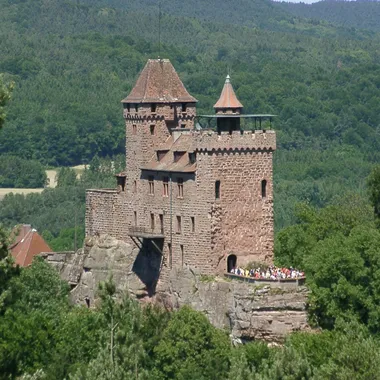
Berwartstein Castle is one of the few inhabited castles in the region. It is located in the middle of the Palatinate Forest and conveys an authentic impression of medieval architecture. Visitors can experience history in its original setting.
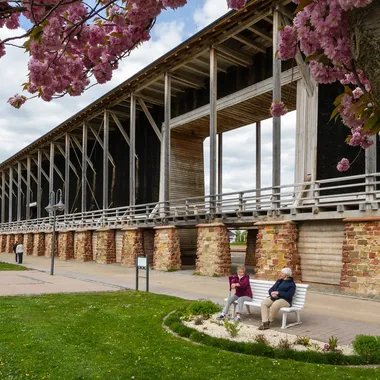
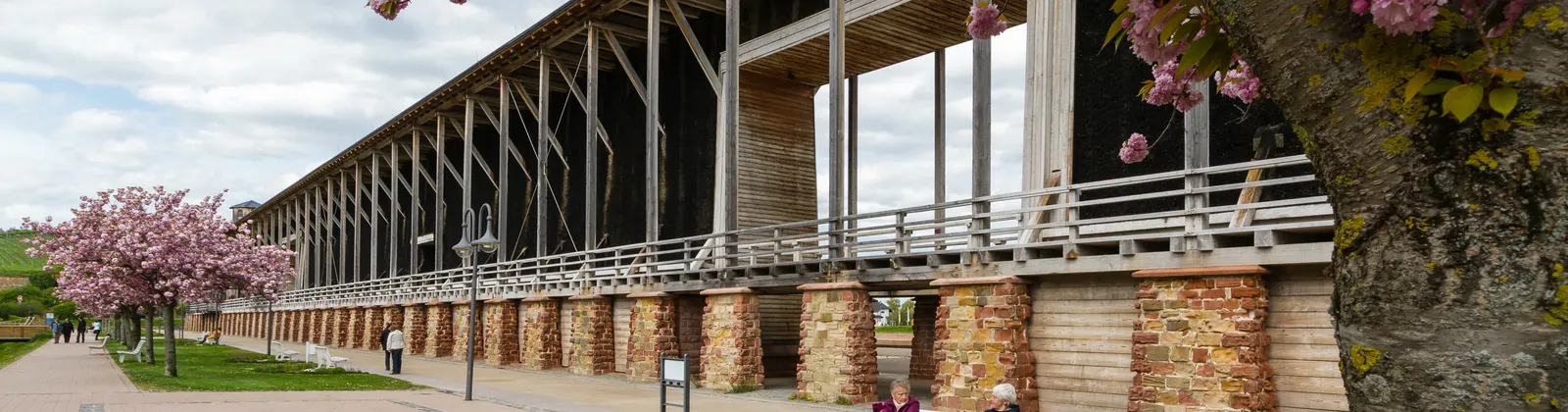
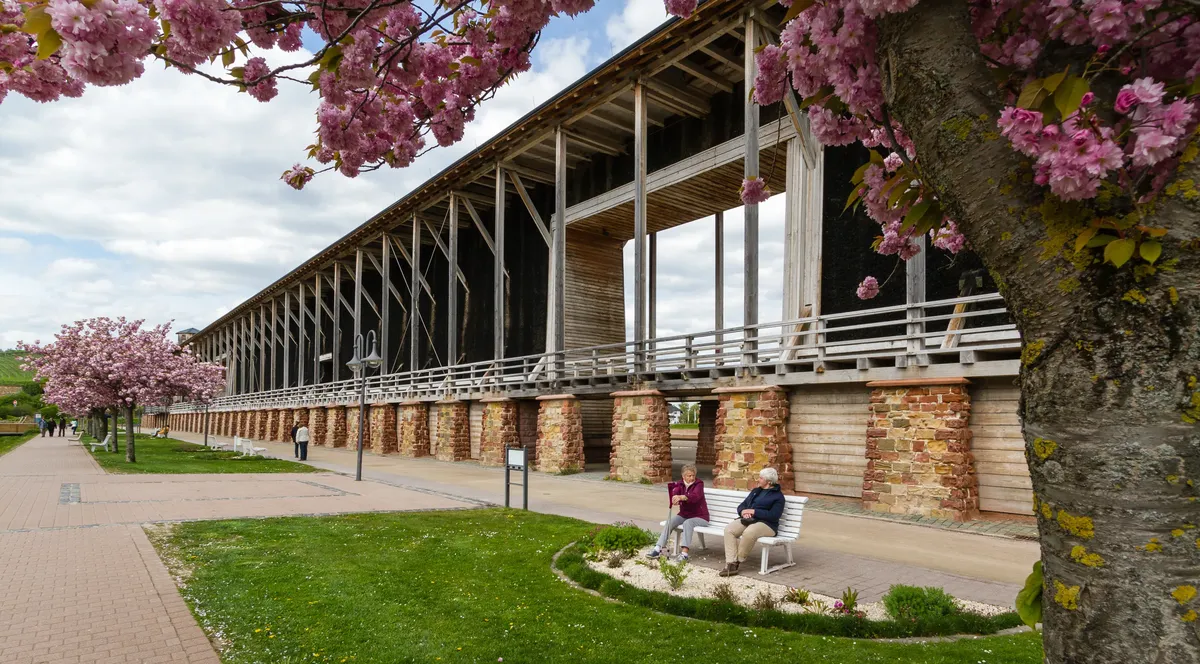
These are wooden structures from which salty water trickles down (often part of a salinarium). Originally, graduation towers were used to extract salt: salty water (brine) from springs was passed over brushwood walls (usually blackthorn). Evaporation increased the salt content and the salt could then be extracted more easily from the brine. Today, graduation towers are mainly used for health purposes: A fine salt mist, similar to sea air, is created as the brine trickles down, which can moisten the respiratory tract.
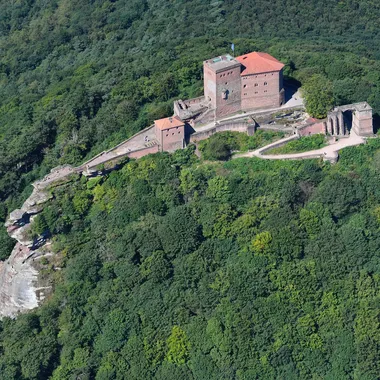
Trifels Castle is situated on a prominent rock and played an important role in the Middle Ages. At times, the imperial regalia (symbols of power of the Holy Roman Emperors in the Holy Roman Empire such as the crown, sceptre etc.) were kept here. Visitors experience history and impressive views.
The Salinarium is a leisure and thermal bath with indoor and outdoor pools. The mineral-rich water is reminiscent of the spa town's tradition. Visitors will find relaxation and recreation here.
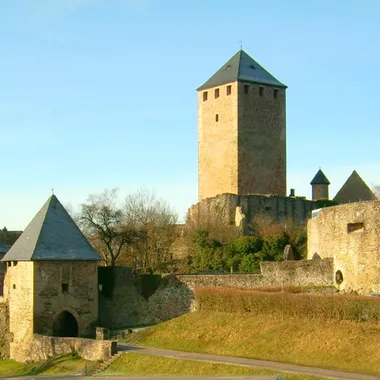
Lichtenberg Castle is one of the largest castle ruins in Germany. It is situated on a ridge and offers sweeping views. Visitors can combine history and landscape here.
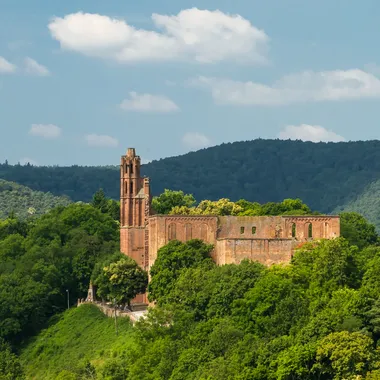
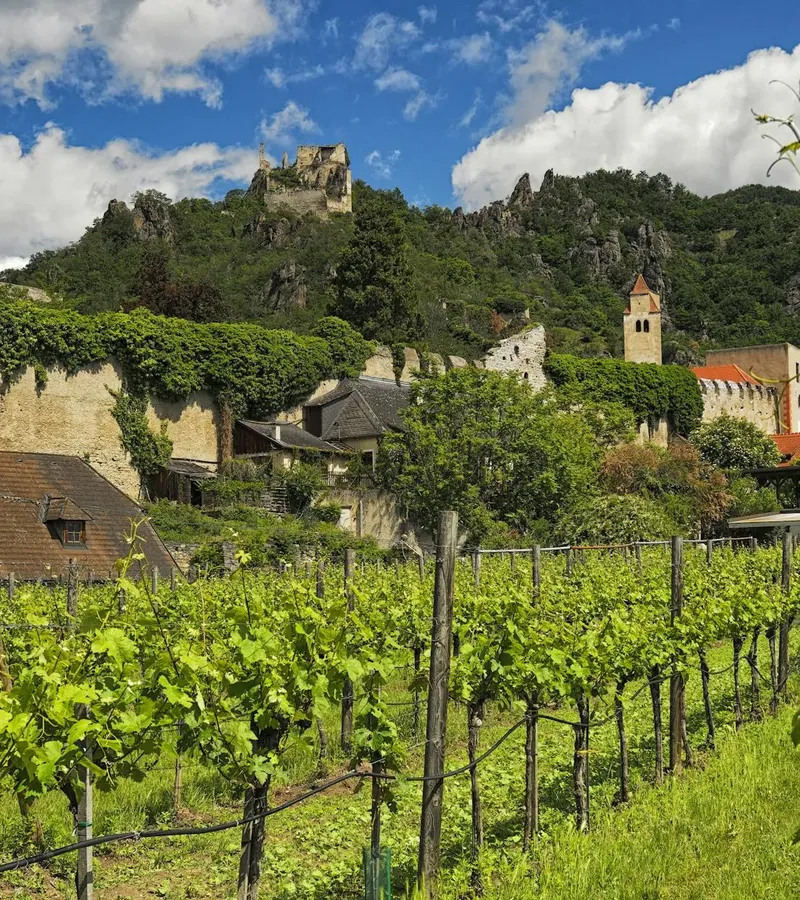
The ruins of a former monastery are located above the town and offer a sweeping view over the Rhine plain. Visitors can experience history and landscape at the same time.
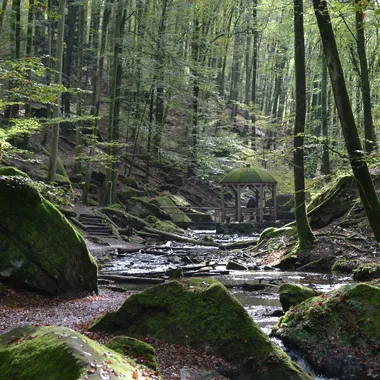
The Karlstal Gorge is a wild and romantic valley with streams, rocks and forest. Hiking trails lead through the varied landscape. Visitors can find peace and quiet and experience nature here.
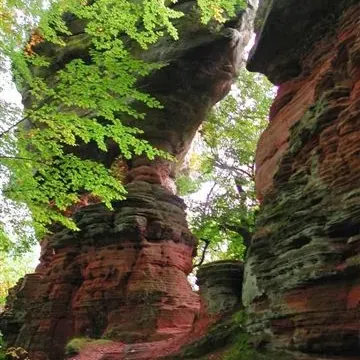
The Altschlossfelsen are a long sandstone formation with bizarre shapes and play of colors. Hiking trails lead along the rocks.
The Dahner Felsenland is known for its striking sandstone formations and numerous hiking trails. The landscape offers impressive nature experiences. Visitors can discover one of the most beautiful rock regions in Germany.
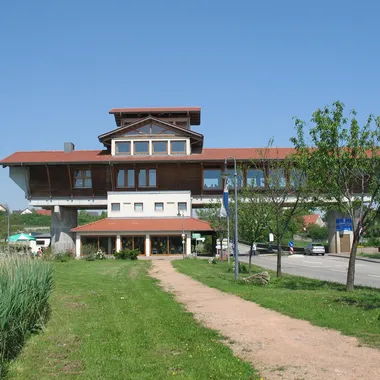
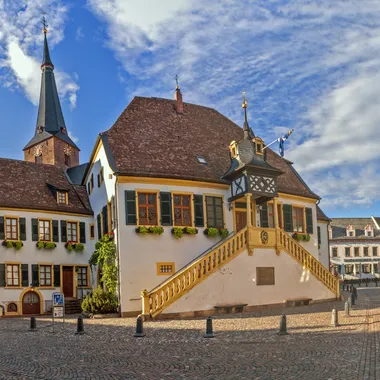
The building forms the northern end of the wine route. It serves as an information and event venue on the subject of wine. Visitors can get an overview of the region here.
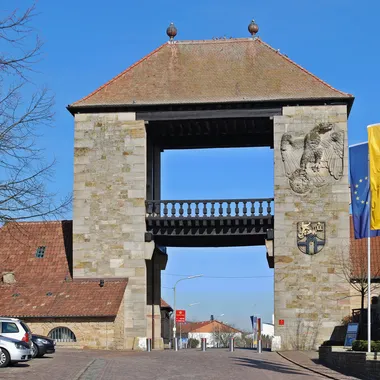
The Wine Gate marks the southern beginning of the German Wine Route. The monumental gate symbolizes the importance of viticulture. Visitors experience a symbolic entrance to the region here.
The Wurstmarkt is one of the largest wine festivals in the world. In addition to wine tastings, there is traditional food, music and events. Visitors can experience the vibrant wine culture of the Palatinate here.
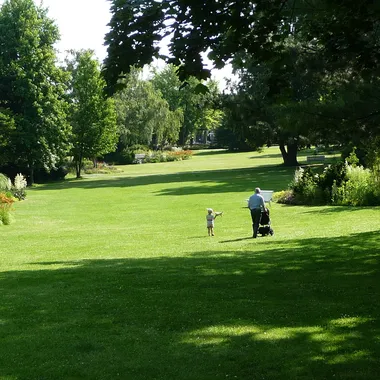
The spa park is a green oasis in the center of the town with walking paths, old trees and quiet areas. Visitors can relax here and enjoy the typical atmosphere of a spa town.
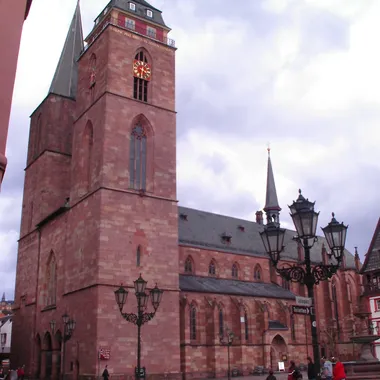
The collegiate church is a striking building in the town and features Gothic architecture. It shapes the townscape and conveys the religious history of the region. Visitors discover an important landmark here.
The ditch complex at Herxheim is one of the most important archaeological sites of the Neolithic period in Europe. The site of the so-called Linear Pottery culture was used around 7000 years ago and gave researchers important insights into early settlement and ritual practices. The site became particularly well known due to evidence of unusual ritual acts and complex social structures of the early farming cultures.
The adventure garden in Deidesheim combines garden art with the experience of nature. Various themed areas, plants and design elements invite you to discover them. Visitors can experience the diversity of the plant world in a peaceful environment.
The winery exemplifies the wine tradition of the region. Visitors can taste wines here and learn more about cultivation and production.
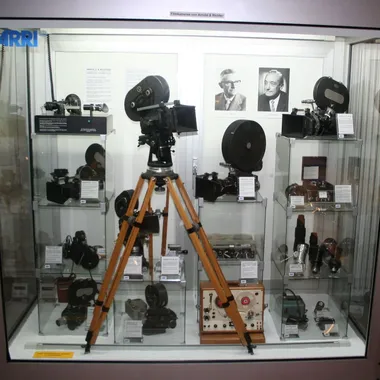
The museum is dedicated to the development of film and photography. Historical cameras and technology are on display. Visitors can discover the history of visual media here.
The museum shows the history of viticulture and wine culture. Equipment, traditions and developments are vividly presented. Visitors gain an insight into the importance of wine for the region.
Sights, highlights, and background information about Rheinland-Pfalz.
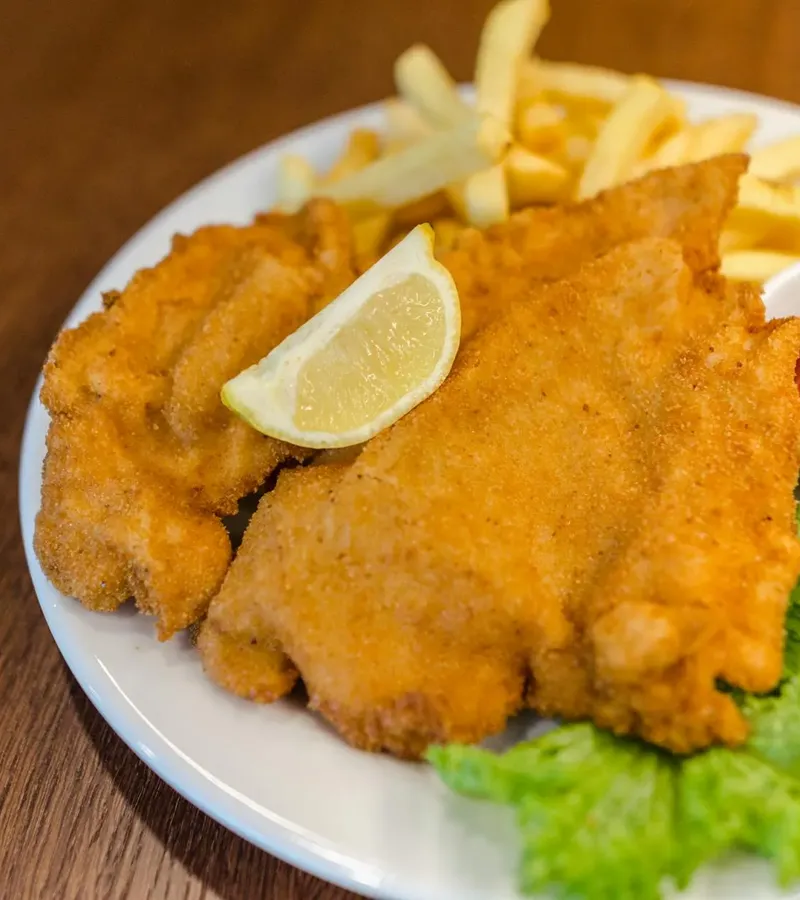
Typical dishes, regional classics, and culinary tips.
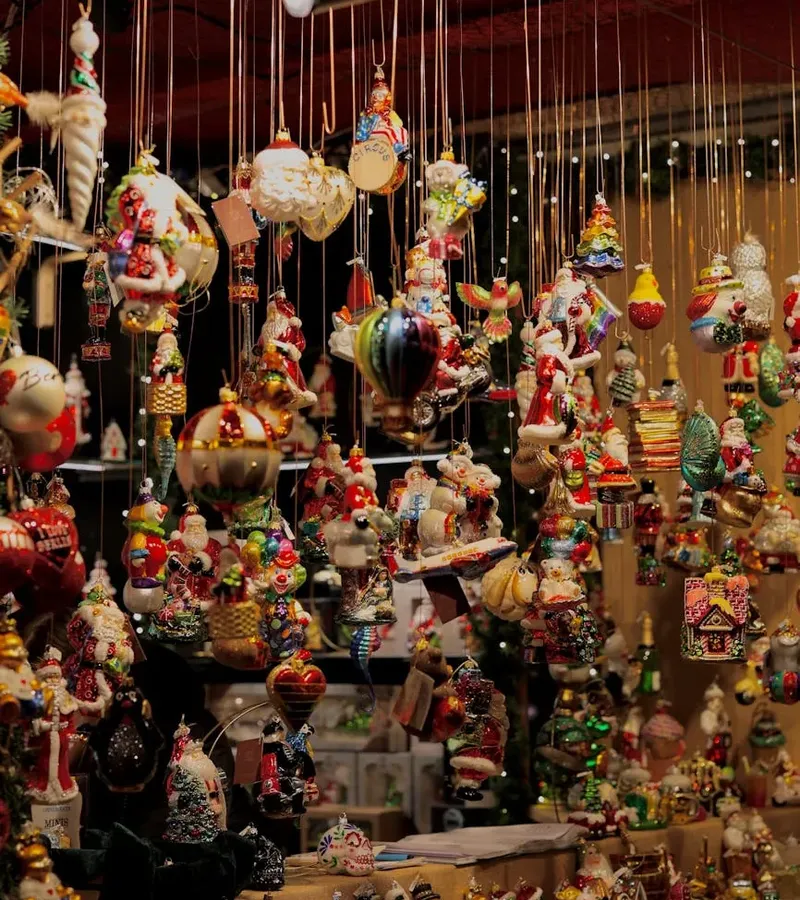
Souvenirs and special local gifts.
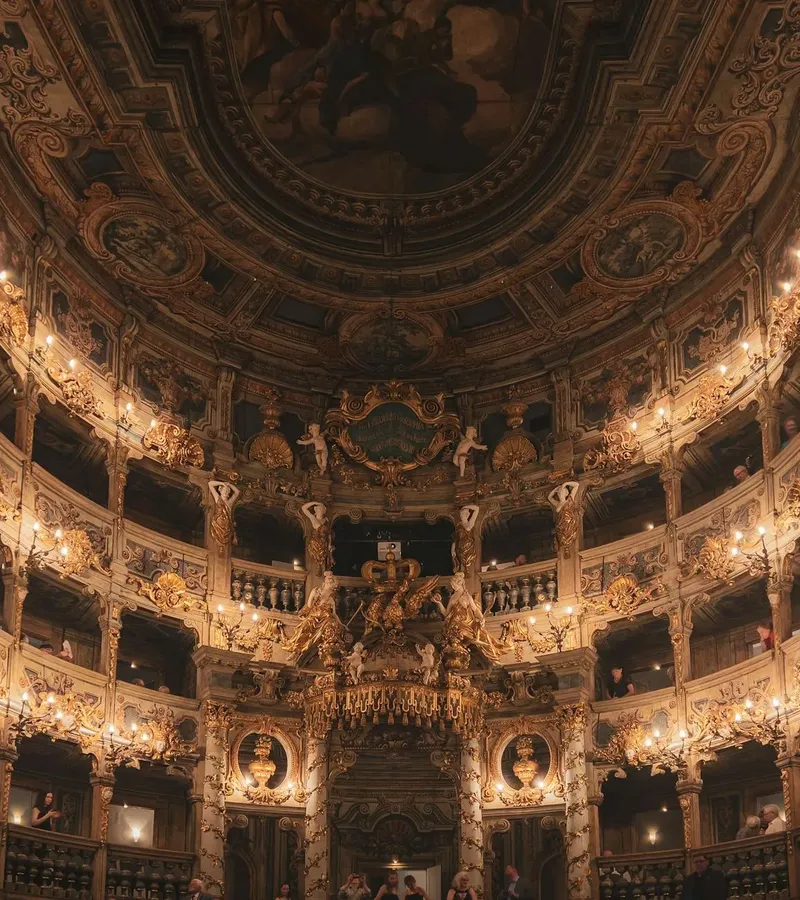
Culture, entertainment, and inspiring ideas for your free time.
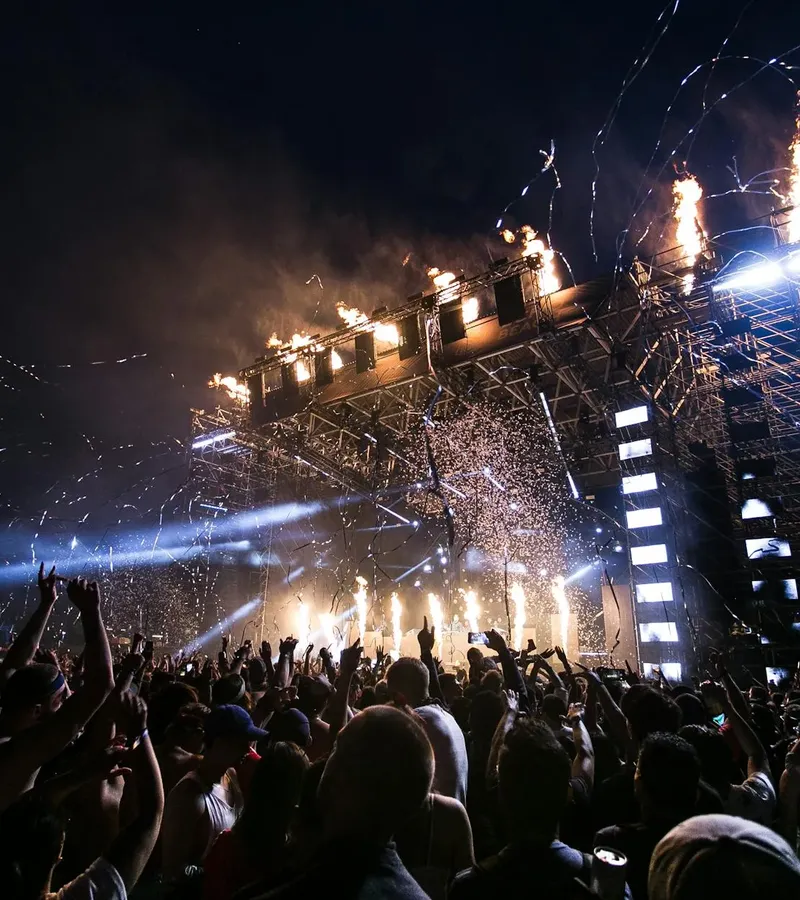
Clubs, culture, and evening plans in the region.

Advice, places, and tips for queer travel locally.

Sports options and well-known clubs in the region.
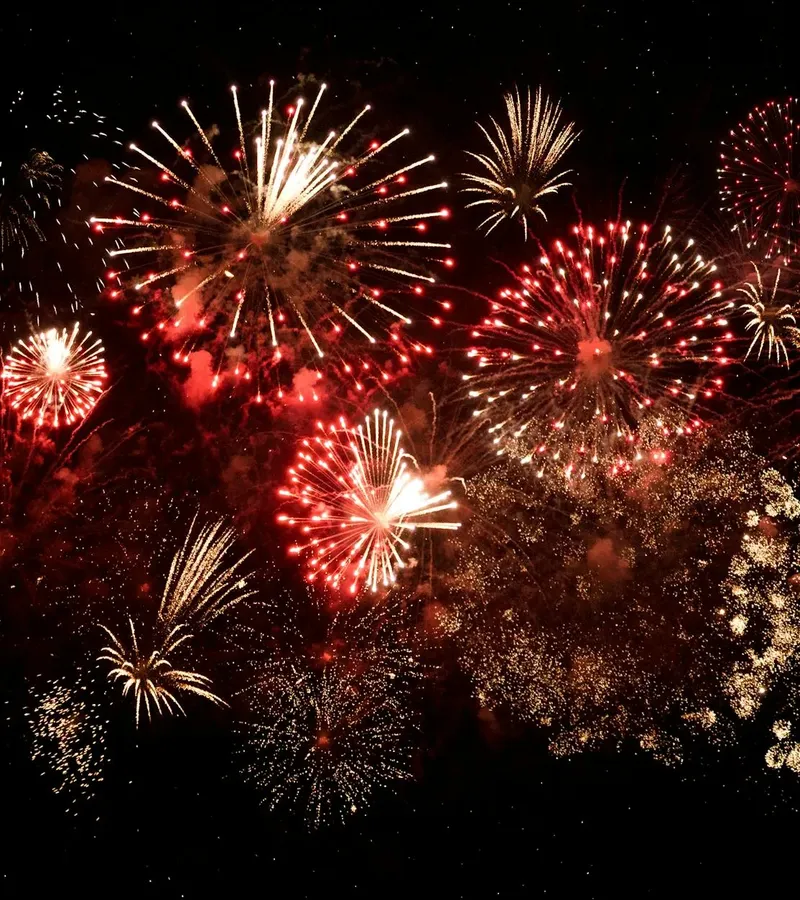
Festivals, highlights, and seasonal events.

Important advice, common pitfalls, and no-gos.

History, background, and interesting context.
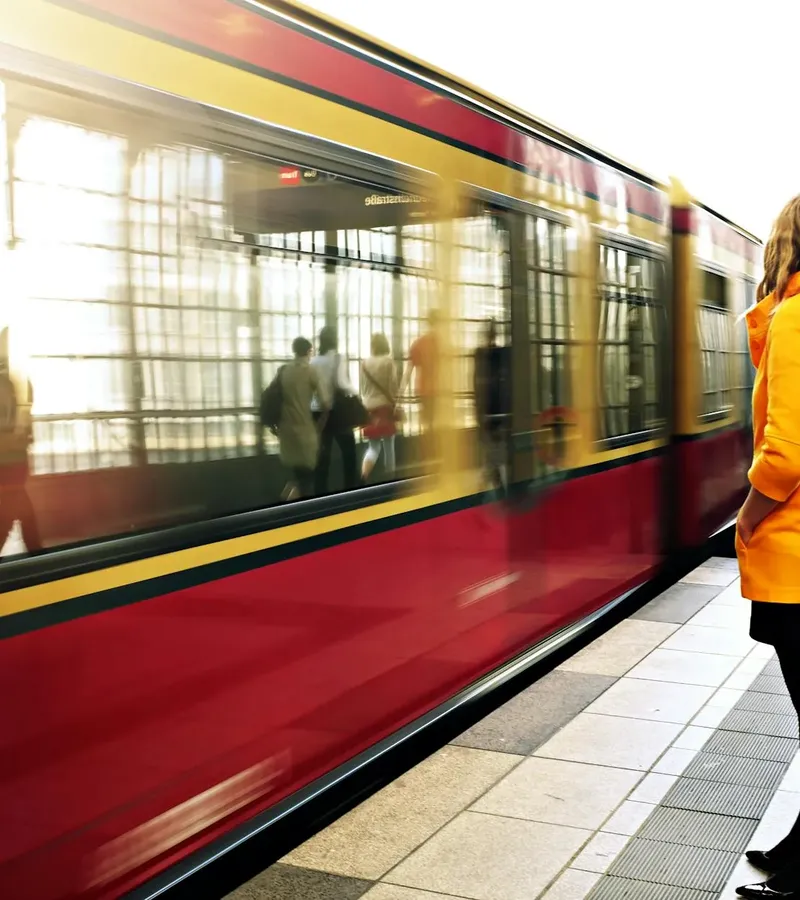
Tips for public transport and arrival.
Sights, highlights, and background information about Rheinland-Pfalz.
Typical dishes, regional classics, and culinary tips.
Souvenirs and special local gifts.
Culture, entertainment, and inspiring ideas for your free time.
Clubs, culture, and evening plans in the region.
Advice, places, and tips for queer travel locally.
Sports options and well-known clubs in the region.
Festivals, highlights, and seasonal events.
Important advice, common pitfalls, and no-gos.
History, background, and interesting context.
Tips for public transport and arrival.