More about NRW
Sights, highlights, and background information about NRW.
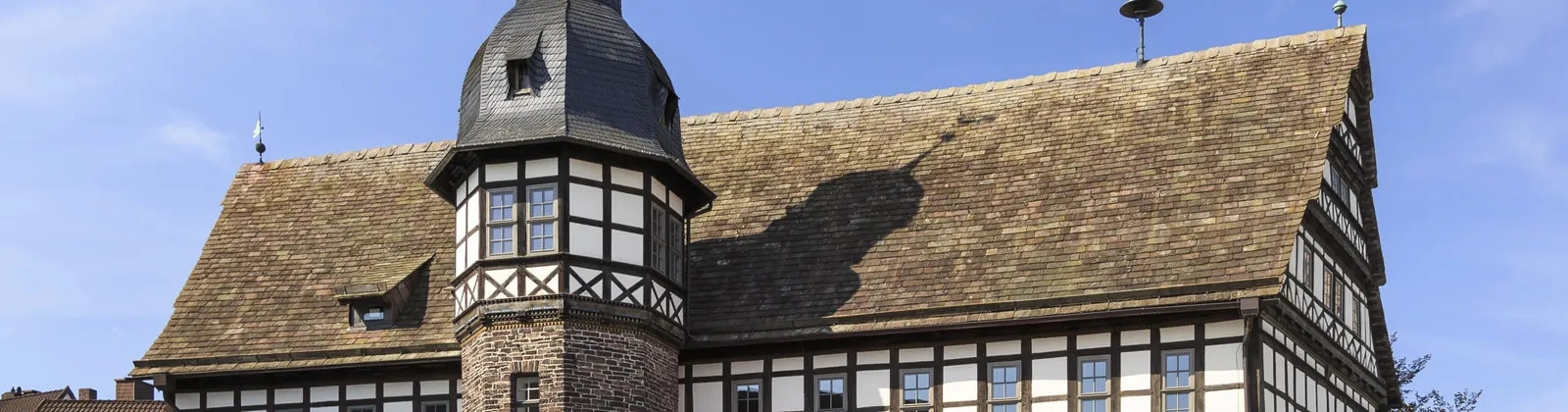
Between the Weser Renaissance half-timbered houses and the UNESCO World Heritage Site of Corvey, the Hanseatic city unfolds its historical magic right on the river.
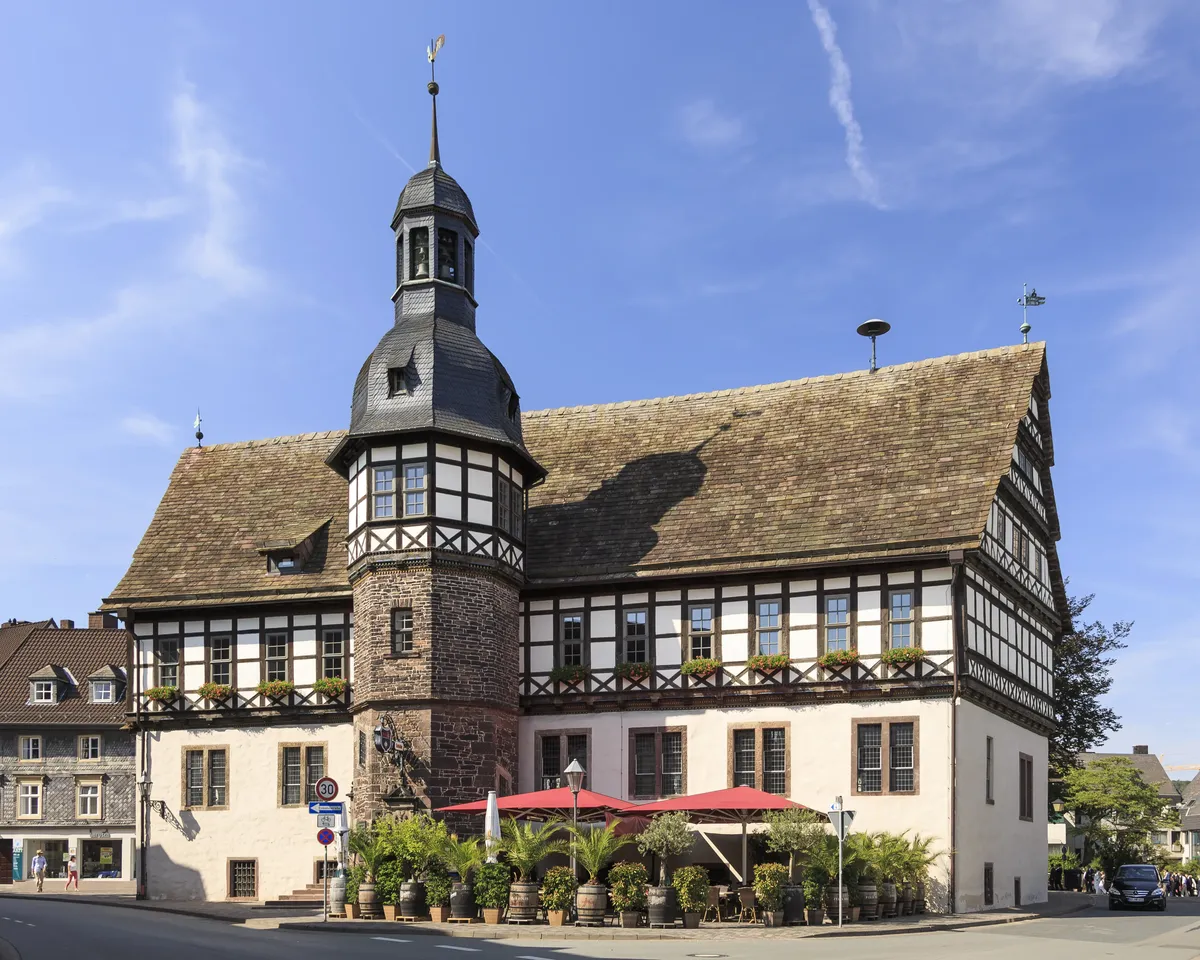
Höxter itself is a prime example of Weser Renaissance architecture. On a stroll through the pedestrian zone, the “Adam and Eve House” and the historic town hall with its ornate carvings are particularly eye-catching. The town was once an important member of the Hanseatic League, a fact still evident today in its proud ensemble of townhouses.
Located in the picturesque Weserbergland region, Höxter is an ideal hub for cyclists on the Weser Cycle Route. Since the 2023 State Garden Show, the area between the old town and Corvey Castle has also been transformed into a sprawling park right on the riverbank, inviting visitors to linger and stroll.
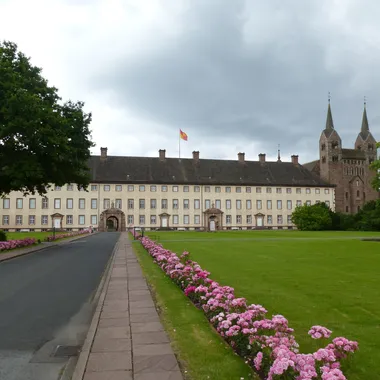
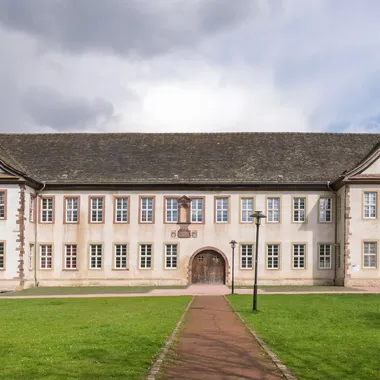
Corvey Castle is located directly on the River Weser and originated from the former Benedictine Abbey of Corvey. Today, the baroque castle impresses with its magnificent library and historic state rooms. The Princely Library, one of the most important private libraries in Germany, is particularly well-known. Visitors can experience a combination of monastic history and princely living culture.
The monastery garden was restored for the 2023 State Garden Show.
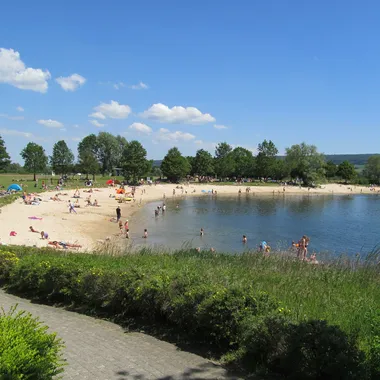
The Godelheim leisure complex on the banks of the Weser is an extensive recreational area with a bathing lake, sandy beach and spacious sunbathing lawns. Modern play and sports facilities as well as walking paths along the water make the area a popular destination for visitors looking for nature and relaxation. In summer in particular, a relaxed atmosphere is created here between the river landscape and the leisure park.
The Coptic Orthodox monastery Brenkhausen is located in the district of Brenkhausen and is one of the few Coptic monasteries in Germany. The complex combines Christian oriental traditions with Westphalian architecture. Visitors gain an insight into a lively religious community and a spiritual culture that dates back to Egypt.
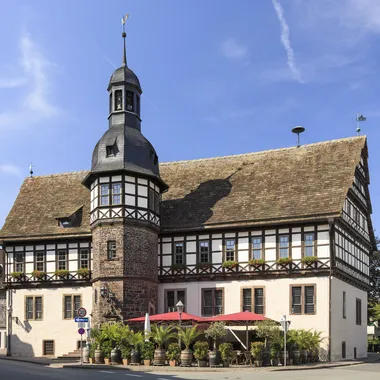
Höxter's historic town hall dominates the market square in the old town with its striking Weser Renaissance façade. Richly decorated gables and ornate details reflect the town's prosperity in the early modern era. Visitors can discover a typical example of North German Renaissance architecture and experience the lively town center at the same time.
The Carolingian westwork of the former Corvey monastery complex is one of the oldest surviving buildings of its kind in the world. The adjoining Civitas shows the development of a medieval settlement. Visitors gain an insight into the connection between monastic life and urban development.
It has been a UNESCO World Heritage Site since 2014, as the westwork is a unique example of Carolingian architecture and documents the spread of Christian culture in Europe.
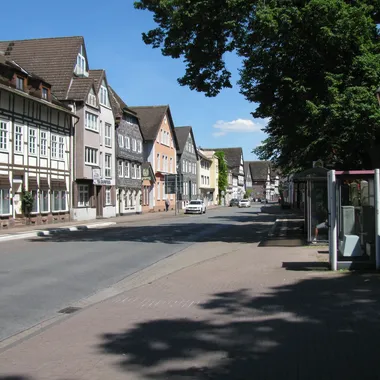
The old town of Höxter impresses with numerous well-preserved half-timbered houses from the Weser Renaissance. Narrow alleyways, historic squares and ornately decorated facades convey a vivid picture of the town's history.
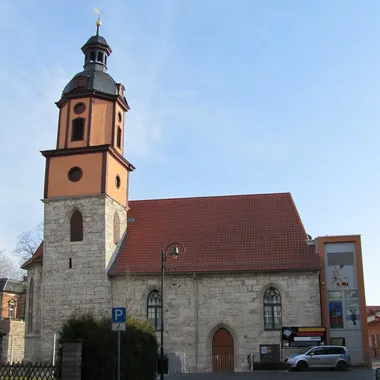
The Kilianikirche is one of the oldest churches in Höxter and dates back to the Middle Ages. The simple, Romanesque-style building conveys a calm and clear atmosphere. Visitors will discover an example of early church architecture in the region as well as a place of contemplation away from the hustle and bustle.
The Museum im Huetteschen Haus is located in a magnificent half-timbered building from the Renaissance period. The exhibition is dedicated to the history of the town and displays furniture, everyday objects and historical documents. Visitors are given a vivid insight into life in Höxter in earlier centuries.
Sights, highlights, and background information about NRW.
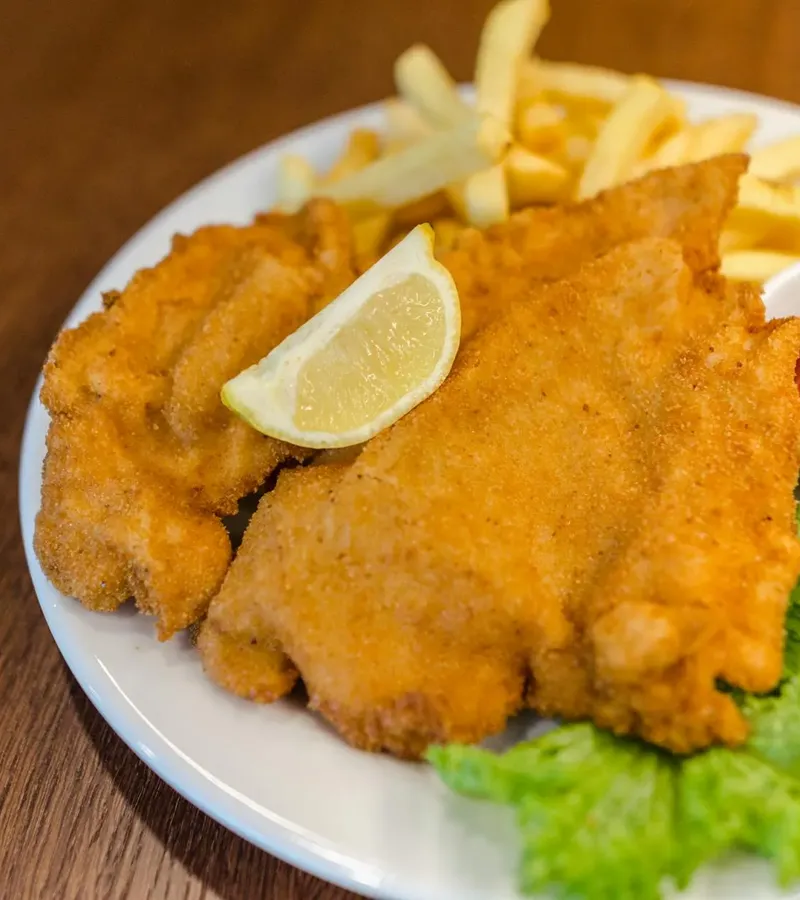
Typical dishes, regional classics, and culinary tips.
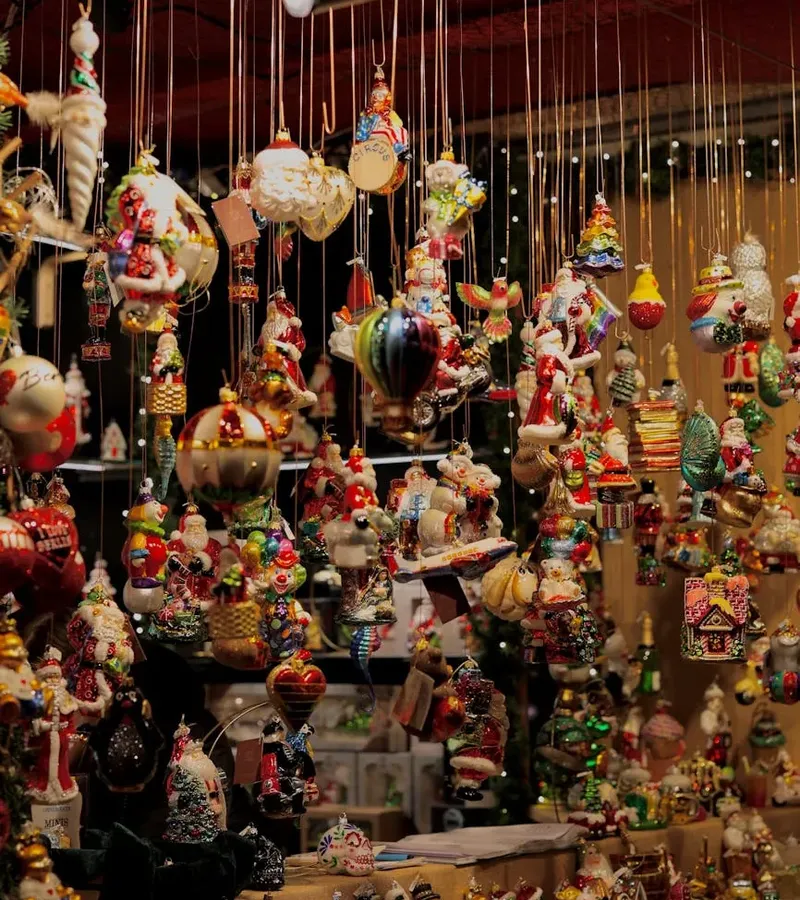
Souvenirs and special local gifts.
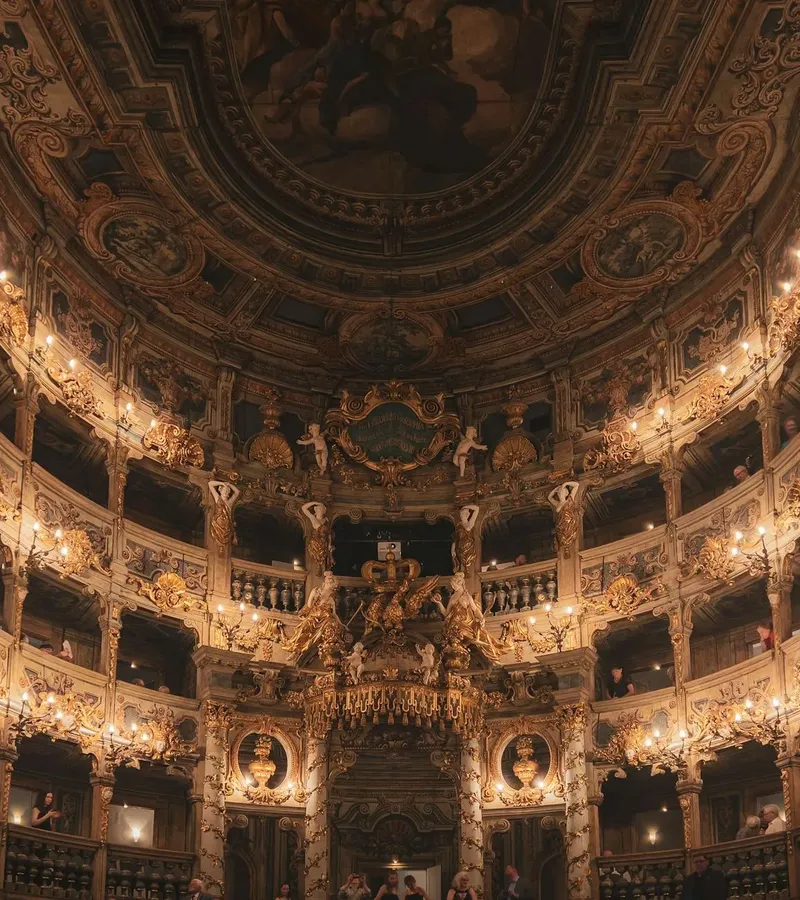
Culture, entertainment, and inspiring ideas for your free time.
Clubs, culture, and evening plans in the region.

Advice, places, and tips for queer travel locally.

Sports options and well-known clubs in the region.
Festivals, highlights, and seasonal events.

Important advice, common pitfalls, and no-gos.
History, background, and interesting context.
Tips for public transport and arrival.
Sights, highlights, and background information about NRW.
Typical dishes, regional classics, and culinary tips.
Souvenirs and special local gifts.
Culture, entertainment, and inspiring ideas for your free time.
Clubs, culture, and evening plans in the region.
Advice, places, and tips for queer travel locally.
Sports options and well-known clubs in the region.
Festivals, highlights, and seasonal events.
Important advice, common pitfalls, and no-gos.
History, background, and interesting context.
Tips for public transport and arrival.