More about Niedersachsen
Sights, highlights, and background information about Niedersachsen.
Munster in the Lüneburg Heath combines vast, tranquil natural landscapes with a special military character
The city developed, particularly in the 20th century, into one of the Bundeswehr’s largest bases in Germany and remains closely linked to military training areas that cover large parts of the surrounding region and are not open to the public.
At the same time, the area is characterized by its typical heathland landscape, featuring forests, open spaces, and sandy soils. The region garnered international attention in 2018 due to a large-scale moor and heath fire on a military training area, which spread over several weeks and highlighted the landscape’s particular vulnerability.
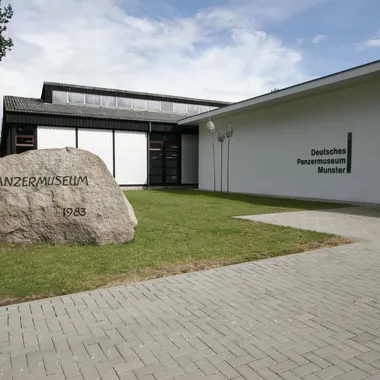
The German Tank Museum documents the history of the German armored forces since 1917 and displays an extensive collection of armored vehicles from various eras, including models from the First and Second World Wars and the post-war period. The museum attaches great importance to a critical examination of military history and offers visitors an in-depth insight into the development and use of tank technology.
The Ollershof is a historic two-storey house dating back to 1789 and is the oldest surviving residential building in Munster. It was bequeathed to the town in 1978 on the condition that it be preserved as a home. Today, the Ollershof serves as a venue for cultural events, town meetings and civil weddings. There is also a bakehouse, a coach house and other historic buildings on the site.
The Flüggenhofsee is a local recreation area in Munster that was created from a former gravel belt pond. With a length of 950 meters and a width of up to 300 meters, the lake offers opportunities for swimming, walking and relaxing. A large sandy beach, a pirate playground and a barbecue area make it particularly attractive for families.
The mill pond is an idyllic place in Munster, surrounded by a park-like area. It was created in the 1960s by clearing a silted-up pond with the support of the German army. Today it is a popular place for walks and relaxation. The pond is home to various species of fish, including eel, brown trout and pike.
Sights, highlights, and background information about Niedersachsen.
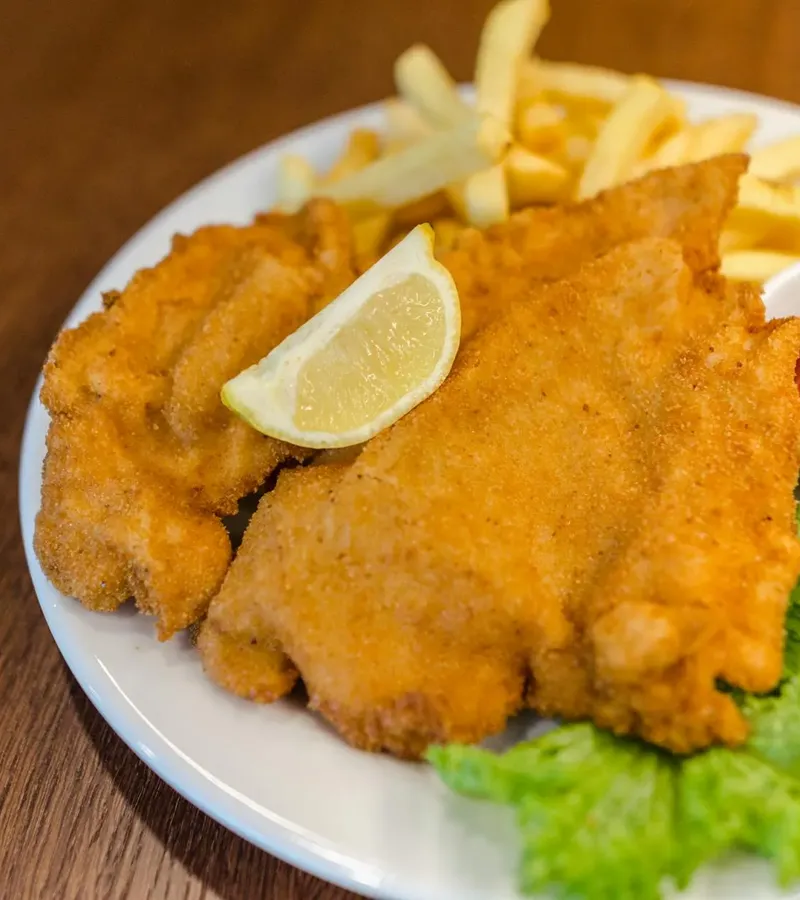
Typical dishes, regional classics, and culinary tips.
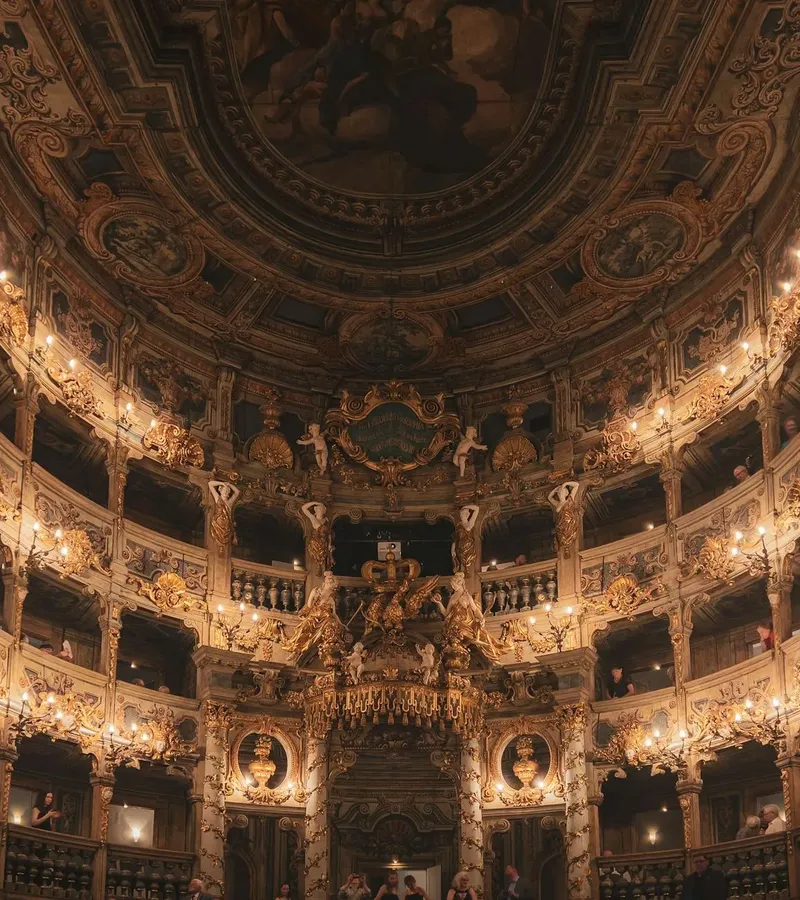
Culture, entertainment, and inspiring ideas for your free time.

Clubs, culture, and evening plans in the region.

Advice, places, and tips for queer travel locally.

Sports options and well-known clubs in the region.

Festivals, highlights, and seasonal events.

Important advice, common pitfalls, and no-gos.

History, background, and interesting context.
Tips for public transport and arrival.
Sights, highlights, and background information about Niedersachsen.
Typical dishes, regional classics, and culinary tips.
Culture, entertainment, and inspiring ideas for your free time.
Clubs, culture, and evening plans in the region.
Advice, places, and tips for queer travel locally.
Sports options and well-known clubs in the region.
Festivals, highlights, and seasonal events.
Important advice, common pitfalls, and no-gos.
History, background, and interesting context.
Tips for public transport and arrival.