More about Niedersachsen
Sights, highlights, and background information about Niedersachsen.
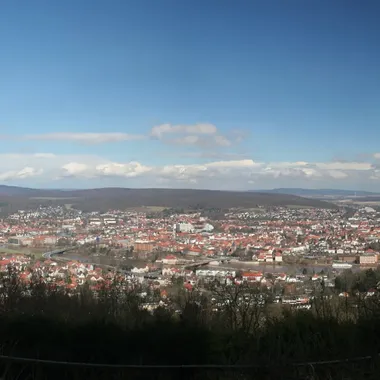
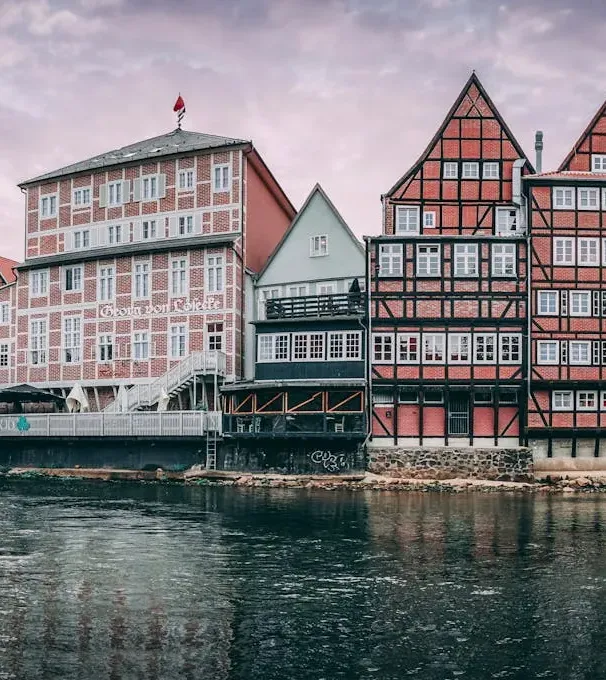
Hamelin is located in the Weserbergland region of Lower Saxony and is world-famous for the legend of the Pied Piper
This historic town features well-preserved half-timbered houses, impressive Weser Renaissance sandstone buildings, and a wealth of cultural attractions. A stroll through the old town takes visitors on a journey back through the centuries—with a touch of fairy tale magic. The town boasts a well-preserved old town with half-timbered and Weser Renaissance buildings.
The legend of the Pied Piper of Hamelin takes place in 1284, when the town of Hamelin was plagued by rats. A mysterious piper offered to rid the town of the vermin. With his flute, he lured all the rats out of the town and led them into the Weser River, where they drowned.
But the citizens refused to pay him the promised reward. So the Pied Piper returned—this time not for the rats, but for the children. Once again, he played his flute, and all the children followed him out of the city and disappeared forever.
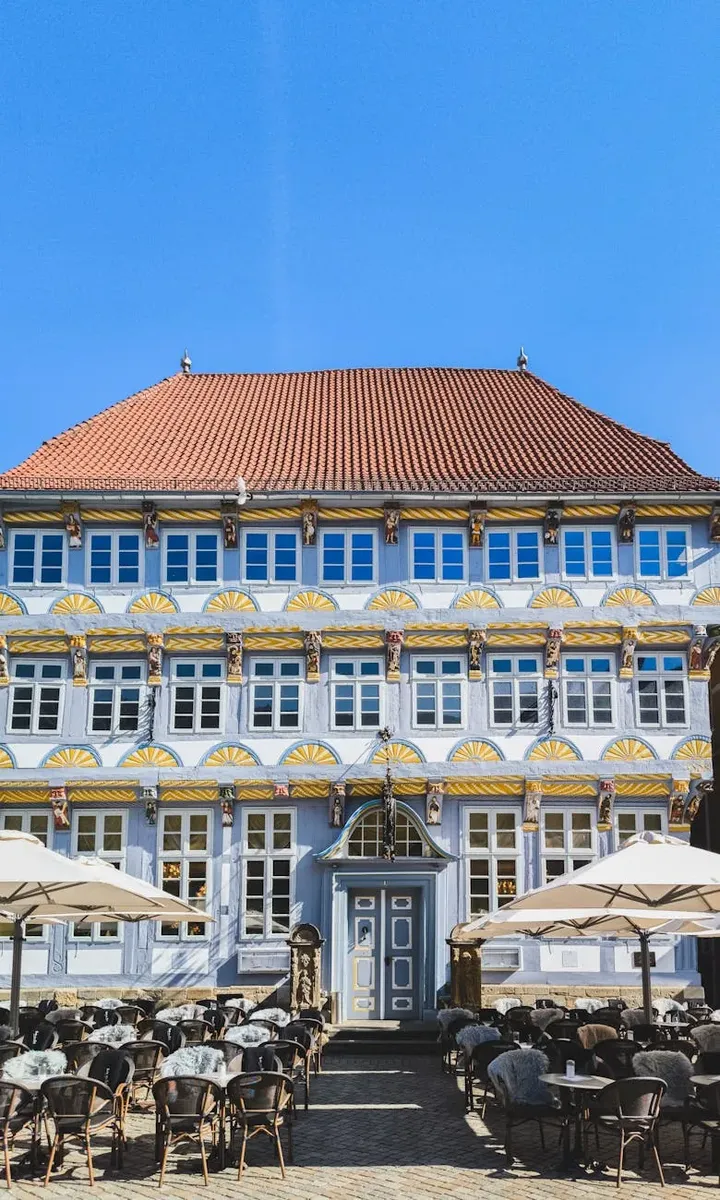
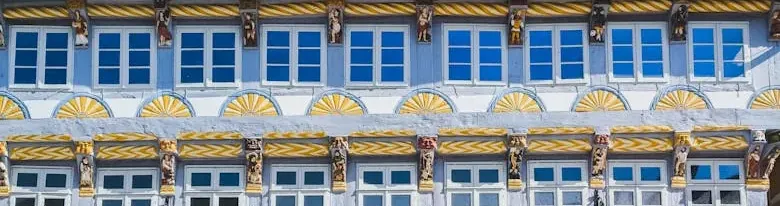
The old town is characterized by Weser Renaissance buildings with richly decorated facades. Visitors can experience a cohesive historical townscape here.
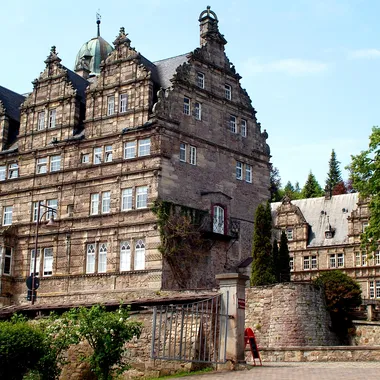
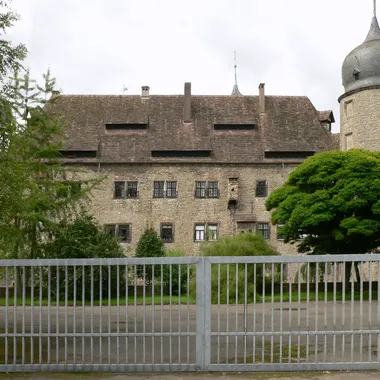
Hämelschenburg Castle is one of the most important Renaissance castles in northern Germany. It is well preserved and can be visited. Visitors can discover architecture and history here.
The museum shows the history of the town and the region. The legend of the Pied Piper in particular is presented here in detail. Visitors are given a comprehensive overview of Hamelin.
The bronze figure in the city center is a reminder of the world-famous legend of the mysterious piper who led the children away from Hamelin. A popular photo spot for visitors from all over the world.
The museum is dedicated to Baron von Münchhausen and his famous stories. Humorous exhibitions show his adventures.
Hieronymus Carl Friedrich von Münchhausen was an 18th century German nobleman who served as an officer and later became famous for his fantastic tales.
He told stories of alleged adventures that were completely exaggerated and impossible, for example: riding on a cannonball, pulling himself out of a swamp by his own pigtail and traveling to the moon.
These stories were later turned into literature and made him famous worldwide.
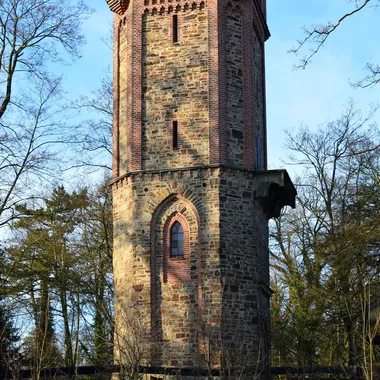
The 25-metre-high observation tower on the Klütberg offers a sweeping view over Hamelin and the Weserbergland. A popular destination for hikers and walkers, often with refreshments available at the mountain inn.
Modern leisure hall for sporty, active fun with light and tactics - popular with groups, families and young people.
The castle is located just outside Hamelin and is an example of Weser Renaissance architecture. The complex is now partly used as a hotel. Visitors can experience historical architecture in a scenic setting.
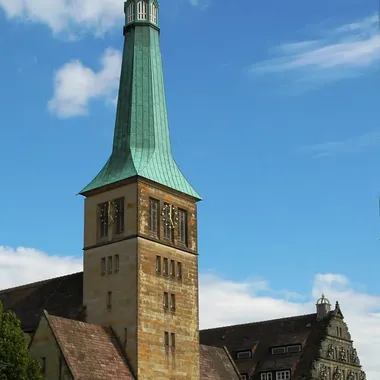
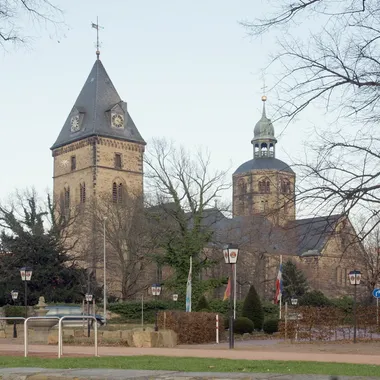
Hameln's oldest church with two striking towers. Center of Protestant parish life and architectural landmark of the old town.
The church of St. Boniface is an important religious building in the town. It features architectural elements from different eras.
The carillon plays the legend of the Pied Piper several times a day. Figures move to the music and tell the story. Visitors can vividly experience the legend here.
The castle is located directly on the Weser and is surrounded by water. The complex shows typical features of a moated castle: moat (protection + representation), bridges as access, low, compact construction, surroundings with a flat landscape. Visitors can experience historical architecture in an idyllic setting.
One of the city's most impressive buildings from the Weser Renaissance period. Today it houses events, the carillon and tourist information. It was once used for civic celebrations and council meetings.
Monument in honor of the inventor of letterpress printing - a symbol of education and media history, located near the city library.
Sights, highlights, and background information about Niedersachsen.

Typical dishes, regional classics, and culinary tips.
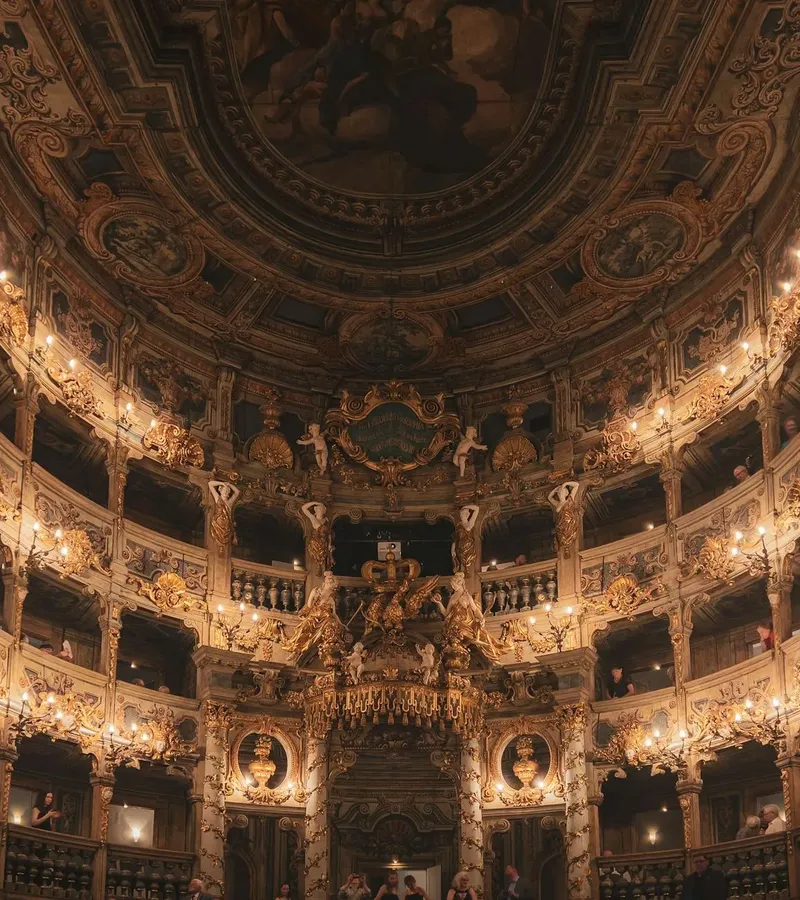
Culture, entertainment, and inspiring ideas for your free time.
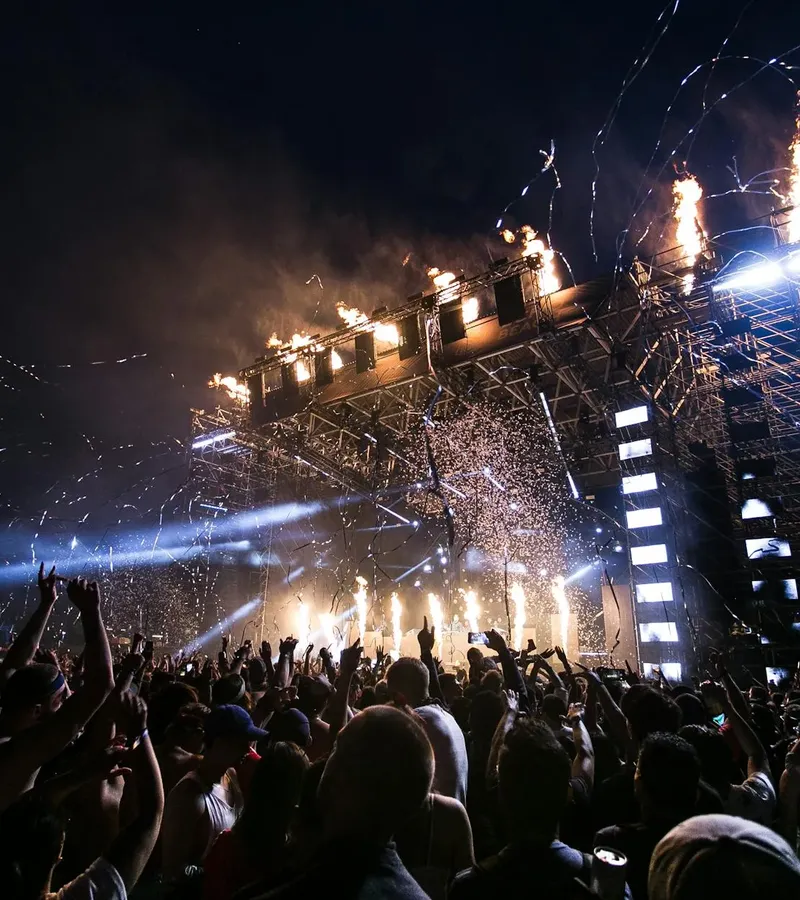
Clubs, culture, and evening plans in the region.

Advice, places, and tips for queer travel locally.

Sports options and well-known clubs in the region.

Festivals, highlights, and seasonal events.

Important advice, common pitfalls, and no-gos.

History, background, and interesting context.
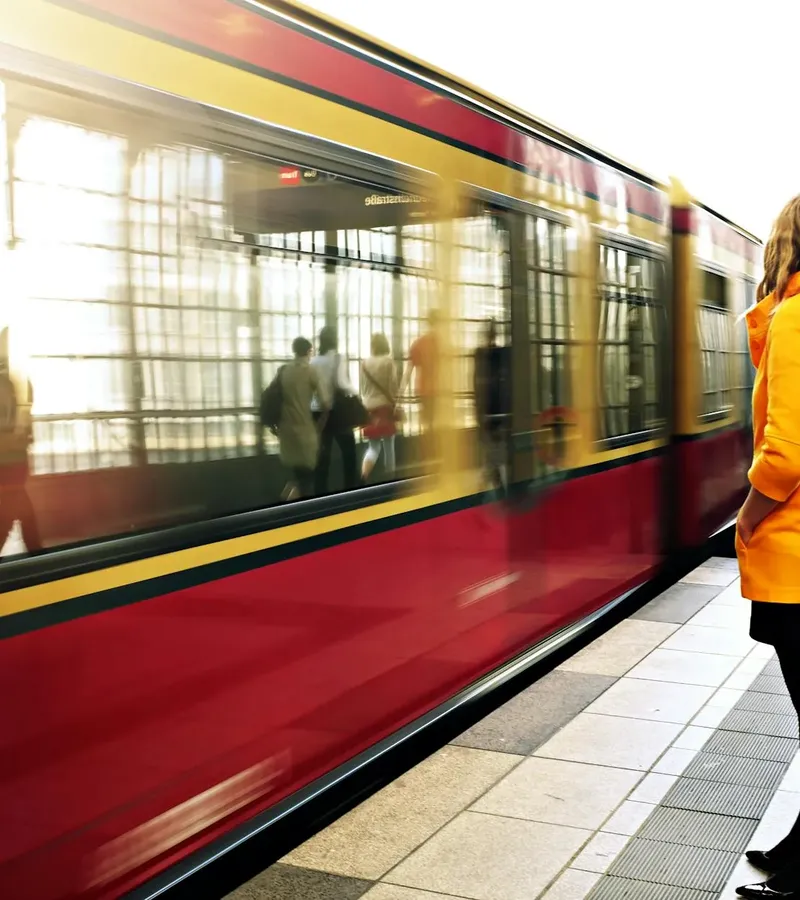
Tips for public transport and arrival.
Sights, highlights, and background information about Niedersachsen.
Typical dishes, regional classics, and culinary tips.
Culture, entertainment, and inspiring ideas for your free time.
Clubs, culture, and evening plans in the region.
Advice, places, and tips for queer travel locally.
Sports options and well-known clubs in the region.
Festivals, highlights, and seasonal events.
Important advice, common pitfalls, and no-gos.
History, background, and interesting context.
Tips for public transport and arrival.