More about Hessen
Sights, highlights, and background information about Hessen.
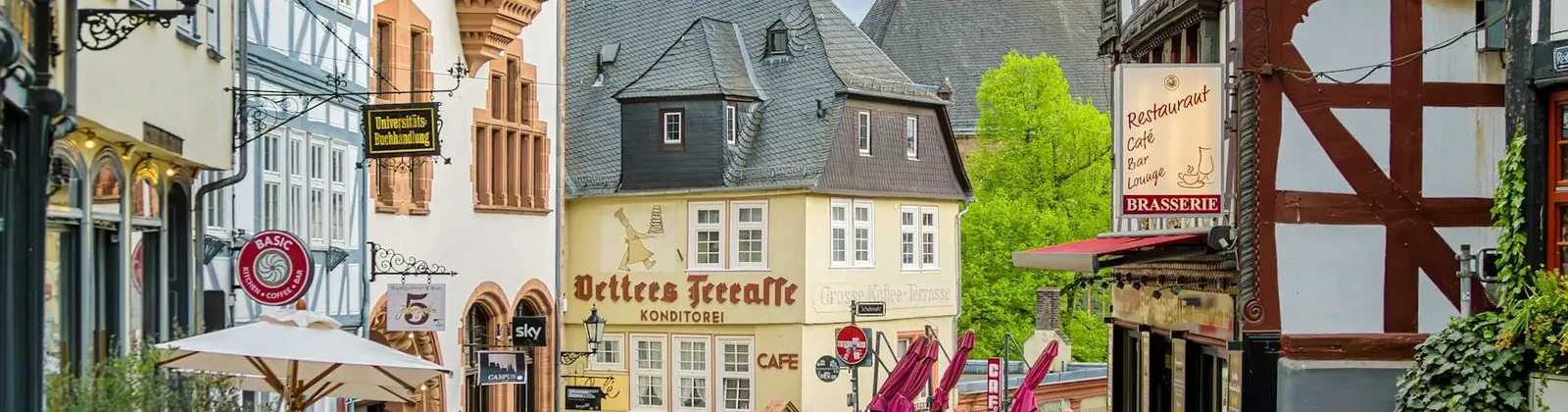
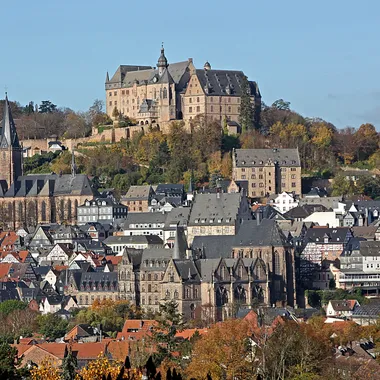
High above the Lahn, the winding upper town with its imposing landgrave's castle nestles on steep hillsides
The city’s history is inextricably linked to two great figures: Saint Elizabeth of Thuringia and Landgrave Philip the Magnanimous. In the 13th century, thanks to Elizabeth’s efforts, Marburg became one of the most important pilgrimage sites in the Western world, leading to the construction of the majestic Church of Saint Elizabeth—the first purely Gothic hall church on German soil.
Later, in 1527, Philip founded the world’s first Protestant university here, sealing Marburg’s destiny as a city of scholarship. The famous saying “Other cities have a university; Marburg is a university” still aptly describes this reality today, as student life permeates every corner of the city.
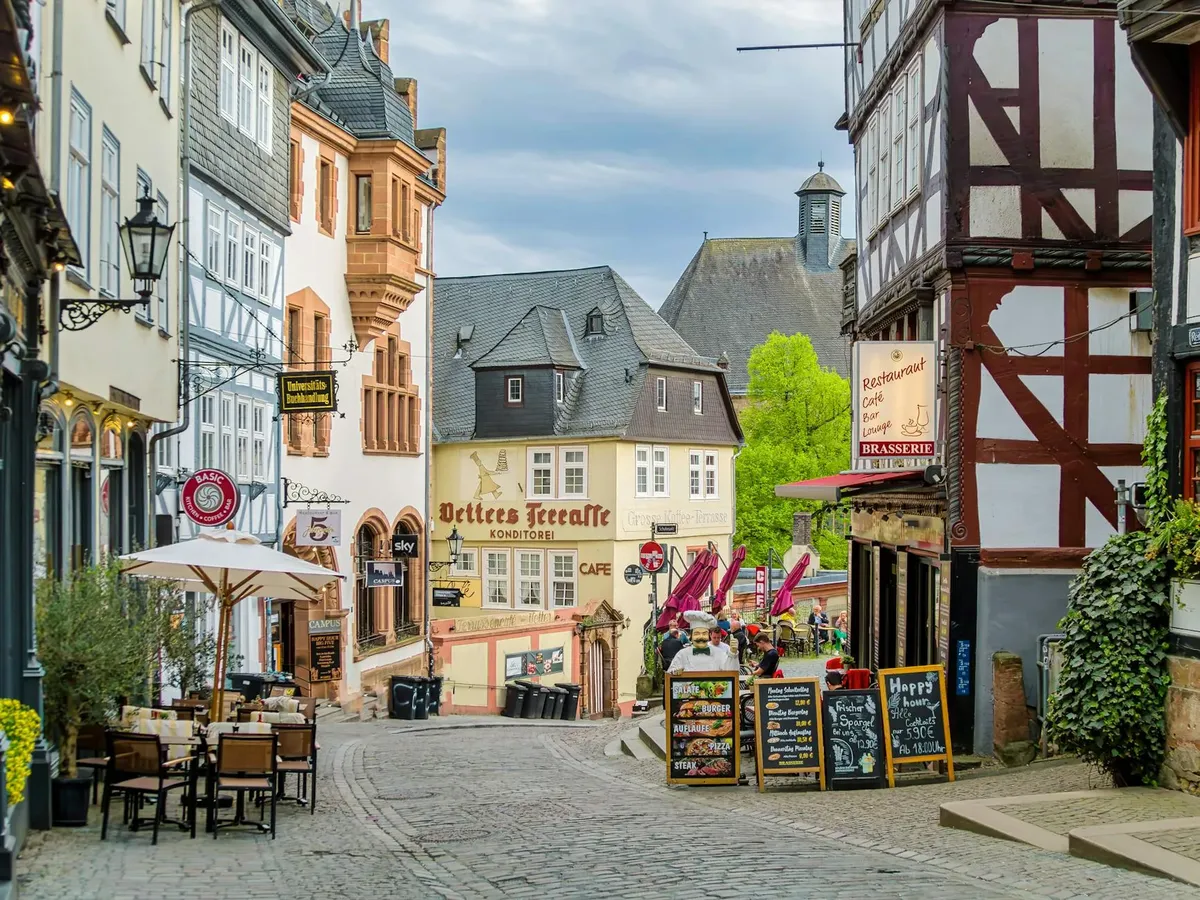
In terms of urban design, Marburg is a vertical experience. The historic Upper Town, with its steep stairways (“Graben”), winding half-timbered alleys, and narrow passageways, has preserved its medieval character almost entirely.
In the present day, Marburg has also developed into a globally significant hub for the pharmaceutical and biotechnology industries. Building on the legacy of the first Nobel Prize winner in Medicine, Emil von Behring, the city is now home to state-of-the-art research facilities and production sites.
The castle towers high above Marburg and combines several eras in its architecture. Inside, the museum presents exhibits on regional history, art and archaeology. The historic state rooms and the sweeping panoramic view from the castle terraces are particularly impressive.
St. Elisabeth's Church is considered to be one of the earliest purely Gothic buildings in Germany. It was built in honor of St. Elisabeth, whose tomb lies here. High vaulted ceilings, ornate stained glass windows and fine stonework create an impressive, solemn atmosphere.
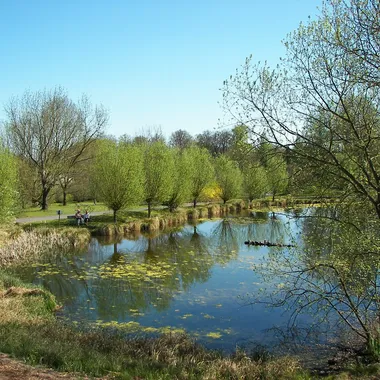
The Philipps University Botanical Garden comprises extensive open spaces and greenhouses with plants from all climate zones. Themed areas such as the alpine garden or the tropical house offer variety and vividly convey botanical knowledge.
The old town stretches across a slope below the Schlossberg and delights visitors with its cobbled alleyways, half-timbered façades and small squares. There are numerous photo opportunities between cafés, boutiques and historic buildings. The climb up the narrow stairways is particularly attractive and always opens up new perspectives of the city.
The Gothic St. Mary's Church was built in the 13th century and impresses with its slender towers and richly decorated altars. It was the center of the Lutheran faith in Marburg for centuries and is still a prominent landmark in the old town today.
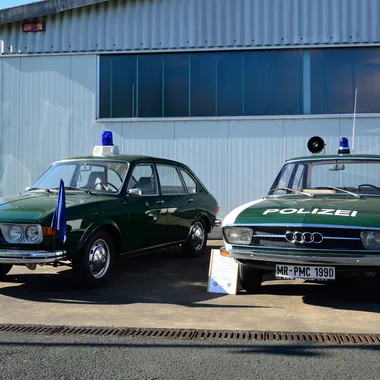
Historic police vehicles from several decades are on display in a former industrial hall - from patrol cars to motorcycles and special vehicles. The collection is maintained by an association that regularly organizes special exhibitions and action days.
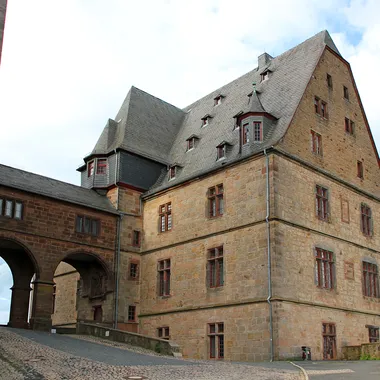
The University Church of St. Nikolai is one of the oldest buildings in Marburg and impresses with its simple Gothic architecture. Today, it serves as the spiritual center of Philipps University and impresses with its historical murals and peaceful atmosphere away from the bustling city.
Situated to the east of the old town, on the banks of the River Lahn, Weidenhausen has retained the charm of an old craftsmen's quarter. Narrow streets, low half-timbered houses and small gardens characterize the picture. A stroll along the river or through the quiet alleyways offers a welcome contrast to the hustle and bustle of the upper town.
The tower of the university church houses a functioning camera obscura, an optical device that projects a vivid but reversed image of the city onto a projection screen. This unusual experience offers a fascinating, completely new view of Marburg - especially on a clear day.
The Mineralogical Museum displays an impressive collection of minerals, crystals, gemstones and fossils from all over the world. The fluorescent exhibits, which glow under UV light in darkened rooms, are particularly exciting. The exhibition not only conveys scientific facts, but also the beauty and diversity of the mineral world.
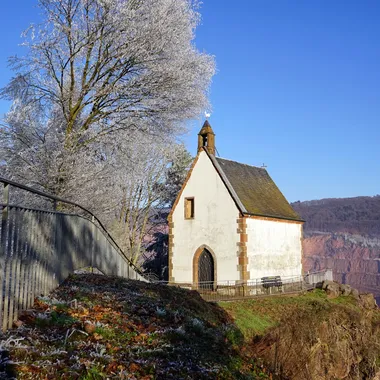
The small, simple St. Michael's Chapel dates back to the 13th century and was originally part of a hospital. With its thick walls and narrow windows, it has a very restrained architectural appearance, but its peaceful atmosphere makes it a special place of contemplation.
Sights, highlights, and background information about Hessen.

Typical dishes, regional classics, and culinary tips.
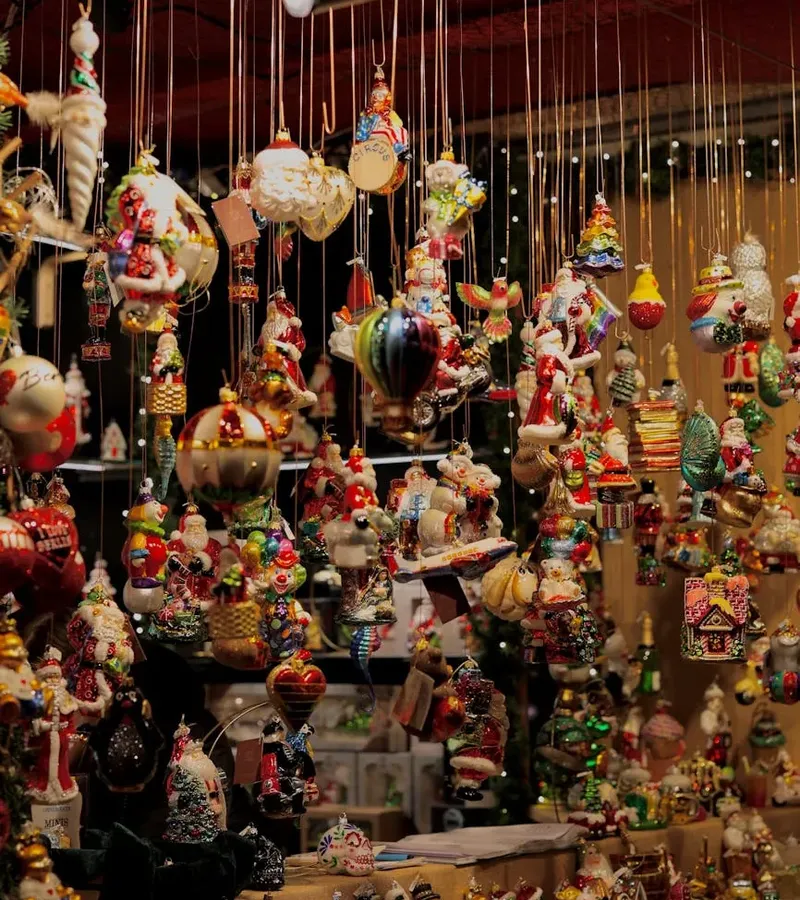
Souvenirs and special local gifts.
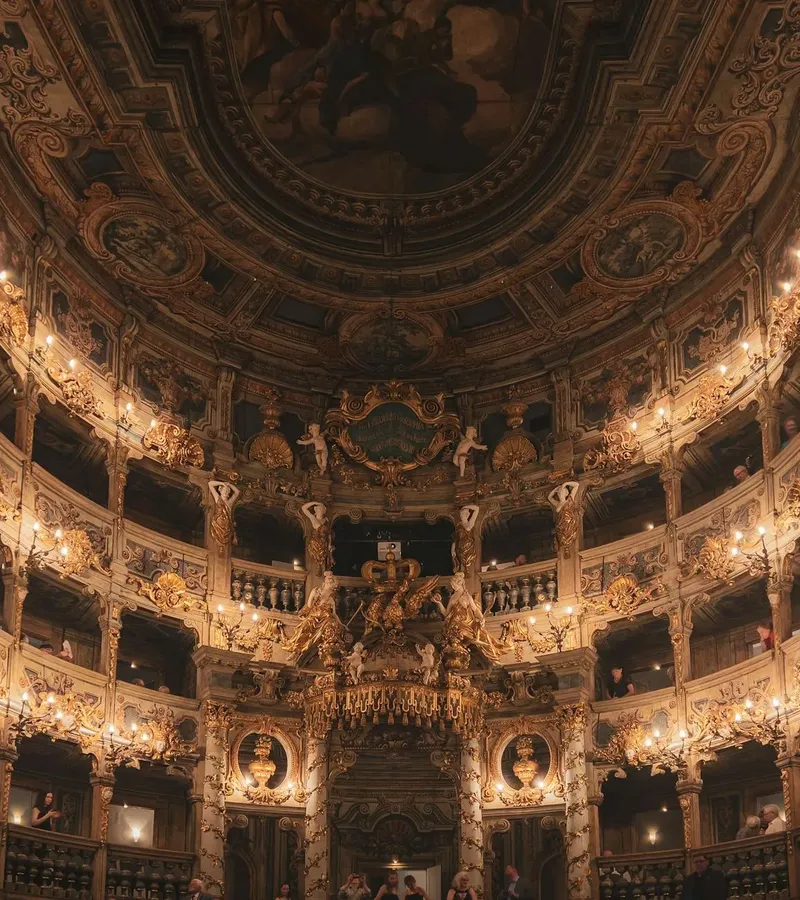
Culture, entertainment, and inspiring ideas for your free time.
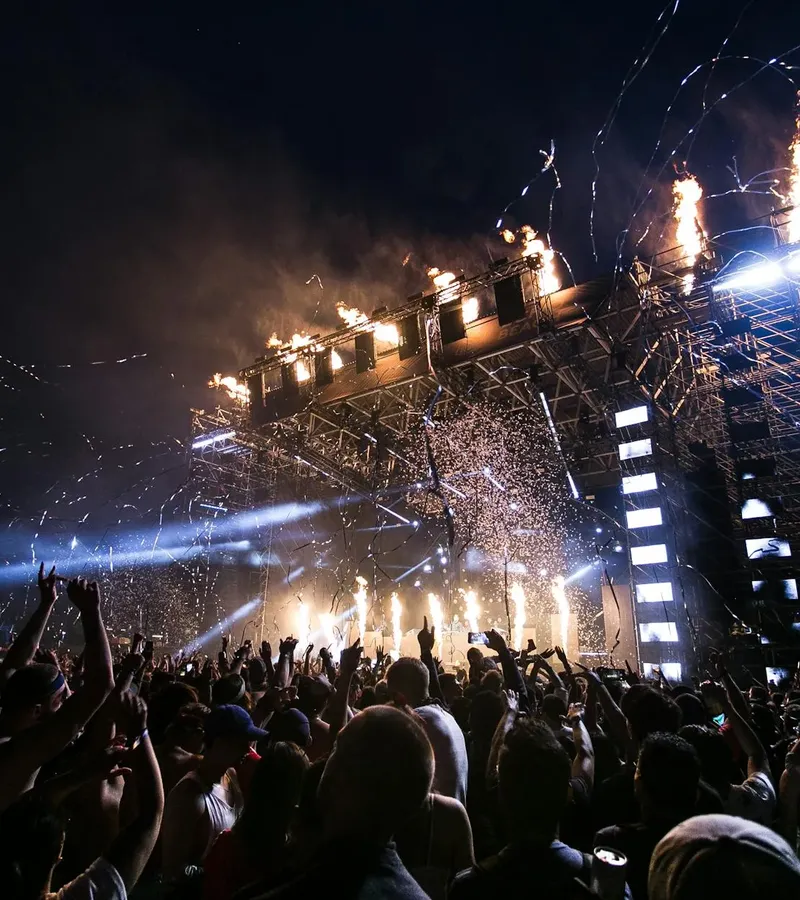
Clubs, culture, and evening plans in the region.

Advice, places, and tips for queer travel locally.

Sports options and well-known clubs in the region.

Festivals, highlights, and seasonal events.

Important advice, common pitfalls, and no-gos.

History, background, and interesting context.
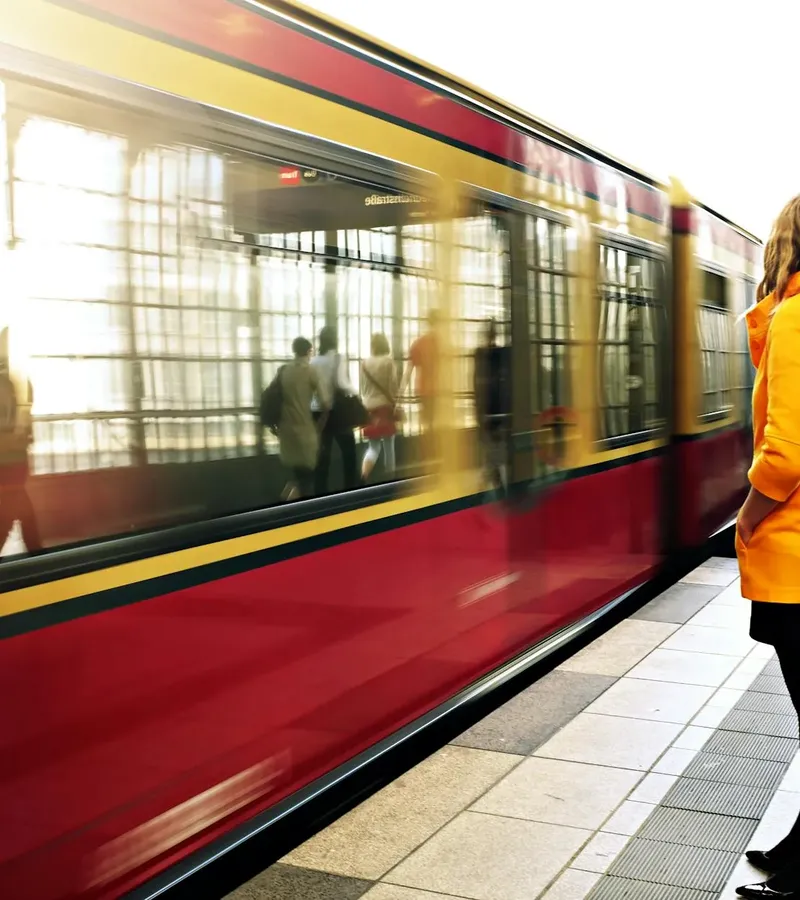
Tips for public transport and arrival.
Sights, highlights, and background information about Hessen.
Typical dishes, regional classics, and culinary tips.
Souvenirs and special local gifts.
Culture, entertainment, and inspiring ideas for your free time.
Clubs, culture, and evening plans in the region.
Advice, places, and tips for queer travel locally.
Sports options and well-known clubs in the region.
Festivals, highlights, and seasonal events.
Important advice, common pitfalls, and no-gos.
History, background, and interesting context.
Tips for public transport and arrival.