More about Baden-Württemberg
Sights, highlights, and background information about Baden-Württemberg.
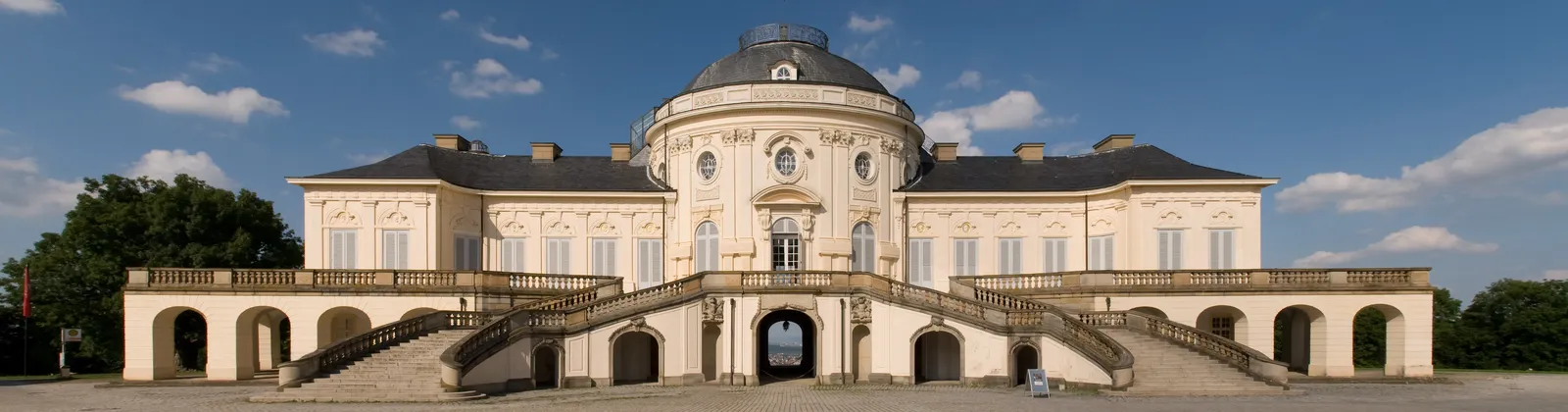
The splendid baroque residences of the city bring the glorious history of the Margraves of Baden back to life
Rastatt is located on the Upper Rhine in Baden-Württemberg and is closely linked to the history of the Baroque period and the Margraviate of Baden. In the 18th century, under Margrave Ludwig Wilhelm (“Türkenlouis”), the city developed into an important royal seat, a legacy that is still reflected today in the magnificent Rastatt Palace—one of the oldest Baroque palaces on the Upper Rhine. Türkenlouis led troops of the Holy Roman Empire against the Ottoman armies and played a key role in driving them out of Central Europe. Rastatt also played a political role, for example at the Congress of Rastatt at the end of the 18th century.
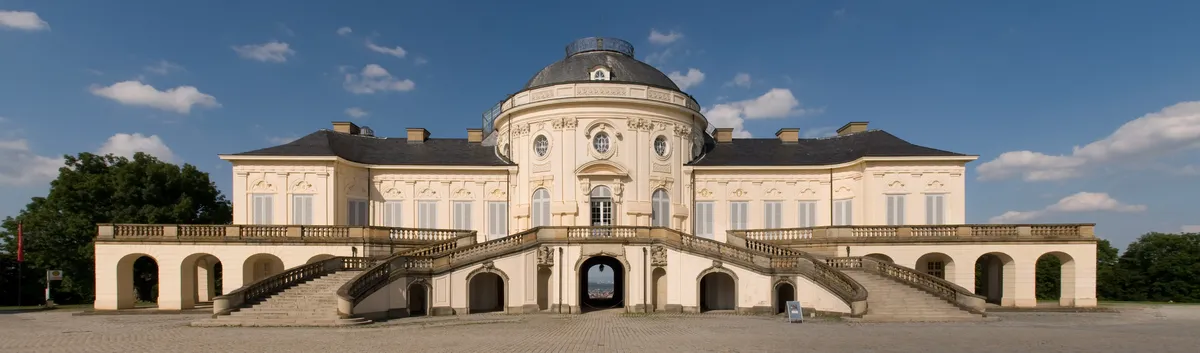
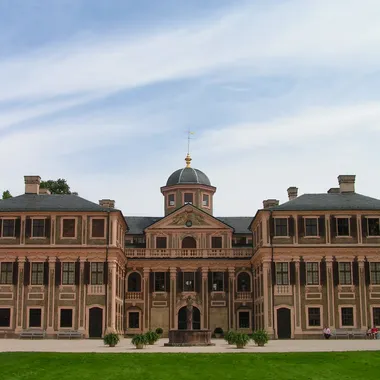
Just outside the city lies Favorite Palace, a baroque pleasure palace in the middle of an idyllic park. The building impresses with its intricate architecture and a wealth of handcrafted details. It is also famous for its valuable porcelain collection.
The Rastatt Residential Palace is a magnificent baroque palace from the early 18th century and is considered one of the most important buildings of its era in Baden. Surrounded by extensive palace gardens, it offers visitors artistically designed facades, magnificent interiors and a rich collection of historical works of art.
St. Alexander's Church is a striking sacred building in the heart of Rastatt. Its façade and impressive interior reflect elements of Baroque architecture, while ornate altars and ceiling paintings invite you to linger and contemplate.
Rastatt Town Hall, a representative building from the middle of the 18th century, dominates the town's market square. With its classicist façade and striking tower, it is an important testimony to the town's history and a central point of public life.
The Pagodenburg, a small garden pavilion building in the palace gardens, combines exotic design elements with Baroque elegance. Originally built as a place for festive occasions and social gatherings, today it offers a special glimpse into 18th century garden architecture.
The casemates of Rastatt are underground defensive structures from the time when the town was expanded into a fortress. With their vaulted corridors and massive walls, they provide a vivid picture of military architecture from past centuries.
Sights, highlights, and background information about Baden-Württemberg.

Typical dishes, regional classics, and culinary tips.
Souvenirs and special local gifts.
Culture, entertainment, and inspiring ideas for your free time.
Clubs, culture, and evening plans in the region.

Advice, places, and tips for queer travel locally.

Sports options and well-known clubs in the region.

Festivals, highlights, and seasonal events.

Important advice, common pitfalls, and no-gos.
History, background, and interesting context.
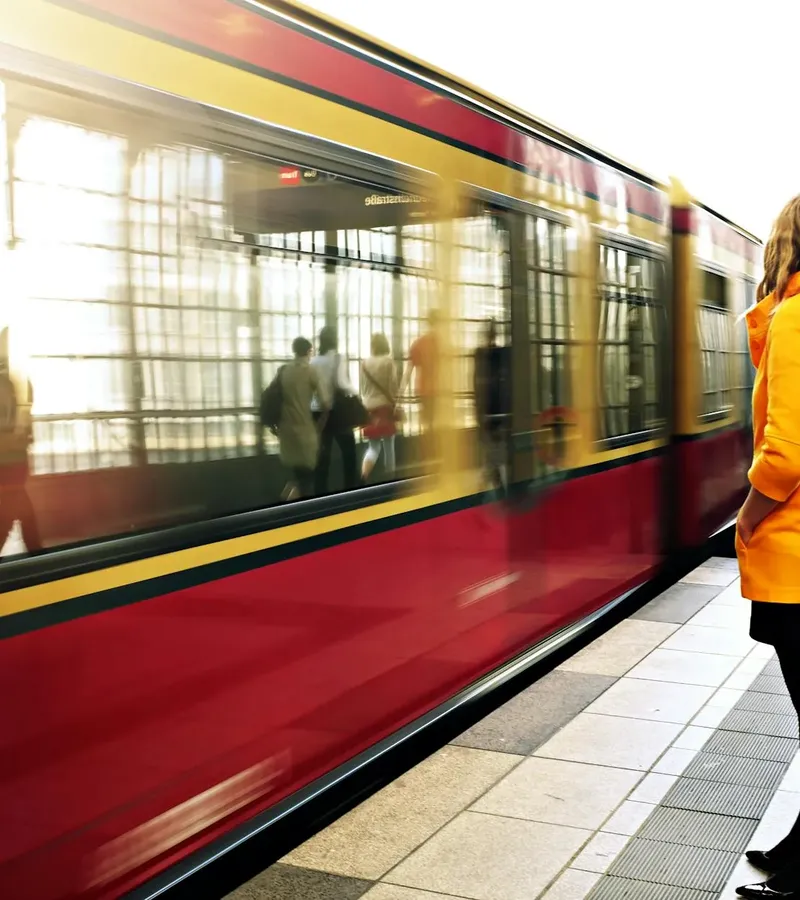
Tips for public transport and arrival.
Sights, highlights, and background information about Baden-Württemberg.
Typical dishes, regional classics, and culinary tips.
Souvenirs and special local gifts.
Culture, entertainment, and inspiring ideas for your free time.
Clubs, culture, and evening plans in the region.
Advice, places, and tips for queer travel locally.
Sports options and well-known clubs in the region.
Festivals, highlights, and seasonal events.
Important advice, common pitfalls, and no-gos.
History, background, and interesting context.
Tips for public transport and arrival.