More about Baden-Württemberg
Sights, highlights, and background information about Baden-Württemberg.
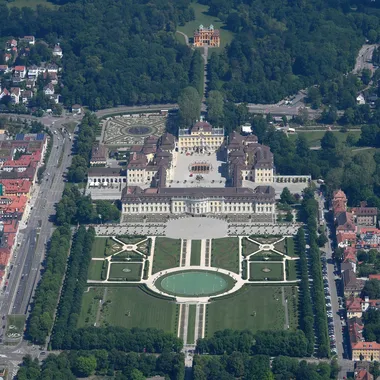
The "Swabian Versailles" impresses with its mighty baroque palace and the magnificent gardens of the Blooming Baroque
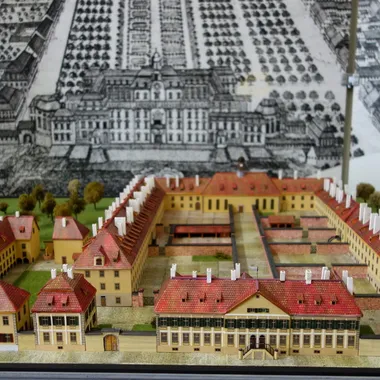
The city was planned and built around the palace in the early 18th century and is one of the largest surviving Baroque cities in Germany. Spacious squares, straight streets, and uniform facades continue to define its harmonious cityscape to this day.
Ludwigsburg is also closely linked to Friedrich Schiller: he was born in a nearby district and spent his youth at the strict military academy in the palace. These experiences had a lasting impact on his later work.
Historically, Ludwigsburg was the residence of the Dukes of Württemberg and a center of courtly culture. Today, the city combines Baroque elegance with vibrant daily life, numerous events, and a high quality of life—a place where history and the present converge in a particularly striking way.
The Baroque Gallery in the Residenzschloss houses paintings by German, Italian and Dutch masters from the 17th and 18th centuries. The collection is arranged thematically and chronologically.
The Rastatt Residential Palace is a magnificent Baroque palace from the early 18th century and is considered one of the most important buildings of its era in Baden. Surrounded by extensive palace gardens, it offers visitors artistically designed facades, magnificent interiors and a rich collection of historical works of art.
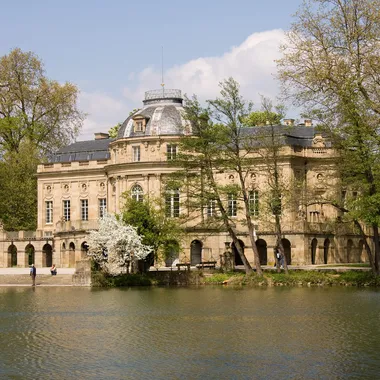
Seeschloss Monrepos is picturesquely situated on a lake in the extensive park area north of the city. The elegant 18th century palace once served as a summer residence and today offers a harmonious interplay of architecture, landscape and water.
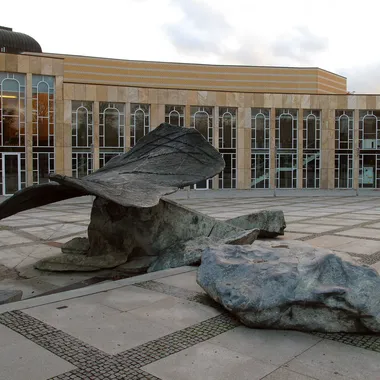
The Forum am Schlosspark is a cultural and event center with theater, concerts and conferences. The architecture combines functional modernity with representative elements.
The Bärenwiese is a spacious green area not far from the Residenzschloss. It serves as an event venue, recreation area and meeting place.
The Hoheneck spa offers thermal baths, wellness areas and medical treatments. It combines relaxation with health promotion in a historic setting.
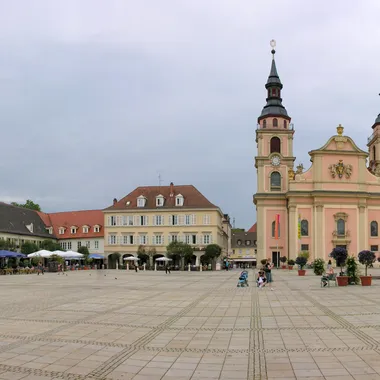
The rectangular market square in the heart of Ludwigsburg is lined with baroque buildings and arcades. With cafés, stores and seasonal events, it is a lively meeting place for locals and visitors alike.
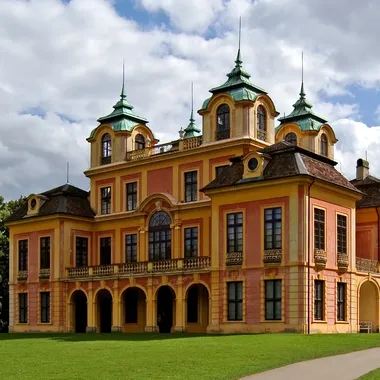
Favorite Palace, an elegant hunting and pleasure palace, is located on the edge of the city in the middle of a park. It is known for its rich interior decoration and historical collections and reflects the splendor of Baroque court culture.
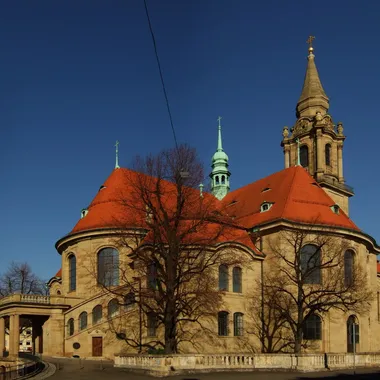
The Friedenskirche is a neo-Gothic sacred building with a striking tower. Its bright interior and stained glass windows create an inviting atmosphere.
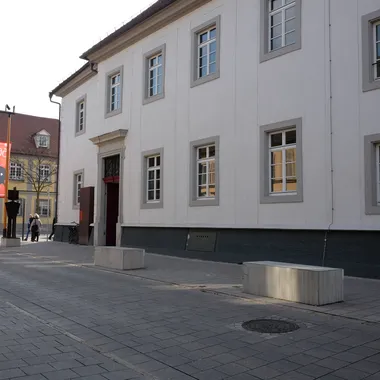
The Ludwigsburg Museum presents the city's history from its foundation to the present day. Vivid exhibitions and interactive elements make historical developments tangible.
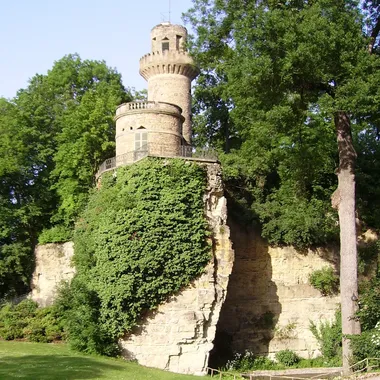
Emichsburg Castle is a picturesque miniature castle in the Baroque style. With its towers, battlements and drawbridge, it is reminiscent of medieval architecture and is particularly popular with families.
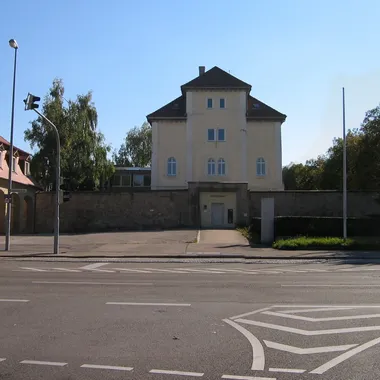
The Prison Museum is dedicated to the history of the prison system from the 18th century to the present day. Exhibits, documents and reconstructed cells illustrate the changes in prison conditions and criminal law.
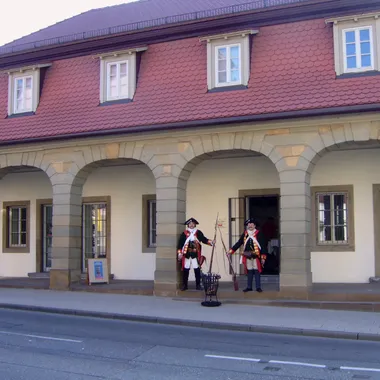
The Garrison Museum sheds light on the city's military history from the 18th century to the recent past. Uniforms, weapons and documents illustrate the everyday life of soldiers from different eras.
The Old Cemetery is a green oasis in the middle of the city and also serves as a historical monument. Numerous gravestones commemorate personalities from Ludwigsburg's history and reflect various styles of funerary art.
The ceramics museum shows the history and art of the Ludwigsburg porcelain manufactory. Finely crafted exhibits illustrate the importance of form, color and decoration in different eras.
The Fashion Museum exhibits garments and accessories from the 18th century to the present day. Original and detailed reconstructions provide insights into fashion history, social trends and craftsmanship.
This institution documents and investigates crimes from the National Socialist era. A permanent exhibition provides information about its work, the historical background and legal proceedings.
Sights, highlights, and background information about Baden-Württemberg.
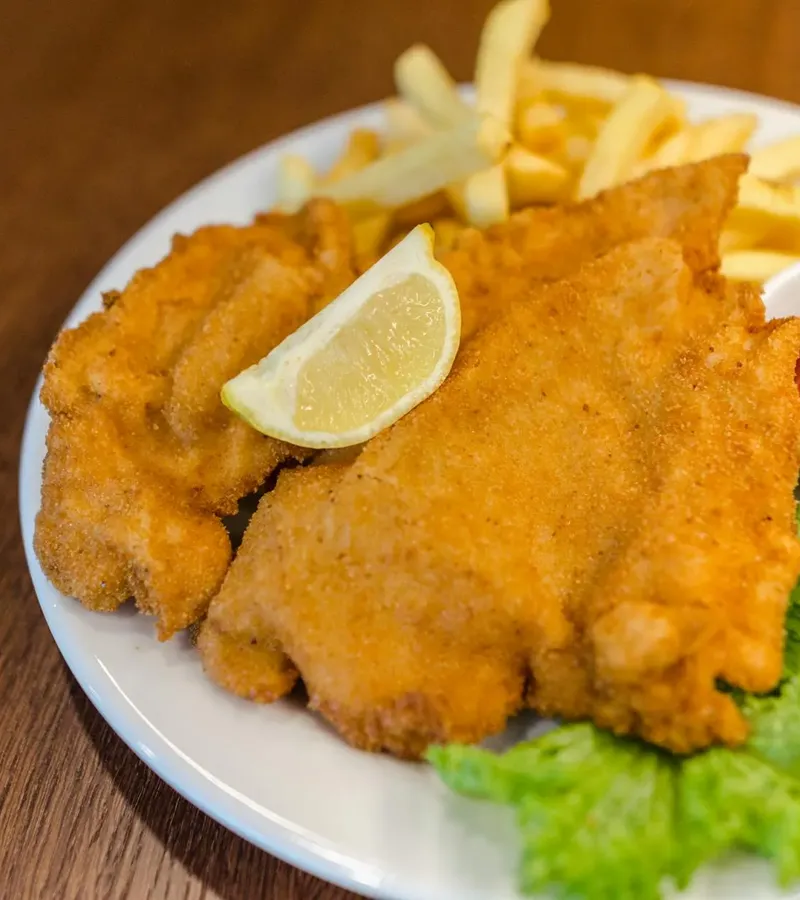
Typical dishes, regional classics, and culinary tips.
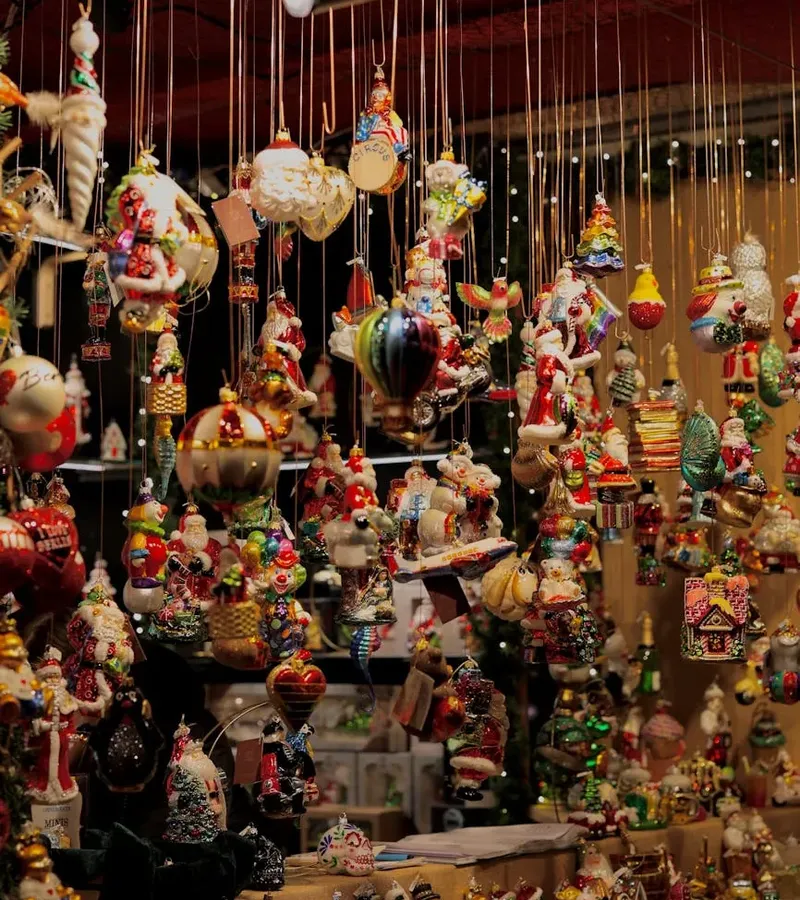
Souvenirs and special local gifts.
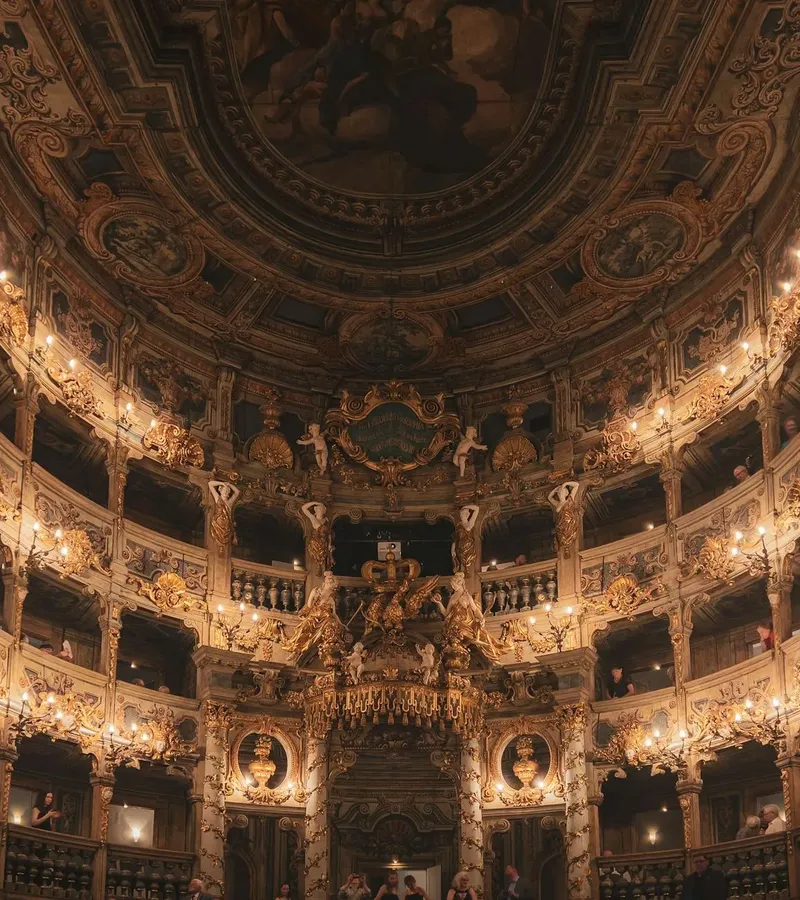
Culture, entertainment, and inspiring ideas for your free time.
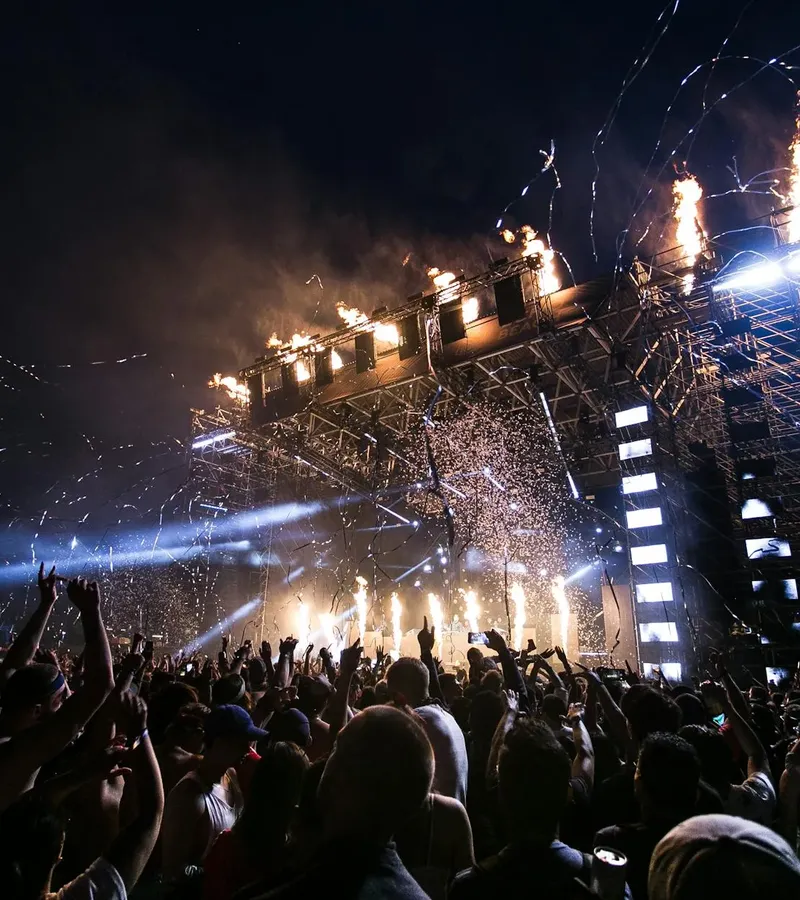
Clubs, culture, and evening plans in the region.

Advice, places, and tips for queer travel locally.
Sports options and well-known clubs in the region.
Festivals, highlights, and seasonal events.

Important advice, common pitfalls, and no-gos.
History, background, and interesting context.
Tips for public transport and arrival.
Sights, highlights, and background information about Baden-Württemberg.
Typical dishes, regional classics, and culinary tips.
Souvenirs and special local gifts.
Culture, entertainment, and inspiring ideas for your free time.
Clubs, culture, and evening plans in the region.
Advice, places, and tips for queer travel locally.
Sports options and well-known clubs in the region.
Festivals, highlights, and seasonal events.
Important advice, common pitfalls, and no-gos.
History, background, and interesting context.
Tips for public transport and arrival.